
REVIEW · CU CHI TUNNELS TOURS
Cuchi Tunnel Tour
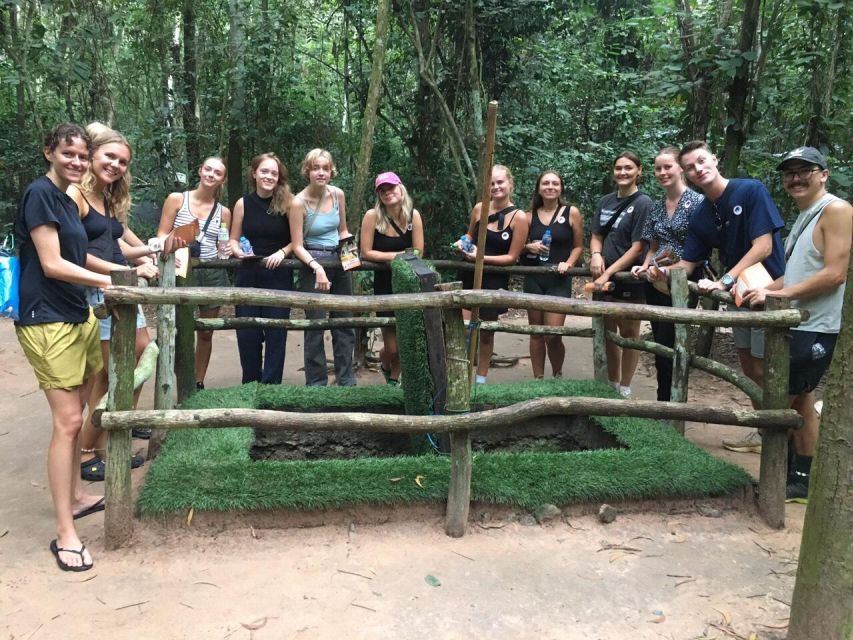
Beneath Vietnam, the past stays vivid. The Cu Chi Tunnel Tour takes you through a massive 250km tunnel network and turns vague war stories into something you can picture fast. I love how the English guide keeps the layout understandable, then backs it up with real-life details like underground rooms and hands-on cultural stops.
The one thing to watch is timing. If you choose the 7:30am departure, you’ll be up early and you’ll spend most of the day on the move, even though the tour itself feels focused once you’re underground.
In This Review
- Key Things You’ll Notice on This Cu Chi Tour
- Cu Chi’s 250km Underground System: what you’re really signing up for
- Timing and logistics: 7:30am vs 12:00pm, and why 5–6 hours feels “long”
- English narration with Cory and Harry: why the guide experience changes everything
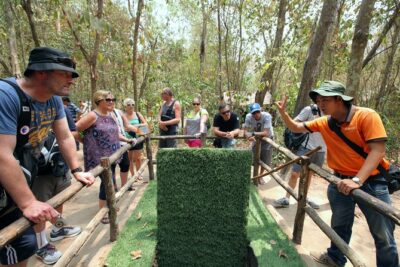
- Map briefing, VC traps, and the choice to go underground
- Underground rooms: smokeless kitchen, health care, meeting room, and fighting bunker
- Tapioca root, rice paper workshop, and snack timing that won’t derail your day
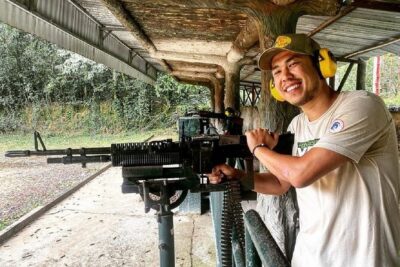
- Optional shooting range: cool add-on, but plan for cost and loud surroundings
- Lacquer ware fine art and the craft contrast after the tunnels
- Price and value: what you get for about $23 (and what costs extra)
- Who should book this Cu Chi Tunnel Tour with ACE Travels Viet Nam?
- Should you book Cu Chi Tunnel Tour now or skip it?
- FAQ
- What’s the duration of the Cu Chi Tunnel Tour?
- What time does the tour run?
- How much does the tour cost?
- Is pickup and drop-off included?
- What’s included in the ticket price?
- How big are the groups?
- Are you required to go underground?
- Is the shooting range included?
- What language is the guide?
- What are the cancellation and payment options?
Key Things You’ll Notice on This Cu Chi Tour
- 250km tunnel network in the Cu Chi district, tied to VC tactics during the French and Vietnam wars
- Small groups (up to 10/12/20 pax depending on departure) or a private group option
- English guidance that stays practical, with guides like Cory and Harry mentioned for clear explanations
- Underground spaces and defensive features like smokeless kitchen, health care, meeting room, and fighting bunker
- Tapioca root tasting plus rice paper and a lacquer ware art studio workshop
- Shooting range is optional and extra, with a minimum bullet purchase
Down into the tunnels, a few more ways to go

Cu Chi’s 250km Underground System: what you’re really signing up for
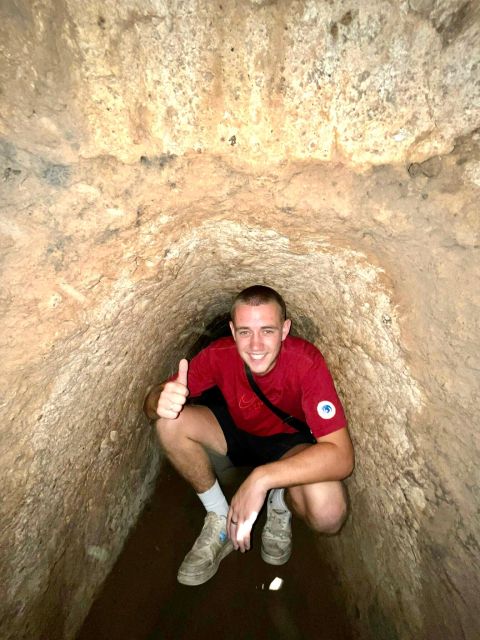
This is one of those Vietnam tours where the setting does half the work for you. Cu Chi’s tunnel network stretches about 250km, and the tour is built around how the Viet Cong used it for hiding, living, attacking, and ambushing during the war. You’re not just looking at old photos. You’re getting a guided path through the ideas—how people survived underground, moved quietly, and defended themselves from above.
What makes it feel worthwhile is the way the stops are layered. You get briefing materials (a map and a tunnel model), then you move into the underground facilities—smokeless kitchen, health care areas, meeting spaces, and fighting bunkers. That sequence matters because it helps you connect the dots instead of treating it like a single dark room you walk through.
And yes, there are cultural add-ons. You’ll taste tapioca root, take part in a rice paper workshop, and visit an art studio where you can see how lacquer ware fine art is made. For many people, that’s the healthy contrast: war survival first, then everyday Vietnamese skill and craft.
At about $23 per person with transportation, entrance, and an English guide included, the price also feels grounded. The value comes from the combo: a long day with guided interpretation plus multiple activity stops, not just a quick entrance fee and a free audio headset.
Timing and logistics: 7:30am vs 12:00pm, and why 5–6 hours feels “long”
The tour runs about 330 minutes, so plan on a 5–6 hour block. There are two main departures: 7:30am and 12:00pm. If you pick the morning slot, you’ll want a solid breakfast before you leave—because you’re waiting for pickup and then moving for most of the day.
Pickup is included. You should wait in the hotel lobby 10 to 20 minutes before your scheduled pickup time. If your pickup point is outside District 1, 3, or 4, you’ll need to contact the operator so they can coordinate correctly.
Group size is capped, usually 10/12/20 pax depending on the departure, so you’re not stuck in a mega-coach crowd. That smaller feel matters when the guide is explaining trap concepts, bunker functions, or how different underground areas were connected.
One practical tip: bring a little patience for how long the whole day can feel, especially with hotel pickup and travel time. Even when the tour portion is well-paced, you’re still doing an out-and-back day.
English narration with Cory and Harry: why the guide experience changes everything
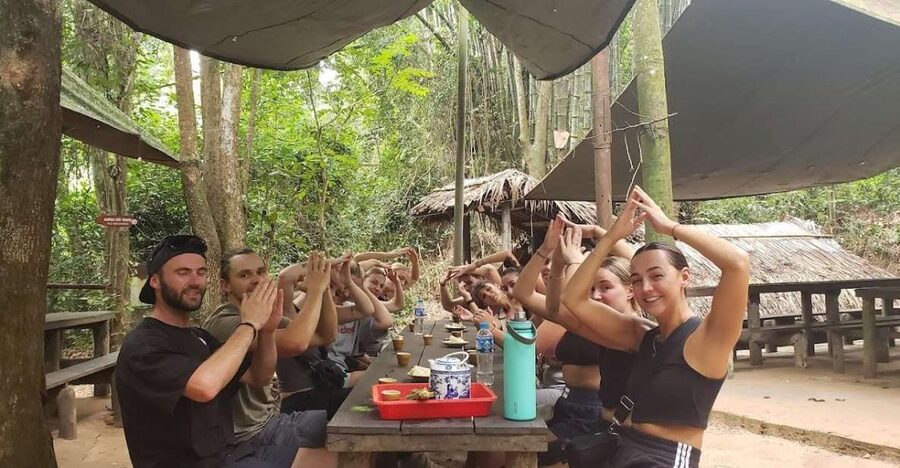
This tour lives or dies by the guide. In the stories you’ll hear, names come up for a reason. Cory is mentioned for organizing the tour smoothly and even handling vegetarian needs without making you feel like you’re asking for special treatment. Harry shows up again and again for clear explanations and good energy.
Harry’s background is the kind of detail that adds emotional weight without turning the day into pure drama. One note describes his family connection to the long-term impacts of Agent Orange, carried by his grandfather and father. When a guide can connect history to real consequences, the tunnel tour stops being just “facts and dates” and turns into human context.
You’ll also want to pay attention to how the guide handles tempo and volume. In one case, a participant found another guide more entertaining and the on-site guide harder to find when the group scattered. That’s a reminder to do your part: stay close to the guide, and if you step away, re-group quickly so you don’t miss briefing sections like maps and model explanations.
Bottom line: if you like tours where the guide explains the logic behind what you see—why traps were built, what a smokeless kitchen was for, why meeting rooms were placed where they were—this is the right format.
Map briefing, VC traps, and the choice to go underground
The tour starts with a map and tunnel model briefing. That’s not filler. It’s what helps you understand the tunnel network as a system rather than a random set of holes.
Then you get the darker, more specific side of the story:
- traps that were built by the VC
- workshop spaces
- underground defense and function zones
You’ll see (and hear about) the idea that the tunnels weren’t just hiding spots. They were built to support movement, living, and attack while staying protected from what was above.
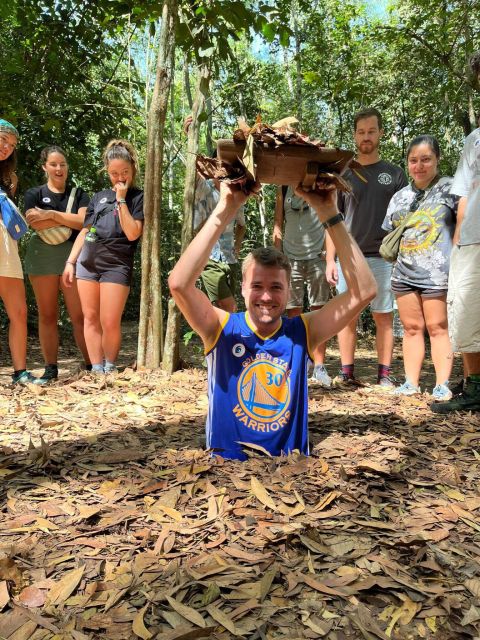
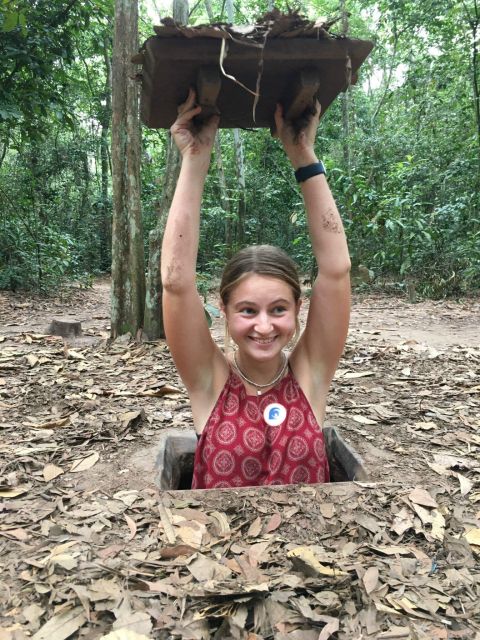
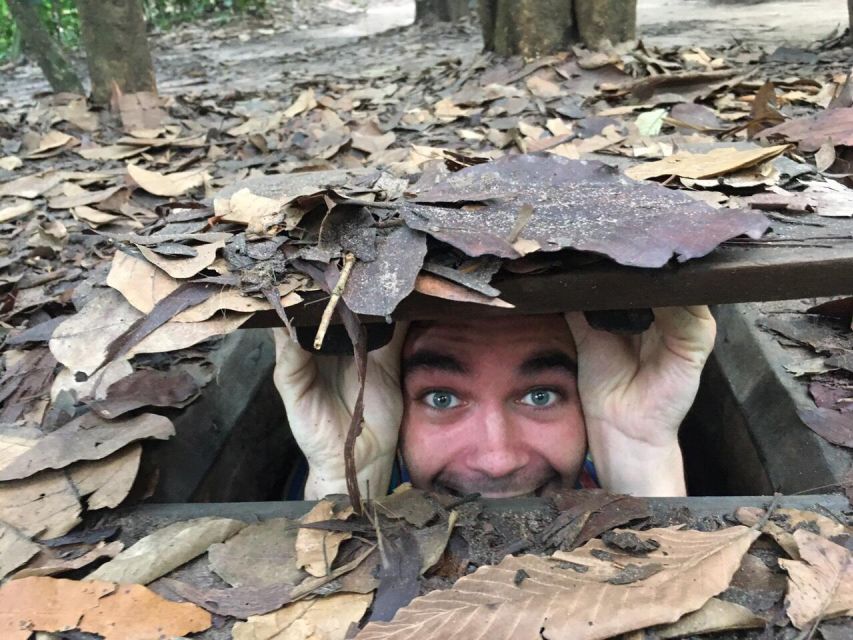
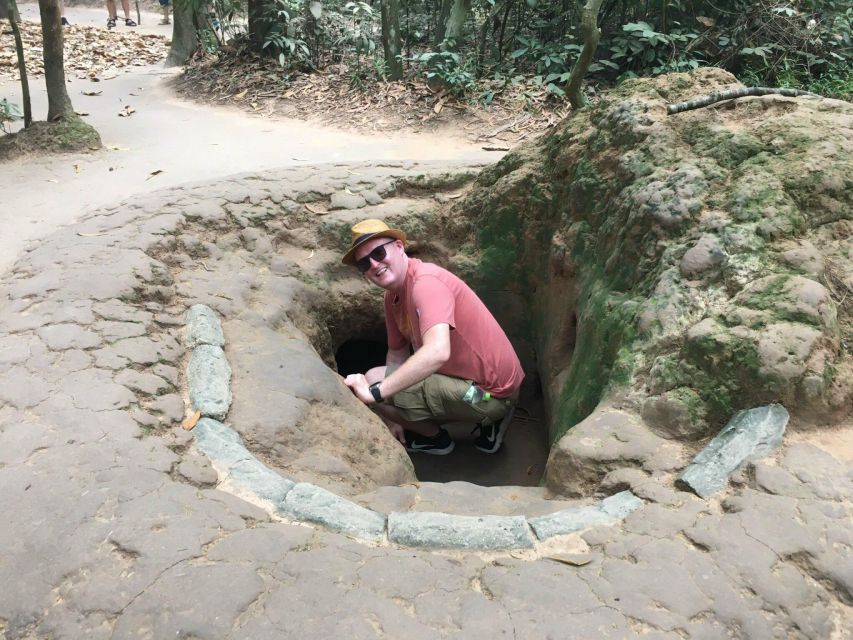
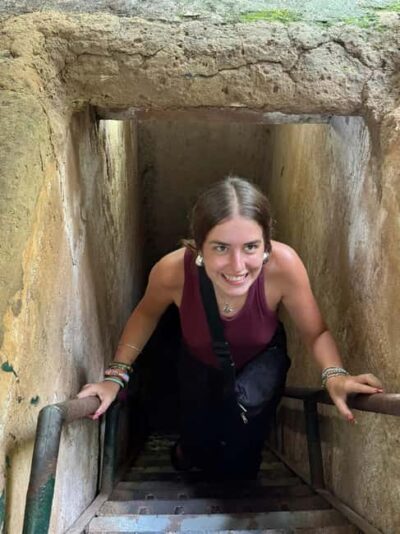
You’ll also have the option to go underground for the experience. The wording makes it clear it’s your choice. If you’re unsure about small spaces or crawling-like movement, you can decide based on your comfort level instead of being forced into it.
If you prefer visual context before you commit, the tour’s museum/tunnel-interpretation approach helps. One participant described enlarged tunnel sections designed for visitors to understand what crawling and ducking would have been like, which makes the full “go underground” decision feel less random.
- Cu Chi Tunnels Tour from HCM City – Morning or Afternoon★ 5.0 · 15,833 reviews
- From HCM City: Mekong Delta Tour with Sampan Journey★ 4.5 · 13,132 reviews
- Ho Chi Minh City Street Food Tour & Sightseeing By Motorbike★ 5.0 · 9,413 reviews
- HCM: Cu Chi Tunnels-Tapioca Small Group Tour Morning or Afternoon★ 5.0 · 7,485 reviews
- Cu Chi Tunnels and Mekong Delta Signature Tour★ 5.0 · 7,328 reviews
Underground rooms: smokeless kitchen, health care, meeting room, and fighting bunker
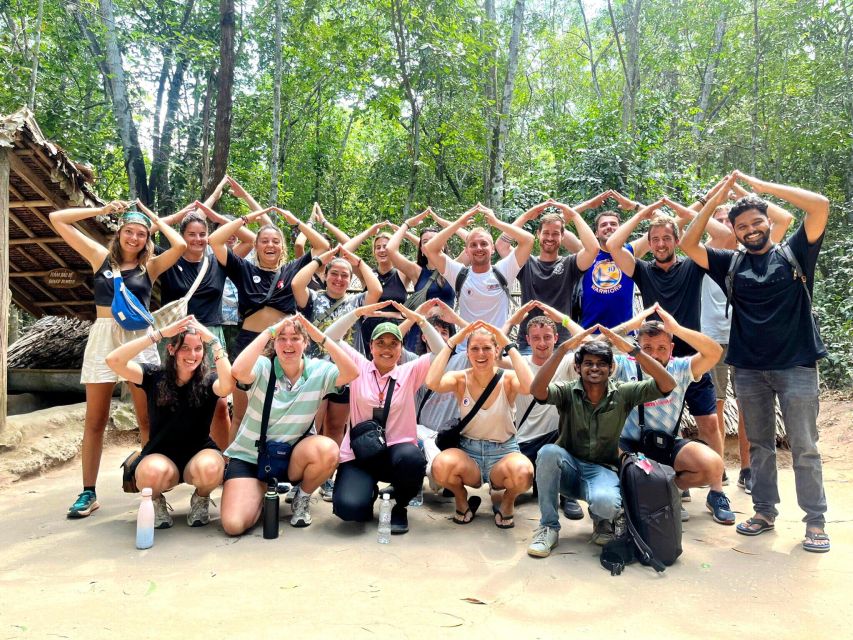
This is where the Cu Chi story gets real. The tour explicitly includes multiple types of underground spaces:
- an underground smokeless kitchen
- health care areas
- a meeting room
- a fighting bunker
Why you should care: each room tells you something about daily life and wartime priorities. A smokeless kitchen suggests the daily need to cook while minimizing detection. Health care reminds you that survival wasn’t only about fighting—it was about treating injuries and keeping people functioning. Meeting rooms point to planning and coordination. Fighting bunkers are the link between life underground and active defense.
The tour doesn’t present these as abstract rooms. With the briefing and guide explanation, you can usually connect each space to a survival purpose. That’s the difference between a tunnel tour that feels like a checklist and one that feels like you actually learned how the network worked.
Tapioca root, rice paper workshop, and snack timing that won’t derail your day
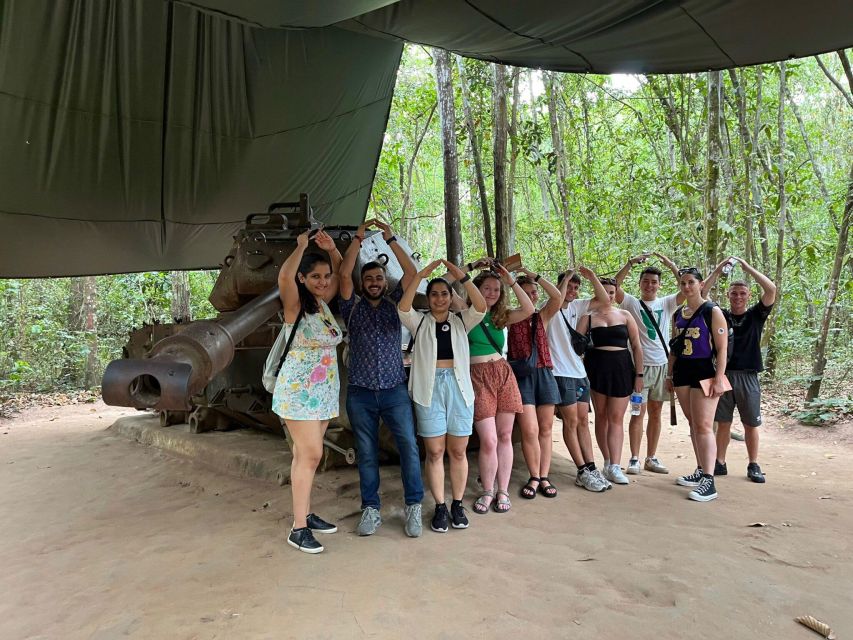
A lot of tunnel tours forget the simple question: what did people eat and do day to day? This one answers it with a few practical stops.
You’ll get tapioca root tasting, described as VC food. The point isn’t just the taste. It’s the perspective: underground survival required regular, repeatable food options.
You’ll also do a rice paper workshop. That’s the kind of stop that makes you slow down and do something with your hands. If you’re the type who learns better through making and trying, this is a win.
On the support side, the tour includes snack and water, plus wet tissue. That matters more than it sounds. A 5–6 hour day with travel and underground time can leave you a bit drained, so having water and a snack included helps you keep your energy without hunting for a shop.
Vegetarian care shows up in the notes too. One participant specifically mentioned tasty food for vegetarians, which is reassuring if you’re used to tours that treat special diets as an afterthought.
Optional shooting range: cool add-on, but plan for cost and loud surroundings
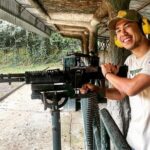
The shooting range is an add-on that’s on your own expenses. The detail you need to know is the minimum purchase: buy at least 10 bullets for 600,000 VND.
Is it worth it? One note calls it a cool add-on and says it’s worth a few rounds because gun availability is different depending on where you live. If you’re curious and you’re comfortable paying extra, it can be a memorable, distinct experience compared with the rest of the day.
But there’s a real consideration. The shooting range sits right next to the small buffet area, described as the only place inside for drinks, food, and toilet. That means it can get painfully loud, and you may not want to linger during the shooting slot.
So here’s how I’d handle it: if you’re sensitive to noise, don’t plan a long meal break right next to the range. If you’re there to shoot, just accept that you’ll experience the sound up close for the time you’re in the area.
Lacquer ware fine art and the craft contrast after the tunnels
After the underground portion, the tour shifts to Vietnam’s skill side. You’ll visit an art studio to see how lacquer ware fine art is made. You’ll also have that rice paper workshop earlier, so by the time you reach lacquer, the day already has a rhythm: war survival context first, then craft and creative process.
Why this pairing works: it prevents the day from feeling like one long, heavy museum visit. You get a chance to watch hands-on techniques and see how Vietnamese artisans turn material into art.
If you like tours that end with something you can talk about beyond the historical facts, the art stops are a strong finish.
Price and value: what you get for about $23 (and what costs extra)
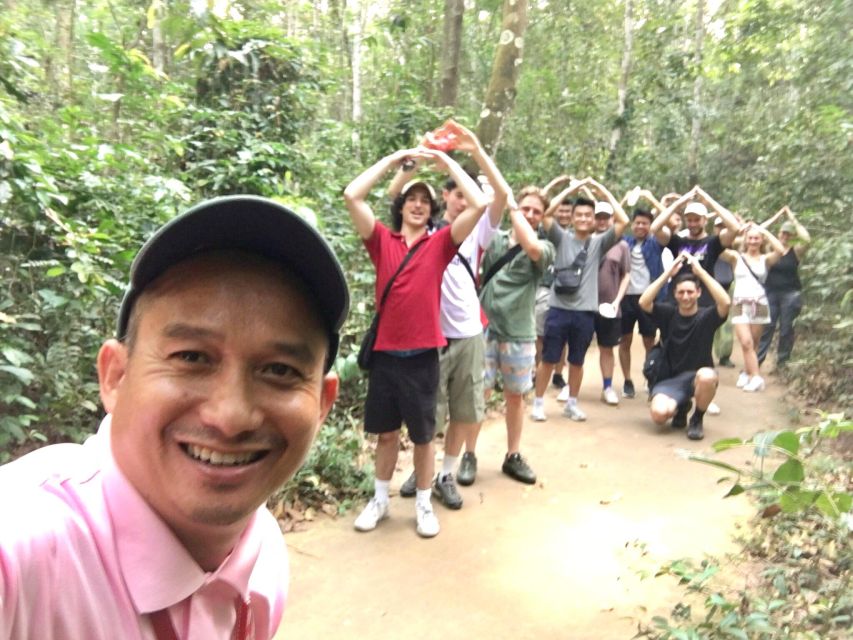
At $23 per person, the big value comes from what’s included:
- transportation with pickup and drop-off
- entrance fee
- English-speaking guide
- wet tissue
- snack and water
That’s a solid bundle for a half-day to full-day experience. You’re paying for more than access—you’re paying for interpretation and multiple stops.
The clearly listed extra is the shooting range, with the bullet purchase requirement. If you skip it, your day stays focused on the underground system, tastings, and workshops.
One more value angle: reviews highlight professional, friendly, and excited guide energy. When the guide is engaged (like the Cory and Harry experiences described), the same tunnels can feel far more meaningful because you’re guided through the logic instead of rushing from stop to stop.
Who should book this Cu Chi Tunnel Tour with ACE Travels Viet Nam?
This is a great fit if you:
- want a guided explanation with English and a real effort to keep things clear
- like history that includes daily-life details (kitchens, health care, meeting rooms), not only battle moments
- enjoy small-group tours where you can ask questions and stay with the guide
- don’t mind a long-ish day with travel time
It may be less ideal if:
- you’re very sensitive to early mornings (especially the 7:30am departure)
- you’re bothered by loud environments if you plan to spend time near the shooting range area
The good news is you still get a lot even if you skip the shooting range. And the underground crawl-style choice is described as optional, so you can decide based on comfort.
Should you book Cu Chi Tunnel Tour now or skip it?
If you’re debating whether this is “worth it,” I’d use this simple test: do you want to understand how the tunnel network functioned as a survival system, not just see tunnels?
If yes, book it. The included pickup, entrance, English guidance, and the combination of tunnels plus tastings and workshops makes it good value for the time. The guide factor also looks strong, with names like Cory and Harry showing up in the clearest stories for organization and explanation.
If your main goal is a short, low-effort sightseeing hit, you might feel this is longer and more structured than you want. But if you prefer a guided day with meaningful stops, this is one of the more practical ways to see Cu Chi with context.
FAQ
What’s the duration of the Cu Chi Tunnel Tour?
The tour duration is listed as 330 minutes (about 5–6 hours).
What time does the tour run?
There are two departures: 7:30am and 12:00pm.
How much does the tour cost?
The price is listed as $23 per person.
Is pickup and drop-off included?
Yes. Transportation with pick-up and drop-off is included.
What’s included in the ticket price?
Included items are transportation, pickup & drop-off, entrance fee, an English-speaking guide, wet tissue, and snack & water.
How big are the groups?
The group size can be up to 10 pax / 12 pax / 20 pax, or you can book a private group.
Are you required to go underground?
Going underground is described as your choice, so you can decide whether to do it.
Is the shooting range included?
No. The shooting range is at your own expense, and you must buy a minimum of 10 bullets for 600,000 VND.
What language is the guide?
The tour includes an English-speaking guide.
What are the cancellation and payment options?
You can cancel up to 24 hours in advance for a full refund, and there is reserve now & pay later (pay nothing today).
More Tours in Ho Chi Minh City



More Tour Reviews in Ho Chi Minh City
The Cu Chi Tunnels, a Few More Ways Down
Just Reviewed Around Saigon
- Secret walking Food Tour Ho Chi Minh City
★ 5.0 · 3 reviews - Ho Chi Minh City: Secret Cocktail Experience
★ 5.0 · 3 reviews - From Ho Chi Minh city: Vung Tau Beach Private Day Tour
★ 5.0 · 3 reviews - Saigoncholon
★ 3.5 · 3 reviews - Saigon On 2 Wheels
★ 3.5 · 3 reviews - From Ho Chi Minh City: Relax In Mui Ne Beach In 1 Day
★ 4.3 · 3 reviews
Cu Chi Tunnels Tours, compared.
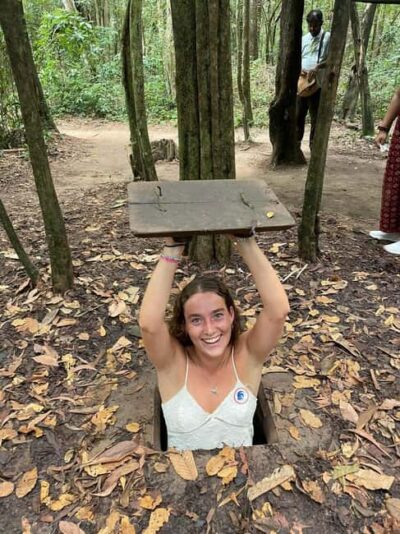 ★ 4.7Cu Chi Tunnels Morning or Afternoon TourFrom $1319,646 reviews
 ★ 5.0Cu Chi Tunnels Tour from HCM City – Morning or AfternoonFrom $1515,833 reviews
 ★ 4.7Cu Chi Tunnels & Mekong Delta with Coconut Village TourFrom $3511,836 reviews
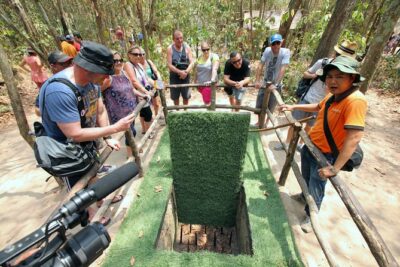 ★ 5.0Cu Chi Tunnels-Tapioca Small Group Tour Morning or AfternoonFrom $147,485 reviews
 ★ 5.0Cu Chi Tunnels and Mekong Delta Signature TourFrom $337,328 reviews
 ★ 5.0Cu Chi Tunnels & Mekong Delta Tour with VIP Limousine TransferFrom $567,052 reviews
 ★ 4.8Cu Chi Tunnels Morning or Afternoon TourFrom $136,326 reviews
 ★ 5.0Cu Chi Tunnels and Mekong Delta Full Day Tour – Max 12From $436,257 reviews
Browse the lists this tour appears in