
REVIEW · SCOOTER & VESPA TOURS
Discover Saigon’s Local Sites and Culture by Motorbike
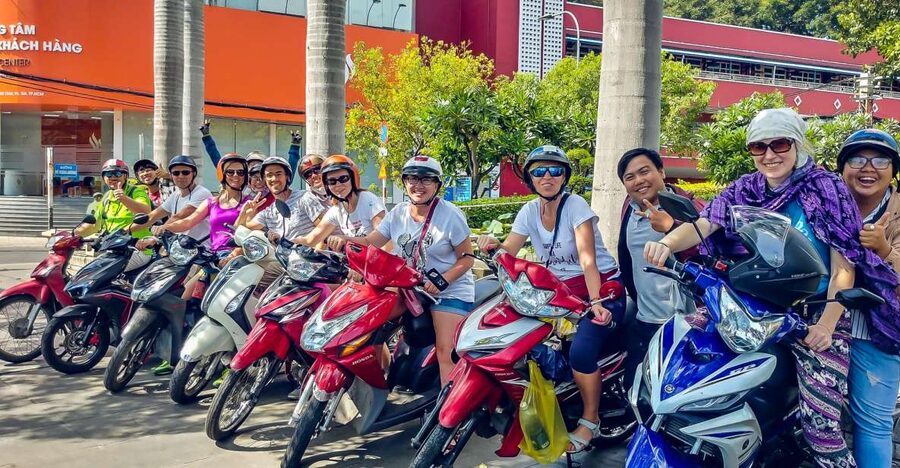
This city moves fast, and that’s the point. A guided Saigon motorbike tour is one of the quickest ways to see real daily life, from tiny alley streets to big market scenes, with stops that teach you the city’s layers. I especially like how you mix famous landmarks with everyday places, and how guides (including people like Lucy and Jay) handle the traffic so you can focus on the sights.
The trade-off is simple: you’ll be on a scooter. If you’re nervous about riding or you don’t like chaotic road energy, you might prefer a walking-and-car tour instead.
In This Review
- Key highlights I’d plan around
- Why this Saigon motorbike setup works so well
- The ride start: Thich Quang Duc Monument, then District 3’s everyday side
- Coffee break: Vietnamese coffee or coconut, the local way
- Flower market time: the colorful chaos of Saigon
- District 5 Chinatown: markets, medicine, and temples
- Floating market: a mini Mekong Delta in the city
- District 4 and 7: slum areas and an old mafia area
- The food stop: special dish plus the local drink
- District 2 tunnel ride and District 1 payoff views
- The guiding style: English explanations that stick
- Who this tour fits best (and who should skip it)
- Price and logistics: what you really need to budget
- What to bring so you enjoy it from the start
- Should you book the Saigon motorbike local-culture tour?
- FAQ
- How long is the tour?
- How much does it cost?
- Is pickup and drop-off included?
- Where are the free pickup areas?
- What’s included in the price?
- Do I need to pay extra for a private tour?
- Can I ride in a car or van instead of a motorbike?
- Is there an upgrade for an Ao Dai rider?
- What should I bring?
- Is the tour cancellable?
Key highlights I’d plan around
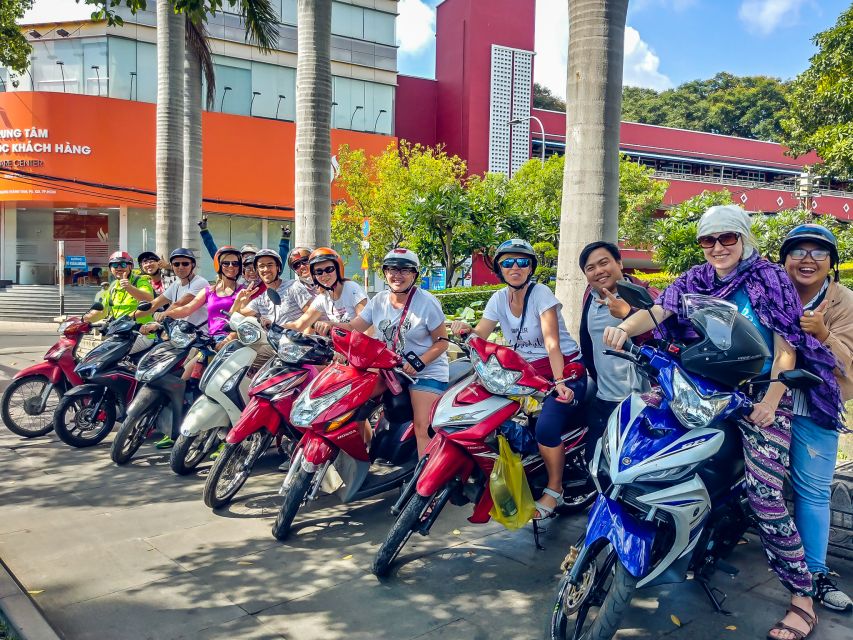
- Thich Quang Duc Monument as a respectful start, not a random photo stop
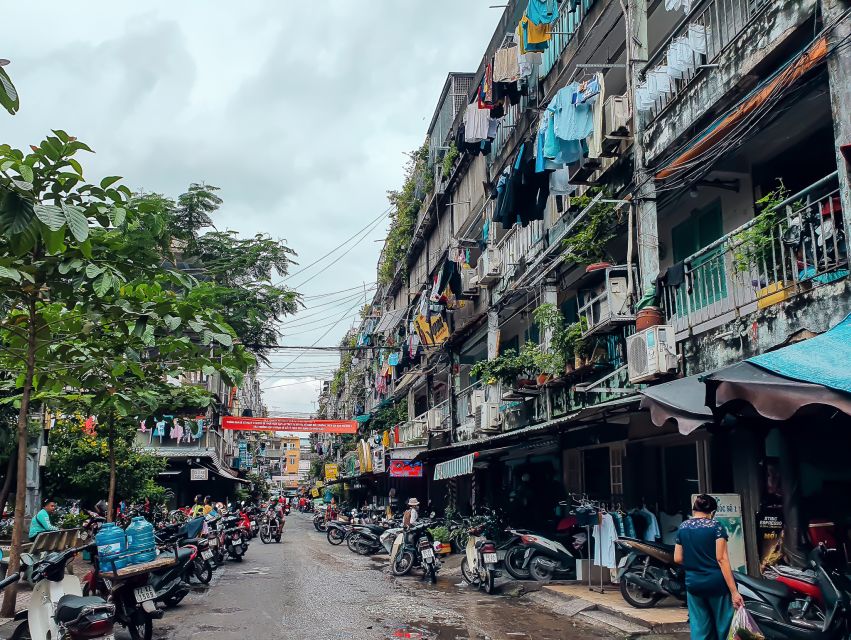
- District 3 local apartment life, a rare look at neighborhood routines
- Vietnamese coffee or coconut at a real local-style stop
- Saigon’s flower market plus District 5 Chinatown with market hopping
- Floating market + districts 4 and 7 for contrasts in everyday life
- A final ride through the Saigon River Tunnel with District 1 views
Hop on the back of a bike, other Saigon rides

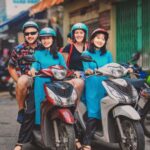
Why this Saigon motorbike setup works so well
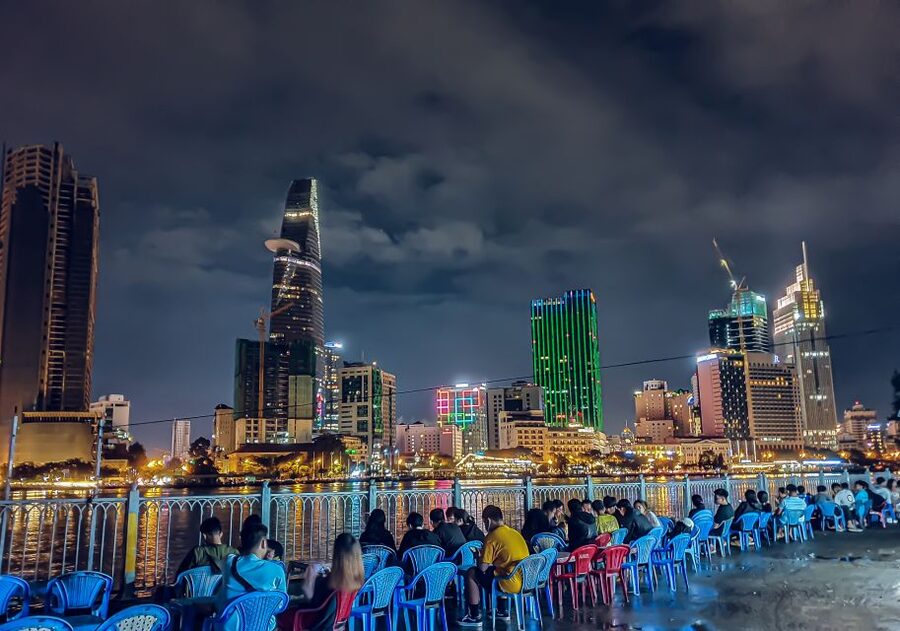
Saigon is hard to “get” if you only move like a typical tourist. The streets are narrow, the traffic has its own rhythm, and landmarks sit right next to ordinary life. This tour solves that by using the one thing most locals understand instinctively: the motorbike. You’re not stuck waiting for the city to slow down.
I also like that this isn’t just sit-and-ride sightseeing. You repeatedly step off, walk a bit, and actually look. That matters because Saigon is visual. You notice details when you’re at sidewalk level—shopfront activity, how people move through markets, and the little textures that don’t show up from a window.
One more reason it feels worth the money: you get food and drink on the program, plus helmets and ponchos. For around $16, that’s not just transportation—it’s guided access to places you’d probably skip or miss on your own.
The ride start: Thich Quang Duc Monument, then District 3’s everyday side
The tour typically begins with pickup by a motorbike guide and driver. Once you’re geared up with a helmet and poncho, you head out to the Thich Quang Duc Monument first. That opening stop sets a tone. It’s not just another city photo. It gives context for Vietnam’s modern story through a place that carries strong meaning.
From there, the route shifts toward District 3, described as one of the oldest districts of Saigon. The highlight here is visiting an older apartment area where you can see local life up close—daily routines, how people use shared spaces, and how neighborhoods really work when the city’s not performing for visitors. This is the part that usually feels most “real,” because it’s not built for tourism.
Practical note: this portion includes short walking time and close-up viewing. Wear comfortable shoes and keep your camera ready, because you’ll want pictures at eye level.
Coffee break: Vietnamese coffee or coconut, the local way
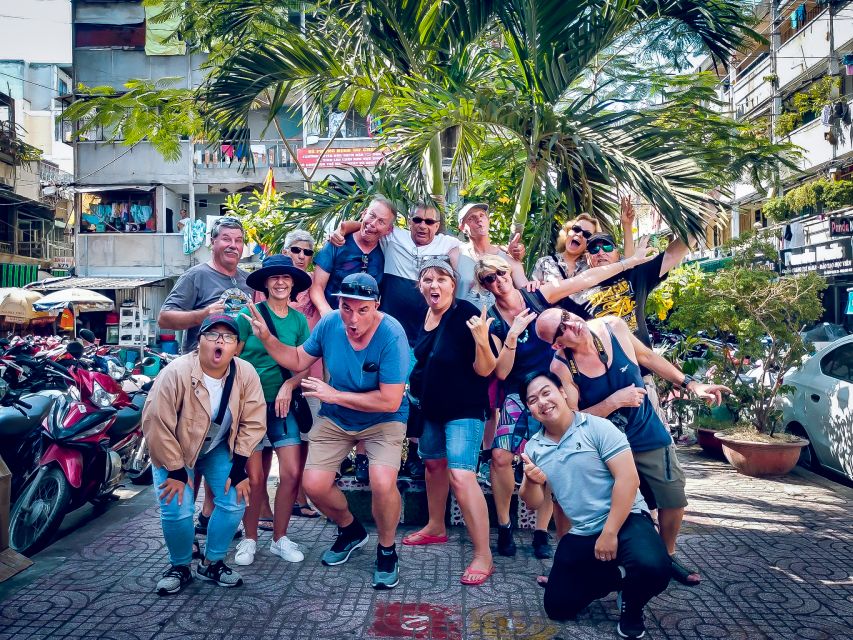
Between neighborhood streets and market areas, you’ll pause at a local coffee shop. You can expect a typical Vietnamese coffee or coconut depending on what’s arranged for your group.
This stop is more than caffeine. It’s a cultural reset. Coffee culture in Vietnam is a full-on ritual—slow, strong, and social. Even if you’re not a coffee person, coconut is a great option to cool down.
If you’re the kind of traveler who likes tasting your way through cities, this is where the tour earns points. It breaks up the ride, and it gives you an easy moment to talk with your guide about what you’re seeing next.
Flower market time: the colorful chaos of Saigon
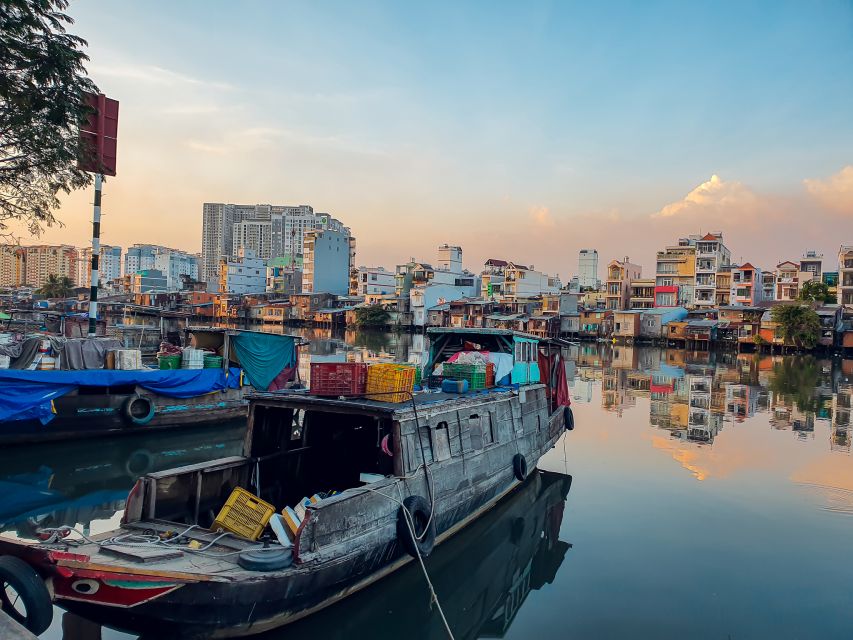
Then comes one of the city’s showstoppers: the biggest flower market in Saigon. Expect intense color, lots of movement, and the practical reality behind all those beautiful blooms—people buying, selling, and transporting flowers for home shrines, events, and everyday life.
What makes this stop work on a motorbike tour is timing. You’re already traveling across the city, so you can hit the market while the energy is happening. You’re not detouring for a single “spot.” You’re flowing with the city’s daily schedule.
Downside to know: markets like this can be crowded. If you don’t like close crowds, position yourself with your guide so you don’t get pushed around.
- Cu Chi Tunnels Tour from HCM City – Morning or Afternoon★ 5.0 · 15,833 reviews
- From HCM City: Mekong Delta Tour with Sampan Journey★ 4.5 · 13,132 reviews
- Ho Chi Minh City Street Food Tour & Sightseeing By Motorbike★ 5.0 · 9,413 reviews
- HCM: Cu Chi Tunnels-Tapioca Small Group Tour Morning or Afternoon★ 5.0 · 7,485 reviews
- Cu Chi Tunnels and Mekong Delta Signature Tour★ 5.0 · 7,328 reviews
District 5 Chinatown: markets, medicine, and temples
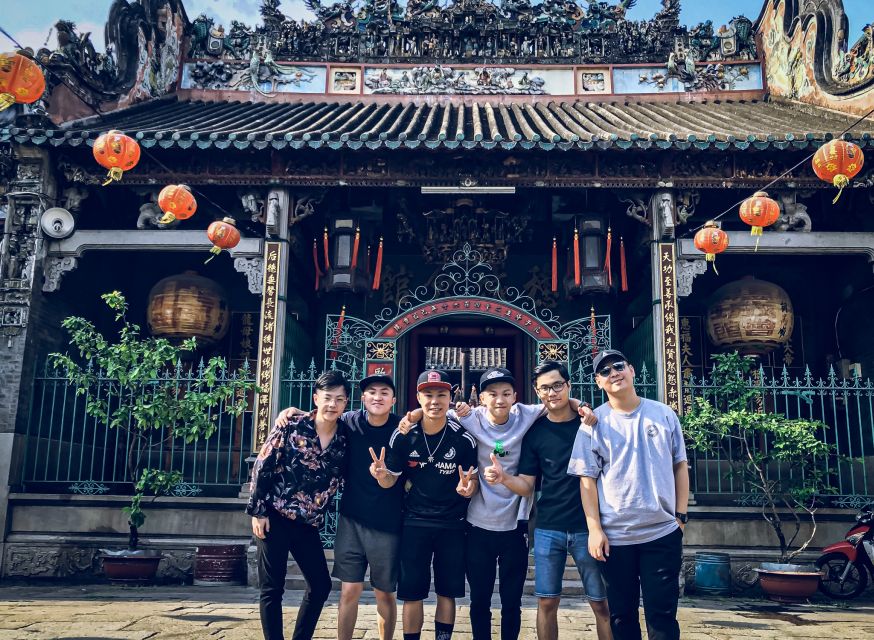
After the flower market, you shift into China Town in District 5. This area is packed with small commerce lanes, and the tour is built to match that vibe.
You’ll pass through or stop near multiple market types, including:
- a motorbike market
- a pet market
- an electronic market
- a Chinese medicine market
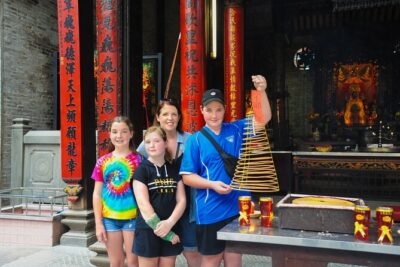
- plus a typical Chinese temple stop
This is a strong “culture mechanics” section. You’re not just seeing objects—you’re seeing how the neighborhood solves everyday needs. Electronic goods, pet supplies, medicine, vehicle parts—these are all part of how communities function.
Also, the temple visit adds balance. After the street-market pace, the temple gives you a quieter moment. You can look, read your own interpretation, and listen to what your guide shares about local practices.
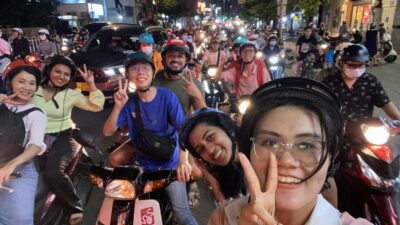
Safety-wise, the ride into and out of these areas matters. Several guides in the tour feedback are praised for careful driving and keeping passengers secure while weaving through traffic. That’s not small. In Saigon, the road is part of the show, but you still want control.
Floating market: a mini Mekong Delta in the city
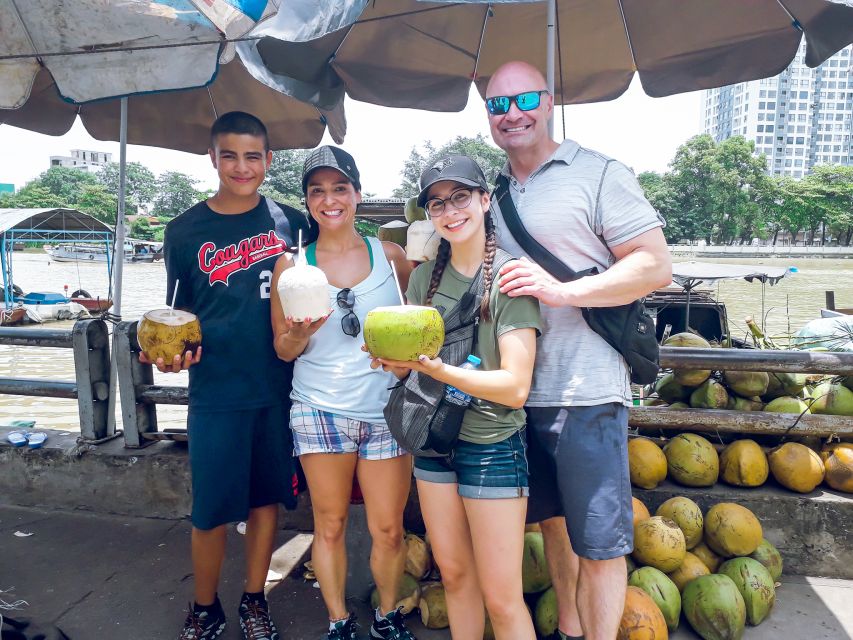
One of the tour’s most distinctive experiences is the stop at a floating market, described as a small version of the Mekong Delta in Saigon.
Floating markets don’t just look unusual—they change how you understand the geography of trade. You see commerce from the water, with boats acting like storefronts. It’s a different pace than land markets, and it’s one of those “only here” moments that makes the motorbike approach feel worth it.
If you’re expecting a theme-park version, adjust your expectations. This is about local movement and everyday buying. Bring patience, and let the scene unfold.
District 4 and 7: slum areas and an old mafia area
The route also includes time in districts 4 and 7, with the tour description explicitly mentioning slum areas and an old mafia area. This isn’t presented as shock value. It’s shown as part of Saigon’s uneven history and present-day contrast.
This section can feel emotional. It’s also one of the more important lessons a short tour can offer: big cities aren’t made only of highlights. They’re made of neighborhoods with different realities.
If you’re sensitive to that topic, go in mentally prepared. You’ll get context from your guide, but the visuals are still real. I’d treat this stop as learning time, not entertainment time.
The food stop: special dish plus the local drink
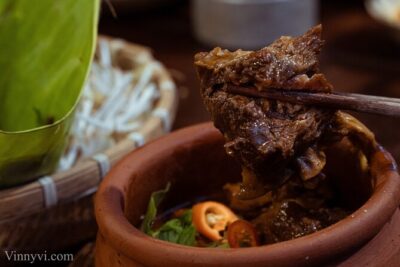
By the time you reach the meal portion, you’ve already been walking a bit and riding through busy areas. The tour includes a special dish and a local drink to keep your energy up.
The exact dish can vary, but the important part is that the meal is framed as part of the culture you’re learning—not just a quick refill. Some feedback also points out that guides can adjust food choices (including vegan options), which is helpful if you have dietary preferences.
Quick tip: if you want to try street food but you’re cautious, this is a good place to start. You’ll be guided, you’ll know what you’re eating, and you won’t be left figuring out ordering on your own.
District 2 tunnel ride and District 1 payoff views
After the meal, the tour heads toward a dramatic modern moment: driving through the Saigon River Tunnel in District 2. This is the “city engineering” contrast—moving from older neighborhoods and market life to a newer urban corridor.
Then you get scenes from District 1, the area most tourists aim for. On a bike tour, District 1 doesn’t feel like a checklist. It feels like the finale after you’ve seen what surrounds it.
Why this sequencing works: it gives you a sense of scale. You start with meaning (Thich Quang Duc Monument), move into local daily life (District 3), then sweep across commerce areas (flower market and Chinatown), shift into water trade (floating market), confront contrasting neighborhoods (districts 4 and 7), and finish with major-city visuals through District 2 and District 1.
The guiding style: English explanations that stick
The tour uses English-speaking guides, and that matters because Saigon is not easy to interpret from your phone. Your guide connects what you see—temples, markets, older housing, and street commerce—to the way people live and the way the city developed.
Many guide names come up in the tour feedback, including Jay, Lucy, Elisa, Danny/Duy, Vinh, and Anh. The common thread is that the pacing is practical. You get time to listen, then time to look, and the stops don’t feel like a race.
This is one of the highest-praised parts of the experience: the combination of careful driving and clear explanations. If you’re doing Saigon for the first time, that’s huge. It helps you get your bearings fast.
Who this tour fits best (and who should skip it)
This is ideal if you:
- want a local-life overview in a short window
- like markets and street culture
- want to taste food and drink you might not pick alone
- enjoy the experience of riding through traffic rather than avoiding it
It’s not a match if you:
- are pregnant
- use a wheelchair
- are over 80
Also, bring realistic expectations. This is not a slow, museum-style day. You’ll move, stop, and move again. The payoff is the variety in a compact time.
Price and logistics: what you really need to budget
The headline price is $16 per person for the 2-hour (up to about 210-minute) experience. That’s good value if you add up what’s included: pickup and drop-off, English guides, motorbikes with helmets and ponchos, photos, and food/drink.
But watch for common add-ons:
- If you’re booking a private tour option, there’s a $5 per person surcharge.
- If your pickup location is outside Districts 1, 3, and 4, you may pay a $5 per person surcharge on the service day.
- The operator also lists holiday surcharges for certain Vietnamese dates (paid onsite).
- There’s an option to upgrade for a Female Ao Dai rider (+$10 per person).
- They also offer a car or van option (with surcharges), if you want a different ride style.
If you want the smoothest experience, pick a hotel in District 1, 3, or 4 or plan to meet at the stated meeting points. It keeps pickup simple and avoids extra fees.
What to bring so you enjoy it from the start
The tour nudges you toward comfort. Here’s what actually helps:
- comfortable shoes (you’ll walk some)
- comfortable clothes (it’s hot and you’ll be active)
- a camera (you’ll want photos at monuments, markets, and temple stops)
- cash (handy for anything not fully covered, and it’s explicitly suggested)
Also note what’s not allowed: alcohol and drugs.
If you hate getting splashed or you dislike rain ponchos, don’t worry—you’re issued a poncho. Still, be ready for a more “street-level” experience than a sit-down day tour.
Should you book the Saigon motorbike local-culture tour?
I’d book this if you want Saigon in full texture: old apartment neighborhoods, markets with real buying energy, and district contrasts you can’t easily stitch together on your own in a few hours. The best part is the balance—local life + guided context + food—all while you cover ground quickly without losing the ability to see details.
Skip it if you’re uncomfortable on a motorbike or if you know road chaos stresses you out. In that case, you may enjoy Saigon more from a calmer vehicle option or a walking-focused plan.
If you do book, I’d make it an early stop in your trip. You’ll get a fast mental map of how Saigon works, and that makes the rest of your days easier.
FAQ
How long is the tour?
The tour is scheduled for 2 hours, with a duration range up to about 210 minutes.
How much does it cost?
The listed price is $16 per person.
Is pickup and drop-off included?
Yes. Pickup and drop-off are included at your hotel or specified places.
Where are the free pickup areas?
Free pickup is offered for hotels in Districts 1, 3, and 4, or at the meeting point listed at 212 Lê Lai, Phường Phạm Ngũ Lão, Quận 1 (also referenced near the Saigon Opera House).
What’s included in the price?
You get an English-speaking guide, motorbikes, helmets and ponchos, food and drink on the program, photos, and hotel pickup/drop-off.
Do I need to pay extra for a private tour?
The information provided notes a $5 per person surcharge for the private tour option.
Can I ride in a car or van instead of a motorbike?
Yes. A car or van option is available with surcharges listed as $50 for a 7-seat car and $70 for a 16-seat van. Booking should be made before 24 hours.
Is there an upgrade for an Ao Dai rider?
Yes. There is an upgrade for a Female Ao Dai rider for an extra $10 per person.
What should I bring?
Bring comfortable shoes, comfortable clothes, a camera, and cash.
Is the tour cancellable?
Yes. Free cancellation is available up to 24 hours in advance for a full refund.
More Tour Reviews in Ho Chi Minh City

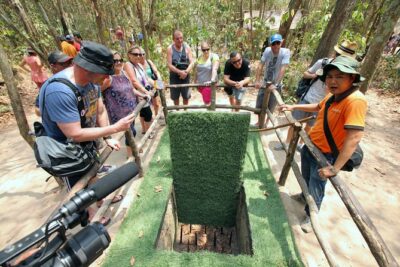


On the Back of a Bike, Continued
Just Reviewed Around Saigon
- Secret walking Food Tour Ho Chi Minh City
★ 5.0 · 3 reviews - Ho Chi Minh City: Secret Cocktail Experience
★ 5.0 · 3 reviews - From Ho Chi Minh city: Vung Tau Beach Private Day Tour
★ 5.0 · 3 reviews - Saigoncholon
★ 3.5 · 3 reviews - Saigon On 2 Wheels
★ 3.5 · 3 reviews - From Ho Chi Minh City: Relax In Mui Ne Beach In 1 Day
★ 4.3 · 3 reviews
Scooter & Vespa Tours, compared.
 ★ 5.0Ho Chi Minh City Street Food Tour & Sightseeing By MotorbikeFrom $289,413 reviews
 ★ 5.0Saigon By Night and Street Food By Motorbike | Opt: Ao Dai RidersFrom $374,066 reviews
 ★ 5.0Private Street Food Tour by Motorbike/Car with Local StudentsFrom $453,950 reviews
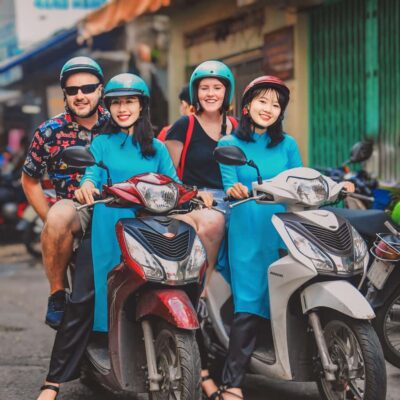 ★ 4.9Street Food Tasting & Sightseeing Tour by MotorbikeFrom $273,578 reviews
 ★ 5.0Top Notch Street Food Motorbike Tour In Ho Chi Minh CityFrom $292,667 reviews
 ★ 5.0Private Street Food Motorbike Tour in Ho Chi Minh CityFrom $552,180 reviews
 ★ 5.0Ho Chi Minh City Motorbike Tour with Student | Saigon AdventureFrom $231,697 reviews
 ★ 5.0Food Tour by Scooter with Eleven TastingsFrom $281,502 reviews
Browse the lists this tour appears in