
REVIEW · CU CHI TUNNELS TOURS
Discover vietnamese Agriculture,culture ,Cuisine and Cu chi Tunnels in Saigon
One early morning. Then a full day of Vietnam. I really like the combo of Cu Chi Tunnels history and Vietnamese cooking you can actually do yourself. I also like the farm-to-table logic: you pick ingredients, learn what they do in the diet, then cook them. One drawback to consider: it’s a long day at about 10.5 hours, and you’ll be out early, so plan for an early bedtime after.
The day starts with hotel pickup in central Ho Chi Minh City (Saigon), so you skip the awkward meet-up hunt. The group stays small (max 15), which makes the schedule feel more personal, not rushed. Expect warm welcomes like jasmine tea, plus a Vietnamese hat and tools like a basket and scissors during the farm time.
You’ll also see a mix of agriculture, daily-life details, and wartime survival lessons in one loop. The cooking side is run by well-regarded chefs and instructors (names that show up in guide/chef shout-outs include Chef Linh, Aura, Daisy, and Suu), and you finish with a certificate and recipes to take home.
In This Review
- Key highlights worth getting excited about
- Two big themes in one Saigon day: food and survival history
- 7:30 AM pickup and the ride south: plan for a full day
- Cu Chi Tunnels: how construction and survival really fit together
- Organic farm time: picking ingredients and learning what they do
- “Magic kitchen” cooking: 4 courses you make, not just watch
- Lunch and snacks: included, and tied to the story
- Rubber, traps, and rice paper: small stops with big meaning
- Timing, comfort, and what to bring (so the day feels easy)
- Price and value: is $81 a fair deal?
- Who should book this Saigon agriculture, cooking, and tunnels day?
- Should you book? My straight answer
- FAQ
- How long is the tour?
- What time does the tour start in Ho Chi Minh City?
- Is hotel pickup and drop-off included?
- What’s included in the price besides the tour?
- Is a vegetarian option available?
- How many people are in the group?
- What’s the cancellation policy?
Key highlights worth getting excited about
- Hands-on organic farm picking using the day’s ingredients for your meal
- 100% hands-on cooking for a 4-course spread you’ll prepare yourself
- Cu Chi Tunnels learning focused on how tunnels were built and how people survived 20 years underground
- Wartime food context including what locals ate during the war time
- Rice paper and local tricks like how rice paper is made and how local traps work
- Rubber and jungle practicals showing up as part of the survival story
Down into the tunnels, a few more ways to go

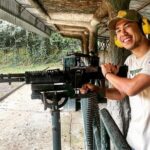
Two big themes in one Saigon day: food and survival history
This tour works well if you’re a first-timer in the south and you want more than one neat photo stop. You get the agriculture and cuisine side in the morning, then you shift into Cu Chi Tunnels and the survival lesson that Vietnam is known for in a way that’s hard to replicate on your own.
What I like most is the pacing of the day. It isn’t just “drive, look, leave.” You’ll pick produce, you’ll cook, then you’ll learn why certain things mattered during war time. That structure makes the whole day feel connected, not random.
The “value” part also matters here. You’re paying for more than transport and a ticket. You’re paying for a full day program: pickup/drop-off, farm activities, a cooking class, and a full lunch experience.
7:30 AM pickup and the ride south: plan for a full day
The tour kicks off at 7:30 am, with hotel pickup and drop-off included. There’s also port pickup and drop-off, which can help if you’re combining this with a river or cruise plan. You’ll travel in an air-conditioned vehicle, and bottled water is included.
That early start is the trade-off. You’ll want comfortable shoes and something light for humidity, because the day is long and you’ll be doing hands-on activities. If you like sleeping in, this might feel like punishment. If you like making the most of limited time, it feels like a smart use of daylight.
Also note the small-group size (max 15). That usually means you can ask questions and actually hear the explanation while things are happening.
Cu Chi Tunnels: how construction and survival really fit together
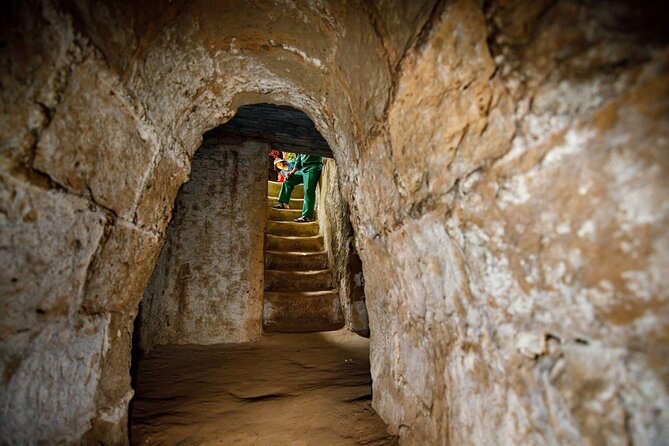
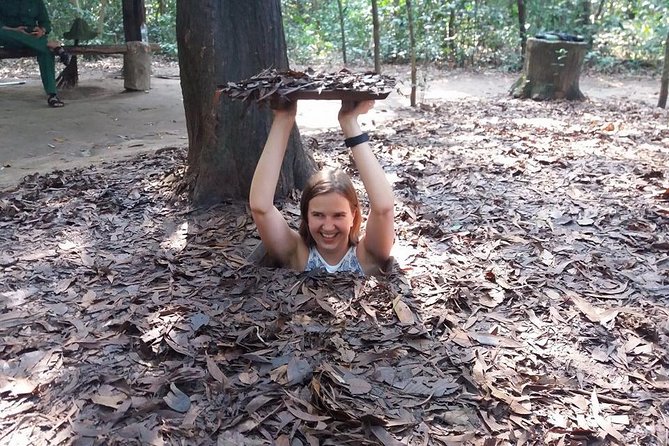
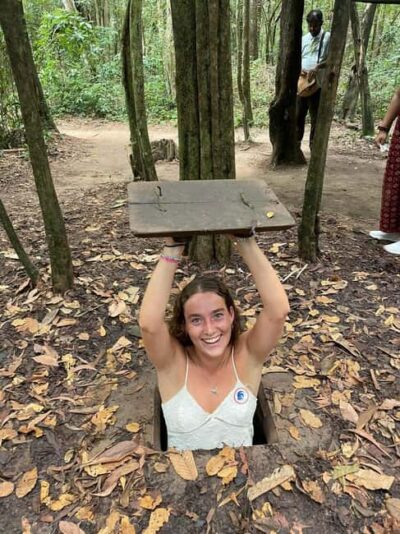
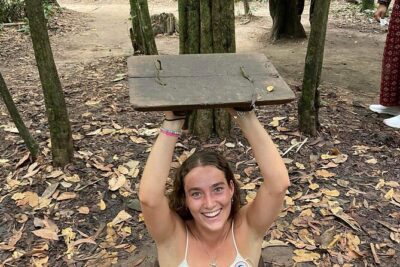
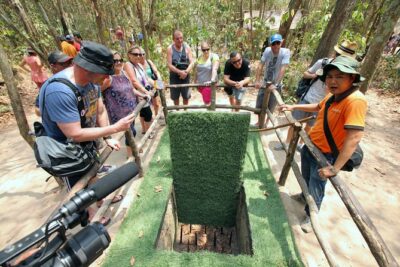
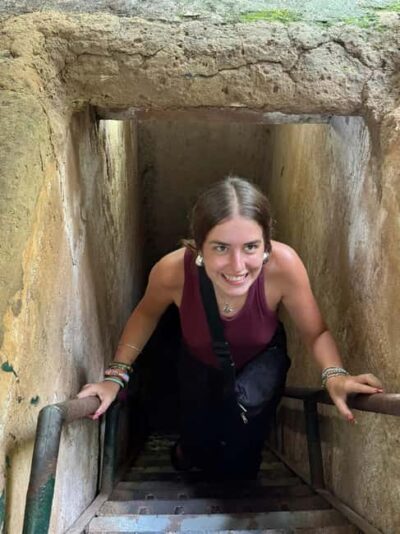
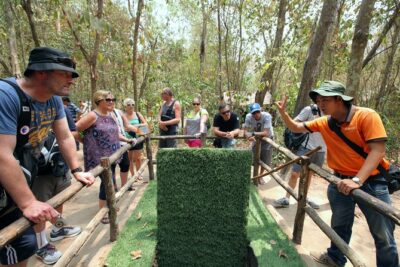
Cu Chi Tunnels is the anchor of this outing, and it’s taught as more than a scary underground attraction. You’ll explore the tunnels and get an explanation of how tunnels were constructed, plus what life underground required.
The tour specifically includes learning about survival over a long period—20 years underground—and how people handled the challenges. That theme helps you connect the tunnel spaces to real-world needs, not just the visual “wow factor.”
You’ll also see practical parts of the wider wartime survival story:
- how traps work locally
- the role of rubber (you’ll be shown and explained)
- and wartime eating, including the main food locals ate during the war time
If you’re sensitive to confined spaces or dark environments, treat this section thoughtfully. It’s underground by nature, so it may not suit everyone’s comfort level.
Organic farm time: picking ingredients and learning what they do
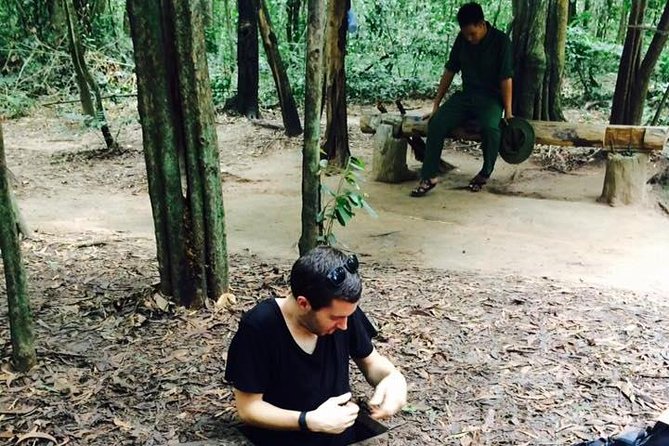
One reason this tour feels different from a standard tunnel day trip is the organic farm experience. You explore the farm and learn about nutrition using plants as the lesson. You’re not just walking around looking at green things. You’re learning how the food connects to eating well.
Then comes the practical part: you get hands-on with picking ingredients. The day even sets you up with items like a basket and scissors—small details, but they make you feel like you’re part of the process, not watching a demonstration from behind a fence.
You’ll also have the chance to see a range of farm products, including herbs and produce used in cooking. If you like understanding the “why” behind what you eat, this portion pays off because you’re learning while your hands are busy.
- Cu Chi Tunnels Tour from HCM City – Morning or Afternoon★ 5.0 · 15,833 reviews
- From HCM City: Mekong Delta Tour with Sampan Journey★ 4.5 · 13,132 reviews
- Ho Chi Minh City Street Food Tour & Sightseeing By Motorbike★ 5.0 · 9,413 reviews
- HCM: Cu Chi Tunnels-Tapioca Small Group Tour Morning or Afternoon★ 5.0 · 7,485 reviews
- Cu Chi Tunnels and Mekong Delta Signature Tour★ 5.0 · 7,328 reviews
“Magic kitchen” cooking: 4 courses you make, not just watch
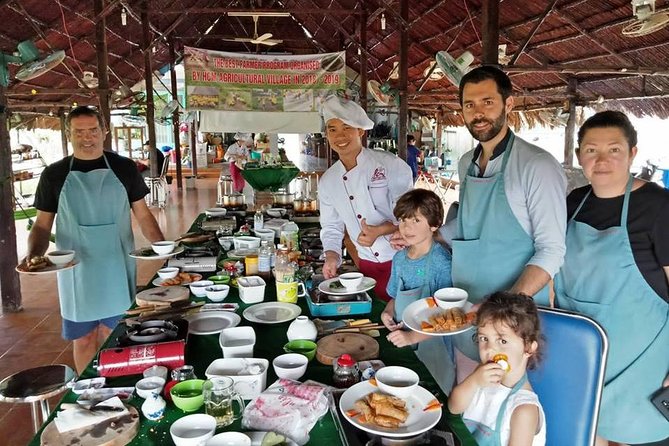
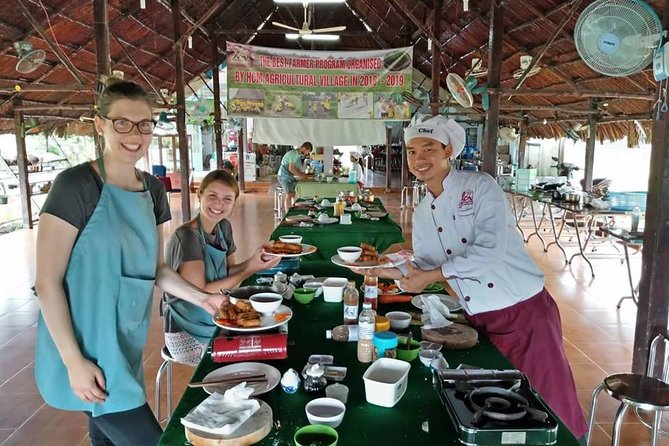
Now the fun part: the cooking school. This is described as 100% hands-on, and you’ll make 4 dishes that you enjoy right there. You’ll also get a certificate and recipes to take home, which is great if you want to recreate at least part of the meal later (even if your pantry doesn’t have every local ingredient).
The day starts the cooking lesson with warm, welcoming touches—jasmine tea and the vibe that you’re there to learn. Then you’re back to work: cooking steps, chopping, mixing, and assembling. If you’ve ever taken a “cooking class” that was mostly watching, this is designed to avoid that.
The names you may see connected to instruction and enthusiasm in this program include Chef Linh, Aura, Daisy, and Suu. That matters because clear teaching is everything when you’re doing hands-on tasks in a kitchen where the language and pace may be different than what you’re used to.
One practical tip: be ready to taste. Vietnamese cooking is built on balance—salt, sour, herbs, heat, and fresh aromatics. You’ll likely adjust as you go, and that’s where the learning sticks.
Lunch and snacks: included, and tied to the story
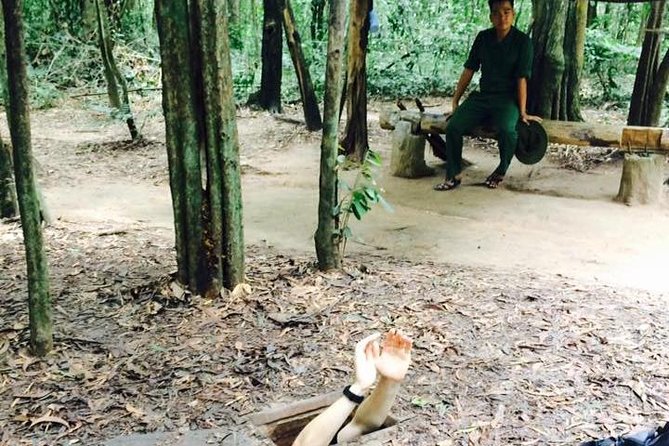
Lunch is included and described as a 4-course lunch, plus snacks during the day. You’ll also get coffee and/or tea as part of the included package.
One useful note: drinks are listed as not included. That means if you want soda or other bottled drinks beyond what’s included, budget for it. It’s not a deal-breaker, just don’t assume everything you drink is covered.
The menu connection to the history piece is also part of the value here. The day includes time on wartime survival eating—so your lunch isn’t only about flavor. It’s about understanding why certain foods and preparation styles were useful.
And if you’re vegetarian, there’s an option available. You’ll want to request it during booking and share any specific dietary requirements in advance.
Rubber, traps, and rice paper: small stops with big meaning
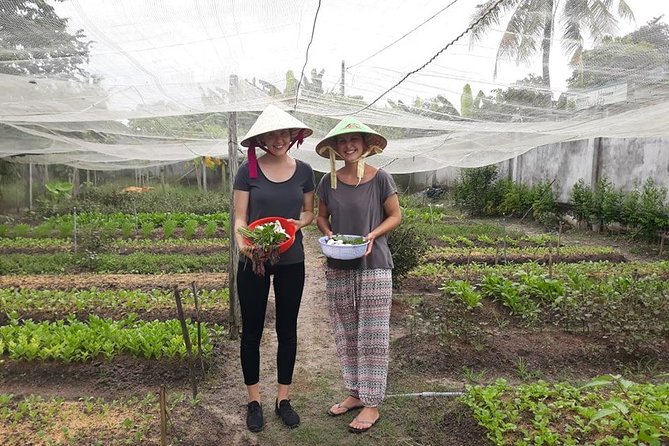
You get extra culture and practical survival details beyond tunnels and cooking.
Rice paper making is included, so you can see how something as common as rice paper connects to local food traditions. There’s also time to see rubber as part of the broader survival context—why it mattered and how it fits into the local story.
The tour also includes learning about local traps. This is not just a “look at this contraption” moment. It’s meant to explain the logic of how people tried to survive and protect themselves in the conditions they faced.
These add-ons are small on paper, but they help round out the day. Instead of one big topic dominating everything, you get several angles on the same survival theme—food, tools, and everyday solutions.
Timing, comfort, and what to bring (so the day feels easy)
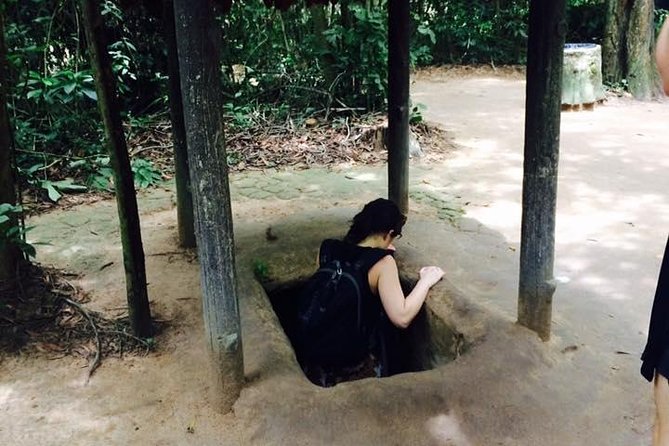
Duration is about 10 hours 30 minutes. That’s a full day, and the schedule starts early, so treat it like a “real itinerary day,” not a casual stroll.
Comfort basics you should plan for:
- comfortable closed-toe shoes for farm paths and tunnel areas
- sun protection (hat/sunglasses), since you’ll be outside during farm time
- a light layer, because you might move between outdoor warmth and air-conditioned vehicles
- bring a small towel or wipes if you’re the kind of person who dislikes feeling sticky after a long day
Good news: bottled water is included, and the vehicle is air-conditioned. You’re not paying extra for the basics in the middle of the day.
Group size stays capped at 15, so you’re less likely to feel like a number in a long line.
Price and value: is $81 a fair deal?
At $81 per person, the value comes from bundling several things that are usually separate in Vietnam:
- hotel pickup and drop-off (time-saving and stress-saving)
- transport by air-conditioned vehicle
- organic farm experience with hands-on picking
- cooking class with hands-on prep of 4 dishes
- 4-course lunch plus snacks
- bottled water and coffee and/or tea
In other words, you’re paying for a whole day experience, not just a single attraction. If you were to piece this together yourself, you’d still need transport, a farm visit, a cooking class, and lunch. The package format is what makes the price feel reasonable.
If you mainly want only tunnels and nothing else, then it might feel like more activity than you need. But if you want agriculture and cuisine tied to history, it’s a strong value.
Who should book this Saigon agriculture, cooking, and tunnels day?
This tour fits especially well if you:
- are in Ho Chi Minh City for the first time and want a bigger picture of the south
- care about food and want to learn by doing (picking ingredients, then cooking them)
- like history when it connects to daily life: food, tools, survival choices
- want a small-group experience with hotel convenience
It’s also a good match if you want something you can talk about later. The certificate and recipe handouts give you a tangible souvenir beyond photos.
The main consideration is that it’s a long day starting early. If you want a slow morning and you hate being on the go, you may feel worn out by the end.
Should you book? My straight answer
Book it if you want a full-day Vietnam lesson that mixes agriculture, cuisine, and the Cu Chi Tunnels survival story in one smooth loop. The best part is the hands-on balance: you don’t just learn about food and history—you practice it through picking, cooking, and eating while understanding the context.
Skip (or choose something else) if you only want one focus—either tunnels only or cooking only—or if early starts really ruin your trip rhythm. For most first-timers who like food, this is a satisfying way to spend a single day outside the city.
FAQ
How long is the tour?
It runs for about 10 hours 30 minutes.
What time does the tour start in Ho Chi Minh City?
Start time is 7:30 am.
Is hotel pickup and drop-off included?
Yes, hotel pickup and drop-off are included, and port pickup and drop-off are also included.
What’s included in the price besides the tour?
Included items are bottled water, snacks, a 4-course lunch, air-conditioned vehicle transport, and coffee and/or tea. Drinks are not included.
Is a vegetarian option available?
Yes. A vegetarian option is available if you advise at booking time.
How many people are in the group?
The tour has a maximum of 15 travelers.
What’s the cancellation policy?
You can cancel for a full refund up to 24 hours before the experience’s start time. If you cancel later than that, the amount paid is not refunded.
More Tour Reviews in Ho Chi Minh City
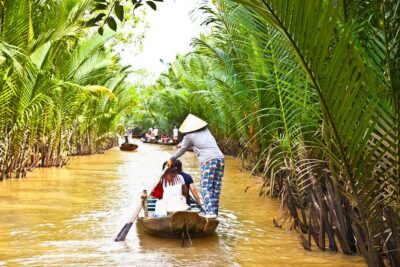

The Cu Chi Tunnels, a Few More Ways Down
Just Reviewed Around Saigon
- Secret walking Food Tour Ho Chi Minh City
★ 5.0 · 3 reviews - Ho Chi Minh City: Secret Cocktail Experience
★ 5.0 · 3 reviews - From Ho Chi Minh city: Vung Tau Beach Private Day Tour
★ 5.0 · 3 reviews - Saigoncholon
★ 3.5 · 3 reviews - Saigon On 2 Wheels
★ 3.5 · 3 reviews - From Ho Chi Minh City: Relax In Mui Ne Beach In 1 Day
★ 4.3 · 3 reviews
Cu Chi Tunnels Tours, compared.
 ★ 4.7Cu Chi Tunnels Morning or Afternoon TourFrom $1319,646 reviews
 ★ 5.0Cu Chi Tunnels Tour from HCM City – Morning or AfternoonFrom $1515,833 reviews
 ★ 4.7Cu Chi Tunnels & Mekong Delta with Coconut Village TourFrom $3511,836 reviews
 ★ 5.0Cu Chi Tunnels-Tapioca Small Group Tour Morning or AfternoonFrom $147,485 reviews
 ★ 5.0Cu Chi Tunnels and Mekong Delta Signature TourFrom $337,328 reviews
 ★ 5.0Cu Chi Tunnels & Mekong Delta Tour with VIP Limousine TransferFrom $567,052 reviews
 ★ 4.8Cu Chi Tunnels Morning or Afternoon TourFrom $136,326 reviews
 ★ 5.0Cu Chi Tunnels and Mekong Delta Full Day Tour – Max 12From $436,257 reviews
Browse the lists this tour appears in