
REVIEW · CU CHI TUNNELS TOURS
Explore Cu Chi Tunnels by Speed Boat
A boat ride makes Cu Chi feel real. This speedboat tour turns a history stop into a full day out: you cruise the Saigon River and pass Landmark 81, then head to the Cu Chi Tunnels to see how the Viet Cong lived and fought underground. I especially like the smooth speedboat transfers with snacks and bottled water, and I like that the tour runs with an English-speaking guide who can explain what you’re seeing in plain terms. One drawback to plan for: lunch isn’t included, so you’ll want to eat afterward.
You start early at Bach Dang Quay, and you’re back by the same meeting point. The pace feels efficient: a good chunk of time is spent on the tunnels and the short village visit, while the river cruise gives you a scenic breather.
If you’re the type who likes history with context (traps, weapons, daily life) and you also want a change of scenery from the city streets, this is a smart way to do Cu Chi without burning your day on slow transport.
In This Review
- Key highlights worth caring about
- Speedboat Cu Chi Tunnels: why the river ride matters
- Getting started at 8:00 am from Bach Dang Quay
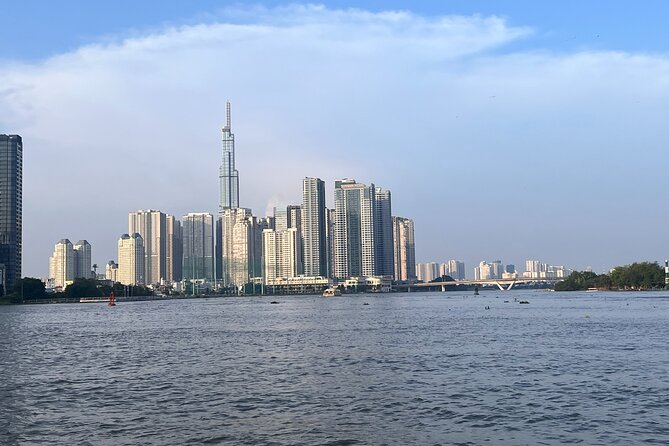
- Landmark 81 views from the Saigon River
- Cruise to Cu Chi: what you’re actually seeing along the way
- Inside the Cu Chi Tunnels: traps, weapons, and daily life
- The nearby village stop: rice paper made the old way
- What you get for the $200 price (and what you still need)
- Tour pace, group size, and comfort
- Guide quality is the real secret weapon
- Who this tour fits best (and who should think twice)
- Should you book this Cu Chi speedboat tour?
- FAQ
- How long is the Cu Chi Tunnels speedboat tour?
- What time does the tour start?
- Where is the meeting point in Ho Chi Minh City?
- Is the speedboat included for both directions?
- What’s included in the ticket price?
- Is lunch included?
- Is there a maximum group size?
- Does the tour depend on weather?
- What is the cancellation policy?
Key highlights worth caring about
- Speedboat transfer from Saigon to Cu Chi cuts down the usual drag of getting out there
- Landmark 81 photo moment while you cruise the river
- Traps and weapons you can see, plus explanations of how they were used
- Living conditions in the tunnels, so it’s not just a room-and-a-sign stop
- Rice paper village demo, with a hands-on try if you want it
- Small group size (max 15) keeps the day from feeling chaotic
Down into the tunnels, a few more ways to go


Speedboat Cu Chi Tunnels: why the river ride matters
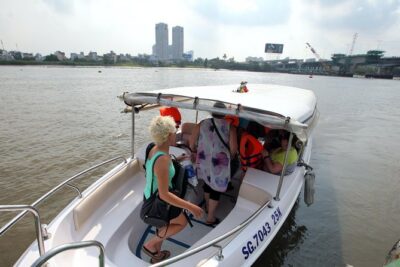
Cu Chi is famous for a reason, but the way you get there changes how you feel when you arrive. Going by speedboat means you’re already in motion toward the tunnel story, instead of getting stuck in a long overland ride where everyone just waits to start. You get water, snacks, and a relaxed start while the Saigon River scenery rolls by.
I also like that you’re not only visiting a site. You’re seeing a living backdrop outside the tunnels: the river banks and daily life you pass along the way. That matters because Cu Chi didn’t happen in a vacuum. It was part of real geography, real logistics, and real people moving around under pressure.
Finally, the cruise gives you a clean, simple “break” between city life and underground history. If you’re visiting Ho Chi Minh City for the first time, it helps the day feel like an experience, not just an assignment.
Getting started at 8:00 am from Bach Dang Quay
The tour starts at 8:00 am at Bach Dang Quay (10B Đ. Tôn Đức Thắng, P, Quận 1, Hồ Chí Minh, Vietnam). That early start is good if you want daylight for the river ride and enough time at Cu Chi without feeling rushed at the end.
This meeting point is in District 1, which is useful because you can connect easily to public transportation in the area. You’ll also return to the same meeting point at the end of the activity, so you’re not stuck figuring out your own pickup on the way back.
Tip: if you’re the “show up early and breathe” type, arrive a bit before 8:00. It reduces stress, and you’ll be ready if there’s any last-minute grouping.
Landmark 81 views from the Saigon River
One of the fun, easy moments on the cruise is passing Landmark 81, the tallest building in Vietnam. You get a chance to take photos while you move along the river, so it’s not just something you see from a distance behind traffic.
Why this matters: it’s a contrast hit. You’ll be leaving the modern skyline behind, then soon switch to a site tied to war-era underground survival. That contrast can make the tunnel visit feel more immediate.
Also, since you’re on the water, the skyline shots are typically simpler than trying to line them up from the street where motorbikes and congestion crowd your view.
Cruise to Cu Chi: what you’re actually seeing along the way
As you continue cruising toward Cu Chi, the day shifts into a quieter rhythm. You’ll enjoy the scenic views along the river and get a glimpse of local life on the banks as you pass.
This isn’t about “touristy stops.” It’s about context. When you arrive at Cu Chi, you’ll be better able to picture how people used waterways, terrain, and concealment as part of the bigger war story.
Practical note: bring a light layer. River air can feel different from the city streets, and you’ll be spending time outdoors during the cruise and transition.
Out on the Saigon River, other ways to sail it
- Premium Cu Chi Tunnels Tour with Local Expert by SpeedBoat★ 5.0 · 2,045 reviews
- Ho Chi Minh City: Saigon River Boutique Cruise★ 4.5 · 778 reviews
- Morning CuChi Tunnels-Tapioca-Secret Traps Luxury Speedboat 2Ways★ 5.0 · 688 reviews
- Saigon River Dinner Cruise: Buffet, Set Menu, Fine Dining (3hrs)★ 4.5 · 592 reviews
- 1 Hour Saigon River Tour in Ho Chi Minh★ 4.5 · 418 reviews
Inside the Cu Chi Tunnels: traps, weapons, and daily life
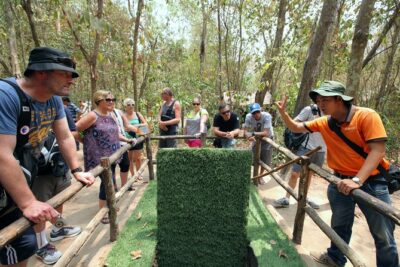
When you reach the Cu Chi Tunnels, the tour shifts from views to details. You’ll explore the underground network that was used by the Viet Cong during the Vietnam War, and your guide ties the physical spaces to what people needed to do to survive.
This is the part I think you’ll feel most. The tour isn’t limited to a general overview. You’ll learn about the tunnels’ history, then see examples of traps and weapons and get explanations for how soldiers used them.
You’ll also get a firsthand look at living conditions. That’s a key difference from a site that only shows artifacts. Here, the focus is on what everyday life could look like down there—how people adapted to confinement, how routines worked, and how the environment shaped survival.
Who you might learn from: guides named in past groups include Lien and Eric, along with Loi Nguyen, Kate, Zedd, Betty, Tiny, and Lam. Many of these names come up because guests liked the way the guide explained what they were seeing and kept the group engaged.
One consideration: underground sites can be warm and tight in general. If you’re sensitive to enclosed spaces or claustrophobic feelings, take it slow and pace yourself once you’re down there.
The nearby village stop: rice paper made the old way
After the tunnel time, the day includes a visit to a nearby village. Here, you’ll see how locals make rice paper, and you may get to try your hand at it.
This is a nice counterbalance. Tunnels give you the war-era story. Rice paper gives you something practical and human—food traditions, small work steps, and a craft that connects to the area beyond the headlines.
It also helps keep the day from becoming one long museum loop. You’ll move from viewing and listening to watching a process with your own senses: the materials, the handling, and the skill behind something that looks simple on the plate.
Bring a little patience here. Village demonstrations can take time, and you’ll want to watch carefully so you don’t miss what each step is doing.
What you get for the $200 price (and what you still need)
At $200 per person, this tour feels priced for more than a basic entry ticket. You’re paying for the speedboat transfers from Saigon to Cu Chi and back, plus admission fees and a guide who speaks English. You also get bottled water and snacks, which matters when you’re out for about 6 to 7 hours.
The value also comes from how the day is built. You’re not just doing one stop. You get a river cruise with photo time at Landmark 81, tunnel time focused on traps and daily life, and a village rice paper activity.
What’s not included: lunch. That’s the main budgeting gap. If you’re prone to snack cravings, plan to eat after the tour, and consider grabbing lunch options near your return meeting area so you don’t end up hungry while figuring out your next move.
Tour pace, group size, and comfort
The group maximum is 15 travelers, which is small enough that you’re unlikely to feel like you’re in a crowd where questions get lost. A smaller group usually helps with guide attention, and that lines up with why guests often mention guides by name and talk about how the explanations landed.
The day runs roughly 6 to 7 hours, starting at 8:00 am. That means you’ll have enough time to see the tunnels and still do the village stop without the schedule feeling broken into tiny fragments.
Comfort-wise, the inclusions are solid: water, snacks, and the structured timing. Still, since you’ll be outdoors for parts of the river cruise, dress for sun and heat variation.
Guide quality is the real secret weapon
If you want the best experience, the guide is everything—and this tour has a strong track record on that point. Many of the standout comments mention guides like Lien, Eric, Loi Nguyen, Hang, Kate, Zedd, Betty, Tiny, and Lam, with compliments focused on clarity, organization, and friendly explanations.
Here’s what that means for you: the tunnels can be overwhelming if you’re just wandering and guessing. A good guide helps you connect traps, weapons, and living conditions into a story you can follow. And if a guide keeps the mood light while still treating the topic seriously, you’re more likely to remember what you saw instead of just marking time.
In other words, don’t underestimate the power of a guide who can explain history without turning it into a lecture.
Who this tour fits best (and who should think twice)
This speedboat Cu Chi tour is a good match if you want:
- A full-day outing that mixes river views and underground history
- A guided visit with explanations for traps, weapons, and daily life
- A small group experience rather than a huge bus tour
- A hands-on culture stop at a village making rice paper
You might think twice if you strongly prefer to travel at your own pace and don’t like scheduled timing. Also consider personal comfort with underground spaces if that’s a concern for you.
If you’re visiting Ho Chi Minh City and want a high-value day that doesn’t feel like a long slog, this one checks a lot of boxes.
Should you book this Cu Chi speedboat tour?
I’d book it if you like history with real explanations and you want the day to include more than one type of experience. The speedboat transfer, the Landmark 81 photo moment, and the rice paper village stop make it more than a single-site visit. Plus, the small group size helps the guide do their job well.
Book with extra confidence if you enjoy guided context. Cu Chi can be confusing if you’re left to interpret it alone. With this tour, you’re set up to understand what you’re seeing—especially around traps, weapons, and how people actually lived underground.
If lunch planning is a deal-breaker, just remember it’s not included, and plan your post-tour meal ahead of time.
FAQ
How long is the Cu Chi Tunnels speedboat tour?
The tour runs about 6 to 7 hours.
What time does the tour start?
The start time is 8:00 am.
Where is the meeting point in Ho Chi Minh City?
Meet at Bach Dang Quay, 10B Đ. Tôn Đức Thắng, P, Quận 1, Hồ Chí Minh City, Vietnam.
Is the speedboat included for both directions?
Yes. Transfers by speedboat from Saigon to Cu Chi and vice versa are included.
What’s included in the ticket price?
Included items are bottled water, snacks, an English speaking tour guide, and admission fees.
Is lunch included?
No, lunch is not included.
Is there a maximum group size?
Yes. The group has a maximum of 15 travelers.
Does the tour depend on weather?
Yes. It requires good weather. If it’s canceled due to poor weather, you’ll be offered a different date or a full refund.
What is the cancellation policy?
You can cancel for free up to 24 hours in advance for a full refund. If you cancel less than 24 hours before the start time, the amount paid is not refunded.
More Tour Reviews in Ho Chi Minh City



Out on the Saigon River





The Cu Chi Tunnels, a Few More Ways Down
Just Reviewed Around Saigon
- Secret walking Food Tour Ho Chi Minh City
★ 5.0 · 3 reviews - Ho Chi Minh City: Secret Cocktail Experience
★ 5.0 · 3 reviews - From Ho Chi Minh city: Vung Tau Beach Private Day Tour
★ 5.0 · 3 reviews - Saigoncholon
★ 3.5 · 3 reviews - Saigon On 2 Wheels
★ 3.5 · 3 reviews - From Ho Chi Minh City: Relax In Mui Ne Beach In 1 Day
★ 4.3 · 3 reviews
Cu Chi Tunnels Tours, compared.
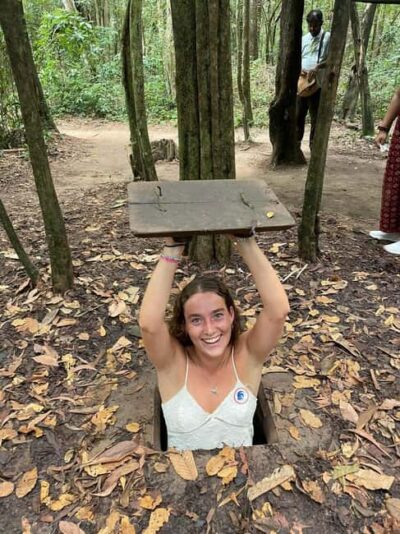 ★ 4.7Cu Chi Tunnels Morning or Afternoon TourFrom $1319,646 reviews
 ★ 5.0Cu Chi Tunnels Tour from HCM City – Morning or AfternoonFrom $1515,833 reviews
 ★ 4.7Cu Chi Tunnels & Mekong Delta with Coconut Village TourFrom $3511,836 reviews
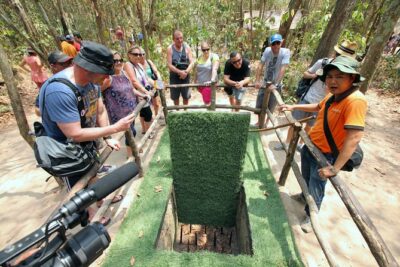 ★ 5.0Cu Chi Tunnels-Tapioca Small Group Tour Morning or AfternoonFrom $147,485 reviews
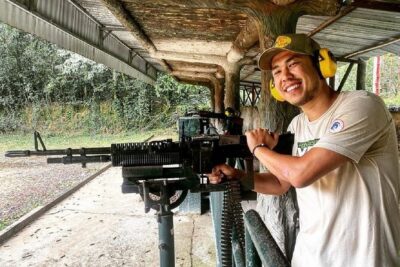 ★ 5.0Cu Chi Tunnels and Mekong Delta Signature TourFrom $337,328 reviews
 ★ 5.0Cu Chi Tunnels & Mekong Delta Tour with VIP Limousine TransferFrom $567,052 reviews
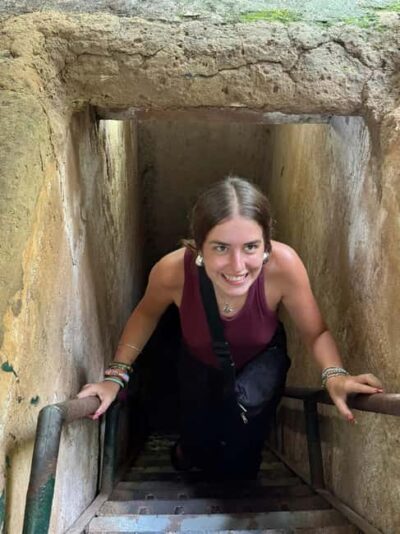 ★ 4.8Cu Chi Tunnels Morning or Afternoon TourFrom $136,326 reviews
 ★ 5.0Cu Chi Tunnels and Mekong Delta Full Day Tour – Max 12From $436,257 reviews
Browse the lists this tour appears in