
REVIEW · FARMS
Exploring organic farm & Vietnamese Culinary with Master chef
Farm-to-plate cooking beats another museum day. This Ho Chi Minh City experience pairs organic farm harvesting with a chef-led Vietnamese cooking lesson using Yin and Yang balance. I especially like how hands-on it is, and I like that you cook with a clear method instead of random recipes. One drawback to consider: it starts early and includes farm time that’s more active than a typical sit-down class.
You’re picked up at 7:30am and reach the farm around 8:45am. The group is small, capped at 15, and the day runs to about 3:30pm, with lunch included plus brunch snacks. In the kitchen, classes are often led by Chef Alice, and some sessions feature Chef Linh, both described as fun and focused on clear instruction.
Expect to leave with practical recipes, a certificate, and souvenirs you helped make. You’ll also learn rice paper processing and cashew nut production, then make cashew nut candy using rice paper from your own work. If you want a relaxed, hands-off tour, this might feel like work; if you want to learn by doing, it’s a great match.
In This Review
- Key points at a glance
- Getting Out of Ho Chi Minh City: The 7:30am Pickup and Farm Arrival
- Organic Farm Time: Picking Herbs, Vegetables, and Mushrooms
- From the Farm to the Wok: How the Yin-Yang Method Shapes Flavor
- Rice Paper Workshop: Processing the Base Before the Candy
- Cashew Nut Production and Cashew Candy Souvenirs
- What You Eat: Lunch You Cook Plus Brunch Snacks
- Certificates, Recipes, and Take-Home Value That Doesn’t Feel Cheap
- Price and Logistics for a $110, 8-Hour Day
- Who This Tour Suits Best (and Who Might Skip It)
- Should You Book Chef Tan Cooking Class in Ho Chi Minh City?
- FAQ
- How long is the organic farm and Vietnamese culinary experience?
- Where does the tour start and how do you get there?
- What’s included in the $110 price?
- Do I get to cook and eat what I make?
- What do you do on the farm?
- How many people are in a group?
Key points at a glance
- Hands-on harvesting of vegetables and mushrooms (you pick the ingredients you cook)
- Yin-Yang cooking technique for balanced flavor and “healthy without sacrificing taste”
- Rice paper processing plus cashew nut candy making, using what you produce
- Small group size (maximum 15), so teaching stays personal
- All meals included (lunch from what you cook, plus brunch snacks)
- You take home a certificate, recipes, and packaged cashew souvenirs
A few Saigon tours to weigh against this one:
Getting Out of Ho Chi Minh City: The 7:30am Pickup and Farm Arrival
This tour is built for a full morning start. You’ll be picked up at 7:30am from your hotel, then ride to the organic farm area and arrive around 8:45am. It’s early, but it helps you actually enjoy the farm portion rather than rushing it.
The vehicle is air-conditioned, which matters in Ho Chi Minh City heat and humidity. You’re also not stuck figuring out how to get out there yourself, because pickup is part of the plan.
If you’re the type who likes sleeping in, plan to adjust the day before. And since you’ll be walking around the farm and cooking afterward, wear shoes you’re okay getting a bit dirty and comfortable for standing.
Organic Farm Time: Picking Herbs, Vegetables, and Mushrooms
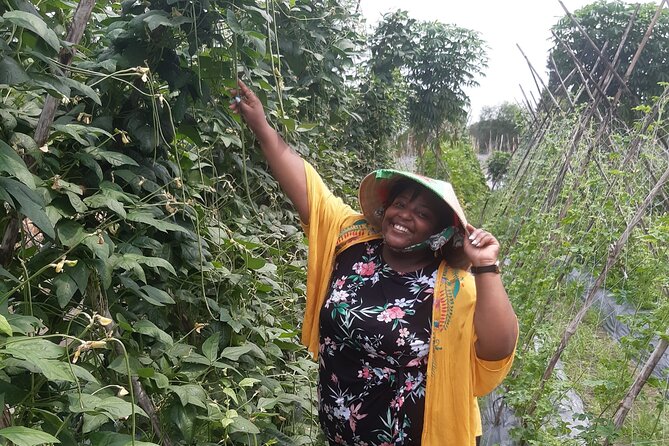
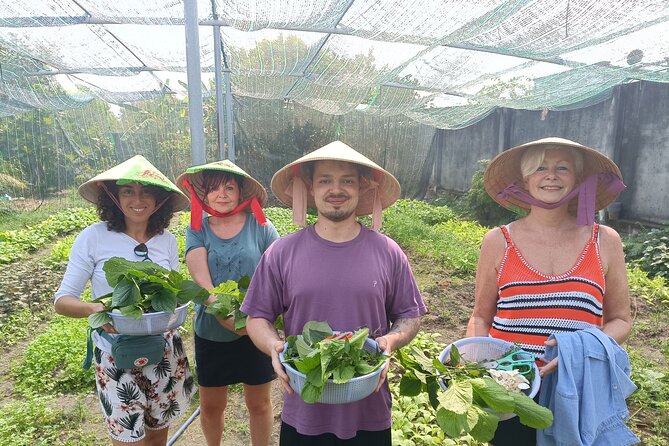
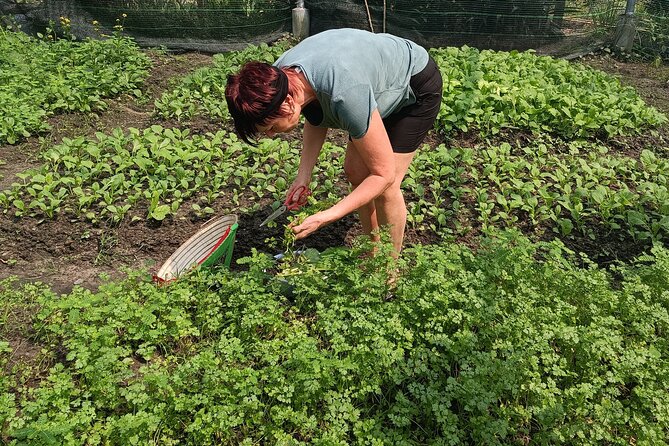
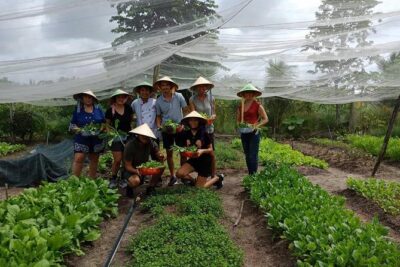
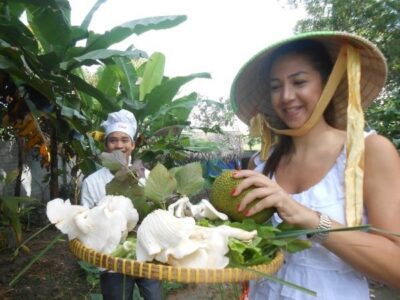
The main idea here is simple: you learn Vietnamese agriculture by doing it. On arrival, you get guided time at the farm, where you learn about plants and why organic farming matters for food and health. Then you’ll collect your own ingredients, including vegetables and mushrooms—one big highlight people talk about because it makes the cooking feel earned.
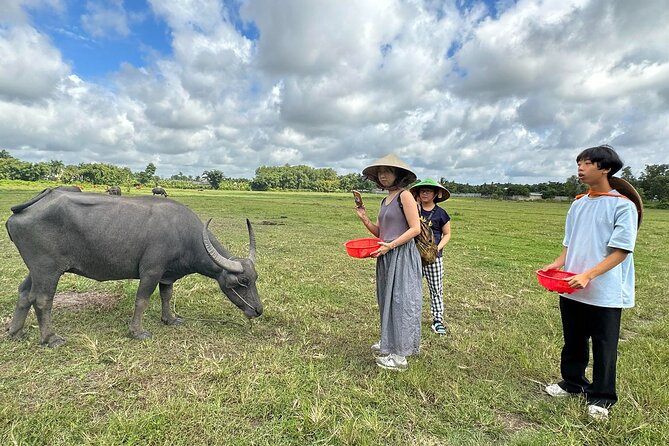
You also see how the farm looks after animals such as cows, buffalo, fish, and prawns. That part is useful even if you don’t plan to farm yourself, because it explains the broader “food system” behind the meal you eat later. It also helps you understand why certain ingredients show up in Vietnamese cooking so often.
Some sessions include a welcome drink (one class described jasmine tea). It’s a nice, calm reset before you start picking and learning.
Practical note: you’ll likely spend time on uneven ground during harvesting. Bring a hat and simple sun protection if you’re sensitive to heat, and expect you’ll be moving more than in a typical cooking class.
From the Farm to the Wok: How the Yin-Yang Method Shapes Flavor
Once ingredients are gathered, the day turns into a cooking class with a specific philosophy. The Yin and Yang technique is taught as a way to balance flavors and make food healthy and delicious without “mystery steps.” It’s not just a cultural lesson for decoration; it’s used as a kitchen framework.
Here’s what I like about this approach: it gives you a way to think, not only a list of dishes. If you remember how balance is built—sweet/sour, hot/cool, and the general idea of harmony—you’ll have an easier time cooking Vietnamese food later at home.
You’ll cook your own meal using ingredients from the farm. The experience is described as 100% hands-on, meaning you’re doing the chopping, combining, and cooking rather than watching from the back of the room. In some sessions, groups made around four dishes, which is a good workload for a single day without turning it into a marathon.
If you’re nervous about cooking, don’t be. Clear coaching is part of the format, and multiple classes cite the chefs as being approachable and easy to follow.
Rice Paper Workshop: Processing the Base Before the Candy
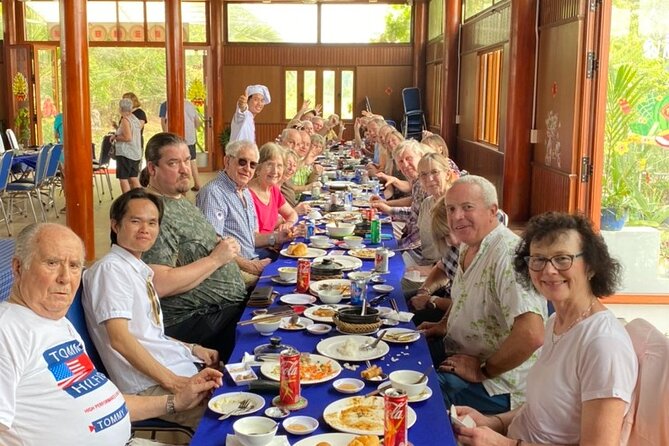
One of the most memorable parts is the rice paper processing segment. You learn the process used to make rice paper, then you use that work in the next step—cashew nut candy.
This matters more than it sounds. Rice paper might seem like a store-bought ingredient, but making it adds context. You’ll understand why the texture matters and why Vietnamese snacks can be both simple and surprisingly technical.
Timing-wise, this segment fits after the farm cooking portion, so you’re already in “Vietnamese food mode.” It also gives you a second creative checkpoint in the day: harvest and cook, then make the snack component that becomes a take-home souvenir.
If you like edible projects where your hands are involved, this is the sweet spot. And if you don’t, it’s still worth doing because it connects the cashew candy to real technique, not just assembly.
- Cu Chi Tunnels Tour from HCM City – Morning or Afternoon★ 5.0 · 15,833 reviews
- From HCM City: Mekong Delta Tour with Sampan Journey★ 4.5 · 13,132 reviews
- Ho Chi Minh City Street Food Tour & Sightseeing By Motorbike★ 5.0 · 9,413 reviews
- HCM: Cu Chi Tunnels-Tapioca Small Group Tour Morning or Afternoon★ 5.0 · 7,485 reviews
- Cu Chi Tunnels and Mekong Delta Signature Tour★ 5.0 · 7,328 reviews
Cashew Nut Production and Cashew Candy Souvenirs
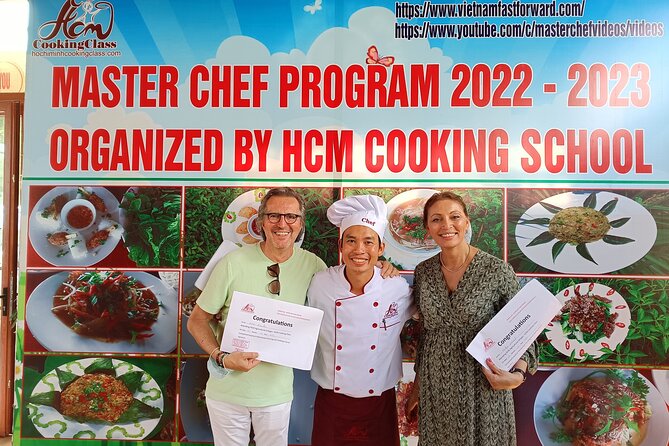
Vietnam is known for cashews, and this experience uses that fact as the backbone for a practical workshop. You learn cashew nut production in a way that explains the steps and why the nuts become so important as a local export. Then you make cashew nut candy using the rice paper you made earlier.
You don’t leave empty-handed. The tour includes packaging for cashew nut production as souvenirs, plus brunch items that feature cashews. It’s a fun way to bring home something that feels tied to the day, not just a store purchase.
Two useful considerations:
- If you have a cashew allergy, plan accordingly because cashew items are part of the included food and souvenirs.
- If you prefer savory souvenirs over sweet, note that the candy component is a built-in highlight.
The payoff is that you’re not only learning about cashews—you’re actively producing the snack you’ll share.
What You Eat: Lunch You Cook Plus Brunch Snacks
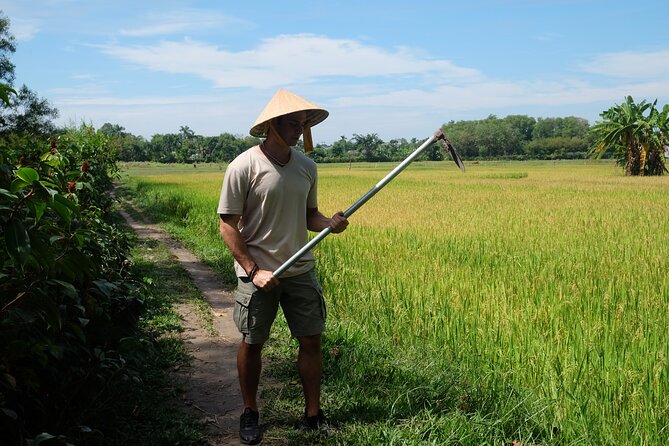
Food is a core part of the value here, not a side bonus. Lunch is included and consists of the dishes you cook. That’s a great structure because you can clearly connect ingredient → technique → final flavor.
Brunch includes fresh fruits, cashew nuts, and cashew nut candy. So even between the morning farm segment and the afternoon wrapping up, you’re not stuck buying snacks.
One small detail that signals the care: people describe the class as well organized and the end result as tasty. That sounds basic, but in a cooking class it’s actually everything. If the food weren’t good, it would be a “nice activity” at best. Here, the emphasis is on an edible outcome.
Certificates, Recipes, and Take-Home Value That Doesn’t Feel Cheap
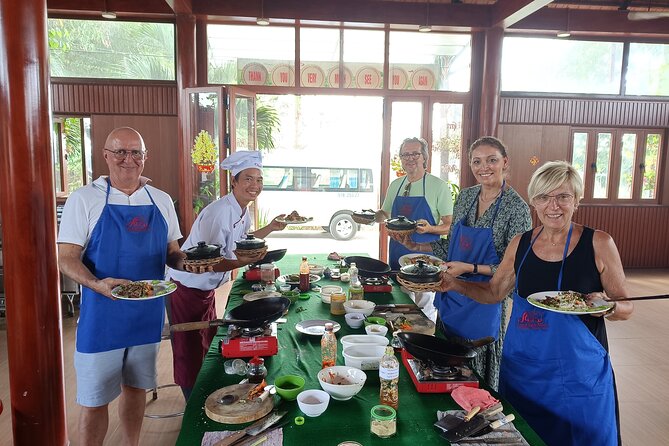
This tour includes a certificate and recipes from the master chef. You also get souvenirs made by your labor—cashew candy and packaged cashew items. That’s meaningful because it turns the day into something you can recreate.
The recipe handoff helps if you want to cook again at home without guessing. And the certificate gives the day a finished feeling—like you completed a workshop, not just a tour.
Another value angle: group size is capped at 15, which typically helps with pacing and teaching. When instruction stays clear, you get more confidence cooking your own food rather than working through chaos.
If you’re the type who loves practical memories, this is the kind of class that gives you tools you can use later.
Price and Logistics for a $110, 8-Hour Day
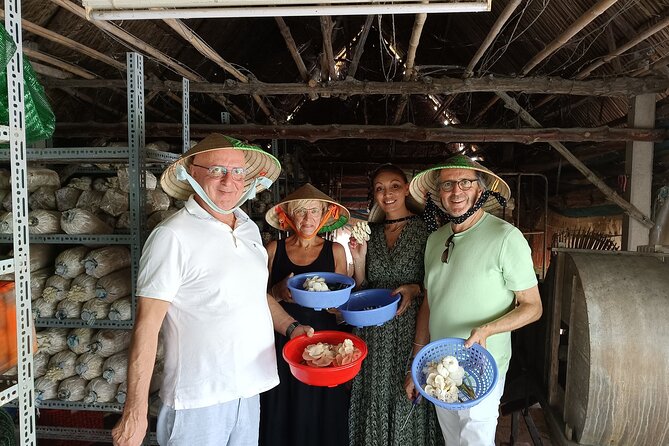
At $110 for about 8 hours, this is priced like a full activity with food and instruction baked in. The big value points are that it includes:
- air-conditioned vehicle transport
- hotel pickup and return to your hotel
- all ingredients for cooking
- lunch (the food you cook)
- brunch snacks (fresh fruits and cashew items)
- certificate, recipes, and souvenirs you help produce
In other words, you’re paying for an experience that includes both learning time and multiple meals, not just an instructor plus a table.
Logistically, the start time (7:30am) is the main thing to plan around. Also, there’s free cancellation up to 24 hours before the experience starts, so you have some flexibility if your schedule shifts.
You’ll also likely use a mobile ticket. Bring your phone and make sure the booking details are easy to find.
If you’re traveling as a group, there are group discounts. That can make the per-person cost even better if you’re not solo.
Who This Tour Suits Best (and Who Might Skip It)
This class fits best if you want a hands-on day. If you like rolling up your sleeves, harvesting ingredients, and then cooking them with a method, you’ll enjoy it.
It also suits food lovers who want to go beyond a single Vietnamese dish. The format blends farm learning with cooking, plus technique work for rice paper and cashew candy. You come away with multiple skill types, not just one recipe.
It’s a decent fit for couples and small groups too, because the cap at 15 keeps the class from turning into a crowd. And if you enjoyed Vietnamese cuisine in the city, this adds agriculture context and explains where ingredients come from.
Skip it if:
- you want a slow sightseeing day with minimal effort
- you’re not comfortable with cooking participation
- you have cashew allergies or strong limits on sweet snacks (since cashew candy is part of the included food)
Should You Book Chef Tan Cooking Class in Ho Chi Minh City?
I’d book it if you want one day in Ho Chi Minh City that feels active, local, and food-centered. The combination of organic farm harvesting, Yin-Yang cooking instruction, and hands-on rice paper and cashew candy makes it more than a standard cooking class.
I’d think twice if you want easy, low-effort entertainment. You’ll be working with ingredients and learning by doing, and that’s exactly the point.
If you can handle an early start and you like practical lessons you can take home, this is a strong value at $110 for a full day with meals and take-home items.
FAQ
How long is the organic farm and Vietnamese culinary experience?
It runs for about 8 hours, starting with hotel pickup at 7:30am and ending around 3:30pm.
Where does the tour start and how do you get there?
You can get hotel pickup in Ho Chi Minh City. You arrive at the organic farm around 8:45am using an air-conditioned vehicle.
What’s included in the $110 price?
The price includes transportation (pickup and vehicle), lunch (all the food you cook), brunch (fresh fruits and cashew items), all ingredients for cooking, and you also receive a certificate, recipes, and souvenirs.
Do I get to cook and eat what I make?
Yes. You cook your own Vietnamese food during the class, and lunch is made up of the dishes you prepare. The day is described as hands-on.
What do you do on the farm?
You visit an organic farm, learn about plants and their benefits, collect ingredients like vegetables and mushrooms, and see how the farm cares for animals such as cows, buffalo, fish, and prawns.
How many people are in a group?
The tour has a maximum of 15 travelers.
More Farms in Ho Chi Minh City
More Tour Reviews in Ho Chi Minh City

Just Reviewed Around Saigon
- Secret walking Food Tour Ho Chi Minh City
★ 5.0 · 3 reviews - Ho Chi Minh City: Secret Cocktail Experience
★ 5.0 · 3 reviews - From Ho Chi Minh city: Vung Tau Beach Private Day Tour
★ 5.0 · 3 reviews - Saigoncholon
★ 3.5 · 3 reviews - Saigon On 2 Wheels
★ 3.5 · 3 reviews - From Ho Chi Minh City: Relax In Mui Ne Beach In 1 Day
★ 4.3 · 3 reviews
Farms, compared.
 ★ 5.0Can Gio Trek – Monkey Island & Crocodile FarmFrom $28353 reviews
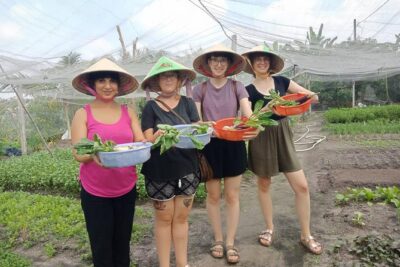 ★ 5.0Farm-To-Table Healthy Cooking Class in Ho Chi Minh CityFrom $6779 reviews
 ★ 5.0Unique farm to Table cooking class in SaigonFrom $6769 reviews
 ★ 5.0Unique Farm to Table Cooking Class with Top Chef in VietnamFrom $6764 reviews
 ★ 4.8Farm-To-Table Healthy Cooking Class: Half-Day TourFrom $7041 reviews
 ★ 5.0Southern Vietnam 4-Day Authentic Mekong Farm TripFrom $71918 reviews
 ★ 4.8Ho Coc Beach, Nature Reserve & Dragon Fruit Farm Day TourFrom $11411 reviews
 ★ 5.0Ho Chi Minh City Full-Day Farm trip with Healthy Cooking ClassFrom $7310 reviews
Browse the lists this tour appears in