
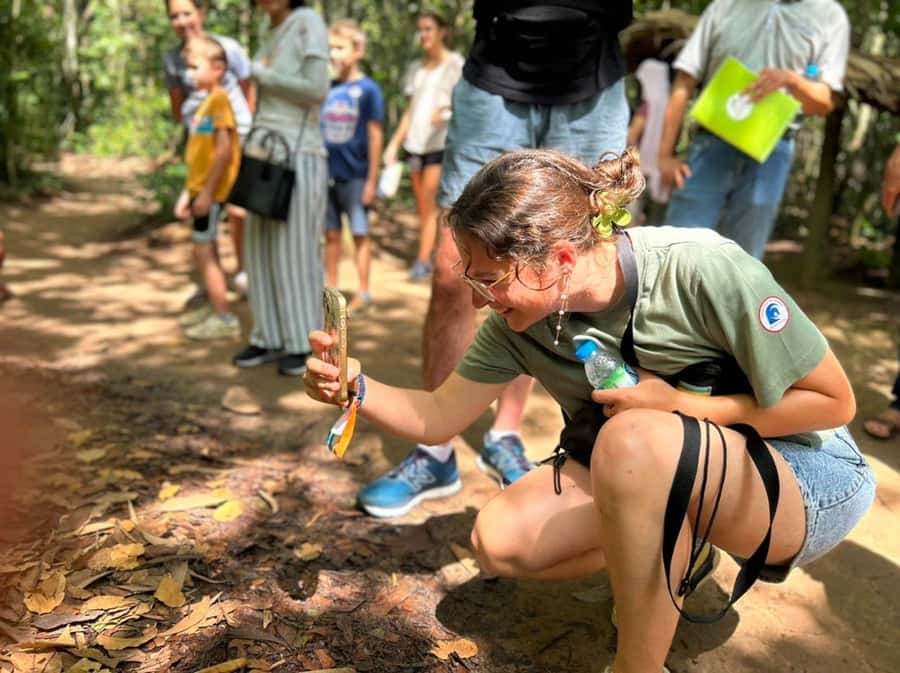
REVIEW · CU CHI TUNNELS TOURS
From Ho Chi Minh City: Cu Chi Tunnels and Agent Orange Tour
Cu Chi Tunnels make Vietnam’s war history feel real fast, and this guided day links it to the Agent Orange story. I like the clear English-speaking guide who explains what the tunnels were for, and I also like that you get more than a quick walk: you see key rooms like the underground hospital and commander in chief space. The main drawback to plan for is that the day can feel time-flexible, especially because the optional gun range costs extra and can take focus.
You’ll start with pickup in central District 1, then head out toward the original tunnel area (Ben Duoc or Ben Dinh). Before you go underground, you stop at the Agent Orange Center, where you also watch how lacquerware is made. That mix is worth it: war impacts the country, and craft keeps people going.
This is a hands-on, down-close experience with some tight spaces, so go in with the right mindset. Wear comfortable shoes, expect to walk, and if you’re prone to claustrophobia, this is not the kind of tour to guess on.
In This Review
- Key highlights worth planning around
- From District 1 pickup to the tunnel entrance: how the 6 hours really feels
- Agent Orange Center and lacquerware: why this stop adds context
- Ben Duoc or Ben Dinh original tunnels: the underground “set” you walk through
- Underground hospital, meeting room, and commander in chief room
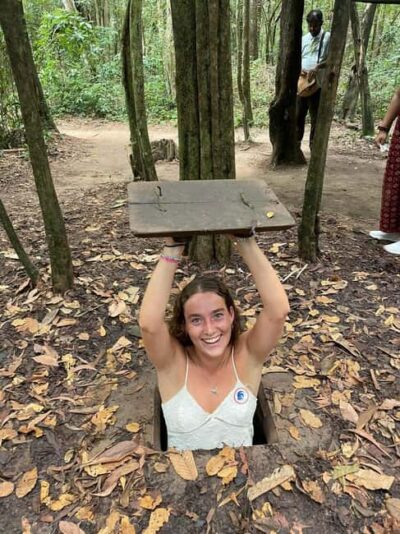
- Bamboo traps, secret entrance, and the underground maze logic
- Choosing 15, 30, or 50 meters: make a smart comfort call
- Tapioca, the uniform bunker, and Ho Chi Minh sandals from car tires
- The optional AK47/M16 shooting range: fun, but it can steer the day
- What you learn, beyond the tunnels
- Price and value: is $25 worth it from Ho Chi Minh City?
- Who this tour suits best (and who should skip)
- Practical tips before you go
- Should you book this Cu Chi Tunnels and Agent Orange tour?
- FAQ
- How long is the Cu Chi Tunnels and Agent Orange tour?
- Where does hotel pickup happen?
- What’s included in the ticket price?
- Is lunch included?
- Which tunnels do you visit?
- What can I see inside the tunnels?
- Is tapioca included?
- Can I shoot AK47 or M16 on this tour?
- Is this tour suitable for everyone?
Key highlights worth planning around
- Agent Orange Center plus lacquerware: you get a war-linked stop that isn’t only museum glass.
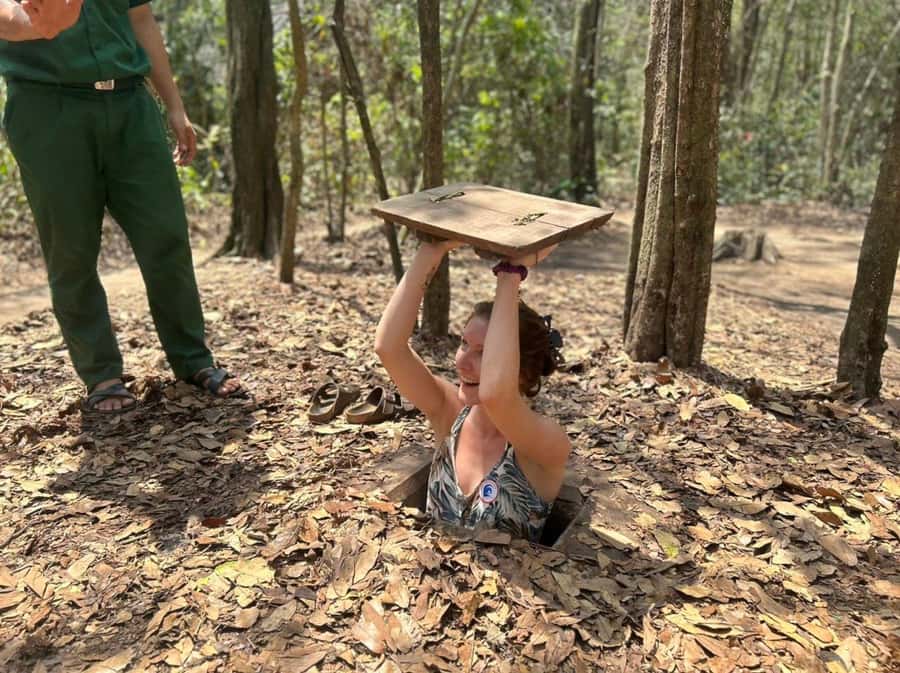
- Ben Duoc or Ben Dinh original tunnels: the underground layout includes the well, secret entrance, traps, and major command spaces.
- Underground hospital, meeting room, and commander in chief room: you see how the tunnels supported daily operations.
- Choose your tunnel length (15, 30, or 50 meters): you control how far you go underground.
- Tapioca and Viet Cong-era details: food and everyday items like Ho Chi Minh sandals made from car tires.
- Optional AK47/M16 shooting range: real-gun experience is available, but it’s paid and adds time.
Down into the tunnels, a few more ways to go


From District 1 pickup to the tunnel entrance: how the 6 hours really feels
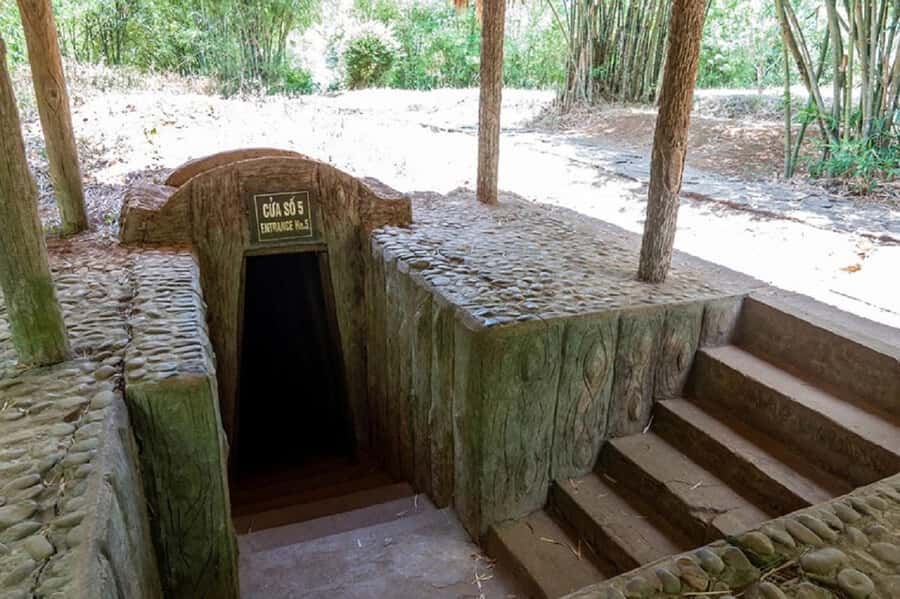
This tour is built as a full-day half-stophalf-travel experience: you’re picked up from selected central hotels in District 1, then transported out to the tunnel area. Expect a chunk of time on the road, and plan on around 6 hours total from start to finish.
One smart detail here is the pacing. You don’t just rush straight into the tunnels. You get a first stop at the Agent Orange Center, and that sets the stage for what you’re about to see underground.
Agent Orange Center and lacquerware: why this stop adds context
The day starts at the Agent Orange Center, where your guide talks about the Vietnam War and the specific topic of Agent Orange before you move toward the tunnels. It’s also where you can see how lacquerware is made.
I like this combination because it does two jobs at once. First, it ties the war story to a particular kind of lasting impact, not just the battlefield timeline. Second, it shows a side of Vietnam that isn’t trapped in the past: people still build, craft, and create useful objects with their hands.
There’s a practical angle too. If you’re nervous about going underground, this stop gives you a mental runway. You’re learning and observing above ground first, then you transition to the tighter spaces later with a clearer idea of why the tunnels mattered.
Ben Duoc or Ben Dinh original tunnels: the underground “set” you walk through
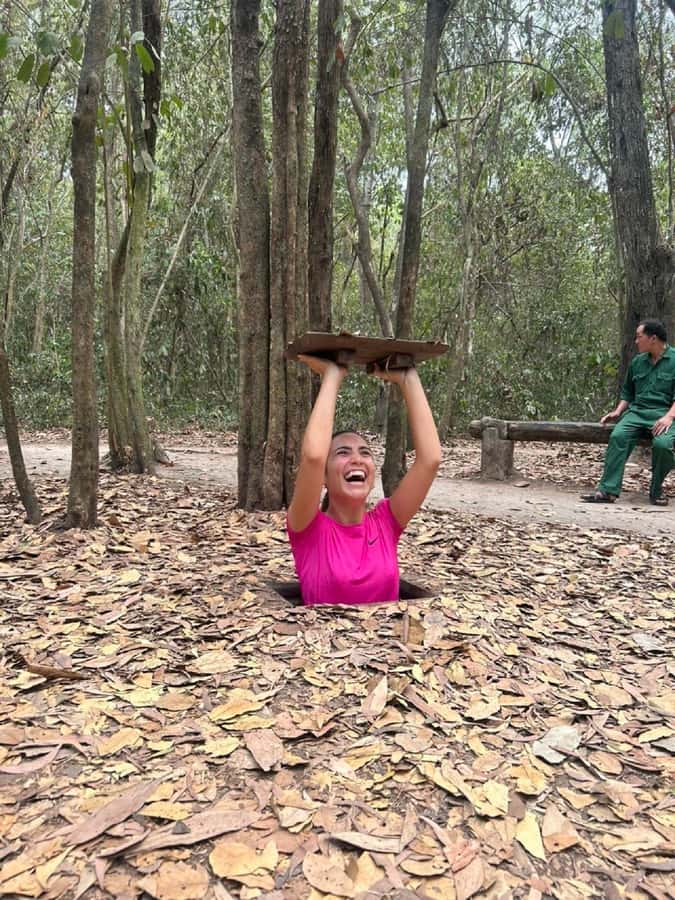
After the Agent Orange Center, you drive about 45 minutes to reach the Ben Duoc or Ben Dinh original tunnels. Your guide explains the clever techniques used by Viet Cong soldiers during the period the tunnels represent.
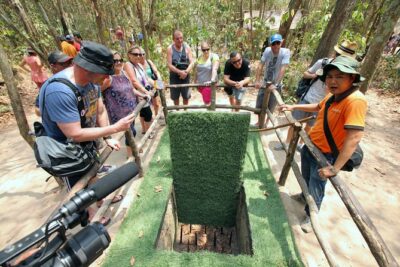
Once you arrive, you’ll do a photo stop and then begin the guided exploration. You’re not wandering alone. You’re moving through a sequence of underground features that your guide connects back to real wartime needs: hiding, moving quietly, treating injuries, coordinating leadership, and confusing attackers.
Underground hospital, meeting room, and commander in chief room
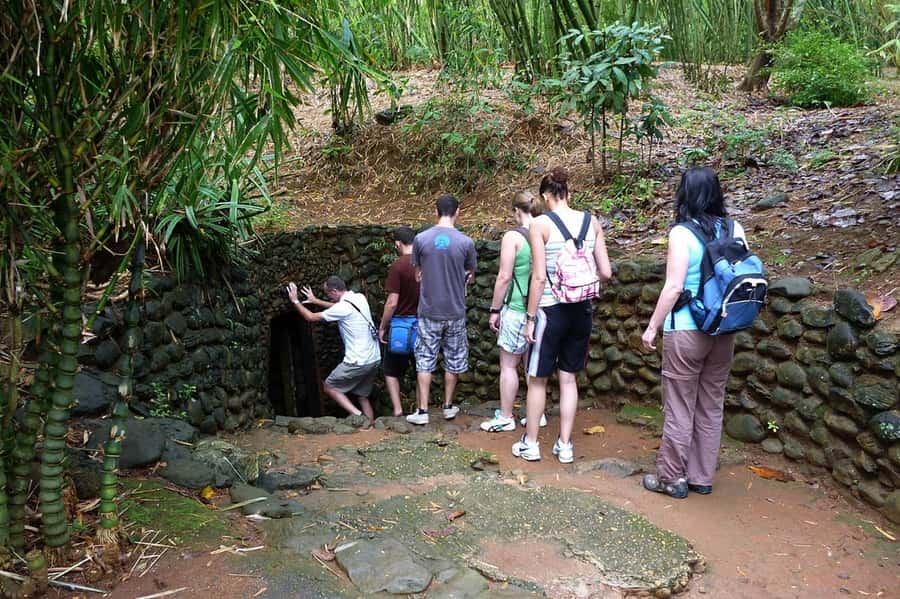
This is the part that usually makes people feel they finally understand what the tunnels were. It’s not only about surviving in the dark. The tour highlights spaces like the underground hospital, a meeting room, and the commander in chief room.
Those named rooms matter. When you see an underground hospital, it stops being an idea and becomes a place where people actually planned for injuries and care. Seeing a meeting room and command space makes it harder to reduce the tunnels to a simple hiding spot. You start to see them as an operating system.
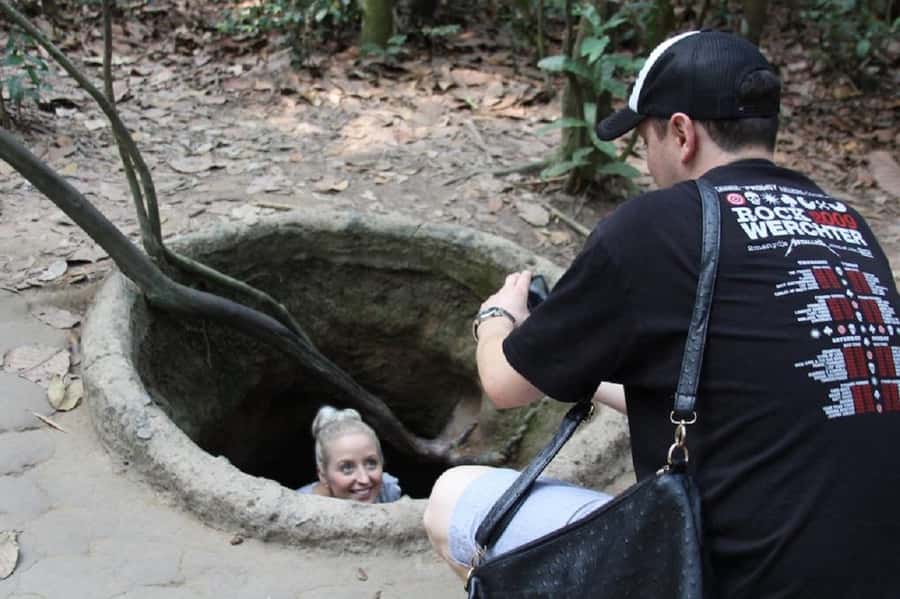
Even the way the tour flows helps. You’ll also encounter features like the underground well, secret entrance, and kitchen, so the experience covers both survival basics and leadership logistics.
Wider loops through the districts
- Cu Chi Tunnels Tour from HCM City – Morning or Afternoon★ 5.0 · 15,833 reviews
- From HCM City: Mekong Delta Tour with Sampan Journey★ 4.5 · 13,132 reviews
- Ho Chi Minh City Street Food Tour & Sightseeing By Motorbike★ 5.0 · 9,413 reviews
- Mekong Delta Guided Tour from Ho Chi Minh City★ 4.5 · 7,192 reviews
- Ho Chi Minh City: Cu Chi Tunnels Morning or Afternoon Tour★ 4.8 · 6,326 reviews
Bamboo traps, secret entrance, and the underground maze logic
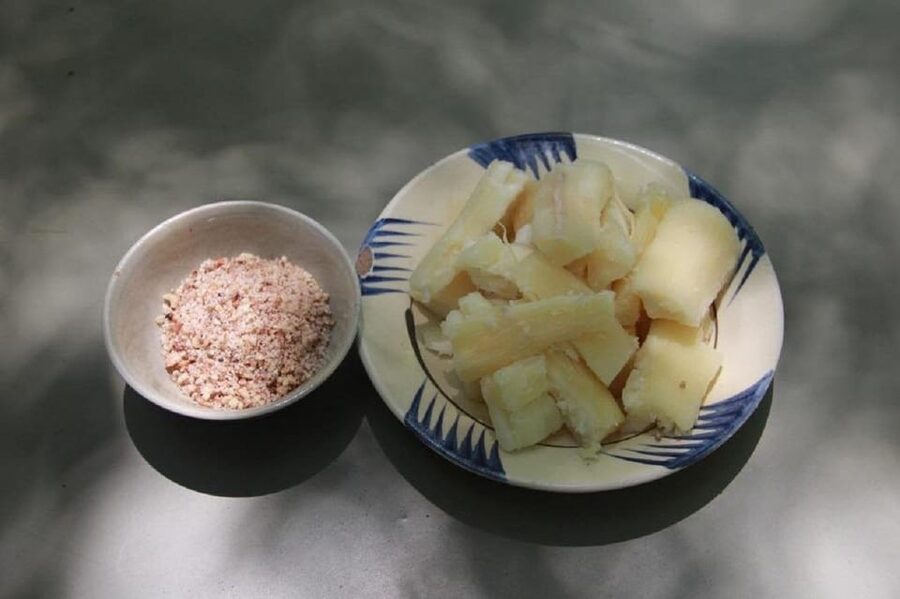
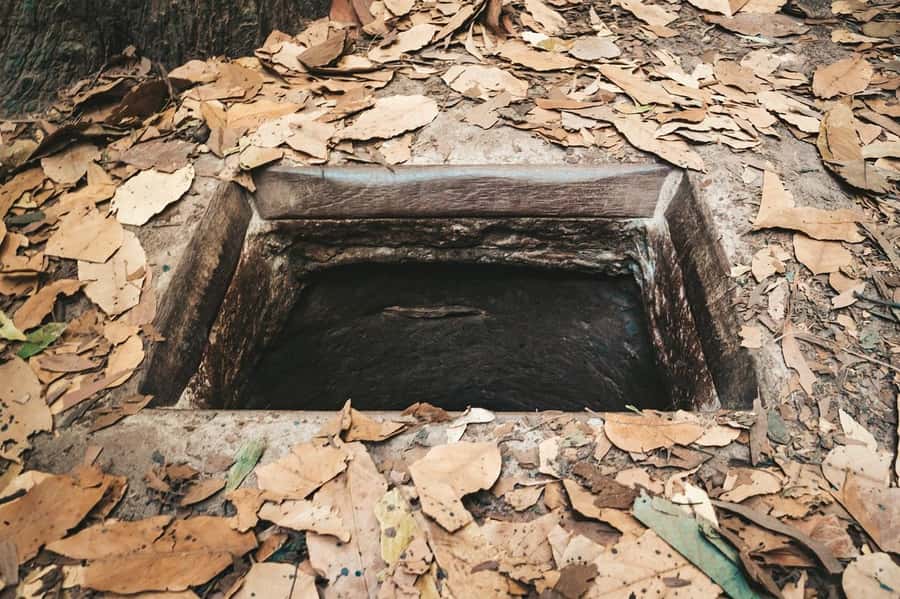
The tunnels are also presented through the defensive details: bamboo traps, secret entrance points, and the way the underground routes are designed. It’s the kind of information that makes you pay attention to what you might normally ignore in a tunnel photo.
This is where a guide earns their fee. If you only look at the tunnels as a physical structure, it’s easy to miss the purpose. With a good explanation, the layout starts to feel like problem-solving: how to protect people, hide movement, and limit how easily enemies could search.
Just be aware of your own comfort level. You’ll see tight sections and confined spaces, and you’re there long enough that you’ll feel it in your legs even if you choose a shorter tunnel walk.
Choosing 15, 30, or 50 meters: make a smart comfort call
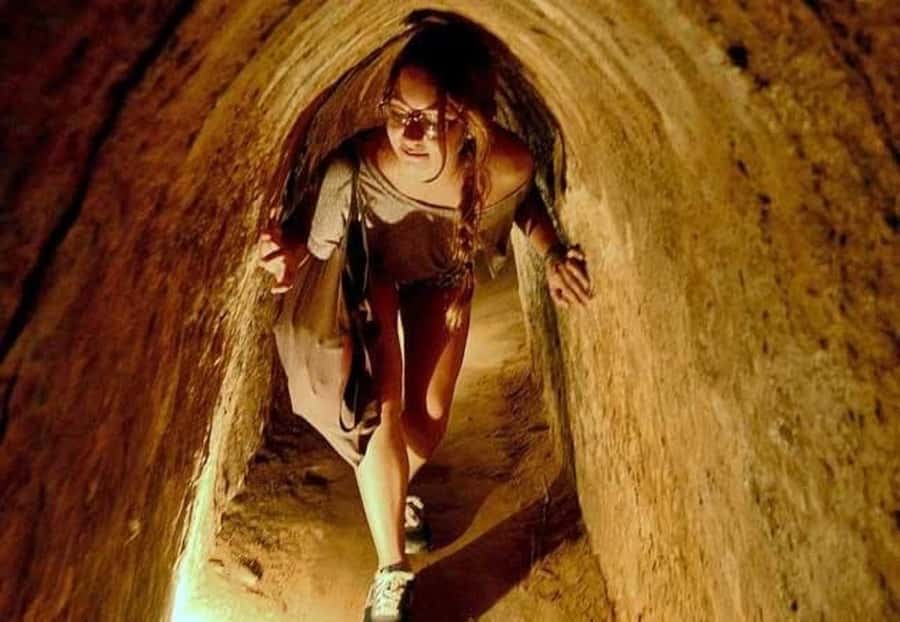
One of the best features is the choice of tunnel length: you can explore 15, 30, or 50 meters long. That matters because Cu Chi-style tunnels are not for everyone, and the difference between 15 and 50 meters is real in how you experience space, air, and tightness.
If you’re even mildly unsure, I’d lean shorter. You still get the point of going into the tunnel environment, but you reduce the chance of feeling trapped. This is especially important if you deal with claustrophobia at all, since the tour is specifically listed as not suitable for people with that condition.
Also: bring practical expectations. You’ll be moving through uneven, underground pathways. That means good footwear matters more than camera-ready shoes.
Tapioca, the uniform bunker, and Ho Chi Minh sandals from car tires
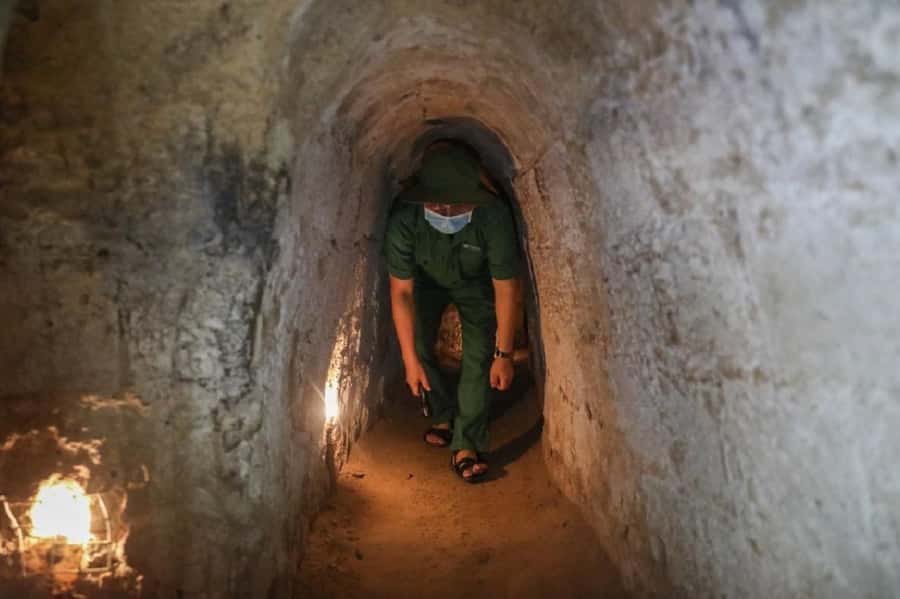
After the guided underground exploration, the tour shifts from rooms and engineering to daily-war details. You taste tapioca, described as a popular food for Viet Cong soldiers, and you’ll visit more curated sections like the uniform bunker.
One of the more memorable items here is the display of Ho Chi Minh sandals made from car tires. It’s a small object, but it hits a big theme: people adapted everyday materials into survival tools. That kind of detail is easy to overlook in a standard museum.
You’ll also see weapon bunker and trap bunker areas. The pattern is consistent: the tour keeps pulling you back to how the tunnels supported both defense and routine living, not just hiding.
The optional AK47/M16 shooting range: fun, but it can steer the day
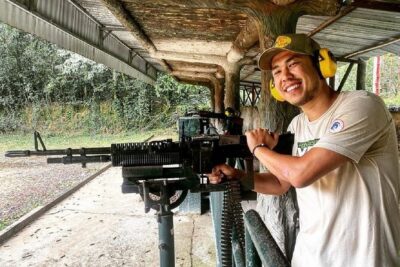
At some point you may have the chance to shoot real guns like an AK47 or M16. This is optional, but it’s also the add-on that can change your day if you say yes.
The cost is 600,000 VND for a minimum of 10 bullets, and you can pay by cash or credit cards. Your overall experience can shift depending on how much time the group spends at the range and how long the shooting session runs.
Here’s my honest practical advice: if the description you booked lists a tapioca taste and multiple tunnel features, don’t assume those moments will happen in the exact order you expect. This isn’t because the guide is doing anything wrong; it’s because time gets affected by how the day runs and whether people opt into shooting.
If you’re not into extra time at a range, it’s totally fair to skip it and focus on what you came for: the tunnels and the war context. If you are into shooting, budget extra mental energy. You’ll be spending time with a very different kind of activity than underground exploring.
What you learn, beyond the tunnels
The tour doesn’t end with facts. After the experience, you should walk away with a stronger sense of Vietnamese resilience. That message shows up through the combination of war stories, underground spaces, and even the adapted objects like the sandals from car tires.
I also like that you learn about the relationship between strategy and environment. The tunnels weren’t just built because it was possible. They were built because it helped people survive and continue operating under constant pressure.
Price and value: is $25 worth it from Ho Chi Minh City?
At $25 per person for a roughly 6-hour guided tour, this can be good value, especially compared to how expensive private transportation and museum-style guides can get in big cities. You get mini van or bus with air conditioning, an English-speaking guide, entrance fees, mineral water, and hotel pickup and drop-off in central District 1.
What you don’t get is also clear: no lunch or dinner, and bullets are extra. Tips aren’t included either.
So here’s the value math I’d use: if you want guided context in English, you want the official entrance, and you want transport plus pickup, $25 can make sense. If you already plan to spend much of your day outdoors and underground, the cost is less about comfort and more about access and explanation.
Who this tour suits best (and who should skip)
This tour fits best if you:
- Want an English guide who connects war history to what you see
- Like hands-on sites that make history physical
- Are comfortable walking and spending time in underground spaces
- Want both a war-focused stop and a cultural craft stop (lacquerware)
Skip this one (or think hard before booking) if:
- You have claustrophobia. This tour is specifically not suitable for it.
- You’re pregnant. It’s listed as not suitable.
- You’re traveling with very young kids. It’s not suitable for children under 2.
Even if you’re fine physically, bring a sensible attitude. This isn’t a casual stroll. It’s a structured, war-history day with real tight spaces.
Practical tips before you go
A few things will make the day easier:
- Wear comfortable shoes you don’t mind getting a bit dirty
- Bring a camera if you want photos (and consider a strap so you’re not juggling)
- Wear clothes you can move in, since you’ll walk through the tunnel area
- If you’re thinking about shooting AK47 or M16, decide early so it doesn’t derail your tunnel time
If you’re sensitive to crowds, remember this is a small-group option, which usually helps with pacing and questions. Air-conditioned transport helps too, since you’ll spend time riding in the van.
Should you book this Cu Chi Tunnels and Agent Orange tour?
Book it if you want a guided day that goes beyond surface-level tunnel photos. The strongest reason to choose this tour is the combination of war explanation in English plus a look at key underground spaces like the underground hospital and commander in chief rooms. It’s exactly the kind of experience that makes history feel less abstract.
Skip it or choose another format if you’re worried about tight spaces or you know you won’t handle claustrophobic moments. And if you care deeply about hitting every listed activity in order, be prepared for the schedule to shift a bit because the shooting range is an optional paid add-on.
If you want, tell me your travel dates and whether you’re interested in the shooting range. I can help you decide how to plan the day around your comfort level and interests.
FAQ
How long is the Cu Chi Tunnels and Agent Orange tour?
The tour duration is 6 hours.
Where does hotel pickup happen?
Pickup is available from selected hotels in central District 1.
What’s included in the ticket price?
It includes mini van or bus with air conditioning, an English speaking guide, entrance fees, mineral water, and pickup/drop-off at selected hotels in central District 1.
Is lunch included?
No. Lunch and dinner are not included.
Which tunnels do you visit?
You’ll visit the Ben Duoc or Ben Dinh original tunnels, depending on the tour.
What can I see inside the tunnels?
You’ll visit areas such as the underground hospital, meeting room, commander in chief room, underground well, secret entrance, bamboo traps, and kitchen. The tour also includes options to explore tunnels 15, 30, or 50 meters long.
Is tapioca included?
Tasting tapioca is part of the experience.
Can I shoot AK47 or M16 on this tour?
You may have a chance to shoot real guns AK47 and M16, but bullets cost extra. The listed price is 600,000 VND for a minimum of 10 bullets, and you can pay by cash or credit cards.
Is this tour suitable for everyone?
It’s not suitable for children under 2, pregnant women, or people with claustrophobia.
More Tours in Ho Chi Minh City



More Tour Reviews in Ho Chi Minh City
The Cu Chi Tunnels, a Few More Ways Down
Just Reviewed Around Saigon
- Secret walking Food Tour Ho Chi Minh City
★ 5.0 · 3 reviews - Ho Chi Minh City: Secret Cocktail Experience
★ 5.0 · 3 reviews - From Ho Chi Minh city: Vung Tau Beach Private Day Tour
★ 5.0 · 3 reviews - Saigoncholon
★ 3.5 · 3 reviews - Saigon On 2 Wheels
★ 3.5 · 3 reviews - From Ho Chi Minh City: Relax In Mui Ne Beach In 1 Day
★ 4.3 · 3 reviews
Cu Chi Tunnels Tours, compared.
 ★ 4.7Cu Chi Tunnels Morning or Afternoon TourFrom $1319,646 reviews
 ★ 5.0Cu Chi Tunnels Tour from HCM City – Morning or AfternoonFrom $1515,833 reviews
 ★ 4.7Cu Chi Tunnels & Mekong Delta with Coconut Village TourFrom $3511,836 reviews
 ★ 5.0Cu Chi Tunnels-Tapioca Small Group Tour Morning or AfternoonFrom $147,485 reviews
 ★ 5.0Cu Chi Tunnels and Mekong Delta Signature TourFrom $337,328 reviews
 ★ 5.0Cu Chi Tunnels & Mekong Delta Tour with VIP Limousine TransferFrom $567,052 reviews
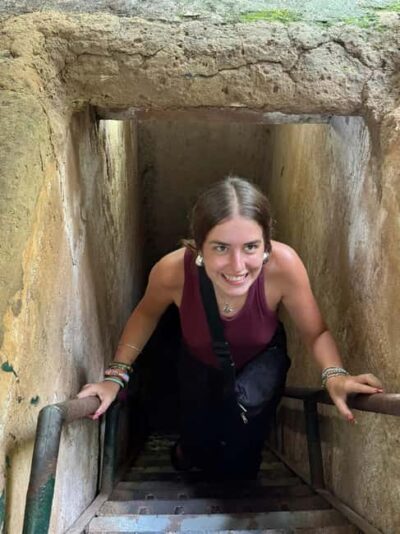 ★ 4.8Cu Chi Tunnels Morning or Afternoon TourFrom $136,326 reviews
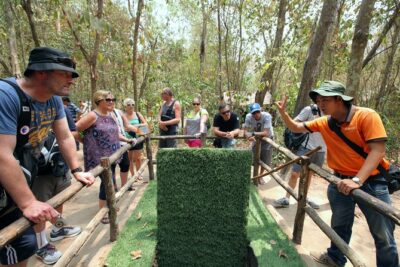 ★ 5.0Cu Chi Tunnels and Mekong Delta Full Day Tour – Max 12From $436,257 reviews
Browse the lists this tour appears in