
REVIEW · CU CHI TUNNELS TOURS
From Ho Chi Minh: Cu Chi Tunnels Morning or Afternoon(Small)
Cu Chi Tunnels hit hard in 6 hours. This tour is a guided run through the Vietnam War story, with time in the Cu Chi tunnel network and a chance to crawl through preserved sections so the scale feels real. You also get an English-speaking guide (plus other languages), which matters here because the details are intense and the geography is confusing on your own.
One thing to watch: language choice can change the final cost. The tour is free with an English guide, but non-English guides can carry a surcharge, and you’ll want to confirm the total before you go.
In This Review
- Key things to know before you book
- Cu Chi Tunnels: what you’re really signing up for
- Pickup from Ho Chi Minh City and the ride to Cu Chi
- Price and what $26 actually buys you
- The guided experience: English first, other languages with care
- Entering the Cu Chi tunnel world: context before the crawl
- Crawling through preserved sections: what to expect physically
- Bunkers, booby traps, and the signs of daily survival
- The outdoor exhibits: why seeing remnants matters
- Tea, cassava, and small breaks that keep the day human
- Morning vs afternoon departures: choosing what fits your energy
- Who this tour is best for (and who should think twice)
- Common gotchas to avoid before you go
- Should you book this Cu Chi Tunnels tour?
- FAQ
- How far are the Cu Chi Tunnels from Ho Chi Minh City?
- How long is the Cu Chi Tunnels tour?
- Do I get picked up from my hotel?
- What is included in the $26 price?
- Are there extra costs for non-English guides?
- What languages are available for the tour guide?
- Is a private group available?
- Can I reserve now and pay later?
- What is the cancellation policy?
Key things to know before you book

- 75 km from Ho Chi Minh City: expect a real bus ride each way as part of the experience.
- Crawling preserved tunnel sections: it’s not a walk-through museum only.
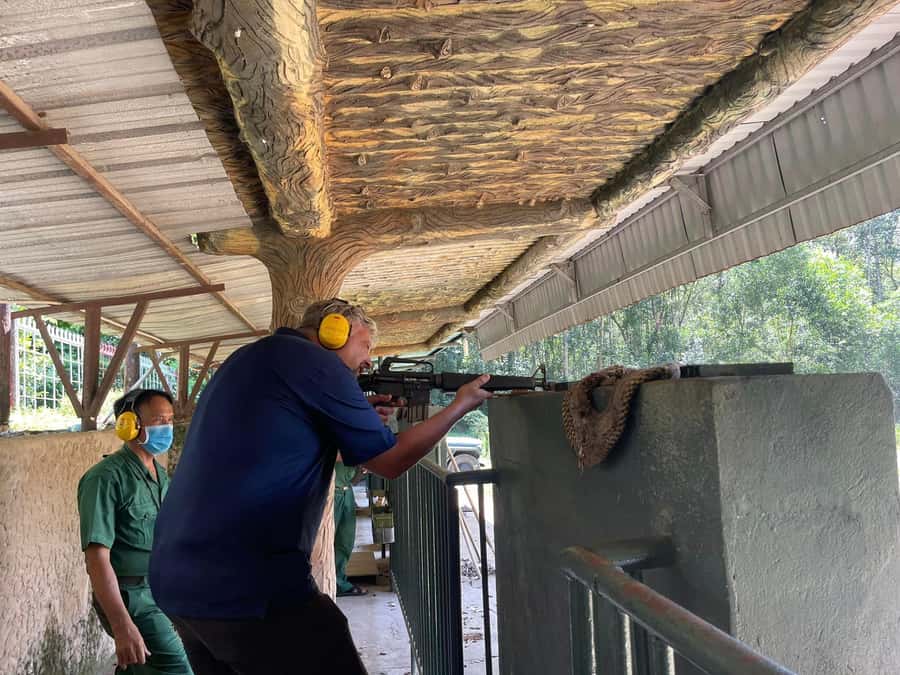
- War stories you can see: bunkers, living quarters, makeshift hospitals, and remnants of conflict.
- $26 base price, value-focused inclusions: transport, tickets, tea and cassava, and tolls are bundled.
- Language surcharges are possible: English is included; other languages may cost extra.
Down into the tunnels, a few more ways to go


Cu Chi Tunnels: what you’re really signing up for
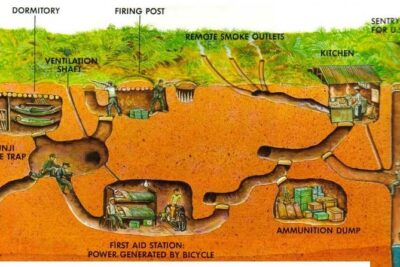
If you’re short on time in Ho Chi Minh City, this is one of the most direct ways to understand the Vietnam War from the inside—literally. Cu Chi was a vast underground system used for shelter, movement, and supply, and the tour is built to help you connect the “big story” to everyday reality.
You’ll be guided through what the tunnels were used for and how they affected daily life underground. That includes the cramped living areas, improvised medical spaces, and the defensive layout designed to slow down or stop attackers. This isn’t about getting shock value. It’s about seeing how people built a hidden world and made it function under constant threat.
The best part for me is that the experience is structured around guided explanation, not just viewing signs. You’ll hear strategies and context while you’re in the environment, so the tunnels stop being an abstract historical map.
Pickup from Ho Chi Minh City and the ride to Cu Chi
Cu Chi is about 75 km from downtown Ho Chi Minh City, so a chunk of your day goes into getting there. The tour includes transportation, and the guide will pick you up in the morning or afternoon depending on the departure you choose.
This matters because timing affects how you feel once you arrive. If you go in the afternoon, expect a later start to the more physically demanding tunnel portion. If you go in the morning, you may have a steadier energy level for crawling and standing in the outdoor areas.
Also note that there can be a surcharge for pickup outside District 1. If you’re staying in the city center, you’ll likely avoid that extra charge, but it’s worth checking when you book so there are no surprises.
Price and what $26 actually buys you
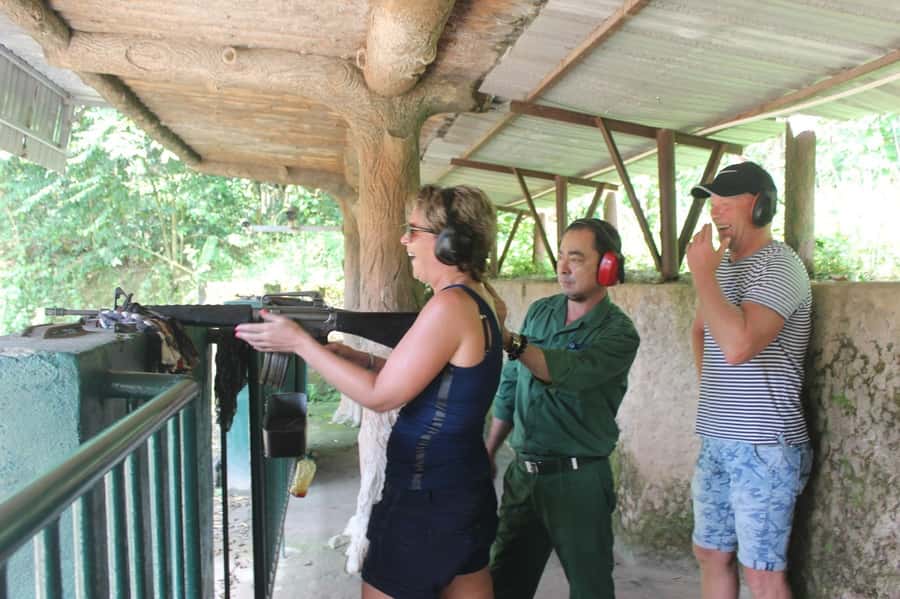
At $26 per person, this tour sits in the affordable range for a guided trip with transportation and entry included. What makes it good value is the bundle: you’re paying for round-trip logistics plus the guided experience, not just a ticket.
The included items are practical:
- Transportation
- Free entry tickets
- Tea and cassava
- A bottle
- Toll fees
You’re also getting a live English-speaking guide by default. If you select another language, the listing indicates a surcharge may apply, and that can change your true “out the door” cost.
One more small factor: tax is not listed as included. So if you’re budgeting tightly, factor that in.
Overall, if you want a history-focused day trip without paying premium rates, this is a sensible option—especially if English guidance works for you.
The guided experience: English first, other languages with care
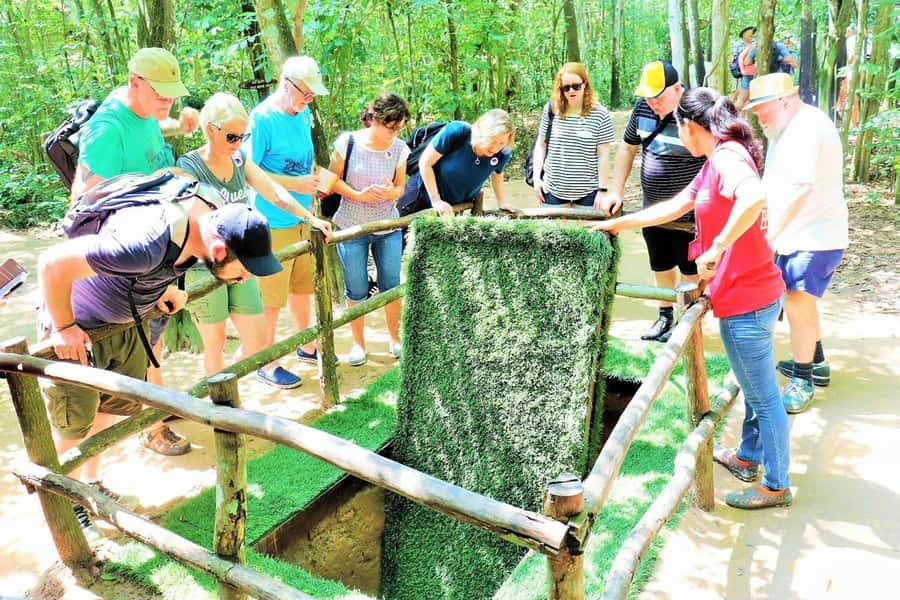
The tour offers live guidance in English, Japanese, Chinese, German, Italian, and French. For many visitors, English is the easiest way to keep the story clear when you’re dealing with details like tunnel layout, wartime strategies, and survival routines.
I also like that the tour explicitly treats language as part of the service, not an afterthought. A good guide is the difference between reading about tunnels and actually understanding why certain areas were built the way they were.
Here’s the caution: the listing says English is free of charge, while other language guides can cost extra. In one real-world booking situation, a German selection didn’t match what the confirmation showed, and the extra payment request came later. That’s a headache you can avoid with one simple habit: before you pay, double-check that your confirmation clearly lists the language you chose and ask what the surcharge is (and when it’s collected).
If you go with a non-English guide, I’d also plan for the possibility that the surcharge could be handled directly during the tour. Keep a bit of flexibility in your payment method so you’re not scrambling on the day.
A few Saigon tours to weigh against this one:
- Small-Group Cu Chi Tunnel Half-day Tour: Morning or Afternoon★ 5.0 · 1,521 reviews
- Cu Chi Tunnels tour In The Morning by DGT★ 5.0 · 1,321 reviews
- Morning CuChi Tunnels-Tapioca-Secret Traps Luxury Speedboat 2Ways★ 5.0 · 688 reviews
- Morning Saigon Unseen Adventure Scooter with Ao Dai Riders Option★ 5.0 · 646 reviews
- Morning Saigon Unseen+Street Food Tour with Ao Dai Riders Option★ 5.0 · 421 reviews
Entering the Cu Chi tunnel world: context before the crawl
Cu Chi wasn’t one straight tunnel. It was a network with interlinked sections. The tour explains this so you don’t feel lost when you’re suddenly in a narrow passage.
The key thing the guide helps you understand is why the tunnels mattered:
- they provided shelter from bombardment and attacks
- they supported communication routes and movement
- they enabled supply lines underground
You’ll also hear about the underground village idea: not just hiding, but living and working while planning resistance. That context makes the preserved areas feel less like “props” and more like evidence of a system built under pressure.
If you only have one chance to do Cu Chi, this kind of explanation-first approach is worth it. You’ll get more meaning from the crawl and the exhibits because you’ll understand what you’re seeing.
Crawling through preserved sections: what to expect physically
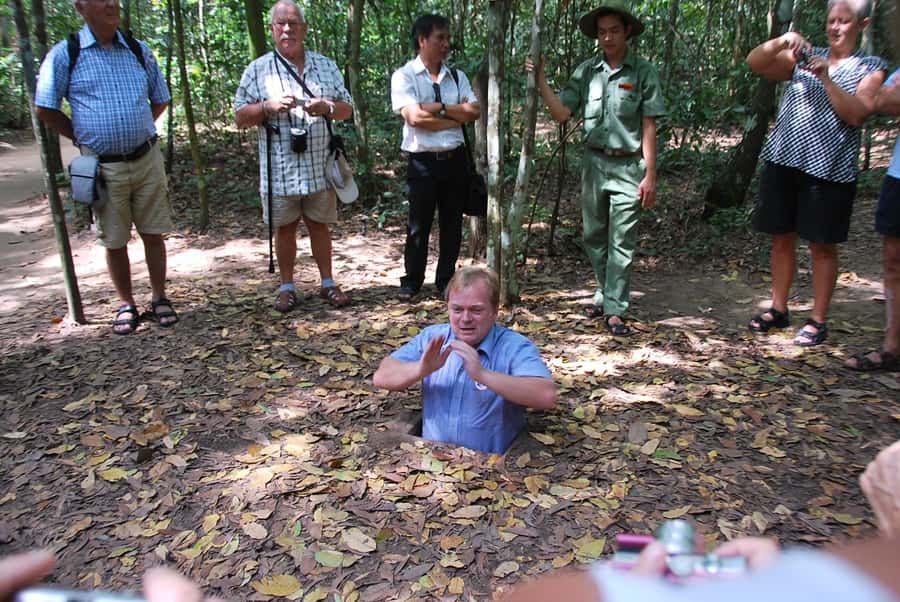
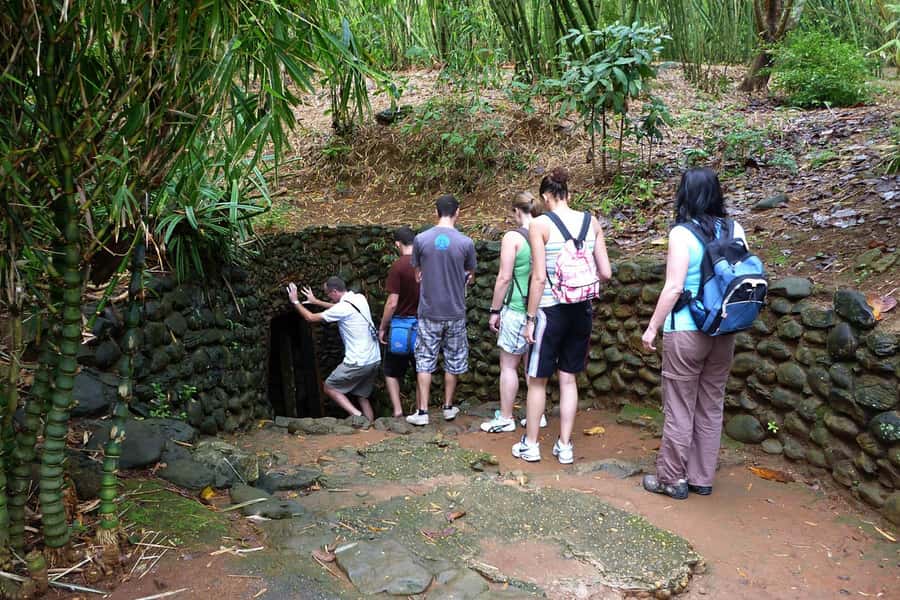
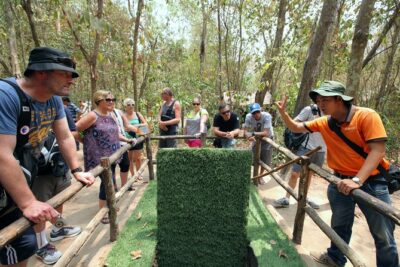
A big highlight is the time spent crawling through preserved tunnel sections. This is the part that turns a history lesson into a bodily experience—tight space, low visibility, and the obvious reality of moving underground.
The tour frames the crawl as part of an immersive experience, and that’s accurate in the sense that you’ll feel how limiting the environment is. The preserved sections are intentionally kept to show the cramped conditions people had to endure.
Practical advice if you’re considering this:
- Wear shoes you don’t mind getting dusty.
- Expect the tunnel areas to feel cooler or darker than the outdoor sites.
- Go at a safe pace. You’re there to understand, not to race.
If you have claustrophobia, mobility issues, or you’re easily uncomfortable in tight spaces, you should seriously consider whether the crawling portion is a fit. The listing doesn’t describe accessibility details, so it’s safer to plan based on your own comfort with enclosed spaces.
Bunkers, booby traps, and the signs of daily survival
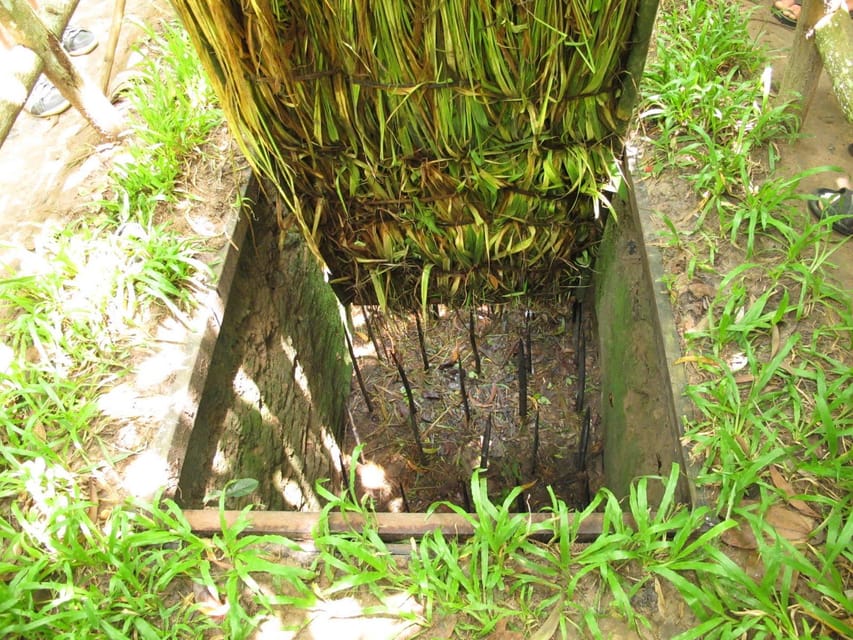
When you move from the tunnel crawl to the rest of the visit, the tour shifts from “how it was built” to “what it was for.” You’ll see wartime remnants and hear about the defensive design that shaped movement through the area.
The tour highlights include:
- fighting bunkers
- preserved remnants of war
- explanations of strategies used during the conflict
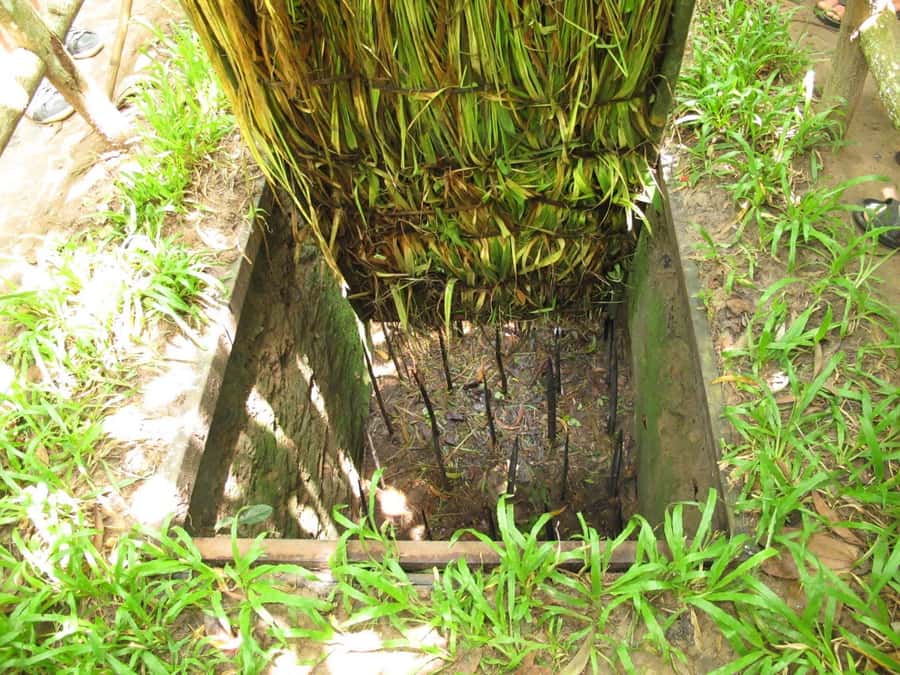
You may also be shown or discussed features related to defense, including booby traps. Even when you’re viewing preserved elements, it helps to remember the purpose: slowing enemy movement and protecting people who were hiding and working underground.
Another meaningful part of the underground story is what life looked like:
- cramped living quarters
- makeshift hospitals
- the idea of supplies and communication routes functioning despite constant danger
This isn’t just “tough conditions” as a vague concept. The guided explanation helps you connect those survival details to the bigger war story happening above.
The outdoor exhibits: why seeing remnants matters

Not every lesson can be taught by crawling. Outdoor areas and preserved artifacts help you reorient and build a clearer mental map.
You’ll have time to take in what remains from the conflict, and the guide ties those remnants to the tunnel network and resistance operations. That connection is important because it turns the site into a readable place, not just a pile of displays.
If you’re the type who likes to understand how systems work, pay attention to how the guide explains strategy and daily routines together. That’s how Cu Chi becomes more than a dramatic stop on a Ho Chi Minh City itinerary.
Tea, cassava, and small breaks that keep the day human
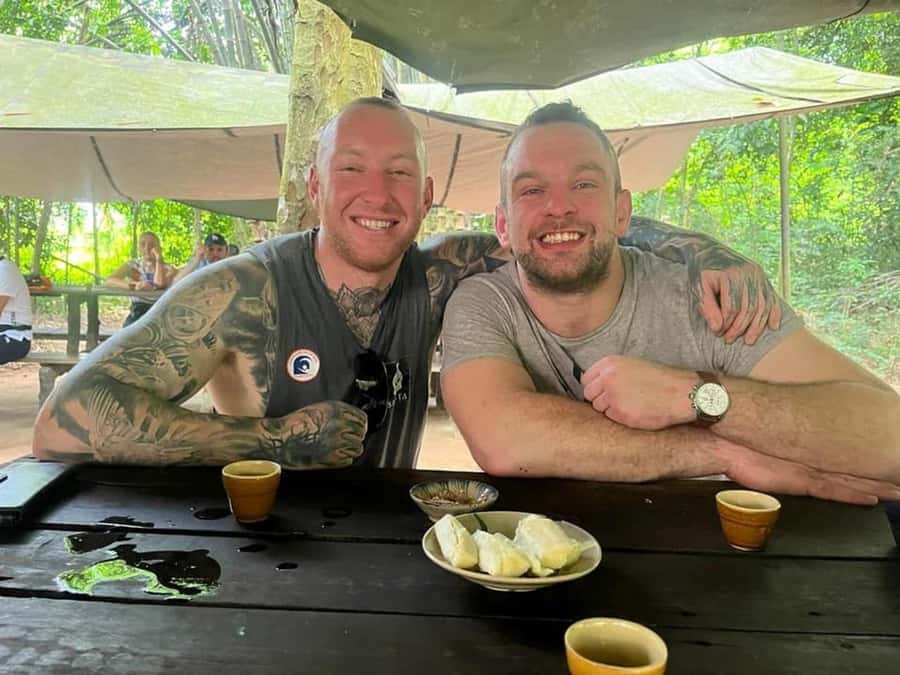
The tour includes tea and cassava, plus a bottle. It’s not a fancy meal, but it’s a thoughtful inclusion because Cu Chi can be tiring—both mentally and physically.
I like that the tour doesn’t ignore comfort completely. These small refresh points help you reset after the tunnel crawl and keep the experience from turning into a long, uncomfortable grind.
Pack your own snacks only if you know you need them. Otherwise, the included tea and cassava is there for a reason.
Morning vs afternoon departures: choosing what fits your energy
The tour runs either morning or afternoon, and the exact start times depend on availability. The length is listed as 6 to 7 hours, which is a solid half-day to a bit more.
If you want a smoother experience, I’d match the timing to your tolerance for the tunnel crawl:
- Morning departures can feel easier if you prefer to do the physically demanding part earlier.
- Afternoon departures can be fine if you’re rested and flexible, but plan for a longer day overall.
Also consider the ride back to the city. Cu Chi’s distance means you’ll likely be back later than you expect, especially if the group schedule runs behind.
Who this tour is best for (and who should think twice)
This Cu Chi Tunnels tour is a strong match if you:
- want a guided history-focused day trip from Ho Chi Minh City
- like hands-on experiences, including crawling preserved tunnel sections
- value clear storytelling, especially around strategy and daily life underground
- want a package deal with transport, tickets, and basic refreshments included
It’s less ideal if you:
- strongly dislike tight enclosed spaces
- need extensive accessibility support (the listing doesn’t spell out accommodations)
- want a purely comfortable, museum-style visit with no crawling component
If you’re unsure, think about how you handle enclosed bathrooms, small storage rooms, or crowded train compartments. Cu Chi turns that discomfort into a learning moment, but it’s still discomfort.
Common gotchas to avoid before you go
This is where you can save yourself stress.
First: confirm language in writing. If you pick German, French, Italian, or any of the other options, make sure the confirmation matches your selection. If there’s a surcharge for that language, ask when it will be collected and how much.
Second: check your pickup area. The listing flags a surcharge for outside District 1. If you’re not staying in the center, verify the cost during booking so it doesn’t appear at the last second.
Third: keep expectations realistic about time. A 6–7 hour tour sounds straightforward until you add the 75 km ride each way and the time spent in multiple areas. You’ll want a full day buffer around it.
Should you book this Cu Chi Tunnels tour?
Yes, I’d book it if you want a practical, value-minded guided outing that includes transport, entry, and a real on-site experience beyond reading. The biggest draw is the combination of guided war history with preserved tunnel crawling, plus tangible reminders of wartime life like fighting bunkers and underground living spaces.
Skip it or research alternatives if you can’t handle tight spaces or you’re sensitive to the physical discomfort that crawling can bring. And if you care about language, confirm your language selection and any surcharge up front so the day runs smoothly.
If you’re balancing history with hands-on experience in Ho Chi Minh City, this one is a solid use of your time. You’ll leave with a stronger sense of how people survived and fought from inside the ground.
FAQ
How far are the Cu Chi Tunnels from Ho Chi Minh City?
The Cu Chi Tunnels are located about 75 km from downtown Ho Chi Minh City.
How long is the Cu Chi Tunnels tour?
The tour duration is listed as 6 to 7 hours.
Do I get picked up from my hotel?
Yes. The tour guide picks you up in the morning or afternoon, and transportation is included.
What is included in the $26 price?
The listed inclusions are transportation, free entry tickets, tea and cassava, a bottle, and toll fees, plus an English-speaking tour guide.
Are there extra costs for non-English guides?
Yes. English is free of charge, but there may be a surcharge for guides in other languages.
What languages are available for the tour guide?
The tour offers English, Japanese, Chinese, German, Italian, and French.
Is a private group available?
Yes, a private group is available.
Can I reserve now and pay later?
Yes. The listing says you can reserve now & pay later.
What is the cancellation policy?
The listing states free cancellation up to 24 hours in advance for a full refund.
More Morning in Ho Chi Minh City

More Tour Reviews in Ho Chi Minh City



The Cu Chi Tunnels, a Few More Ways Down
Just Reviewed Around Saigon
- Secret walking Food Tour Ho Chi Minh City
★ 5.0 · 3 reviews - Ho Chi Minh City: Secret Cocktail Experience
★ 5.0 · 3 reviews - From Ho Chi Minh city: Vung Tau Beach Private Day Tour
★ 5.0 · 3 reviews - Saigoncholon
★ 3.5 · 3 reviews - Saigon On 2 Wheels
★ 3.5 · 3 reviews - From Ho Chi Minh City: Relax In Mui Ne Beach In 1 Day
★ 4.3 · 3 reviews
Cu Chi Tunnels Tours, compared.
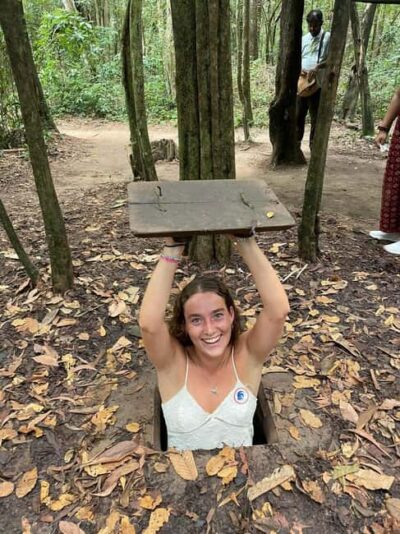 ★ 4.7Cu Chi Tunnels Morning or Afternoon TourFrom $1319,646 reviews
 ★ 5.0Cu Chi Tunnels Tour from HCM City – Morning or AfternoonFrom $1515,833 reviews
 ★ 4.7Cu Chi Tunnels & Mekong Delta with Coconut Village TourFrom $3511,836 reviews
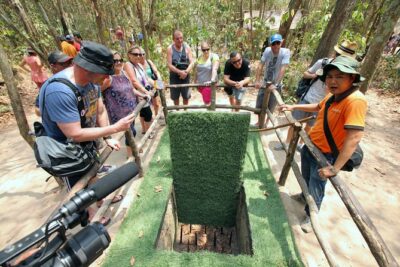 ★ 5.0Cu Chi Tunnels-Tapioca Small Group Tour Morning or AfternoonFrom $147,485 reviews
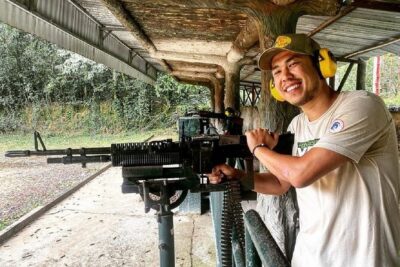 ★ 5.0Cu Chi Tunnels and Mekong Delta Signature TourFrom $337,328 reviews
 ★ 5.0Cu Chi Tunnels & Mekong Delta Tour with VIP Limousine TransferFrom $567,052 reviews
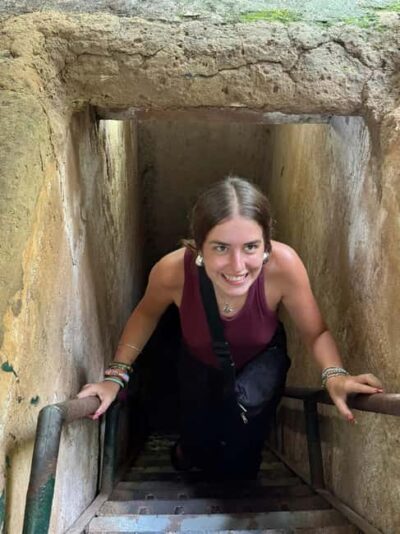 ★ 4.8Cu Chi Tunnels Morning or Afternoon TourFrom $136,326 reviews
 ★ 5.0Cu Chi Tunnels and Mekong Delta Full Day Tour – Max 12From $436,257 reviews
Browse the lists this tour appears in