
REVIEW · CAI RANG FLOATING MARKET TOURS
FULL Day – CAI RANG FLOATING MARKET, COOKING CLASS AND EXPLORE THE COUNTRYSIDE
Floating markets before breakfast. This day trip turns that early alarm into the best seat in the Mekong. You’ll start with a 3:00 a.m. pickup from Ho Chi Minh City and end up in the Cai Rang floating market area while everything still feels like morning.
Two things I really like: the mix of food stops (floating market breakfast plus a rice noodle factory/bakery mill) and the hands-on time with a local family in the countryside. You’re not just watching from the sidelines; you’re shopping for ingredients and learning to cook before you get that slow, hammock-style break.
One thing to consider: this is a long day with a very early start. If you hate mornings, this tour asks you to befriend your alarm clock for about 10 hours.
In This Review
- Key highlights worth waking up for
- The Mekong day that starts at 3:00 a.m. and makes it worth it
- Cai Rang Floating Market: what to watch at first light
- Rice noodle factory and bakery mill plus canal views
- A cacao orchard stop that fits the local food story
- Shopping for your cooking class at a traditional market
- Cooking class and lunch at a countryside family home
- Hammock nap, fruit picking, and rice fields in the afternoon
- Price and value: where the $119 fits (and where it doesn’t)
- Who should book this Mekong countryside day trip
- Should you book it?
- FAQ
- What time is pickup in Ho Chi Minh City?
- How long is the tour?
- Is breakfast included?
- What do you do at the countryside family home?
- Does the tour include a cooking class, and what might you make?
- Do you visit a cocoa farm?
- Do you have time for fruit or rice-field activities?
- What happens if the weather isn’t good?
Key highlights worth waking up for
- Dawn timing for Cai Rang so you’re there when the river scene feels real, not tour-scheduled
- Breakfast in the Mekong plus stops at a rice noodle and bakery mill setup
- Cacao orchard visit on the way out, tied into how local food systems work
- Cooking class with a local family home, using ingredients you buy at a traditional market
- Hammock downtime and countryside time in seasonal fruit gardens and rice fields
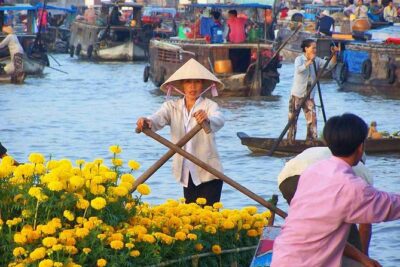
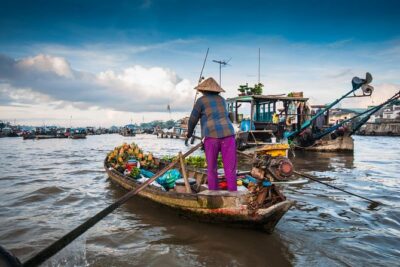
Dawn boats and bowls of noodles at Cai Rang
The Mekong day that starts at 3:00 a.m. and makes it worth it
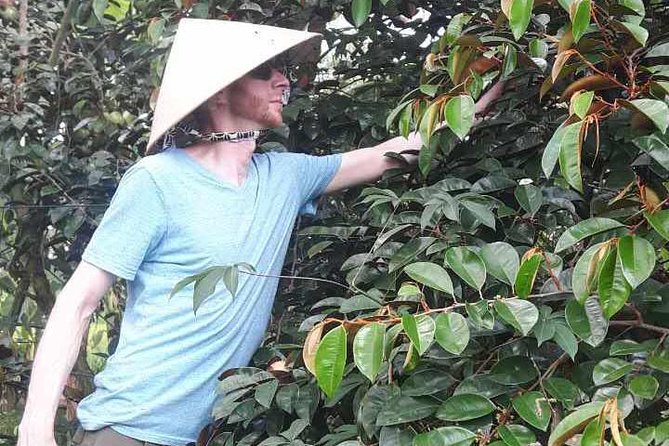
This tour is built around one simple idea: catch the Mekong when people are actively doing things, not when it’s already winding down for the day. That’s why pickup is at 3:00 a.m., and why you’ll feel the pace right away.
I like tours that don’t pretend they’re effortless. Here, the early start is part of the value. You’re trading sleep for a floating market moment that’s much more than a photo stop.
The day runs about 10 hours, and you come back around 3–4 p.m. That timing matters because it keeps the experience in one flow: river, food-making, cooking, then countryside relaxation instead of bouncing around too much.
Cai Rang Floating Market: what to watch at first light
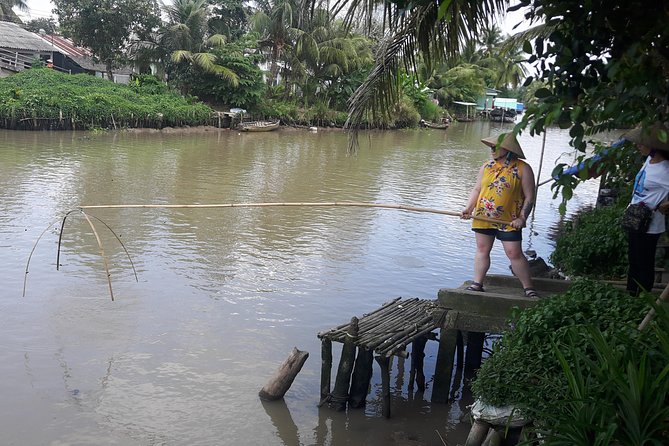
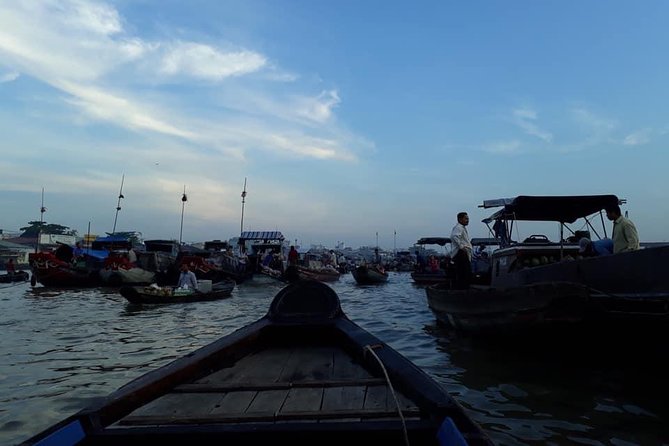
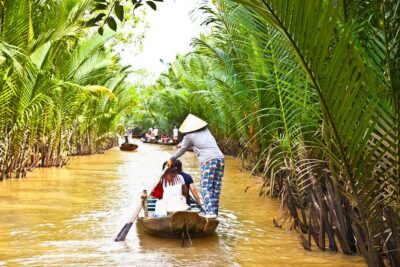
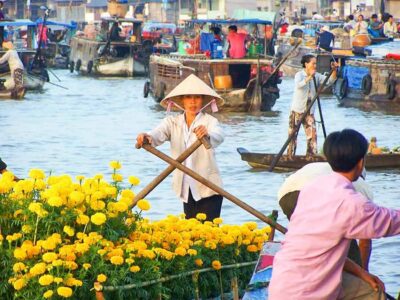
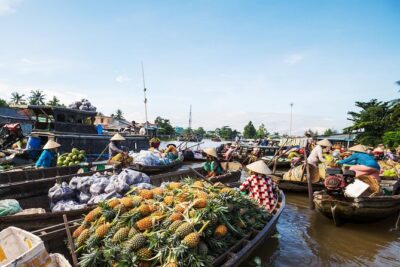
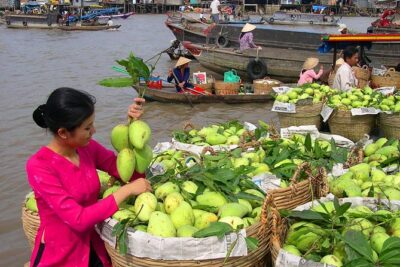
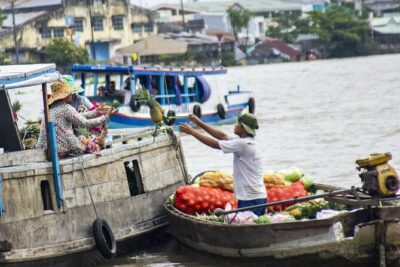
Cai Rang is the kind of place where the river becomes a marketplace and you can feel how trade and daily life connect. Going early helps. The atmosphere tends to be calmer and more active at the same time, and you get a chance to see how boats move through narrow stretches without the whole scene turning into a rush.
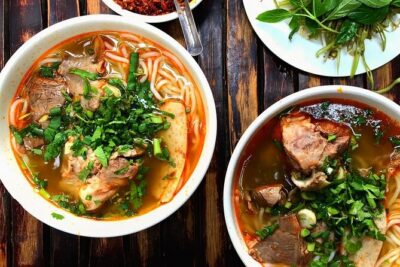
What you’ll actually do here is take in the market and enjoy breakfast in the Mekong. I like this structure because it turns the visit into something sensory. You’re not just walking through; you’re eating as the setting comes to life.
Practical tip: keep your camera ready, but also keep your eyes open for the small details. Look at how goods are arranged, how boats interact, and how people communicate quickly across water. Even if you don’t know the names of everything, you’ll understand the flow fast.
Rice noodle factory and bakery mill plus canal views
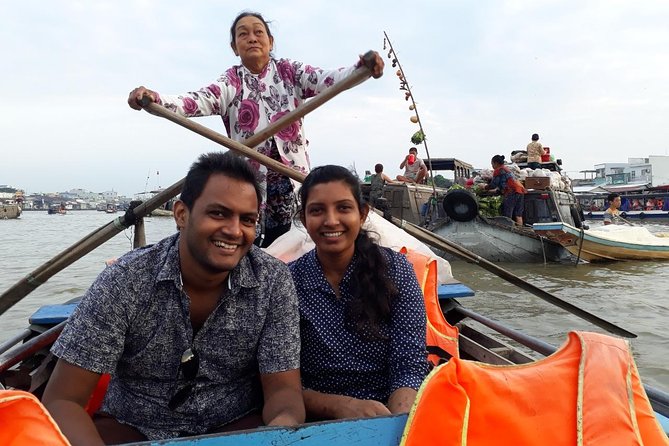
After the floating market, the tour shifts from buying and selling to making and producing. The stops include a rice noodle factory/traditional bakery mill and a look at small canals.
This is one of the smartest parts of the day because it answers a question most visitors never ask: how does this food actually happen? Rice noodles aren’t just a dish; they’re a process. Seeing that process makes later meals feel more meaningful.
You’ll also get a canal pause, which helps break the day into smaller chunks. It’s not just travel time. Canal scenery is usually where you understand the geography of the delta—how water channels connect work, home, and transport.
If you’re the type who likes food in a practical way (ingredients, how it’s made, why it tastes the way it does), this section is a win. If you’re mainly there for scenery, it still works because the production sites tend to show you real daily activity.
A cacao orchard stop that fits the local food story
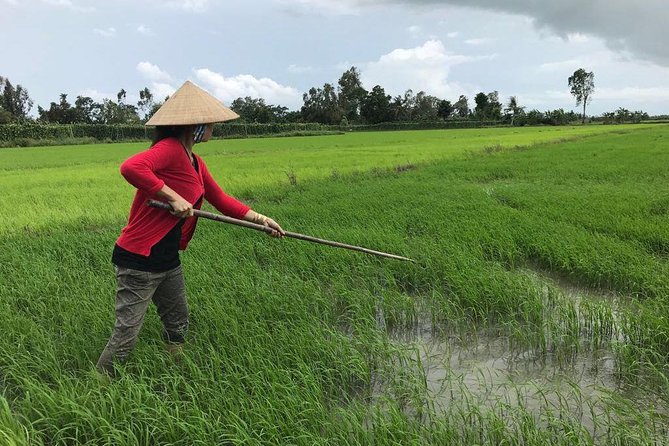
Along the way you visit a cacao orchard (Muoi Cuong Cocoa Farm). This isn’t just a detour to say you saw a farm.
Cacao matters in the Mekong delta story because it connects agriculture to what ends up on your plate later in the day. Even if you only get a short look, it helps you place the countryside stops into a bigger food system, not random sightseeing.
What to expect here is mostly a visit experience—seeing the plantation area and learning enough to understand how locals grow and manage crops. You’ll also get a mental reset before cooking, since the orchard stop adds fresh-air time between busier segments.
Roll up your sleeves in another Saigon kitchen
- Mekong Day Trip Explore Village Bicycle CookingClass Group 12 Pax★ 5.0 · 705 reviews
- Chef Vu Cooking Class Plus Market Trip in Saigon Center (Pick up by Cyclo)★ 5.0 · 477 reviews
- Immersive Cooking Class & Market Tour By Local Chef+Cookbook★ 4.8 · 426 reviews
- Immersive Cooking Class & Wet Market Tour by Local Chef +Cookbook★ 5.0 · 367 reviews
- Small-group 2-Day Mekong Delta: Floating market, Cooking Class…★ 5.0 · 194 reviews
Shopping for your cooking class at a traditional market
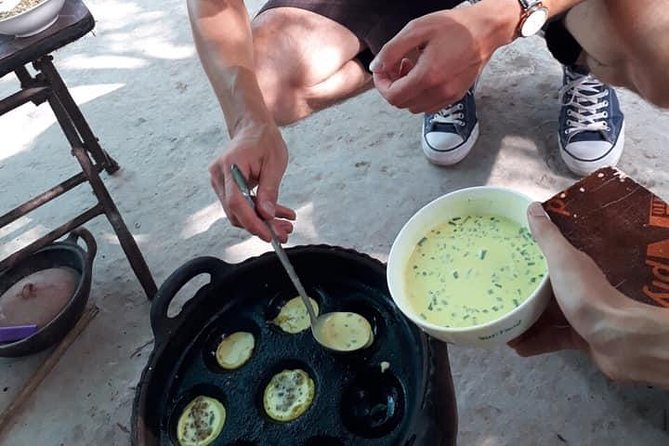
Before you cook, you go to a traditional market to buy materials for the class. This step is underrated. It’s the difference between a cooking demo and a real food experience.
Buying ingredients locally does two things:
- it shows you what’s seasonal and common in the region
- it gives you a stronger connection to the dishes when you’re cooking later
You don’t need to be a kitchen expert. The tour is built around learning. Still, it helps to arrive with curiosity: notice herbs, leafy greens, sauces, and aromatics. Even simple items change a dish dramatically, and you’ll see that during the cooking time.
If you’re thinking about dietary needs, keep in mind the day is structured around a set cooking lesson with local ingredients. The data you have doesn’t mention customization, so plan around standard menu learning.
Cooking class and lunch at a countryside family home
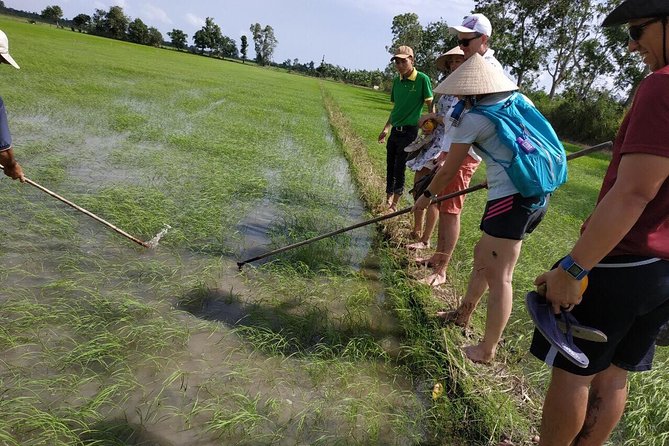
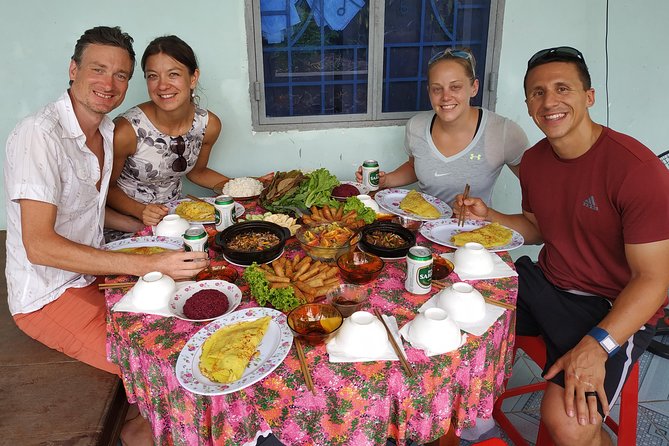
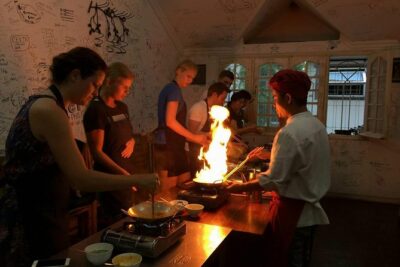
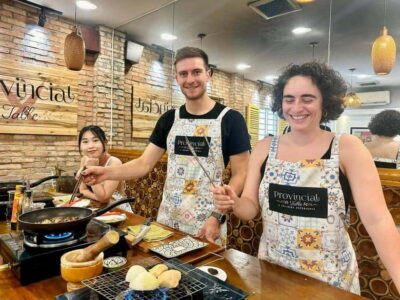
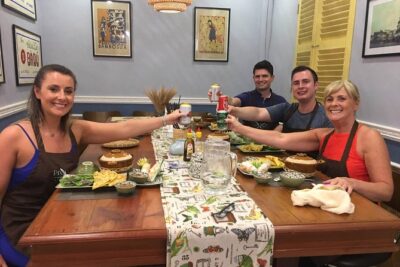
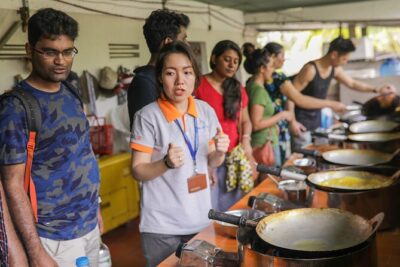
This is the heart of the experience. You go to the tour operators’ home in the countryside, where the cooking class happens as a family affair. Lunch is prepared for you at the home, and you also get time to rest afterward.
Two details from the experience really stand out:
- It’s at a real family home (not a staged show kitchen)
- You learn by doing, then eat the results together
The cooking class is hands-on, and the dishes can include bánh xèo and spring rolls. If you’re used to cooking classes where you only chop for 20 minutes, this feels more substantial because the lesson ties directly to what ends up as lunch.
Depending on your guide, the tone can be personal. One guide named Kieu Trinh is specifically mentioned in feedback for being great, and that lines up with the tour’s style: it’s natural, not overly scripted.
Practical tip: wear clothes you’re comfortable getting a little messy in. Even when the food prep isn’t dramatic, you’ll be near ingredients, sauces, and hot cooking surfaces.
Hammock nap, fruit picking, and rice fields in the afternoon
After lunch and cooking, you get downshift time at the home. The tour includes taking a nap with a hammock and relaxing in the countryside.
I love this part because it prevents the day from becoming a blur. Instead of rushing straight to more stops, you actually reset. It’s also a nice change from city energy—quiet, soft light, and that slow countryside rhythm.
Then you head out around the area for countryside life: you can visit places like a seasonal fruit garden and rice fields. The experience is set up so you can pick seasonal fruit by yourself and enjoy it on-site.
This is where you get the real payoff for the early start. The day moves from river viewing to making and eating food, then into active countryside time. You’re not just observing; you’re participating.
One note: the fruit and rice-field experience is described as seasonal. That means what you see can vary by time of year. If you’re visiting during peak harvest months, you’ll likely feel that abundance more.
Price and value: where the $119 fits (and where it doesn’t)
At $119 per person, this tour isn’t the cheapest way to see the Mekong delta. But it also isn’t just “bus + floating market.”
You’re paying for multiple components that usually cost extra when booked separately:
- early pickup in Ho Chi Minh City and a long day schedule
- breakfast in the Mekong
- a set of food-production stops (rice noodles + bakery mill + canals)
- cacao orchard visit
- traditional market ingredient shopping
- cooking class and lunch at a local family home
- countryside downtime plus time around seasonal fruit areas and rice fields
It’s also a small-group style day trip with a stated maximum of 60 travelers. That number doesn’t guarantee intimacy, but it does suggest you’re not dealing with huge cruise-ship crowds.
Where it may not be the best fit: if you want a highly polished, fully scripted experience with very little physical activity (market walking, cooking prep, countryside walking), this might feel more casual than you expect. The operator openly frames it as a natural, family-run day rather than a professional, corporate production.
Who should book this Mekong countryside day trip
This works especially well if you:
- love food experiences where you learn how dishes are made
- want both river life and countryside life in the same day
- don’t mind an early start for the payoff of dawn market energy
- like meeting families and eating what you helped prepare
It might be less ideal if you:
- hate very early pickup times
- need a strictly “checklist sightseeing” format with minimal time in kitchens or farms
- can’t handle a full day of moving between multiple stops and travel segments
If you’re visiting Vietnam and trying to understand more than just landmarks, this tour leans toward the real systems behind the food—markets, production, and seasonal farming.
Should you book it?
I’d book it if your dream Mekong day includes more than floating market pictures. The combination of Cai Rang at dawn, food-production stops, ingredient shopping, and a cooking class at a countryside home gives you a full story arc, not a single highlight.
Skip it if you’re sensitive to long days and 3:00 a.m. starts. This tour has no “sleep in and still get the highlights” option.
If you can handle the schedule, you’ll likely leave with two kinds of memories: what the delta looks like early in the day, and what the food tastes like when you make it where it comes from.
FAQ
What time is pickup in Ho Chi Minh City?
Pickup is at 3:00 a.m. in Ho Chi Minh City.
How long is the tour?
The tour lasts about 10 hours.
Is breakfast included?
Yes. You enjoy breakfast in the Mekong as part of the experience.
What do you do at the countryside family home?
You go to the countryside home for lunch and a hands-on cooking class, and you can also relax with a hammock nap.
Does the tour include a cooking class, and what might you make?
You’ll learn cooking and the class includes making traditional dishes such as bánh xèo and spring rolls.
Do you visit a cocoa farm?
Yes. There’s a stop at the cacao orchard on the way.
Do you have time for fruit or rice-field activities?
Yes. You’ll go around the countryside, including a seasonal fruit garden and rice fields, and you can pick seasonal fruit yourself.
What happens if the weather isn’t good?
The tour requires good weather. If it’s canceled due to poor weather, you’ll be offered a different date or a full refund.
If you want, tell me your travel month and whether you prefer more food focus or more scenery focus. I can help you decide if this schedule matches your style.
More Tour Reviews in Ho Chi Minh City
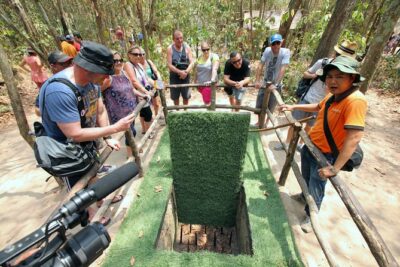
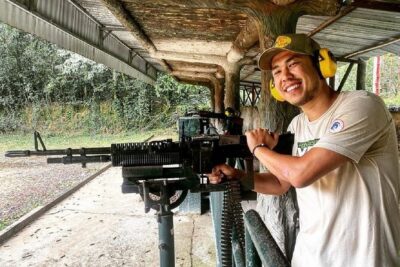

Cook It Yourself: Saigon Kitchens
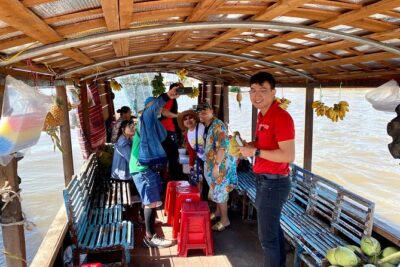
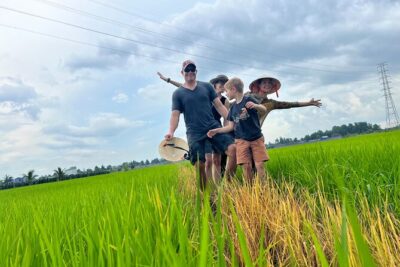
Dawn at the Cai Rang Floating Market
Just Reviewed Around Saigon
- Secret walking Food Tour Ho Chi Minh City
★ 5.0 · 3 reviews - Ho Chi Minh City: Secret Cocktail Experience
★ 5.0 · 3 reviews - From Ho Chi Minh city: Vung Tau Beach Private Day Tour
★ 5.0 · 3 reviews - Saigoncholon
★ 3.5 · 3 reviews - Saigon On 2 Wheels
★ 3.5 · 3 reviews - From Ho Chi Minh City: Relax In Mui Ne Beach In 1 Day
★ 4.3 · 3 reviews
Cai Rang Floating Market Tours, compared.
 ★ 4.5Mekong Delta & Cai Rang Floating Market 2-Day TourFrom $811,183 reviews
 ★ 5.0Cai Rang Floating Market & Mekong Delta 2-Day Tour from HCM CityFrom $61942 reviews
 ★ 5.0Small-group Mekong Floating Market Day Trip from Ho Chi Minh CityFrom $92886 reviews
 ★ 5.0Mekong Delta & Cai Rang Floating Market 2-Day Tour from HCMCFrom $67813 reviews
 ★ 5.01-Day Mekong Delta Cai Rang Floating Market-Ancient House-PancakeFrom $47653 reviews
 ★ 4.5Mekong Delta 2-Day Tour: Floating Markets, Biking, Amazing TourFrom $61492 reviews
 ★ 5.0Cai Rang Floating Market & Mekong Delta Private 1-Day TourFrom $112197 reviews
 ★ 5.0Small-group 2-Day Mekong Delta: Floating market, Cooking Class…From $170194 reviews
Browse the lists this tour appears in