REVIEW · WORKSHOPS
Hands-on making 3 Iconic Coffees of South Central North Vietnam
Vietnamese coffee gets real when you make it yourself. This hands-on workshop uses the drink in front of you to explain the South, Central, and North differences across Vietnam’s 1,650 km. I like the way the host, Quynh (Vietnam Coffee Journey), builds the session like a history-and-people puzzle, so each cup has a reason behind it.
Two big things I like: you get to practice PHIN coffee with a comparison demo (a right way next to a wrong one), and you’ll produce four distinct drinks you can actually adjust to your own taste. One thing to consider: it’s only about 1 hour 30 minutes, so it’s not a full city tour; if you want more street-scene time, Quynh also offers a longer electric tuktuk coffee tour.
In This Review
- Key highlights you’ll care about
- A 90-minute flight across Vietnam, one cup at a time
- Meet Quynh: the host behind the three-region coffee puzzle
- Your first “wins” start with PHIN coffee (and a deliberate mistake)
- Saigon iced coffee with condensed milk: South Vietnam in a cup
- Central Vietnam salted cream coffee: the sweet-salty modern twist
- Hanoi egg coffee: capital character in an extraordinary cup
- Inside the attic workshop: small-group hands-on, plus snack time
- Value check: why $21.69 feels fair (and when it might not)
- Practical tips so your coffee ends up tasting like you
- Who this workshop is best for
- Should you book this Vietnamese coffee workshop?
- FAQ
- FAQ
- What is the duration of the Hands-on making 3 Iconic Coffees workshop?
- How many coffee drinks will I make during the class?
- Which coffee styles are included in the experience?
- What’s included in the price?
- How big is the group?
- Where does the experience start?
- Is there a mobile ticket?
- Can I cancel for a full refund?
- Is it near public transportation?
Key highlights you’ll care about
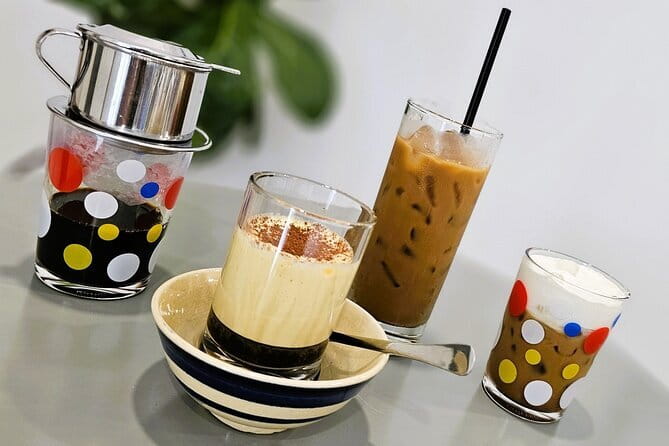
- 4 drinks you make: pure PHIN coffee, Saigon-style condensed milk coffee, Central Vietnam salted cream coffee, and Hanoi egg coffee
- Taste-learning method: you practice and also compare against a wrong sample to feel the difference
- Small group (max 6): more time for questions and adjustments to your preferences
- Stories tied to regions: the coffee explains the people and situations of South/Central/North Vietnam
- Hands-on setup: an attic workshop with equipment laid out for the class pace
- Snack add-on: you get cashew nuts, and Quynh prepares food before you taste (often banh mi)
A few Saigon tours to weigh against this one:

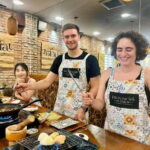
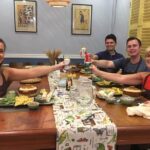
A 90-minute flight across Vietnam, one cup at a time
This experience in Ho Chi Minh City focuses on the coffee you already know, but in a smarter order. In about 1 hour 30 minutes, you’ll make and taste a set of iconic Vietnamese coffees that stand in for three regions—South, Central, and North—plus the stories that connect them.
The price is $21.69 per person, and the session includes coffee/tea, all ingredients, equipment, and 4 drinks (not just one). For a short workshop, that’s the main value: you’re paying for active instruction and built-in tasting time, not just a lesson you then skip through.
It’s also a small-group class with a maximum of 6 travelers. That matters because coffee making is hands-on. If you like learning by doing, a big crowd can turn a class into a watch-and-guess show. Here, you can ask, fix, and try again.
You’ll use a mobile ticket, and the activity meets at 27 Ngô Đức Kế, Bến Nghé, Quận 1 (then it ends back near the same spot). If you’re staying around District 1, this is a convenient way to spend an afternoon without needing a half-day commute.
Meet Quynh: the host behind the three-region coffee puzzle
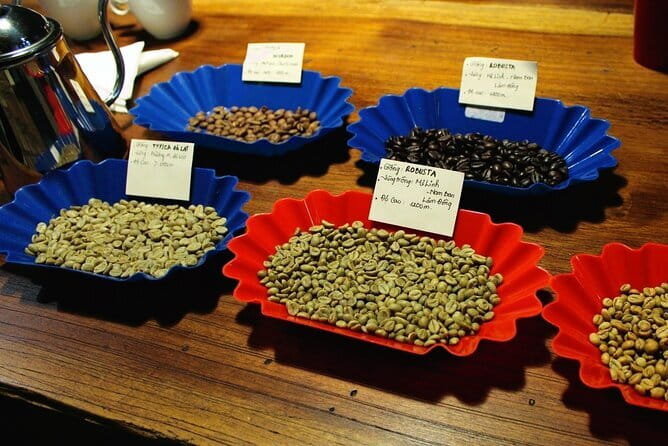
Quynh runs Vietnam Coffee Journey, and the vibe is built around two things: food-and-beverage know-how and a love for history and culture. His approach is to put together a clear picture of Vietnam’s regional characters using the things people actually drink.
That approach is more than storytelling for fun. It helps you understand why a coffee recipe feels like it belongs somewhere. Instead of treating Vietnamese coffee as one style, you start seeing it as a set of regional preferences shaped by time, local life, and different tastes.
You’ll also see his teaching style early: he shows you the way to make it and—importantly—he shows you the way not to make it. That comparison is a rare teaching trick because it trains your palate. You’re not just learning steps; you’re learning what changes taste.
The small-group size also supports this. With fewer people, it’s easier for Quynh to correct your technique and help you adjust flavors so the coffee suits what you like.
Your first “wins” start with PHIN coffee (and a deliberate mistake)
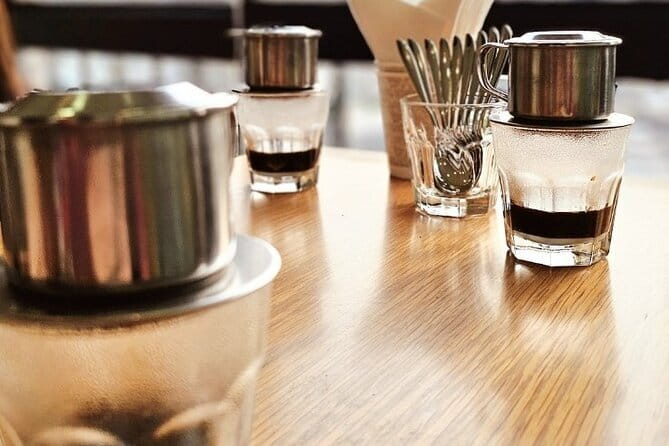
The class begins with the idea that technique matters. You’ll practice making pure PHIN coffee using the correct method. Then Quynh will make a wrong sample at the same time so you can compare what the same ingredients do when the method goes off.
That’s one of the most useful parts of any coffee class. Most workshops teach the correct steps and hope you notice the difference. Here, the difference is engineered. You get a reference point you can remember the next time you order a Vietnamese iced coffee.
In practical terms, this sets you up for everything that comes later:
- If your base is right, the condensed milk, salted cream, or egg topping makes more sense.
- If your base is off, the whole drink can taste different even if the toppings are still on plan.
I also like that you don’t just watch. You’re hands-on during the making. That keeps the time focused and prevents the common problem of sitting through a lecture while your hands are doing nothing.
Saigon iced coffee with condensed milk: South Vietnam in a cup
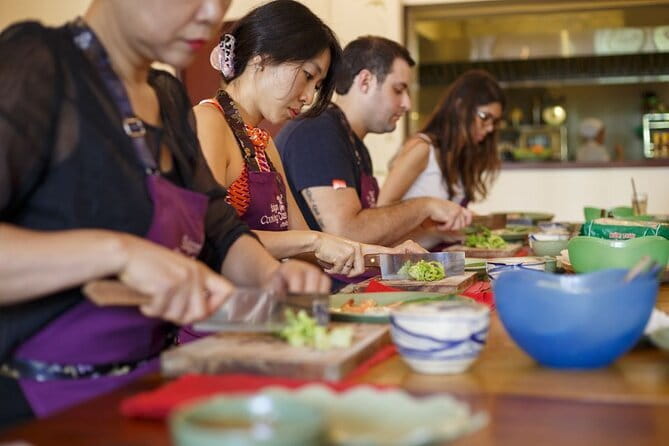
Next up is the famous Vietnamese coffee with condensed milk, and the session connects it to Saigon/South Vietnam people—their situations, and what they tend to prefer. Quynh doesn’t treat it like a random recipe. He explains the ingredients combination and the reason this style feels like it belongs in the South.
This is a good moment to tune your own drink. Since the session is designed for taste adjustment, you’re more likely to leave with a coffee that fits your habits instead of a one-size-fits-all version.
What makes this part satisfying is that condensed milk is such a strong flavor anchor. Once you taste and compare your method, you can tell what’s supporting the sweetness and what changes the balance. That becomes your foundation for the next two regional styles.
Also, if you’re new to Vietnamese coffee, this is a friendly entry point. It’s iconic, easy to recognize, and it teaches you how regional identity shows up in everyday preferences.
- Cu Chi Tunnels Tour from HCM City – Morning or Afternoon★ 5.0 · 15,833 reviews
- From HCM City: Mekong Delta Tour with Sampan Journey★ 4.5 · 13,132 reviews
- Ho Chi Minh City Street Food Tour & Sightseeing By Motorbike★ 5.0 · 9,413 reviews
- HCM: Cu Chi Tunnels-Tapioca Small Group Tour Morning or Afternoon★ 5.0 · 7,485 reviews
- Cu Chi Tunnels and Mekong Delta Signature Tour★ 5.0 · 7,328 reviews
Central Vietnam salted cream coffee: the sweet-salty modern twist
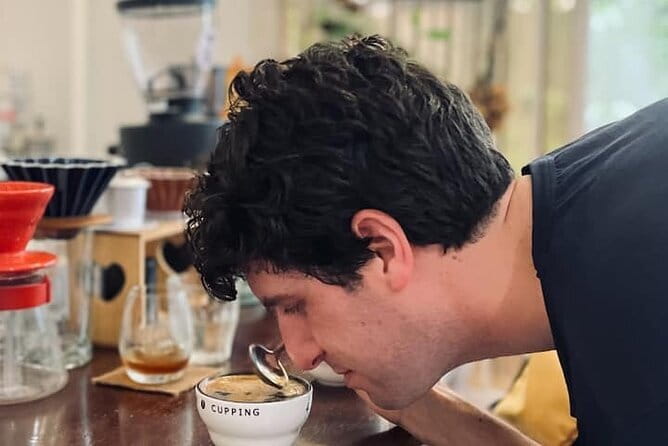
After Saigon-style coffee, you shift gears to the modern trend: salted cream coffee from Central Vietnam. Quynh explains tricks and the ingredients combination, and you connect the final flavor to the Central region style.
This is the part of the class that tends to make people smile. Sweet-salty is a flavor pairing that doesn’t happen by accident. In this session, it’s treated like a deliberate style choice—something with logic behind it, not just a TikTok recipe.
From a learning perspective, salted cream also changes the way you think about “what matters” in coffee. Instead of relying only on sweetness, you taste structure: cream texture, salt balance, and how the coffee base behaves under richer add-ins.
If you’re the type who likes to understand why modern drinks got popular, this segment is your payoff. You’re not only making a coffee. You’re learning how ingredient combinations can reflect what people enjoy in a specific region.
Hanoi egg coffee: capital character in an extraordinary cup
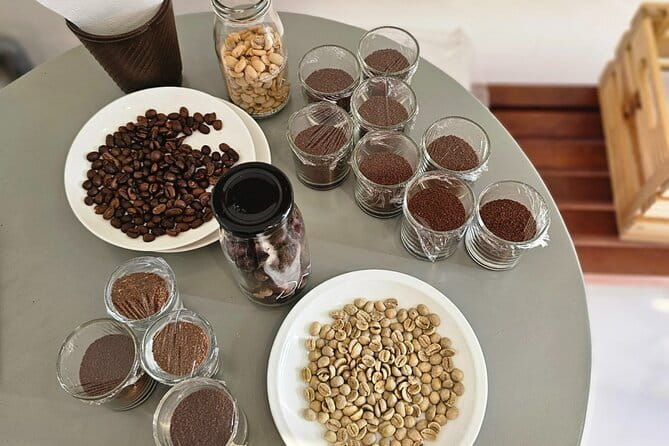
Then you reach the North with Hanoi egg coffee. Quynh explains it as extraordinary not just because it’s different, but because it carries the traits of the capital through the coffee itself.
This is the most “wow” step for many first-timers because egg coffee usually feels unfamiliar. And that’s exactly why it works in this kind of regional class: you can’t reduce it to simple sweetness like you might with condensed milk.
In the session structure, egg coffee also acts like a full-circle check. By this point, you’ve learned:
- how the base technique affects taste (from PHIN coffee),
- how one region’s preference shows up in a classic drink (South),
- and how modern combinations shift flavor balance (Central).
Now, North Vietnam is shown through a drink that feels more distinct from what you might expect if your Vietnamese coffee knowledge only includes iced coffee with condensed milk.
Inside the attic workshop: small-group hands-on, plus snack time
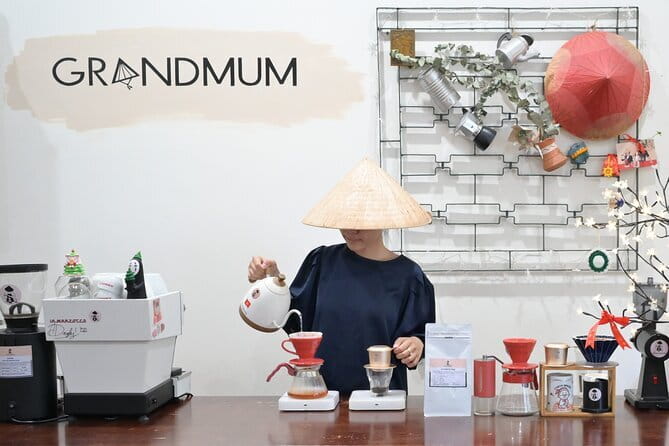
The setting is part of the comfort. The class takes place in an attic workshop, and tables plus accessories are set up for the session flow. That matters because coffee making needs orderly tools. You don’t waste time hunting for equipment.
You also get snacks. At minimum, you’ll have cashew nuts, which is a nice touch because cashews are a top Vietnam product. One extra detail from participants: Quynh prepares food like banh mi before you taste.
That pre-tasting rhythm helps. If you’re not hungry, you taste more clearly. If you are hungry, the class stays comfortable instead of turning into a caffeine-only focus.
And with a maximum of 6 travelers, the room won’t feel chaotic. You should get enough personal attention to correct mistakes, especially during the PHIN coffee phase where technique comparisons matter most.
Value check: why $21.69 feels fair (and when it might not)
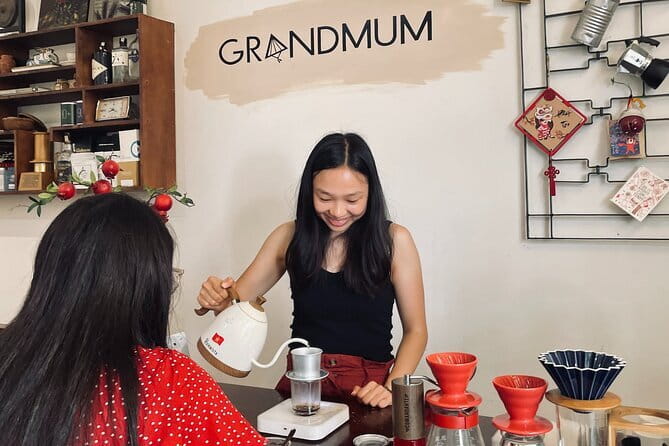
At $21.69 per person for about 1 hour 30 minutes, the value depends on what you want from the day. Here’s what you’re getting:
- Hands-on making of 4 coffee drinks
- Coffee and/or tea plus all ingredients and equipment
- Explanations and region-linked stories
- A snack component (cashew nuts, plus sometimes banh mi before tasting)
- A small group so you’re not stuck waiting
If you like learning by doing, this is efficient money. The included drinks alone make it feel more like a workshop meal than a basic activity ticket. Also, you leave with a practical reference: how the same base changes depending on method and region-style add-ins.
If your goal is purely sightseeing in Ho Chi Minh City, then this may feel too “inside the workshop.” In that case, consider pairing it with other District 1 walking plans. Or ask Quynh about his 4-hour electric tuktuk city tour across coffee drinks for a longer outing.
Practical tips so your coffee ends up tasting like you
You don’t need to be a coffee expert to enjoy this class. But you do get more out of it if you show up ready to taste and adjust.
Here are a few smart moves:
- Bring a simple preference mindset. Think: more sweet, less sweet, creamier, stronger, lighter. The goal is to leave with coffee that matches you.
- Pay close attention during the PHIN coffee segment. The wrong-sample comparison is where you’ll learn what actually changes taste.
- Don’t rush the tasting. If you taste too fast, you miss the ingredient logic Quynh explains for each region.
- If you’re sensitive to certain flavors, say so early. Quynh’s whole teaching method is about helping you adjust to your tastes.
Also note: the class uses a mobile ticket, and the meeting point is in Quận 1 at 27 Ngô Đức Kế. It’s also listed as near public transportation, so you shouldn’t need a car.
And if you travel with a service animal, the experience allows it.
Who this workshop is best for
This is ideal for:
- coffee lovers who want more than ordering
- travelers who like culture-by-food (regional differences shown through what people drink)
- people who enjoy hands-on learning with clear instruction
- anyone who wants a focused activity in Ho Chi Minh City without long transit
It’s also a strong fit if you’re the type who likes to understand the “why” behind famous drinks. The class ties each cup to South/Central/North Vietnam character and preferences, and that makes the tasting feel meaningful instead of random.
Should you book this Vietnamese coffee workshop?
Book it if you want a short, high-value activity that teaches you something practical: how Vietnamese coffee changes across regions and how technique affects taste. The PHIN practice with a wrong-sample comparison plus the full set of four iconic drinks is a rare combination for this price.
Skip it (or pair it carefully) if you’re looking for a broad Ho Chi Minh City sightseeing day. This is a workshop-first experience. If you want street scenes and extra movement, ask about Quynh’s longer electric tuktuk coffee tour option.
FAQ
FAQ
What is the duration of the Hands-on making 3 Iconic Coffees workshop?
It runs for about 1 hour 30 minutes.
How many coffee drinks will I make during the class?
You’ll hands-on make 4 coffee drinks.
Which coffee styles are included in the experience?
The class covers PHIN coffee practice, Vietnamese coffee with condensed milk (Saigon/South), salted cream coffee (Central Vietnam), and egg coffee (Hanoi/North).
What’s included in the price?
The price includes coffee and/or tea, all ingredients and equipment for the drinks, and snacks such as cashew nuts.
How big is the group?
The tour/activity has a maximum of 6 travelers.
Where does the experience start?
It starts at 27 Ngô Đức Kế, Bến Nghé, Quận 1, Thành phố Hồ Chí Minh 70000, Vietnam and ends back at the meeting point.
Is there a mobile ticket?
Yes, it uses a mobile ticket.
Can I cancel for a full refund?
Free cancellation is available. You can cancel up to 24 hours in advance for a full refund.
Is it near public transportation?
Yes, it’s listed as near public transportation. Service animals are allowed too.
Make Something With Your Hands
More Tour Reviews in Ho Chi Minh City



Just Reviewed Around Saigon
- Secret walking Food Tour Ho Chi Minh City
★ 5.0 · 3 reviews - Ho Chi Minh City: Secret Cocktail Experience
★ 5.0 · 3 reviews - From Ho Chi Minh city: Vung Tau Beach Private Day Tour
★ 5.0 · 3 reviews - Saigoncholon
★ 3.5 · 3 reviews - Saigon On 2 Wheels
★ 3.5 · 3 reviews - From Ho Chi Minh City: Relax In Mui Ne Beach In 1 Day
★ 4.3 · 3 reviews
Workshops, compared.
 ★ 5.0Cai Be Mekong Delta Tour: Cooking Class, Cycling & Craft VillagesFrom $391,881 reviews
 ★ 5.0Chef Vu Cooking Class Plus Market Trip in Saigon Center (Pick up by Cyclo)From $46477 reviews
 ★ 4.8Immersive Cooking Class & Market Tour By Local Chef+CookbookFrom $33426 reviews
 ★ 5.0Immersive Cooking Class & Wet Market Tour by Local Chef +CookbookFrom $49367 reviews
 ★ 5.0Fun & Easy Vietnamese Coffee Workshop in Hồ Chí Minh CityFrom $23293 reviews
 ★ 5.0Small-group 2-Day Mekong Delta: Floating market, Cooking Class…From $170194 reviews
 ★ 5.0Authentic Vietnamese Cooking Class with Market Visit in HCMcFrom $45182 reviews
 ★ 5.0Decadent Vietnamese “Egg Coffee” Workshop in Hồ Chí Minh CityFrom $20150 reviews
Browse the lists this tour appears in