
REVIEW · COOKING CLASSES
Hands-On Vietnamese Cooking Lesson in Small Group
Want food lessons you can actually use? In this hands-on Vietnamese cooking class, you cook and taste a 3-course meal step by step, so the flavors make sense fast. I also love the takeaway digital recipes, which make it easy to recreate what you cooked without guessing. One thing to keep in mind: some ingredients may be pre-prepped to keep the class moving, so if you want to do every single chopping task yourself, you might notice that.
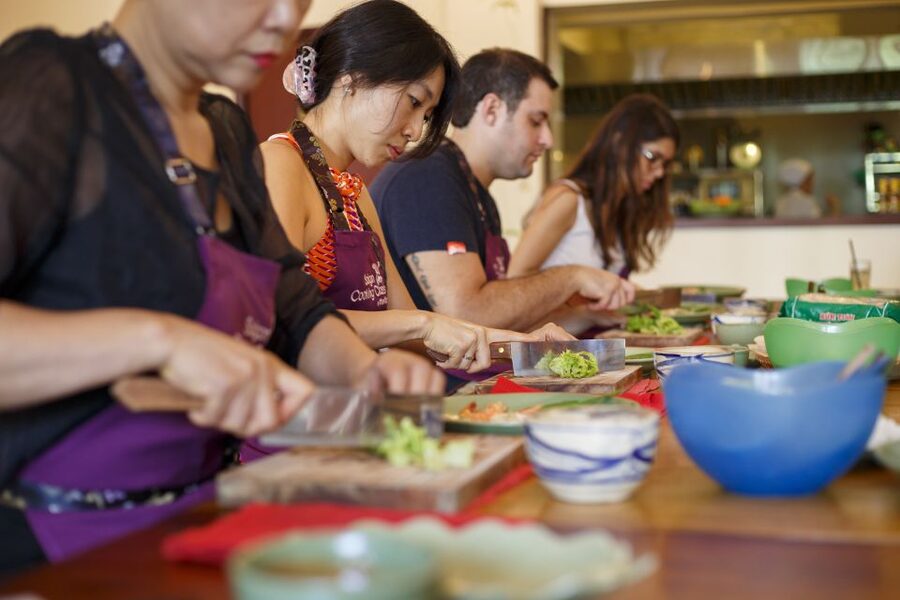
The atmosphere is warm and practical, with an intimate group and an English-speaking chef. You’ll be working at your own station with your own ingredients, learning how Vietnamese herbs and seasonings come together rather than watching from the sidelines.
In This Review
- Quick Hits Before You Book
- A 10am Cooking Class That Feels Like a Real Workshop
- Meeting at 80 Nguyen Trai Street (District 1) Without Stress
- How the Hands-On Lesson Runs, Step by Step
- The 3 Courses You’ll Cook and Eat (And How Menus May Change)
- What You Learn About Vietnamese Ingredients (Beyond the Recipe)
- Vegetarian and Allergy Options You Can Actually Use
- Vietnamese Kitchenware and Techniques You’ll Notice Immediately
- Time Management: Cooking Without Feeling Overwhelmed
- What You Take Home: Digital Recipes (and a Recipe Folder)
- English Guidance Makes a Difference (Especially for First-Timers)
- Value at About $33 for a Full 3-Course Meal
- Who This Class Is Best For (And Who Might Want Another Option)
- Should You Book This Vietnamese Cooking Class?
- FAQ
- How long is the cooking class?
- What is the price per person?
- What will I cook and eat?
- Are drinks included?
- What language is the instructor?
- Can the menu be adapted for vegetarian or allergies?
- Where do I meet the group?
- Can I cancel, and do I pay right away?
Quick Hits Before You Book
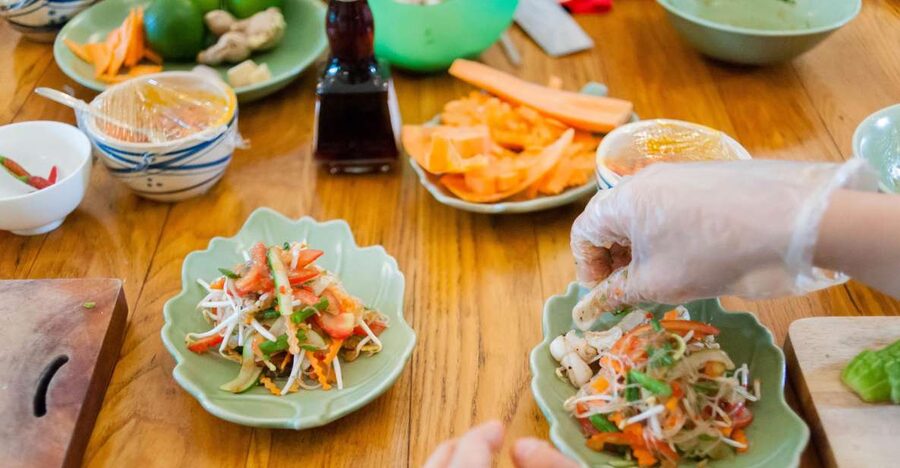
- Small-group, hands-on format where you cook together and also work with your own ingredients
- 3-course meal you eat on the spot, not a demo followed by an exit
- English-speaking instructors (you may be guided by chefs like Viviane, Vy, Wan, Lei, or Oanh)
- Natural ingredients and herbs, with diet options if you note needs in advance
- Digital recipes you can use after you get home (plus a recipe folder is part of the experience)
Back to the wok, another lesson


A 10am Cooking Class That Feels Like a Real Workshop
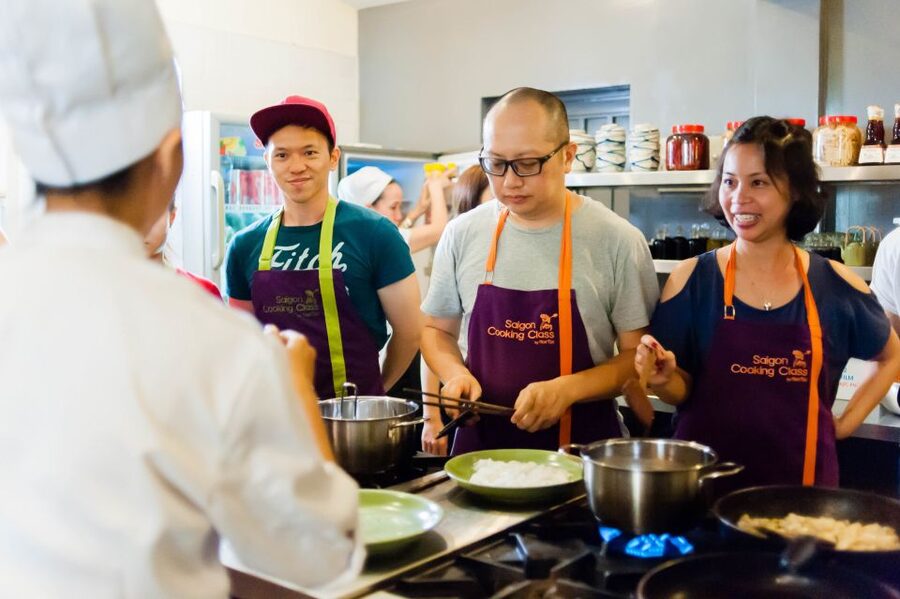
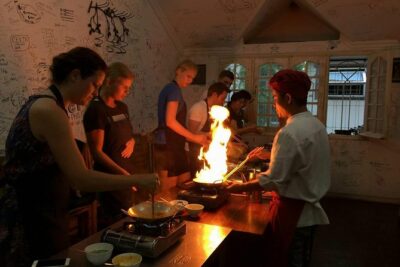
This class is built for people who learn best with their hands. The rhythm is simple: the chef shows you what to do, you follow along at your station, and then you eat what you made. That pacing matters. It turns cooking from a vague idea into something you can repeat.
It also fits nicely into a vacation morning. The session runs from 10:00 am to 1:00 pm, so you’re not losing an entire day to one activity. And since you’re eating your own three-course meal, you’re usually set for the rest of your day in a way that a walking tour rarely does.
One more plus: it’s described as small group and reviews back up that it can get very intimate. Sometimes it’s a tight group of a few people, and sometimes it can even feel close to a 1-to-1 lesson. That makes it easier to ask questions, especially if you’re not confident with Vietnamese flavors yet.
Meeting at 80 Nguyen Trai Street (District 1) Without Stress
You meet at 80 Nguyen Trai Street, District 1. The instructions are straightforward: take the small alley, and the meeting point will be on your left once you’re inside.
Why I like this level of clarity: District 1 can be busy, and cooking classes are usually time-sensitive. If you show up a little early, you’ll have time to find the alley without rushing. If you’re navigating by taxi or rideshare, you can ask the driver to drop you near 80 Nguyen Trai Street and then you handle the short alley walk from there.
How the Hands-On Lesson Runs, Step by Step
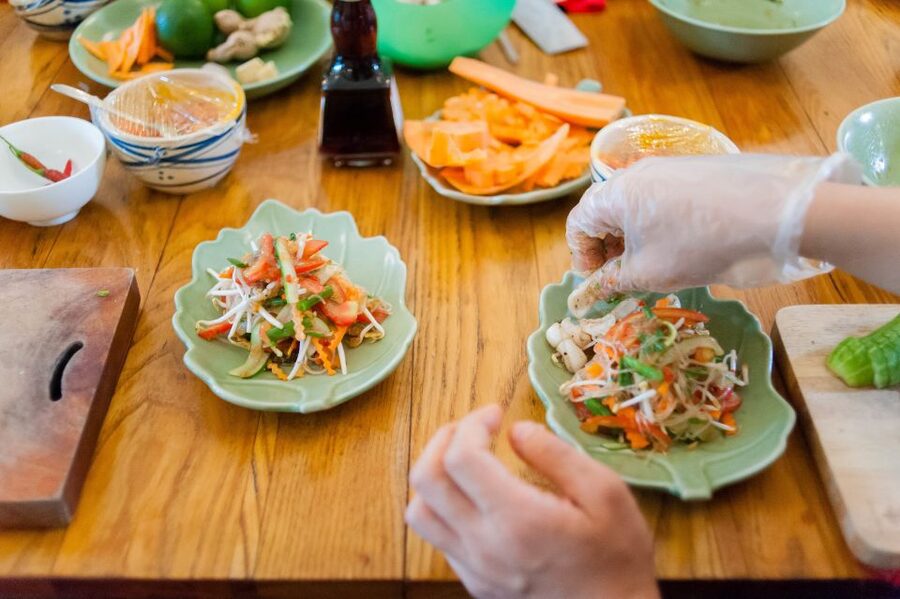
The core of the experience is not a lecture. It’s a sequence of cooking tasks where you learn by doing.
Here’s what the class style is like:
- The chef walks you through the technique as you cook.
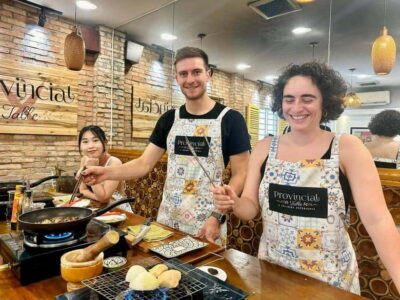
- Everyone cooks together with the group, but you’re not stuck sharing one cutting board or ingredient pile.
- You’ll use Vietnamese kitchenware (the tools matter in Vietnamese cooking, even when the recipes seem simple).
The class description also emphasizes that you’ll work with your own material and ingredients. That’s a big deal for learning. If you only watched someone else mince garlic or mix a dipping sauce, it’s not the same as doing it yourself. You notice texture changes. You learn how much to stir. You understand what the sauce should smell like as it comes together.
Also, the instruction is in English, which keeps the whole experience grounded. Cooking can be confusing when instructions rely on gestures or guessing, so having a chef explain what you’re doing helps a lot.
The 3 Courses You’ll Cook and Eat (And How Menus May Change)
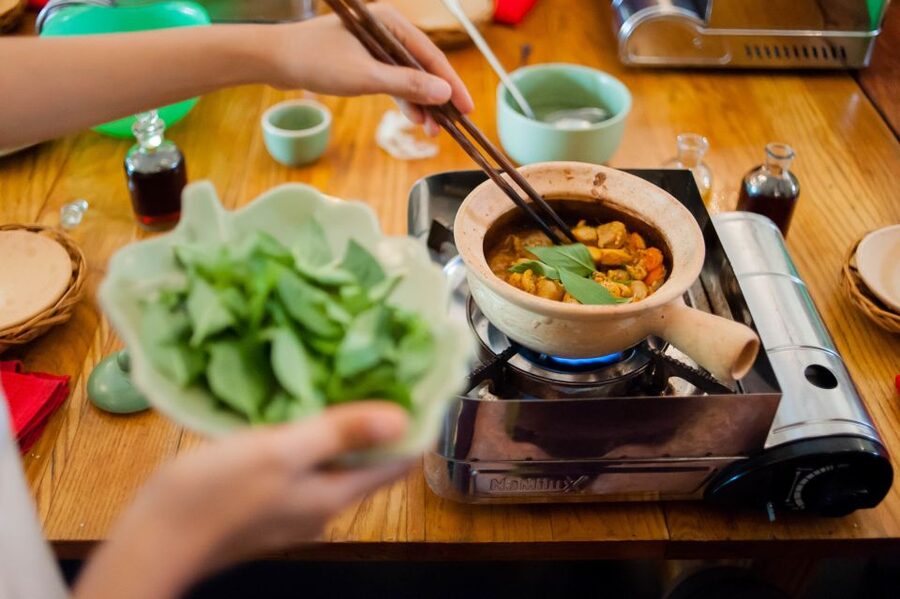
The promise is a 3-course meal that you both cook and eat during the session. In practice, the exact dishes can vary based on the menu for the day and any dietary needs you request. The strongest pattern across the course list is that you’ll cook classic Vietnamese food that’s recognizable enough to seek out later, but different enough to feel like you’re learning something real.
Common dishes that show up in past classes include:
- Spring rolls
- Vietnamese salad
- Pho
- Bánh xèo
- Mango salad (or similar fruit-forward salads)
A few reviews also mention bún chả as a dish covered at some points, and that makes sense for a Vietnamese menu that aims to teach you how dipping sauces and grilled flavors fit into the cuisine.
Why this matters for you: a good cooking class doesn’t just teach one recipe. It teaches a few frameworks—like how Vietnamese herbs are used for freshness, how sauces balance salt-sweet-acid, and how texture changes matter (crispy wrappers, tender noodles, herb-heavy salads). When you understand those building blocks, you can branch out at home.
A few Saigon tours to weigh against this one:
- Immersive Cooking Class & Market Tour By Local Chef+Cookbook★ 4.8 · 426 reviews
- Immersive Cooking Class & Wet Market Tour by Local Chef +Cookbook★ 5.0 · 367 reviews
- Fun & Easy Vietnamese Coffee Workshop in Hồ Chí Minh City★ 5.0 · 293 reviews
- Small-group 2-Day Mekong Delta: Floating market, Cooking Class…★ 5.0 · 194 reviews
- Authentic Vietnamese Cooking Class with Market Visit in HCMc★ 5.0 · 182 reviews
What You Learn About Vietnamese Ingredients (Beyond the Recipe)
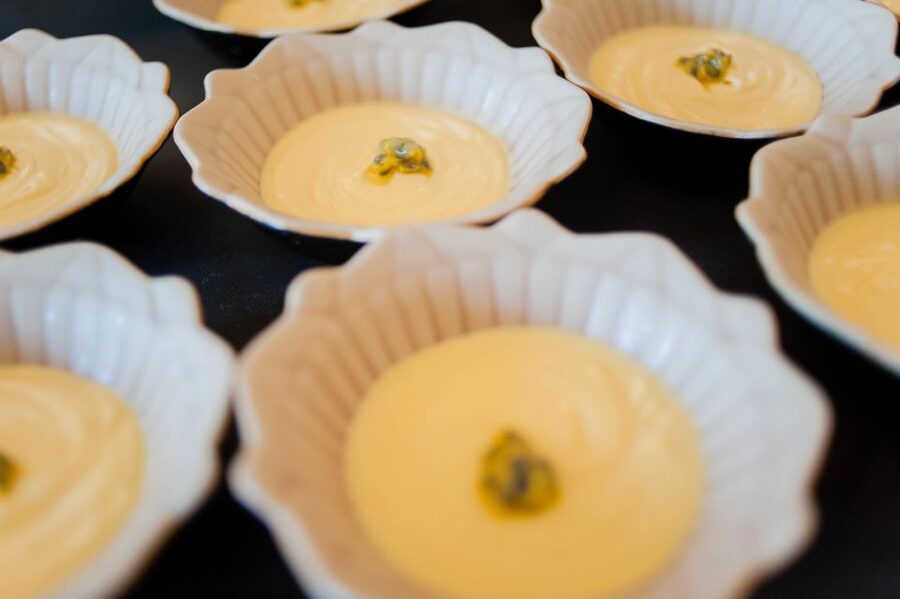
The class is serious about ingredients. You’ll work with natural ingredients and herbs, and the chef will explain what those components do in the final dish. That’s where Vietnamese cooking gets interesting.
Vietnamese dishes rely on contrast:
- fresh herbs against warm, savory fillings
- bright acids (like citrus or vinegar-style tang) against deeper salty flavors
- aromatics that change as you heat them just a little
What I like about this kind of instruction is that it helps you cook with more confidence later. Instead of memorizing exact steps, you learn what to look for. For example, you’ll understand why the herb mix goes in when it does, or how the sauce tastes before you serve it.
If you’ve only had Vietnamese food as takeout, this is the moment the cuisine becomes more understandable. The flavors stop being a mystery and start being a set of decisions you can make.
Vegetarian and Allergy Options You Can Actually Use
If you need a vegetarian meal or have food allergies, you can request adaptations. The important part is that you should specify your needs during booking, so the chef can plan the menu accordingly.
From the way classes are described and how guests talk about their experience, the goal isn’t to give you a plain substitute. It’s to adjust the menu while keeping the Vietnamese balance of herbs, textures, and sauce structure. That’s exactly what you want if you’re traveling with restrictions.
Practical tip: when you book, list your allergies clearly (not just that you avoid something). If you’re vegetarian, say whether you eat eggs and dairy. That level of detail helps the kitchen make the right swaps.
Vietnamese Kitchenware and Techniques You’ll Notice Immediately
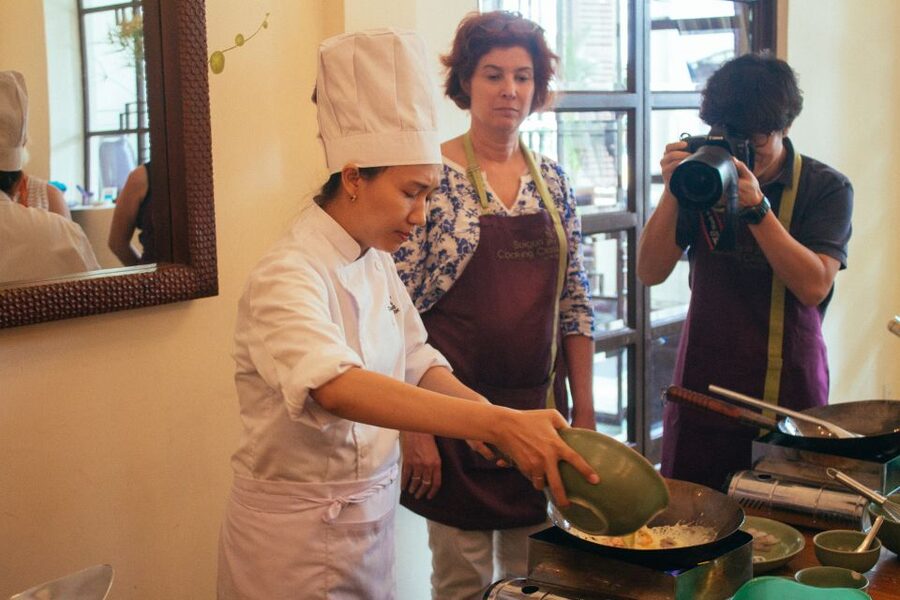
The class description mentions using Vietnamese kitchenware. Even when you can cook Vietnamese food at home with common tools, the “right” tools often make timing and texture easier.
During the lesson, you’ll see techniques demonstrated and then apply them yourself. Reviews frequently highlight that the class is:
- easy to follow step-by-step
- practical in explaining ingredients and tools
- paced well so you can cook and eat each course rather than feeling rushed
One subtle consideration: a past participant noted that many ingredients were pre-prepped, which is common for a 3-hour class. That means you might not get every tiny task from scratch (like mincing every clove yourself). If that’s your thing, tell the chef you’d like to do more prep. If you’re more focused on mastering the cooking steps, pre-prep is usually a benefit because it keeps the class smooth.
Time Management: Cooking Without Feeling Overwhelmed
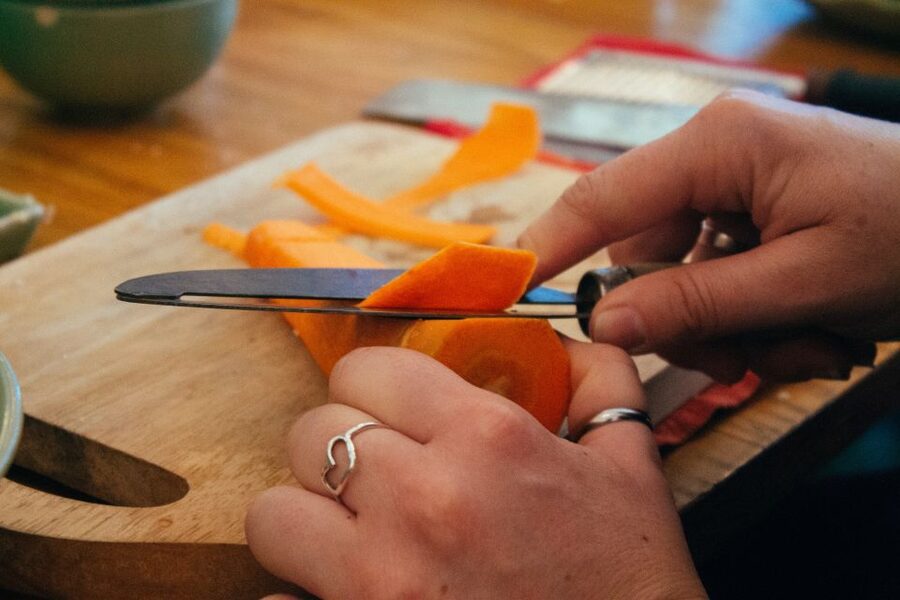
A big reason this class gets such high scores is how it handles pacing. The structure is designed so you cook one course, eat it, then move to the next. That makes the time feel productive rather than chaotic.
Guests also comment on things like:
- everything starting on time
- clear guidance and helpful team support
- a friendly atmosphere that makes questions easy
You don’t need to arrive with culinary confidence. This is aimed at normal people who want good results. If you’re a beginner, you’ll likely feel guided step by step. If you’re more experienced, you can use the class to compare your technique against how Vietnamese home cooks do it.
What You Take Home: Digital Recipes (and a Recipe Folder)
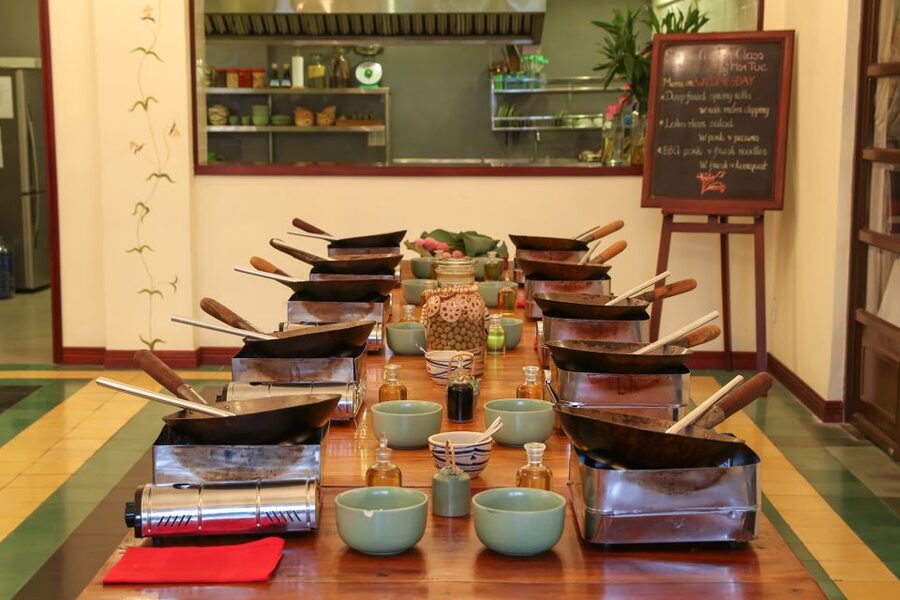
The best part about cooking classes, in my view, is what you can repeat after you get back home. This one includes digital recipes and mentions you’ll get a folder of recipes to keep cooking later.
That matters because Vietnamese cooking is built on herbs, sauces, and proportions that are hard to recreate from memory. Having the recipe file on your phone turns your next craving into a dinner plan instead of a maybe someday project.
Also, reviews mention that people like getting recipe cards too. So even if you prefer paper, you may get something tangible alongside the digital set.
Practical tip: take a few minutes right after the class (while everything is still fresh) to scan the recipe steps and note anything you found tricky. Then you’ll cook with the right expectations later.
English Guidance Makes a Difference (Especially for First-Timers)
Cooking classes in a foreign language can be a guessing game. Here, the instruction is English, and multiple chefs are named in reviews—Viviane/Vivian, Vy, Wan, Lei, and Oanh—which suggests a consistent teaching style across different instructors.
Why it matters for you: you’ll learn how Vietnamese ingredients are described, not just what to do. That makes it easier to find ingredients and understand substitutions at home.
If you’re used to Vietnamese food but not the terms (herb names, sauce components, wrapper types), this lesson helps you map the words to what’s on your plate.
Value at About $33 for a Full 3-Course Meal
At $33 per person for a 3-hour, hands-on class with a meal included, you’re not just paying for instruction. You’re paying for the ingredients, the kitchen setup, the chef time, and the fact that you eat what you make.
In other words, you’re buying a structured morning that ends with lunch-level food—while also getting recipes for later. That’s a pretty strong value compared to many classes where you pay but still leave hungry or get only a short tasting.
The high rating (4.9 from 102 reviews) also signals something practical: people generally feel the lesson is well organized and worth the money. In reviews, guests repeatedly mention helpful guidance, delicious food, and a friendly atmosphere, which is usually a good sign that the class delivers what it promises.
Who This Class Is Best For (And Who Might Want Another Option)
This is a great fit if:
- you want hands-on Vietnamese cooking rather than watching
- you like structured lessons that still feel friendly
- you want to eat well without spending time figuring out dinner plans afterward
- you want digital recipes you can rely on at home
It may be less perfect for you if:
- you want advanced culinary technique taught from scratch (the class is focused on practical learning and doable steps)
- you strongly prefer a fully from-scratch prep experience, since some prep may be done to keep the schedule smooth
Still, even if you’re picky about prep, you can benefit from the flavors and process. Vietnamese cooking becomes a lot easier once you understand how herbs, sauces, and cooking timing work together.
Should You Book This Vietnamese Cooking Class?
Yes, if you want a morning that’s part meal, part lesson, and part souvenir you can cook with later. The combination of a hands-on 3-course experience, English guidance, and digital recipes is exactly what makes this kind of class worth doing in Ho Chi Minh City.
Book it especially if you’re new to Vietnamese cooking or you’ve only had a few dishes. You’ll leave with enough confidence to cook at least a couple of items beyond what you already know.
If you’re the type who hates being bored in a kitchen, this class won’t do that to you. You’ll be actively cooking from the start.
FAQ
How long is the cooking class?
It lasts 3 hours, running from 10 am until 1 pm.
What is the price per person?
The price is $33 per person.
What will I cook and eat?
You’ll cook and taste a 3-course meal (three dishes) during the class.
Are drinks included?
Yes. Water and iced tea are included.
What language is the instructor?
The instructor teaches in English.
Can the menu be adapted for vegetarian or allergies?
Yes. You can request vegetarian/vegan options or note food allergies during booking.
Where do I meet the group?
Meet at 80 Nguyen Trai Street, District 1. Take the small alley, and you’ll find the group on your left.
Can I cancel, and do I pay right away?
You can cancel up to 24 hours in advance for a full refund, and you can reserve now and pay later (pay nothing today).
Make Something With Your Hands

Learn One More Vietnamese Dish
More Tour Reviews in Ho Chi Minh City



Just Reviewed Around Saigon
- Secret walking Food Tour Ho Chi Minh City
★ 5.0 · 3 reviews - Ho Chi Minh City: Secret Cocktail Experience
★ 5.0 · 3 reviews - From Ho Chi Minh city: Vung Tau Beach Private Day Tour
★ 5.0 · 3 reviews - Saigoncholon
★ 3.5 · 3 reviews - Saigon On 2 Wheels
★ 3.5 · 3 reviews - From Ho Chi Minh City: Relax In Mui Ne Beach In 1 Day
★ 4.3 · 3 reviews
Cooking Classes, compared.
 ★ 5.0Mekong Delta Boat,Khotcake cooking Coconut Village,SmallGroupFrom $162,374 reviews
 ★ 5.0Cai Be Mekong Delta Tour: Cooking Class, Cycling & Craft VillagesFrom $391,881 reviews
 ★ 5.0Mekong Delta 4 Islands, TukTuk, Boat, Try Khot Cake Local CookingFrom $231,148 reviews
 ★ 5.0Chef Vu Cooking Class Plus Market Trip in Saigon Center (Pick up by Cyclo)From $46477 reviews
 ★ 4.8Immersive Cooking Class & Market Tour By Local Chef+CookbookFrom $33426 reviews
 ★ 5.0Immersive Cooking Class & Wet Market Tour by Local Chef +CookbookFrom $49367 reviews
 ★ 5.0Small-group 2-Day Mekong Delta: Floating market, Cooking Class…From $170194 reviews
 ★ 5.0Authentic Vietnamese Cooking Class with Market Visit in HCMcFrom $45182 reviews
Browse the lists this tour appears in