
REVIEW · CU CHI TUNNELS TOURS
HCMC: Cu Chi Tunnels & Rice Paper Village Small Group Tour
Cu Chi feels close, even from daylight. What makes this day tour work is the mix of Ben Duoc Tunnels (the calmer, less crowded Cu Chi area) and the hands-on rice paper workshop at a traditional village, where you’ll actually make bánh tráng instead of just watching it.
I also like that the tour runs like a proper plan, not a rushed cram session. Hotel pickup in central districts and an English-speaking guide keep things smooth, and the schedule gives you real time for both the history stop and the food-and-craft stop. One consideration: the day is long and you’ll be in and around tunnels plus outdoor areas, so this isn’t a fit if you have back problems, heart problems, or insect allergies.
In This Review
- Key highlights worth your attention
- Morning Pickup in Districts 1, 3, and 4
- Getting to Ben Duoc: Why This Cu Chi Section Matters
- Inside the Tunnels: What You’ll See and How the Walk Works
- Lunch on a Real Schedule: Southern Vietnamese Food in the Countryside
- Rice Paper Village Stop: Learn the Process, Then Make It
- Shooting Range Time: What to Expect Without Overpromising
- How Much Value Is This $21 Tour Really?
- Small-Group Comfort: What the Day Feels Like
- What to Bring for a Comfortable Day
- Who Should Book This Tour, and Who Should Skip It
- Should You Book This Cu Chi and Rice Paper Village Tour?
- FAQ
- How long is the tour?
- What areas in Ho Chi Minh City have hotel pickup?
- How large is the group?
- What’s included in the price?
- Is lunch included, and can I get a vegetarian meal?
- What do you do at the rice paper village?
- Do you get to walk inside the tunnels?
- Is there shooting range time?
- What languages does the guide speak?
Key highlights worth your attention
- Small-group size (up to 10) means more attention from the guide
- Ben Duoc Tunnels are described as the more authentic, peaceful part of Cu Chi
- Local lunch at a countryside restaurant with vegetarian options on request
- Rice paper workshop where you make your own bánh tráng and taste it fresh
- A full day plan (7–9 hours) with hotel pickup from Districts 1, 3, and 4
Down into the tunnels, a few more ways to go

Morning Pickup in Districts 1, 3, and 4
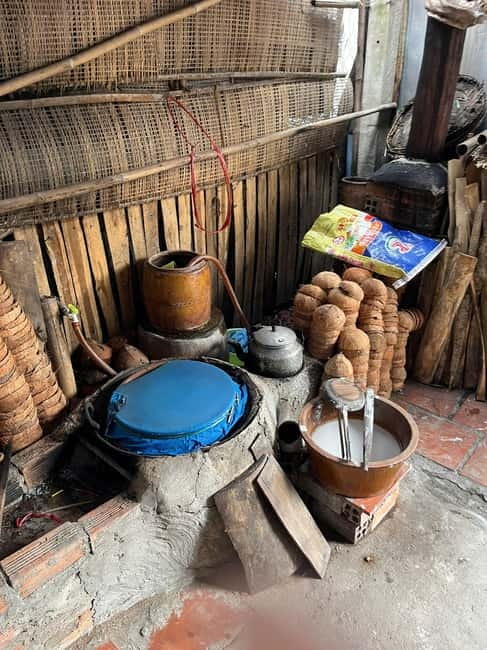
The day starts with pickup between 7:30 and 8:00 AM from your hotel lobby in District 1, 3, or 4. If your hotel sits outside that pickup zone, you’ll be offered an alternative meeting point that works for both sides. The key detail here is timing: the van and guide show up in the lobby during that window, and the guide uses WhatsApp if they need to reach you.
The van ride toward Củ Chi takes about 105 minutes, which is long enough to get comfortable, but short enough that you’re not spending half the day trapped in traffic. Your guide also uses the drive time to share context about Vietnam’s war history and what rural life looked like outside the city.
Getting to Ben Duoc: Why This Cu Chi Section Matters
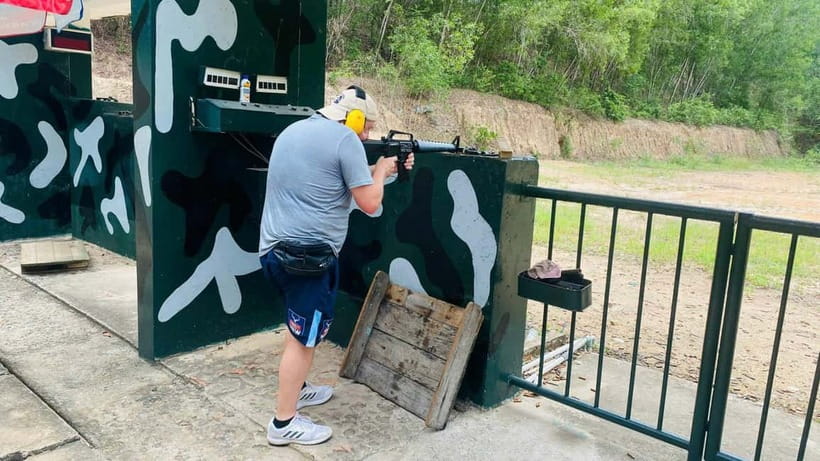
Cu Chi is famous, and crowds are real. This tour steers you to Củ Chi Ben Duoc, described as the more authentic and peaceful part of the tunnel network. That matters because the experience is not just about seeing tunnels on a signboard. It’s about understanding how people lived, survived, and fought underground in a specific place and context.
Ben Duoc is also the part where you’re more likely to feel the atmosphere shift as you get farther from the city. The guide’s storytelling helps connect the tunnels to daily life, not just wartime facts. If you care about learning the why behind the engineering and survival tactics, the Ben Duoc focus is a smart choice.
Inside the Tunnels: What You’ll See and How the Walk Works
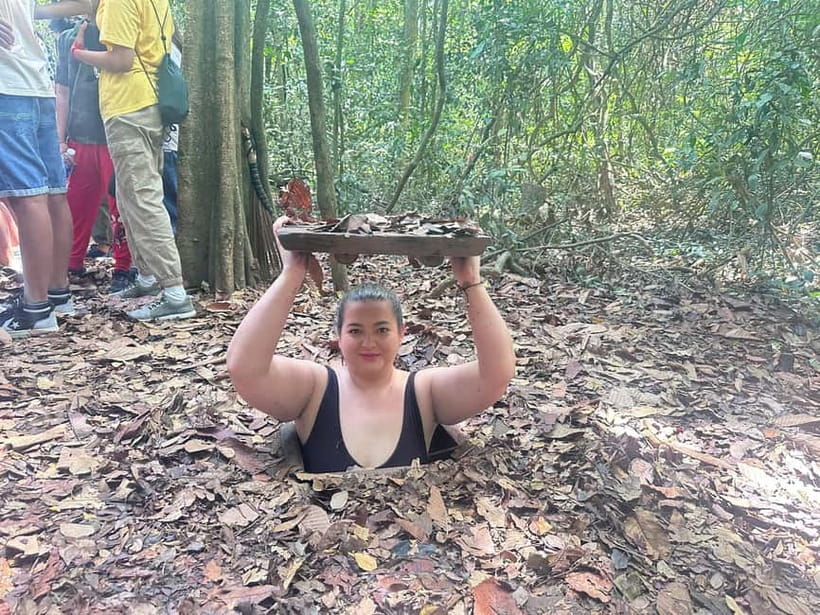
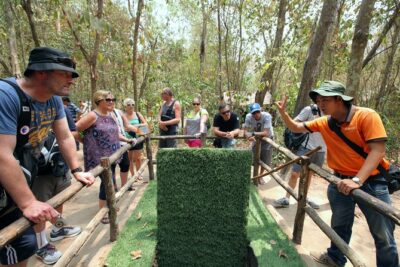
Your tunnel stop is guided and built around realistic wartime details. You’ll see relics and features linked to how Vietnamese soldiers and civilians operated underground, including traps, hidden bunkers, and command centers.
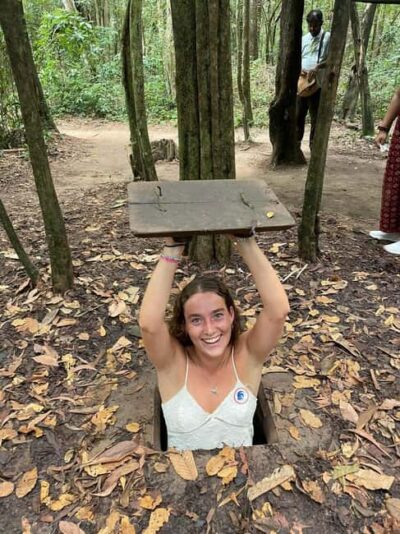
There’s also an optional short walk through safe sections of the tunnels. That’s a big practical point. Some tunnel sections can feel tight and intimidating, so the tour keeps it in the safer range. Still, it’s not a lazy stroll. You’re dealing with enclosed spaces, uneven ground, and the general discomfort that comes from being underground.
You’ll also visit a memorial temple honoring fallen soldiers. That’s not a side stop. It helps put the whole tunnel experience into a broader human frame, beyond the mechanics of survival.
Important fit notes: the tour specifically says it’s not suitable for people with back problems or heart problems, and it also flags insect allergies as a no-go. If you fall into any of those categories, you’ll be better off choosing something that avoids enclosed tunnels and outdoor insect exposure.
Lunch on a Real Schedule: Southern Vietnamese Food in the Countryside
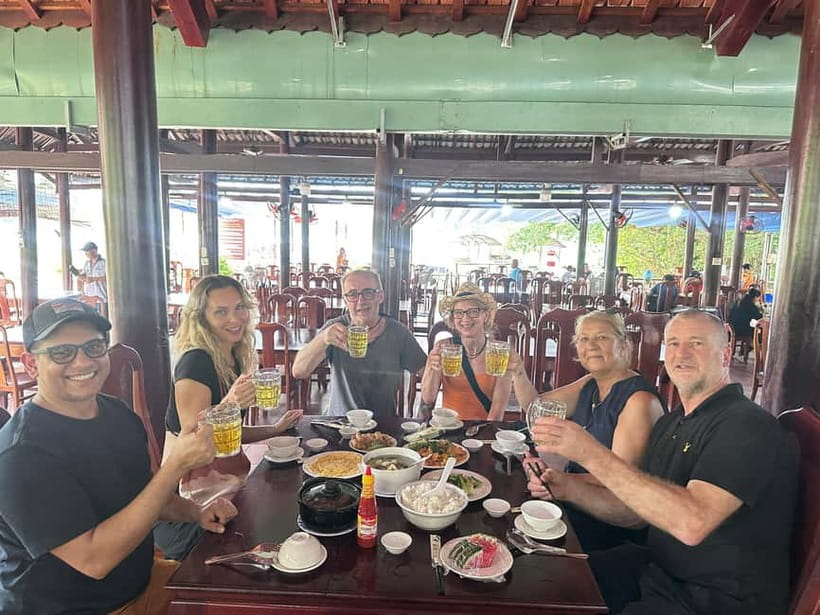
By around noon, you’ll stop for lunch at a local countryside restaurant. This is one of the more valuable parts of the day because it breaks the pattern of “tour bus to attraction to souvenir shop.”
The food is described as traditional Southern Vietnamese dishes, which matters in Vietnam because flavors and cooking styles vary by region. You’ll also get bottled water included, so you’re not scrambling for drinks during the afternoon.
Vegetarian options are available if you request them. That’s worth doing early, because it’s easier for the restaurant and guide to handle ahead of time than to figure out on the spot.
- Cu Chi Tunnels Tour from HCM City – Morning or Afternoon★ 5.0 · 15,833 reviews
- From HCM City: Mekong Delta Tour with Sampan Journey★ 4.5 · 13,132 reviews
- Ho Chi Minh City Street Food Tour & Sightseeing By Motorbike★ 5.0 · 9,413 reviews
- HCM: Cu Chi Tunnels-Tapioca Small Group Tour Morning or Afternoon★ 5.0 · 7,485 reviews
- Cu Chi Tunnels and Mekong Delta Signature Tour★ 5.0 · 7,328 reviews
Rice Paper Village Stop: Learn the Process, Then Make It

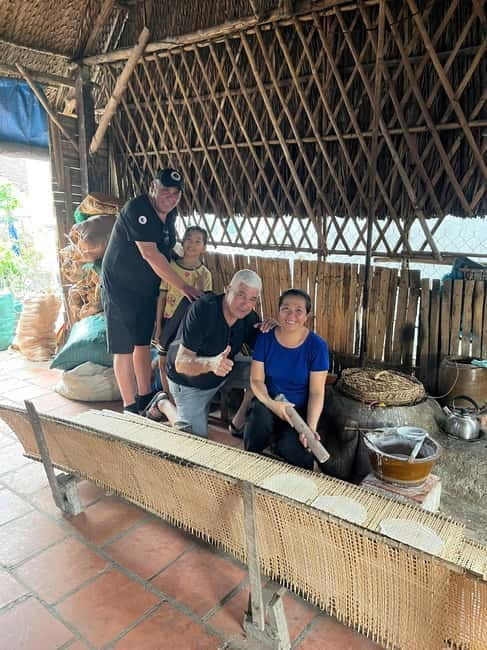
On the way back, the tour shifts from war history to everyday food craft. The traditional rice paper village stop focuses on bánh tráng, the thin rice sheet used for spring rolls and many other snacks.
You’ll learn the traditional process from rice batter to drying mats. The guide explains how the batter gets turned into rice paper, and then how drying is what turns it into the right texture. You’re not just viewing a finished product. You’re seeing the workflow behind it.
Then comes the part that’s usually the most fun: you test your skills and make your own rice paper. Even if you’re not great at it, you’ll walk away with a sense of how thin, consistent, and timing-sensitive the process is. You’ll also get a fresh sample to enjoy right after.
Because this is hands-on, plan for mess. The tour notes to bring clothes that can get dirty, and it’s smart to wear something you’re okay wiping off after the workshop.
There’s also an opportunity to purchase handmade snacks from the artisans. If you want souvenirs that aren’t plastic magnets, this is where you can spend money in a way that supports the people you actually watched working.
Shooting Range Time: What to Expect Without Overpromising
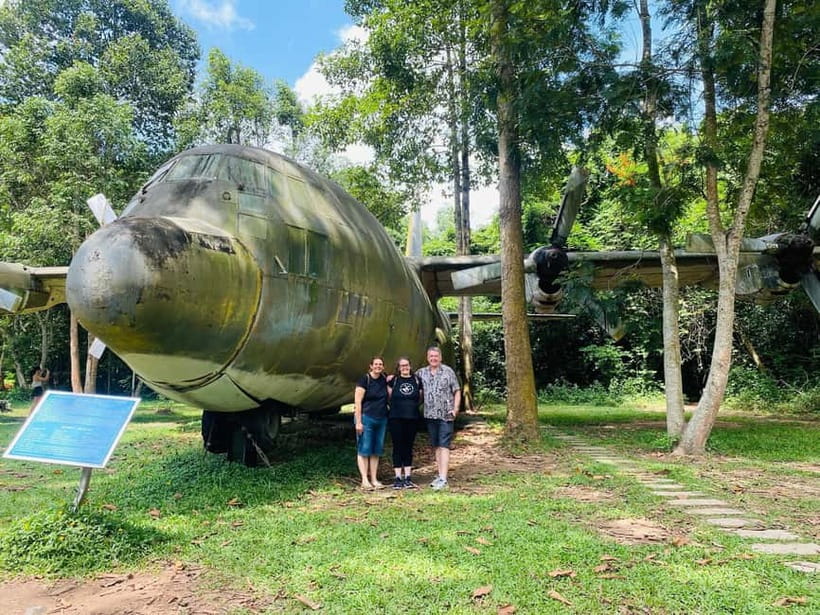
The day includes a shooting range segment lasting about 1.5 hours. This is one of those add-ons that can be a highlight for some people and an avoid-for-someone moment for others.
Your tour price includes entrance fees for the included sights and lunch, but it’s also clear that personal expenses aren’t included. So if you want to take part in shooting activities, plan on bringing cash and treating any shooting-related costs as an extra. The tour explicitly suggests bringing cash for the day.
If you’re sensitive to loud noise or you simply don’t want to deal with weapons-related activities on a history day, you might prefer to treat this time as optional in your own mind even if it’s on the schedule. Either way, it helps to go in knowing there’s a dedicated block for it.
How Much Value Is This $21 Tour Really?
At $21 per person, this is priced for travelers who want a structured day without blowing the budget. The value comes from stacking several things that are often paid separately when you plan on your own:
- Hotel pickup and drop-off in central Districts (1, 3, and 4)
- An English-speaking guide plus all entrance fees for the included stops
- Local lunch at a countryside restaurant
- The rice paper village workshop, including making rice paper and sampling it
- Bottled water, which sounds small until you’re out on a long day
The duration is 7–9 hours, which means you’re getting a full itinerary rather than a quick half-day. For that length, a small group (limited to 10 participants) is also a value lever. When the group is small, you spend less time waiting and more time asking questions.
Two practical value tips: first, wear shoes and clothes you can handle for tunnels and workshops, since comfort affects your enjoyment. Second, if you care most about the tunnels, you’ll want to treat the morning stop as the anchor and let the lunch and rice paper village be the bonus.
Small-Group Comfort: What the Day Feels Like
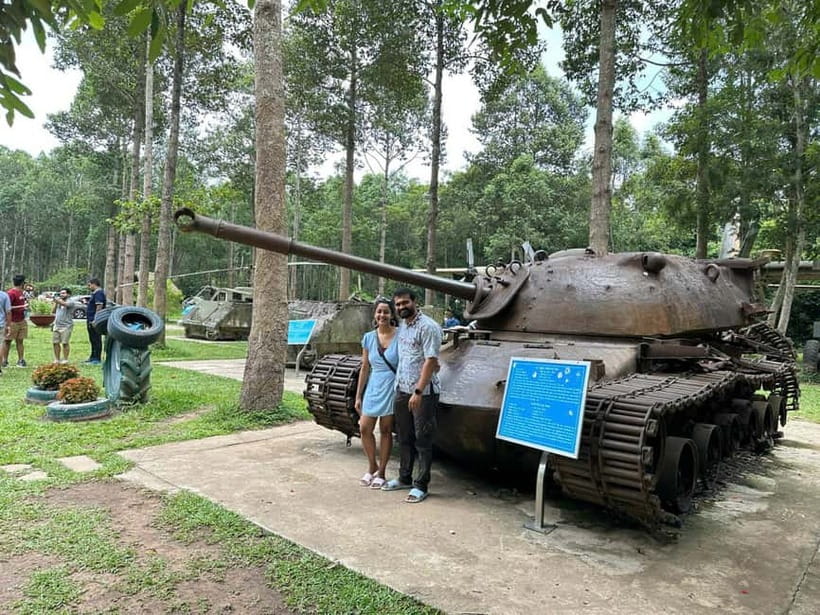
This is a deluxe small group tour limited to 10 participants, with pickup and drop-off at three different district options. That setup usually gives a better flow than a big bus day, especially for a schedule like this where you’re switching between sites every few hours.
The guide also speaks English and Vietnamese. That’s helpful if you want explanations that go beyond surface-level descriptions, especially for wartime survival features like hidden bunkers and traps.
Group size also affects how you handle the optional tunnel walk. With fewer people, it’s easier to move at a pace that feels manageable instead of everyone getting funneled through at once.
What to Bring for a Comfortable Day
This tour has a practical packing list. Follow it and your day will feel easier:
- Camera (you’ll have moments at both Cu Chi and the village)
- Comfortable clothes for a long day outside and a hands-on workshop
- Insect repellent (the tour’s not suitable for insect allergies, but for everyone else, repellent helps)
- Cash (especially smart given the shooting range time and potential personal expenses)
- Clothes that can get dirty (rice paper workshop can be messy)
Also keep your expectations aligned with a long, full itinerary: this is not a slow sightseeing stroll. It’s an active day with cultural food making and a guided historical stop.
Who Should Book This Tour, and Who Should Skip It
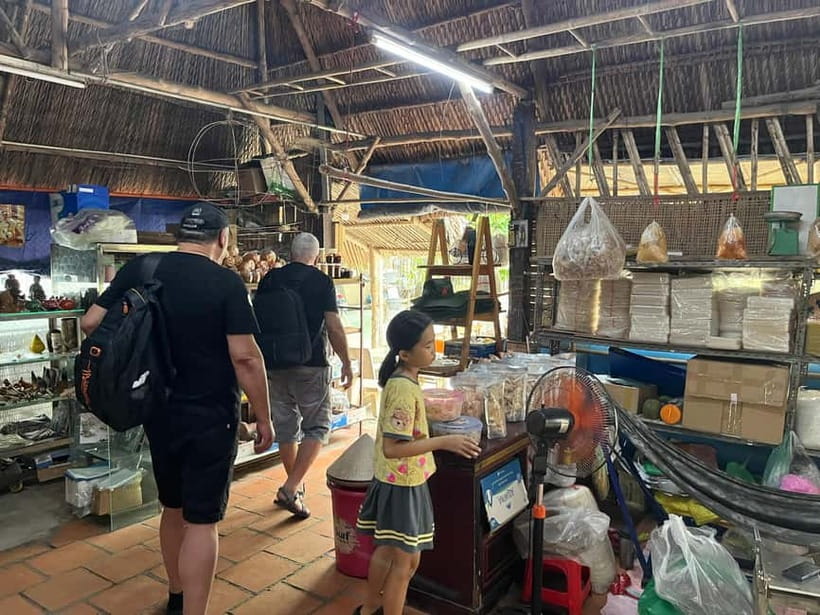
I think this tour is a strong fit if you want two very different kinds of Vietnam in one day: the intense, underground survival story of Cu Chi and the tangible, everyday craft behind rice paper snacks.
It’s especially good for people who like:
- Guided context, not just photo ops
- A mix of history and local food culture
- A manageable group size
Skip it if:
- You have back problems or heart problems
- You have insect allergies
- You want a totally hands-off day (this tour includes a workshop where you make rice paper)
Should You Book This Cu Chi and Rice Paper Village Tour?
If you’re based in central Ho Chi Minh City and you want one organized day that pairs Ben Duoc tunnels with a real rice paper workshop, this is an easy yes. The price-to-inclusions ratio is solid for what you get: pickup, guide, entrance fees, lunch, and an active cultural activity.
My only caution is about fit. If enclosed spaces and outdoor insect exposure are a problem for you, you’ll probably feel uncomfortable here. If you’re okay with that and you want a day that teaches you something while still giving you hands-on fun, it’s a booking-worthy plan.
FAQ
How long is the tour?
The tour runs about 7–9 hours total.
What areas in Ho Chi Minh City have hotel pickup?
Pickup is available for hotels in District 1, District 3, and District 4. If your hotel is outside the pickup zone, you’ll be given an alternative meeting point.
How large is the group?
The group is limited to 10 participants.
What’s included in the price?
Included are hotel pickup and drop-off, a visit to the rice paper village, the rice paper workshop, an English-speaking guide, entrance fees, local lunch, and bottled water.
Is lunch included, and can I get a vegetarian meal?
Yes, lunch is included, and vegetarian options are available upon request.
What do you do at the rice paper village?
You learn the traditional process of making bánh tráng, then try making your own rice paper and enjoy a fresh sample.
Do you get to walk inside the tunnels?
You can take an optional short walk through safe sections of the tunnels.
Is there shooting range time?
Yes. The schedule includes a shooting range segment of about 1.5 hours.
What languages does the guide speak?
The guide provides English and Vietnamese language support.
More Tours in Ho Chi Minh City



More Tour Reviews in Ho Chi Minh City
The Cu Chi Tunnels, a Few More Ways Down
Just Reviewed Around Saigon
- Secret walking Food Tour Ho Chi Minh City
★ 5.0 · 3 reviews - Ho Chi Minh City: Secret Cocktail Experience
★ 5.0 · 3 reviews - From Ho Chi Minh city: Vung Tau Beach Private Day Tour
★ 5.0 · 3 reviews - Saigoncholon
★ 3.5 · 3 reviews - Saigon On 2 Wheels
★ 3.5 · 3 reviews - From Ho Chi Minh City: Relax In Mui Ne Beach In 1 Day
★ 4.3 · 3 reviews
Cu Chi Tunnels Tours, compared.
 ★ 4.7Cu Chi Tunnels Morning or Afternoon TourFrom $1319,646 reviews
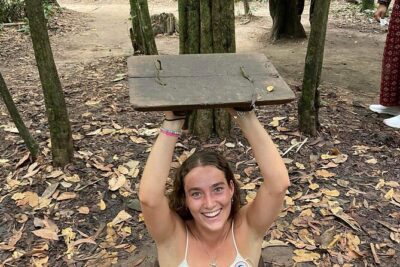 ★ 5.0Cu Chi Tunnels Tour from HCM City – Morning or AfternoonFrom $1515,833 reviews
 ★ 4.7Cu Chi Tunnels & Mekong Delta with Coconut Village TourFrom $3511,836 reviews
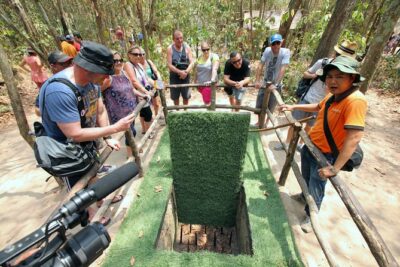 ★ 5.0Cu Chi Tunnels-Tapioca Small Group Tour Morning or AfternoonFrom $147,485 reviews
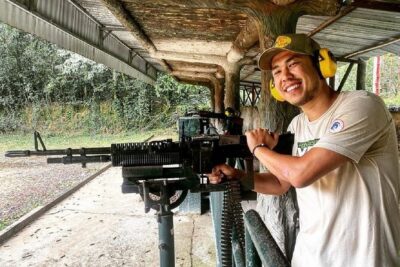 ★ 5.0Cu Chi Tunnels and Mekong Delta Signature TourFrom $337,328 reviews
 ★ 5.0Cu Chi Tunnels & Mekong Delta Tour with VIP Limousine TransferFrom $567,052 reviews
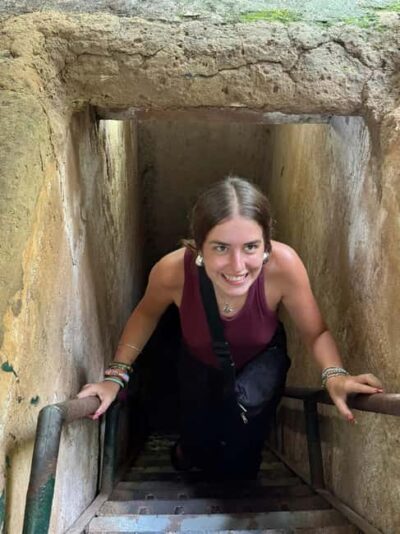 ★ 4.8Cu Chi Tunnels Morning or Afternoon TourFrom $136,326 reviews
 ★ 5.0Cu Chi Tunnels and Mekong Delta Full Day Tour – Max 12From $436,257 reviews
Browse the lists this tour appears in