
REVIEW · HO CHI MINH CITY WALKING TOURS
Ho Chi Minh City: Chinatown Hidden Treasures – Free Walking Tour
Saigon Chinatown rewards slow walking. I like how this tour spotlights everyday alley life plus major Chinese heritage sites, and I also like the way guide Thang ties each stop to the bigger story of the city. One thing to consider: it’s mostly on foot for about 3 hours, and the tour does not include coffee, tea, or snacks, so you’ll want water and a plan for breaks.
You’ll start at the Saigon Skydeck area and then move through the older heart of Chinatown at a comfortable pace, with frequent photo moments and plenty to read in the details—roof tiles, front gates, and market textures. The group stays small (max 30 travelers), and it runs on a tips-only model even though the booking price is tiny.
In This Review
- Key things I’d circle before you book
- Saigon Chinatown on foot: what makes this tour different
- Where you start (Saigon Skydeck) and how the walk stays manageable
- Stop 1: Hao Sy Phuong Alley and the everyday side of Chinatown
- Stop 2: Hội Quán Nghĩa An and how old halls survive new buildings
- Stop 3: Ba Thien Hau Temple, Cantonese roots, and yin-yang roof tiles
- Stop 4: Chợ Lớn market streets—what to notice after the guided part
- Thang’s guiding style: the real reason people finish the full loop
- Price and tips: why this tour still feels fair
- What to bring and how to plan your day around it
- Who should book this Chinatown tour (and who might want a different style)
- Should you book this Ho Chi Minh City Chinatown hidden-treasures walk?
- FAQ
- FAQ
- What is the tour duration?
- How much does the tour cost?
- Is the tour really free?
- How much should I tip?
- Who is the guide and what language is offered?
- Where is the meeting point?
- What time does it start?
- What stops are included?
- Is there a limit on group size?
- What is the cancellation policy?
- Is the tour accessible for most people?
Key things I’d circle before you book
- Guide Thang makes history feel usable, not like a lecture
- Historic Chinatown stops are close together, so the walking actually feels efficient
- Four core sights: Hao Sy Phuong alley, Hội Quán Nghĩa An, Ba Thien Hau Temple, and Chợ Lớn
- Tips-only format with a clear suggested range: 15–25 USD per person
- Mobile ticket and a straightforward start point near public transport
On foot through the old quarters and alleys




Saigon Chinatown on foot: what makes this tour different
Ho Chi Minh City’s Chinatown, often called Chợ Lớn, can feel chaotic if you just wander with no map. This tour gives you structure without killing the spontaneity. You move from narrow lanes to bigger community spaces, and each stop shows a different “layer” of life: residential alley history, community temples and halls, and then the commercial pulse of the market area.
What I like most is that it’s not only about landmarks you’d recognize from photos. You get details that help you read the neighborhood. A hall’s older architecture sitting beside newer buildings. A temple roof form that carries meaning. And market streets where tradition still guides how people trade, worship, and gather.
The best part is the guide’s approach. With Thang leading, the stories aren’t stuck in the past. The tour connects earlier Chinese presence and later Saigon development to the city you see today—history and daily life side by side.
Where you start (Saigon Skydeck) and how the walk stays manageable
The tour meets near the Saigon Skydeck at 36 Hồ Tùng Mậu, in Quận 1, Bến Nghé. The listed start time is 9:00 am, which is smart for this area because morning light makes old façades easier to spot and the heat is typically less intense than midday.
Duration is around 3 hours, and the group size caps at 30 travelers. That matters. In a district like this, you don’t want a giant crowd stretching the pace and forcing everyone to rush. A smaller group helps you keep up with explanations, see details at street level, and still have time to look around.
Also note: even if this is billed as a walking tour, some parts may include getting between sections efficiently. The reviews I’ve seen mention a bus ride experience that stayed clean, which suggests there’s at least some practical transportation time rather than only nonstop pavement.
Practical tip: wear shoes you can walk in for a few hours and bring water. Since the tour does not include snacks or drinks, you’ll rely on your own timing for hydration.
Stop 1: Hao Sy Phuong Alley and the everyday side of Chinatown
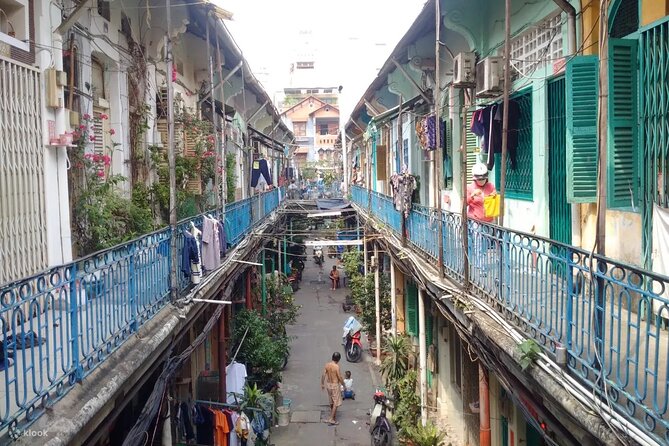
Your first main stop is Hao Sy Phuong Alley (Saigon Chinatown). This is the kind of place most people miss because it doesn’t look like a big-ticket sight at first glance. It’s narrow, local-feeling, and it’s been in place for over 100 years.
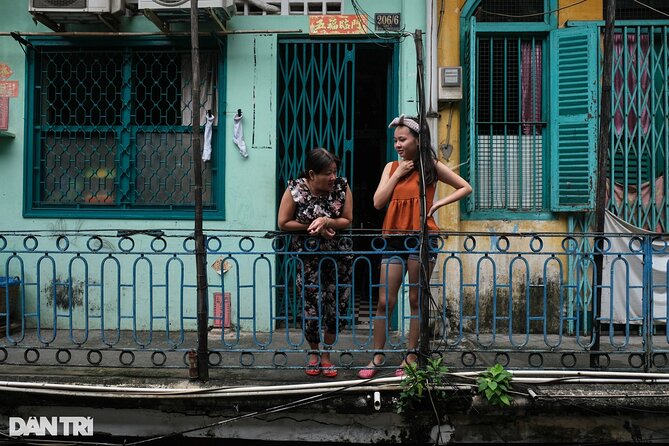
What makes this stop valuable is perspective. From the alley entrance, you can understand that Chinatown isn’t only temples and big market halls—it’s also housing, daily routines, and community movement. The alley layout teaches you how people carve routes through dense neighborhoods.
Drawback to watch for: if you’re expecting a dramatic monument at Stop 1, you might feel the contrast. This is about atmosphere and observation. So bring your curiosity and be ready to notice smaller things: the way storefronts or doors face the lane, the flow of foot traffic, and how locals use space.
Stop 2: Hội Quán Nghĩa An and how old halls survive new buildings
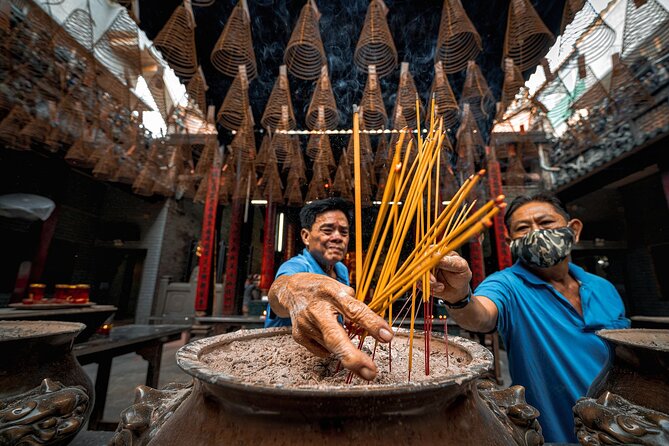
Next is Hội Quán Nghĩa An (often written as Nghĩa An Hoi Quán). This community hall was constructed before the 19th century and went through a few rounds of reconstruction. What you’re looking at now is an architecture style that feels archaic in the middle of modern buildings.
This stop is where the tour becomes extra helpful for first-timers. You’ll start seeing why people protect these spaces. When older structures remain standing, you get a visual anchor: proof that multiple generations shaped the community, not just one era.
Two things to look for:
- The hall’s overall proportions and façade mood that connect it to earlier Chinese community building traditions.
- The contrast between the hall and surrounding newer construction, which helps you understand how the city changes around cultural centers.
If you like street-level history—how “then” and “now” coexist—you’ll probably enjoy this stop most. And if you’re more into photo spots, this is also a solid stop for rooflines, doorway framing, and the textures that show age.
Temples and trade in Cholon, the old Chinatown
- Full-Day Ho Chi Minh City Tour with Colonial Heritage & Chinatown★ 5.0 · 246 reviews
- Private Sunrise Photography Tour – Down in Chinatown★ 5.0 · 59 reviews
- Ho Chi Minh City Tour with Colonial Heritage and Chinatown★ 4.6 · 48 reviews
- HCM city Chinatown Landscape, Beliefs & ghost tour by scooter★ 5.0 · 22 reviews
- Saigon City and Chinatown Exploration with Water Bus Adventure★ 5.0 · 20 reviews
Stop 3: Ba Thien Hau Temple, Cantonese roots, and yin-yang roof tiles
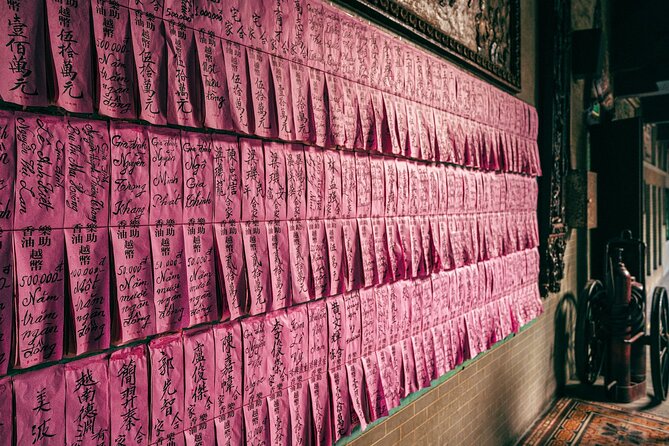
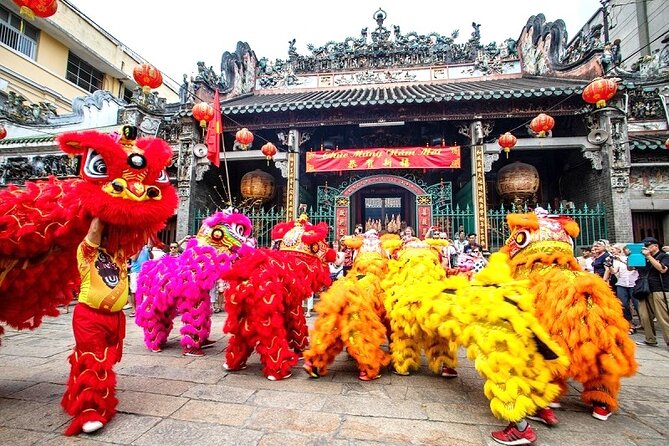
The tour then heads to Ba Thien Hau Temple, described as a late 19th-century Chinese-style architectural heritage built by the Cantonese community in Saigon.
This is the stop that tends to convert people from “I like walking tours” to “I get why this matters.” The temple’s roof has a yin-yang tiled style, which is a striking detail you can’t replicate with generic souvenirs. You also get a sense that you’re standing inside a long-running spiritual and cultural system, not just observing a building.
A practical note: temples often have rules about respectful behavior. That’s not unique to this stop—it’s a normal travel courtesy thing. Move slowly, keep your voice down, and follow your guide’s cues.
Why it’s worth your time: when you learn the Cantonese connection here, the neighborhood starts making sense. It’s easier to understand why Chinese community sites in Chợ Lớn show specific regional influences rather than one single, uniform style.
Stop 4: Chợ Lớn market streets—what to notice after the guided part
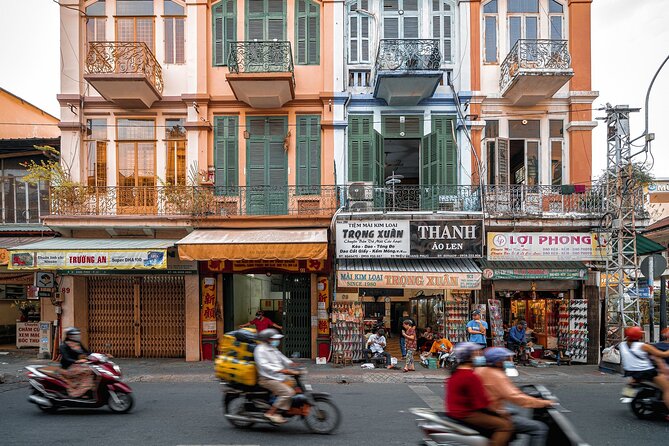
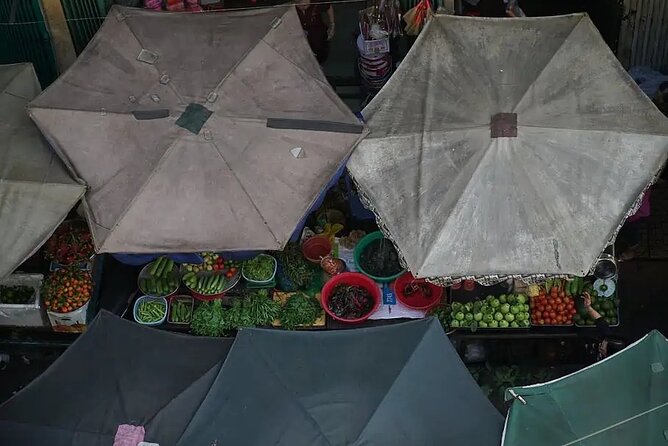
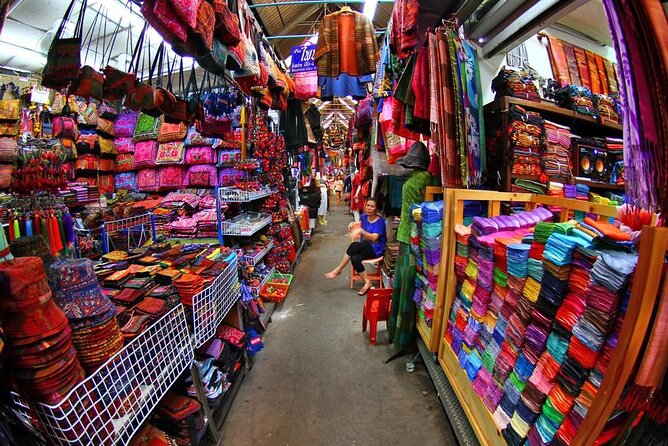
The final major stop is Chợ Lớn, now a significant commercial center for the Chinese community in Ho Chi Minh City. This part of the tour emphasizes that the area still preserves “values” of culture, religion, and architecture that date back thousands of years.
In practical terms, this is where you shift from listening to observing. You’ll get enough context from earlier stops so that when you see shopfronts, signs, and street patterns, you don’t treat them as random.
Things you can spot on your own in this area once you’re oriented:
- How community sites (like halls and temples) relate to daily business zones
- The mix of older design elements and ongoing commerce
- The rhythm of street life—people arriving, buying, bargaining, and moving through narrow routes
One drawback: markets can be visually busy. If you don’t take breaks, your brain can feel overloaded by noise and motion. So keep an eye on your energy level. If you need a short reset, ask your guide where a quieter spot might be.
Thang’s guiding style: the real reason people finish the full loop
The consistent praise across the tour’s feedback centers on Thang and the way he delivers the material. The stories I’ve seen emphasize that he’s friendly and builds comfort quickly. More importantly, he explains the history in a way that stays understandable, not stuck behind complicated timelines.
A standout theme: Thang connects Vietnamese history and even city-level politics to the early Chinese era, so you’re not just learning about Chinatown in isolation. You get a clearer map of how Saigon developed over time.
The pace also seems to land well. Multiple comments highlight that the tour flows well from point to point and includes off-the-beaten-track streets rather than only the most obvious lanes. That’s a big deal in Chợ Lớn—if the route is too narrow or too rushed, your best photos and best learning moments happen before you can actually focus.
You’ll also likely appreciate the “people-first” feel. Reviews point to Thang answering questions and keeping the content digestible, which helps if you’re traveling solo or if you don’t want to get lost in cultural details.
Price and tips: why this tour still feels fair
The booking shows a very low price (listed as $0.71 per person). But the included info makes it clear: this tour works on a tips-only basis, with a suggested extra tip of 15–25 USD per person.
Here’s how I think about value:
- You’re paying mainly for the guide’s time and the route design.
- The sites themselves are free to visit, and the itinerary is built around walking efficiency plus historical context.
- With the suggested tip range, the cost becomes comparable to paid walking tours elsewhere—but you keep the flexibility of a “pay what feels right” model.
My practical advice: treat the suggested range as the starting point, not a ceiling. If you love the guide’s approach, ask smart questions, or your group gets extra value from off-route detours, tipping toward the higher end of the suggestion can feel right.
Also, because the tour does not include snacks or drinks, your total day cost will depend on what you do after the walking segment.
What to bring and how to plan your day around it
For a 9:00 am start and roughly 3 hours of walking, pack like you would for a neighborhood you actually plan to live in for a few hours.
Bring:
- Comfortable walking shoes
- Water (since no drinks/snacks are included)
- Sun protection (hat or sunscreen), especially if you’re sensitive to heat
Plan your day:
- If you’re doing other district-1 activities later, this tour works well as an orientation block. It helps you see Chinatown’s logic before you branch out.
- If you like coffee or breaks, plan your own stop nearby rather than expecting one built into the price.
One more practical detail: you’ll have a mobile ticket, which usually makes entry simple. Just make sure your phone battery is ready for the morning.
Who should book this Chinatown tour (and who might want a different style)
This tour is a strong match if you:
- Like street-level sightseeing with structured explanations
- Want to understand how a district like Chợ Lớn developed, not just take photos
- Enjoy walking tours led by a guide who links history to today’s city
It’s also a good fit for many activity styles because it’s a straightforward 3-hour schedule that returns you back to the meeting point.
It may be less ideal if you:
- Don’t like walking in hot weather
- Need your tour to include food or drinks
- Want only “major sights” with little time spent on alley and market atmosphere
Should you book this Ho Chi Minh City Chinatown hidden-treasures walk?
If you’re visiting for the first time and you want Chinatown to make sense fast, I think you should book it. The route includes the key types of places you need—alley life, community halls, a Cantonese temple with memorable roof details, and then the commercial streets of Chợ Lớn. Add Thang’s storytelling style, and you get a tour that feels like more than sightseeing.
If you’re price-sensitive, this is also one of the most flexible ways to get a guided experience. Just remember the tipping model and budget accordingly with the suggested 15–25 USD per person.
If you prefer a tour that includes drinks or structured indoor stops, you might feel the lack of included refreshments. But you can solve that easily: bring water and decide in advance where you want to grab a drink after you finish.
FAQ
FAQ
What is the tour duration?
The tour is about 3 hours.
How much does the tour cost?
The listed price is $0.71 per person, and it operates on a tips-only basis.
Is the tour really free?
The admission to the listed stops is free, but the tour recommends an extra tip for the guide.
How much should I tip?
The suggested tip is 15–25 USD per person.
Who is the guide and what language is offered?
The tour includes an English-speaking guide. Reviews highlight the guide Thang.
Where is the meeting point?
The tour starts at Saigon Skydeck, 36 Hồ Tùng Mậu, Bến Nghé, Quận 1, Thành phố Hồ Chí Minh, Vietnam.
What time does it start?
The start time is 9:00 am.
What stops are included?
The tour includes Hao Sy Phuong Alley, Hội Quán Nghĩa An, Ba Thien Hau Temple, and Chợ Lớn.
Is there a limit on group size?
Yes. The tour has a maximum of 30 travelers.
What is the cancellation policy?
You can cancel for a full refund up to 24 hours in advance. If you cancel less than 24 hours before the start time, the amount paid is not refunded.
Is the tour accessible for most people?
The listing says most travelers can participate. It also notes it’s near public transportation, but no specific accessibility details are provided.
More Tour Reviews in Ho Chi Minh City





Into Cholon, the Old Chinatown





Saigon on Foot, Continued
Just Reviewed Around Saigon
- Secret walking Food Tour Ho Chi Minh City
★ 5.0 · 3 reviews - Ho Chi Minh City: Secret Cocktail Experience
★ 5.0 · 3 reviews - From Ho Chi Minh city: Vung Tau Beach Private Day Tour
★ 5.0 · 3 reviews - Saigoncholon
★ 3.5 · 3 reviews - Saigon On 2 Wheels
★ 3.5 · 3 reviews - From Ho Chi Minh City: Relax In Mui Ne Beach In 1 Day
★ 4.3 · 3 reviews
Ho Chi Minh City Walking Tours, compared.
 ★ 5.0Private Street Food Evening Walking Tour in Ho Chi Minh CityFrom $493,175 reviews
 ★ 5.0Super Niche Walking Street Food Tour in Ho Chi Minh CityFrom $291,636 reviews
 ★ 5.0Saigon Night Bites on Foot: Local Vendors, Stories & Sweet FinishFrom $29701 reviews
 ★ 5.0Walking Food Tour with 13 TastingsFrom $27469 reviews
 ★ 5.0Super Niche Walking Street Food TourFrom $28438 reviews
 ★ 5.0Private Street Food Evening Walking TourFrom $49436 reviews
 ★ 5.0Original Walking Street Food Tour with FoodiesFrom $28379 reviews
 ★ 4.8Walking Tour with Local GuideFrom $3363 reviews
Browse the lists this tour appears in