
REVIEW · SCOOTER & VESPA TOURS
Ho Chi Minh City: Ghost, Belief & Culture Tour on Motorbike
Ghost stories feel different on a motorbike.
This Ho Chi Minh City tour uses that ride to connect belief and haunting: it starts at a pagoda to frame how locals think about gods and the circle of life, then moves into funeral customs and ghost legends tied to real places. I especially like that the guide energy isn’t just spooky-for-spooky’s-sake; when guides like Vincent show up (from past outings I’ve heard about), the stories come with context and clear English.
Next, I like the pacing: you don’t just drive past landmarks. You stop, you walk, and you get time to understand why each place gets whispered about. Then you get a break built in—bánh mì plus a coffee/fruit juice/smoothie—so the experience stays balanced instead of going full fear mode. The ride itself is part of the fun, and guides like Danny and Wibu have been praised for keeping it lively while still covering the meaning behind what you’re seeing.
One drawback to consider: this tour includes a funeral house visit and funeral ceremony customs, plus ghost stories and personal accounts. If you’re sensitive to that kind of setting—or if you prefer light sightseeing only—go in with your expectations set.
In This Review
- Key things I’d plan around
- Why a motorbike ghost tour fits Ho Chi Minh City
- The pagoda start: religion, gods, and the circle of life
- Funeral house visit: customs first, then ghost tales
- Chinatown’s ghost building: abandoned, and explained through feng shui
- Thich Quang Đức monument: the serious side of 1963
- Bánh mì and a local drink break that keeps the mood steady
- Price and logistics: what you’re actually paying for
- Riding comfort, helmets, and who should skip this
- What’s included vs. what to budget for
- Should you book this ghost, belief & culture ride?
- FAQ
- How long is the Ho Chi Minh City Ghost, Belief & Culture Tour on Motorbike?
- Where is the meeting point if I’m not in a free pickup area?
- Is pickup included?
- What food and drinks are included?
- What sites will we visit?
- Is the tour guide available in English?
- What should I expect during the motorbike ride?
- Is this tour suitable for everyone?
Key things I’d plan around
- Pagoda first, not last: you start with Buddhism and local belief ideas, so the ghost stories land better.
- A real funeral house walk: you get a guided look at ceremonies and the customs around death.
- Chinatown’s ghost building has a feng shui reason: the haunting ties to an abandoned building and belief in fortune.
- Thich Quang Đức monument is part of the route: it adds a serious historical layer to the supernatural theme.
- Food isn’t an afterthought: bánh mì and a drink stop keep you fueled during the ride.
Hop on the back of a bike, other Saigon rides

Why a motorbike ghost tour fits Ho Chi Minh City
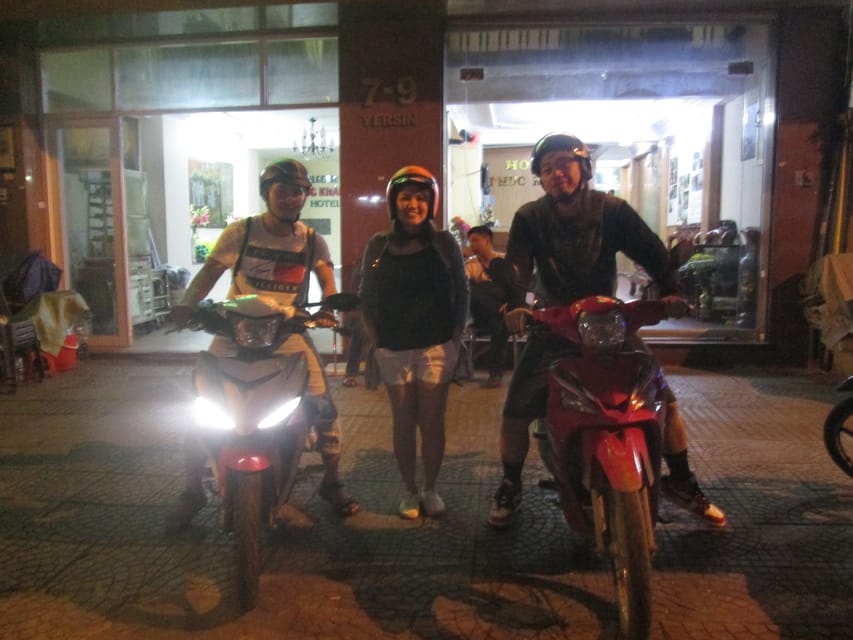
Ho Chi Minh City can feel like two cities at once: bright streets and quiet alleys, modern life and older belief systems still woven into daily routines. A motorbike tour is a smart way to cover ground fast, because you’re moving with the city instead of treating it like a list of far-apart stops.
More importantly, the motorbike format changes the tone. Instead of standing still and staring at buildings, you’re experiencing neighborhoods the way locals do: on the move, passing shops, temples, and side streets in the same flow. It makes the ghost element feel less like theater and more like a living part of place.
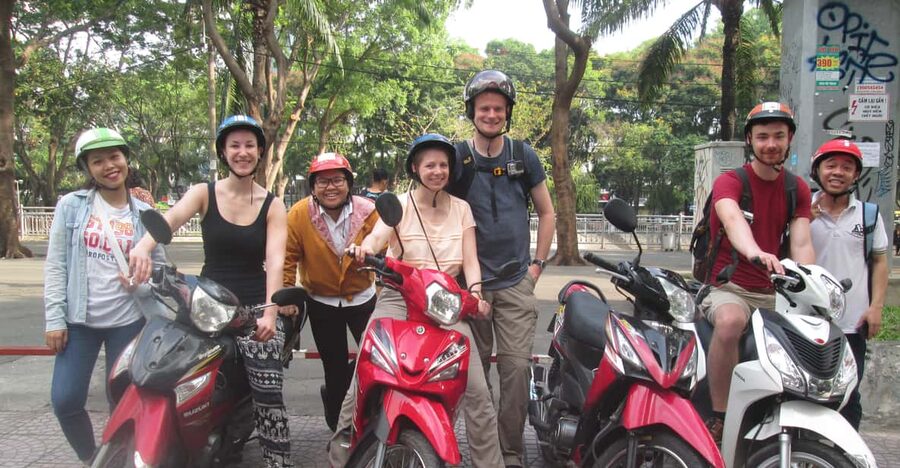
The guide is also central. You’ll have an English-speaking professional driver/guide, and the role is clear: explain what you’re seeing, then connect it to belief, ceremony, and the stories people attach to these sites. That’s where this tour can feel genuinely different from a pure jump-scare style ghost walk.
The pagoda start: religion, gods, and the circle of life
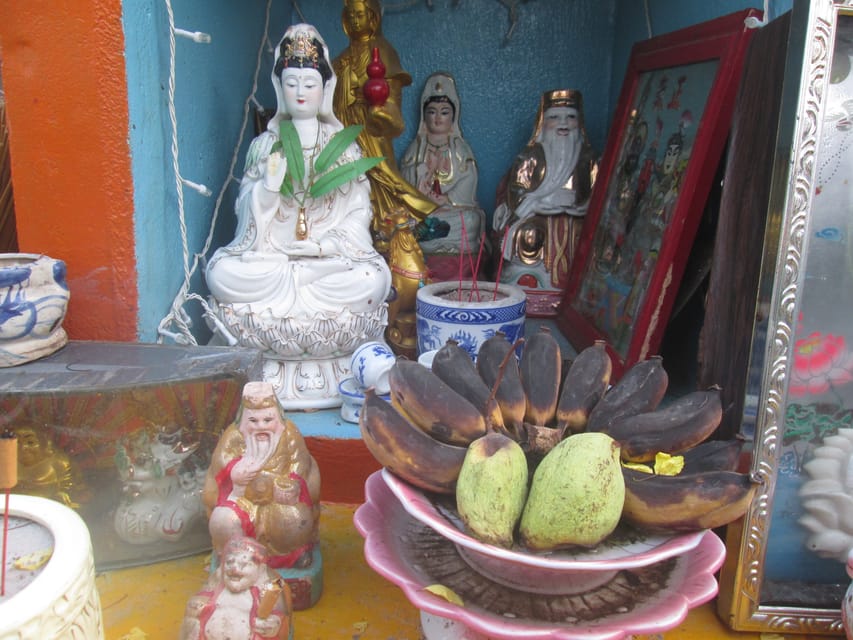
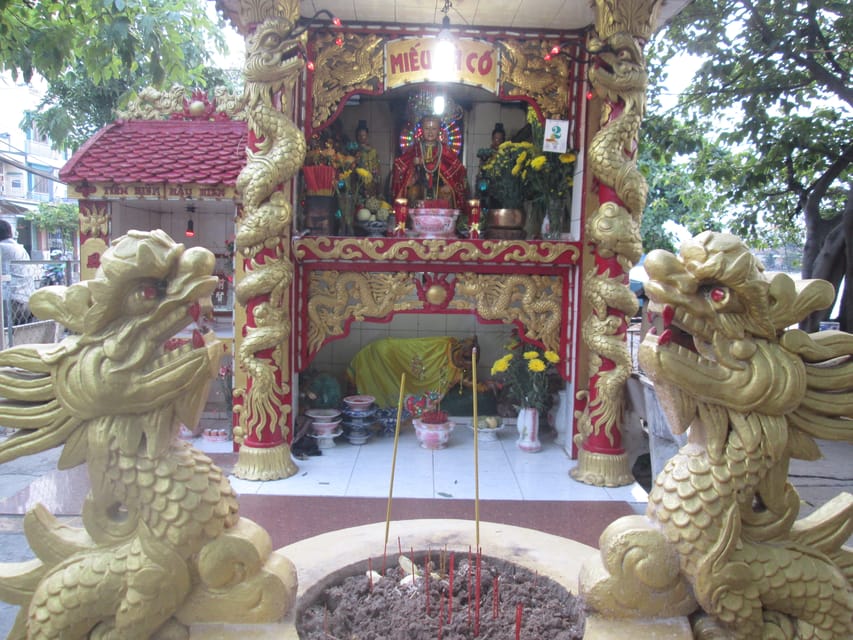
The route begins at a pagoda so you can understand the religious beliefs that shape how locals interpret the world. That’s not just cultural decoration. In Vietnam, religious ideas can be part of how people handle everything from illness to luck to major life events.
On this first stop, your guide walks you through how worship can include different kinds of gods, not just one narrow idea. You also hear about belief in the circle of life—how life, death, and spiritual continuation connect. When you keep that in mind, the later stops stop sounding like random spooky legends and start sounding like stories with cultural logic.
This is also where you get your mental gear shift. You’re learning a framework before you get ghost stories. For me, that’s the best way to enjoy a theme tour: understand the rules first, then enjoy the scary bits as storytelling that’s tied to real-world practices.
Funeral house visit: customs first, then ghost tales
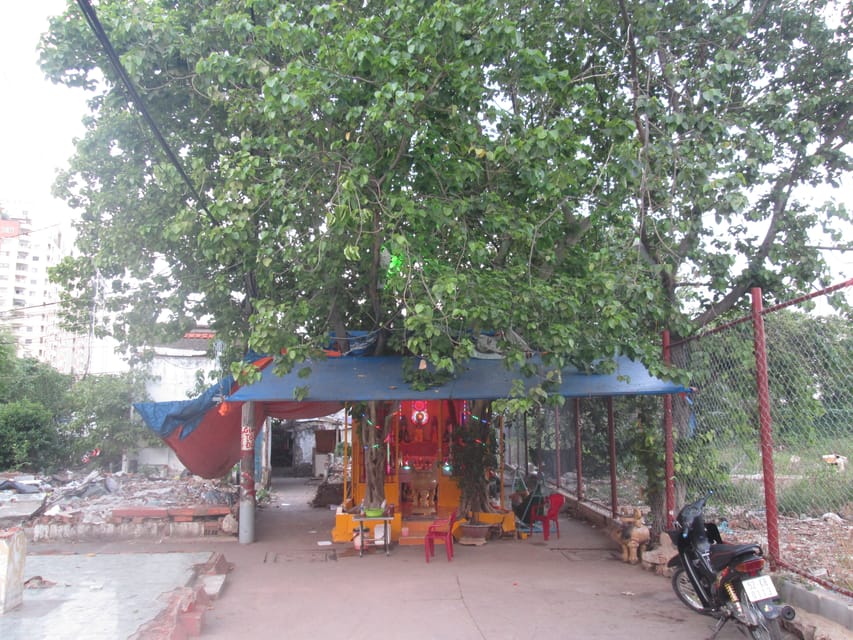
After the pagoda, the tour moves to the funeral house—one of the most important stops if you want the experience to feel grounded. You’ll take a walk inside and witness funeral ceremonies. Your guide shares customs of a funeral and adds ghost stories and personal experiences connected to the setting.
This can be heavy, and that’s the point. Death rituals are where belief gets most visible, because people tend to talk more honestly about what they fear and what they hope for. If you’re expecting horror-movie vibes, you might be surprised. It’s not just about scary tales; it’s about what people do, why they do it, and how belief shapes their approach.
Practical note: you’re walking inside, so comfortable movement matters. Also, this is not a stop that everyone enjoys. If you’re easily upset by ceremony settings, consider whether the funeral theme fits your travel mood.
Chinatown’s ghost building: abandoned, and explained through feng shui
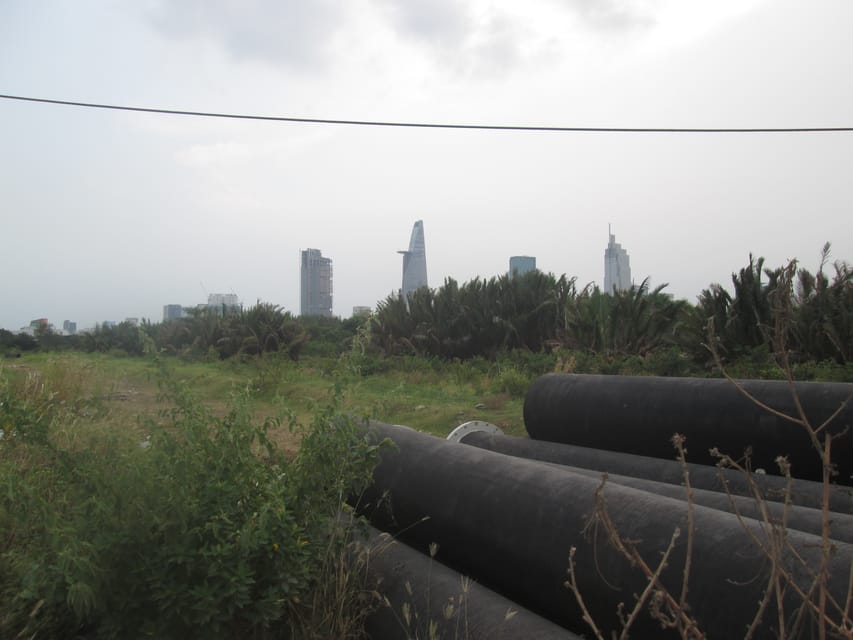
Next comes the biggest Chinatown stop, followed by the ghost building—an abandoned structure in Chinatown tied to feng shui. The guide explains why it’s considered haunted and how belief in fortune and spiritual balance can shape people’s reactions to buildings and locations.
Feng shui can sound like a modern curiosity, but on the ground, it’s often treated as practical. In this part of the tour, you’re not just hearing a rumor. You’re getting a cultural explanation for why a place gets labeled as unlucky, fearful, or spiritually charged.
This stop tends to be the one people remember as the most visually specific: an abandoned building, a neighborhood with strong identity, and an explanation that ties the haunting to a belief system rather than pure imagination.
Wider loops through the districts
- Cu Chi Tunnels Tour from HCM City – Morning or Afternoon★ 5.0 · 15,833 reviews
- From HCM City: Mekong Delta Tour with Sampan Journey★ 4.5 · 13,132 reviews
- Ho Chi Minh City Street Food Tour & Sightseeing By Motorbike★ 5.0 · 9,413 reviews
- Mekong Delta Guided Tour from Ho Chi Minh City★ 4.5 · 7,192 reviews
- Ho Chi Minh City: Cu Chi Tunnels Morning or Afternoon Tour★ 4.8 · 6,326 reviews
Thich Quang Đức monument: the serious side of 1963
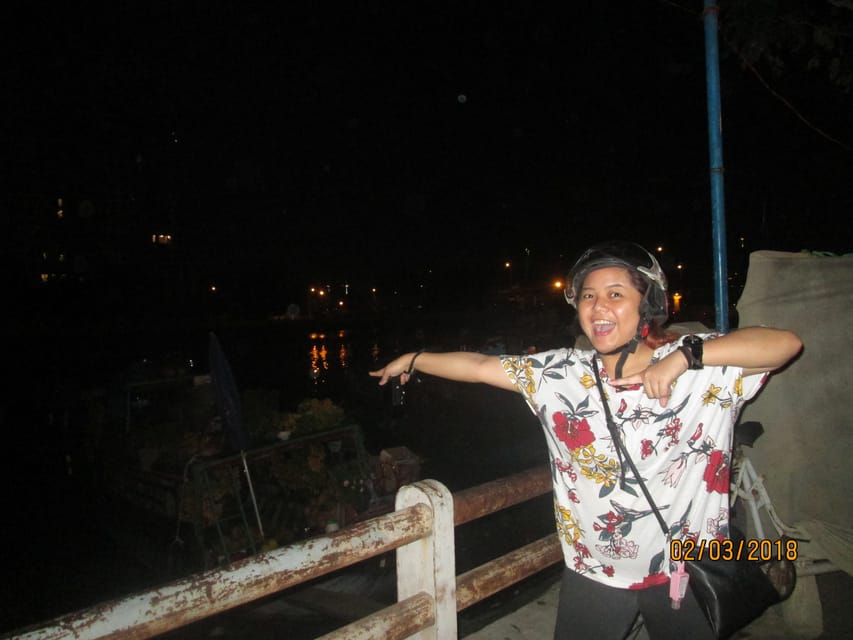
The final major site is the Thich Quang Đức monument, linked to a major moment in Buddhist history. You’ll learn about Thích Quảng Đức, who burned himself in 1963 to protest the persecution of Buddhists.
This is an important counterweight to the ghost theme. It brings the tour back to real events and real suffering, not just spooky stories. If you’re going for atmosphere, this stop may feel like the emotional anchor—shorter in time than the funeral house visit, but heavier in meaning.
It’s also a good reminder that in places like Ho Chi Minh City, belief and public life aren’t separate. Religious conviction can show up in streets, monuments, and memory. That context can make the whole tour feel more human, even when the subject matter is dark.
Bánh mì and a local drink break that keeps the mood steady
Half the success of a nightmarish theme tour is whether you can take a breath. You get that with a break to enjoy Vietnamese baguette—bánh mì—plus a coffee, fruit juice, or smoothie at a local coffee shop.
This stop matters more than it sounds. Motorbike tours can run on adrenaline, and ghost stories can keep your brain switched on. A proper food break gives you a reset, and it also lets the day feel like part of normal Vietnamese life rather than a staged route of only “scary stops.”
Bánh mì is a smart choice here. It’s fast, satisfying, and easy to eat between sights. Then you can handle the ride and the final monument without feeling drained.
Price and logistics: what you’re actually paying for
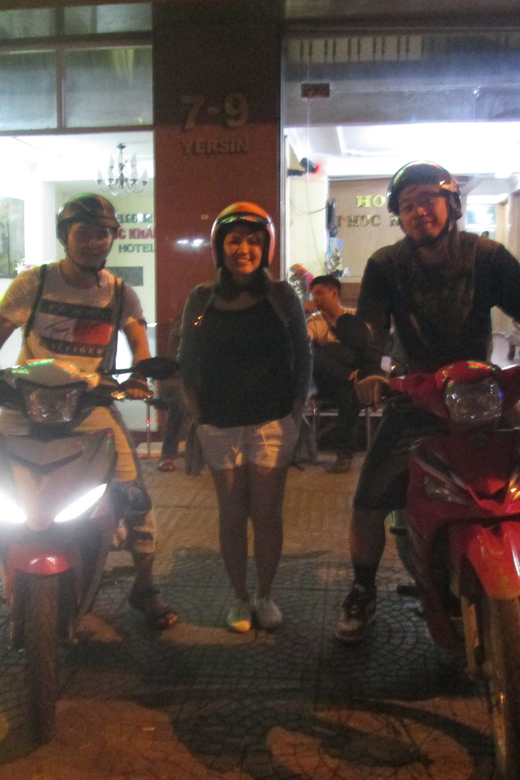
The price is $16 per person, with a tour length of 2 to 4 hours depending on starting times and how the route runs. For this amount, you’re not just paying for stories. You’re paying for transportation, guided interpretation, and time on foot inside places that you wouldn’t casually visit alone.
Included value points that really matter:
- Round-trip transfers: free pickup/drop-off in District 1, 3, and 4
- Motorbike, fuel, helmet, and poncho if required
- English-speaking professional driver/guide
- Bánh mì plus a coffee/juice/smoothie stop
- Insurance included
If you’re staying outside the free pickup areas, you’ll have to plan for the added cost: a $5 per person surcharge may apply if you still want hotel pickup. If pickup isn’t free for your hotel, the meeting point is Saigon Opera House, 07 Quảng Trường Lam Sơn, District 1.
There are also options to upgrade:
- Private tour option: surcharge $5 per person
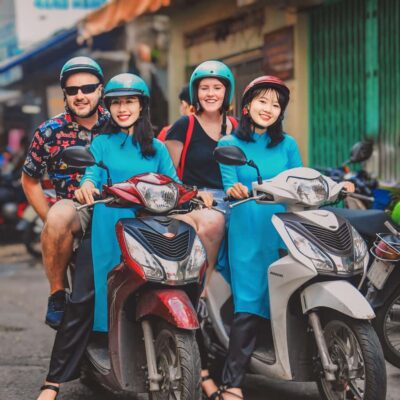
- Female ao dai rider upgrade: $10 extra per person
- Car/van support: 7-seat car ($50) or 16-seat van ($70), bookable ahead of time
On Vietnamese public holidays, expect higher surcharges payable on-site, based on the tour length. If your dates fall near the listed holiday windows, it’s worth checking before you commit.
Riding comfort, helmets, and who should skip this
You’ll ride on the back of a motorbike. That means the experience is thrilling, but it also has real physical requirements. The tour provides helmet and poncho if required, and the driver/guide is professional—use that to your advantage by riding with a calm posture and holding steady.
Still, there are clear reasons some people shouldn’t take this tour:
- Not suitable for people with back problems
- Not suitable for people over 70
If you’re unsure, treat this as a functional requirement, not a preference thing. A theme tour becomes frustrating fast if you spend the ride focusing on pain instead of the sights.
Also, if you don’t enjoy dark themes, remember this route includes funeral ceremonies and ghost stories plus personal accounts. You’ll get context, but it’s still not a gentle stroll.
What’s included vs. what to budget for
Included:
- Transfers to and from your hotel (free in Districts 1, 3, and 4)
- English guide/driver, motorbike and fuel
- Helmet and poncho (if required)
- Insurance
- Bánh mì and a coffee/fruit juice/smoothie
Not included:
- Personal expenses
So budgeting is simple: plan for any extra pickup you need, any optional upgrades (private, car/van, ao dai rider), and your own personal costs like souvenirs or additional drinks beyond what’s offered.
Should you book this ghost, belief & culture ride?
Book it if you want Ho Chi Minh City to feel personal—like the city’s beliefs are part of daily life, not a museum label. This tour is strongest when you enjoy stories with explanations: pagoda ideas first, funeral customs next, Chinatown haunting tied to feng shui, and a real historical monument at the end.
Skip it if funeral settings and ghost stories aren’t your thing, or if motorbike riding could be uncomfortable for you. The inclusion of funeral ceremonies isn’t optional, and age/back limitations are explicit.
If you’re the kind of traveler who likes themes with context—especially where religion, ceremony, and neighborhood identity overlap—this is a great use of a half-day. For $16, you’re getting far more than a walk-and-tell route: you’re getting transport, guided interpretation, and food breaks built into the flow.
FAQ
How long is the Ho Chi Minh City Ghost, Belief & Culture Tour on Motorbike?
The tour runs for 2 to 4 hours. Starting times depend on availability.
Where is the meeting point if I’m not in a free pickup area?
If you’re not in a hotel with free pickup, the meeting point is Saigon Opera House, 07 Quảng Trường Lam Sơn, District 1.
Is pickup included?
Yes. Free pickup and drop-off are included for hotels in District 1, 3, and 4. If your hotel is outside those areas, a $5 USD per person surcharge may apply if you still want pickup.
What food and drinks are included?
You’ll have bánh mì (Vietnamese baguette) and a choice of Vietnamese coffee, fruit juice, or a smoothie at a local coffee shop.
What sites will we visit?
The tour includes a pagoda to understand local Buddhist beliefs, the funeral house where ceremonies are explained and witnessed, Chinatown’s biggest area plus the ghost building, and the Thich Quang Đức monument.
Is the tour guide available in English?
Yes. The tour is guided in English.
What should I expect during the motorbike ride?
You’ll ride on the back of a motorbike with a professional driver/guide. Helmet and poncho are provided if required.
Is this tour suitable for everyone?
It’s not suitable for people with back problems or for people over 70.
More Tours in Ho Chi Minh City


More Tour Reviews in Ho Chi Minh City
On the Back of a Bike, Continued
Just Reviewed Around Saigon
- Secret walking Food Tour Ho Chi Minh City
★ 5.0 · 3 reviews - Ho Chi Minh City: Secret Cocktail Experience
★ 5.0 · 3 reviews - From Ho Chi Minh city: Vung Tau Beach Private Day Tour
★ 5.0 · 3 reviews - Saigoncholon
★ 3.5 · 3 reviews - Saigon On 2 Wheels
★ 3.5 · 3 reviews - From Ho Chi Minh City: Relax In Mui Ne Beach In 1 Day
★ 4.3 · 3 reviews
Scooter & Vespa Tours, compared.
 ★ 5.0Ho Chi Minh City Street Food Tour & Sightseeing By MotorbikeFrom $289,413 reviews
 ★ 5.0Saigon By Night and Street Food By Motorbike | Opt: Ao Dai RidersFrom $374,066 reviews
 ★ 5.0Private Street Food Tour by Motorbike/Car with Local StudentsFrom $453,950 reviews
 ★ 4.9Street Food Tasting & Sightseeing Tour by MotorbikeFrom $273,578 reviews
 ★ 5.0Top Notch Street Food Motorbike Tour In Ho Chi Minh CityFrom $292,667 reviews
 ★ 5.0Private Street Food Motorbike Tour in Ho Chi Minh CityFrom $552,180 reviews
 ★ 5.0Ho Chi Minh City Motorbike Tour with Student | Saigon AdventureFrom $231,697 reviews
 ★ 5.0Food Tour by Scooter with Eleven TastingsFrom $281,502 reviews
Browse the lists this tour appears in