
REVIEW · HISTORICAL TOURS
Ho Chi Minh City: Half-day History And Culture Tour
Four hours in Saigon, and you feel oriented fast. This tour pairs the War Remnants Museum with a walk through Thien Hau Pagoda in Chinatown, so you get history and everyday street life in one loop. Ho Chi Minh City can feel like a lot at first; this helps you sort what matters fast.
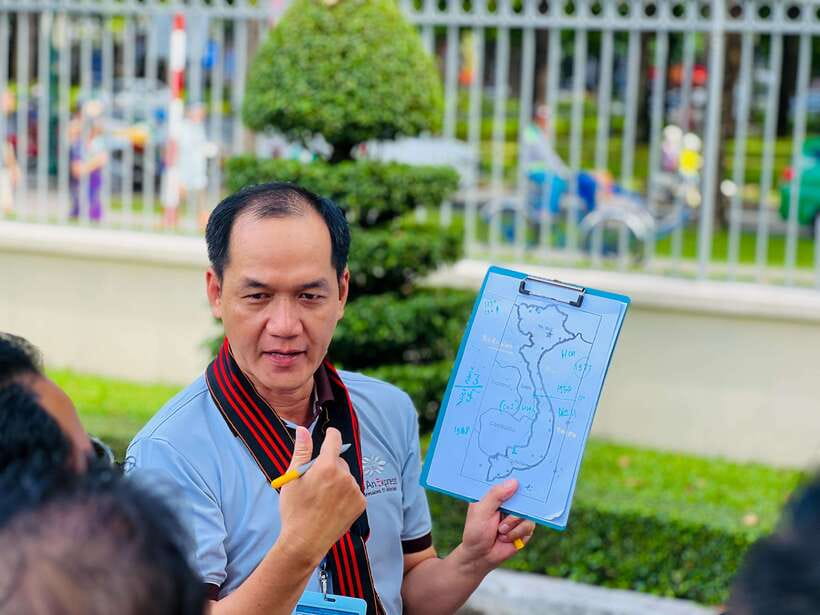
I also like how the trip is guided by English speakers who actually explain what you are looking at. In the best runs, you hear stories like the ones associated with guides such as Boa, and the smooth support of driver Nam, plus the warm, detailed style described by guides Hành and Quy.
One thing to plan for: the 4-hour pace means you see a lot, but you do not linger for a long second read. If you want a museum afternoon or a slow photo walk, you may want to add extra time on your own later.
In This Review
- Key points
- Why this Ho Chi Minh City half-day tour works so well
- Pickup, timing, and how the 4-hour loop feels in real life
- Thien Hau Pagoda in Chinatown (District 5): a calm start with clear contrast
- Independence (Reunification) Palace: preserved rooms that make dates real
- Saigon Central Post Office and Notre-Dame Cathedral: colonial architecture with context
- War Remnants Museum: powerful displays with a lot of weight
- Sơn Mài Phương Nam lacquerware factory: watching craft happen, not just shopping
- Price and value at about $36: what you get for the money
- Best for first-timers, history fans, and people who want structure
- Should you book this Ho Chi Minh City history and culture tour?
- FAQ
- How long is the Ho Chi Minh City half-day history and culture tour?
- Is there an English-speaking guide?
- What are the main stops on the tour?
- Does the price include entrance fees and transportation?
- Where does hotel pickup and drop-off happen?
- Is travel insurance included?
- Are unaccompanied minors allowed?
Key points
- War Remnants Museum gives you the context behind the displays, not just a room of photos and captions
- Thien Hau Pagoda in District 5 is a strong starting contrast to the big official buildings
- Independence (Reunification) Palace is preserved, so you can picture how power worked in the 1960s and 1970s
- Notre-Dame Cathedral and Saigon Central Post Office connect French-era architecture to Saigon street life
- Sơn Mài Phương Nam lacquerware lets you watch traditional craft being made, then decide if you want to buy
- English live guide plus hotel pickup in central districts makes this easy on your first busy day
Wider loops through the districts




Why this Ho Chi Minh City half-day tour works so well
Ho Chi Minh City is big, noisy, and constantly changing. On your first day, it is easy to grab a few photos and still feel like you missed the point. This kind of half-day history and culture tour is designed to do the opposite: you get a clear line through the city, from war memory to colonial-era landmarks to religious Chinatown life, and ending with a traditional craft workshop.
I like that the stops do not feel random. The War Remnants Museum is the emotional anchor, the Independence Palace is where you can connect history to physical rooms and design, and then the buildings and pagoda help you see how different cultures share the same streets. Even the final stop with lacquerware makes sense, because it reminds you that history is not only about wars and politics. It is also about the daily arts people keep practicing.
The price can look low for a tour that includes entrance fees and transportation. That is usually a clue you will get the best value when the guide keeps things moving and explains what you are seeing. When the guidance is strong, you walk away with names, dates, and practical context—things you can actually use later as you explore on your own.
Pickup, timing, and how the 4-hour loop feels in real life
This tour runs for about 4 hours, with hotel pickup and drop-off in central areas like Districts 1, 3, 5, 10, and Phu Nhuan. That matters because it keeps your day from shrinking under taxi lines and map stress. Once you are in the car, the route is built to minimize backtracking, so you spend more time at sights and less time in traffic.
The stop sequence is also tuned for a half day. You start with Thien Hau Temple for a short guided visit and walk, then move into the bigger official landmark block with Independence Palace, the Saigon Central Post Office, and Notre-Dame Cathedral. You finish with the more reflective War Remnants Museum, and you cap it off at the lacquerware factory, Sơn Mài Phương Nam.
What that means for you: you will do a lot of looking and a moderate amount of walking. You should expect brief photo pauses and short strolls, not marathon wandering. If you know you prefer slow sightseeing, plan to add extra time later for one or two places you care about most—especially if museums are your thing.
Also, the tour includes bottled drinking water, which is a small comfort that helps in Ho Chi Minh City heat and humidity.
Thien Hau Pagoda in Chinatown (District 5): a calm start with clear contrast
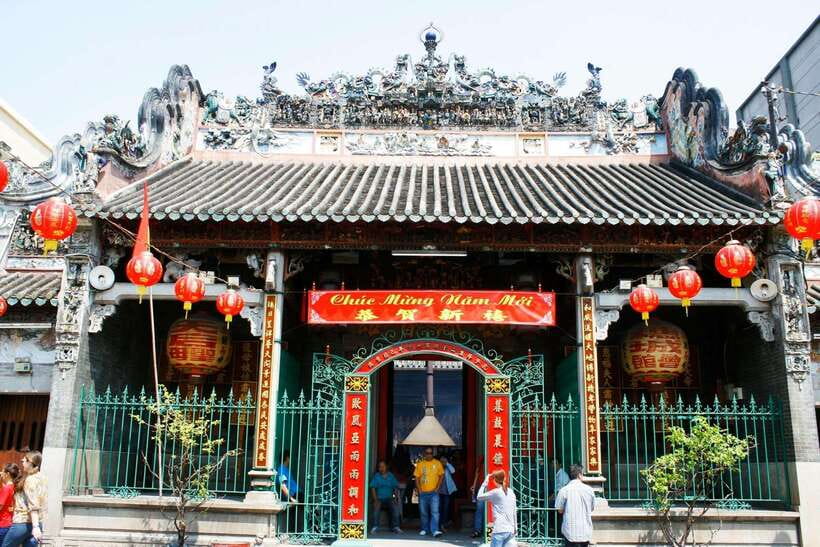
The first stop is Thien Hau Pagoda in Chinatown, also called Cho Lon in District 5. This is not just a quick landmark view. You get a guided visit and a short walk, which is exactly how you should approach a temple area: look first, then understand what you are seeing before you try to take photos.
You will hear it tied to Thien Hau, known as the Lady of the Sea, or Mazu. That matters because it shifts your attention from decoration to meaning. You start noticing the kinds of symbols and the atmosphere that make a place feel like a working religious site, not only a sightseeing stop.
This temple stop is also a useful contrast. Right after it, the tour shifts to more formal power and civic architecture. If you begin with Thien Hau Pagoda, you end up with a better sense of how Ho Chi Minh City layers influences: religious Chinatown traditions on one side, government and French-era structures on the other.
Practical tip: wear shoes you can walk in comfortably. Even a short guided walk can add up once you include temple steps, street crossings, and the usual stop-and-go city traffic.
Independence (Reunification) Palace: preserved rooms that make dates real
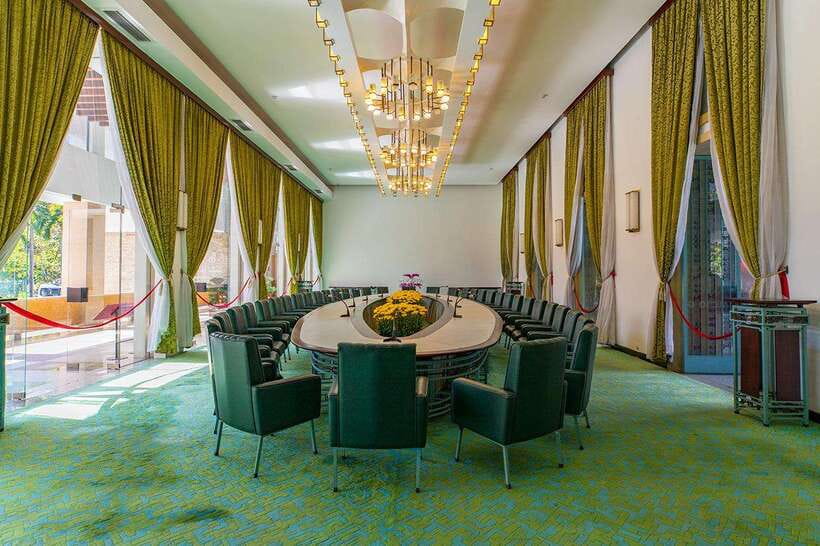
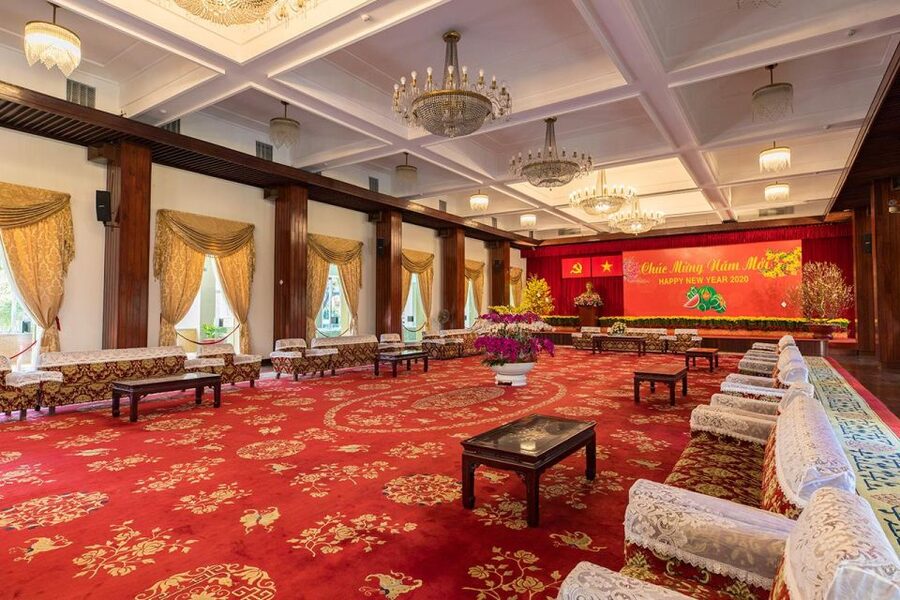
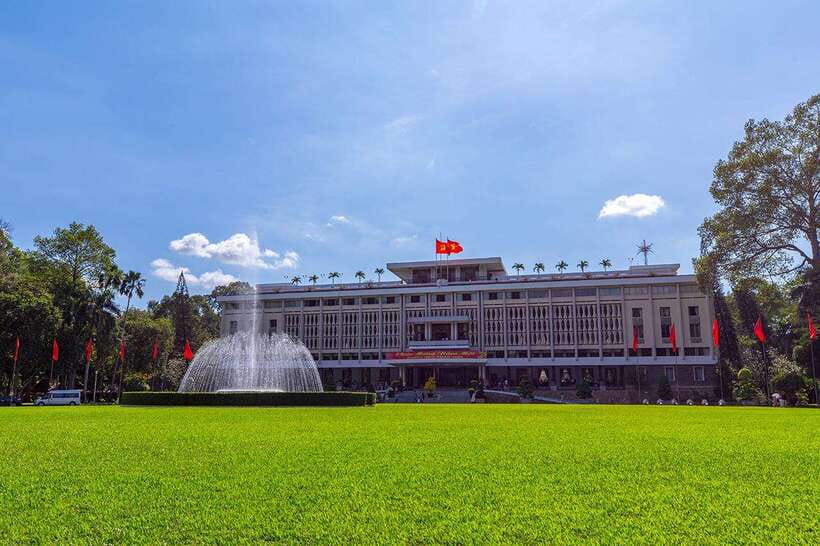
Next comes Independence Palace, also known for the period as the Reunification Palace, and it is one of the strongest reasons to choose this tour. This is a preserved palace that served as the residence of the President of the Republic of Vietnam during the 1960s and 1970s. Because it is preserved, you can connect the story you hear with actual rooms, layouts, and design choices.
The visit includes a guided tour and about an hour of time on site. That hour is the difference between skimming and really grasping the structure. You can see how the palace functioned as both living space and political space. If you have even a basic interest in Vietnam’s modern history, this stop usually clicks quickly.
One consideration: this palace is history-heavy and somewhat formal. If you hate guided tours that feel like a lecture, pick places where you can ask quick questions. The best guides keep the explanations tied to what you are standing in front of right now, not just a timeline flying overhead.
Further back into old Ho Chi Minh City
- From Ho Chi Minh: Cu Chi Tunnels Half-Day History Tour with Guide★ 5.0 · 480 reviews
- Saigon Afternoon City Historical Scooter Tour |Opt: Ao Dai Riders★ 5.0 · 466 reviews
- Saigon Unseen, History, & Hidden Gems Sightseeing Motorbike Tour★ 5.0 · 416 reviews
- Saigon Morning City Historical Scooter Tour w Ao Dai Rider option★ 5.0 · 349 reviews
- 6 Hours Historical Tour in Cu Chi Tunnel with Free Snack★ 5.0 · 312 reviews
Saigon Central Post Office and Notre-Dame Cathedral: colonial architecture with context
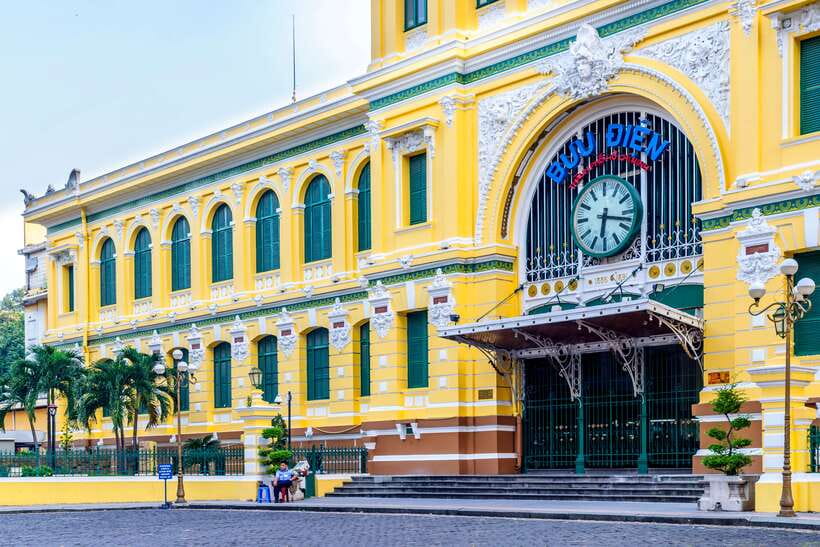
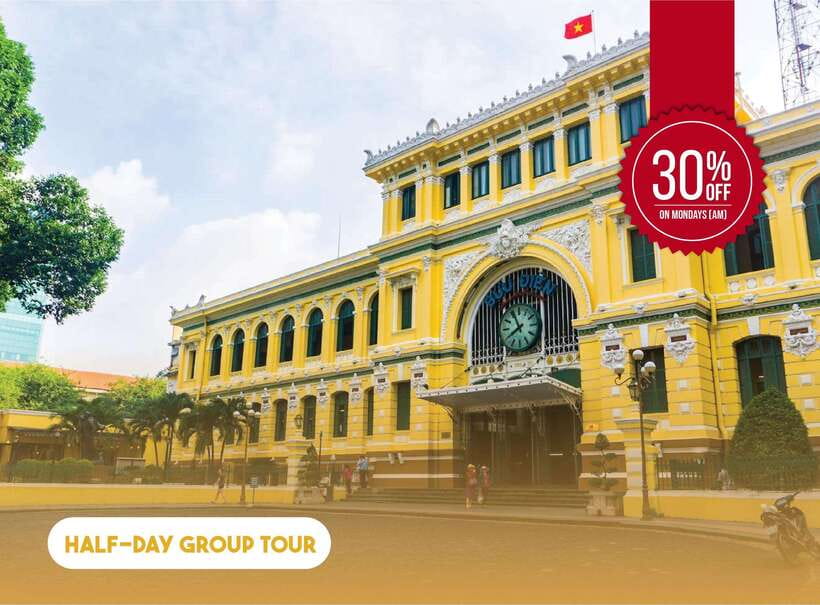
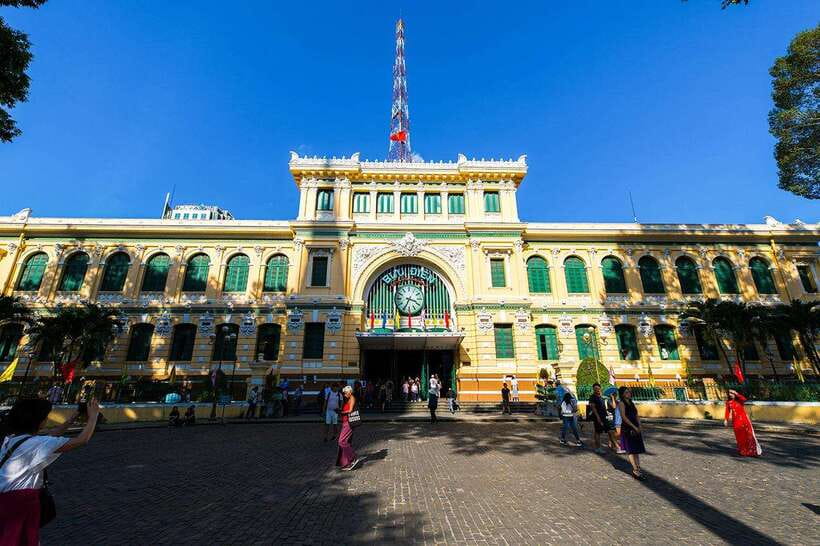
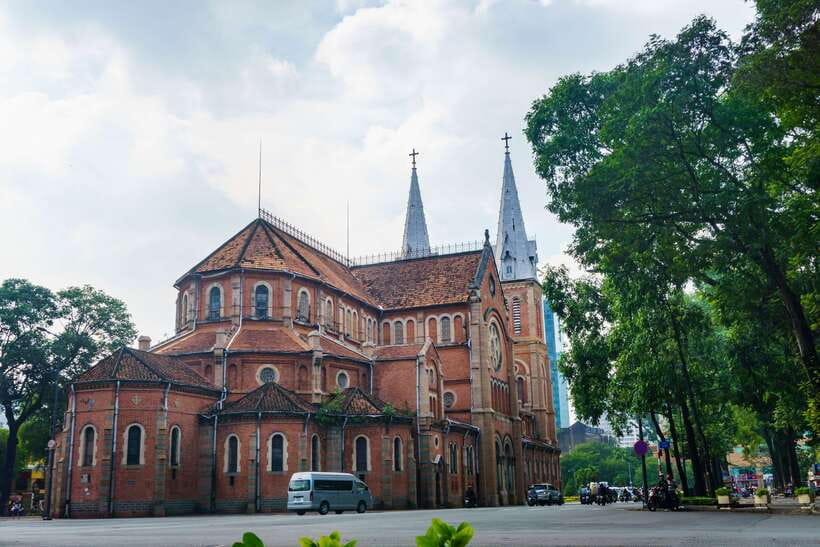
After the palace, the route brings you to the landmark zone that many first-time visitors recognize. You visit the Saigon Central Post Office, built between 1886 and 1891, and the Saigon Notre-Dame Cathedral, constructed in 1880. These are classic, easily photographed buildings—but a guided stop makes them more than postcard backdrops.
The central post office helps you understand how the city’s layout and public architecture grew during the French colonial era. The cathedral gives you the visual and symbolic contrast: a European-style church presence in a city that has its own spiritual and cultural traditions everywhere else.
The tour keeps these visits relatively short, with guided time and quick walks. That is good for a first round because it helps you register what these buildings are and where they sit in the city. Later, if you fall in love with one of them, you can come back and spend more time.
Practical tip: treat this area like a photo district. Keep your camera or phone ready, and then spend a minute after the guide’s explanation simply looking at details you might otherwise skip.
War Remnants Museum: powerful displays with a lot of weight
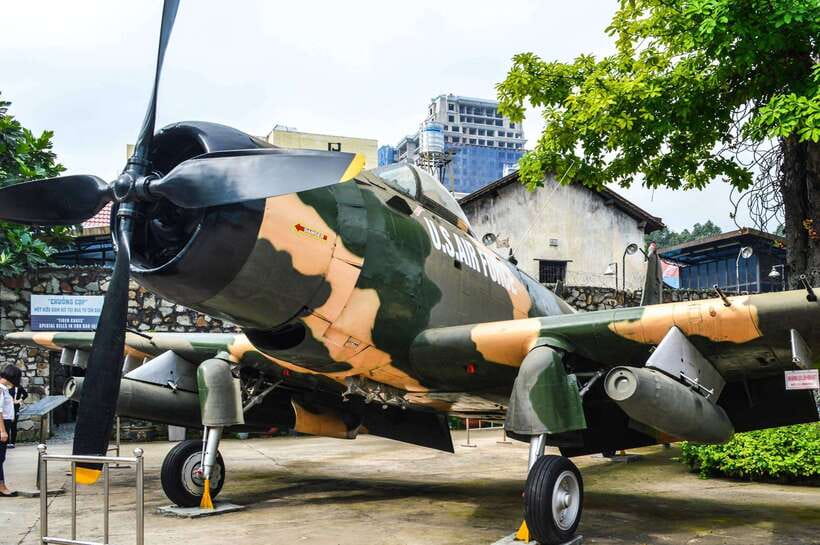
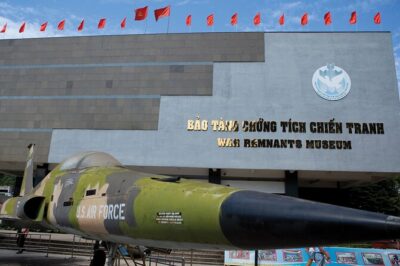
Then you hit the War Remnants Museum, and this is where the tour earns its seriousness. The exhibits are described as a vivid portrayal of the futility of war. That framing matters because it changes how you read the displays: it is not only about battles and facts. It is about consequence and human cost.
You get about one hour for the guided visit and sightseeing. For a museum, that is not a deep research session, but it is long enough to understand the major themes if your guide is clear and supportive. In several strong guide experiences, people appreciated how the guide explained the whole history in a way that made the places easier to understand and not just overwhelming.
Still, a heads-up: the content is heavy. If you are traveling with someone who prefers lighter activities, consider planning your own schedule around that reality. Even if you still want to see the museum, you might want extra downtime after the tour to decompress.
Sơn Mài Phương Nam lacquerware factory: watching craft happen, not just shopping
The final stop is Sơn Mài Phương Nam, a Vietnamese lacquerware factory where you can observe the intricate process of traditional lacquerware production. This is a great way to end because it pulls you out of history’s emotional weight and into something practical and artistic.
You will get guided touring time and about 25 minutes to watch the process. That is long enough to notice how the work is made, not long enough to turn your day into a full factory workshop. If you plan to buy something, you will usually be in a better position after seeing the steps—because you can connect what you see to why it takes time and skill.
One useful angle: lacquerware can look similar from far away when you are browsing markets. Watching the process gives you a reference point. You will know what to ask about, and you will be less likely to buy blindly.
If shopping is not your thing, that is okay. You can still enjoy the craft as a cultural window, like watching a living art form rather than searching for souvenirs.
Price and value at about $36: what you get for the money
At $36 per person for a roughly 4-hour tour, you are not paying just for transport. You are also covering entrance fees, hotel pickup and drop-off in several central districts, a live English guide, and bottled water. Travel insurance is included as well, and that is a smart bonus when you are stacking multiple paid sites into a single outing.
Where value shows up is in the list of places you hit in one go:
- War Remnants Museum
- Independence Palace
- Saigon Central Post Office
- Saigon Notre-Dame Cathedral
- Thien Hau Pagoda
- Lacquerware production observation
If you tried to stitch that together yourself, you would spend time figuring out routes, booking entry tickets, and managing your schedule. Here, the structure does that work for you.
The main extra cost is simple: personal expenses and optional gratuities. If you like the guide and service, gratuities are optional, not required.
Best for first-timers, history fans, and people who want structure
This tour fits best when you want a guided overview of Ho Chi Minh City without spending half your day planning. It is also a good choice if you want to understand how different parts of the city connect—French-era architecture, political history, religious Chinatown life, and traditional craft.
It also suits people who value explanations and clear pacing. The strongest reviews highlighted guides who were engaging and helped people learn the stories behind the sights, including English-speaking guides like Boa and hosts described through the names Hành and Quy, along with the supportive role of driver Nam. That mix of good guiding plus smooth logistics is what turns a list of attractions into something you actually remember.
Who might skip it:
- If you already know you want a deeper museum day at War Remnants Museum, you may prefer more time than a one-hour guided slot.
- If your schedule is flexible and you prefer solo wandering, this tour may feel a bit “planned.”
- If anyone in your group needs to travel with unaccompanied minors, note that unaccompanied minors are not allowed.
Should you book this Ho Chi Minh City history and culture tour?
If you are deciding whether to book, here is the practical test I use: do you want a fast, organized path through the city’s biggest stories? If yes, this tour is a strong fit.
You should book if:
- You want English guidance across several major landmarks.
- You like the idea of pairing the War Remnants Museum with architectural sights and finishing with a hands-on-by-observation craft stop.
- You want hotel pickup in central districts so your day starts easily.
You might skip or add time later if:
- You know the museum content will be too heavy without breathing room.
- You want longer independent time at one place, like Independence Palace or the museum.
One last note: the option to reserve and pay later, plus free cancellation up to 24 hours in advance, makes it easier to lock in your schedule while still keeping flexibility.
If you want a first-day orientation that feels real—history with context, not just names—this is the kind of half-day tour that saves you time and helps your next steps make sense.
FAQ
How long is the Ho Chi Minh City half-day history and culture tour?
The tour duration is listed as 4 hours.
Is there an English-speaking guide?
Yes. The tour includes a live tour guide in English.
What are the main stops on the tour?
The tour includes Thien Hau Pagoda, Independence Palace, Saigon Central Post Office, Saigon Notre-Dame Cathedral, War Remnants Museum, and a lacquerware factory at Sơn Mài Phương Nam.
Does the price include entrance fees and transportation?
Yes. Entrance fees and transfer and transportation as per the itinerary are included.
Where does hotel pickup and drop-off happen?
Hotel pickup and drop-off are included for hotels in Ho Chi Minh City Center, specifically District 1, 3, 5, 10, and Phu Nhuan.
Is travel insurance included?
Yes. Travel insurance is included.
Are unaccompanied minors allowed?
No. Unaccompanied minors are not allowed. The tour also states that every child must be accompanied by an adult, with specific child-to-adult limits.
The Districts, One by One





More Tours in Ho Chi Minh City

More Tour Reviews in Ho Chi Minh City
Just Reviewed Around Saigon
- Secret walking Food Tour Ho Chi Minh City
★ 5.0 · 3 reviews - Ho Chi Minh City: Secret Cocktail Experience
★ 5.0 · 3 reviews - From Ho Chi Minh city: Vung Tau Beach Private Day Tour
★ 5.0 · 3 reviews - Saigoncholon
★ 3.5 · 3 reviews - Saigon On 2 Wheels
★ 3.5 · 3 reviews - From Ho Chi Minh City: Relax In Mui Ne Beach In 1 Day
★ 4.3 · 3 reviews
Historical Tours, compared.
 ★ 5.0Cu Chi Tunnels Half-Day History Tour with GuideFrom $14480 reviews
 ★ 5.0Saigon Afternoon City Historical Scooter Tour |Opt: Ao Dai RidersFrom $25466 reviews
 ★ 5.0Saigon Unseen, History, & Hidden Gems Sightseeing Motorbike TourFrom $33416 reviews
 ★ 5.0Saigon Morning City Historical Scooter Tour w Ao Dai Rider optionFrom $25349 reviews
 ★ 5.06 Hours Historical Tour in Cu Chi Tunnel with Free SnackFrom $19312 reviews
 ★ 5.0Vung Tau Essential: Beach, Christ Statue & Colonial HeritageFrom $41284 reviews
 ★ 5.0Full-Day Ho Chi Minh City Tour with Colonial Heritage & ChinatownFrom $47246 reviews
 ★ 4.6Cu Chi Tunnels Guided Tour: Vietnam War History Half-DayFrom $16189 reviews
Browse the lists this tour appears in