
REVIEW · WAR HISTORY TOURS
Ho Chi Minh City: Hidden Bunker & Vietnam War – Free Walking Tour
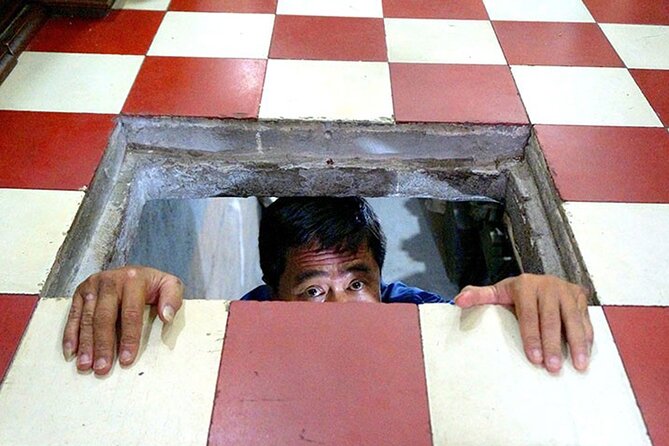
Saigon has a bunker story. This Ho Chi Minh City walk strings together war sites and standout downtown landmarks, so you get a clearer picture of the city than you would with a straight checklist. I especially like the Secret Weapons Cellar stop, because it’s the kind of Vietnam War detail most people miss, and the tour stays human-sized, with guides like Joseph who go out of their way to make things easier. One thing to plan for: not all entrances are included, so you’ll pay small extra fees at major stops and you’ll walk for about 2 to 3 hours.
What makes this tour work well for your first time in Saigon is the mix of big architecture, living faith, and hard history, all in one route. You also get a more personal rhythm thanks to the small group size (no larger than eight), plus the tour keeps things practical with a local English-speaking guide and a mobile ticket. The overall pace is manageable for most people, but you’ll still want comfy shoes and a bit of patience in busy downtown streets.
In This Review
- Key things I’d circle before you book
- Why this half-day Saigon walk feels more personal
- Price and logistics you should actually plan for
- Getting oriented at the start near 7-Eleven
- Secret Weapons Cellar: the Vietnam War underground
- The family stop: coffee, photos, and a human scale of history
- Thích Quảng Đức Memorial and protest history you can feel
- French Archbishop’s Palace complex and an old chapel story
- War Remnants Museum: what to prioritize in one hour
- Le Quý Đôn High School: French colonial education, changed by time
- Reunification Palace: the 1975 turning point
- Jade Emperor Pagoda: faith in the middle of the city
- Who this suits best (and who should skip)
- My take: should you book this walking tour
- FAQ
- Is this tour free
- How long is the tour
- How big is the group
- What’s included
- Which admissions cost extra
- Where do you meet and where does it end
- Is there a vegetarian option
- Can I cancel for free
- Is the ticket mobile
Key things I’d circle before you book
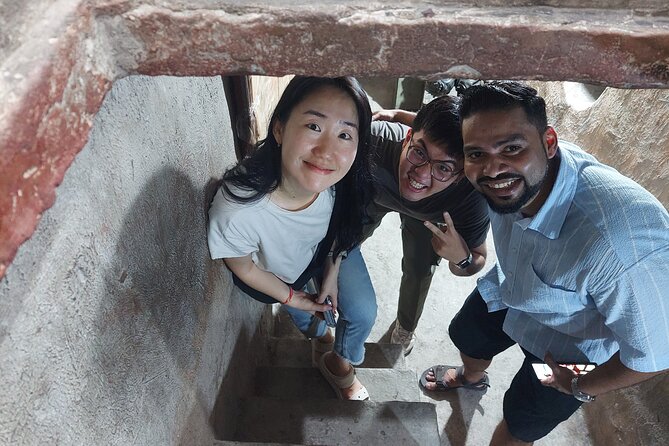
- Secret Weapons Cellar stop with an entry ticket included, typically lasting about 20 minutes
- Family-style “Vietnam Tourist Guide” visit, where you hear stories over coffee in a real home setting
- Thích Quảng Đức Memorial as a moving checkpoint tied to Buddhist protest history
- French-era architecture including Saigon’s old chapel complex (Tòa Tổng Giám Mục Sài Gòn)
- War Remnants Museum time built into the tour flow for a focused look, not a rushed stop
The war years, told through Saigon streets and museums


Why this half-day Saigon walk feels more personal
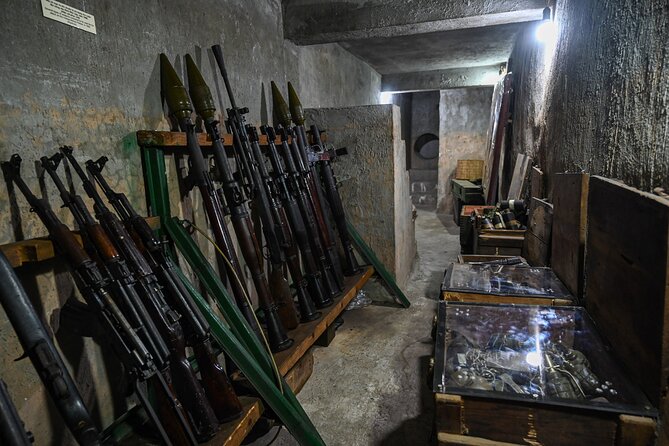
If you’ve ever done a “hit all the sights” tour and felt like you were sprinting through photos, this one is different. It’s designed around an intimate group size (eight or fewer), which matters in Ho Chi Minh City because questions get answered on the spot and you’re not shoved along in a crowd.
The route also makes sense. You’re guided through downtown’s colonial-and-post-colonial face—then you step into sites that explain why those buildings and streets matter. The tour includes stops that cover religion, political protest, and the Vietnam War’s aftermath, so you don’t just look at the city; you understand the context behind what you’re seeing.
I also appreciate that the experience includes a less-touristy family visit. That one segment helps the war-and-politics theme feel grounded in daily life, instead of only museum walls and memorial plaques.
Price and logistics you should actually plan for
The booking price shown is very low, but the operating model is tips-only, so expect your real cost to come from tips plus any entrance fees that aren’t included. The Weapons Cellar entrance is covered, but War Remnants Museum has an extra admission fee of $2 per person. The Independence Palace admission fee is also not included, though the exact amount isn’t listed in the info I have.
Timing is built around a short walk—about 2 to 3 hours—which is ideal if you’re trying to fit Saigon orientation into a tight schedule. The start point is at a 7-Eleven on Tôn Thất Tùng in District 1, so it’s easy to find and you’re already in the core area. The tour is also described as being near public transportation, which helps if you don’t want to rely on taxis for the whole morning or afternoon.
One more practical note: you’ll get a mobile ticket, which simplifies check-in.
Getting oriented at the start near 7-Eleven
You meet at 7-Eleven, 23 Tôn Thất Tùng (Phường Phạm Ngũ Lão), Quận 1. That’s a smart choice because you’re in District 1, close to a lot of what you’ll be seeing—so the tour isn’t starting you miles away from the story.
From the first minutes, you’ll see why this tour is built for getting your bearings fast. Your guide sets the tone by linking place to event—so even when you’re staring at ordinary-looking streets, you’re learning what happened around them.
If you’re arriving from a cruise or you need a bit of a buffer, plan ahead. In one standout example, Joseph (one of the guides) helped by arranging transfers and even lending money when the group had no Dong at the start. Not every guide will do that exact thing, but it’s a good signal: this is a guide-led experience that responds to real-life hiccups.
Secret Weapons Cellar: the Vietnam War underground
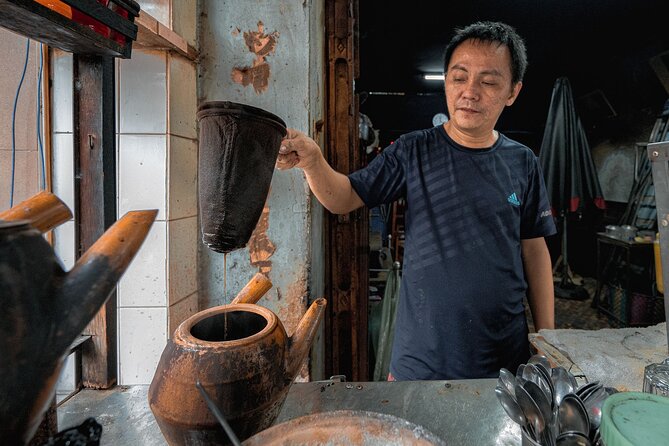
The first stop is the Saigon Secret Weapons Bunker, sometimes described as a “weapons cellar.” It’s one of those places that forces you to slow down and think about the war from the perspective of people who had to improvise.
Because the entry ticket is included, you can focus on the interpretation instead of haggling over costs. Expect the visit to last around 20 minutes, long enough to get the story without turning it into a lecture marathon.
What I like about this stop is how it shifts your lens. A lot of Vietnam War content in Vietnam happens at large memorial sites or big museums. Here, you’re getting a more behind-the-scenes feel: the engineering, the secrecy, the resourcefulness. It’s also a reminder that history in Saigon isn’t only in documents—it’s built into the city’s layers.
Potential drawback: it’s an indoor/underground-style experience, so if you’re sensitive to tight spaces or uneven surfaces, take that into account and wear shoes you can trust.
On foot through the old quarters and alleys
- Super Niche Walking Street Food Tour in Ho Chi Minh City★ 5.0 · 1,636 reviews
- Saigon Night Bites on Foot: Local Vendors, Stories & Sweet Finish★ 5.0 · 701 reviews
- Ho Chi Minh City: Walking Food Tour with 13 Tastings★ 5.0 · 469 reviews
- Ho Chi Minh City: Super Niche Walking Street Food Tour★ 5.0 · 438 reviews
- Ho Chi Minh City: Private Street Food Evening Walking Tour★ 5.0 · 436 reviews
The family stop: coffee, photos, and a human scale of history

Next comes Vietnam Tourist Guide, where you step off the “tour path” and into the guide’s family space. This stop is about photos on the wall and stories shared over coffee—simple, direct, and personal.
It lasts about 20 minutes and the admission is free. That makes it easy to accept as a natural pause in a walking tour. You’ll likely learn how the guide thinks about the city and how daily life ties back to bigger historical events.
Why this works: it bridges the gap between official narratives and lived experience. Even if you don’t catch every detail, you’ll walk away with a sense of how people in Ho Chi Minh City talk about the past—through family memories, not just plaques.
Thích Quảng Đức Memorial and protest history you can feel
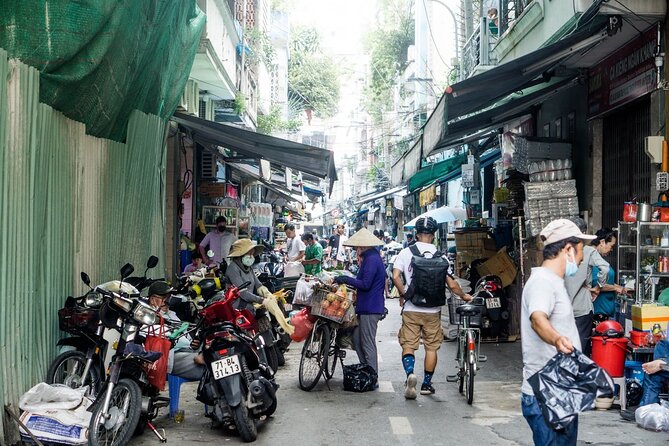
A quiet but powerful stop follows: the Thích Quảng Đức Memorial. You’ll learn about the Buddhist monk Thích Quảng Đức, known for self-immolation in protest against the Vietnam War. The theme here is moral courage and the way faith can become political.
This stop is around 20 minutes and is free. It’s also a good pacing choice because it interrupts the louder architecture sightseeing with something slower and more reflective.
If you’re visiting during a hot part of the day, bring water or plan a quick sip break—this kind of memorial moment rewards patience. Also, the topic is emotionally heavy, so it’s fine if you want to keep your phone away and just absorb the explanation your guide gives.
French Archbishop’s Palace complex and an old chapel story
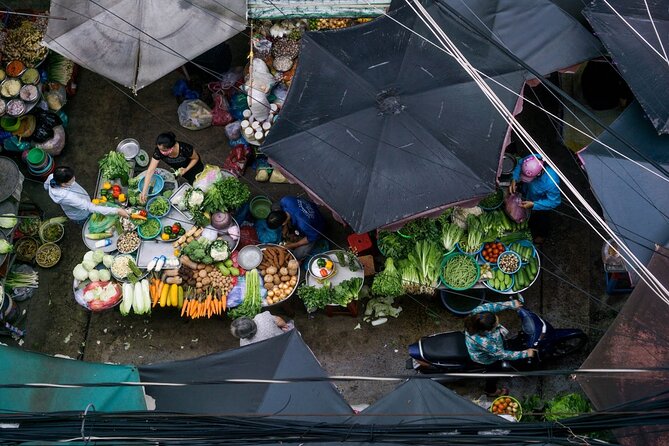
Then you reach the Tòa Tổng Giám Mục Sài Gòn, located in the French Archbishop’s Palace. This is where the tour turns into architecture spotting with a story attached.
It’s described as one of the city’s oldest buildings, with a chapel built for Lord Nguyen Anh in 1790—12 years before he became Emperor Gia Long, the first emperor of the Nguyễn dynasty. That timeline detail is the kind of thing you’d never pick up just wandering on your own.
The stop is short, about 10 minutes, and free. It’s worth it because you’re not only looking at tile and old stone; you’re learning how power and faith got physically expressed in Saigon.
Quick consideration: since it’s a brief architectural stop, keep your attention on your guide’s explanation rather than trying to take every angle photo.
War Remnants Museum: what to prioritize in one hour
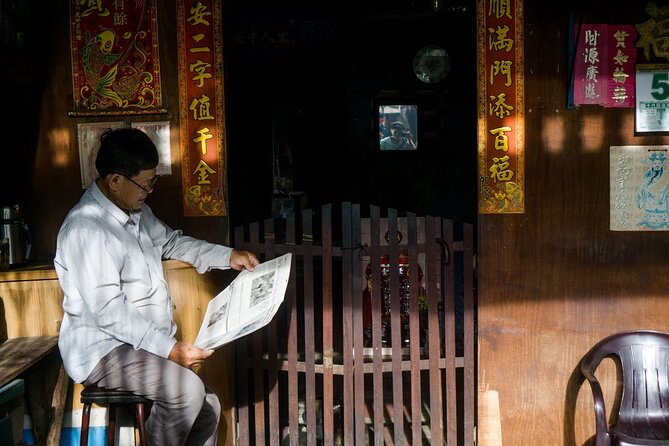
The biggest weight of the tour lands at the War Remnants Museum. It’s built into the schedule for about 1 hour, but you’ll pay the entrance fee separately (not included; listed as $2 per person for the museum).
One helpful way to use this hour: focus on your guide’s suggested topics—often it’s easier to notice patterns when you’re watching for themes instead of trying to read everything in one pass. You’ll see haunting exhibits, photographs, and military artifacts that explain the war’s impact and the consequences that lasted long after fighting stopped.
This is not the place to rush. Give yourself permission to feel unsettled. If you’re on a tight itinerary, this stop can still fit, but try not to plan a long museum detour right after it.
Potential drawback: because it’s heavy subject matter, people sometimes find it emotionally draining. If you’re traveling with kids, you might want to judge readiness in advance.
Le Quý Đôn High School: French colonial education, changed by time
After the museum, you’ll make a quick stop at Lê Quý Đôn High School. This is described as the first French colonial school in Saigon, established during the French occupation.
The stop is about 10 minutes and free, so it works as a short “context switch.” Even though it’s not an eye-catching attraction like a palace or cathedral, it helps explain how colonial rule shaped everyday institutions—education included—and how Vietnamese and French influences started blending over time.
If you like history through systems (schools, bureaucracy, cities), this stop lands well. If you only want the most famous landmarks, you might treat it as a brief intermission.
Reunification Palace: the 1975 turning point
Then you’ll walk to the Independence Palace (also called the Reunification Palace). This stop is around 10 minutes and the admission fee is not included.
This is the place where the Vietnam War effectively ended in 1975, and it was once the presidential home and command center. Today it’s preserved as a symbol of reunification, including preserved rooms and a rooftop helipad—details that make it feel like a time capsule rather than just a building.
Why it’s valuable on a walking tour: it gives you a clean, concrete endpoint to the day’s war-related theme. You start with underground wartime reality, you pass memorial protest history, you see the museum’s aftermath—then you end with the place where the political endgame happened.
Potential drawback: if you want to tour the interior rooms slowly, 10 minutes can feel tight. This tour keeps it quick so you can complete the route in one stretch.
Jade Emperor Pagoda: faith in the middle of the city
Your tour also includes time at the Jade Emperor Pagoda for a look at Vietnamese religious life. The inclusion matters because it adds a different kind of Saigon story to the war-heavy stops.
Even if you don’t know the traditions ahead of time, a good guide will help you notice what’s going on—who’s visiting, what the space feels like, and how the pagoda fits into daily culture. This stop is a nice reset after the museum and memorial themes, bringing you back to the present.
One thing to plan for: pagodas are places of worship, so keep your behavior respectful and avoid treating it like a photo set.
Who this suits best (and who should skip)
This tour is a strong choice if you want a first-time Saigon orientation that doesn’t stay polite and shallow. You’ll get both famous landmarks and the less-obvious war narrative through the Secret Weapons Cellar and War Remnants Museum.
It’s also a good fit if you like guide-led conversation—especially the family-style stop—because the route is structured to leave room for stories, not just scenery.
You might want to pick another option if you:
- hate museum-type content about war and protests
- want only the most famous photo stops with minimal walking
- need long time inside major sites, because some key locations are kept short
My take: should you book this walking tour
I’d book this if you want your downtown time to mean something. The Secret Weapons Cellar and War Remnants Museum give you the war layer, the Thích Quảng Đức Memorial adds protest context, and the colonial-era building stops keep you oriented in Saigon’s physical evolution.
Just go in prepared: you’ll likely pay small entrance fees for at least the museum, and the tour covers enough ground that shoes matter. If you want a tidy, small-group guide experience with real conversation and practical storytelling, this one is a smart way to start in Ho Chi Minh City.
FAQ
Is this tour free
The experience is described as tips-only, meaning you don’t pay a set tour price for the guide. You may still pay separate admission fees at certain sites.
How long is the tour
It runs about 2 to 3 hours.
How big is the group
It’s capped at no larger than eight travelers for the guided group experience, and the overall tour has a maximum of 20 travelers.
What’s included
You get a local expert fluent in English, and the tour operates on a tips-only basis. The Secret Weapons Cellar admission ticket is included.
Which admissions cost extra
Admission fees for the Weapon Bunker (Secret Weapons Cellar) and the War Remnants Museum are listed as $2 per person, while the Independence Palace admission is not included.
Where do you meet and where does it end
You start at 7-Eleven at 23 Tôn Thất Tùng in District 1, and the tour ends at Independence Palace near Ben Thanh, District 1.
Is there a vegetarian option
Yes. A vegetarian option is available if you advise at the time of booking.
Can I cancel for free
Yes, free cancellation is available. You can cancel up to 24 hours in advance of the experience start time for a full refund.
Is the ticket mobile
Yes, the tour uses a mobile ticket.
More Tour Reviews in Ho Chi Minh City




Saigon on Foot, Continued




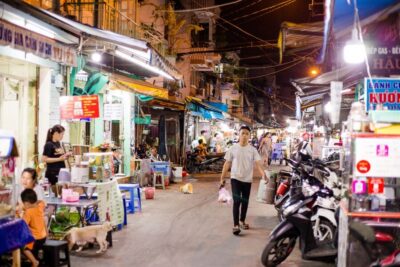
The War Years, Up Close
Just Reviewed Around Saigon
- Secret walking Food Tour Ho Chi Minh City
★ 5.0 · 3 reviews - Ho Chi Minh City: Secret Cocktail Experience
★ 5.0 · 3 reviews - From Ho Chi Minh city: Vung Tau Beach Private Day Tour
★ 5.0 · 3 reviews - Saigoncholon
★ 3.5 · 3 reviews - Saigon On 2 Wheels
★ 3.5 · 3 reviews - From Ho Chi Minh City: Relax In Mui Ne Beach In 1 Day
★ 4.3 · 3 reviews
War History Tours, compared.
 ★ 5.0Adventure Cu Chi Tunnels: Vietnam War Underground Network AM/PMFrom $132,726 reviews
 ★ 5.0Cu Chi Tunnels Half-Day Tour: Vietnam War Underground NetworkFrom $232,587 reviews
 ★ 5.0Cu Chi Tunnels Half-Day Tour: Big Group Vietnam War ExperienceFrom $192,386 reviews
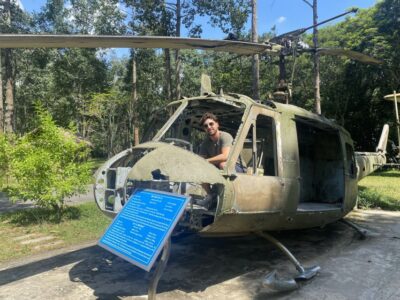 ★ 4.7War Remnants Museum & Independence Palace Walking TourFrom $9237 reviews
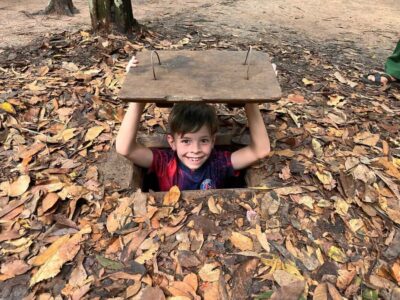 ★ 4.6Cu Chi Tunnels Guided Tour: Vietnam War History Half-DayFrom $16189 reviews
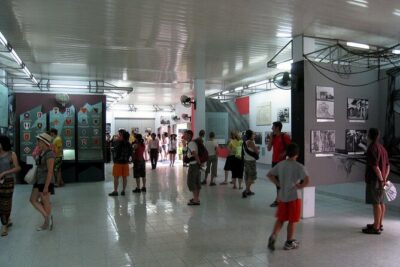 ★ 4.5War Remnants Museum – Ho Chi Minh City Half Day ToursFrom $3988 reviews
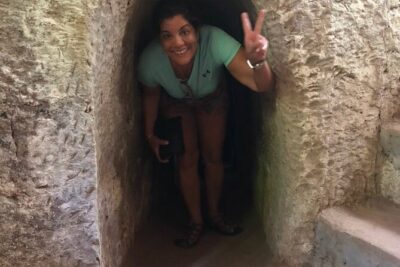 ★ 5.0Cu Chi Ben Duoc Tunnel & War Museum – Original, Less TouristyFrom $2780 reviews
 ★ 5.0Cần Giờ Eco-Tour with Monkeys, Crocs & War HistoryFrom $3259 reviews
Browse the lists this tour appears in