
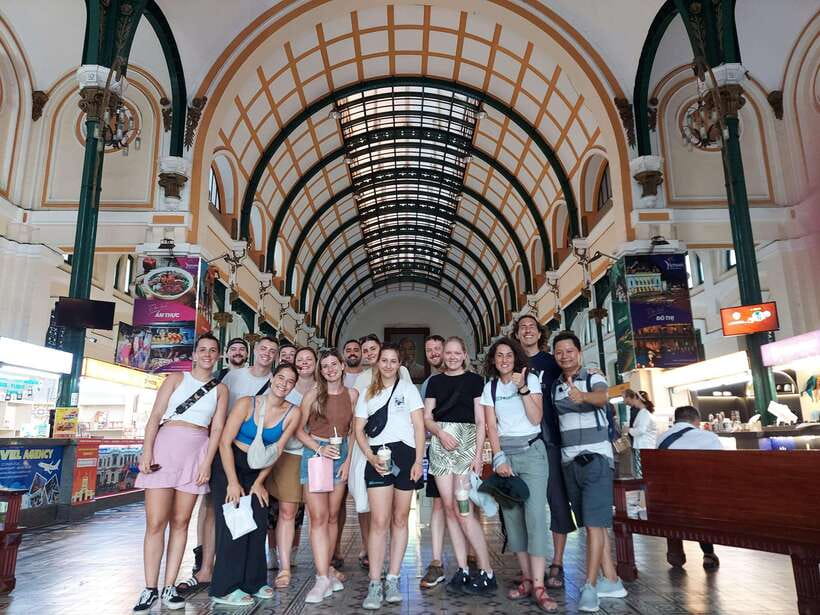
REVIEW · HO CHI MINH CITY WALKING TOURS
Ho Chi Minh City: Highlights & Hidden Gems Walking Tour
Saigon history walks with you. In about 2.5 hours, this guided walk connects the big sights of Ho Chi Minh City with quieter streets, so you leave with a real sense of how the city grew.
What I like most is the mix: major French-era buildings side by side with everyday neighborhood life like the old market and local café culture. I also like that the guides keep the pace human; Joseph (and guides like Van and Little Trung) are specifically praised for clear explanations, good humor, and working in breaks in shady spots or air-conditioned pauses.
One thing to consider: it’s a tip-based tour, so your total cost depends on what you give the guide at the end, and the walk can be warm and busy around the center.
In This Review
- Key things to know before you go
- Getting Oriented at Bitexco Financial Tower
- ASEAN Flags and the State Bank: Where the City Tells Its Nation Story
- Chợ Cũ Tôn Thất Đạm Old Market: Watch Local Life Up Close
- Nguyen Hue Walking Street Photo Moment: The City’s Main Stage
- Ho Chi Minh City Hall and the Municipal Theatre: French Power, Visual Clues
- 22 Lý Tự Trọng and War-Era Landmarks: Saigon’s Tough Chapters
- Notre-Dame Cathedral and the Central Post Office: French Icons You Can Actually Read
- Finish on Ho Chi Minh City Book Street: A Calm Landing After the Noise
- Timing, Walking Comfort, and How the Guide Sets the Pace
- Price, Tips, and Whether the Cost Matches the Value
- Who This Walking Tour Is Best For
- Should You Book This Ho Chi Minh City Walking Tour?
- FAQ
- Where does the tour start?
- How long is the walking tour?
- What language is the guide?
- Is there a fixed ticket price?
- Does the tour include entry or ticket lines?
- Is it wheelchair accessible?
- What happens at the end of the tour?
- Who should avoid booking?
- What’s the cancellation window?
Key things to know before you go
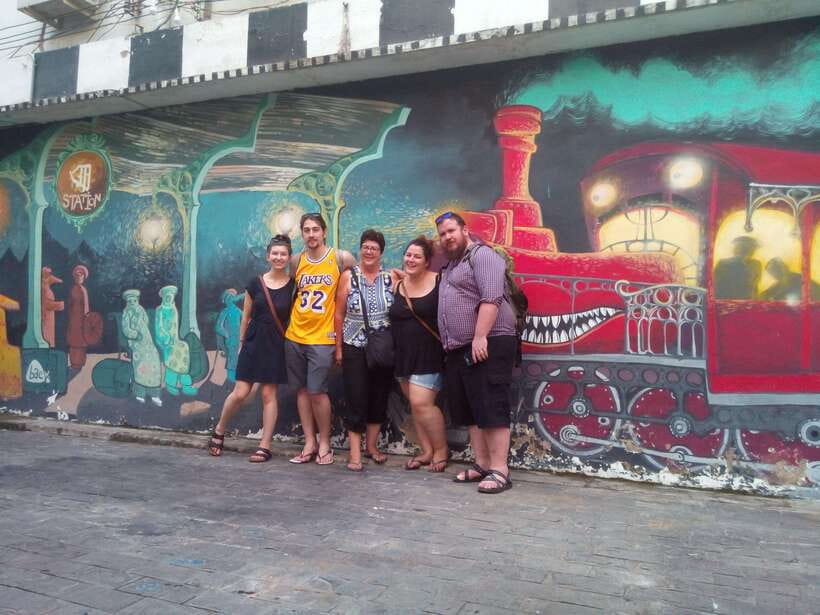
- Start at Bitexco Financial Tower for an easy, central meeting point
- History in walking chunks: banks, markets, and landmark architecture without long transit breaks
- A real café stop culture instead of only photo ops
- Old-market time (including Chợ Cũ Tôn Thất Đạm) for sights, smells, and local buying habits
- Breaks built in with shaded/rest spots and chances to grab drinks or snacks
- Finish near Book Street for an easy wind-down after the sightseeing
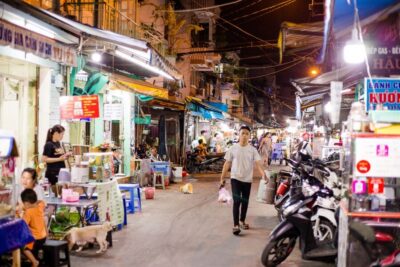
On foot through the old quarters and alleys




Getting Oriented at Bitexco Financial Tower
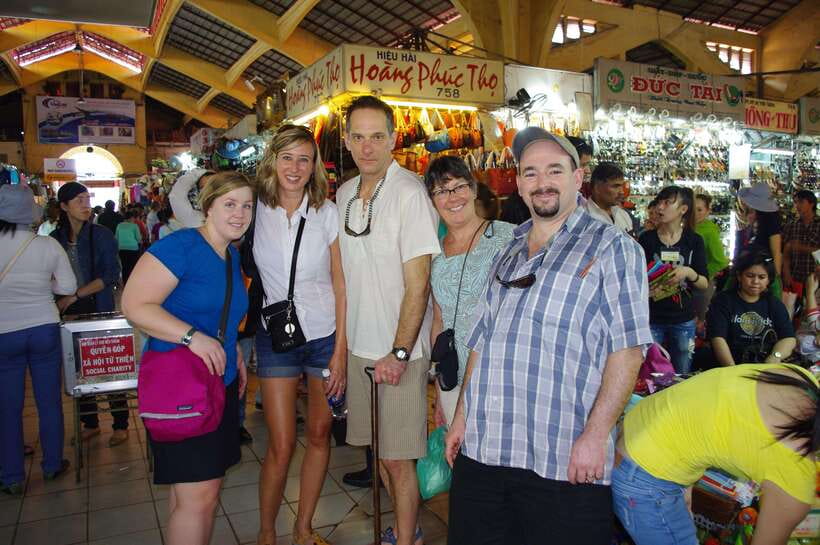
I like tours that get you oriented fast, and this one starts at the Starbucks outside Bitexco Financial Tower. That matters on arrival day, because you don’t have to hunt down a confusing address in the middle of traffic.
From the first steps, you’re not just moving from one landmark to the next. You’re learning a timeline. The guide frames the route as Saigon’s layers—colonial planning, wartime scars, and what life looks like today in the streets between the monuments.
If you want an easy first impression of Ho Chi Minh City, this is a smart move. You’ll cover a lot of ground without feeling like you’re speed-running photos.
ASEAN Flags and the State Bank: Where the City Tells Its Nation Story
Early on, you stop to see the Flags of ASEAN Nations. It sounds simple, but it’s a good way to set context. The tour isn’t only about old buildings; it’s also about how modern Vietnam positions itself regionally.
Then you head to the State Bank of Vietnam – HCMC Office for guided time. The value here is the framing: banking and government architecture are physical reminders of how power and policy show up in the city’s design. You’ll learn what you’re looking at, not just that it’s there.
Practical tip: this early stretch is a good moment to ask questions. Ask how the city changed from the French period to the 20th century wars and beyond. When the guide is actively telling the story, you’ll catch details you might miss if you’re on your own.
Chợ Cũ Tôn Thất Đạm Old Market: Watch Local Life Up Close
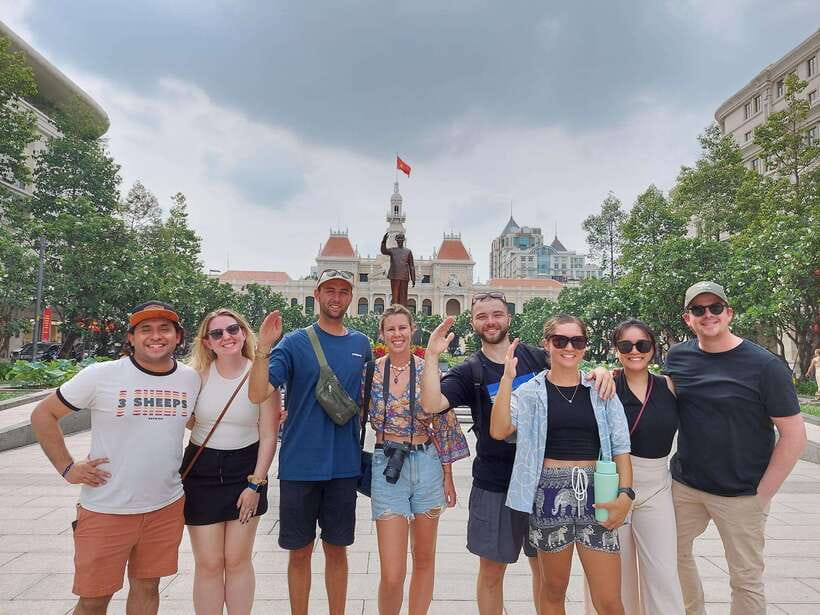
One of the stops that really changes the tour from sightseeing into real observation is Chợ Cũ Tôn Thất Đạm, an old market area. You spend around 20 minutes there with a guide, which is long enough to notice patterns.
Here’s what you’re likely to experience: food and small daily purchases, vendors setting up, and the kind of sensory overload that makes markets worth visiting. The guide will help you interpret what you’re seeing, like why certain stalls matter and how market streets fit into the wider city.
This is also where you’ll get a taste of how Ho Chi Minh City eats. In past tour experiences tied to this route, guests highlight snack moments like fried banana, and the guide’s knack for picking good places to stop. Even if you’re not a huge foodie, you’ll come away understanding daily rhythms more than you would from looking at buildings alone.
Nguyen Hue Walking Street Photo Moment: The City’s Main Stage
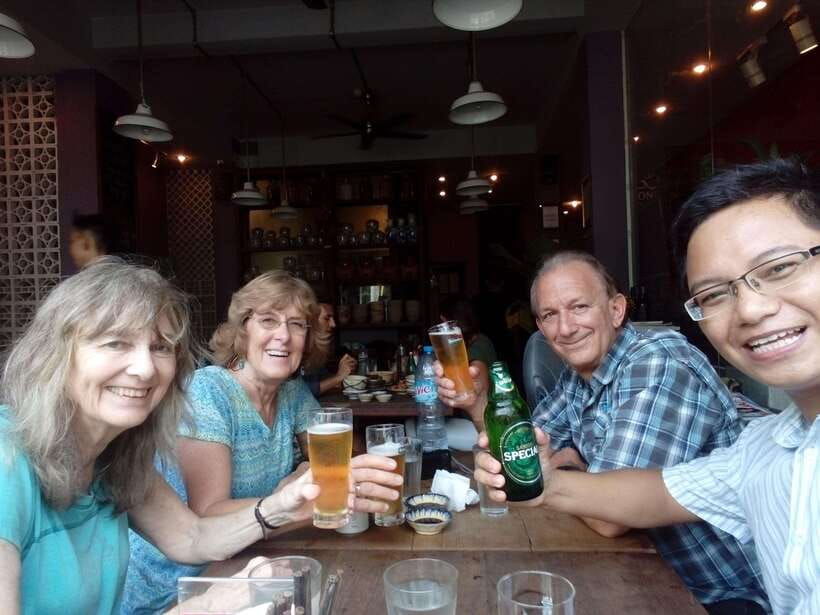
Next you get a photo stop at 42 Đ. Nguyễn Huệ. This is your quick shot of the big pedestrian energy of central Ho Chi Minh City. Even if you don’t linger, it’s a useful contrast after the older market lanes.
I like this section because it reminds you that the city isn’t frozen in “French colonial” or “wartime history.” There’s a current-life layer—shops, people, movement. The guide uses it to connect the architectural story to modern street life.
If you’re visiting for the first time, this is the kind of stop that helps you stop thinking in “attractions” and start thinking in “neighborhoods.”
A couple more Saigon streets to cover on foot
- Ho Chi Minh City: Super Niche Walking Street Food Tour★ 5.0 · 438 reviews
- Ho Chi Minh City: Private Street Food Evening Walking Tour★ 5.0 · 436 reviews
- Ho Chi Minh: Original Walking Street Food Tour with Foodies★ 5.0 · 379 reviews
- Ho Chi Minh City: Walking Tour with Local Guide★ 4.8 · 363 reviews
- Ho Chi Minh City private walking tours with young local volunteers★ 5.0 · 326 reviews
Ho Chi Minh City Hall and the Municipal Theatre: French Power, Visual Clues
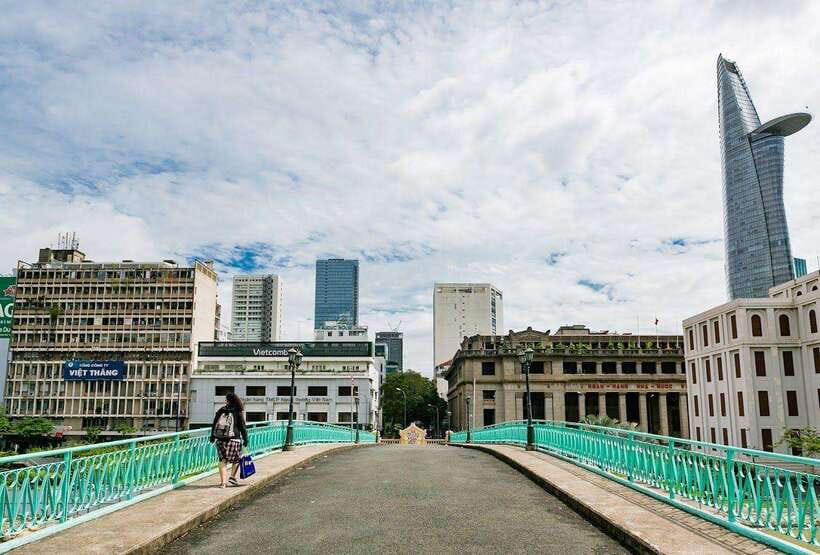
You’ll move into the heart of the political and cultural core, including Ho Chi Minh City Hall and the Municipal Theatre. These are the kinds of buildings where it’s easy to take a quick photo and walk on. With a guide, the stops become more useful.
The theatre area is especially good for noticing details: French-era proportions, design choices made to project permanence, and why these buildings sit where they do. The guide ties it back to how Saigon was shaped during French colonization and how those decisions still echo in today’s city layout.
If you enjoy architecture, you’ll probably slow down here. If you don’t, you’ll still get value because the guide points out what you should be looking at so you don’t miss the story hiding in plain sight.
22 Lý Tự Trọng and War-Era Landmarks: Saigon’s Tough Chapters
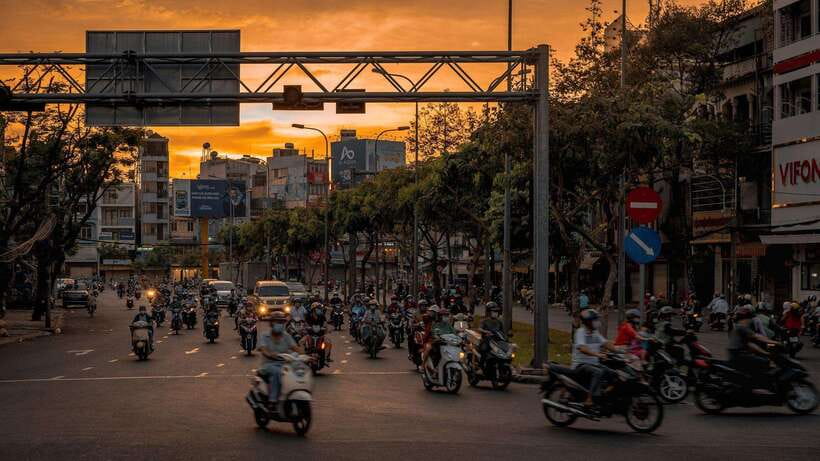
The tour includes a guided stop at 22 Lý Tự Trọng, plus time at the former CIA building area as part of the broader wartime narrative. This is where the tour turns from style and streets into something heavier.
I appreciate that the guide doesn’t treat war history like trivia. The route is structured so the buildings and street locations explain how conflict and foreign involvement played out in the city’s space.
You may also hear broader references that connect to how outsiders described wartime Saigon. In guided experiences linked to this route, guests have specifically mentioned seeing iconic hotel buildings like Rex Hotel from street level, which helps the history feel real instead of textbook-abstract.
Tip: if you’re sensitive to intense history, tell your guide early. A good guide will adjust pacing without skipping the key points.
Notre-Dame Cathedral and the Central Post Office: French Icons You Can Actually Read
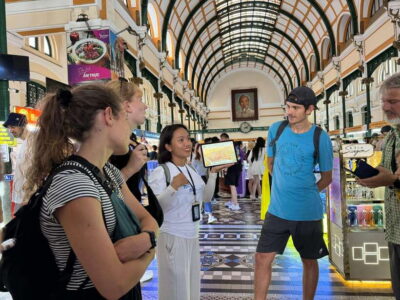
The walk culminates in a classic one-two: Saigon Central Post Office and Notre-Dame Cathedral. These aren’t just famous names. They’re major visual anchors of the French colonial period, and the guide helps you notice the design logic.
I like this portion because it teaches you a simple skill: when you see a colonial-era structure, ask what it was meant to do—administration, communication, ceremony. The Central Post Office is especially good for that. Once you understand its role, you’ll start spotting how communication infrastructure tied into the whole colonial city plan.
The guided time is short, but it’s enough to get the “why” behind the “wow.” Then you move toward the finish area.
Finish on Ho Chi Minh City Book Street: A Calm Landing After the Noise
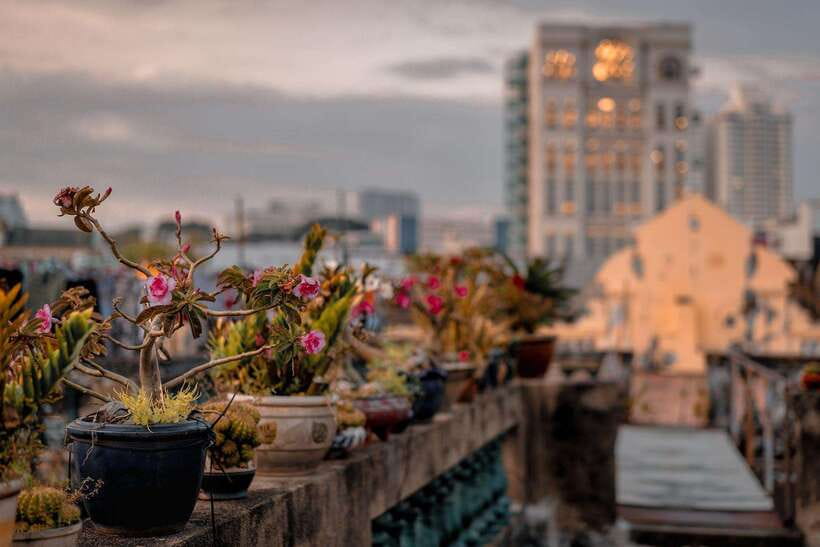
The tour ends at Ho Chi Minh City Book Street. I like finishing here because it gives you a mental reset. After hours of honking motorbikes, street scenes, and landmark façades, it’s a gentler place to walk, browse, and decompress.
It also gives you an easy next step. If you want to keep exploring, you’re already in a central zone where it’s simpler to find cafés, shade, and your next transport option.
Even if you don’t buy anything, it’s a good final stop for turning “saw a bunch of things” into “I understand this city better.”
Timing, Walking Comfort, and How the Guide Sets the Pace
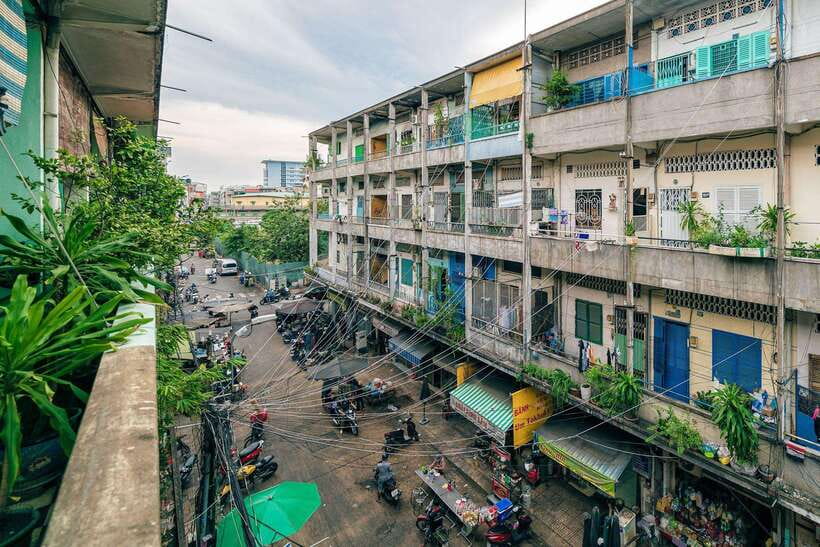
This tour runs about 2.5 hours, which is the right length for a first pass. You cover a lot without turning it into an all-day grind.
From guided experiences associated with this route, a standout theme is how guides manage the human side of walking in Saigon heat. Guides like Van are specifically praised for sensing the group mood and building in rest time. That can mean shady pauses and air-conditioned breaks, plus time to buy drinks or a snack.
That’s a big deal for practical value. A tour that forces you to power through sweaty streets is less fun, and you remember less. Here, the pacing is designed so you can actually take in what you’re seeing.
Practical comfort note: wear shoes you trust. Even with breaks, you’ll be walking on real city sidewalks and crossing busy streets.
Price, Tips, and Whether the Cost Matches the Value
The listed price shows $0.60 per person, but this is a tip-based tour. That means your true cost is what you tip at the end.
Based on the tour’s guidance, many guests give $10 to $50 depending on satisfaction and budget. That wide range matters: it lets you tailor the tour to how much you value the guide.
Here’s how I’d think about value:
- If you’re the type who asks questions, takes notes mentally, and likes context, tipping on the higher side feels fair because you’re paying for interpretation, not just movement.
- If you want a quick overview and you don’t interact much, tipping still matters, but you can choose a number that fits your budget.
Also, the tour includes benefits that protect your time: skip the ticket line and follow a route that’s paced so you don’t spend the whole time searching for the next stop.
Who This Walking Tour Is Best For
This tour is a strong fit if:
- You’re short on time and want a structured route across the city center
- You like history that connects to street-level places, not only museums
- You want an English guide to explain what you’re looking at and help you ask better questions
- You prefer walking plus smart breaks over long vehicle rides
It may feel less ideal if:
- You dislike walking in busy central streets
- You want total flexibility to skip stops on your own schedule (this is guided, so it follows its plan)
Should You Book This Ho Chi Minh City Walking Tour?
If you’re in Ho Chi Minh City for a first visit and you want a quick, guided way to understand both the famous landmarks and everyday city life, I’d book this. The reason is simple: you get context while you walk, plus breaks that make it realistic in heat.
My final advice: bring comfortable shoes, be ready for street noise, and plan to tip your guide in a way that matches the value you received. If you do that, this tour is an efficient way to get oriented and leave with a Saigon story that actually makes sense.
FAQ
Where does the tour start?
You meet outside the main entrance of Starbucks Coffee at the Bitexco Financial Tower.
How long is the walking tour?
The duration is about 2.5 hours.
What language is the guide?
The tour includes a live English-speaking guide.
Is there a fixed ticket price?
No. It’s tip-based, meaning there is no set price. You tip your guide at the end, typically between $10 and $50.
Does the tour include entry or ticket lines?
It includes skip the ticket line.
Is it wheelchair accessible?
Yes, the tour is listed as wheelchair accessible.
What happens at the end of the tour?
The tour finishes at Ho Chi Minh City Book Street (and the activity info also indicates it ends back at the meeting point).
Who should avoid booking?
It is not suitable for babies under 1 year old, and not suitable for people over 95 years old.
What’s the cancellation window?
You can cancel up to 24 hours in advance for a full refund, and it’s free cancellation based on that window.
More Tours in Ho Chi Minh City





More Tour Reviews in Ho Chi Minh City
Saigon on Foot, Continued
Just Reviewed Around Saigon
- Secret walking Food Tour Ho Chi Minh City
★ 5.0 · 3 reviews - Ho Chi Minh City: Secret Cocktail Experience
★ 5.0 · 3 reviews - From Ho Chi Minh city: Vung Tau Beach Private Day Tour
★ 5.0 · 3 reviews - Saigoncholon
★ 3.5 · 3 reviews - Saigon On 2 Wheels
★ 3.5 · 3 reviews - From Ho Chi Minh City: Relax In Mui Ne Beach In 1 Day
★ 4.3 · 3 reviews
Ho Chi Minh City Walking Tours, compared.
 ★ 5.0Private Street Food Evening Walking Tour in Ho Chi Minh CityFrom $493,175 reviews
 ★ 5.0Super Niche Walking Street Food Tour in Ho Chi Minh CityFrom $291,636 reviews
 ★ 5.0Saigon Night Bites on Foot: Local Vendors, Stories & Sweet FinishFrom $29701 reviews
 ★ 5.0Walking Food Tour with 13 TastingsFrom $27469 reviews
 ★ 5.0Super Niche Walking Street Food TourFrom $28438 reviews
 ★ 5.0Private Street Food Evening Walking TourFrom $49436 reviews
 ★ 5.0Original Walking Street Food Tour with FoodiesFrom $28379 reviews
 ★ 4.8Walking Tour with Local GuideFrom $3363 reviews
Browse the lists this tour appears in