
REVIEW · EVENING EXPERIENCES
Ho Chi Minh City – Meditation retreat – 2 days 1 night
Quiet hours begin fast on this pagoda retreat. You trade Ho Chi Minh City bustle for mindfulness meditation, Buddhist teachings, and real-life monastic routines at Phat Quang Pagoda. I love how the schedule includes both guided practice time and hands-on volunteering, so your mind and body both get a workout. One thing to weigh: the retreat can feel more like structured pagoda life than a calm, cushy meditation camp, and guidance may be minimal once you’re inside.
What I like most is the mix of sessions: an afternoon meditation start on day 1, then early-morning chanting around the great bell on day 2. I also like that you’re not just sitting—there’s volunteering (tofu/tea/cake prep, fabric painting, and vegetable picking) and you’ll wash dishes after dinner. The potential drawback is that the meditation setup and teaching approach may feel very basic and strict, so if you’re expecting lots of coaching, this might not match your style.
In This Review
- Key Points Worth Knowing
- Why This 2-Day Pagoda Retreat Feels Different Than a Typical Tour
- Getting to Phat Quang Pagoda: The Part Most People Underestimate
- Day One, From Arrival to Your First Meditation Hour (L, D)
- Volunteer Work at the Pagoda: Tea, Tofu, Cakes, Fabric Painting, and Vegetable Picking
- Buddhist Doctrines and Rituals: Chanting, Prostrations, and the Monastic Rhythm
- Day Two at 4:00 AM: Great Bell Meditation and Qigong
- Accommodations and the Realistic Comfort Level
- English Instruction and How Much Guidance You Can Expect
- Price and Value: Is $80 Reasonable for 2 Days and 1 Night?
- What to Bring (And What to Expect About Rules)
- Who This Retreat Is Best For (And Who Should Skip It)
- Quick Reality Check: The Retreat Can Feel Strict
- Should You Book This Meditation Retreat?
- FAQ
- How long is the retreat?
- Where does the retreat take place?
- How much does it cost?
- What meals are included?
- Is transportation included from Ho Chi Minh City?
- Is the retreat guided in English?
- What time does the second day start?
- Is there a meditation guide during the retreat?
- What should I wear?
- Is the retreat accessible for wheelchair users?
- Are alcohol and drugs allowed?
Key Points Worth Knowing
- Phat Quang Pagoda location and vibe: a serious spiritual sanctuary about 100 km from Ho Chi Minh City.
- Silent meditation time: a dedicated hour on day 1, then early-morning meditation plus chanting on day 2.
- Volunteer work for blessing: activities like tofu/tea/cake prep, fabric painting, and vegetable picking.
- Buddhist rituals at night and at dawn: chanting, prostrations, and the great bell period.
- English instruction and a very small group: listed as English-led with limited group size.
- Basic facilities: you sleep in the pagoda and should expect communal, practical conditions.
Wider loops through the districts




Why This 2-Day Pagoda Retreat Feels Different Than a Typical Tour
Ho Chi Minh City can feel loud and busy even when you’re doing everything “right.” This retreat is a reset button: you spend 2 days and 1 night living by a monastic rhythm—meditation, chanting, meals, volunteer work, and early mornings.
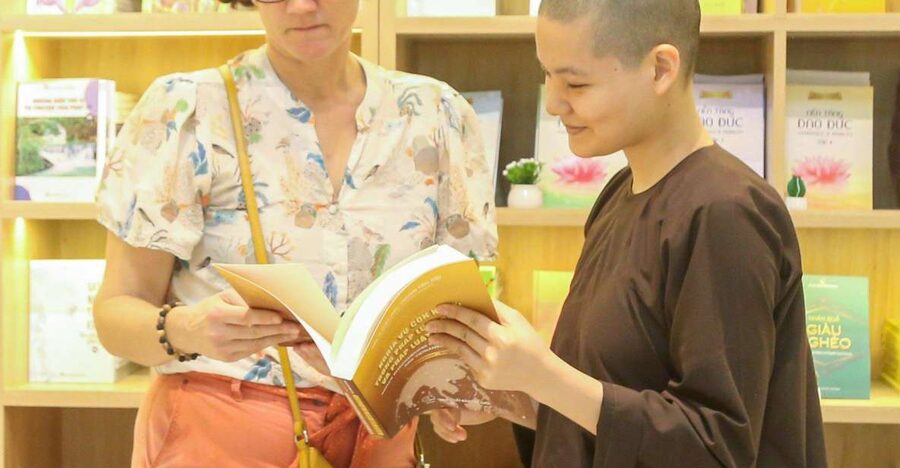
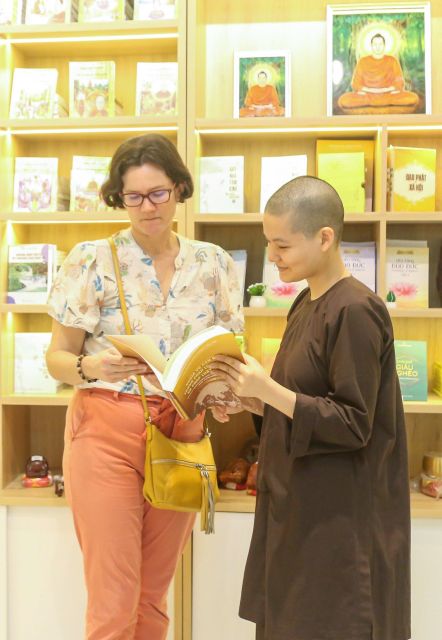
If you’re curious about Buddhism as lived practice (not just as ideas), this is the kind of experience that puts you in the flow. You also get the chance to share daily life alongside monks and nuns, which is very different from joining a standard group tour and moving on.
The value here isn’t just the meditation. It’s the structure: you learn a method, study doctrines, then test your focus through action—especially during volunteering and dishwashing. That combination can help you “stay present” in a way that only happens when you’re doing something together with intention.
Getting to Phat Quang Pagoda: The Part Most People Underestimate
The pagoda is about 100 km from Ho Chi Minh City center, so you’re committing to a real day out of the city. Day 1 includes a transfer window (7:30 to 10:30), which tells you the schedule starts early and travel takes time.
Here’s the practical catch: transportation is listed as not included, while the day plan includes transfer time. That usually means you must confirm exactly what you’re paying for when you book—whether your package includes the ride or if you’re arranging it separately.
Also note the meeting and ending point logic: the retreat ends back at the meeting point (the pagoda area). If you want to keep your evening flexible in Ho Chi Minh City on day 2, build in buffer time, since the return is slated for around noon.
Day One, From Arrival to Your First Meditation Hour (L, D)
After you arrive, the retreat settles you into pagoda life quickly. You have vegetarian lunch around 11:00 to 11:30, then there’s an afternoon meditation block scheduled for 14:00 to 15:00.
That first meditation session matters because it sets expectations. This isn’t a “show up and float” experience. You’re learning a correct technique of meditation and you’re also preparing your brain for chanting and ritual timing later in the day.
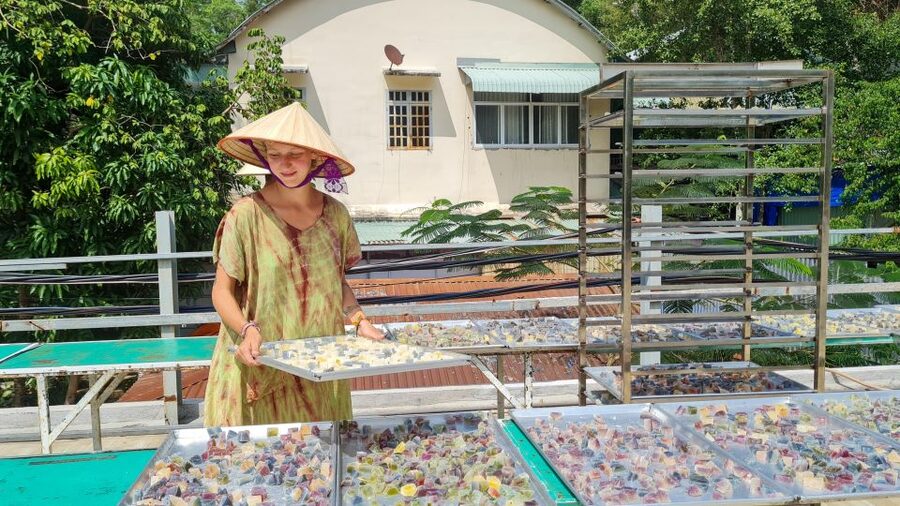
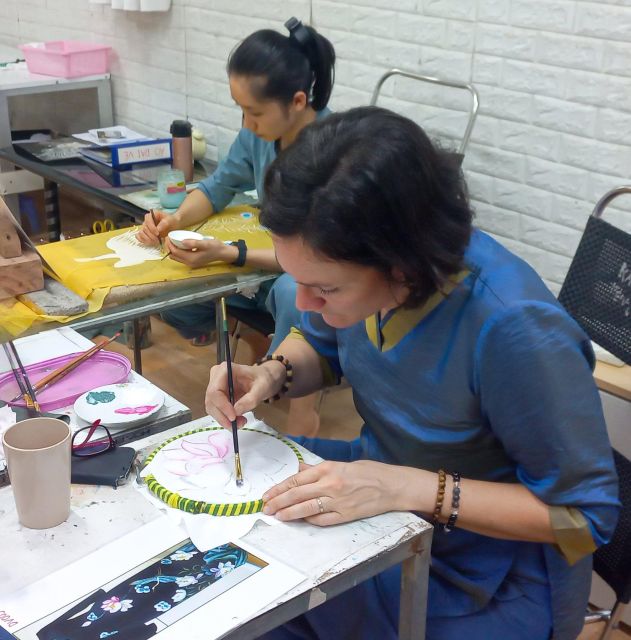
Then comes volunteer work, scheduled from 15:00 to 16:50. Expect practical tasks like making cakes, tea, tofu, or painting on fabric. You’ll be doing work that helps the community function, not “busy work” for tourists.
Dinner is vegetarian from 17:00 to 18:15, followed by washing dishes (18:15 to 18:15 is listed as part of the dinner block). After that you move into chanting at 18:30 to 19:00, then reading time from 19:00 to 19:50.
Later, there’s a segment described as wholesome seed prostration to Buddha, then meditation and sleep. This is where the retreat feels most “real” to someone who wants spiritual routine rather than vacation relaxation.
Volunteer Work at the Pagoda: Tea, Tofu, Cakes, Fabric Painting, and Vegetable Picking
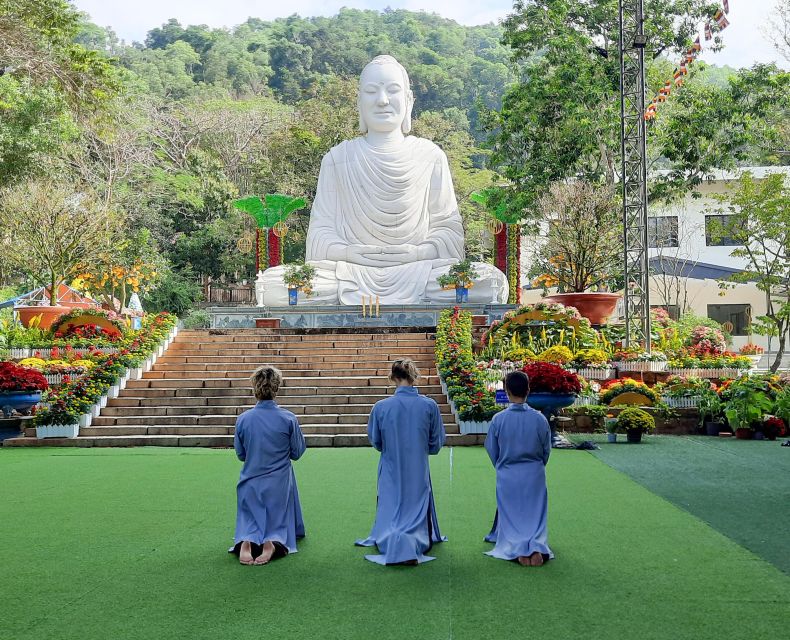
Volunteer work is one of the most important parts of this retreat, and it’s not included just for flavor text. Day 1 has hands-on tasks like making cakes, tea, or tofu and also painting on fabric. Day 2 repeats the volunteering theme, with activities like the same food prep options plus picking vegetables.
Why this is valuable: it trains mindfulness without calling itself mindfulness. When you’re chopping, mixing, or painting, you’re forced to focus on small movements and stay patient. That can make the meditation you just did feel more grounded, because you’ll notice your mind wandering during real tasks.
A heads-up: some people can find this part intense if they’re expecting plenty of free time. The schedule is tight, and the pagoda rhythm doesn’t slow down just because you’re adjusting.
Also, food is part of the routine. Vegetarian meals are included, and during volunteering and meal time you might be offered food even if you’ve declined before. If you have strong preferences or a sensitive stomach, it’s smart to manage that early and clearly.
How else to spend a Saigon evening
- Saigon By Night and Street Food By Motorbike | Opt: Ao Dai Riders★ 5.0 · 4,066 reviews
- Private Street Food Evening Walking Tour in Ho Chi Minh City★ 5.0 · 3,175 reviews
- Saigon: Day-Night Sights & Local Food Tour l Female Option★ 5.0 · 1,638 reviews
- Ho Chi Minh Night Tour by Motorbikes with Female Rider | KissTour★ 5.0 · 1,187 reviews
- Saigon: City Sightseeing 45-Minute Panoramic Night Tour★ 4.3 · 964 reviews
Buddhist Doctrines and Rituals: Chanting, Prostrations, and the Monastic Rhythm
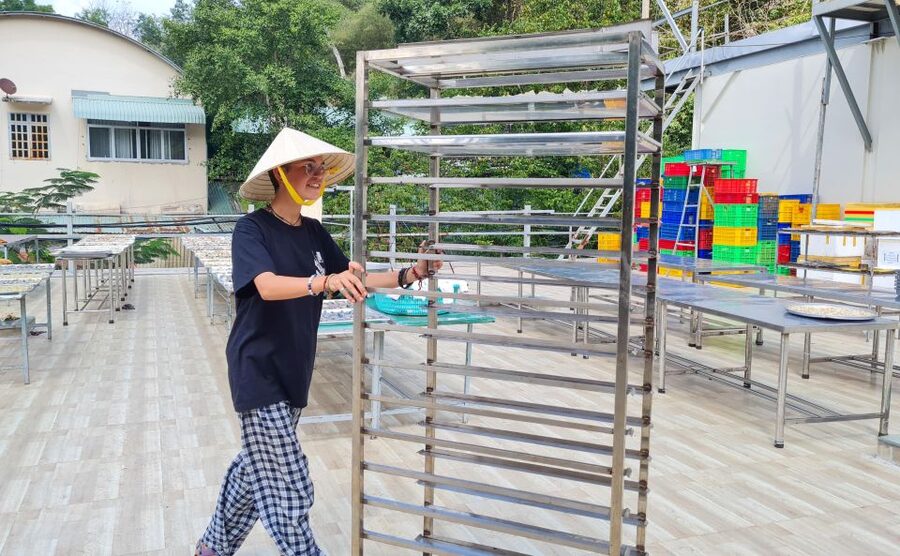
This retreat isn’t only meditation. It includes study of Buddhist doctrines and practice of solemn Buddhist rituals.
Night ritual timing is built in. You’ll chant 18:30 to 19:00 on day 1, then later there’s a prostration to Buddha segment described after reading time. If you come in thinking meditation is the whole thing, the rituals are the element that expands the experience—because you start learning what devotion looks like in daily sequence.
Living alongside monks and nuns is central to the feeling. Even if you’re not fluent in every concept, watching the way the schedule repeats can help you understand the logic of monastic life: practice is consistent, not flashy.
Here’s the practical side: rituals are often quiet, physical, and time-specific. Wear clothing that lets you move comfortably and keeps you covered—long sleeves and long pants are required.
Day Two at 4:00 AM: Great Bell Meditation and Qigong
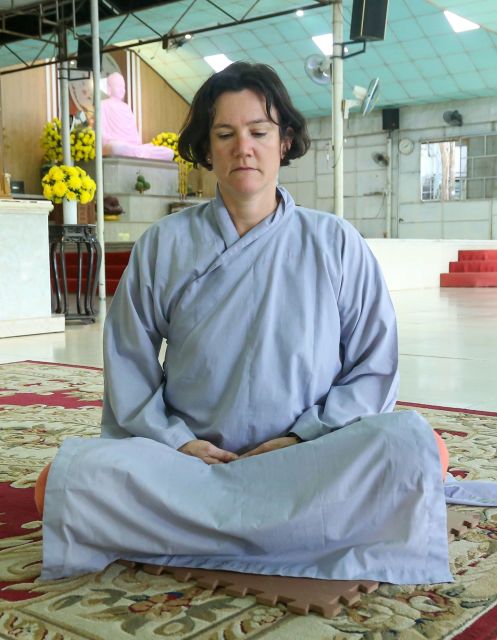
If you want a retreat that treats sleep like a negotiable term, you found it. Day 2 begins with 4:00 to 6:00 for Great Bell meditation and chanting. This is the kind of moment that makes you feel time differently—because you’re up while the world is still dark.
From there, you get 6:10 to 6:50 for qigong or martial arts practice. That short slot matters because it gives you a different channel for focus. Instead of sitting still, you move with intention.
Breakfast is around 7:00 to 7:20, followed by more volunteering from 7:30 to 10:30. You’ll likely repeat tasks such as tofu/tea/cake prep, fabric painting, or vegetable picking.
Then lunch arrives at 11:00 to 11:30, and you’re scheduled to head back to Ho Chi Minh City around noon. It’s a full day, even though you only have one night at the pagoda.
Accommodations and the Realistic Comfort Level
Accommodation is in the pagoda, and it’s described as practical rather than luxurious. Some people find the basics totally fine, while others feel the facilities are more utilitarian than what the word retreat usually implies.
The sleeping setup is communal, using something resembling thick mats. That might work well for you if you’re comfortable with floor-level sleeping, but it’s not ideal if you need privacy or strong sleep support.
There’s also a note worth taking seriously if you’re sensitive to environment: meditation may take place in a dim, basement-like space for silence practice. If you want bright, airy, calm rooms for meditation, plan for the opposite.
So I’d frame it like this: you’re booking a spiritual and disciplined experience, not a spa weekend. If you go in expecting simplicity, you’ll feel less disappointed if it turns out to be very straightforward.
English Instruction and How Much Guidance You Can Expect
The retreat is listed as English-instructed, and there’s an instructor. The schedule includes meditation time, chanting, reading, and doctrine study, which implies there’s some structure and explanation.
Still, guidance intensity can vary. Some people have felt that silence time is very hands-off, with limited coaching once you’re placed in your meditation spot. If you’re a total beginner and you need step-by-step cueing, you’ll want to set expectations early with the on-site guide.
The upside: even if you get less direct instruction than you hoped, the routine itself becomes your teacher. Quiet meditation plus ritual plus work can still help you settle.
My best advice: if you’re new to meditation, bring a short list of questions. Ask early how to approach posture, breathing, and wandering thoughts in this specific setup, so you’re not left guessing.
Price and Value: Is $80 Reasonable for 2 Days and 1 Night?
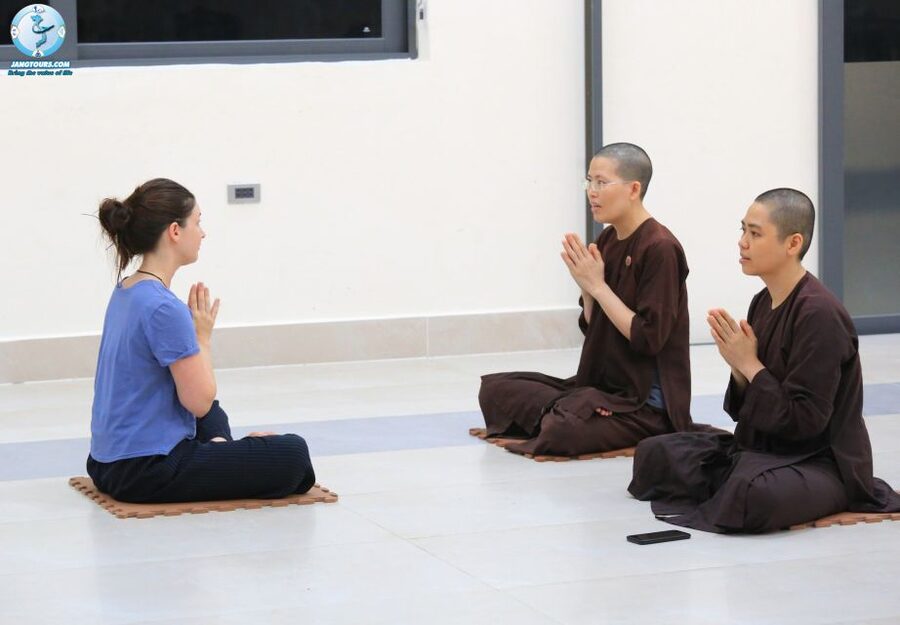
$80 per person is not a big number compared with many specialty retreats—so it’s worth asking what you’re getting for it.
You receive:
- Full board vegetarian meals
- Accommodation in the pagoda
- Entrance fees
- A local guide on the spot
- Meditation and ritual programming
- English instruction and a small group listing
For many travelers, that’s good value because it bundles food, lodging, and spiritual programming. The biggest “cost” you’re paying is time and flexibility, not just money.
Where value may feel lower is if your expectations are for individualized meditation coaching, comfortable facilities, or a more tourist-friendly retreat style. The experience can be strict and basic, and if you want lots of explanation, you might feel you paid for a “retreat vibe” that doesn’t fully match.
So I’d treat the $80 as: a donation-like entry into disciplined practice and monastic life, rather than a premium meditation course.
What to Bring (And What to Expect About Rules)
The retreat is clear on what you should wear and bring:
- Long-sleeved shirt
- Long pants
Alcohol and drugs are not allowed, and fireworks are also not allowed. It’s a respectful environment, so keep your mindset respectful too—no showing up with party energy and expecting it to blend in.
Pack for early mornings and practical living. You’ll be doing chores, moving around the pagoda, and likely spending time in cooler early hours. If you run cold easily, dress in layers within the clothing rules.
Who This Retreat Is Best For (And Who Should Skip It)
This retreat is a strong match if you:
- Want a real pagoda routine with monks and nuns around you
- Like structured schedules and clear expectations
- Want meditation plus action through volunteering
- Are curious about Buddhist doctrines and ritual practice, not just relaxation
It’s a weaker match if you:
- Expect a high-touch retreat with lots of personalized meditation coaching
- Need private accommodation or premium comfort
- Get stressed by dim, simple spaces or very early wake times
- Are not comfortable with communal living and practical sleeping setups
Also note: it is listed as not suitable for wheelchair users and not suitable for people with altitude sickness. If either applies, look for an alternative option.
Quick Reality Check: The Retreat Can Feel Strict
Let me give you an honest decision filter. If you show up expecting a gentle meditation retreat, you might be surprised by the strictness of the environment. Some people have reported feeling like they weren’t sure what to do at times when they arrived, and that silence meditation came without much guidance.
Food can also be part of that strictness. If you decline food, you may still be offered it again, and the vibe can turn more firm than polite.
That doesn’t automatically mean it’s a bad retreat. It often means you’re joining a space that runs on rules first and comfort second. If you can accept that, you’ll likely get more out of the discipline.
Should You Book This Meditation Retreat?
I’d book it if you’re aiming for monastic rhythm, disciplined practice, and hands-on volunteering. The strongest parts are the combination of meditation time, Buddhist rituals, and the chance to live alongside monks and nuns while doing real tasks.
I’d skip it if you’re paying primarily for lots of one-on-one coaching, plush facilities, or a very polished “retreat experience” style. The setup can feel basic, and guidance may not match what you expected.
If you’re a beginner, consider sending questions in advance (or asking early on arrival) about technique and what to do during silence. If you do that, you’ll likely leave with more peace and fewer unanswered moments.
In short: this isn’t a casual vacation. It’s a spiritual routine you can step into for a short, intense reset.
FAQ
How long is the retreat?
It runs for 2 days and 1 night.
Where does the retreat take place?
It’s at Phat Quang Pagoda, about 100 km from Ho Chi Minh City center.
How much does it cost?
The price is listed as $80 per person.
What meals are included?
Full board vegetarian meals are included.
Is transportation included from Ho Chi Minh City?
Transportation is listed as not included, even though the schedule includes transfer time—so you should confirm what’s actually arranged when you book.
Is the retreat guided in English?
Yes. The instructor is listed as English.
What time does the second day start?
It starts very early, with Great Bell meditation and chanting from 4:00 to 6:00.
Is there a meditation guide during the retreat?
There is an instructor and a local guide on the spot, but the amount of guidance during silent meditation may vary—so if you need step-by-step coaching, ask on arrival.
What should I wear?
Bring a long-sleeved shirt and long pants.
Is the retreat accessible for wheelchair users?
No, it is listed as not suitable for wheelchair users.
Are alcohol and drugs allowed?
No. Alcohol and drugs are not allowed. Fireworks are also not allowed.
Once the Lanterns Are Lit
The Districts, One by One



More Tour Reviews in Ho Chi Minh City

Just Reviewed Around Saigon
- Secret walking Food Tour Ho Chi Minh City
★ 5.0 · 3 reviews - Ho Chi Minh City: Secret Cocktail Experience
★ 5.0 · 3 reviews - From Ho Chi Minh city: Vung Tau Beach Private Day Tour
★ 5.0 · 3 reviews - Saigoncholon
★ 3.5 · 3 reviews - Saigon On 2 Wheels
★ 3.5 · 3 reviews - From Ho Chi Minh City: Relax In Mui Ne Beach In 1 Day
★ 4.3 · 3 reviews
Evening Experiences, compared.
 ★ 5.0Saigon By Night and Street Food By Motorbike | Opt: Ao Dai RidersFrom $374,066 reviews
 ★ 5.0Private Street Food Evening Walking Tour in Ho Chi Minh CityFrom $493,175 reviews
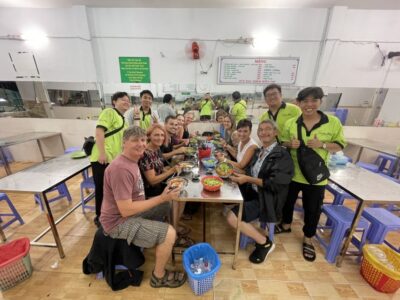 ★ 5.0Day-Night Sights & Local Food Tour l Female OptionFrom $251,638 reviews
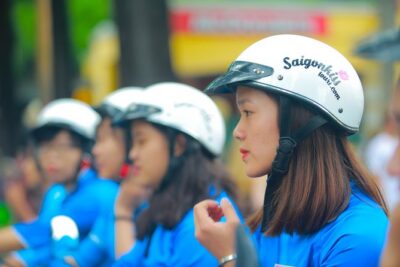 ★ 5.0Ho Chi Minh Night Tour by Motorbikes with Female Rider | KissTourFrom $391,187 reviews
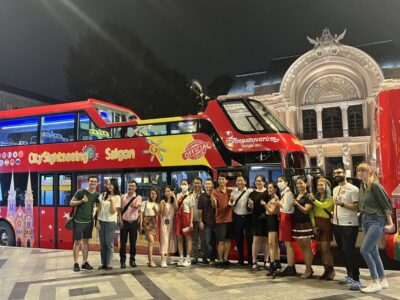 ★ 4.3City Sightseeing 45-Minute Panoramic Night TourFrom $7964 reviews
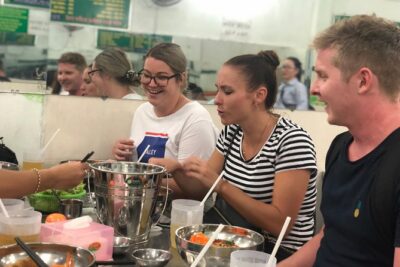 ★ 5.0Saigon Evening Food Tour by ScooterFrom $49944 reviews
 ★ 5.0Saigon Night Sights & Local Food by Motorbike| Opt: Ao Dai RidersFrom $25906 reviews
 ★ 5.0Saigon Night Bites on Foot: Local Vendors, Stories & Sweet FinishFrom $29701 reviews
Browse the lists this tour appears in