
REVIEW · CITY TOURS
Ho Chi Minh City: Vietnamese Lotus Tea Culture Experience
Lotus tea feels like magic. I love the way you learn the process from start to finish, from lotus-bud brewing to making your own blend, and I also really appreciate the calm, focused atmosphere led by Ky. One consideration: you’ll handle lotus flowers and tea leaves, and it’s not suitable for wheelchair users or children under 2.
This is a District 1 workshop that starts right by Nguyen Hue Walking Street, so you can slot it in after sightseeing without a long commute. You get a tasting, a short show, and a keepsake you actually made—not just another room full of samples.
If you like food-and-drink experiences that teach real technique (not just facts), this one is easy to recommend. The big payoff is turning a delicate story about Tay Ho Lotus Tea into something you can hold, smell, and take home.
In This Review
- Key highlights you’ll care about
- District 1 location: easy to reach from Nguyen Hue
- Part 1: Vietnamese tea culture—why lotus tea is more than a flavor
- Part 2: The live lotus-bud brewing performance
- Part 3: Tay Ho Lotus Tea tasting and lotus scenting
- Part 4: Your lotus flower keepsake—making tea like it’s supposed to be made
- What’s included (and what you’ll likely spend extra)
- Price and value: is $15 fair?
- Who should book this lotus tea workshop
- Quick timing and what to do with your day
- Should you book the Vietnamese Lotus Tea Culture Experience?
- FAQ
- Where do I meet for the lotus tea workshop?
- Is transportation included to the venue?
- What is included in the price?
- Can I buy more tea during or after the experience?
- Will the host speak English?
- Are there other languages available besides English?
- Is this experience suitable for young children?
- Is it accessible for wheelchair users?
- What is the cancellation policy?
Key highlights you’ll care about
- Ky-led lotus-bud brewing demo that shows how tea is made inside fresh lotus flowers
- Tay Ho Lotus Tea tasting with guided attention to scent and flavor
- Fresh lotus scenting practice so you understand how the aroma gets into the tea
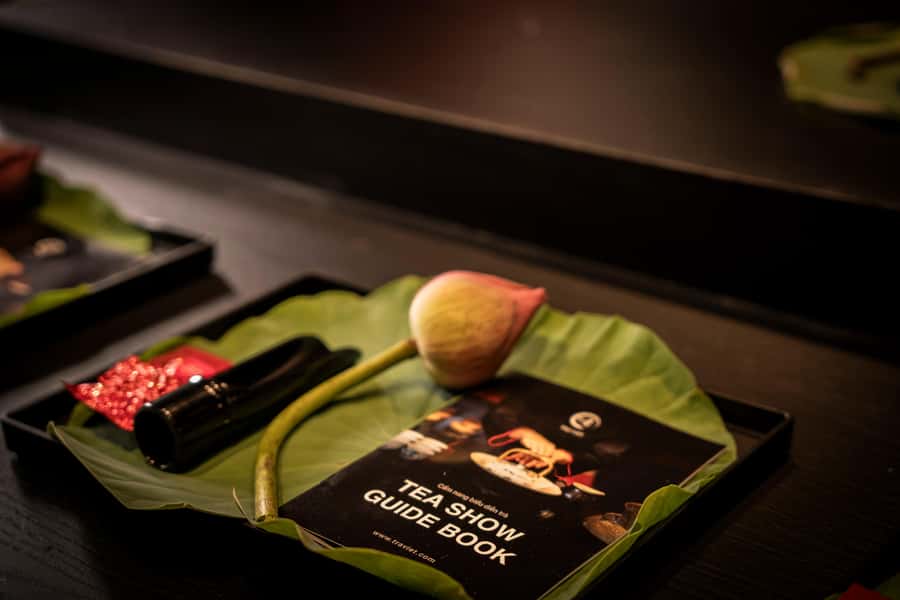
- Hands-on keepsake: you create 1 lotus flower filled with your own tea blend
- English-language support plus a Tea Show Guidebook in English, for clearer learning
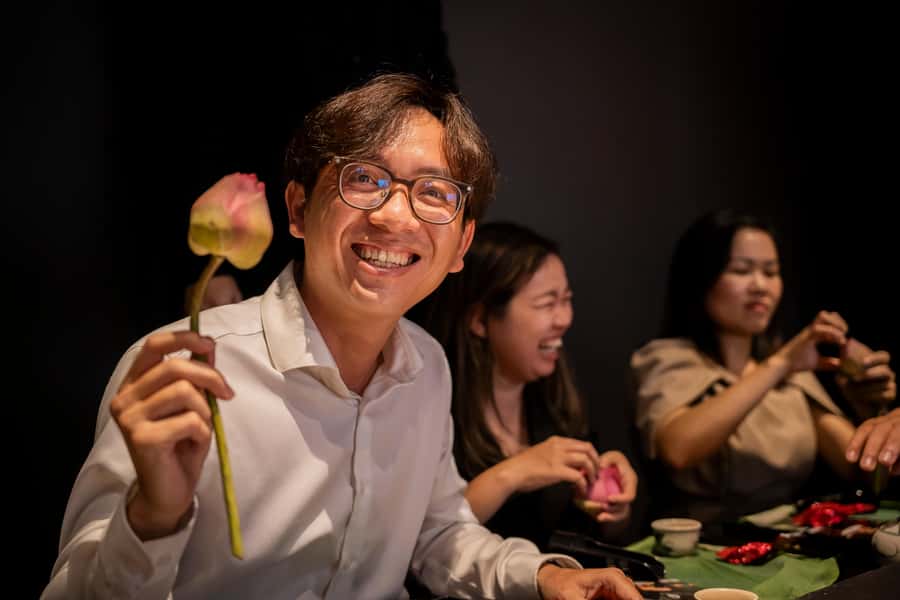
- Photo opportunities in a traditional tea setting, without feeling rushed
Wider loops through the districts




District 1 location: easy to reach from Nguyen Hue
You meet at a small showroom opposite Bitexco Tower, on the 2nd floor of a local apartment building at 19 Hai Trieu Street, Ben Nghe Ward, District 1. The good news is how close it is: it’s just about a 1-minute walk from Nguyen Hue Walking Street. That means you can time this around your day—morning stroll, afternoon break, or evening before dinner.
Inside, expect a traditional tea setting where the goal is calm and instruction, not spectacle. This matters because lotus tea craft is detailed work; if the room is chaotic, it’s harder to follow the steps and notice the subtle scent differences during tasting.
If you’re using public transport or walking around central sights, this is a straightforward stop. If you’re staying far out in the city (District 2, Thủ Đức, etc.), you’ll likely want to plan your own ride since transportation isn’t included.
Part 1: Vietnamese tea culture—why lotus tea is more than a flavor
The experience starts with an introduction to Vietnam’s tea culture and how tea shows up in daily life and ceremonies. You’ll also hear the West Lake Lotus Tea story—one tied to Hanoi’s Tay Ho area—where real lotus flowers are used to craft the tea.
Two things make this first segment worth paying attention to:
- You learn what lotus-scenting is trying to do. It isn’t just perfume added later. The aim is to let the tea absorb delicate floral notes through the traditional method.
- You get cultural context that makes the later steps feel meaningful instead of random.
A highlight from the guidance you’ll receive is the historical thread around tea preparation—one lesson specifically mentions a story going back to 1883 and even how the king’s tea was harvested. Even if history isn’t usually your thing, these details help you understand why this craft kept getting passed down.
This is also where you’ll set your expectations for the tasting. Instead of drinking without a plan, you’ll be guided to notice the subtler parts: scent first, then flavor.
Part 2: The live lotus-bud brewing performance
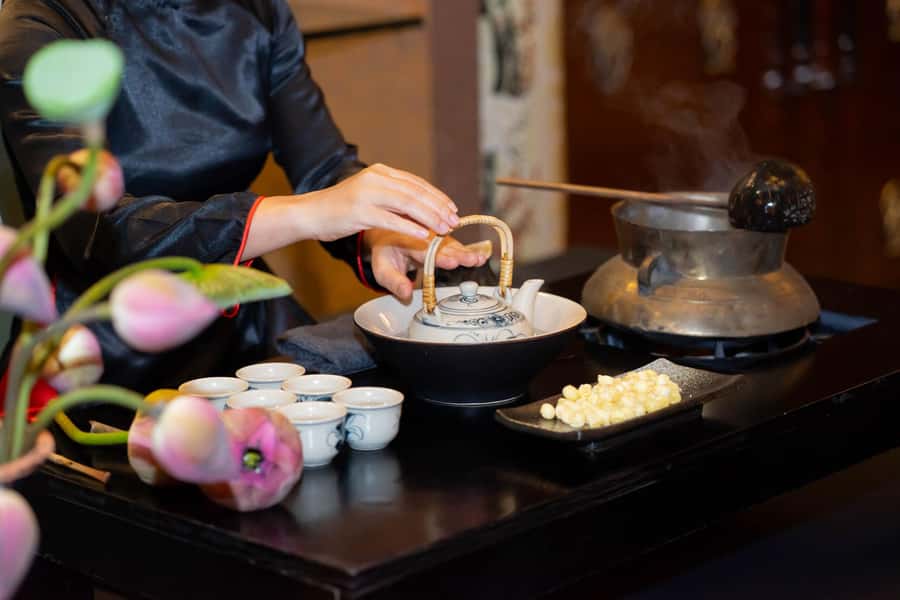
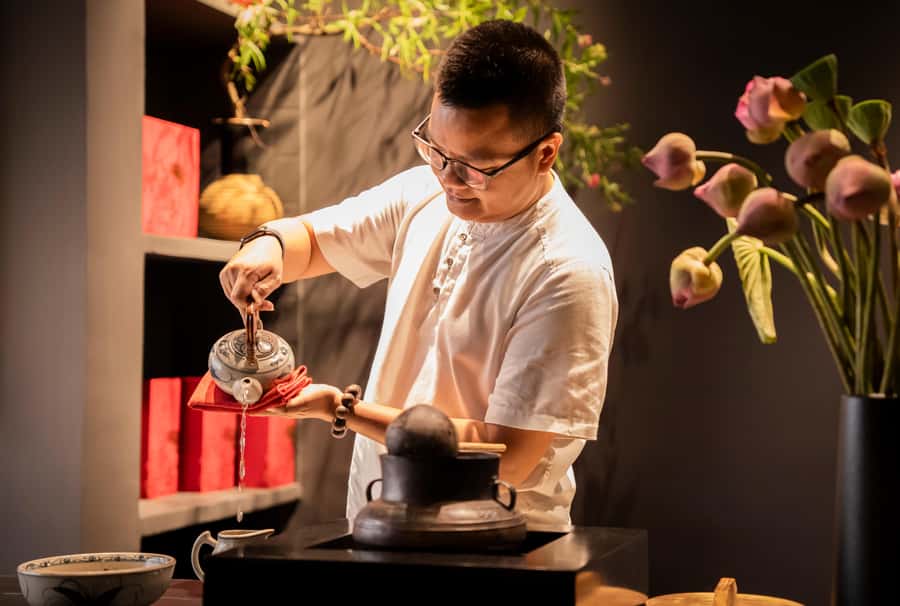
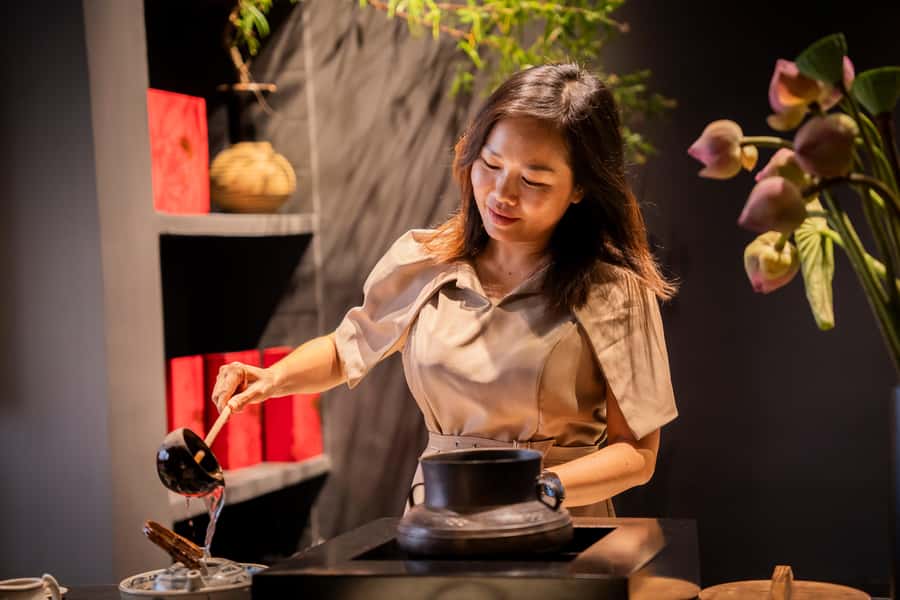
Next comes the part that feels most “alive”: a live demonstration by a skilled tea artisan. You watch the refined method of brewing tea inside fresh lotus buds—a process that has been passed down through generations.
This is the moment where technique becomes story. Lotus tea brewing takes patience and a careful hand, and the artisan’s focus shows you the difference between tea as a drink and tea as a craft. The way it’s demonstrated is almost like watching someone assemble something fragile: the goal is to keep the floral character intact while still extracting the tea.
From an enjoyment standpoint, this demo is one of the most praised parts of the experience, especially when the instructor explains what’s happening as it happens. The name Ky comes up as the guide and instructor in multiple accounts, and it makes sense: a calm teaching style helps you track the steps instead of just watching beautiful hands.
Practical note: since this is a workshop format, plan to stay attentive during the performance portion. If you drift, you’ll miss the cues that help later when you scent and fill your own lotus flower.
Part 3: Tay Ho Lotus Tea tasting and lotus scenting
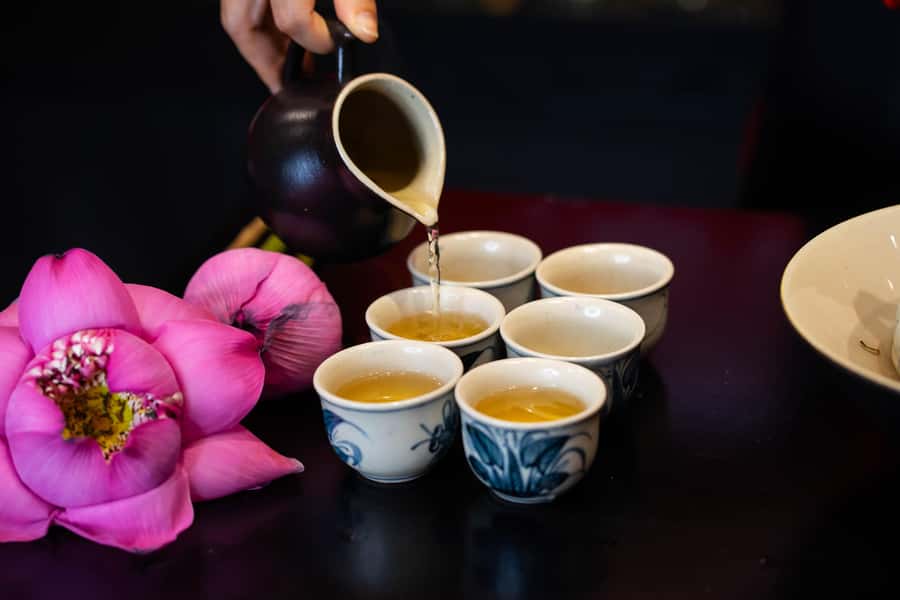
After the performance, you move into tasting—where the workshop shifts from “watch and learn” to “notice and practice.”
You’ll enjoy authentic Tay Ho Lotus Tea during a guided tasting session. The guide steers you toward the scent and flavor notes that make this tea special. This isn’t a loud tasting; it’s more like a guided calibration for your senses, so you can identify what lotus scenting changes in the cup.
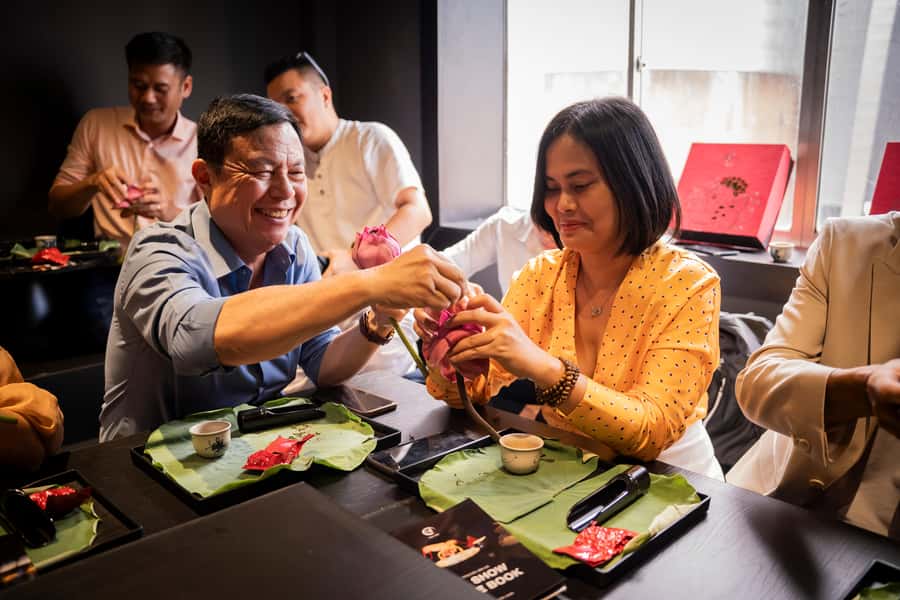
Then you get hands-on with the scenting idea. You’ll try infusing tea with fresh lotus petals yourself. This part is surprisingly calming. You’re not doing anything complicated with tools; you’re working slowly, letting the lotus aroma transfer in a gentle way.
Why this matters: most people try “floral tea” and assume it’s just tea flavored with something artificial. This segment helps you understand the care behind how lotus notes are handled traditionally—so you’ll have a better sense of what to look for later if you buy lotus tea back home.
Also, since you get an English-speaking host and an English Tea Show Guidebook, you aren’t stuck guessing what you’re tasting. The guidance is there to help you connect the method to the result.
- Cu Chi Tunnels Tour from HCM City – Morning or Afternoon★ 5.0 · 15,833 reviews
- From HCM City: Mekong Delta Tour with Sampan Journey★ 4.5 · 13,132 reviews
- Ho Chi Minh City Street Food Tour & Sightseeing By Motorbike★ 5.0 · 9,413 reviews
- HCM: Cu Chi Tunnels-Tapioca Small Group Tour Morning or Afternoon★ 5.0 · 7,485 reviews
- Cu Chi Tunnels and Mekong Delta Signature Tour★ 5.0 · 7,328 reviews
Part 4: Your lotus flower keepsake—making tea like it’s supposed to be made
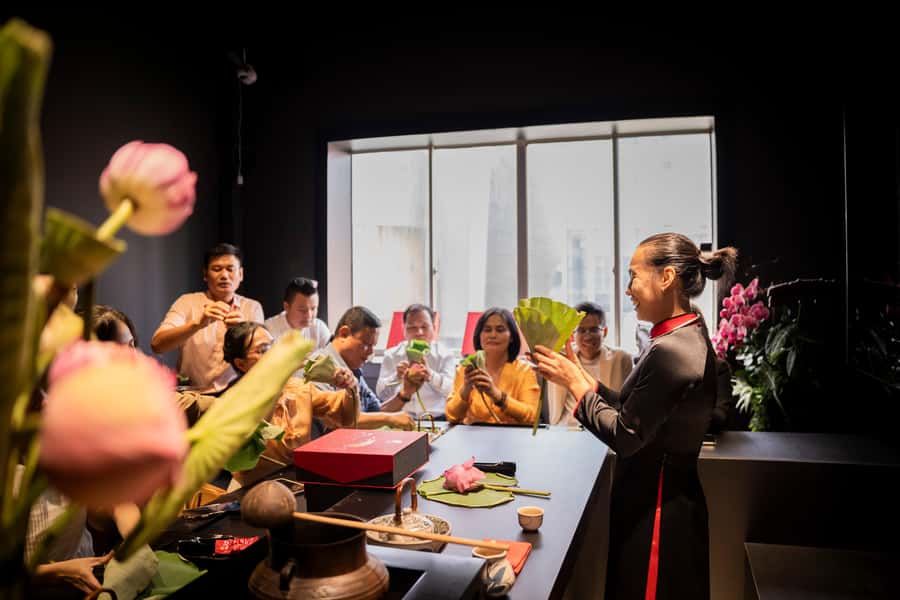
The last big piece is the hands-on activity that turns learning into a souvenir you can actually use: you create your own lotus-scented tea to take home.
With step-by-step guidance, you learn how to place tea leaves into real lotus flowers—matching the traditional approach. You’ll end up with one lotus flower filled with your own tea blend included in the experience.
This is where the workshop feels most personal. You’re not just picking from options; you’re making something with care, which is the point. And because it’s built around scent, it’s the kind of keepsake that stays interesting—smell it now, then brew it later and compare.
Practical tip for getting the best outcome: go slow during the insertion steps. The lotus flower isn’t just decoration; it’s part of the process. If you rush, it’s easier to lose the delicacy of what you’re trying to create.
What’s included (and what you’ll likely spend extra)
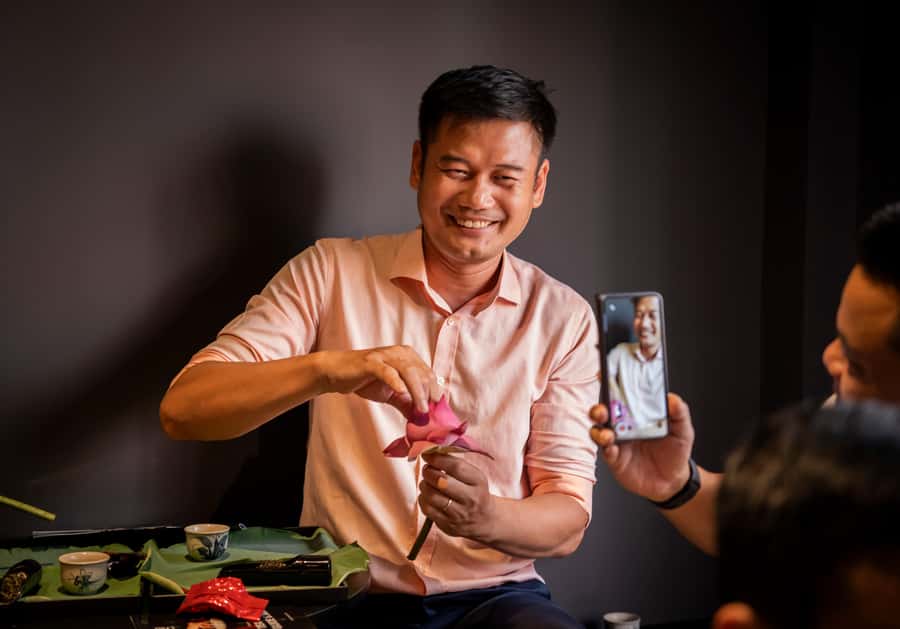
Included in your price are:
- Tea tasting session
- Hands-on lotus tea scenting activity
- 1 lotus flower filled with your own tea blend
- Tea Show Guidebook in English
- Photo opportunities in a traditional tea setting
- English-speaking host and artisan
Not included:
- Transportation to the venue
- Meals or drinks outside the tasting
- Additional tea purchases (available on request)
This matters for value. You’re not only paying for the show. You’re paying for the tasting, the scenting practice, and the physical keepsake. That’s why this kind of workshop can feel more “worth it” than generic cultural classes where you get a small sample and leave.
There’s also time to take photos in a traditional setting. It’s not the main point, but it’s a nice add-on if you want visual proof of the craft.
Price and value: is $15 fair?
At $15 per person, this experience is priced like a short cultural workshop rather than a premium tasting tour. For the amount of instruction you get—tasting plus hands-on scenting plus making your own lotus flower—this is strong value, especially because you leave with something tangible.
Here’s how I judge the value:
- If you’re someone who only wants quick sightseeing, it might feel like a detour.
- If you like learning a real process, you’re getting multiple stages in one session: culture intro, live lotus-bud brewing, guided tasting, and a keepsake creation.
- If you’re curious about what makes Tay Ho Lotus Tea different, the workshop gives you both the sensory result and the method behind it.
It’s also a good deal when you consider the included guidebook in English and the fact that the host and artisan communicate in English. That lowers the risk that the lesson becomes confusing.
Who should book this lotus tea workshop
This works best if you:
- Like hands-on activities more than museum-style watching
- Want a calm cultural break in central Ho Chi Minh City
- Enjoy food and drink learning where scent and technique are part of the point
- Want an authentic-style souvenir made during the experience
It’s also ideal for couples, friends, and solo travelers who want something different from the usual walking tours. The experience is praised as a calm oasis from busy streets, so it fits well on days when you’ve already seen a lot outdoors.
You might want to skip it if:
- You need wheelchair access (it’s not suitable for wheelchair users)
- You’re traveling with children under 2 (not suitable)
- You don’t want to handle lotus flowers and tea leaves
Quick timing and what to do with your day
The workshop starts and ends back at the same meeting point (directly opposite Bitexco Tower). Since transportation isn’t included, you’ll want to plan your return using your usual method—walking, taxi, or rideshare.
Because the location is so close to Nguyen Hue Walking Street, I recommend pairing this with a nearby meal afterward. Just don’t assume meals are included; outside drinks and food aren’t part of the tasting package.
Should you book the Vietnamese Lotus Tea Culture Experience?
Yes, if you want a short, focused cultural workshop that teaches a real technique and hands you a scented keepsake at the end. At $15, it’s a fair price for a guided tasting plus a hands-on craft experience—especially in a central Ho Chi Minh City location.
Book it when you can slow down for a couple of hours. Lotus tea is delicate. The best part of the day is paying attention: to the lotus bud brewing, to the scenting practice, and to the final moment where you fill a real flower with your own blend.
If you hate anything hands-on, or you need wheelchair access, then it’s probably not the right fit. Otherwise, it’s one of those activities where you learn something specific and take home something you can use.
FAQ
Where do I meet for the lotus tea workshop?
You meet at the showroom directly opposite Bitexco Tower, on the 2nd floor of a local apartment building at 19 Hai Trieu Street, Ben Nghe Ward, District 1, Ho Chi Minh City.
Is transportation included to the venue?
No. Transportation to the venue is not included.
What is included in the price?
The tea tasting session, hands-on lotus tea scenting activity, 1 lotus flower filled with your own tea blend, an English Tea Show Guidebook, photo opportunities, and an English-speaking host & artisan are included.
Can I buy more tea during or after the experience?
Additional tea purchases are available on request, but they are not included in the price.
Will the host speak English?
Yes. The host and artisan are English-speaking, and you also receive an English Tea Show Guidebook.
Are there other languages available besides English?
The experience lists Armenian as a language option.
Is this experience suitable for young children?
No. It is not suitable for children under 2 years.
Is it accessible for wheelchair users?
No. It is not suitable for wheelchair users.
What is the cancellation policy?
You can cancel up to 24 hours in advance for a full refund.
The Districts, One by One
More Tour Reviews in Ho Chi Minh City

Just Reviewed Around Saigon
- Secret walking Food Tour Ho Chi Minh City
★ 5.0 · 3 reviews - Ho Chi Minh City: Secret Cocktail Experience
★ 5.0 · 3 reviews - From Ho Chi Minh city: Vung Tau Beach Private Day Tour
★ 5.0 · 3 reviews - Saigoncholon
★ 3.5 · 3 reviews - Saigon On 2 Wheels
★ 3.5 · 3 reviews - From Ho Chi Minh City: Relax In Mui Ne Beach In 1 Day
★ 4.3 · 3 reviews
City Tours, compared.
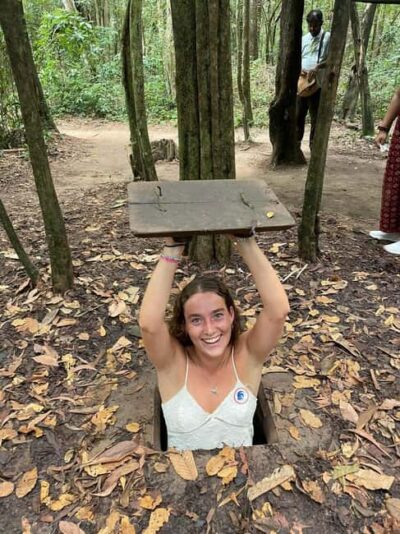 ★ 4.7Cu Chi Tunnels Morning or Afternoon TourFrom $1319,646 reviews
 ★ 5.0Cu Chi Tunnels Tour from HCM City – Morning or AfternoonFrom $1515,833 reviews
 ★ 4.5Mekong Delta Tour with Sampan JourneyFrom $1613,132 reviews
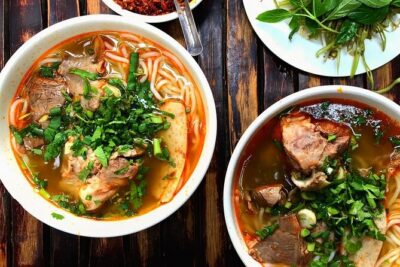 ★ 5.0Ho Chi Minh City Street Food Tour & Sightseeing By MotorbikeFrom $289,413 reviews
 ★ 4.5Mekong Delta Guided Tour from Ho Chi Minh CityFrom $187,192 reviews
 ★ 4.8Cu Chi Tunnels Morning or Afternoon TourFrom $136,326 reviews
 ★ 5.0Private Street Food Evening Walking Tour in Ho Chi Minh CityFrom $493,175 reviews
 ★ 5.0Top Notch Street Food Motorbike Tour In Ho Chi Minh CityFrom $292,667 reviews