

REVIEW · CU CHI TUNNELS TOURS
Ho Chi Minh: Discover Cu Chi Tunnels Half-Day Tour
Underground war stories, in real time. This Cu Chi Tunnels tour takes you about 60km from Saigon to a 200km network of zigzag trenches carved below ground—an inventive survival system that Vietnam turned into a battlefield advantage. You’ll walk through the spaces that helped soldiers live, hide, treat injuries, and set traps.
I love the way the tour shows everyday soldier life, not just slogans. You get to see secret rooms like living areas, kitchens, armories, and hospitals, plus hiding spots used to get an edge. I also like the culture angle that runs alongside the war lessons: you’ll learn how locals make rice-paper and rice-wine.
One big consideration: this tour is not for people who can’t handle uneven, underground walking. Comfortable shoes are a must, and wheelchair users or those with mobility impairments won’t find it suitable.
In This Review
- Key Things I’d Put on Your Radar
- Cu Chi Tunnels: What You’re Really Touring
- Getting There: Pham Ngu Lao Meeting Point and Timing That Actually Matters
- Underground Walkthrough: Secret Rooms, Living Areas, and Traps
- What to watch for
- The Shooting Range Option: AK-47 or MK-16, Fee Not Included
- Rice-Paper and Rice-Wine: Why the Culture Stop Fits Here
- War Remnant Museum Pass on the Way Back
- Price and Value: Is $22 a Fair Deal?
- What to Bring (and What to Skip) for a Smoother Day
- Who This Tour Suits Best
- Should You Book This Cu Chi Tunnels Half-Day Tour?
- FAQ
- What is the duration of the Ho Chi Minh: Discover Cu Chi Tunnels tour?
- Where is the meeting point in Ho Chi Minh City?
- What are the available departure times and return times?
- What is included in the tour price?
- What is not included?
- Can children join, and is there a child policy?
- Is the tour suitable for wheelchair users or people with mobility impairments?
Key Things I’d Put on Your Radar
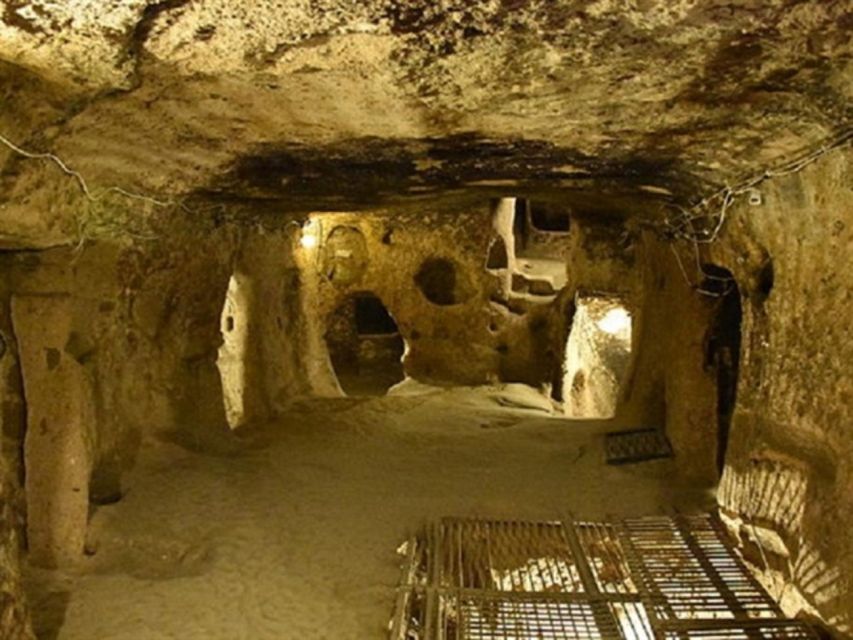
- 200km zigzag tunnels: a huge underground maze that’s built for cover and movement
- Hidden life systems: kitchens, armories, hospitals, and other day-to-day spaces
- Hiding spots and booby traps: the guerrilla tactics are part of the walk
- Artillery remnants: you’ll see leftover military hardware after going deeper
- Rice-paper and rice-wine making: a culture stop that adds context beyond the war
- Optional shooting range: you can try AK-47 or MK-16, but the shooting fee isn’t included
Down into the tunnels, a few more ways to go


Cu Chi Tunnels: What You’re Really Touring

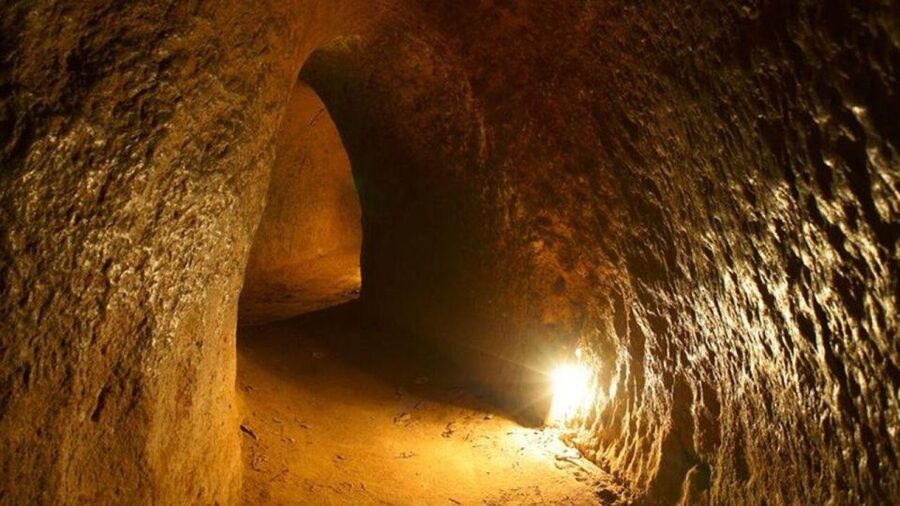
Cu Chi Tunnels aren’t just a tourist “underground attraction.” They were a real working network—zigzag tunnels stretching over 200km, designed for movement, hiding, and protection during intense fighting. This tour frames the tunnels as more than engineering. It’s also a symbol of will and creativity: Vietnamese soldiers used the landscape below the surface to survive, respond, and keep operating even when the fighting pushed hard around them.
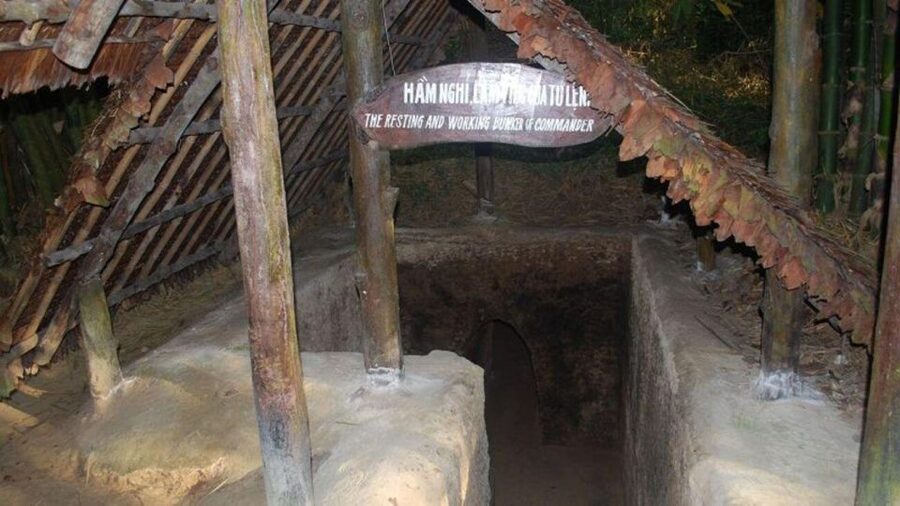
What makes this tour interesting is that you’re not only shown the tunnel walls. You’re guided through the idea of how an underground community functioned. That means you’ll encounter the spaces that supported daily soldier life: living areas, kitchens, storage-like rooms (armories), and even hospitals. The layout is the point—how a labyrinth can be both practical and defensive.
Also, keep the geography in mind. Cu Chi is about 60km from Saigon, so you’re leaving the city to reach a battlefield area. The distance helps you shift gears: one moment you’re in Ho Chi Minh City energy, the next you’re learning why these tunnels mattered.
Getting There: Pham Ngu Lao Meeting Point and Timing That Actually Matters
This tour runs on a true schedule with two main departures, which makes planning easier when you’re juggling other Ho Chi Minh stops.
- Departure 7:45am, return 3:00pm
- Departure 12:45pm, return 7:00pm
You’ll meet at 165 Pham Ngu Lao St, District 1 in central Ho Chi Minh City. From there, you get round-trip transfers—so you’re not stuck figuring out transport on your own.
Even though it’s marketed as a half-day experience, the listed duration is 7 hours. In practice, that long chunk is usually about getting out to Cu Chi (about 60km away), spending time in the tunnels and cultural stops, then returning. I’d plan your other activities to be light right before and right after, especially if you’re also aiming to visit museums in the city later.
A small practical note: you’ll be given bottled drinking water, plus hot tea and steamed tapioca. That helps a lot when you’re out for hours, but meals aren’t included—so you’ll want to eat before you go (or plan something after you get back).
Underground Walkthrough: Secret Rooms, Living Areas, and Traps

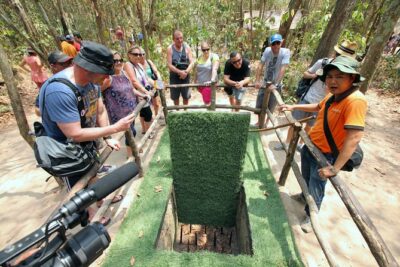
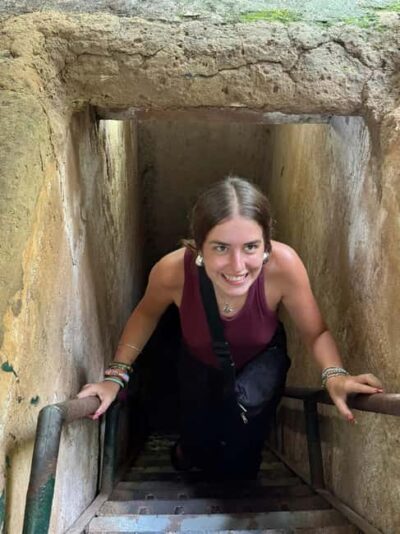
The heart of the tour is the underground system itself. Expect a route that leads you through a variety of tunnel sections described as elaborate labyrinths—plus the defensive features guerrilla soldiers used to survive and control risk.
Here’s what you can look forward to while you’re moving through the tunnels:
- Secret rooms and living areas: spaces built for short-term safety and longer-term function
- Kitchens: details that show how food and routine could continue underground
- Armories: locations tied to weapons storage and readiness
- Hospitals: a reminder that injuries and medical care were part of daily reality
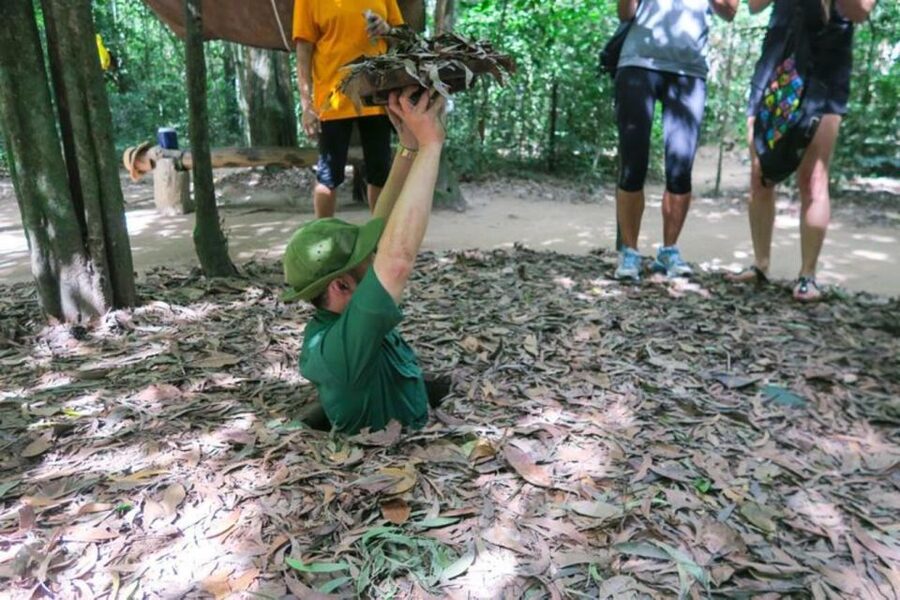
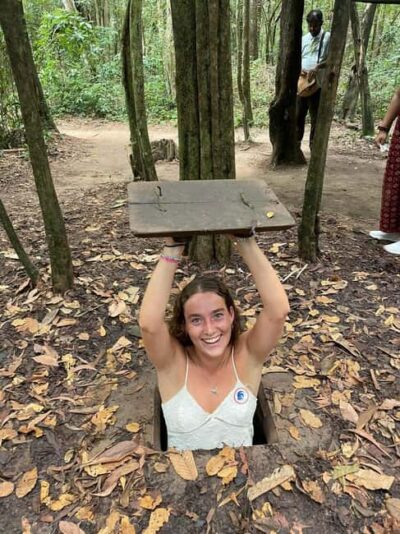
- Hiding spots: places designed to let people stay out of sight and wait out danger
- Booby traps: tactics built into the environment
A tour like this does two things at once. First, it teaches history through the physical layout. Second, it shows how inventive people can be when forced to work with limited resources. That’s why the “zigzag” design is so central. It’s not random. A zigzag route changes sightlines, movement patterns, and how attackers can control what they’re seeing.
After walking deep into the site, you’ll also see remnants of various artillery units they used. That part shifts the mood from “life inside” to “what the fighting looked like from the underground perspective.” If you like history that you can connect to real spaces, this is the part that tends to feel most grounded.
What to watch for
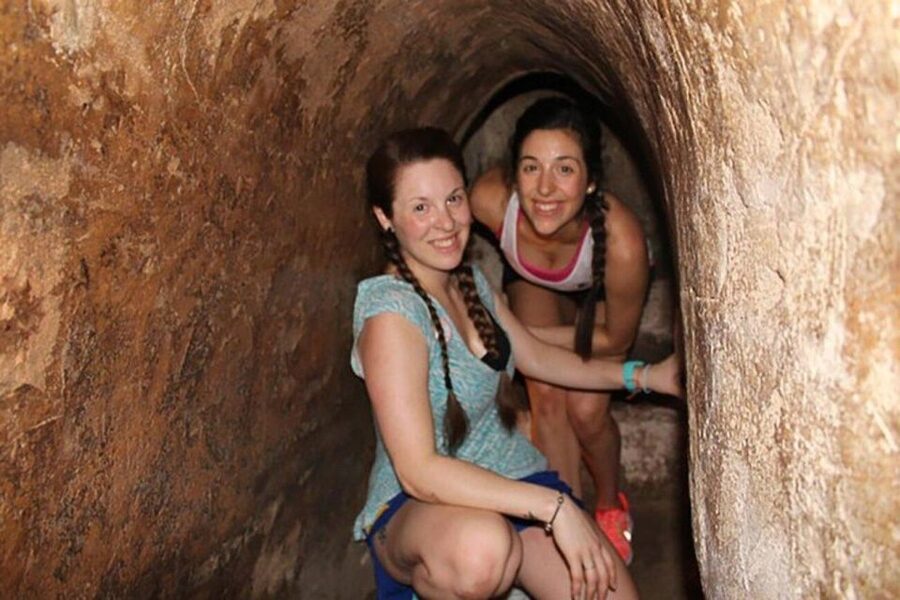
Underground spaces can feel tight and dim. The listing only calls out comfortable shoes, but you should assume you’ll spend time navigating uneven ground and stairs. If you’re prone to claustrophobia, consider that before you book.
And if you care about photos: tunnels and “proof points” can be visually busy. I’d focus on the route and the guide’s explanations rather than trying to catch perfect shots.
A few Saigon tours to weigh against this one:
- Cu Chi Tunnels Half-Day Tour: Vietnam War Underground Network★ 5.0 · 2,587 reviews
- Cu Chi Tunnels Half-Day Tour: Big Group Vietnam War Experience★ 5.0 · 2,386 reviews
- Small-Group Cu Chi Tunnel Half-day Tour: Morning or Afternoon★ 5.0 · 1,521 reviews
- Ho Chi Minh City Private Half-Day Tour by U.S Army Jeep★ 5.0 · 1,164 reviews
- Ben Duoc ‘Less-Crowded’ Cu Chi Tunnels Half-Day Tour★ 5.0 · 712 reviews
The Shooting Range Option: AK-47 or MK-16, Fee Not Included
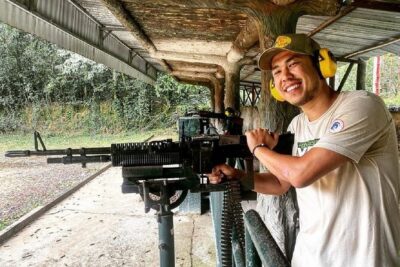
One of the most talked-about add-ons on this tour is the chance to fire a rifle at a designated shooting range. You may be able to experience firing an AK-47 or MK-16 rifle, but the shooting gun fee is not included in the tour price.
That matters for two reasons:
- Budget planning: your listed price covers the tour components, admission, transfers, and guide—not weapons practice.
- Personal comfort: not everyone wants that kind of hands-on experience, especially when the rest of the day is focused on the realities of war.
If you’re curious and your comfort level is okay, it can feel like a sharp contrast to the underground walk. You go from learning how soldiers survived to handling a weapon system from the era.
If you’d rather keep the day focused on history and culture, skip it and use that time to look closer at the tunnel sections and the cultural stop on the way through.
Rice-Paper and Rice-Wine: Why the Culture Stop Fits Here
The Cu Chi Tunnels day isn’t only about military tactics. You’ll also learn how locals make rice-paper and rice-wine. This is one of the better “value-added” elements because it pulls you out of the war frame for a bit and reconnects you with everyday life.
Even without going into full detail, this kind of stop helps you understand something important: the region’s identity didn’t end when the war began. People had to eat. People had to drink. Traditions and food processes continued, even under pressure.
Practically, it also breaks up the day. The tunnels can feel heavy. A culture lesson gives your brain a different kind of information to process—less tactical, more human and routine.
If you’re the type of traveler who likes food history and how people live, this stop will earn a bigger place in your memory than you might expect.
War Remnant Museum Pass on the Way Back
On the way back to Ho Chi Minh City, you can pass by the War Remnant Museum. The tour wording suggests it’s an optional pass rather than a full, guaranteed museum block.
Why this can be a smart move: Cu Chi gives you the underground soldier perspective—how people lived and fought below the surface. The War Remnant Museum is the next logical step if you want broader context and more visuals after you’ve already connected emotionally to the tunnels.
If your schedule is tight, this pass can still help you plan. You might decide to return later for a full visit, or skip it if you already hit the museum you wanted most.
Price and Value: Is $22 a Fair Deal?
At $22 per person, this tour is positioned as a budget-friendly day trip out of Ho Chi Minh City. The real question is what you’re paying for beyond just admission.
Included in the price:
- Admission to attractions
- English/Vietnamese-speaking guide
- Bottled drinking water
- Hot tea and steamed tapioca
- Round-trip transfers to and from the meeting point in central Ho Chi Minh City
Not included:
- Meals
- Other personal expenses
- Shooting gun fee (if you choose to do it)
Here’s how I’d think about value. The included transfers and guide reduce the biggest headache on an out-of-town trip. The tea and tapioca are also the kind of small inclusion that makes a long day easier. Since meals aren’t included, you should budget time to eat separately, but that’s common for day tours.
If you compare this to a DIY trip, you’d likely spend time on transport planning and still need language support to make the tunnel experience feel coherent. For many visitors, paying for a guide here is what turns a “walk through tunnels” into an actual education.
What to Bring (and What to Skip) for a Smoother Day
Keep it simple. The tour specifically advises:
- Bring comfortable shoes
That’s the headline item because you’ll be moving through an underground environment. If you can, choose footwear with solid grip and support.
You should also note:
- Pets aren’t allowed (assistance dogs are allowed)
If you’re booking and want smooth communication, the tour asks you to provide your social account (like WhatsApp/Wechat) when you make the reservation. That’s not a “what to bring” item, but it can prevent last-minute confusion.
Who This Tour Suits Best
This is a strong choice if you:
- Want a guided way to learn about the Cu Chi Tunnels and how soldiers lived underground
- Like history that’s tied to actual spaces—kitchens, hospitals, hiding spots, and tunnel design
- Appreciate a culture add-on, especially the rice-paper and rice-wine making part
- Prefer transportation with round-trip transfers from central Ho Chi Minh City
It’s less suitable if you:
- Have mobility impairments or use a wheelchair (the tour is not suitable for wheelchair users)
- Struggle with the physical demands of navigating uneven underground routes
- Don’t want the option of firearms as part of the day (even though it’s optional, it’s part of what’s offered)
Also, if you’re the type who likes to keep schedules minimal, pick your departure wisely. The morning return time (3:00pm) can work well if you want an afternoon in the city. The afternoon departure return (7:00pm) is better if you plan a quiet evening.
Should You Book This Cu Chi Tunnels Half-Day Tour?
I’d book it if you want a guided, value-priced day trip that combines war history with daily-life context. The tunnel walkthrough—secret rooms, living areas, kitchens, armories, and hospitals—gives you something more tangible than a textbook. Add in the guide plus the included transfers and snacks, and the cost feels easier to justify.
Hold off if you can’t handle physically demanding underground walking, or if you prefer to keep your day strictly about museums and not about options like firing a rifle (even if you skip it, it’s part of the experience). Also, plan your budget for extra items: meals and any shooting range fee are on you.
If you book, I’d do two things right away: wear good shoes, and decide in advance whether the shooting range is a yes or no. That way the day stays focused on what you came for.
FAQ
What is the duration of the Ho Chi Minh: Discover Cu Chi Tunnels tour?
The tour duration is listed as 7 hours.
Where is the meeting point in Ho Chi Minh City?
You’ll meet at 165 Pham Ngu Lao St, District 1, Ho Chi Minh.
What are the available departure times and return times?
There are two departures: 7:45am return 3:00pm, and 12:45pm return 7:00pm.
What is included in the tour price?
The tour includes admission to attractions, an English/Vietnamese-speaking guide, bottled drinking water, hot tea and steamed tapioca, and round-trip transfers from the meeting point in central Ho Chi Minh City.
What is not included?
Meals and beverages, other personal expenses, and the shooting gun fee (if you choose to shoot) are not included.
Can children join, and is there a child policy?
Children under 4 years old are free of charge and share all services with parents, with a maximum of 1 kid under 4 joining with 2 adults.
Is the tour suitable for wheelchair users or people with mobility impairments?
No. The tour is not suitable for people with mobility impairments or wheelchair users.
More Tours in Ho Chi Minh City



More Tour Reviews in Ho Chi Minh City
The Cu Chi Tunnels, a Few More Ways Down
Just Reviewed Around Saigon
- Secret walking Food Tour Ho Chi Minh City
★ 5.0 · 3 reviews - Ho Chi Minh City: Secret Cocktail Experience
★ 5.0 · 3 reviews - From Ho Chi Minh city: Vung Tau Beach Private Day Tour
★ 5.0 · 3 reviews - Saigoncholon
★ 3.5 · 3 reviews - Saigon On 2 Wheels
★ 3.5 · 3 reviews - From Ho Chi Minh City: Relax In Mui Ne Beach In 1 Day
★ 4.3 · 3 reviews
Cu Chi Tunnels Tours, compared.
 ★ 4.7Cu Chi Tunnels Morning or Afternoon TourFrom $1319,646 reviews
 ★ 5.0Cu Chi Tunnels Tour from HCM City – Morning or AfternoonFrom $1515,833 reviews
 ★ 4.7Cu Chi Tunnels & Mekong Delta with Coconut Village TourFrom $3511,836 reviews
 ★ 5.0Cu Chi Tunnels-Tapioca Small Group Tour Morning or AfternoonFrom $147,485 reviews
 ★ 5.0Cu Chi Tunnels and Mekong Delta Signature TourFrom $337,328 reviews
 ★ 5.0Cu Chi Tunnels & Mekong Delta Tour with VIP Limousine TransferFrom $567,052 reviews
 ★ 4.8Cu Chi Tunnels Morning or Afternoon TourFrom $136,326 reviews
 ★ 5.0Cu Chi Tunnels and Mekong Delta Full Day Tour – Max 12From $436,257 reviews
Browse the lists this tour appears in