
REVIEW · SCOOTER & VESPA TOURS
Ho Chi Minh: Explore the city by motorbike
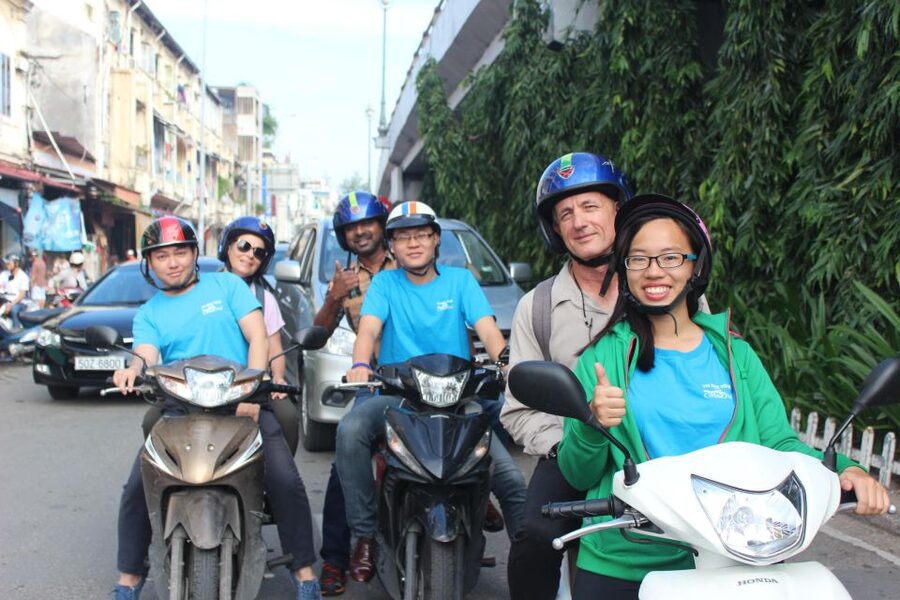
Ho Chi Minh City is best understood from street level, not a seat on wheels. This 4-hour ride gives you a local-style route across multiple districts while your guide explains what you’re seeing and why it matters.
I especially like how this tour is a far easier way to get around than a tour bus, because you’re moving with the flow of daily life. I also appreciate the English-speaking guide experience, and one guide name that shows up is Edward, who’s described as kind and strong on city context.
The main consideration is simple: you’re riding a motorbike in real traffic, so it’s not for people who get nervous on two wheels or who want a slow, low-stimulation pace.
In This Review
- Key things that stand out
- Why a motorbike tour beats the big bus in Ho Chi Minh City
- The ride reality: 4 hours, 5+ districts, and a comfortable setup
- District 1: French colonial landmarks, a coffee park, and Nguyen Hue on foot
- District 3: Thich Quang Duc’s story, old Saigon, and Nguyen Thien Thuat
- District 10 flower market Ho Thi Ki: wholesale colors that run late
- Districts 5 and 6 plus Chinatown: temples, busy markets, and the food culture angle
- Coffee and mixed rice paper: learning the habit, not just tasting it
- Price and value: is $36 per person a smart move?
- Who should book this motorbike tour, and who should pause
- Should you book this Ho Chi Minh City motorbike tour?
- FAQ
- What time options are available for this Ho Chi Minh City motorbike tour?
- How long is the tour?
- Is the tour guide available in English?
- What’s included in the price?
- Is it a small group?
- What if I have food allergies?
Key things that stand out
- Small group (up to 10): easier conversation with your guide and less waiting.
- District-hopping by motorbike: you cover standout areas fast without losing half the day to transit.
- English guidance: you get cultural explanations as you pass real neighborhoods.
- Coffee culture and street snacks: you’ll see how Vietnamese coffee life works, not just where to buy it.
- Unconventional stop choices: you spend time where locals actually shop and hang out.
- Handpicked local contrasts: wealthy villas, quiet areas, and everyday apartments all show up in the same ride.
Hop on the back of a bike, other Saigon rides

Why a motorbike tour beats the big bus in Ho Chi Minh City
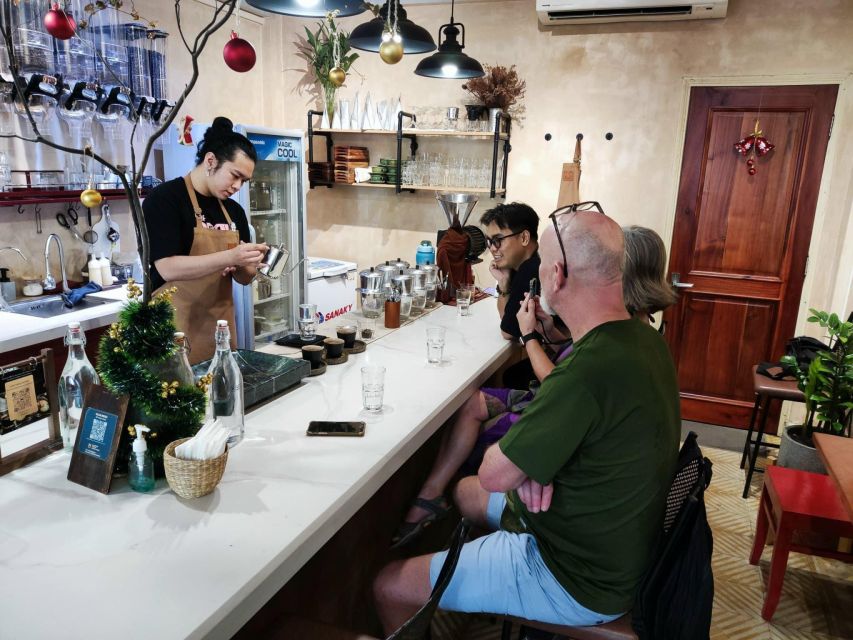
Ho Chi Minh City has a rhythm that’s hard to catch from behind glass. A bus tends to roll past places like they’re scenery. A motorbike tour makes you part of the street scene—closer to shopfronts, sidewalk conversations, and the constant motion of scooters.
This one also makes smart use of time. You’re scheduled for a total of about 4 hours, and the plan is built around seeing multiple districts with different identities. That’s what makes it feel efficient rather than rushed: each area you visit tells a different piece of the city story.
And yes, the guide matters. You ride with a lovely English-speaking guide who can talk you through what you’re looking at. Even better, the feedback highlights that some guides like Edward don’t just point—he explains in a way that turns quick stops into real understanding.
Finally, you’re not just getting transportation. You’re getting context as you travel, which is the difference between sightseeing and learning how a city actually works.
The ride reality: 4 hours, 5+ districts, and a comfortable setup
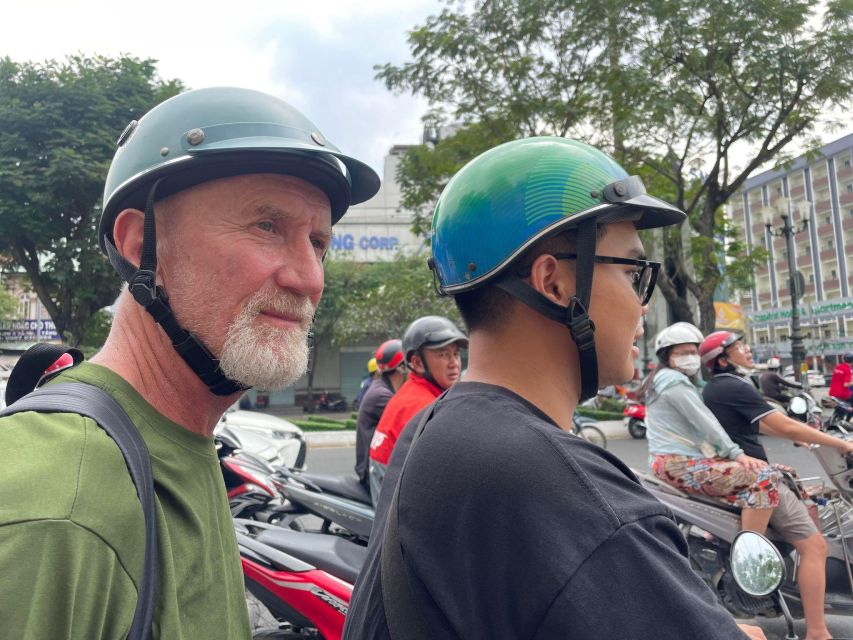
You’ll be on a motorbike with a driver/guide, and you’ll be provided motorcycles and helmets plus 1 bottle of water. That may sound basic, but it’s the practical foundation that keeps your head in the experience instead of in logistics.
Expect to move through at least five different districts, each with their own feel—from colonial landmarks to Buddhist history to wholesale markets. That district mix is a big deal in a city as spread out as this. Instead of trying to connect everything yourself (and losing time negotiating streets and traffic), you’re following a route that’s already stitched together.
Timing also comes in three flavors:
- Morning: 8:00–12:00
- Afternoon: 13:00–17:00
- Evening: 18:00–22:00
If you like photography, the evening slot can be a sweet spot for street atmosphere. If you prefer fewer late-day crowds and easier energy management, go with morning. Either way, you’re not stuck to one rigid schedule.
One more practical point: the tour ends at your accommodation, which removes the last annoying step of getting yourself back across town.
District 1: French colonial landmarks, a coffee park, and Nguyen Hue on foot
District 1 is where a first-time visitor usually starts—and for good reason. But this tour doesn’t treat District 1 like a quick checklist. It threads together landmarks with how people actually move and spend time there.
Here’s the core route in District 1:
- Saigon Notre Dame Cathedral and the Central Post Office
- A Bet student-style coffee park
- Nguyen Hue walking street
The cathedral and post office bring that unmistakable French colonial architecture that defines part of the city’s visual identity. What makes the visit more worthwhile is the way your guide ties it to everyday life right beside it. You’re not only admiring buildings; you’re watching what happens around them.
Then there’s the Bet coffee stop, described as student-style. This matters because coffee in Vietnam isn’t just a drink—it’s a social habit and a routine. This is one of the stops where you can learn how Vietnamese people process and enjoy coffee, instead of simply ordering it and moving on.
Finally, Nguyen Hue walking street is where the energy becomes more public and pedestrian-friendly. You get a chance to see local street life without needing to navigate it on your own.
Potential drawback: District 1 can be more crowded than other areas, especially during peak times. If you want quiet, focus more on the morning slot and plan for a bit of jostling near major landmarks.
District 3: Thich Quang Duc’s story, old Saigon, and Nguyen Thien Thuat
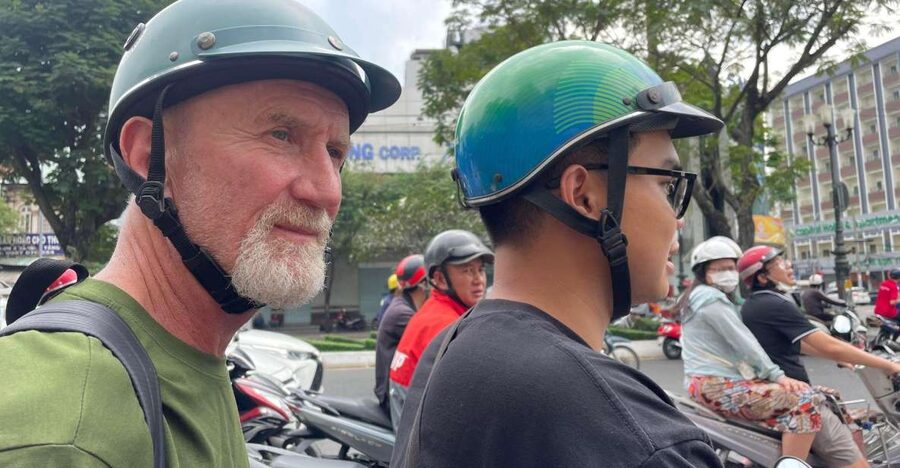
District 3 is where history and local neighborhoods overlap in a way that feels real. Your stops here include:
- A visit to the Statue of Venerable Thich Quang Duc
- Some of the oldest buildings in Saigon
- Shopping streets and small markets
- Nguyen Thien Thuat apartment complex
The Thich Quang Duc connection is not just a photo stop. You learn the story behind the statue: Thich Quang Duc self-immolated in June 1963 as a protest against persecution of Buddhism during the Vietnam War. Hearing that context while standing there changes the moment from scenery to meaning.
After that weighty stop, the tour balances things out. District 3 includes small markets and shopping streets where you can see everyday commerce. The district is also described as having a peaceful atmosphere with a middle-class “dream residence” vibe in some areas, including French-style architectural villas. That contrast is part of why District 3 works so well on a motorbike: you experience the city’s layers in quick, meaningful jumps.
The tour also brings you to Nguyen Thien Thuat apartment, described as a highly dynamic area. This is where you see the lived-in side of District 3—an example of how modern life continues in places that have their own history and character.
Why it’s valuable for you: you get a city portrait that includes both memory and routine. It’s not only about famous sites; it’s about how people actually live around them.
Wider loops through the districts
- Cu Chi Tunnels Tour from HCM City – Morning or Afternoon★ 5.0 · 15,833 reviews
- From HCM City: Mekong Delta Tour with Sampan Journey★ 4.5 · 13,132 reviews
- Ho Chi Minh City Street Food Tour & Sightseeing By Motorbike★ 5.0 · 9,413 reviews
- Mekong Delta Guided Tour from Ho Chi Minh City★ 4.5 · 7,192 reviews
- Ho Chi Minh City: Cu Chi Tunnels Morning or Afternoon Tour★ 4.8 · 6,326 reviews
District 10 flower market Ho Thi Ki: wholesale colors that run late
If you like food, you’ll probably like markets. If you like photos, you’ll really like this one.
The tour heads to Ho Thi Ki flower market in District 10, described as the largest flower market in Saigon and a place that feels active even late—often called a sleepless wholesale market.
What I’d watch for on this stop:
- The sheer range of flowers, including tropical varieties and even imported ones
- The wholesale setup, which can make prices feel more reasonable than retail markets
- The working atmosphere, where flowers aren’t decoration—they’re inventory for everyday life
For flower lovers, this can be the most satisfying stop of the day because it’s both visual and practical. You’re seeing the system behind the beauty.
Simple tip: If you want to buy flowers, keep in mind that freshness and packaging matter. Otherwise, enjoy it as a color-filled snapshot of how the city supplies itself.
Districts 5 and 6 plus Chinatown: temples, busy markets, and the food culture angle
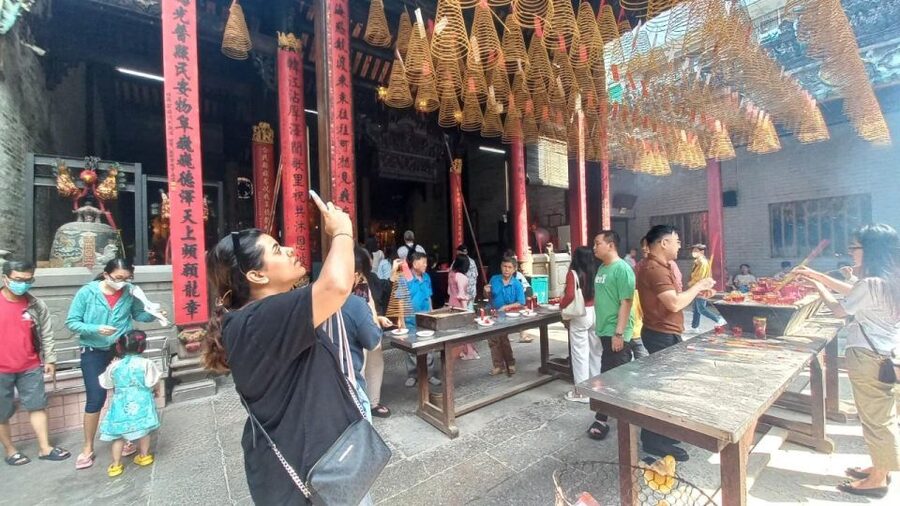
This is where the tour leans into the city’s everyday hustle, but it doesn’t feel chaotic because you’re not doing it alone—you’re moving with a guide who’s steering and explaining.
In Districts 5 and 6, you’ll see:
- Chinese temple areas and local cultural sites
- Busy shopping streets and typical markets
- A selection of market types including a rooster and bird market, fabric market, and oriental medicine market
- A motorbike accessories market that’s described as the largest in Saigon
You’ll also visit On Lang Pagoda (also known as Quan Am and On Lang Assembly Hall), described as the largest Chinese community temple in Ho Chi Minh City and a place that supports both Vietnamese and Chinese Buddhists. That bilingual spiritual life is exactly the kind of detail that makes this tour feel more than generic sightseeing.
Then you’ll head into Saigon Chinatown, where you can learn about how Chinese and Vietnamese people live and trade together. The point isn’t to treat it like a museum. It’s to notice how culture works in daily transactions: the shops, the signs, and the mix of people who belong to both the street and the community.
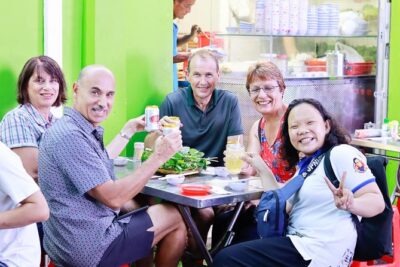
Food also shows up in a clear, practical way. Your guide connects local food habits like beef noodle soup, described as a popular daily breakfast or lunch in Vietnam.
Why this section is a highlight: it’s one of the most different-feeling parts of the day. You get variety—markets, temples, and neighborhood commerce—without having to plan your own route across the city.
Coffee and mixed rice paper: learning the habit, not just tasting it
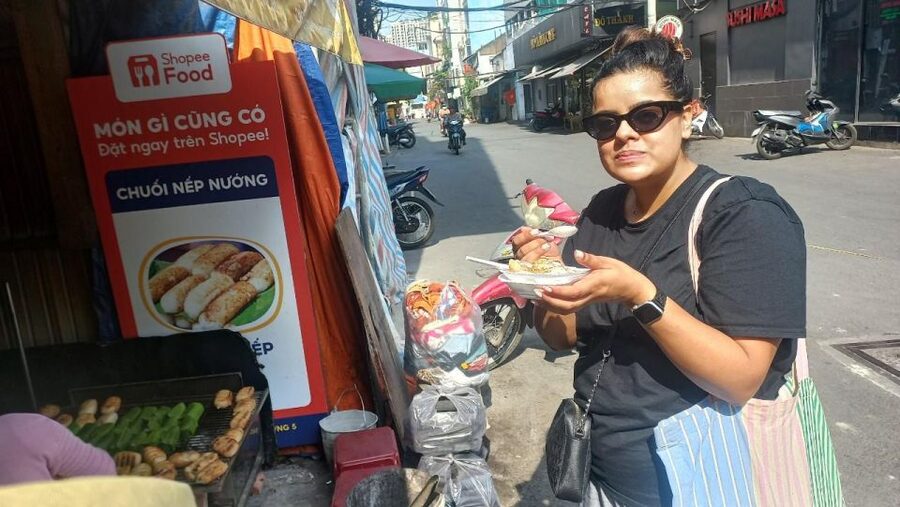
This tour makes coffee part of the story, not a random pit stop. You’ll visit a Bet student-style coffee park, and you’ll also see how Vietnamese people process and enjoy coffee.
Why that matters: Vietnamese coffee is often experienced through the lens of routine—how it’s brewed, how it’s served, and how people use cafés as social spaces. If you only order a drink, you miss that cultural angle. Here, you get the context behind the cup.
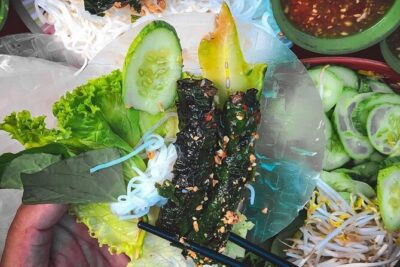
On the snack side, you’ll try mixed rice paper. It’s the kind of small bite that helps you understand what street snacks really are in Vietnam: quick, shareable, and made for eating while walking or between errands.
You also have a built-in flexibility that matters for real life: if you have food allergies, tell your guide. The tour is designed to be tailored to your preferences, and the guide can provide alternatives.
Price and value: is $36 per person a smart move?
At $36 per person for about 4 hours, the price is best understood as paying for three things at once:
- A guide who speaks English and can explain what you’re seeing
- Motorbikes and helmets, so you’re not organizing transport
- A structured route that hits multiple key districts instead of spending time getting from A to B
If you’ve ever tried to piece together a motorbike plan yourself in a new city, you know the hidden cost is time and stress. Here, that stress is reduced because the route is already assembled and the guide handles the driving.
The small group limit (up to 10 participants) is also part of the value. In a smaller group, you’re more likely to get real answers while moving between stops. It also tends to make the ride feel less like a factory line and more like guided exploration.
The included water is minor, but it’s the kind of detail that helps you stay comfortable for the whole 4 hours.
Bottom line: if you want a practical introduction to Ho Chi Minh City with less transit hassle and more street-level understanding, this price feels reasonable.
Who should book this motorbike tour, and who should pause
This tour is a great fit if you:
- Want a fast, street-level way to understand multiple districts
- Enjoy markets, temples, and neighborhoods more than only postcard monuments
- Like food and coffee culture and want explanations along the way
- Prefer a small group with an English guide
You might want to pause if you:
- Feel anxious about motorbike travel in active traffic
- Want a fully slow walking pace (this is more motion-based than foot-focused)
- Prefer to keep your schedule extremely quiet and low-energy for the day
That said, the tour is also described as flexible with customizable pickup times (morning, afternoon, evening) and tailored preferences, so you can likely choose the version that matches your comfort level.
Should you book this Ho Chi Minh City motorbike tour?
Yes—if your goal is to get your bearings fast and see real neighborhood life without wasting time. The strongest reasons to book are practical: it’s easier than a tour bus for covering ground, and you get English explanations that turn stops into understanding. The mention of Edward’s kind, information-rich guidance is a good sign that the guide experience can be more than just driving and waving.
I’d particularly recommend it if you’re traveling for the first time in Ho Chi Minh City and want a “district sampler” that goes beyond only famous sights. District 1 handles the famous architecture, District 3 adds history with real meaning, District 10 brings market color, and Districts 5–6 plus Chinatown provide the day-to-day cultural texture.
If you like your travel with movement, snacks, and street-level stories, this is a solid use of 4 hours.
FAQ
What time options are available for this Ho Chi Minh City motorbike tour?
There are three pickup options: 8:00am (ends at 12pm), 1:00pm (ends at 5pm), and 6:00pm (ends at 10pm).
How long is the tour?
The tour runs for 4 hours.
Is the tour guide available in English?
Yes. The tour includes an English-speaking guide.
What’s included in the price?
Included are the tour guide in English, motorcycles and helmets, and 1 bottle of water.
Is it a small group?
Yes. The group is limited to 10 participants.
What if I have food allergies?
Let your tour guide know about any allergies. The tour can be tailored to your preferences, and alternatives can be provided.
The Districts, One by One


More Tour Reviews in Ho Chi Minh City

On the Back of a Bike, Continued
Just Reviewed Around Saigon
- Secret walking Food Tour Ho Chi Minh City
★ 5.0 · 3 reviews - Ho Chi Minh City: Secret Cocktail Experience
★ 5.0 · 3 reviews - From Ho Chi Minh city: Vung Tau Beach Private Day Tour
★ 5.0 · 3 reviews - Saigoncholon
★ 3.5 · 3 reviews - Saigon On 2 Wheels
★ 3.5 · 3 reviews - From Ho Chi Minh City: Relax In Mui Ne Beach In 1 Day
★ 4.3 · 3 reviews
Scooter & Vespa Tours, compared.
 ★ 5.0Ho Chi Minh City Street Food Tour & Sightseeing By MotorbikeFrom $289,413 reviews
 ★ 5.0Saigon By Night and Street Food By Motorbike | Opt: Ao Dai RidersFrom $374,066 reviews
 ★ 5.0Private Street Food Tour by Motorbike/Car with Local StudentsFrom $453,950 reviews
 ★ 4.9Street Food Tasting & Sightseeing Tour by MotorbikeFrom $273,578 reviews
 ★ 5.0Top Notch Street Food Motorbike Tour In Ho Chi Minh CityFrom $292,667 reviews
 ★ 5.0Private Street Food Motorbike Tour in Ho Chi Minh CityFrom $552,180 reviews
 ★ 5.0Ho Chi Minh City Motorbike Tour with Student | Saigon AdventureFrom $231,697 reviews
 ★ 5.0Food Tour by Scooter with Eleven TastingsFrom $281,502 reviews
Browse the lists this tour appears in