
REVIEW · SCOOTER & VESPA TOURS
Ho Chi Minh: Historical City Scooter Tour
Saigon moves fast on two wheels. This private scooter tour strings together the city’s big landmarks and lesser-seen neighborhoods in just 4 hours, and I like that it mixes famous photo stops with street-level life. I also like the way guides turn each stop into a clear story, from the cathedral’s French build to a 75-year-old coffee shop. One consideration: you’ll be riding in traffic for stretches, so it’s not ideal if you’re nervous on a scooter or have back or mobility issues.
At this $49 per person price, you’re not just buying a route—you’re buying time saved and context added. Pickup runs from your hotel lobby, and the tour starts either at 8:00AM or 1:00PM, which makes it easy to fit into a day of sightseeing without burning half your schedule on transit.
In This Review
- Key points worth knowing before you go
- What a 4-hour private scooter loop feels like in Saigon traffic
- French-built Notre-Dame Cathedral and the Post Office letter legacy
- War Remnants Museum and Thich Quang Duc: history you can’t ignore
- The oldest apartment and what the city’s war-era structures still teach
- Saigon’s biggest flower market: 24-hour energy and Da Lat flowers
- Vietnamese coffee at a 75-year-old shop with a rare method
- Chinatown, the 300-year-old Thien Hau temple, and market textures
- Value for $49: what you get and why it’s not just a checklist
- How to get the most out of your scooter day
- Should you book this Ho Chi Minh historical scooter tour?
- FAQ
- How long is the Ho Chi Minh historical city scooter tour?
- What time does hotel pickup happen?
- Is the tour private?
- What’s included in the price?
- What should I bring?
- Is it suitable for people with mobility or health limitations?
Key points worth knowing before you go
- Private-by-you energy: you ride with a dedicated driver and an English-speaking guide, so you can ask questions and adjust the pace.
- Eight-district coverage in one day: big city icons plus quieter spots, so you get a faster read on how Saigon works.
- Safety basics included: you get a good helmet and raincoat, useful in sun or sudden showers.
- War history stops are handled carefully: the War Remnants Museum and the Thich Quang Duc Monument are powerful, with clear explanations.
- Food and market time, not just temples: you’ll hit a flower market and a long-running coffee shop, both with real local rhythm.
- Chinatown beyond the main drag: you see the 300-year-old Thien Hau temple and market scenes tied to daily life.
Hop on the back of a bike, other Saigon rides




What a 4-hour private scooter loop feels like in Saigon traffic
This tour is designed for people who want to understand Ho Chi Minh City fast, without spending your day bouncing between neighborhoods on your own. You’ll be picked up from your hotel lobby and guided around a tight loop that covers major landmarks and local areas—called out as reaching eight districts in one day.
The duration is 4 hours, which is long enough to feel like you went somewhere, but short enough to keep you from getting exhausted before dinner. You’ll usually start at either 8:00AM or 1:00PM, and that timing matters because some stops—like the flower market—are at their best when the city is already waking up.
On the scooter side, this is a practical setup. You get a good helmet and a raincoat included, which takes two common headaches off your list. The ride itself can feel intense if you’re expecting a quiet countryside drive, since you’re moving through busy roads. The good news is that the tour is led by local drivers who maneuver through heavy traffic. In past experiences, guides have specifically been praised for making riders feel safe, even when traffic is thick.
Who this suits best: first-timers who want “the highlights plus more,” people who learn well with commentary, and couples or solo travelers who prefer a private pace instead of a crowded group.
Who should skip: anyone with heart problems, back problems, or mobility limitations (including wheelchair users). The tour is not positioned for that. If you’re unsure about scooter comfort, it’s worth choosing your seat choice and prep carefully (more on that below).
French-built Notre-Dame Cathedral and the Post Office letter legacy
The tour kicks off with a major icon: the cathedral in Ho Chi Minh City, built using materials from France. That detail isn’t just trivia—it helps you understand how Saigon has always been shaped by outside influences, long before it became the Vietnam most visitors see today.
From there, you’ll head to the post office, another standout structure. The emotional hook here is a meeting with a 90-year-old man who is described as the last hand-written letter-writer in Vietnam. Even if you don’t speak Vietnamese well, the point lands quickly: this isn’t a museum stop where everything is behind glass. It’s about a fading tradition and what people still value in a modern city.
Why these two stops work early in the day
- They’re easy to orient yourself with. After these, your brain starts mapping streets and landmarks more confidently.
- They set up a theme for the rest of the tour: Saigon as a place where history shows up in architecture and everyday habits.
A small practical note: bring comfortable shoes. These are walking-and-standing moments inside busy city areas, and you’ll likely want to pause for photos without rushing.
War Remnants Museum and Thich Quang Duc: history you can’t ignore

Next up is the War Remnants Museum, one of the most significant stops on the itinerary. Vietnam has been through a lot of war, and this museum is where you get the “why” behind the scars you might otherwise only see in headlines or monuments.
This is also where your guide matters. In real-world tours, guides have been praised for handling the topic with sensitivity—explaining what war does to a nation and its people, without turning it into a cold lecture. You’ll likely hear stories about lesser-known angles behind the conflicts, and you’ll have time to absorb them without feeling rushed.
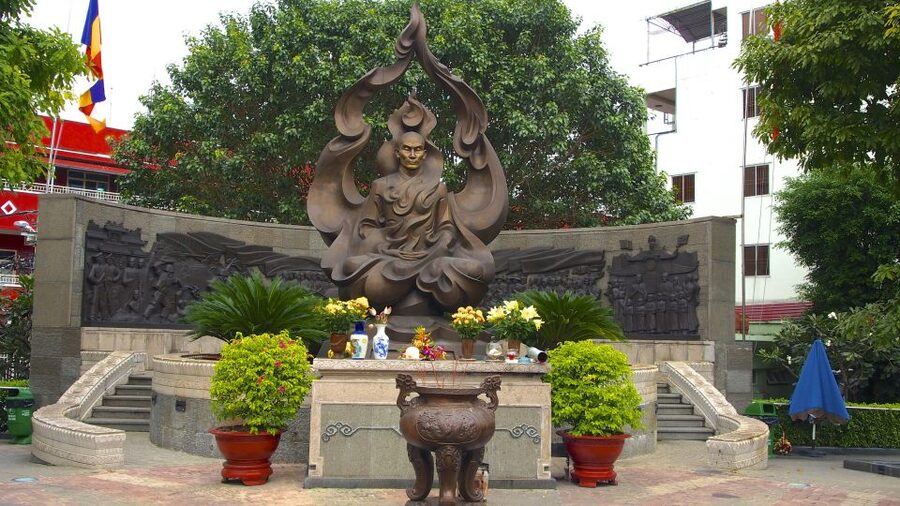
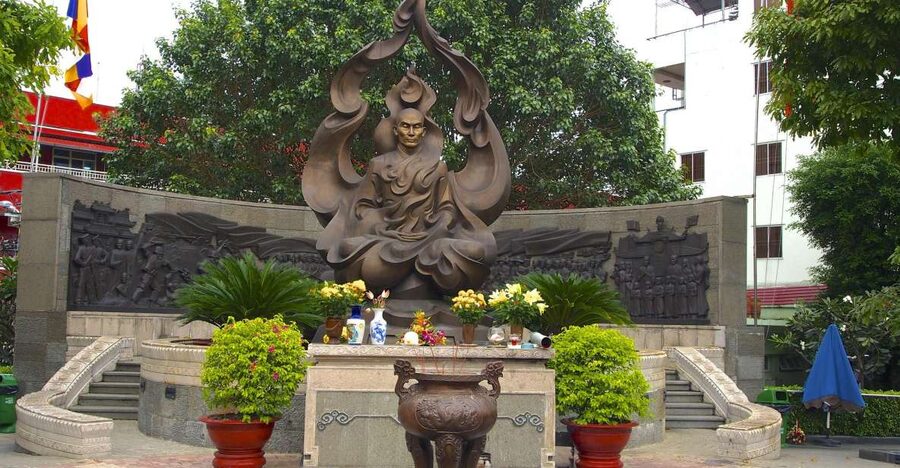
After the museum, you visit the Thich Quang Duc Monument, which honors the famous monk who burnt himself in 1963 as a protest against the southern government. Again, this is not a casual sightseeing stop. The power here is in context: you’re not just looking at a statue; you’re being guided through what it represented and why it became a symbol.
If you’re the type who gets overwhelmed easily by heavy material, you might treat this section as your “depth hour.” It’s intense, but it makes everything after it make more sense.
Practical tip: wear sunscreen and keep water in mind. Even when topics are serious, your body still needs to function in the heat.
The oldest apartment and what the city’s war-era structures still teach
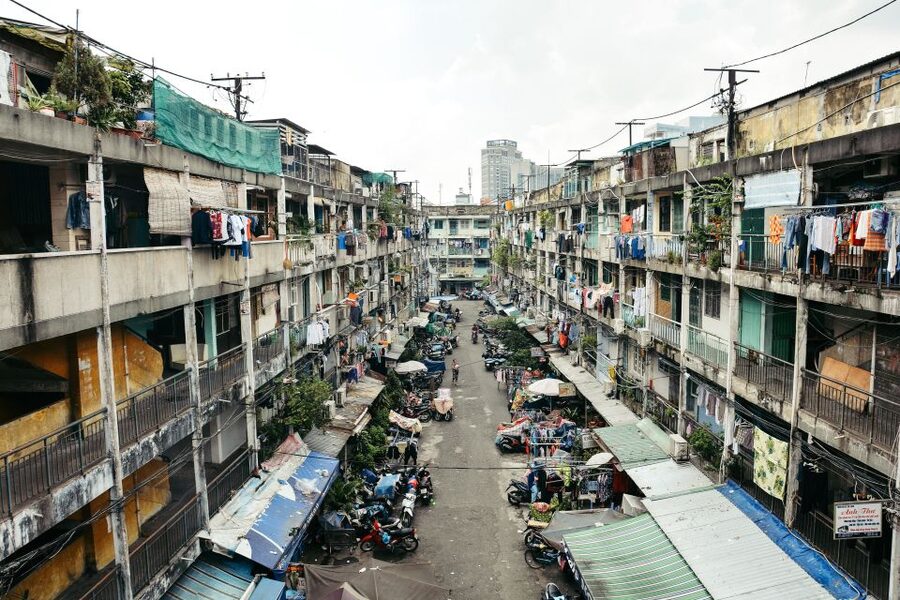
After the monument and museum intensity, the tour shifts gears toward everyday life—one of the best moves in the itinerary. You’ll visit the oldest apartment in Ho Chi Minh City, built from the war. The idea isn’t just “look at an old building.” It’s about seeing how people lived (and still live) in spaces shaped by past conflict.
You’ll walk through the apartment area and hear stories about the history and the lifestyle of local people. This stop is valuable because it connects large events to human scale. You can picture families, routines, and how a city carries memory in concrete and stairwells.
What you should keep in mind
- This is a living neighborhood type of moment, not a staged show.
- If you’re expecting polished tourist-only surroundings, you might need a mindset shift. The reward is real perspective.
Wider loops through the districts
- Cu Chi Tunnels Tour from HCM City – Morning or Afternoon★ 5.0 · 15,833 reviews
- From HCM City: Mekong Delta Tour with Sampan Journey★ 4.5 · 13,132 reviews
- Ho Chi Minh City Street Food Tour & Sightseeing By Motorbike★ 5.0 · 9,413 reviews
- Mekong Delta Guided Tour from Ho Chi Minh City★ 4.5 · 7,192 reviews
- Ho Chi Minh City: Cu Chi Tunnels Morning or Afternoon Tour★ 4.8 · 6,326 reviews
Saigon’s biggest flower market: 24-hour energy and Da Lat flowers
Then you hit one of the most sensory stops on the whole route: the biggest flower market in the city. It’s described as starting in 1980 and operating like a sleepless place—open almost 24 hours a day.
The practical magic here is how the flowers arrive. They’re transferred from Da Lat each morning (the tour even calls Da Lat the Paris of Vietnam). That gives you a direct feel for how Vietnamese cities feed each other. It’s not just local color—it’s a supply chain you can literally see on display.
If you like markets, you’ll probably enjoy this stop a lot. You can take a walk and see thousands of flowers arranged in ways that make you forget you’re in an urban traffic loop.
One consideration: markets are where you get sun, heat, and lots of movement. Wear breathable clothes, comfortable shoes, and keep sunglasses handy.
Vietnamese coffee at a 75-year-old shop with a rare method
After flowers, you get a calmer, more personal stop: Vietnamese coffee at a 75-year-old coffee shop. The tour claims its method of making coffee is used by only three coffee shops in Vietnam, which is the kind of detail that helps you justify a coffee stop that might otherwise feel touristy.
Here’s why this works in a scooter tour: it gives your body a break. You can sit, cool off, and let the day’s history settle in your mind. And if your guide explains the coffee-making approach clearly, it becomes more than caffeine—you start noticing the technique and why it’s valued.
Also, if you’re the type who likes to compare how places do the same thing differently, this is the moment. Vietnam isn’t one-style-fits-all when it comes to coffee.
Chinatown, the 300-year-old Thien Hau temple, and market textures
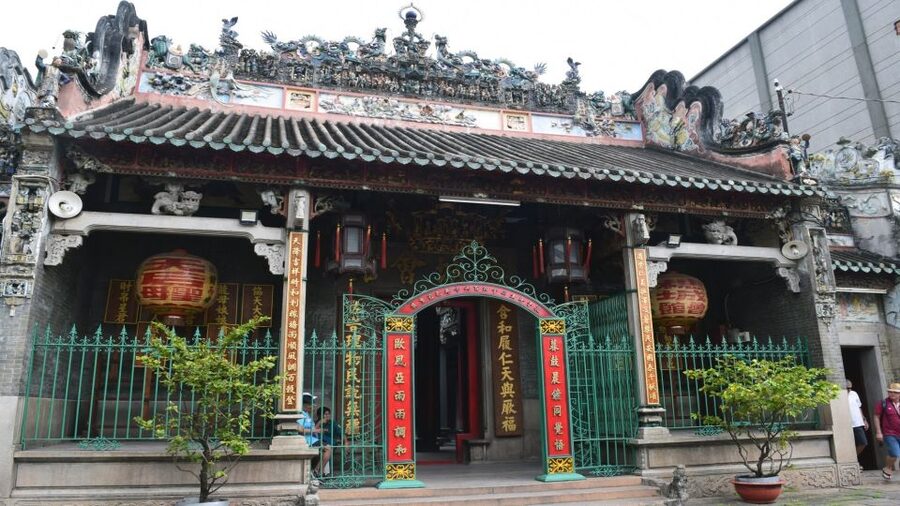
Near the end of the tour, you’ll go to Chinatown, where the itinerary centers on a 300-year-old temple called Thien Hau. The tour frames Chinatown as home to around 1.5 million Chinese-Vietnamese living there for generations, so the stop isn’t about one building. It’s about community continuity.
You’ll also get a look at market scenes tied to daily life—specifically a motorbike market and a bird market—plus, of course, the temple itself. It’s one of the reasons scooter tours can be better than walking-only tours: you reach scenes that might feel far apart on foot, and your guide can translate what you’re seeing in real time.
If you’re a photo person, this is a great end-of-tour capstone. You’ll likely have energy left for close-up details: incense atmosphere at the temple, motion in the markets, and the contrast between older religious spaces and working streets.
Value for $49: what you get and why it’s not just a checklist
At $49 per person for 4 hours, the value is strongest if you care about guided interpretation and logistics. Here’s what your money is covering, based on what’s included:
- A private driver with fluent English (and a live guide in Vietnamese and English)
- Entrance tickets for the listed attractions
- Helmet and raincoat support
- Pickup from your hotel lobby
- A flexible itinerary approach, so you can keep momentum without feeling trapped
The best way to think about it: if you tried to recreate this on your own, you’d spend time on routing, ticketing, and figuring out what matters at each site. This tour gives you a guided thread that ties the stops together—cathedral and post office, war history and protest monument, then daily life, markets, coffee, and Chinatown.
What you might pay for elsewhere—guide time, transport, and admissions—often adds up quickly. Here, the whole package is built around a tight schedule.
How to get the most out of your scooter day
This tour is built for motion, so prep is key. Use the tour’s guidance and add common sense:
- Wear comfortable shoes you can stand in.
- Bring sunscreen and sunglasses. Heat is real even when your mind is on monuments.
- If you’re sensitive to scooter rides, choose a calm posture and focus on your breathing. The guides are used to managing different comfort levels, but you still need your own plan.
Timing tip: If you’re booking 8:00AM, you’ll likely feel the city more energetic at street level. If you book 1:00PM, plan for hotter sun and look forward to indoor stops like the museum and coffee place to reset your energy.
Finally, lean into questions. Guides on this kind of route often use thoughtful conversation to connect the dots between the sites—especially around war history, daily life, and why the city has the shape it does now.
Should you book this Ho Chi Minh historical scooter tour?
I’d book it if you want a fast, guided introduction to Ho Chi Minh City that goes beyond the usual photo loop. It’s especially appealing if you like:
- seeing major landmarks and getting local context
- learning through stories tied to real places
- ending with practical, sensory stops like flowers, coffee, and Chinatown markets
I would not book it if you can’t do scooter riding comfortably, or if serious topics feel too heavy for a single afternoon. Also, avoid it if you fit the tour’s stated limits: back problems, mobility impairments, heart problems, or wheelchair use.
If you do book, pick your timing with your energy level in mind, wear good shoes, and go into it ready to see Saigon as a city shaped by both architecture and lived experience.
FAQ
How long is the Ho Chi Minh historical city scooter tour?
The tour lasts 4 hours.
What time does hotel pickup happen?
Your pickup time is either 8:00AM or 1:00PM.
Is the tour private?
Yes. It’s set up as a private tour just for you.
What’s included in the price?
It includes the listed attraction admissions, a good helmet and raincoat, a private driver with fluent English, and a live tour guide (Vietnamese and English).
What should I bring?
Bring comfortable shoes, sunglasses, and sunscreen.
Is it suitable for people with mobility or health limitations?
No. It’s not suitable for people with back problems, mobility impairments, heart problems, or wheelchair users.
More Tours in Ho Chi Minh City




More Tour Reviews in Ho Chi Minh City
On the Back of a Bike, Continued
Just Reviewed Around Saigon
- Secret walking Food Tour Ho Chi Minh City
★ 5.0 · 3 reviews - Ho Chi Minh City: Secret Cocktail Experience
★ 5.0 · 3 reviews - From Ho Chi Minh city: Vung Tau Beach Private Day Tour
★ 5.0 · 3 reviews - Saigoncholon
★ 3.5 · 3 reviews - Saigon On 2 Wheels
★ 3.5 · 3 reviews - From Ho Chi Minh City: Relax In Mui Ne Beach In 1 Day
★ 4.3 · 3 reviews
Scooter & Vespa Tours, compared.
 ★ 5.0Ho Chi Minh City Street Food Tour & Sightseeing By MotorbikeFrom $289,413 reviews
 ★ 5.0Saigon By Night and Street Food By Motorbike | Opt: Ao Dai RidersFrom $374,066 reviews
 ★ 5.0Private Street Food Tour by Motorbike/Car with Local StudentsFrom $453,950 reviews
 ★ 4.9Street Food Tasting & Sightseeing Tour by MotorbikeFrom $273,578 reviews
 ★ 5.0Top Notch Street Food Motorbike Tour In Ho Chi Minh CityFrom $292,667 reviews
 ★ 5.0Private Street Food Motorbike Tour in Ho Chi Minh CityFrom $552,180 reviews
 ★ 5.0Ho Chi Minh City Motorbike Tour with Student | Saigon AdventureFrom $231,697 reviews
 ★ 5.0Food Tour by Scooter with Eleven TastingsFrom $281,502 reviews
Browse the lists this tour appears in