
REVIEW · WAR HISTORY TOURS
Ho Chi Minh Most Historical Spots & War Museum Tour (Private & All-Inclusive)
Saigon history hits hard and fast. This private day stacks the War Remnants Museum with quieter, spiritual stops, then ends with a hands-on look at Vietnamese medicine.
I like the structure here: hotel pickup gets you out the door without hassle, and you’re in an air-conditioned vehicle with a guide who keeps the day moving. I also really like that key admissions are handled on-site—so you spend less time figuring out tickets and more time actually seeing.
One thing to consider: this is an emotionally heavy route. The War Remnants Museum can be graphic and intense, and the mid-afternoon sightseeing can feel like a brisk pace.
In This Review
- Key highlights at a glance
- Why this War-and-History day works in Ho Chi Minh City
- The War Remnants Museum: the emotional center of the day
- Thich Quang Duc Monument: protest history in a peaceful setting
- Wat Chantaransay (Khmer pagoda): a calm break with Theravada traditions
- FITO Museum: why traditional medicine deserves a place on your list
- Lunch time + the in-between hours you’ll actually feel
- Optional stops that often fit this kind of Saigon history route
- Religious and cultural stops help history make sense
- How to plan your expectations (and your photos)
- The value of $133: what’s included and what you should watch
- Who should book this tour—and who might want a different one
- Should you book this Ho Chi Minh City history tour?
- FAQ
- FAQ
- What time does pickup happen?
- How long is the tour?
- Which major stops are included?
- Are any entrance tickets included?
- Is this a private tour?
- How do I get my tickets?
- Can I cancel and get a full refund?
Key highlights at a glance
- Hotel pickup and private, all-in-one-day convenience
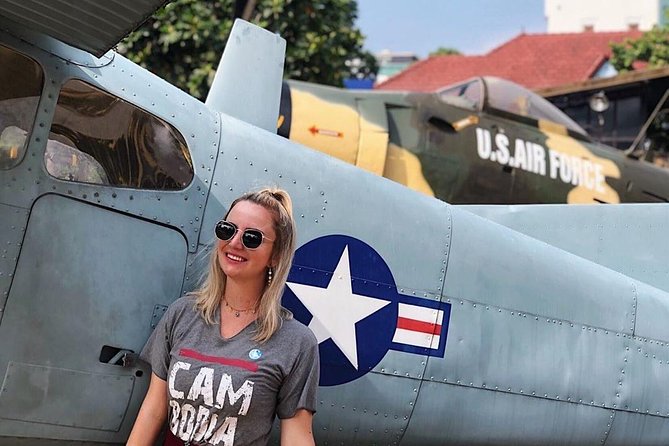
- War Remnants Museum with headset-style audio support
- Free memorial and free Khmer pagoda time
- FITO Museum admission included
- A route that can mix war history with major District 1 landmarks
- A guide who can explain the story behind what you’re seeing
The war years, told through Saigon streets and museums

Why this War-and-History day works in Ho Chi Minh City

Ho Chi Minh City is layered—French colonial facades, Buddhist and Christian worship sites, markets, and then the Vietnam War that still shapes how people talk and remember. This tour is built to give you that full picture without you bouncing around on your own.
You get a private experience with just your group, plus hotel pickup and an English-speaking guide. The day runs about 6 to 7 hours, with a built-in lunch window, so you don’t feel like you’re sprinting from one attraction to another with no plan.
The value question is simple: a lot of what you’re paying for is access plus interpretation. You’re not just being dropped at sites—you’re getting a guided sequence that helps the places connect.
The War Remnants Museum: the emotional center of the day
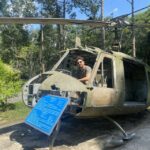
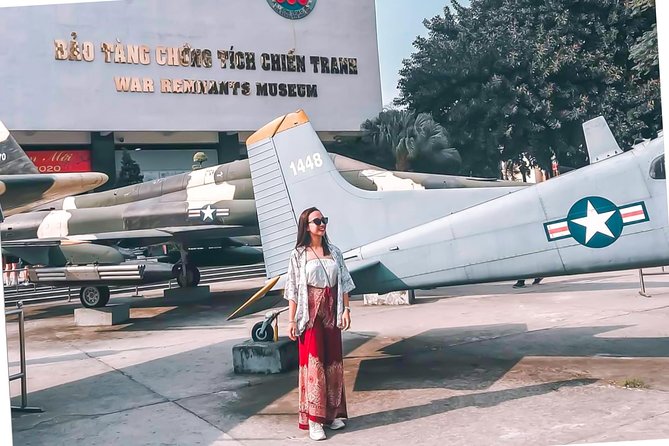
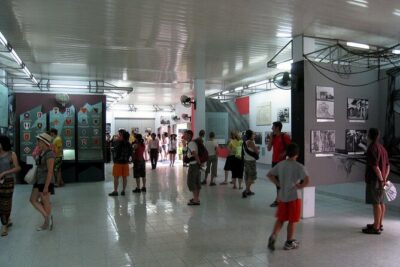
The War Remnants Museum is the headline stop, starting with your visit around 9:20 AM. It opened to the public in 1975, and for many years it was known as the Museum of American War Crimes—so the tone is not subtle.
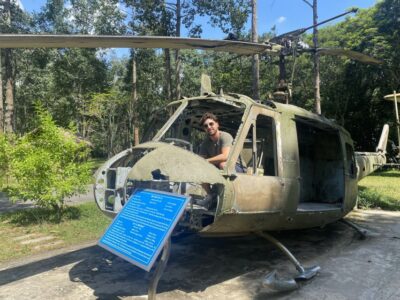
Here’s what makes it especially effective on a guided tour: you don’t just see artifacts and photos. You also get help understanding what you’re looking at, including the context behind items and exhibits. One strong detail from guides’ audio approach is that you can use headset audio that matches numbered points, letting you click through information as you stand in front of specific planes, guns, and displays.
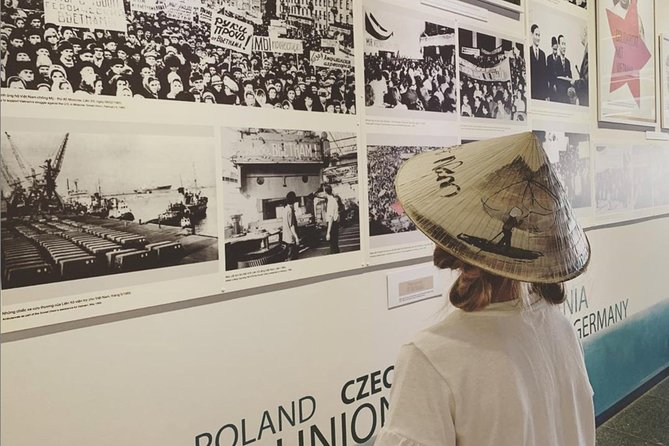
Expect some rooms to be genuinely confronting, including exhibits tied to war crimes and Agent Orange. If you’re the type who needs to process slowly, plan on taking breaks and stepping back when you need air.
What I like most: the museum is well organized. You can move at your own pace, but you also have a guide to keep the story straight when dates, locations, and names start stacking up.
Thich Quang Duc Monument: protest history in a peaceful setting
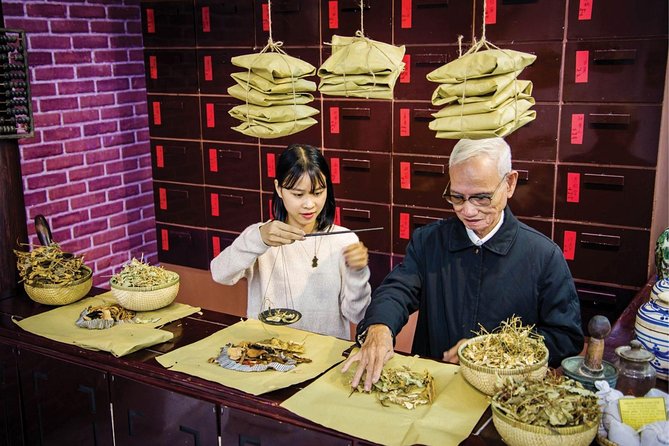
After lunch time (around 11:30 AM), the route shifts from museum heaviness to a memorial that still carries a sharp message. The Venerable Thich Quang Duc Monument honors the Buddhist monk who self-immolated in 1963 as a protest, at an intersection not far from today’s Reunification Palace area.
This stop is free, and it’s designed for reflection. You’ll spend about 20 minutes, which is just enough time to read the details, understand the significance, and then keep moving without feeling stuck.
What I appreciate here is the contrast. The tour doesn’t treat history as only documents and weapons. It also includes moral courage, faith, and public protest—things that people can recognize even if they didn’t study the war in school.
Wat Chantaransay (Khmer pagoda): a calm break with Theravada traditions
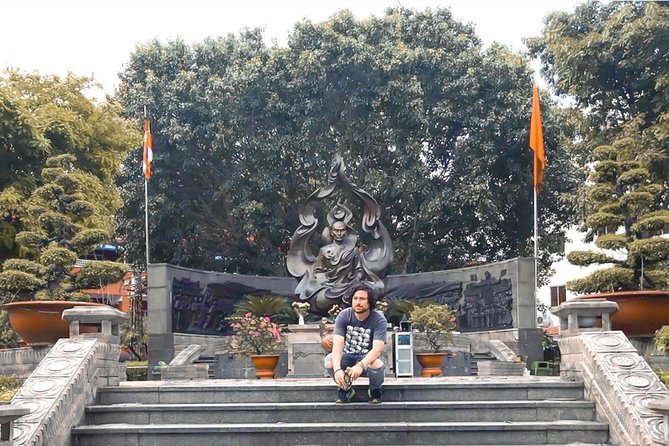
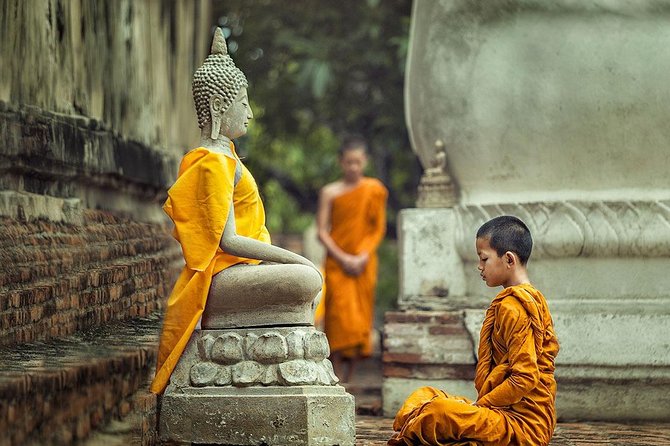
Next comes a very different kind of learning: spiritual and cultural time at the Wat Chantaransay (also called Chùa Chantarangsay), a Khmer pagoda in southern Vietnam.
You get roughly 45 minutes, and the entry is free. This pagoda also houses monks from the Theravada sect, which adds a useful layer to your understanding of Buddhism beyond the more commonly pictured versions.
If you’re traveling with anyone who gets museum fatigue, this is the relief stop. It’s quieter, more sensory in a everyday way, and it gives your mind a short reset before you go into the more “information-heavy” museum of the afternoon.
Keep it to your group, other private days
- Private Street Food Tour by Motorbike/Car with Local Students★ 5.0 · 3,950 reviews
- Private Street Food Evening Walking Tour in Ho Chi Minh City★ 5.0 · 3,175 reviews
- Private Street Food Motorbike Tour in Ho Chi Minh City★ 5.0 · 2,180 reviews
- Cu Chi Ben Duoc Tunnels Tour (max 12 people) with Private Option★ 5.0 · 1,885 reviews
- Private Cu Chi Tunnels Half Day Adventure Tour★ 5.0 · 800 reviews
FITO Museum: why traditional medicine deserves a place on your list
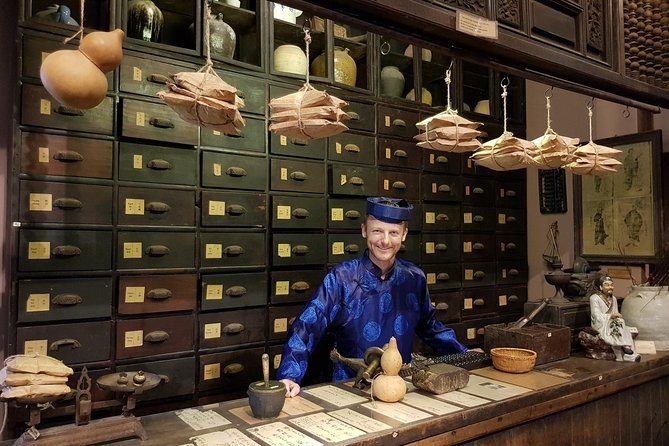
Then it’s FITO Medicine Museum (around 2:30 PM), with about 1 hour there. This is one of the most interesting stops on a “history tour” because it connects culture to what people used to do to survive, not just what armies did to fight.
The museum mixes traditional and modern architecture and spreads across one ground floor and five upper floors, with 18 exhibition rooms. You’ll see carefully presented displays—some tied to traditional pharmacy and others showing how the story connects to later developments.
What I like: it turns history into something practical. Even if you don’t care about medicine, you’ll learn how Vietnamese communities understood health, remedies, and the role of pharmacy long before big modern hospitals arrived.
Admission here is included, which helps make the price feel more justified for a half-day museum segment.
Lunch time + the in-between hours you’ll actually feel
Your schedule includes lunch time around 11:30 AM, and then the next memorial stop is listed for about 1:00 PM. That gap matters. It means you’re not constantly rushing between doors, and you’re likely using this period to eat, adjust your energy, and ride between areas with your guide.
I suggest you treat lunch as part of the pacing strategy, not just a break. If you’re sensitive to the War Remnants Museum content, a good meal right after makes the afternoon feel more manageable.
After FITO, you’ll start heading back (around 3:30 PM) and arrive back at your hotel by about 4:30 PM. That keeps the day from swallowing your entire trip.
Optional stops that often fit this kind of Saigon history route
One thing I found useful is that this tour is described as covering major historical and sightseeing highlights beyond the war-focused sites. Depending on what’s scheduled for your day, you may also see classic District 1 landmarks and cultural stops.
Some of the names that can appear in the route include:
- Reunification Palace, tied to Ngo Dinh Diem’s base and the events around 1975 (including a famous tank through the main gate)
- The Saigon Central Post Office (built 1886–1891) with Gothic/Renaissance/French colonial design details, plus the common Eiffel credit myth you’ll hear about
- Dong Khoi Street (Rue Catinat in the French era), often used for architectural viewing and photos
- Saigon Opera House near the Dong Khoi area
- Ben Thanh Market for local crafts and snack options inside the market area
- Notre-Dame Cathedral Basilica of Saigon in downtown
- Saigon City Hall (French colonial style from 1902–1908, renamed after 1975)
Other route elements can include religious and community sites like:
- Thien Hau Temple (Ba Thien Hau Pagoda), dedicated to the sea goddess Mazu
- Tan Dinh Church Saigon, a Romanian-style church with Gothic and Renaissance elements (built 1876)
You don’t need to do all of these with the same level of attention as a museum. Think of them as context builders. When you can see colonial-era buildings, city squares, and places of worship on the same day as war remembrance, the city’s story stops feeling like random facts.
Religious and cultural stops help history make sense
What makes this tour feel well balanced is that it doesn’t treat history as one theme only. You go from war memory to protest memory, then to Khmer Buddhist practice, then to medicine, and often into other cultural landmarks.
That matters because Ho Chi Minh City isn’t just a “war city.” It’s also a working city where beliefs, families, and communities keep moving. The more you see across those categories in one day, the easier it is to understand how people lived then—and still live now.
If you prefer a tour that includes both serious and calmer moments, the mix of the Thich Quang Duc Monument and the Khmer pagoda is a smart design choice.
How to plan your expectations (and your photos)
Be ready for two different modes on this day:
1) Museum mode: seated reading, exhibit scanning, and emotional weight.
2) City mode: quick stops for sightlines, architecture, and atmosphere.
If you want good photos, bring a phone with a charged battery and a backup plan. Hot weather can make photo breaks feel longer, so wear something comfortable for walking even if most transit is by car.
Also, because some parts of the content are intense, keep a little breathing room. Don’t force yourself to “finish everything.” Let your guide direct you to what to focus on most.
The value of $133: what’s included and what you should watch
At $133 per person, the price can make sense if you’re comparing it to doing everything solo with taxis and separate museum tickets.
Based on the provided inclusions:
- War Remnants Museum admission is included
- FITO Museum admission is included
- The Thich Quang Duc Monument and Chantaransay pagoda are listed as free
- Pickup is offered, and you ride in a comfortable vehicle with an English-speaking guide
- You receive a mobile ticket
So you’re paying mainly for the guided day, the vehicle, and the museum admissions that would otherwise add up.
One practical tip: because it’s popular, it’s booked well in advance on average. If your dates are firm, don’t wait for the last minute.
Who should book this tour—and who might want a different one
This tour is a strong fit if you:
- Want a structured introduction to Vietnam’s modern history in Ho Chi Minh City
- Appreciate explanations as you move through places
- Like a mix of heavy and lighter stops, instead of only museums or only sightseeing
- Want hotel pickup and a private setup without planning every transport hop
It might be less ideal if you:
- Want a light, distraction-free day
- Are uncomfortable with graphic war-related content
- Have limited patience for a schedule that still feels like a full day
Should you book this Ho Chi Minh City history tour?
If you want one day that gives you both war remembrance and everyday cultural context, I’d say it’s worth booking. The included museum admissions plus guided interpretation are the core reason the price feels fair, and the calm stops (memorial and pagoda) keep the day from becoming only heavy.
If you do book it, go in mentally prepared for intensity at the War Remnants Museum, and treat the rest of the day as your chance to connect the story points.
FAQ
FAQ
What time does pickup happen?
Pickup is listed for 9:00 AM from your hotel, with the exact pickup time varying depending on your location.
How long is the tour?
The tour lasts about 6 to 7 hours.
Which major stops are included?
The scheduled highlights include the War Remnants Museum, the Venerable Thich Quang Duc Monument, Chùa Chantarangsay, and the FITO Medicine Museum.
Are any entrance tickets included?
Yes. Admission is included for the War Remnants Museum and FITO Museum. The Thich Quang Duc Monument and Chùa Chantarangsay are listed as free.
Is this a private tour?
Yes. It’s a private tour/activity, meaning only your group participates.
How do I get my tickets?
You’ll receive a mobile ticket.
Can I cancel and get a full refund?
Yes. There is free cancellation up to 24 hours in advance for a full refund.
More Tours in Ho Chi Minh City



More Tour Reviews in Ho Chi Minh City
The War Years, Up Close
Just Reviewed Around Saigon
- Secret walking Food Tour Ho Chi Minh City
★ 5.0 · 3 reviews - Ho Chi Minh City: Secret Cocktail Experience
★ 5.0 · 3 reviews - From Ho Chi Minh city: Vung Tau Beach Private Day Tour
★ 5.0 · 3 reviews - Saigoncholon
★ 3.5 · 3 reviews - Saigon On 2 Wheels
★ 3.5 · 3 reviews - From Ho Chi Minh City: Relax In Mui Ne Beach In 1 Day
★ 4.3 · 3 reviews
War History Tours, compared.
 ★ 5.0Adventure Cu Chi Tunnels: Vietnam War Underground Network AM/PMFrom $132,726 reviews
 ★ 5.0Cu Chi Tunnels Half-Day Tour: Vietnam War Underground NetworkFrom $232,587 reviews
 ★ 5.0Cu Chi Tunnels Half-Day Tour: Big Group Vietnam War ExperienceFrom $192,386 reviews
 ★ 4.7War Remnants Museum & Independence Palace Walking TourFrom $9237 reviews
 ★ 4.6Cu Chi Tunnels Guided Tour: Vietnam War History Half-DayFrom $16189 reviews
 ★ 4.5War Remnants Museum – Ho Chi Minh City Half Day ToursFrom $3988 reviews
 ★ 5.0Cu Chi Ben Duoc Tunnel & War Museum – Original, Less TouristyFrom $2780 reviews
 ★ 5.0Cần Giờ Eco-Tour with Monkeys, Crocs & War HistoryFrom $3259 reviews
Browse the lists this tour appears in