REVIEW · SAIGON
Make 3 Regions Iconic Vietnamese coffees: Brown, Salted, Egg
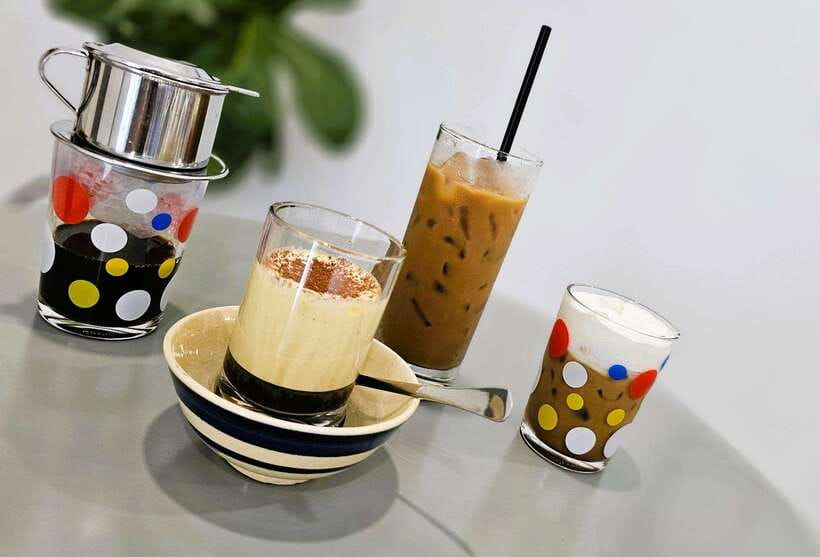
Coffee in Vietnam is a whole geography lesson. In this 90-minute workshop, I love how hands-on making turns the South, Central, and North into three very different cups you can actually taste and recreate. I also like the way the host, Quynh (an F&B pro with 16+ years), connects each drink to how coffee fits daily life across the country. One thing to consider: it’s high caffeine, so you’ll want to skip coffee close to the start time.
The experience is built around a simple premise: you don’t just watch, you build. You’ll get four tastings plus guidance on the traditional Phin dripper, and you’ll make the three iconic styles that represent Vietnam’s regions. A possible drawback is the time limit; 90 minutes goes fast, especially if you have questions about brewing or Vietnam beyond coffee.
In This Review
- Key things you’ll notice
- Three Iconic Vietnamese Coffees in 90 Minutes
- How the South, Central, and North Shape Coffee Style
- Getting Your Brew Technique Right with the Phin
- Workshop Flow: Tastings First, Then You Make the Three Drinks
- South Vietnam: Brown Coffee, Simple and Strong
- Central Vietnam: Salted Cream Coffee’s Sweet-Salty Logic
- Northern Vietnam: Egg Coffee and the Art of Comfort
- The Included Snack: Bánh Mì with Condensed Milk
- Why Quynh’s Approach Works So Well
- Price and Value: What You Get for $22
- Caffeine Reality Check: Plan Your Timing
- Who Should Book This (and Who Might Prefer Something Else)
- Should You Book This Vietnamese Coffee Workshop?
- FAQ
- What is the duration of the experience?
- How much does it cost?
- Does the class include coffee tastings and snacks?
- Are there alternatives for vegan or lactose intolerance diets?
- Should I avoid coffee before the workshop?
- Can I cancel and get a full refund?
Key things you’ll notice
- Phin dripper coaching: you get practical steps for using the traditional filter properly
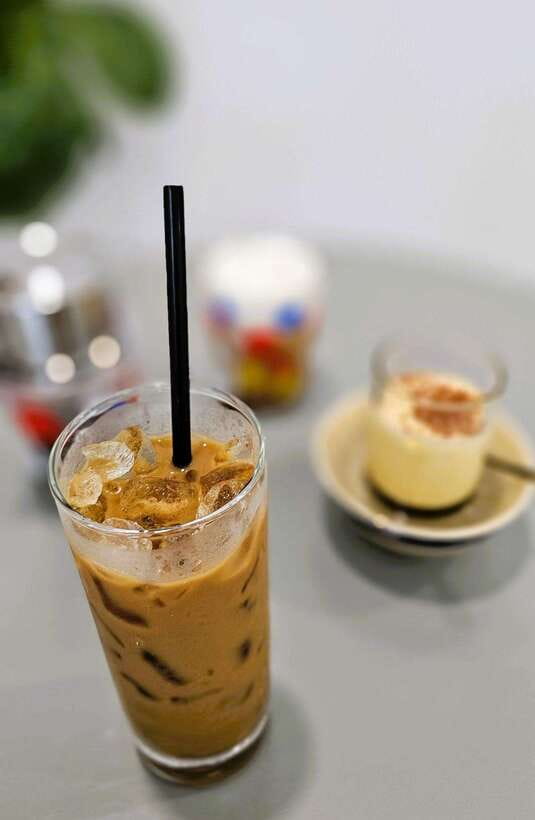
- Three regional coffees, one workflow: South brown, Central salted cream, North egg coffee in the same format
- Quynh’s teaching style: clear, patient instructions in English with room for questions
- Small group size: limited to 6 people, so you’re not fighting for attention
- Tastes plus making: four tastings and then making your own drinks, not just one or the other
- Options for dietary needs: vegan, coeliac, and lactose intolerance alternatives are available when you book
Before you book, see how it holds up against the Saigon tours people pile onto most.



Three Iconic Vietnamese Coffees in 90 Minutes
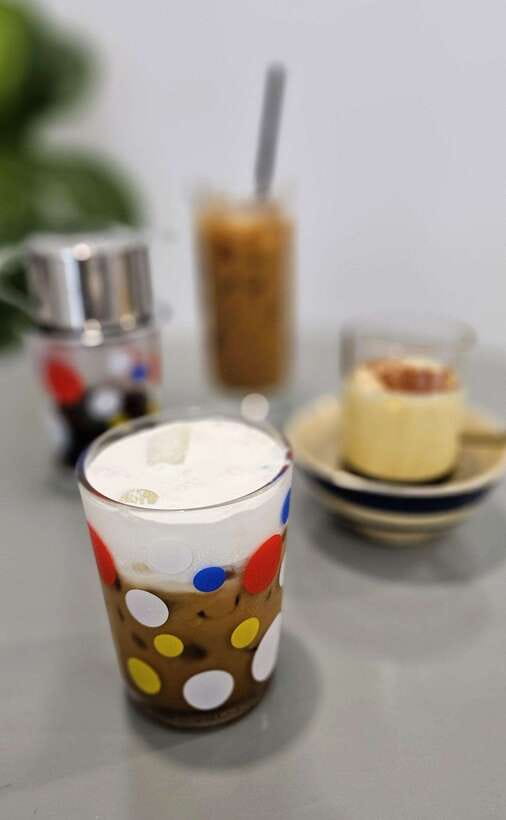
Vietnamese coffee doesn’t do boring. It’s sweet, strong, and often served in ways that make you pause and think, Why does this taste like this? This workshop turns that curiosity into something you can handle: you’ll learn the story behind the flavors and then make the drinks yourself.
The session runs about 90 minutes and costs $22 per person. For the price, you’re not paying for a talk plus a tiny sip. You’re paying for structured guidance, multiple tastings, and a hands-on brewing session with a small group.
How the South, Central, and North Shape Coffee Style
The main idea is easy to remember: different parts of Vietnam develop different coffee habits. You’ll hear a brief Vietnamese coffee history and learn how coffee became woven into everyday life. Then you’ll see how those regional differences show up in three signature drinks.
You’ll make:
- Brown coffee of the South
- Salted cream coffee of the Central
- Egg coffee of the North
This is where the workshop feels more meaningful than a standard café-style class. The “three regions” concept gives your tastings a reason to exist, instead of being three random flavors on a tray.
Getting Your Brew Technique Right with the Phin
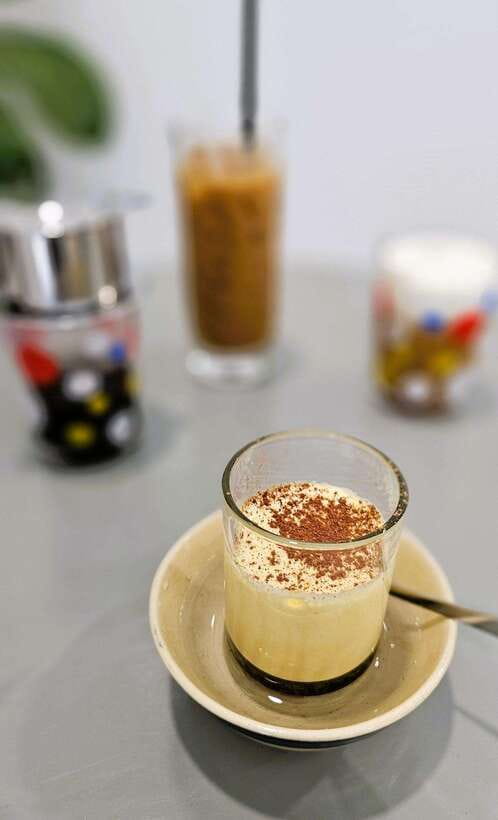
If you’ve ever tried to make Vietnamese coffee at home, you know the tricky part isn’t the beans. It’s the process. Here, you’ll get recommendations on the proper way to use the traditional Phin dripper, which is the key tool for this style of coffee.
I like that the session doesn’t assume you know the basics. You’ll get tips on brewing technique while you’re learning how each drink should be built. That matters because Vietnamese coffee is about control: how you fill, how long it drips, and how you manage the timing so it tastes balanced rather than harsh.
Also, the workshop’s pacing is designed for real learning. You’ll taste, then make, so you can connect the instructions to what you’re tasting instead of memorizing steps blindly.
Workshop Flow: Tastings First, Then You Make the Three Drinks
The format is straightforward and effective. You’ll start with tastings to calibrate your palate and understand what you’re aiming for. After that, you shift into the “you do it” part.
The experience includes four tastings and guidance on how to make the drinks. You’ll also sit somewhere air-conditioned and comfortable, which is a small detail that makes a big difference in Vietnam heat.
Because the group is limited to 6 participants, you’re not just getting a seat near the back. You can actually ask questions and get feedback while you brew. That’s the difference between a hands-on session and a show-and-tell.
- Cu Chi Tunnels Tour from HCM City – Morning or Afternoon★ 5.0 · 15,833 reviews
- From HCM City: Mekong Delta Tour with Sampan Journey★ 4.5 · 13,132 reviews
- Ho Chi Minh City Street Food Tour & Sightseeing By Motorbike★ 5.0 · 9,413 reviews
- HCM: Cu Chi Tunnels-Tapioca Small Group Tour Morning or Afternoon★ 5.0 · 7,485 reviews
- Cu Chi Tunnels and Mekong Delta Signature Tour★ 5.0 · 7,328 reviews
South Vietnam: Brown Coffee, Simple and Strong
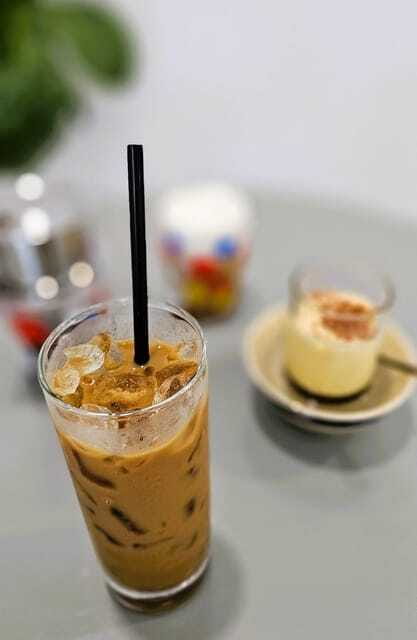
The Southern-style cup is the one that feels most direct. Brown coffee is the South’s representative drink, and it’s usually where people notice the personality of the brew process first.
What you’ll learn here is less about fancy steps and more about getting the fundamentals right:
- how the Phin drips
- how to approach strength and timing
- how the final cup should feel when it’s properly made
If you’re not sure what to expect, think of this as your anchor. The South’s brown coffee helps you understand what “Vietnamese coffee taste” means before you move into the sweeter, creamier regional styles.
Central Vietnam: Salted Cream Coffee’s Sweet-Salty Logic
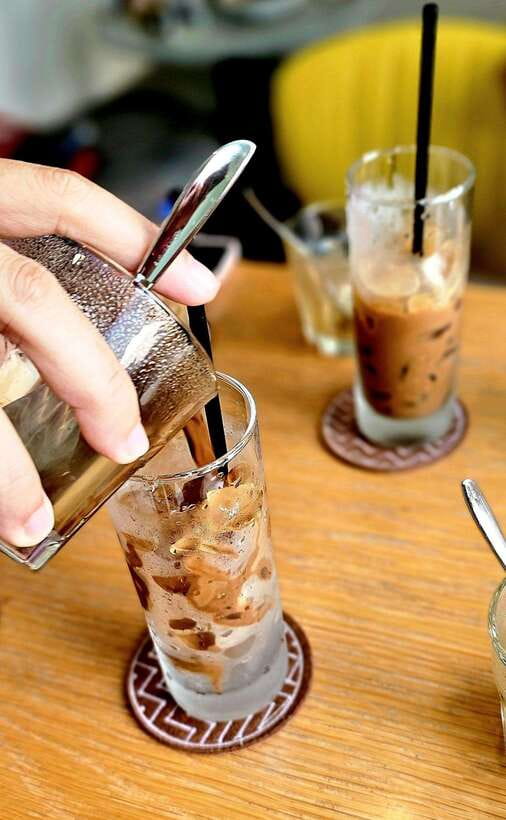
Central Vietnam’s icon is salted cream coffee. This is where the workshop shows you a different kind of balance: sweet meets salt, and the result feels more layered than just dessert-in-a-cup.
During your tasting and making, you’ll get guidance that helps you avoid the two common mistakes people make at home:
- going too sweet and losing the coffee underneath
- guessing with proportions instead of building the drink intentionally
This drink is also a nice cultural lesson. Salted flavors often signal an attitude toward balancing richness with contrast. In Central Vietnam coffee culture, that contrast is part of the point, not an accident.
Northern Vietnam: Egg Coffee and the Art of Comfort
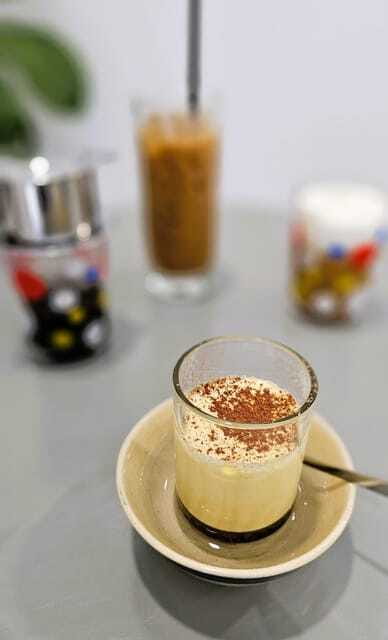
Then you get to the North: egg coffee. This is the region’s signature, and it tends to feel more like a treat with structure, not just sweetness.
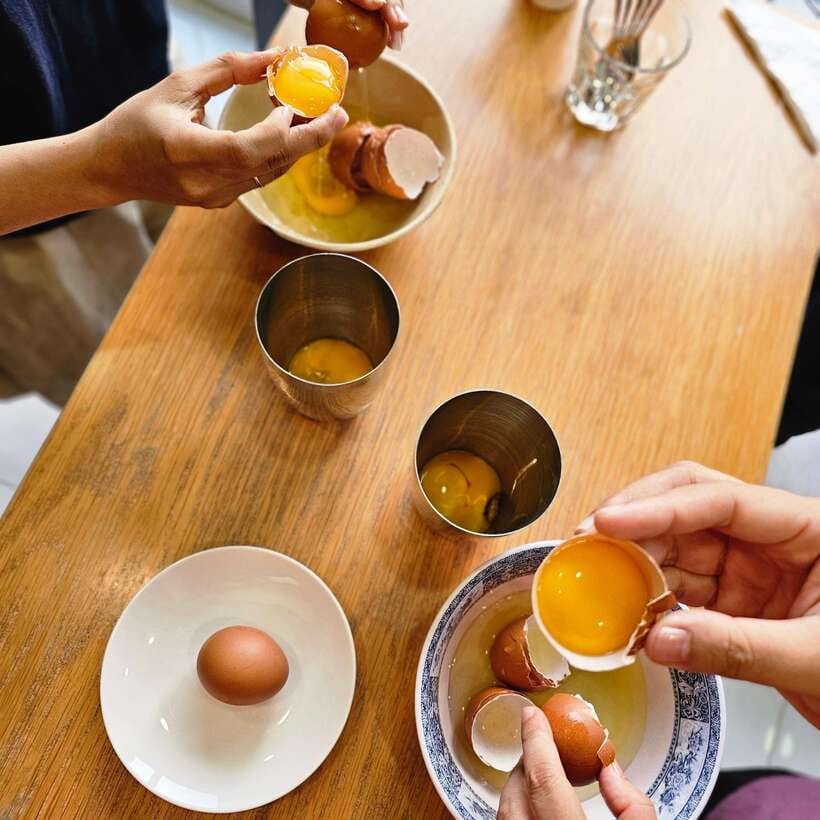
From a learning perspective, egg coffee is a great final step. By the time you reach it, you already understand the Phin process and how the other regional profiles are built. Egg coffee then becomes about texture and finishing, so you notice how technique changes the experience.
This is also one of the best drinks to take home as a memory. It’s distinctive, and it stays in your head because you can picture what makes it different from other coffee styles.
The Included Snack: Bánh Mì with Condensed Milk
You don’t leave with coffee alone. The experience includes a simple local snack: plain bánh mì with condensed milk.
It’s not a random add-on. It’s a helpful pairing because the sweetness echoes the kind of balance you’ll keep seeing in Vietnamese coffee. After you taste the region drinks, the snack gives you one more angle on how condensed sweetness shows up in daily life.
It’s also just practical. You’re drinking multiple caffeinated cups in 90 minutes, and this snack helps keep the experience comfortable.
Why Quynh’s Approach Works So Well

A big reason the workshop earns strong marks is the host. Quynh runs the session with the confidence of someone who lives in food and service, not someone reading from a script. He’s described as excited about coffee and about the history behind it, and that energy matters because it keeps the learning from becoming stiff.
In practice, this kind of teaching style means:
- you get explanations that make sense while you’re working
- you can ask questions instead of being rushed through
- the coffee history ties back to why each drink exists
The experience also works even if you’re not the biggest coffee person. The format is sensory and hands-on, so you’re not stuck listening to coffee theory. You’re making, tasting, adjusting.
Price and Value: What You Get for $22
$22 for 90 minutes can sound simple until you break down what’s included.
You get:
- four coffee tastings
- instructions on how to make the drinks
- making three iconic regional coffees
- a snack (bánh mì with condensed milk)
- air-conditioned, comfortable seating
- a small group limited to 6 participants
- no other charges, since it’s all inclusive
When a workshop includes multiple tastings and multiple drinks you make, you’re basically buying time with a teacher plus ingredients plus guided practice. That’s usually where good value lives.
One more practical point: the session is set up for learning, not just consuming. If you’re likely to try Vietnamese coffee at home later, the Phin dripper coaching is the kind of skill you actually keep.
Caffeine Reality Check: Plan Your Timing
Here’s the thing: it’s a coffee workshop. They recommend that you don’t have coffee within 2 hours before the start time because there’s lots of caffeine.
I appreciate the honesty. You don’t want this to turn into a jittery mistake. If you’re sensitive to caffeine, consider arriving with a lighter morning and eating something normal beforehand.
Who Should Book This (and Who Might Prefer Something Else)
This is best for adults and teens who enjoy learning through doing. It’s clearly not aimed at very young kids, and the session is also not set up for seniors at the high end of the age range.
Based on the info provided, it’s not suitable for children under 14, and it also lists people over 95 as not suitable.
There’s also a potential mismatch you should check before booking: the session is listed as wheelchair accessible, but it also states not suitable for wheelchair users. If you use a wheelchair, I’d treat this as a question to confirm with the provider before you commit.
Should You Book This Vietnamese Coffee Workshop?
Book it if you want an experience that’s more than sipping. This workshop gives you three regional coffees tied to Vietnam’s cultural differences, plus real technique with the Phin dripper. For the price, the included tastings, snack, and hands-on making give you solid value.
Skip it or consider another option if caffeine is a problem for you, or if you prefer tours that don’t involve actively making drinks. And if you have mobility needs, confirm the wheelchair details first because the info is conflicting.
If you like practical learning, small groups, and coffee that comes with a story, this is one of the best ways to understand Vietnamese coffee fast.
FAQ
What is the duration of the experience?
The duration is about 90 minutes. You can check available starting times before booking.
How much does it cost?
It costs $22 per person.
Does the class include coffee tastings and snacks?
Yes. You get four coffee tastings, you’ll make three iconic Vietnamese coffees, and you’ll also receive a simple local snack: plain bánh mì with condensed milk.
Are there alternatives for vegan or lactose intolerance diets?
Yes. The experience notes alternatives for vegan, coeliac, and lactose intolerance guests. Make sure you mention your needs when you book.
Should I avoid coffee before the workshop?
Yes. They recommend you do not drink coffee within 2 hours before the start time because there is lots of caffeine.
Can I cancel and get a full refund?
Yes. There is free cancellation up to 24 hours in advance for a full refund.
More Tour Reviews in Ho Chi Minh City



Just Reviewed Around Saigon
- Secret walking Food Tour Ho Chi Minh City
★ 5.0 · 3 reviews - Ho Chi Minh City: Secret Cocktail Experience
★ 5.0 · 3 reviews - From Ho Chi Minh city: Vung Tau Beach Private Day Tour
★ 5.0 · 3 reviews - Saigoncholon
★ 3.5 · 3 reviews - Saigon On 2 Wheels
★ 3.5 · 3 reviews - From Ho Chi Minh City: Relax In Mui Ne Beach In 1 Day
★ 4.3 · 3 reviews