
REVIEW · CU CHI TUNNELS TOURS
Morning Cu Chi Tunnels – Join Small Group By Van
Crawling underground makes history feel personal. I love the early drive past rice fields and rubber trees, and I love the guided tunnel visit that ends with a real crawl through tight, dark sections of the Cu Chi system. You also get context from a documentary and on-site explanations that frame the tunnel network as a life-supporting technology, not just a ruin.
The main catch is simple: this tour is not suitable if you hate confined spaces. The tunnel experience is narrow, dark, and physically demanding, so claustrophobia (and certain health issues) should rule it out.
In This Review
- Key takeaways before you go
- Morning pickup and the A/C van to Cu Chi (about 6 hours total)
- The ride out: rice fields, rubber trees, and war context on the way
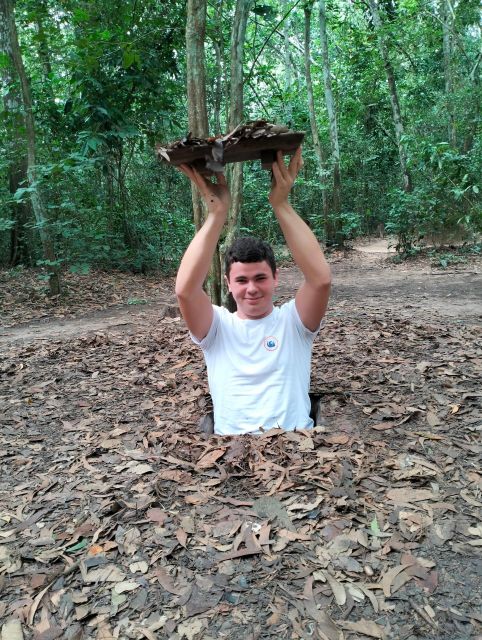
- Entering the Cu Chi tunnels: secret routes, bunkers, and a guided crawl
- Weapon-making demonstrations, shooting range options, and what the program chooses to show
- The tea and tapioca break: why this stop matters
- Back to Ho Chi Minh City: drop-offs and how to plan your afternoon
- Price and value: is $36 a fair deal?
- Who should book this Cu Chi experience (and who should skip it)
- Should you book this tour?
- FAQ
- How long is the Morning Cu Chi Tunnels tour?
- How much does the tour cost?
- Is hotel pick-up and drop-off included?
- What are the pickup times in different districts?
- What’s included in the price?
- Is shooting AK47, M16, or machine guns included?
- What should I bring and what is not allowed?
- Is it okay for claustrophobia or health issues?
- Is there extra cost on holidays, and can I cancel?
Key takeaways before you go
- Small group (up to 12): easier pace, more questions for your English guide.
- Early pickup options: multiple district pickups, plus a clear meeting point if you’re outside the list.
- Guided Cu Chi crawl: you’ll see secret entrances/exits, bunkers, and tunnel structure before you go in.
- War-era hands-on moments: weapon-making explanations using materials like bamboo, plus demonstrations you can watch.
- Tea and tapioca break: a taste of what used to be everyday fuel in the tunnels.
- Optional shooting range: you can fire AK47/M16/machine guns, but bullets cost extra.
Down into the tunnels, a few more ways to go

Morning pickup and the A/C van to Cu Chi (about 6 hours total)
This is a true half-day tour, built around an early start. You get hotel pick-up in District 1 (within the listed area) and several other district options, or you’ll meet at Saigon Opera House if your accommodation isn’t on the pick-up list. Expect pickup windows to vary by district—District 4 typically goes earlier, District 1 is next, and District 3 later—so plan to be ready before the earliest possible time.
Once you’re on board, you get an A/C van and a smooth ride out of the city. The timing works out well: you’ll spend about an hour in the van before the schedule tightens, then another van segment takes you closer to the tunnel area. That structure matters because it keeps the day moving without feeling rushed at the actual site.
One practical tip: if you’re sensitive to heat, bring water habits and take the early start seriously. Even with the morning start, Vietnam humidity can still feel thick once you’re outside at the tunnels.
The ride out: rice fields, rubber trees, and war context on the way
What I like about this tour setup is that you’re not dropped at a historical site with zero framing. On the way, your guide explains the war context from the Vietnam side and gives you a lens for what you’re about to see—how people used terrain, engineering, and concealment to survive and operate.
You’ll also see plenty of countryside scenery during the drive, including rice fields and rubber trees. It’s a simple detail, but it helps your brain connect the tunnel network to a real landscape rather than treating Cu Chi like an isolated exhibit.
Depending on your guide, you may also watch a documentary about Cu Chi tunnels as part of the program. Even if you’ve read about the war before, the goal here is to help you interpret the tunnels correctly—why they were built, how they functioned, and what daily life could look like underground.
Entering the Cu Chi tunnels: secret routes, bunkers, and a guided crawl
This is the core of the experience, and it’s timed to last about 2.25 hours with a guided visit. The tour doesn’t rush you into crawling immediately. Instead, you get guided explanations first, so when you finally go underground, you understand what you’re looking at.
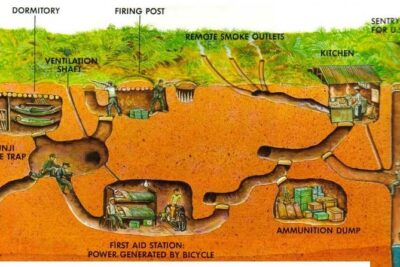
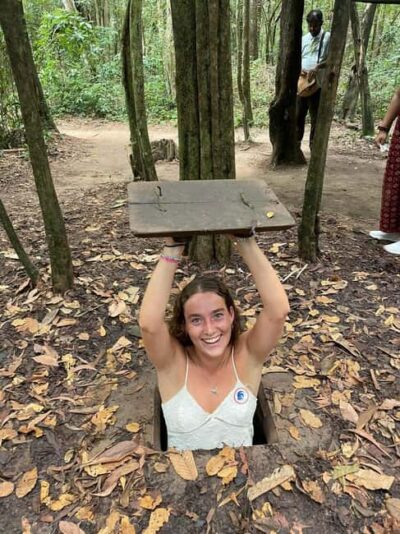
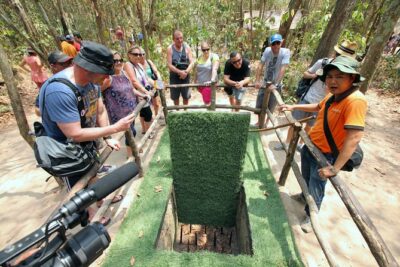
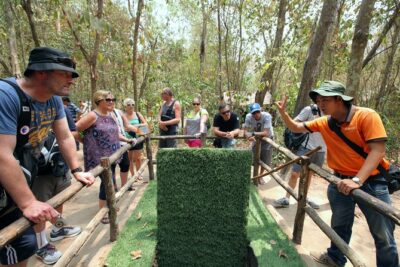
You’ll learn how the tunnels were made by hand, including the tunnel structure and why certain sections were designed for movement and concealment. You’ll also explore the kind of hidden planning that made the network hard to find—secret entrances and exits, plus how different tunnel segments could connect roles and operations.
You’ll pass through areas that cover the supporting infrastructure inside the tunnels. The program includes bunkers used as meeting rooms, medical rooms, kitchen rooms, and places associated with weapon-making. This part helps you see the tunnels as more than a single function. It’s a full system: people needed space to plan, treat injuries, prepare food, and operate under constant threat.
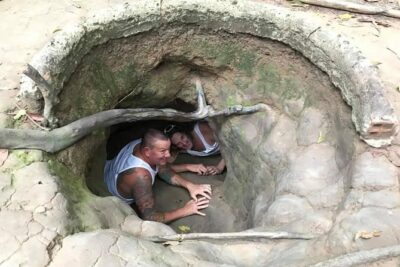
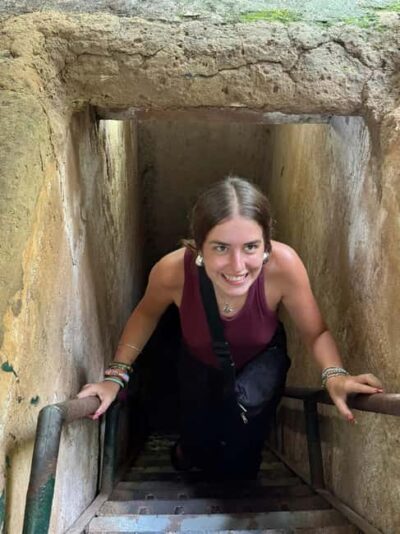
Then comes the moment that really sticks: the crawl through a tunnel section. It’s narrow and dark, and it can feel physically awkward even if you’re fit. If you’re comfortable moving slowly and staying calm in confined spaces, you’ll likely enjoy the realism. If not, you’ll feel it quickly—this is exactly why the tour warns you it’s not suitable for claustrophobia.
Weapon-making demonstrations, shooting range options, and what the program chooses to show
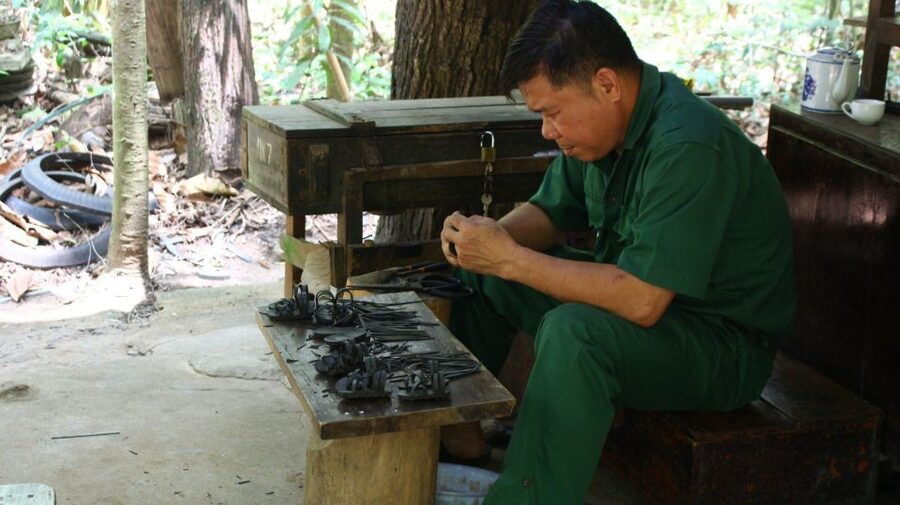
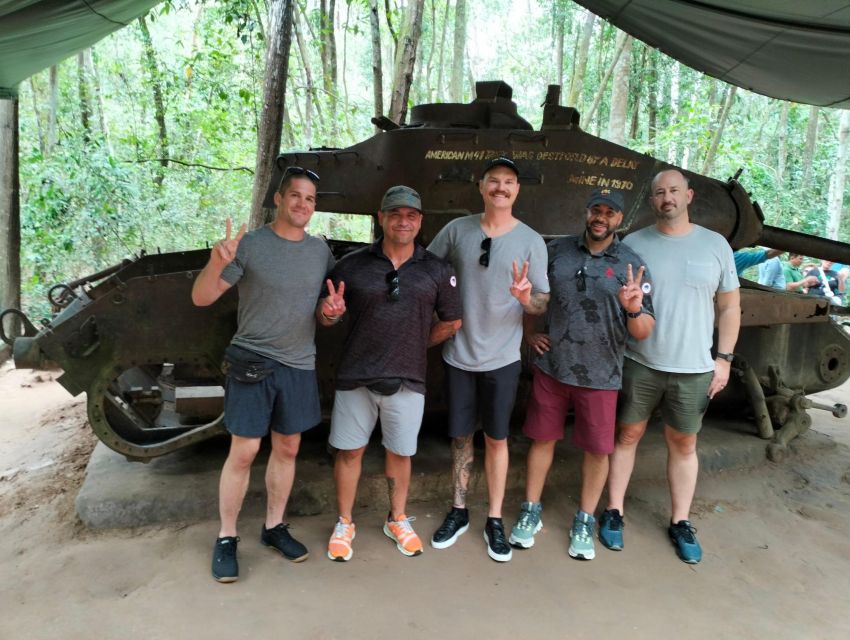
One of the most memorable parts for me is how the tour handles the theme of survival technology. You’ll see explanations of how the VC created their own weapons from materials like bamboo and how booby-trap style concepts worked in the tunnel environment. You may also encounter demonstrations showing practical wartime items, like rubber sandals made from tires—small details, but they make the history more concrete.
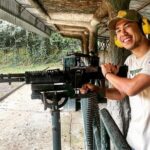
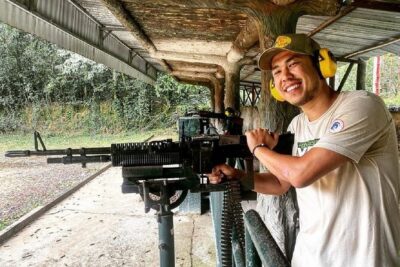
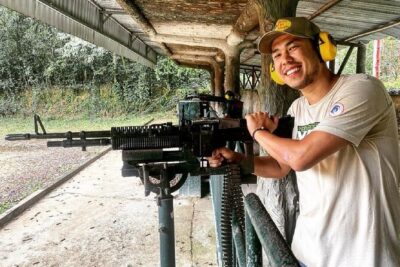
After that, the program includes a visit that brings you to the shooting range area. This is optional. If you want to shoot, you can fire AK47, M16, or machine guns, but bullets are not included, so you’ll need extra money on the day.
Here’s how to think about this choice: if your priority is historical understanding, you can treat the shooting range as a viewing stop and keep your focus on the tunnel explanations. If you’re drawn to the hands-on adrenaline factor, plan for it to be the most expensive part of your day besides optional extras—so bring cash and budget accordingly.
A few Saigon tours to weigh against this one:
- Small-Group Cu Chi Tunnel Half-day Tour: Morning or Afternoon★ 5.0 · 1,521 reviews
- Cu Chi Tunnels tour In The Morning by DGT★ 5.0 · 1,321 reviews
- Morning CuChi Tunnels-Tapioca-Secret Traps Luxury Speedboat 2Ways★ 5.0 · 688 reviews
- Morning Saigon Unseen Adventure Scooter with Ao Dai Riders Option★ 5.0 · 646 reviews
- Morning Saigon Unseen+Street Food Tour with Ao Dai Riders Option★ 5.0 · 421 reviews
The tea and tapioca break: why this stop matters
After the crawl and the underground walk-through, you get a break with tea and tapioca. That sounds like a small inclusion, but it’s actually a smart payoff. You’re not just recovering from heat; you’re also connecting your physical effort to what people ate to get through their days underground.
Tapioca was a main food in the tunnels, and the snack is offered right when you need it most—after time in the cramped sections. It also helps you slow down mentally. Instead of racing back to the city, you get a short pause that makes the experience feel complete.
If you’re the kind of traveler who likes small cultural touches, this one lands well because it’s tied to the tunnel story rather than being a random roadside refreshment.
Back to Ho Chi Minh City: drop-offs and how to plan your afternoon

The return trip takes around 2 hours, and the tour typically ends around 2:30 p.m. You’ll be dropped off at one of the listed locations in District 3, District 1, District 4, or District 5, depending on your pick-up point.
This ending time is ideal if you want to keep your day flexible. You can usually still plan lunch and an afternoon activity in the city without feeling like you’re tied up all day. If you’re heading straight somewhere important, give yourself a cushion—tunnel sites can be tiring, and the crawl section means you may feel more drained than you expect.
A practical move: keep your phone charged for your drive back, because the route out of the tunnel area can be the easiest time to take photos without rushing.
Price and value: is $36 a fair deal?
At $36 per person, this tour sits in a middle zone: not cheap, but not outlandish—especially because several things are already handled. You get hotel pick-up and drop-off (within the listed district coverage), an English speaking guide, the entrance ticket, A/C van transport, mineral water, and the tea/tapioca break.
The value comes from three areas:
1) Guidance inside the site (not just a bus and a ticket).
2) The crawl experience, which is the part most visitors remember most.
3) The added context stops—documentary, bunker explanations, and hands-on-style war material demos.
Where the budget can stretch: optional shooting requires buying bullets, and special holidays in Vietnam can add surcharges (10% extra on certain national days like 30/4 and 2/9 and labor day 1/5, and 20% extra during Tet). If you’re traveling around those dates, confirm the total price before you commit.
Who should book this Cu Chi experience (and who should skip it)
This tour fits best if you want a structured half-day visit that balances history, explanations, and physical realism—without turning your day into a full-day grind.
You’ll likely enjoy it if:
- You like historical interpretation with an English guide and you appreciate context before action.
- You’re comfortable with heat and humidity and can handle moving through narrow spaces.
- You’re interested in the practical side of the tunnels: how people lived, planned, and adapted.
You should skip or strongly reconsider if:
- You have claustrophobia. The crawl is real.
- You have heart problems or high blood pressure, since the program lists these as not suitable.
- You don’t want to spend part of your time underground (dark, narrow, and close).
If you’re deciding between tunnel options and you care a lot about authenticity versus visitor-ready adjustments, it’s worth thinking about alternatives. Some people feel Cu Chi tunnels are partly adapted for tourists, and you might prefer another site like Ben Duoc if that matters to your style of travel.
Should you book this tour?
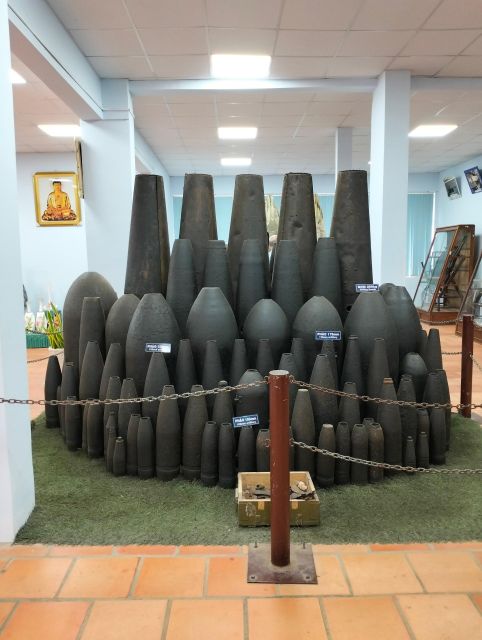
Book it if you want the classic Cu Chi experience in a smooth small-group format with English guidance, transport, and a tunnel crawl you can actually feel. The added extras—documentary context, bunker walkthroughs, and tea/tapioca—make the day feel more complete than a simple entrance-ticket stop.
Skip it (or choose a different option) if confined spaces are a hard no for you, or if you’re managing health conditions that make tight, active movement risky. In those cases, your safest move is to protect your comfort and choose a format that matches your body and your limits.
If you do book, pack for the realities: hat, sunglasses, insect repellent, and cash for optional shooting. And if rain is in the forecast during your travel month, bring your own poncho/raincoat—because that morning crawl doesn’t wait for perfect weather.
FAQ
How long is the Morning Cu Chi Tunnels tour?
The duration is listed as 6 hours total.
How much does the tour cost?
The price is listed as $36 per person.
Is hotel pick-up and drop-off included?
Yes. It includes hotel pick-up and drop-off within District 1, plus other pickup and drop-off locations in the tour program. If your accommodation isn’t in the pick-up list (District 1, 3, and 4), the meeting point is Saigon Opera House around 8:00 a.m.
What are the pickup times in different districts?
Pickup times vary by district: between 7:15 and 7:30 a.m in District 4, between 7:30 and 8:00 a.m in District 1 depending on your accommodation, and between 8:30 and 8:45 a.m in District 3.
What’s included in the price?
Included: English speaking tour guide, entrance ticket, A/C van, mineral water, tea and tapioca in Cu Chi, and hotel pick-up and drop-off within District 1.
Is shooting AK47, M16, or machine guns included?
Shooting is optional. Bullets are not included, so you’d pay extra if you choose to shoot.
What should I bring and what is not allowed?
Bring sunglasses, a hat, a camera, cash, and biodegradable insect repellent. Not allowed: weapons or sharp objects.
Is it okay for claustrophobia or health issues?
No. It’s not suitable for people with claustrophobia, heart problems, or high blood pressure.
Is there extra cost on holidays, and can I cancel?
Yes. There can be a 10% extra charge during special holidays like 30/4, 2/9, 1/5, and a 20% extra charge during Tet. Free cancellation is available up to 24 hours in advance for a full refund.
More Morning in Ho Chi Minh City

More Tour Reviews in Ho Chi Minh City



The Cu Chi Tunnels, a Few More Ways Down
Just Reviewed Around Saigon
- Secret walking Food Tour Ho Chi Minh City
★ 5.0 · 3 reviews - Ho Chi Minh City: Secret Cocktail Experience
★ 5.0 · 3 reviews - From Ho Chi Minh city: Vung Tau Beach Private Day Tour
★ 5.0 · 3 reviews - Saigoncholon
★ 3.5 · 3 reviews - Saigon On 2 Wheels
★ 3.5 · 3 reviews - From Ho Chi Minh City: Relax In Mui Ne Beach In 1 Day
★ 4.3 · 3 reviews
Cu Chi Tunnels Tours, compared.
 ★ 4.7Cu Chi Tunnels Morning or Afternoon TourFrom $1319,646 reviews
 ★ 5.0Cu Chi Tunnels Tour from HCM City – Morning or AfternoonFrom $1515,833 reviews
 ★ 4.7Cu Chi Tunnels & Mekong Delta with Coconut Village TourFrom $3511,836 reviews
 ★ 5.0Cu Chi Tunnels-Tapioca Small Group Tour Morning or AfternoonFrom $147,485 reviews
 ★ 5.0Cu Chi Tunnels and Mekong Delta Signature TourFrom $337,328 reviews
 ★ 5.0Cu Chi Tunnels & Mekong Delta Tour with VIP Limousine TransferFrom $567,052 reviews
 ★ 4.8Cu Chi Tunnels Morning or Afternoon TourFrom $136,326 reviews
 ★ 5.0Cu Chi Tunnels and Mekong Delta Full Day Tour – Max 12From $436,257 reviews
Browse the lists this tour appears in