
REVIEW · PRIVATE
Private Long Tan Tour and Nui Dat Battle Field
Long Tan hits different with a veteran historian. This private tour from Ho Chi Minh City pairs you with a specialist guide and lets you pick the Australian and New Zealand route or the US bases route, with lunch included.
I like that the itinerary can be shaped to your interests, so you are not stuck with a rigid script, and you can move at a human pace. One caution: the day includes lots of road time and some sites can look sparse, so if you want a broad Vietnam War lecture, you may need to steer the guide early.
In This Review
- Long Tan and Nui Dat or Bien Hoa: The Big Idea
- Key Highlights You’ll Actually Feel During the Day
- Choosing Your Vietnam War Route: AUS/NZ vs US Bases
- A Historian-Guide Over Lunch: Why It Matters More Than You Think
- Long Tan and Nui Dat: Memorial Meaning and Field Context
- Bien Hoa Air Base and Long Binh Junction: US Operations and Movement
- The Day in Motion: Pickup, Timing, and How to Plan Your Energy
- Price and Value: Is $119 Worth It?
- Who Should Book This Tour (and Who Might Want Another Style)
- A Balanced Take: What Works Best in Practice
- Should You Book the Private Long Tan and Nui Dat Tour?
- FAQ
- How long is the Private Long Tan Tour and Nui Dat Battle Field?
- What routes can I choose on this tour?
- Is lunch included?
- Does the tour include hotel pickup and drop-off?
- What time does the tour start?
- Is this tour private?
Long Tan and Nui Dat or Bien Hoa: The Big Idea
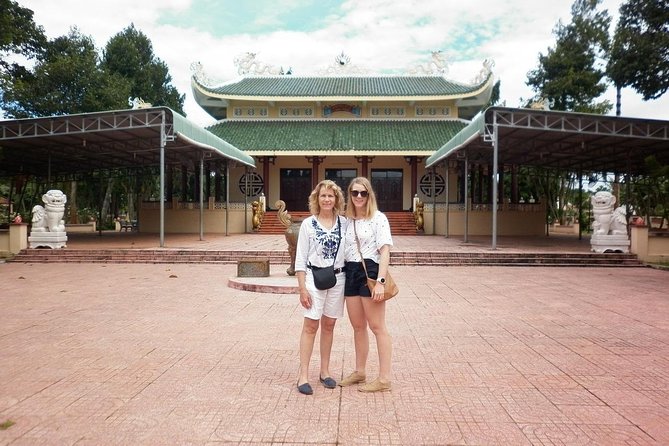
This is a full-day, private Vietnam War site visit built around one core benefit: a historian-guide who can connect what you see to what mattered on the ground—and what happened after. You start in Ho Chi Minh City, ride out in an air-conditioned private vehicle, and end back at your hotel. Along the way, you’ll have time for reflection (especially on the memorial side), plus the chance to meet people who lived through the postwar years.
The tour is designed to feel personal. You’re not part of a crowd. It’s your group, your questions, your pace. That matters when you are visiting places tied to loss and memory, not just “attractions.”
Keep it to your group, other private days



Key Highlights You’ll Actually Feel During the Day
- Two routes to match your interests: Australian and New Zealand sites (Long Tan and Nui Dat) or US sites (Bien Hoa Air Base and Long Binh Junction)
- Lunch with a historian-guide so the story isn’t just background noise in a car
- Hotel pickup and drop-off plus bottled water, keeping the day simple and comfortable
- You may meet a veteran guide like Tony (including stories from his service as an interpreter), which adds emotional weight
- Time for respectful reflection at key memorial stops, not just quick photo stops
- Moderate walking expectations and a long day overall, so plan your energy
Choosing Your Vietnam War Route: AUS/NZ vs US Bases
The first decision is which chapter you want to focus on. The tour gives you two clear options:
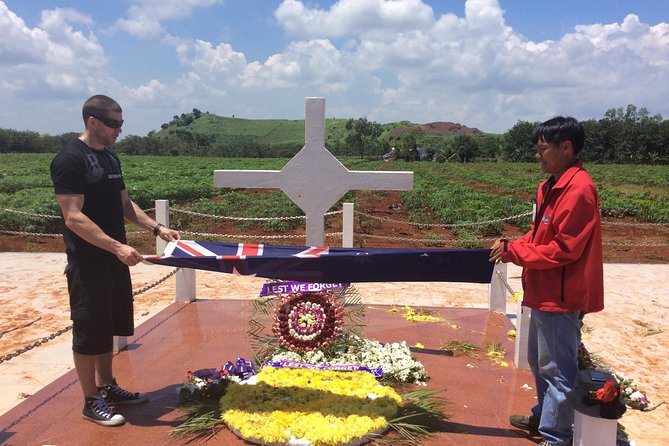
If you lean toward the Australian and New Zealand involvement, you’ll spend time around Long Tan and Nui Dat Task Force Base (the route tied to the ATNZAC memory and the field experience around it). This path is often the best fit if you care about the ANZAC perspective, want to understand what those units were trying to do, and like your site visits grounded in personal remembrance.
If you’d rather follow the United States footprint, you can choose Bien Hoa Air Base and Long Binh Junction. This route centers more on major base activity and the logistics and movement nodes that shaped day-to-day operations.
Either way, the guide is there to connect the dots. And this is where the private format matters: if you’re more interested in military decisions, you can ask for that. If you want the human impact, you can push for that too. The tour is explicitly tailorable, so you’re not locked into a one-size-fits-all version.
A Historian-Guide Over Lunch: Why It Matters More Than You Think
A lot of war tours throw information at you in one loud burst—on the road, through a headset, between stops. This one makes a different choice: you chat with the historian-guide over lunch at a local restaurant. That changes how the day lands.
Here’s why that’s a big deal for you: when the guide has time to talk before you start touring, you’re better prepared to notice what matters at each location. You stop treating sites like isolated landmarks and start reading them like pieces of a wider story—combat decisions, supply lines, and then the postwar reality.
In particular, some guides on this kind of tour bring a rare kind of authority: military experience and direct language ability. One guide mentioned in the field was Tony, who described himself as a 71-year-old veteran from the South Vietnam Army who also acted as an interpreter for the Australian Army. Even without going deep into his background every five minutes, that kind of lived connection tends to show up in how carefully he handles the memorial meaning and how well he answers questions.
If you want the day to feel meaningful (not just informative), you’ll do best if you go in with 2–3 real questions. Examples: what was the unit trying to accomplish here, and what did people rebuild after the war? Lunch is a good time to ask.
Long Tan and Nui Dat: Memorial Meaning and Field Context
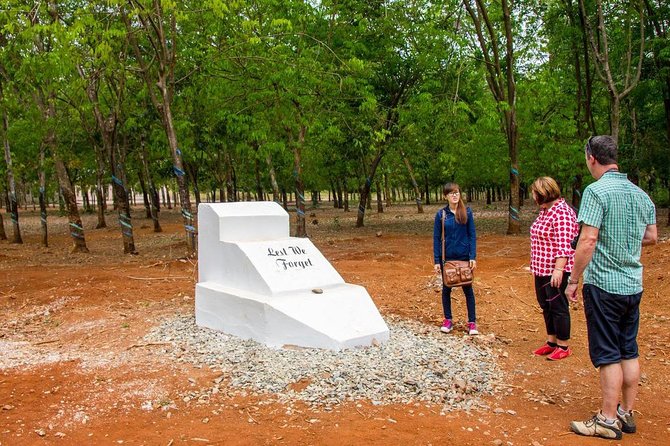
On the AUS/NZ route, you’re aiming at places tied to one of the most remembered moments of the war. Long Tan isn’t just a stop on a map. It’s a memorial space, and the tour experience should treat it that way.
What I like about this route is the balance between structure and breathing room. With the right guide, you get the facts, then you’re given space for your own reflection. One veteran-style guide experience described giving visitors the time they needed to reflect at Long Tan rather than rushing them through.
From there, you head toward Nui Dat Task Force Base, the operational center tied to the broader Australian and New Zealand presence. This is the part that can help you understand why the battle happened where it did—not just what happened, but the wider setting that made it possible.
A practical reality though: some war sites don’t look like movie sets. Parts can be damaged or left only in fragments, and at a few locations there may be less physical evidence than you expect. That can be powerful if your guide helps you place it in context. It can feel disappointing if you’re expecting a museum-like experience or a long list of intact structures.
If you want extra value here, I’d ask your guide to explain what’s still visible versus what used to be there. That’s often the difference between seeing a sign and truly understanding the site.
- Cu Chi Tunnels Tour from HCM City – Morning or Afternoon★ 5.0 · 15,833 reviews
- From HCM City: Mekong Delta Tour with Sampan Journey★ 4.5 · 13,132 reviews
- Ho Chi Minh City Street Food Tour & Sightseeing By Motorbike★ 5.0 · 9,413 reviews
- HCM: Cu Chi Tunnels-Tapioca Small Group Tour Morning or Afternoon★ 5.0 · 7,485 reviews
- Cu Chi Tunnels and Mekong Delta Signature Tour★ 5.0 · 7,328 reviews
Bien Hoa Air Base and Long Binh Junction: US Operations and Movement
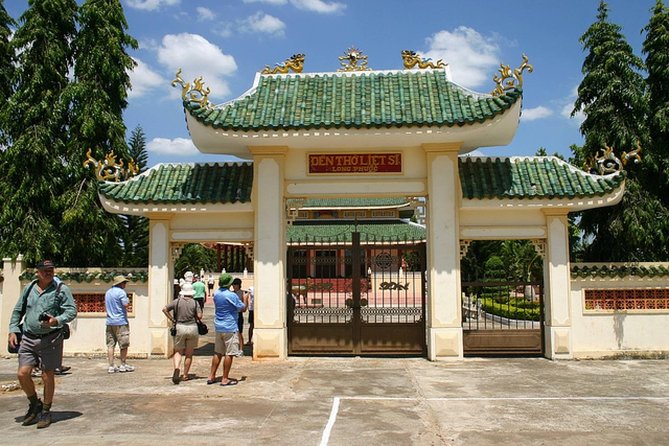
On the US-focused option, you’ll visit Bien Hoa Air Base and Long Binh Junction. These are the kinds of places that help you understand the war through the lens of large-scale operations: bases, infrastructure, and the flow of personnel and supplies.
This route tends to make sense if you’re interested in how US forces were set up and supported, and how transportation nodes shaped what could happen elsewhere. The guide’s job is to keep the day from becoming a list of locations, and instead link each site to the wider system behind it.
Like the AUS/NZ route, the day can feel very different depending on what you ask for. If you want a clear narrative of US strategy and logistics, you should ask directly for that at the start of the tour. If you want to focus on civilian impact and postwar recovery, ask for that too. The tour is built to be tailored, so you’re not stuck waiting for a certain topic to appear.
One caution: the pacing can hinge on road conditions and distance from Ho Chi Minh City. If traffic is heavy, it can cut into the time you spend on-site. If your priority is to maximize the number of meaningful stops, consider choosing a route that matches your interests but also be realistic about travel time.
The Day in Motion: Pickup, Timing, and How to Plan Your Energy
The tour starts at 8:00 am and runs about 8 hours total. You get hotel pickup and drop-off by air-conditioned private vehicle, and bottled water is included. Lunch is included as well, which is helpful because you’re out for most of the day.
Because this is a private tour, the logistics feel simpler than joining a group bus. Still, you’re driving outside the city for war sites connected to former military bases. That means you should plan for a long day, especially if you get stuck in traffic.
One practical tip: wear comfortable shoes and keep expectations flexible. Some sites may not involve long walks, but you may still do enough to feel it by the end. The tour notes a moderate physical fitness level, so I’d take that seriously.
Also, if you’re visiting on a big commemoration day, you might see schedule adjustments. A guide-or-operator example shared for ANZAC Day involved an earlier-than-expected pickup time (picked up at 2:45 am instead of the usual morning start). That doesn’t mean it always happens, but it tells you the organizer can shift timing when needed.
Price and Value: Is $119 Worth It?
At $119 per person, this tour is not a bargain bus ride. The value comes from what you’re getting, not just the sticker price:
- Private transport in an air-conditioned car
- Hotel pickup and drop-off
- A professional guide with historian framing
- Lunch included
- Bottled water
- A tailorable itinerary (you’re not just following someone else’s plan)
- An admission ticket included for the sites you visit
If you compare this to typical group tours, the biggest value driver for you will be the private time with a guide who can adjust the day to your interests. That matters a lot at war sites, where details and context change how you interpret everything you’re seeing.
That said, this is also where expectations can get mismatched. Some people want a broad primer on the Vietnam War from start to finish. This tour is more focused: it connects specific battle and base locations with the people who lived it and the postwar years that followed. If you want a general overview, you might end up feeling the day is too narrowed unless you actively steer the guide with your questions.
Who Should Book This Tour (and Who Might Want Another Style)
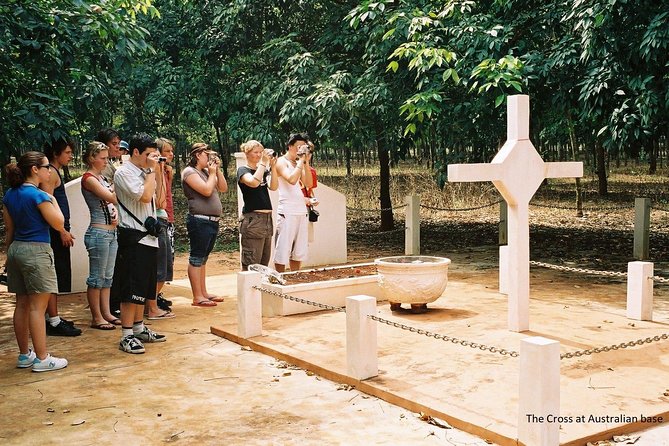
This tour is especially strong if you fit one of these profiles:
- You have a serious interest in Australian and New Zealand military history and want to visit Long Tan and Nui Dat with context
- You want a historian-guide, not just a driver and a map
- You enjoy asking questions and want the day shaped to you
- You want respectful memorial time, not rushed stops
It may be less satisfying if:
- You want a wide-ranging, lecture-style explanation of the entire Vietnam War
- You’re expecting many intact structures or museum-quality exhibits at each stop
- You strongly prefer a tightly packed, high-stop-count day (road time can eat into on-site time)
If you’re unsure, a good strategy is simple: when you book, tell the operator you want clear context and ask the guide to prioritize the kind of understanding you’re chasing. The tour design supports tailoring, so you’ll get more out of it by setting the focus early.
A Balanced Take: What Works Best in Practice
The most praised parts of this experience tend to revolve around two things: respectful handling of Long Tan meaning and guides who can bring both history and personal perspective into the conversation. If your guide is a veteran-historian type, the day often feels less like sightseeing and more like structured remembrance.
The most common disappointment themes are practical: too much time in traffic, repetitive explanations about military organization, and sites that can look sparse. None of that is automatically a dealbreaker. It just means you’ll want to bring the right expectations and ask for what you want.
If you go in with the right mindset—patient for the road, open to the fact that physical remnants can be limited, and proactive with questions—you’re likely to leave with a day that feels personally understood.
Should You Book the Private Long Tan and Nui Dat Tour?
I’d book this if you want a private, historian-guided war site visit with lunch, hotel pickup, and a route that matches the story you care about most (Long Tan and Nui Dat for AUS/NZ, or Bien Hoa and Long Binh for US bases). It’s a good choice for ANZAC-minded travelers, veterans, and history buffs who like meaning more than checkpoints.
I’d think twice if you want a fast, broad Vietnam War overview or a stop-by-stop tour that maximizes the number of sights no matter what. If your goal is general history, you might pair this with a museum day—or choose your route carefully and set your questions before you head out.
Either way, this is the kind of tour where the guide quality makes a big difference. Bring curiosity, ask direct questions early (over lunch is ideal), and give the memorial stops the time they deserve.
FAQ
How long is the Private Long Tan Tour and Nui Dat Battle Field?
It runs for about 8 hours.
What routes can I choose on this tour?
You can choose either the Long Tan and Nui Dat Task Force Base route (Australian and New Zealand focus) or the Bien Hoa Air Base and Long Binh Junction route (US focus).
Is lunch included?
Yes. Lunch is included as part of the tour.
Does the tour include hotel pickup and drop-off?
Yes. Hotel pickup and drop-off are included.
What time does the tour start?
The listed start time is 8:00 am.
Is this tour private?
Yes. It’s a private tour, and only your group participates.
Keep It to Your Group
More Tours in Ho Chi Minh City



More Tour Reviews in Ho Chi Minh City
Just Reviewed Around Saigon
- Secret walking Food Tour Ho Chi Minh City
★ 5.0 · 3 reviews - Ho Chi Minh City: Secret Cocktail Experience
★ 5.0 · 3 reviews - From Ho Chi Minh city: Vung Tau Beach Private Day Tour
★ 5.0 · 3 reviews - Saigoncholon
★ 3.5 · 3 reviews - Saigon On 2 Wheels
★ 3.5 · 3 reviews - From Ho Chi Minh City: Relax In Mui Ne Beach In 1 Day
★ 4.3 · 3 reviews
Private, compared.
 ★ 5.0Private Street Food Tour by Motorbike/Car with Local StudentsFrom $453,950 reviews
 ★ 5.0Private Street Food Evening Walking Tour in Ho Chi Minh CityFrom $493,175 reviews
 ★ 5.0Private Street Food Motorbike Tour in Ho Chi Minh CityFrom $552,180 reviews
 ★ 5.0Cu Chi Ben Duoc Tunnels Tour (max 12 people) with Private OptionFrom $191,885 reviews
 ★ 5.0Ho Chi Minh City Private Half-Day Tour by U.S Army JeepFrom $711,164 reviews
 ★ 5.0Cu Chi Tunnels – VIP Private TourFrom $50883 reviews
 ★ 5.0Private Cu Chi Tunnels Half Day Adventure TourFrom $59800 reviews
 ★ 5.0Private Hidden-Gem Sightseeing Motorbike Tour with Local StudentsFrom $0577 reviews