
REVIEW · SCOOTER & VESPA TOURS
Saigon Slum Tour with Motorbike
This is not a sit-and-stare sightseeing loop. You start in Saigon’s polished, high-energy side, then hop on the back of a motorbike and watch the city change block by block, including slum areas you’d never reach on your own.
I really like that the tour is built around motorbike transport (helmets and ponchos included), so you get local speed and real street-level perspective without “tour bus bubble” time. I also like the human scale: you stop in different slum areas (center, old mafia area, outside the center, and along the river through districts 5 to 7), and you learn how people work and live there, including what support looks like from the government.
The main thing to consider is time. Even with short options, expect a chunk of your schedule to be riding between areas, so you may cover a lot of ground rather than lingering in one place.
In This Review
- Quick hits before you go
- From luxury streets to back-alley Saigon
- Why the motorbike ride matters (and how it stays practical)
- The route through Saigon’s slum areas (what each stop teaches)
- Center slums: where the city’s pressure is close
- The old mafia area: history you can feel in the streets
- Along the river (districts 5 to 7): living with water and movement
- Outside the center: the city’s spillover reality
- Floating market connections: seeing how commerce travels
- What you learn about work, life, and government support
- Your role as a visitor: respect, pace, and good questions
- The food stop that makes it real: 2,000 VND rice at a charity stall
- Included value: what $16 actually buys you
- Price add-ons and the schedule reality
- Who this tour suits best (and who should choose another plan)
- Should you book this Saigon Slum Tour?
- FAQ
- FAQ
- How long is the Saigon Slum Tour with Motorbike?
- What time does the tour start?
- Is the tour guide available in English?
- Do they pick you up from your hotel?
- Where is the meeting point if you’re not picked up?
- What’s included for riding (motorbike, safety gear)?
- Is food or drink included?
- Is accident insurance included?
- What should I bring?
- Are there extra costs for private tours or special add-ons?
Quick hits before you go
- Motorbike-first perspective: helmets, ponchos, and photo stops keep it fun and manageable.
- Multiple slum zones: center areas, the old mafia area, and river-side neighborhoods (districts 5–7).
- City contrast, not just poverty photos: you’re shown how daily life works and why the city looks the way it does.
- Dismantling and reconstruction: you’ll see Saigon changing in real time, not just in history books.
- A charity meal stop: a rice meal at 2,000 VND (plus one included drink, like coconut or coffee).
Hop on the back of a bike, other Saigon rides




From luxury streets to back-alley Saigon
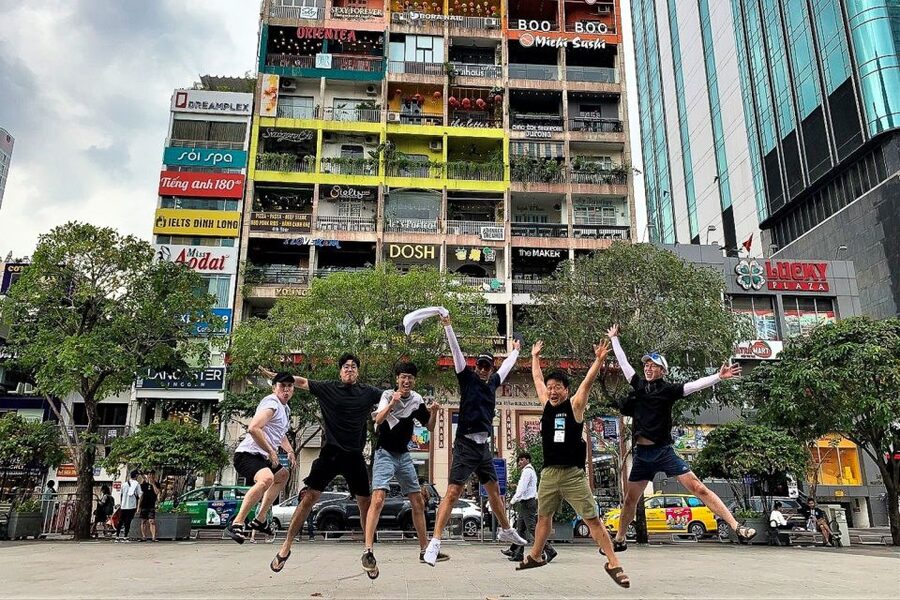
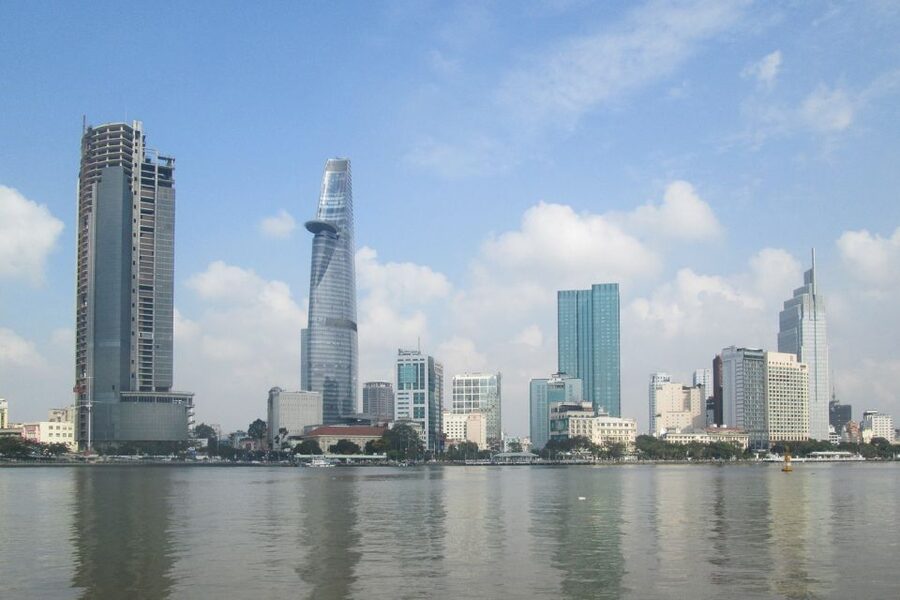
Saigon, or Ho Chi Minh City, has a habit of showing two realities at the same time. This tour leans into that fact. You begin with a view of the most comfortable, commercial side of town, then move into neighborhoods where money, space, and basic services look very different.
That contrast is the point. It helps you understand why the city feels so fast and modern on the surface, while underneath there’s another system—one built by people working, adapting, and surviving close to where others shop and dine.
Why the motorbike ride matters (and how it stays practical)
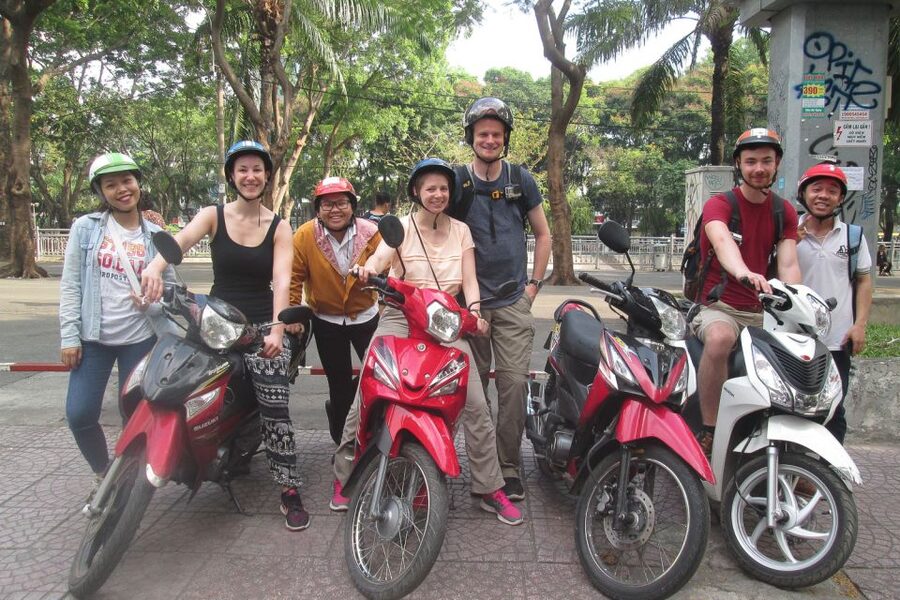
Riding as a passenger on the back of a motorbike is the fastest way to feel Saigon’s rhythm. It also helps you see details you’d miss from a car: alley widths, how people move around sidewalks, and where daily routines happen.
You’ll get helmets and ponchos, and there’s accident insurance included, which is a big deal for a ride in busy traffic. In real life, the difference comes down to the drivers and how they handle turns, crossings, and crowded lanes—many visitors highlight how safe they felt with their guides behind the wheel.
Also, don’t underestimate the mental shift. At first, the traffic can feel like chaos. But once you’re rolling, your brain starts to read the street patterns. It becomes less about staring at motion and more about noticing the city’s layers.
The route through Saigon’s slum areas (what each stop teaches)
This tour doesn’t treat slums like one single place. It spreads you across several zones so you can compare how life looks from different angles of the same city.
Center slums: where the city’s pressure is close
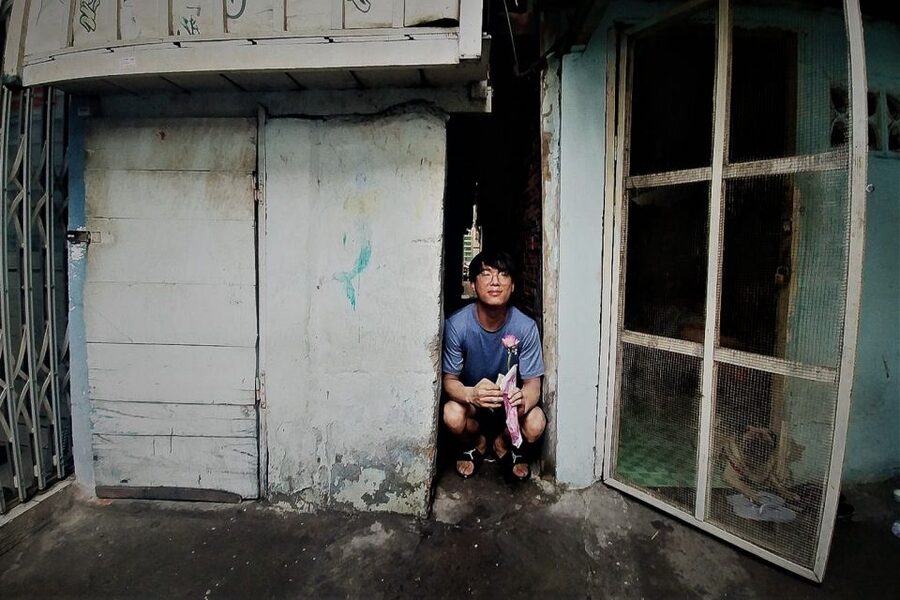
In the center areas, you’re seeing poverty right next to the parts of Saigon most visitors recognize. That proximity changes everything. It affects what’s possible for residents, what risks are higher, and how the city interacts with these neighborhoods.
Expect the guide to connect daily life to the broader post-war story of Saigon—how the city grew, how housing and jobs shifted, and how social boundaries can look sharper in some places than others.
- Cu Chi Tunnels Tour from HCM City – Morning or Afternoon★ 5.0 · 15,833 reviews
- From HCM City: Mekong Delta Tour with Sampan Journey★ 4.5 · 13,132 reviews
- Ho Chi Minh City Street Food Tour & Sightseeing By Motorbike★ 5.0 · 9,413 reviews
- HCM: Cu Chi Tunnels-Tapioca Small Group Tour Morning or Afternoon★ 5.0 · 7,485 reviews
- Cu Chi Tunnels and Mekong Delta Signature Tour★ 5.0 · 7,328 reviews
The old mafia area: history you can feel in the streets
One of the most distinctive parts is the stop in the old mafia area. The phrase alone hints that these blocks have layers of story: old power networks, shifting neighborhoods, and the way informal systems can form when people need to make things work.
This stop matters because it frames slum life as more than “current hardship.” It shows how Saigon’s past still shapes street-level reality.
Along the river (districts 5 to 7): living with water and movement
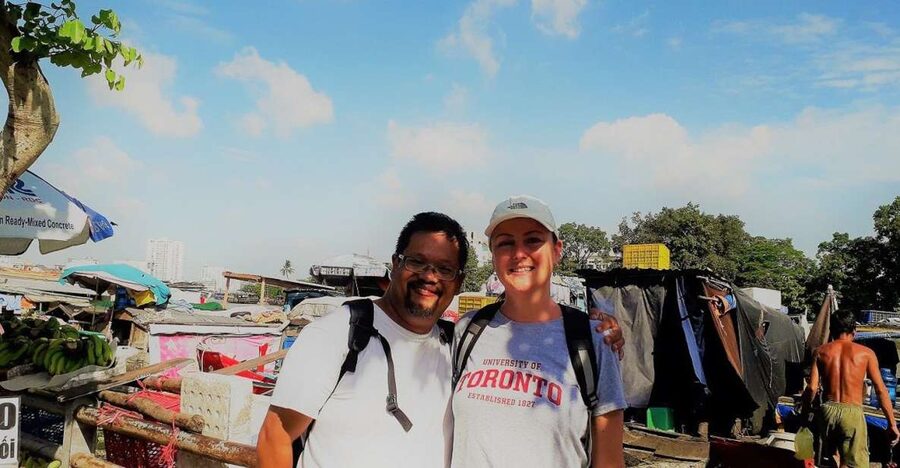
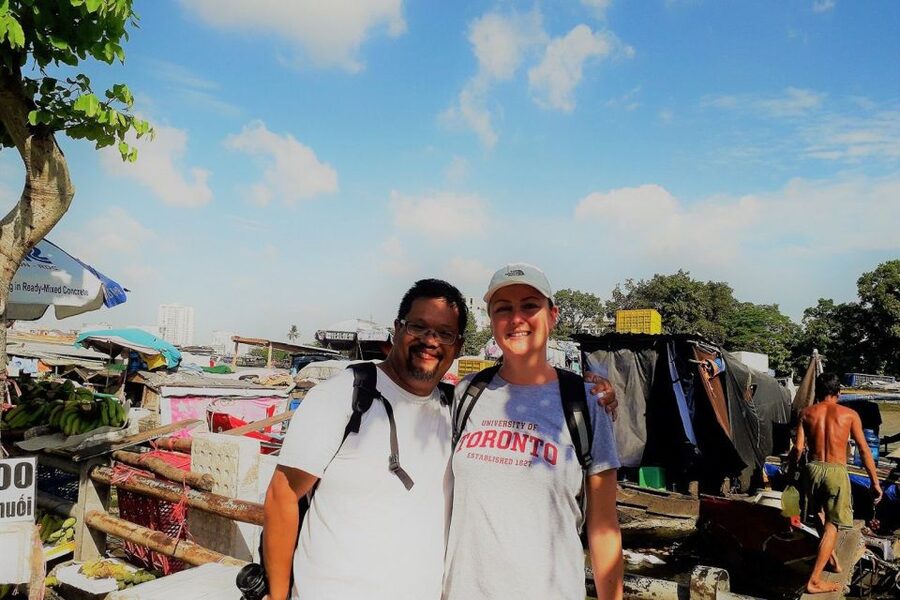
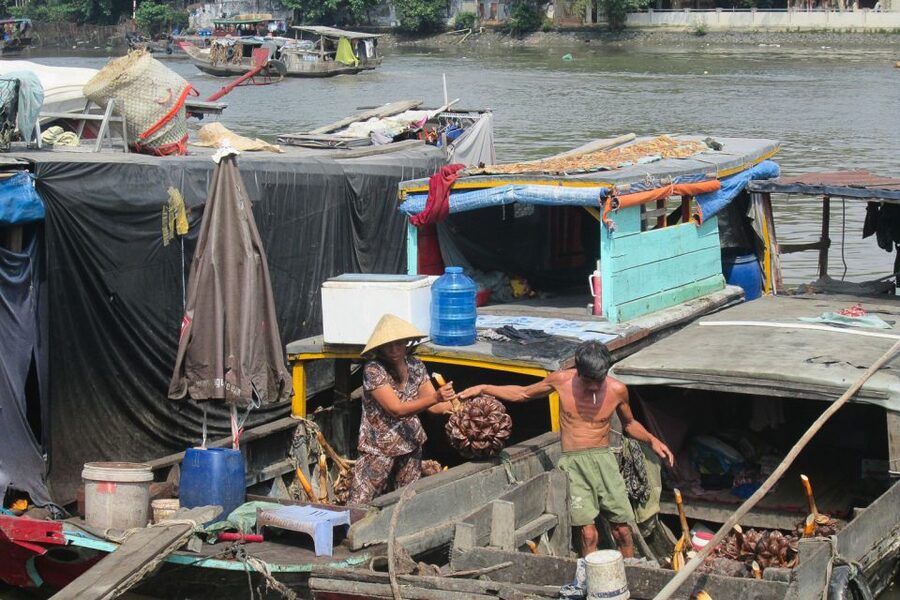
Next comes the river-side story through districts 5 to 7. River neighborhoods often operate on different schedules and different economics than inland areas. Even without fancy explanations, you’ll usually notice how many daily tasks orbit around the water and nearby markets.
This is also where you’ll get a view of the city’s edge—how close people live to the water, and how daily survival links to transport, trading, and access.
Outside the center: the city’s spillover reality
Then you’ll move beyond the classic tourist map. Outside the center, the contrast is still there, but it can feel different: more space, different building styles, and different ways work and community networks connect.
The guide’s job here is to help you understand patterns, not just scenery—how people find jobs, how families organize life, and how services reach (or don’t reach) these streets.
Floating market connections: seeing how commerce travels
The tour includes the floating market area as part of the broader contrast view. Even if your time there is limited, it reinforces an important idea: Saigon’s economy isn’t just fixed shops and malls. Trade can move, and livelihoods can follow the flow.
It helps tie the visit together—slums aren’t separated from Saigon’s economy; they’re part of it.
What you learn about work, life, and government support
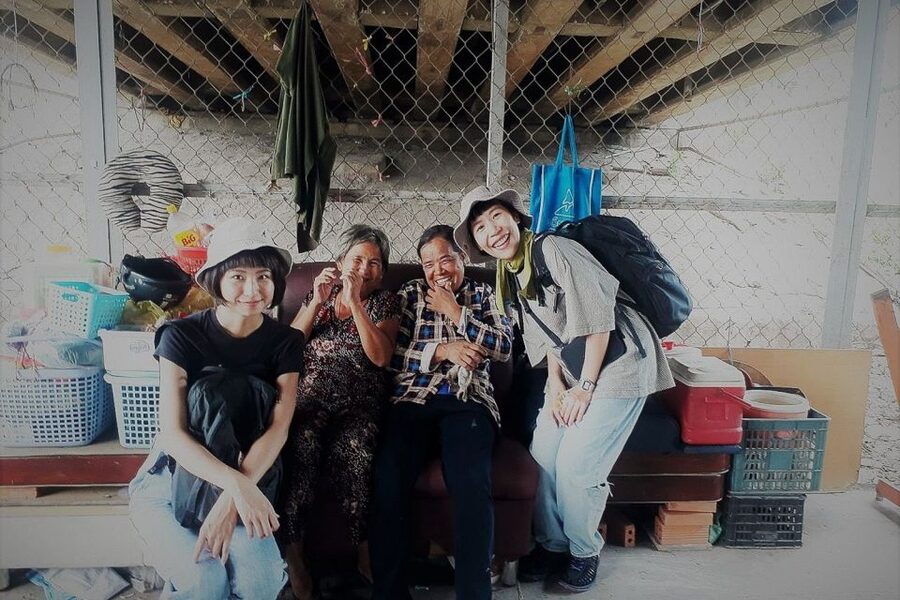
The educational value here is built into the conversations. You’re not just looking at conditions. You’re hearing how residents work, how families plan around limited resources, and how people see their future.
A few guides are known for turning that info into something you can actually picture. Names that have come up include Jay, Peter, Duy (Danny), Wibu, My, and others. Their English levels vary by guide, but the common thread is clear: visitors end up talking about how daily life in the slums connects to the city’s growth after the war.
You’ll also hear how the government supports these areas. That part is crucial, because it avoids a simple good-versus-bad story. It frames support as complicated—often helpful, sometimes slow, sometimes tied to redevelopment timelines.
And yes, redevelopment is part of what you’ll see. The tour includes witnessing slums “in process of dismantling and re-construction,” which gives you context for why certain areas look transitional.
Your role as a visitor: respect, pace, and good questions
This is one of those tours where how you behave matters. The best experiences come from staying respectful, keeping your questions human, and understanding that you’re a short visit in someone else’s long day.
In practice, that means:
- Ask before you take photos when it feels sensitive.
- Keep your body language relaxed. Sudden movements and loud reactions can make people feel watched.
- Let the guide set the pace. You’ll likely stop multiple times for refreshment breaks and for explanations.
Many visitors talk about guides creating a comfortable tone—friendly, funny, and reassuring—so you feel safe moving through alleyways and closer spaces. That matters because it lets you focus on learning, not worrying.
The food stop that makes it real: 2,000 VND rice at a charity stall
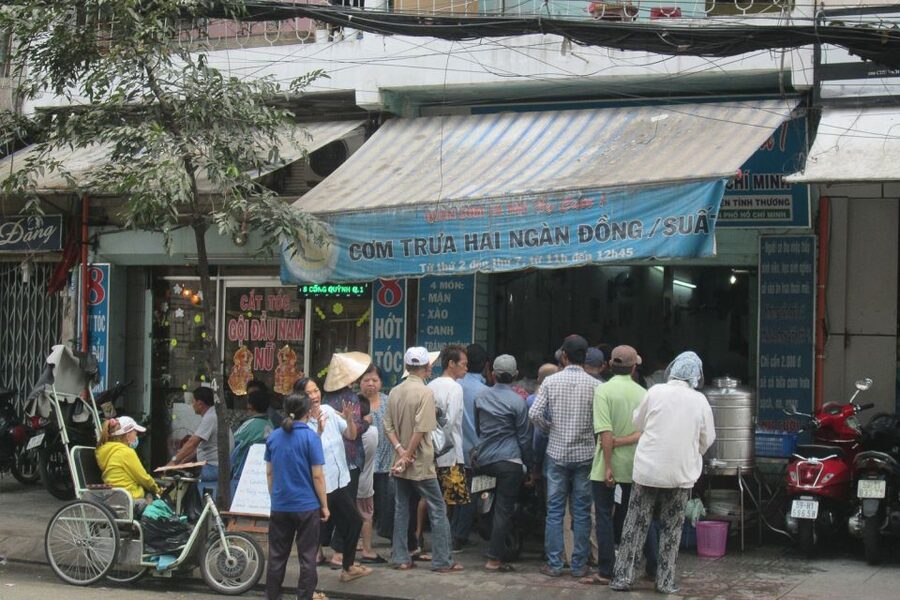
A highlight built into the schedule is a visit to a charity food stall where they sell a meal with rice for 2,000 VND. This isn’t a fancy restaurant moment. It’s a direct look at how community support can take shape in a city like Saigon.
Even if you don’t consider yourself a foodie, this stop helps you understand the economics. It turns the idea of “help” from a vague concept into a tangible system: food, a price residents can manage, and a daily rhythm of giving and receiving.
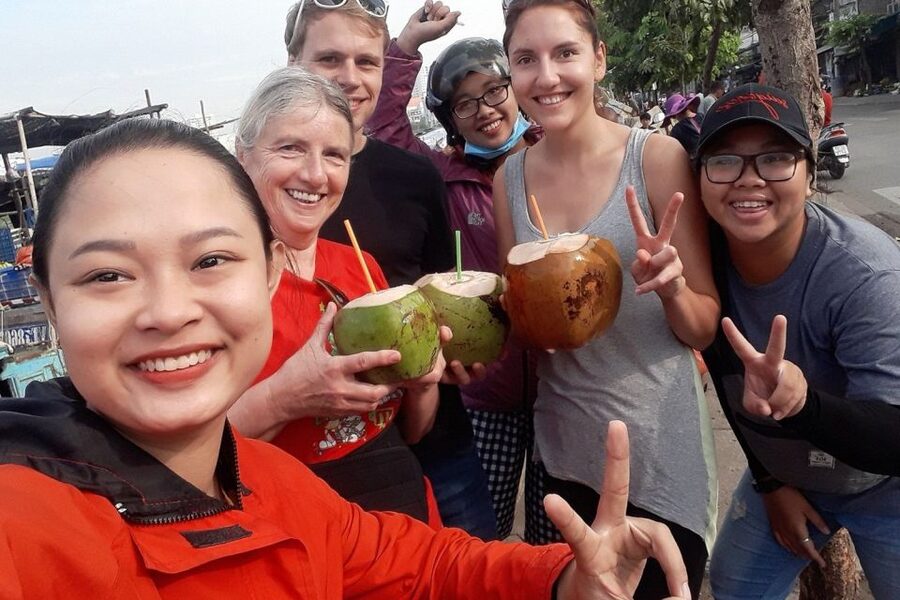
You’ll also have one included local drink—options can include coconut or coffee. It’s a nice reset between stops, especially when the ride has you feeling warm and alert.
Included value: what $16 actually buys you
At $16 per person, the tour can feel like a bargain—mainly because transportation and safety gear are part of the deal.
Included highlights:
- Hotel pickup and drop-off within District 1, 3, and 4 (outside those areas is extra)
- Local guides
- Motorbikes, helmets and ponchos
- Photos
- One local drink (coconut, coffee, or another local drink)
- Accident insurance
Not included:
- Personal expenses
- Extra food and drinks
When you compare that to typical city tours that just show a few viewpoints, the value comes from two things. First, you’re actually using a local transport method. Second, you’re paying for guided interpretation—someone helping you connect what you see with why it exists.
If you want a little more comfort or have timing constraints, there’s also an option for a car or van with surcharges (listed separately). It won’t feel as “local-back-of-a-bike” as the scooter option, but it can be useful if you’d rather reduce time in traffic.
Price add-ons and the schedule reality
A few cost extras are worth knowing before you book, so there are no surprises.
- Pickup is free only for hotels in Districts 1, 3, and 4 (otherwise there’s a 5 USD per person surcharge).
- For a private tour option, there’s a 5 USD per person surcharge.
- There’s an upgrade for a Female Aodai Rider option for 10 USD per person extra.
- Vietnamese public holiday surcharges can apply (amounts vary by tour length).
Also, look closely at your duration choice. There are options listed as 2–4 hours. If you pick the shorter window, you may spend a larger share of your time riding between areas, not sitting and exploring on foot.
Who this tour suits best (and who should choose another plan)
This tour is a strong fit if you want:
- A fast introduction to Ho Chi Minh City beyond the postcard sights
- A hands-on way to understand economic contrast
- A guide-led conversation style visit, not a silent photo sprint
It may be less ideal if you:
- Prefer fully walking-based sightseeing
- Don’t like motorbikes at all, even with helmets and insurance
- Want a very long time in one neighborhood rather than seeing several zones quickly
If you’re the type who likes to compare districts and understand why city life looks different across short distances, you’ll probably feel like the tour delivers.
Should you book this Saigon Slum Tour?
I think you should book it if you’re open to contrast and you want a Saigon “reality check” that’s guided, safe, and structured. The included gear, insurance, and hotel pickup make it easy to do right at the start of your city days.
If you go, go with the right mindset: respect first, questions second, photos third. And if you choose the 2-hour option, plan for a lot of movement. You’re buying perspective through motion, not deep stays.
FAQ
FAQ
How long is the Saigon Slum Tour with Motorbike?
The tour duration is listed as 2 to 4 hours, depending on the option you choose.
What time does the tour start?
The tour information provided lists a pickup start at 8:00 AM.
Is the tour guide available in English?
Yes, the tour includes a live guide with English.
Do they pick you up from your hotel?
Hotel pickup and drop-off are included within District 1, 3, and 4. Hotels outside those areas have an extra surcharge.
Where is the meeting point if you’re not picked up?
A meeting point is listed in District 1 at 212 Lê Lai (Phường Phạm Ngũ Lão, Quận 1), and another pickup note references Saigon Opera House as the meeting point for those not within the free pickup area. Your confirmation should specify the exact point.
What’s included for riding (motorbike, safety gear)?
The tour includes motorbikes, helmets, and ponchos, plus photos during the experience.
Is food or drink included?
One local drink is included (coconut, coffee, or another local drink). There is also mention of a charity food stall meal with rice at 2,000 VND, and additional food and drinks are not included.
Is accident insurance included?
Yes, accident insurance is included.
What should I bring?
Comfortable shoes are recommended.
Are there extra costs for private tours or special add-ons?
Yes. There is a listed 5 USD per person surcharge for the private tour option, and a 10 USD per person extra for the Female Aodai Rider upgrade. Vehicle upgrades (car or van) have separate surcharges as well.
More Tours in Ho Chi Minh City





More Tour Reviews in Ho Chi Minh City
On the Back of a Bike, Continued
Just Reviewed Around Saigon
- Secret walking Food Tour Ho Chi Minh City
★ 5.0 · 3 reviews - Ho Chi Minh City: Secret Cocktail Experience
★ 5.0 · 3 reviews - From Ho Chi Minh city: Vung Tau Beach Private Day Tour
★ 5.0 · 3 reviews - Saigoncholon
★ 3.5 · 3 reviews - Saigon On 2 Wheels
★ 3.5 · 3 reviews - From Ho Chi Minh City: Relax In Mui Ne Beach In 1 Day
★ 4.3 · 3 reviews
Scooter & Vespa Tours, compared.
 ★ 5.0Ho Chi Minh City Street Food Tour & Sightseeing By MotorbikeFrom $289,413 reviews
 ★ 5.0Saigon By Night and Street Food By Motorbike | Opt: Ao Dai RidersFrom $374,066 reviews
 ★ 5.0Private Street Food Tour by Motorbike/Car with Local StudentsFrom $453,950 reviews
 ★ 4.9Street Food Tasting & Sightseeing Tour by MotorbikeFrom $273,578 reviews
 ★ 5.0Top Notch Street Food Motorbike Tour In Ho Chi Minh CityFrom $292,667 reviews
 ★ 5.0Private Street Food Motorbike Tour in Ho Chi Minh CityFrom $552,180 reviews
 ★ 5.0Ho Chi Minh City Motorbike Tour with Student | Saigon AdventureFrom $231,697 reviews
 ★ 5.0Food Tour by Scooter with Eleven TastingsFrom $281,502 reviews
Browse the lists this tour appears in