
REVIEW · SAIGON CYCLO TOURS
Saigon Then & Now: A Bygone Cyclo Adventure
Pedal power turns Saigon into a moving photo-story. I like the cyclo rides for quick, close-up street views and the included stop for Pho 24 comfort food, but consider that 4 hours means a lot of stops packed together in heat and traffic.
You start near the Saigon Opera House, then roll past big French-colonial icons, wartime artifacts, and working markets where people buy everyday stuff. It’s private for your group, with pickup offered and an English-speaking guide to keep the stops making sense.
In This Review
- Key things I’d highlight before you book
- Cyclo power and a history lesson in one 4-hour loop
- French colonial icons: Central Post Office and Reunification Palace
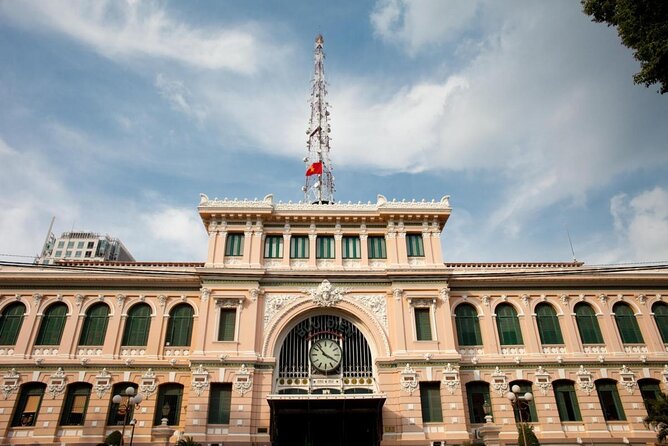
- Saigon Central Post Office
- Reunification Palace (Independence Palace)
- War Remnants Museum: real artifacts, clear contrasts
- Dai Viet lacquer at Minh Phuong: craft that explains the markets
- Market hopping by pedal power: flowers, electronics, fabrics, and motorbike parts
- Ho Thi Ky Flower Market
- Nhat Tao electronics market and Tan motorbike spare parts market
- Soai Kinh Lam fabric market
- Binh Tay Market in Cholon
- Pho 24: why the food stop is timed so well
- Ba Thien Hau Temple: Mazu, Chinese heritage, and a quieter pause
- Cyclo comfort, timing, and what to wear
- Should you book Saigon Then & Now: Bygone Cyclo Adventure?
- FAQ
- How long is the Saigon Then & Now cyclo tour?
- What does the price include?
- Is pickup offered?
- Where does the tour start?
- Do I get a mobile ticket?
- Is this a private tour?
- What food is included during the tour?
- Is there free cancellation?
Key things I’d highlight before you book
- One cyclo (or richshow) per person means you’re not crammed onto a single ride
- French-colonial landmarks plus war history gives you a sharper timeline than a quick photo tour
- Craft and culture stop at Dai Viet lacquer turns market time into something with meaning
- Markets are the main character here: flowers, fabrics, electronics, motorbike parts, plus Cholon’s Binh Tay area
- Pho noodle soup is built in, with bottled water to keep you moving
- Guides like Luc and Cici are known for clear explanations and friendly, practical pacing
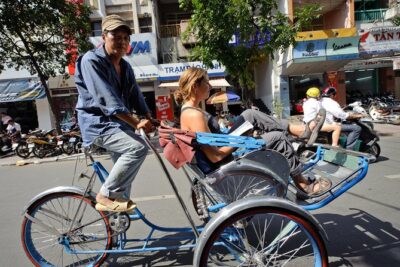
Pedalled slow through the traffic by cyclo

Cyclo power and a history lesson in one 4-hour loop
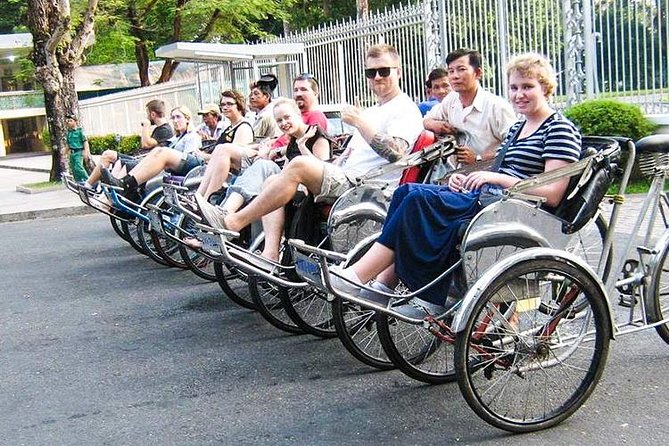
This tour is built around a simple idea: in Ho Chi Minh City, you understand the place faster when you see it from street level. The cyclo (pedicab style) makes that happen—no bus window, no distance. And because the ride is paired with stops at major sites and markets, you get both story and context.
At about $74.11 per person for roughly 4 hours, the value comes from what’s covered: you get an English-speaking guide, entrance fees, bottled water, Pho 24 noodle soup, and a cyclo/richshow for each person. You’re also not left to figure out timing between widely spaced neighborhoods—the route already strings together the right clusters.
The trade-off is time. You’ll be hopping between famous sights and working market streets, so you should plan to walk a bit and accept short stops. If you prefer slow museum time with long chats, this tour may feel rushed. If you want a high-return overview that still feels local, it’s a strong pick.
French colonial icons: Central Post Office and Reunification Palace
Two of the biggest “Saigon look” landmarks sit near the center, and this tour uses them well—first by showing you the architecture, then by giving you the historical frame behind it.
Saigon Central Post Office
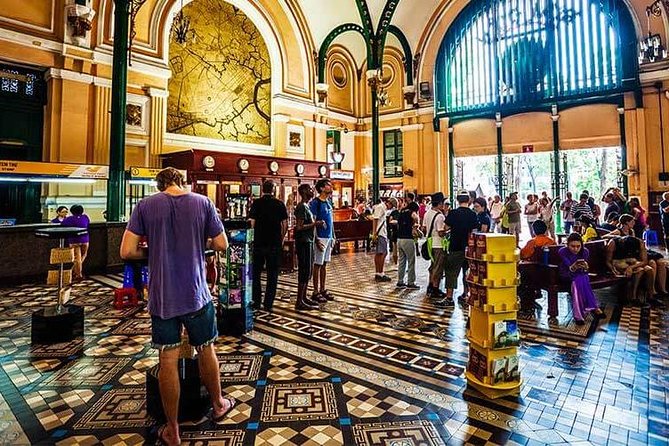
The Saigon Central Post Office is an architectural highlight with French colonial and Gothic influences. It’s the kind of building that works even if you don’t know much about colonial design: you can read its layout, the symmetry, and the scale right away.
What I like about making this a scheduled stop is that it’s not just a photo moment. You get time to look around and notice how this building functions as part of the city, not just a relic.
Practical note: it’s a public, central-area site, so plan on typical city sounds and foot traffic around you. Wear comfortable shoes.
Reunification Palace (Independence Palace)
Next comes the Reunification Palace, often called the Independence Palace. This is one of those places where the building’s shape and rooms matter because they connect you to a turning point in Vietnam’s modern story. The tour approach is short and focused—enough time to grasp why it’s a symbol, not enough time to treat it like a full-day study.
If you like history you can point to, you’ll appreciate that the tour builds momentum: you move from colonial-era design to a site tied directly to Vietnam’s turbulent 20th-century chapter.
- Cu Chi Tunnels Tour from HCM City – Morning or Afternoon★ 5.0 · 15,833 reviews
- From HCM City: Mekong Delta Tour with Sampan Journey★ 4.5 · 13,132 reviews
- Ho Chi Minh City Street Food Tour & Sightseeing By Motorbike★ 5.0 · 9,413 reviews
- HCM: Cu Chi Tunnels-Tapioca Small Group Tour Morning or Afternoon★ 5.0 · 7,485 reviews
- Cu Chi Tunnels and Mekong Delta Signature Tour★ 5.0 · 7,328 reviews
War Remnants Museum: real artifacts, clear contrasts
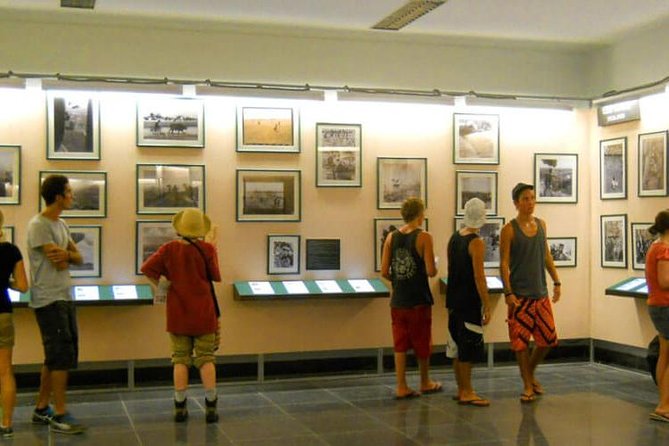
The War Remnants Museum is included in the tour plan, and it has a specific, documented starting point: it originally opened in September 1975. The collection centers on military equipment and related items from the Vietnam War.
Why this belongs on a cyclo-and-markets tour is simple: Ho Chi Minh City isn’t only about architecture or commerce. It’s also about how people live with—and reinterpret—history. Seeing wartime artifacts before you roll into market neighborhoods helps the whole day feel less random.
A consideration: museums can slow your pace. This tour keeps things efficient, but if you’re someone who likes to read every sign, you may want to add extra time on another day. Still, as part of a 4-hour overview, it lands the emotional context without draining the day.
Dai Viet lacquer at Minh Phuong: craft that explains the markets
One of the most “real Saigon” moments in this day is the stop for Minh Phuong Lacquer—listed as a Dai Viet Lacquerware factory/gallery. This is where you see Vietnamese artistry as a process, not only as a finished souvenir.
Lacquer work matters because it connects to why markets feel different in this city. When you’ve seen how something is made, you’ll notice the details when you pass other goods later—colors, surfaces, and craftsmanship cues.
Expect roughly 30 minutes here. That’s long enough to watch and learn basics, but not so long that you feel stuck indoors during a city day.
Tip for photos: try to shoot from a respectful angle, and keep your hands to yourself. Workshop spaces tend to be strict about movement for safety and materials.
Market hopping by pedal power: flowers, electronics, fabrics, and motorbike parts
The heart of the route is market time—some as quick pauses, some as short “look-and-learn” stops. You’ll also get photo stops at famous categories of market streets, including flower, dog, clothes, chicken, fish, and fruit areas, plus electronics and motorbike spare-part scenes. The idea is to give you a sense of how locals shop and trade, not to turn the day into a single endless bazaar.
Ho Thi Ky Flower Market
Ho Thi Ky Flower Market (District 10) is the biggest flower stop in the plan and it’s known for early hours. Even if you’re visiting later in the morning than you expected, it helps to show up with the right expectation: flowers here are about freshness and daily supply.
This stop is short—about 10 minutes—so use it for color and observation. Look at how stalls are arranged and how sellers present bundles for quick buying.
Nhat Tao electronics market and Tan motorbike spare parts market
Then you move into two neighborhoods built around how everyday life runs: electronics repairs and motorbike parts.
- Nhat Tao Electronics Market is described as a large hub in District 10 and into parts of District 5, nicknamed the Silicon Valley of Saigon.
- Tan Motorbike Spare Parts Market (District 5) is presented as a major destination for motorcycle components and accessories, with decades of history.
These stops don’t feel like shopping for vacation souvenirs. They feel like a city’s supply chain. If you’ve ever wondered how the street looks the way it does—bikes everywhere, electronics everywhere—this part of the route makes the system visible.
Because these are working markets, the pace can be a bit intense. Keep your camera ready, but don’t block lanes. You’re there to see, not to slow people down.
Soai Kinh Lam fabric market
The tour also stops at Soai Kinh Lam Fabric Market on Tran Hung Dao Street (District 5). It’s described as a major textile hub with hundreds of tightly packed stalls.
This is one of those “use your senses” areas: you’ll see fabrics, patterns, and materials meant for practical uses. It’s a great contrast after electronics and bike parts—same city energy, different materials.
Binh Tay Market in Cholon
Finally, you end up around Binh Tay Market in Cholon. It’s described as a historical marketplace established in the 1920s, and the stop gives you a sense of how older trade areas keep moving today.
This is where I’d suggest slowing your looking down. The market areas can blend together in your mind by the afternoon, so spend a minute on architecture and layout—then go back to the stalls for the details.
Pho 24: why the food stop is timed so well
This tour includes lunch in a simple, concrete way: Pho noodle soup at PHỞ 24 (158D PASTEUR), and it’s built into the 45-minute block. That’s not a huge lunch window, but it’s long enough to eat without turning your day into a snack marathon.
Pho fits the tour plan because you’ve spent a chunk of time in sun and moving streets. The broth and hot noodles are a practical reset. And with bottled water included, you’re not guessing what to drink when you’re tired.
If you’re picky about spice, check what’s on your bowl before you dive in. Also consider asking for adjustments if you want it milder. You’ll be surprised how quickly you can find a comfortable level here.
Ba Thien Hau Temple: Mazu, Chinese heritage, and a quieter pause

After the market noise and shopping energy, this stop adds a different texture: Ba Thien Hau Temple, dedicated to the sea goddess Mazu. It’s located in District 5 and described as built in the early 19th century by Chinese immigrants.
This matters because it reminds you that Ho Chi Minh City’s culture isn’t only built from one thread. The temple gives you a calm pause where you can see how faith and community shape daily life.
This stop runs about 30 minutes, so it’s long enough to walk around respectfully and notice offerings and details. Then you’re ready to finish the day and head back to the starting area.
Cyclo comfort, timing, and what to wear
A cyclo tour is “easy” in the sense that you’re not doing the whole day on foot—but it’s not a spa day. You’ll ride in the open air. That means sun, dust, and occasional rain potential matter.
To make the ride more pleasant:
- Wear comfortable, grippy shoes (market floors can be uneven).
- Bring sunscreen and something light for shade.
- If you’re sensitive to dust, a light mask can help.
- Keep your phone strap short or secure—passing bikes and scooters mean you want fewer chances for drops.
Because the itinerary runs fast with many stops, this tour works best when you go in with a mindset of scanning and learning, not full deep reading at every site.
If you’re riding with a guide like Luc or Cici, you’ll get a smoother experience. The guides are described as professional, friendly, and good at answering questions, including for kids. That family-friendliness is a real plus if you’re traveling with a younger crew.
Should you book Saigon Then & Now: Bygone Cyclo Adventure?
I’d book this tour if you want a high-value overview of Ho Chi Minh City that mixes big history sites with working markets, and you’d rather ride local streets in comfort than follow a long checklist from inside a car. The fact that entrance fees, bottled water, Pho, and cyclo/richshow rides are included makes it easier to budget and focus on the experience.
Skip it (or add a slower day) if you’re the type who needs lots of quiet time in museums, or if the idea of market stops makes you anxious. Also keep in mind it’s about 4 hours, so plan for concentrated sightseeing.
If the timing works for you, you can feel good about the flexibility: the tour offers free cancellation up to 24 hours in advance.
FAQ
How long is the Saigon Then & Now cyclo tour?
It runs for about 4 hours (approx.).
What does the price include?
The package includes bottled water, Pho noodle soup, an English-speaking tour guide, one cyclo/richshow for each, and entrance fees.
Is pickup offered?
Yes, pickup is offered (as listed as a feature).
Where does the tour start?
The meeting point is the Saigon Opera House area at 07 Công trường Lam Sơn, Bến Nghé, Quận 1, Hồ Chí Minh 710212, Vietnam.
Do I get a mobile ticket?
Yes, the tour provides a mobile ticket.
Is this a private tour?
Yes. It’s listed as a private tour/activity, meaning only your group participates.
What food is included during the tour?
You’ll have Pho noodle soup at PHỞ 24 (158D PASTEUR), and bottled water is included too.
Is there free cancellation?
Yes. Free cancellation is offered up to 24 hours in advance for a full refund.
More Tour Reviews in Ho Chi Minh City



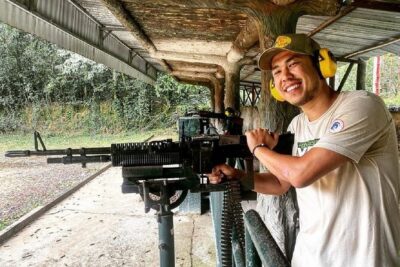

Through the Traffic by Cyclo
Just Reviewed Around Saigon
- Secret walking Food Tour Ho Chi Minh City
★ 5.0 · 3 reviews - Ho Chi Minh City: Secret Cocktail Experience
★ 5.0 · 3 reviews - From Ho Chi Minh city: Vung Tau Beach Private Day Tour
★ 5.0 · 3 reviews - Saigoncholon
★ 3.5 · 3 reviews - Saigon On 2 Wheels
★ 3.5 · 3 reviews - From Ho Chi Minh City: Relax In Mui Ne Beach In 1 Day
★ 4.3 · 3 reviews
Saigon Cyclo Tours, compared.
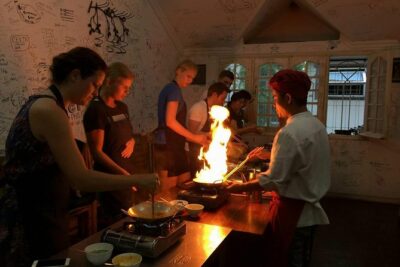 ★ 5.0Chef Vu Cooking Class Plus Market Trip in Saigon Center (Pick up by Cyclo)From $46477 reviews
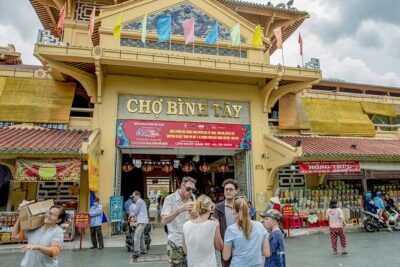 ★ 5.0Small-group Saigon City Tour: 3-Hour Cyclo Ride to Hidden StoriesFrom $30203 reviews
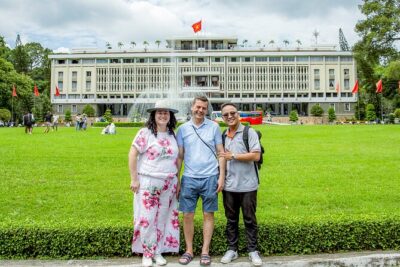 ★ 5.0Small-group Saigon City Tour: 1-day Must-See Icons & Cyclo RideFrom $109103 reviews
 ★ 4.5Ho Chi Minh City Shore Excursion: Private City Tour Including Cyclo RideFrom $16344 reviews
 ★ 4.5One hour cyclo tour around SaigonFrom $1042 reviews
 ★ 5.0Private Street Food Discovery by Cyclo at Night in Ho Chi MinhFrom $5540 reviews
 ★ 5.0Ho Chi Minh City with Street Food Tour by CycloFrom $4935 reviews
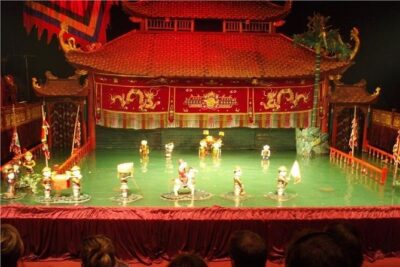 ★ 4.5Water Puppet Show-Cyclo & Dinner On Cruise in Ho Chi Minh CityFrom $6524 reviews
Browse the lists this tour appears in