
REVIEW · SCOOTER & VESPA TOURS
Visit 5 Districts & The Hidden Gems In Saigon By Motorbike
Five districts, four hours, and real Saigon at road speed.
What I like most is how the route mixes famous landmarks with working-class streets, so you get contrast instead of a single sightseeing loop. Second, I love the way you spend real time in local markets (roosters and birds, fabric, and more) and then finish with a hands-on coffee stop at Cheo Leo Coffee. One thing to consider: it’s a motorbike tour, so if you’re not comfortable with traffic noise and close street corners, you’ll want to pace yourself mentally.
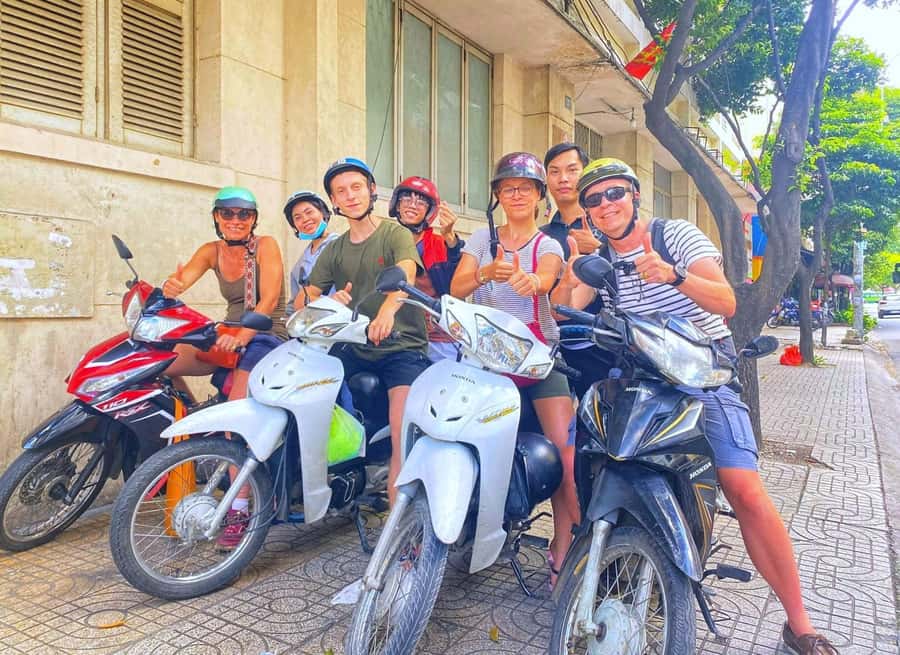
You’ll be riding with a local friend who drives confidently and speaks English (and other languages are available with a surcharge). In the reviews, guides like Tam and Phat, and also Bing and Kelvin, come up for their friendly, reassuring style and solid driving, which matters here because the route moves through dense areas.
The tour is private, so you can ask questions on the fly—just know the focus is “seeing daily life,” not museum-level time inside every building.
In This Review
- Key points at a glance
- Riding Saigon by Motorbike: the quick shortcut to city life
- Your guide, your pace: English skills and safety first
- District 1: Notre-Dame Cathedral area, Central Post Office, and Nguyen Hue streets
- District 3: Thich Quang Duc Monument, older streets, and Nguyen Thien Thuat apartments
- Districts 5 and 6: Saigon’s Chinatown streets, markets, and On Lang Pagoda
- District 10: Ho Thi Ki Flower market and why it’s worth the detour
- Food and coffee stops: beef noodles, then Cheo Leo Coffee
- Markets, shopping streets, and the motorbike accessories surprise
- What’s included in the price, and why it adds up
- Who this tour suits best (and who should rethink)
- Should you book this 5-district motorbike tour?
- FAQ
- FAQ
- How long is the motorbike tour in Saigon?
- How much does it cost?
- Is pickup and drop-off included?
- What’s included with the tour?
- Do you include food and coffee?
- Which districts and key places are visited?
- What languages are available?
- Is there free cancellation?
- How do I check availability before booking?
Key points at a glance
- Five districts in 4 hours: District 1, 3, 5, 6, and 10, each with its own street vibe
- Market time that locals actually use: roosters and birds, fabric, traditional Chinese medicine, and more
- Cultural stops beyond the postcard: Thich Quang Duc Monument and a major Chinese community pagoda
- Flower market visit for color and pricing: Ho Thi Ki Flower market in District 10
- Coffee that’s explained, not just served: Cheo Leo Coffee and how the cup is made
- Safety and comfort support included: helmet, rain poncho, fuel, and a guide focused on steady driving
Hop on the back of a bike, other Saigon rides

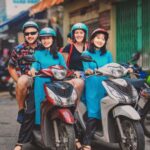
Riding Saigon by Motorbike: the quick shortcut to city life
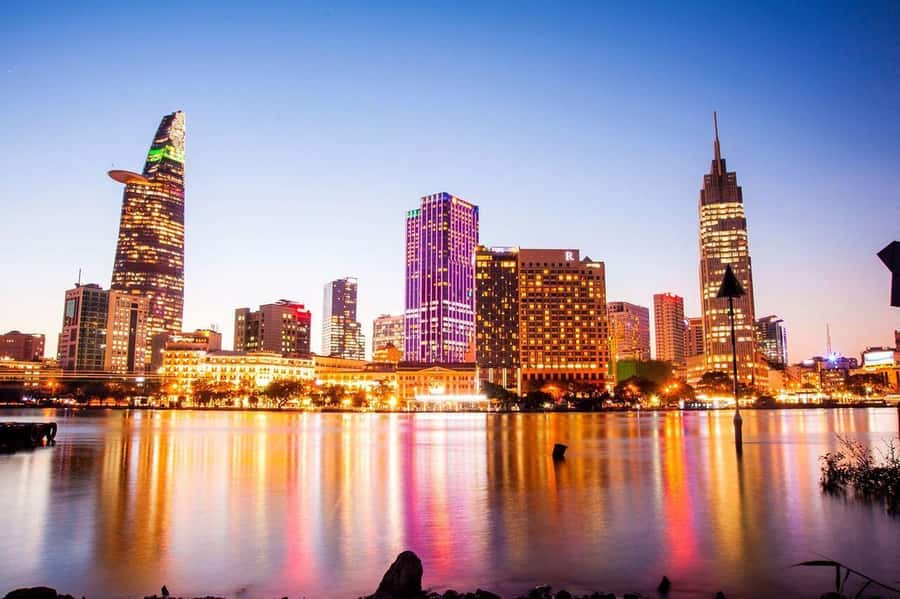
If you only have a few hours in Ho Chi Minh City, this tour is a smart way to get your bearings fast. Instead of doing one neighborhood well, you hop across five districts—so you see Saigon’s layers: French-colonial landmarks up front, then into markets, Chinatown trade streets, and flower wholesaling energy.
Motorbikes are the key to why this works. Streets that feel like you’re stuck walking on foot suddenly feel like a moving timeline. You pass storefronts, roadside snacks, tiny shops, temple entrances, and apartment blocks in a single flow. It’s the sort of route that makes “Saigon is different everywhere” feel true.
The time format is also realistic: 4 hours is long enough for meaningful stops, but short enough that you don’t end up with a day of fatigue. You’ll be moving most of the time, but the guide builds in stops where you can slow down, look around, and ask questions.
Your guide, your pace: English skills and safety first
This tour runs with a real local friend and excellent driving skills, with warming hospitality that helps you feel less like a tourist in a traffic jam and more like a visitor being guided through a familiar routine.
Safety gear is part of the package: good helmet, rain poncho, and fuel are included. That matters because Saigon can shift quickly between sun and sudden showers, and a short downpour shouldn’t ruin a plan.
Private group also changes the experience. You’re not forced to follow a rigid schedule at the pace of strangers. In the reviews, guides such as Tam and Phat, and also Bing and Kelvin, are praised for good English and safe driving—exactly what you want when you’re riding through packed streets and intersections.
If you’re the type who likes to ask, you’ll like this setup. You can stop and clarify what you’re seeing—especially in the markets, where signs, products, and traditions aren’t always obvious from the outside.
District 1: Notre-Dame Cathedral area, Central Post Office, and Nguyen Hue streets

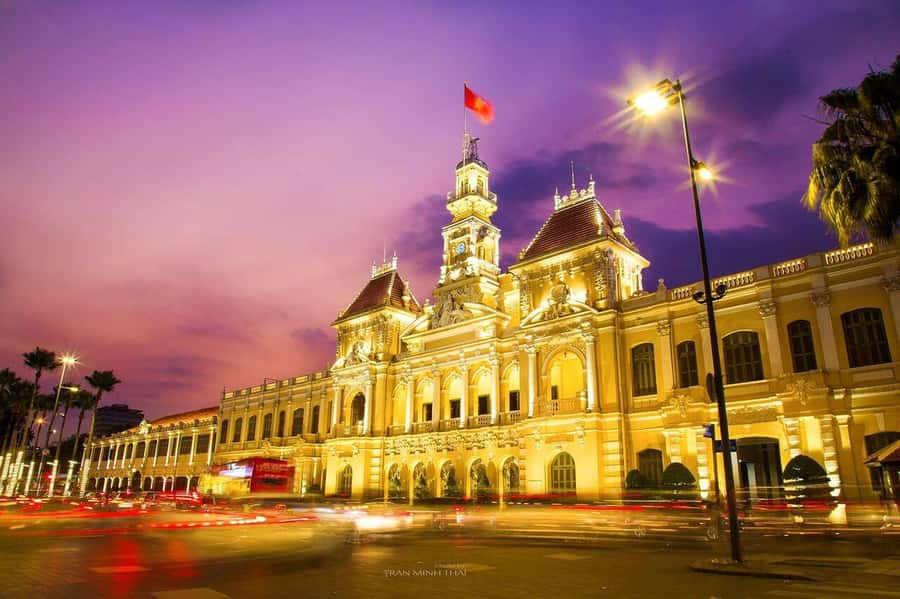
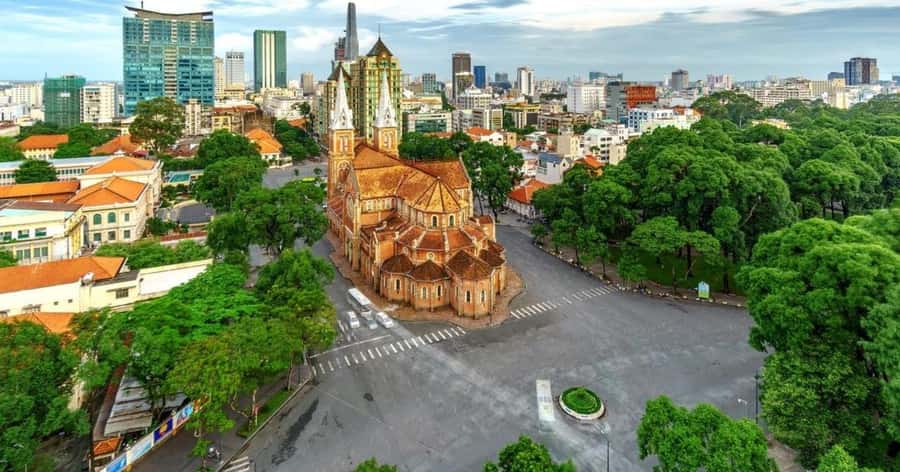
Your day starts in District 1, where Saigon shows off its most recognized buildings and central street energy. The route includes the Saigon Notre-Dame Cathedral and the Central Post Office, both known for their French colonial architecture. Next, you’ll pass by the Student Bet coffee-style park area and then head toward the Nguyen Hue walking street.
This part is useful because it anchors the trip. You get a sense of why people describe Saigon as a promised land in Vietnam—because the city blends old-world structures with modern youth life and street activity.
What to expect in practice:
- You’re close enough to appreciate scale and details, without spending all your time waiting in long lines.
- The walk segments help you understand street layout and how people move between landmark clusters and everyday spots.
A small consideration: District 1 can feel busy, so if you want quiet photo time, go with a calm mindset and follow your guide’s timing.
District 3: Thich Quang Duc Monument, older streets, and Nguyen Thien Thuat apartments
From District 1, the tour shifts into District 3, a calmer slice with older buildings and a more residential feel. Here you’ll visit the Venerable Thich Quang Duc Monument, plus Saigon’s oldest buildings, along with typical shopping streets and smaller markets.
Thich Quang Duc is central to understanding a difficult moment in Vietnamese history. The monument references the monk Thich Quang Duc, who burned himself in June 1963 as a protest against persecution of Buddhism during the Vietnamese War. Even if you already know the story, seeing it on the ground in the city helps the meaning land differently than reading about it.
You’ll also visit Nguyen Thien Thuat apartment, described as a strong example of how middle-class locals live with an older, rustic feel still visible. This is the kind of stop that adds texture. You’re not just looking at history—you’re seeing how that history coexists with daily routines.
What I think you’ll appreciate here:
- It breaks up the “big landmark” feeling from earlier.
- It makes the city’s human scale easier to understand—streets, apartments, and local commerce rather than only tourism infrastructure.
If you’re sensitive to heavy subject matter, give yourself a moment before and after the monument to reset your mood. The stop is meaningful, and that’s the point.
- Cu Chi Tunnels Tour from HCM City – Morning or Afternoon★ 5.0 · 15,833 reviews
- From HCM City: Mekong Delta Tour with Sampan Journey★ 4.5 · 13,132 reviews
- Ho Chi Minh City Street Food Tour & Sightseeing By Motorbike★ 5.0 · 9,413 reviews
- HCM: Cu Chi Tunnels-Tapioca Small Group Tour Morning or Afternoon★ 5.0 · 7,485 reviews
- Cu Chi Tunnels and Mekong Delta Signature Tour★ 5.0 · 7,328 reviews
Districts 5 and 6: Saigon’s Chinatown streets, markets, and On Lang Pagoda
Then comes the part that many people remember most: Chinatown-area streets with markets that feel like commerce first and sightseeing second. In Districts 5 and 6, you’ll visit markets for locals such as roosters and birds, fabric, and traditional Chinese medicine. You’ll also see the biggest motorbike accessories market in Saigon, which is exactly the kind of place tourists often walk past without ever realizing what’s happening.
You’ll also visit On Lang Pagoda, also known as Quan Am and Hoi Quan On Lang. It’s described as the largest Chinese community pagoda in Ho Chi Minh City and currently supports both Vietnamese and Chinese Buddhist. That blend is important: it reflects how communities trade, worship, and live side by side in the same streets.
Why this segment is valuable for you:
- Market stops teach you the rhythm of buying and selling in Saigon—what people need today, not what sounds good on a postcard.
- The variety is huge. You’ll go from fabric to medicine to animals to motorbike parts. That contrast helps you understand why the city feels so layered.
A practical note: markets are crowded by nature, and prices can vary by stall. Your guide can help you navigate what’s what and keep you comfortable in tight spaces.
District 10: Ho Thi Ki Flower market and why it’s worth the detour
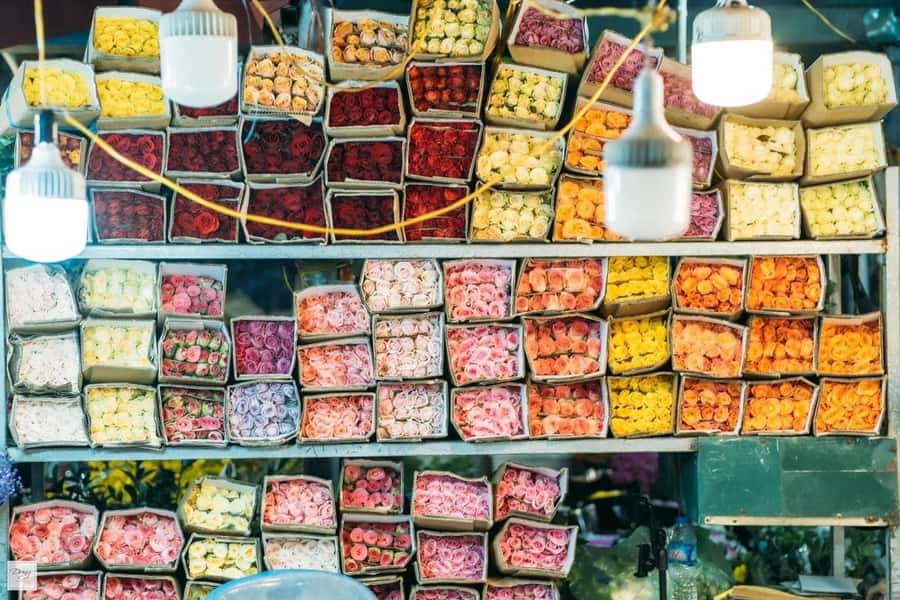
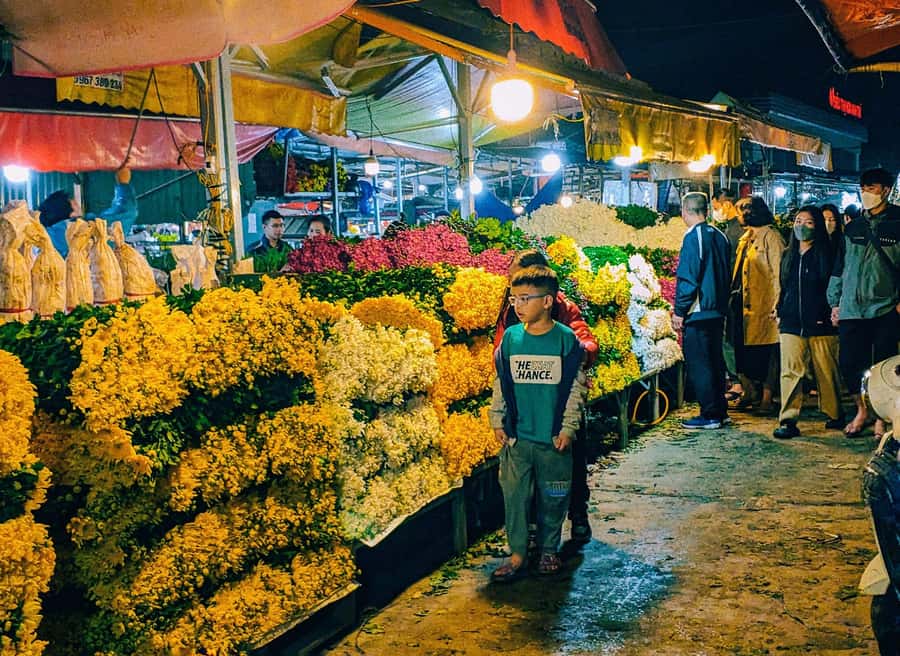
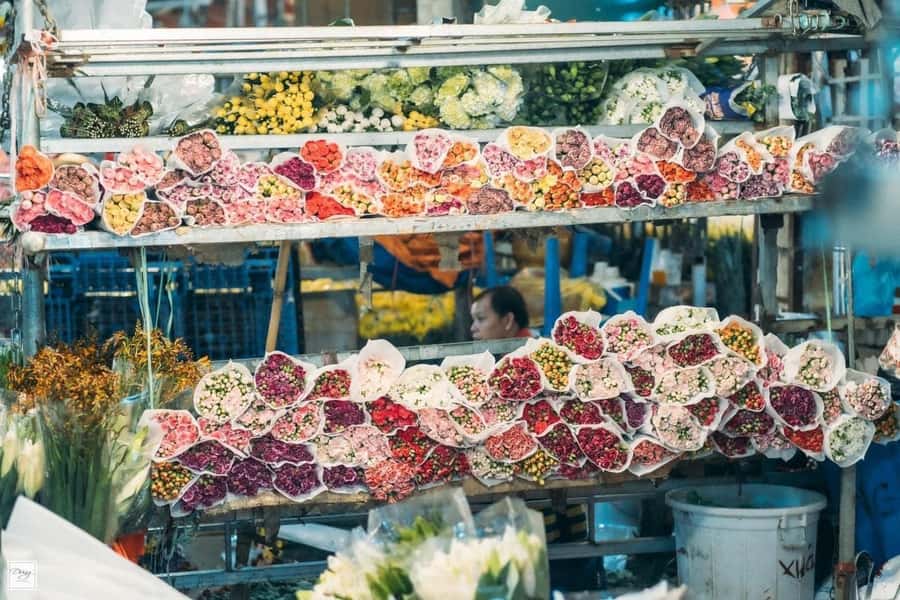
In District 10, you’ll visit Ho Thi Ki Flower market, described as Saigon’s biggest flower market. This is a strong stop if you love color, fresh smells, and the behind-the-scenes world of wholesalers.
Here’s what makes this market different from a standard craft or souvenir stop: you’re seeing flowers at working scale. You get a real sense of how flowers move through the city, not just how they appear in restaurants or on special occasions.
What to look for:
- Tropical flowers and imported varieties are both mentioned, and you’ll likely notice differences in pricing and freshness.
- It’s a market that feels active and practical, not staged.
If you’re thinking about bringing flowers back as gifts, keep in mind the tour’s timing. You’ll want to focus more on photos and observing than on carrying delicate bouquets unless you’re prepared.
Food and coffee stops: beef noodles, then Cheo Leo Coffee
You’ll enjoy beef noodles, one of the everyday breakfast or lunch choices in Vietnam. It’s a good way to refuel during a busy motorbike route, and it also grounds the tour in normal eating habits instead of turning meals into a show.
Then you head to one of the best coffee experiences in town: Cheo Leo Coffee. The key detail is that you don’t only drink—you also see the process of how the coffee is made. That makes the cup feel earned. You’ll likely notice how specific steps contribute to the final taste and texture, and it turns the coffee break into a mini lesson.
If you’re a coffee person, this is the stop that can convert you from drinker to fan. If you’re not, you’ll still appreciate it because it’s a local routine explained clearly, and you get a short break from street motion.
Markets, shopping streets, and the motorbike accessories surprise

A big reason this tour feels different is that it doesn’t stick to one type of browsing. You’ll move through markets and shopping streets where the goods are practical:
- Roosters and birds market for live animals
- Fabric market for cloth and materials
- Traditional Chinese medicine market, where you’ll see products tied to everyday health habits
- The motorbike accessories market, which gives you a glimpse of how seriously Saigon treats bikes and parts
This mix is more than variety for variety’s sake. It helps you understand the city’s economy as a system of daily needs. Motorbikes aren’t a hobby here—they’re part of the transportation backbone, and accessories reflect that.
The guide’s role is important. When you’re surrounded by goods you don’t recognize, a local friend helps you interpret what you’re seeing so it doesn’t all blur into one crowded street.
What’s included in the price, and why it adds up
At $34 per person for about 4 hours, the value is mostly about what’s taken care of for you:
- Pickup and drop-off at central Saigon
- English-speaking tour guide (other languages cost extra)
- One main meal plus local snacks, fruits, and drinks
- Entrance fees
- Helmet, rain poncho, and fuel
- A bonus free amateur photographer and security support from your private guide
That’s a lot bundled into one short window. Many city tours charge extra for entry fees, food, or transportation. Here, the motorbike element is the real ticket: it’s the fastest way to cover multiple districts without turning the day into constant walking.
If you’re comparing options, think of it like this: you’re paying for transportation, guidance, market access time, and an included meal and coffee stop. For a short visit, that’s a practical trade.
Who this tour suits best (and who should rethink)
This works especially well if:
- You want a big-picture Saigon feel in half a day
- You enjoy markets and want local neighborhoods included, not only monuments
- You like learning through observation—street life, shopping habits, and community spaces
- You’re comfortable on a motorbike with a provided helmet and poncho
You might want to rethink if:
- You strongly prefer slow walking and quiet venues over traffic and moving streets
- You don’t feel good in busy crowds or tight market aisles
- You’re sensitive to the emotional weight of memorial sites like Thich Quang Duc
Should you book this 5-district motorbike tour?
Yes, I’d book it if you’re craving contrast: colonial landmarks plus working markets, Chinatown trade streets, flower wholesaling, and a coffee stop with process included. It’s a fast route, but it’s not random. The stops connect into a clear story about how Saigon functions as a living city.
I’d skip or choose another style if you need lots of quiet, long museum time, or you’re uncomfortable with motorbike travel in dense traffic. This is a street-first tour, built for seeing the city the way locals experience it.
FAQ
FAQ
How long is the motorbike tour in Saigon?
The tour lasts about 4 hours.
How much does it cost?
The price is $34 per person.
Is pickup and drop-off included?
Yes. Pickup and drop-off are included from central Saigon.
What’s included with the tour?
It includes an English-speaking tour guide, one main meal, local snacks/fruits/drinks, entrance fees, a good helmet, rain poncho, and fuel. There’s also a free amateur photographer and security service from your private guide.
Do you include food and coffee?
Yes. You’ll have beef noodles, and you’ll also go to Cheo Leo Coffee to see the coffee-making process and enjoy coffee.
Which districts and key places are visited?
You’ll cover five districts, including District 1 (Notre-Dame Cathedral area, Central Post Office, Student Bet coffee-style park, Nguyen Hue walking street), District 3 (Thich Quang Duc Monument and older buildings), District 10 (Ho Thi Ki Flower market), and Districts 5 and 6 (Chinatown-area markets and On Lang Pagoda).
What languages are available?
English is available, and other languages are offered with a surcharge: Chinese, Japanese, French, Italian, Spanish, Russian, Korean, and German.
Is there free cancellation?
Yes. You can cancel up to 24 hours in advance for a full refund.
How do I check availability before booking?
The tour notes that you should text the provider at +84914585221 before booking to check availability.
More Tour Reviews in Ho Chi Minh City


On the Back of a Bike, Continued
Just Reviewed Around Saigon
- Secret walking Food Tour Ho Chi Minh City
★ 5.0 · 3 reviews - Ho Chi Minh City: Secret Cocktail Experience
★ 5.0 · 3 reviews - From Ho Chi Minh city: Vung Tau Beach Private Day Tour
★ 5.0 · 3 reviews - Saigoncholon
★ 3.5 · 3 reviews - Saigon On 2 Wheels
★ 3.5 · 3 reviews - From Ho Chi Minh City: Relax In Mui Ne Beach In 1 Day
★ 4.3 · 3 reviews
Scooter & Vespa Tours, compared.
 ★ 5.0Ho Chi Minh City Street Food Tour & Sightseeing By MotorbikeFrom $289,413 reviews
 ★ 5.0Saigon By Night and Street Food By Motorbike | Opt: Ao Dai RidersFrom $374,066 reviews
 ★ 5.0Private Street Food Tour by Motorbike/Car with Local StudentsFrom $453,950 reviews
 ★ 4.9Street Food Tasting & Sightseeing Tour by MotorbikeFrom $273,578 reviews
 ★ 5.0Top Notch Street Food Motorbike Tour In Ho Chi Minh CityFrom $292,667 reviews
 ★ 5.0Private Street Food Motorbike Tour in Ho Chi Minh CityFrom $552,180 reviews
 ★ 5.0Ho Chi Minh City Motorbike Tour with Student | Saigon AdventureFrom $231,697 reviews
 ★ 5.0Food Tour by Scooter with Eleven TastingsFrom $281,502 reviews
Browse the lists this tour appears in