
REVIEW · VUNG TAU DAY TRIPS
Vung Tau/Ho Chi Minh: Nui Dat, Long Tan, Long Phuoc tunnel
Memorial sites and tunnels in one sharp half-day. You’ll see Vietnam War history anchored in real places, not big vague “history class” talking points, from the Long Tan Cross to the underground Long Phuoc Tunnel network. What I like most is how the day balances remembrance with on-the-ground context, and how the guides (often Tony, Joe, or Binh in past groups) keep the story clear and respectful.
The tour’s pacing is built for visitors who want meaning without wasting time. You get a logical route—Nui Dat, Long Tan, then the tunneling and fire support base areas—so the facts start to click into place. One thing to consider: this is emotionally heavy material, and you’ll want comfortable shoes for the walking and standing that come with multiple outdoor stops.
In This Review
- Key things you’ll notice on this Nui Dat, Long Tan, Long Phuoc day
- From Vung Tau pickup to Nui Dat: getting your bearings fast
- Hoa Long village and Nui Dat base sites: the war is suddenly practical
- Nui Dat Kindergarten (2002): the rare peace-time stop that changes the mood
- Long Tan Cross: 18 soldiers, a rebuilt memorial, and a moment to slow down
- Horse Shoe Fire Support Base / Horseshoe Hill: the logistics behind the story
- Long Phuoc Tunnel network: underground spaces tell a different kind of story
- Guides and drivers: why the right voice matters on sensitive history
- Price and value: is $75 per person fair?
- Who should book this tour, and who should think twice?
- Should you book the Nui Dat, Long Tan, and Long Phuoc Tunnel tour?
- FAQ
- FAQ
- What areas does this tour cover?
- How long is the tour?
- What sites are included?
- What is the meeting and travel like?
- Is the guide available in English?
- What is included in the price?
- What should I bring?
- What is not included?
- Is there a memorial element at Long Tan Cross?
- Is there an option to pay later?
- Can I get a refund if my plans change?
Key things you’ll notice on this Nui Dat, Long Tan, Long Phuoc day
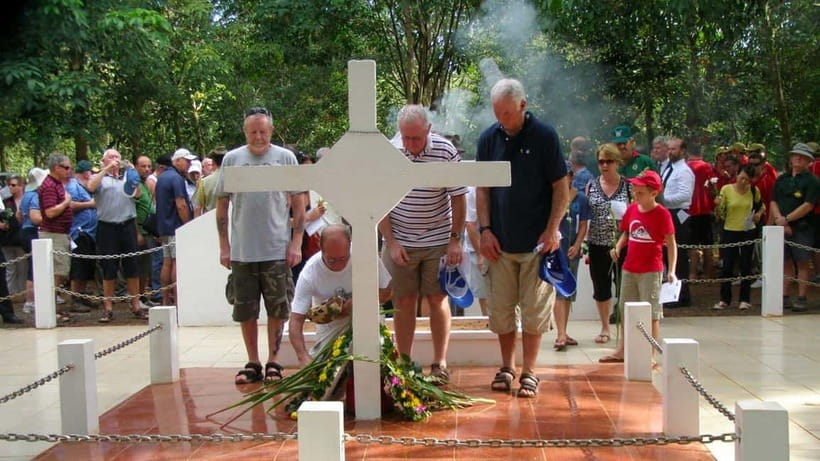
- Long Tan Cross for 18 soldiers (1966): a memorial rebuilt by Australian veterans and tended with care
- Nui Dat Kindergarten (built in 2002): a peace-time outcome created for local children by Australian veterans
- Hoa Long village and Nui Dat base sites: you’ll visit places tied to bunkers, the Kangaroo pad, SAS hill, airfield areas, and a battalion flagpole
- Horse Shoe Fire Support Base / Horseshoe Hill: the kind of location that shows how war decisions were made logistically
- Long Phuoc Tunnel network: a look at how people used underground space for movement and survival
- English-speaking guidance with real answers: guides are known for smooth communication and practical explanations, with friendly drivers keeping you comfortable in the car
Down to the coast at Vung Tau for the day

From Vung Tau pickup to Nui Dat: getting your bearings fast
Most Vietnam War tours fall into two camps: either you focus on memorials and emotions, or you focus on tactical details. This one does both, and that’s the value. Starting on the Vung Tau side (or from nearby areas like Ho Tram when that’s your pickup), you head toward Ba Ria–Vung Tau countryside where the war sites actually sit.
In my view, the best part is that the morning layout helps your brain assemble a map: base area first (Nui Dat), key battle marker next (Long Tan), then movement and protection systems (tunnels and a fire support base). That order keeps the day from feeling random. You’ll likely ride in an air-conditioned vehicle, which matters because Vietnam mornings can swing from mild to hot quickly.
Before you arrive at any memorial, your guide typically frames what you’re about to see: who was where, why it mattered, and what the terrain forced soldiers to do. If you want a tour where you can ask questions and not feel rushed, this format tends to work well—many groups emphasize the guide’s willingness to explain and clarify.
Hoa Long village and Nui Dat base sites: the war is suddenly practical
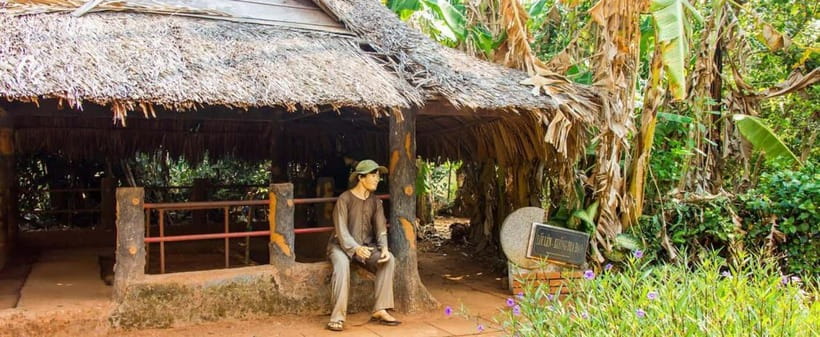
The day’s first big “place-based” shift is when you move into the Nui Dat area around Hoa Long village, also known as VC Home. This is where the story becomes physical. You’re not just hearing about a base—you’re seeing the kind of terrain where bunkers and defensive positions made sense.
Expect multiple base-linked stops, including areas described as old bunkers, the Kangaroo pad, SAS hill, Luscombe airfield, and the battalion’s flagpole. Those names sound like labels until someone explains how each one fits into everyday military life: observation, movement, supply, and quick reaction. I like this approach because it avoids heavy-handed drama. It’s more like: here’s what this spot was used for, and here’s what that tells you about the battle environment.
A practical note: these are outdoor sites. Even if you’re not walking far, you’ll likely stand and look around. Tight timelines can make people rush memorial areas, but a good guide keeps the pace respectful. In past groups, guides like Tony have been praised for being calm, smiling, and good at answering questions, which is exactly the right tone for this kind of history.
If you’re the sort of traveler who enjoys “how it worked” details, you’ll probably appreciate the inclusion of these specific Nui Dat-associated locations rather than just driving past them.
Nui Dat Kindergarten (2002): the rare peace-time stop that changes the mood
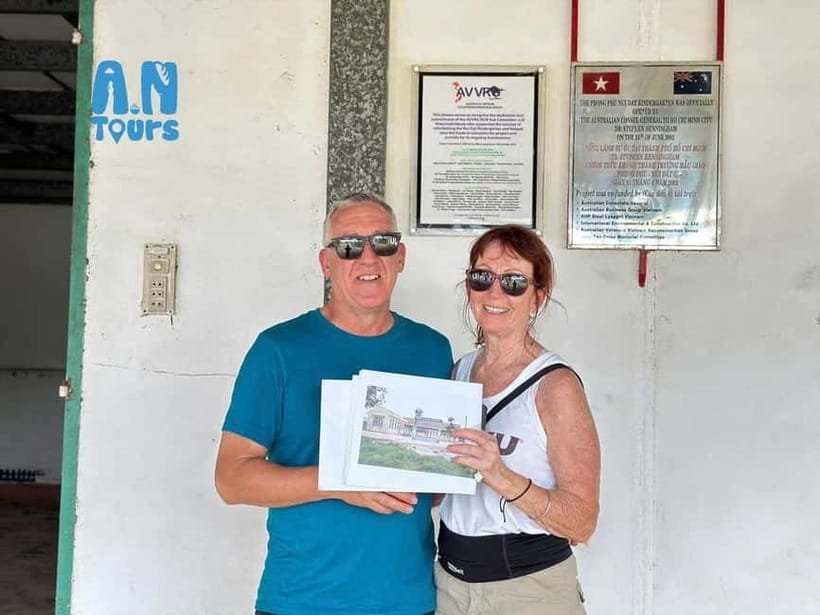
One reason I’d recommend this tour even to people who worry war history will feel grim all day: it includes the Nui Dat Kindergarten, built by Australian veterans for local children in 2002. That stop is short, but it’s powerful because it flips the emotional polarity.
Instead of only focusing on fighting, you see a post-war outcome—care and education—created by veterans who had direct connections to the area. It’s also a reminder that places aren’t frozen in time. Communities rebuilt, children grew up, and the land became something other than a battlefield.
For readers who want balance, this is a big deal. It doesn’t erase suffering, but it adds context: history shapes people long after the shooting stops. If you’re traveling with kids or teens, this part can help keep the day from becoming one long, heavy lecture—just make sure your group is emotionally ready for the later memorial.
Long Tan Cross: 18 soldiers, a rebuilt memorial, and a moment to slow down
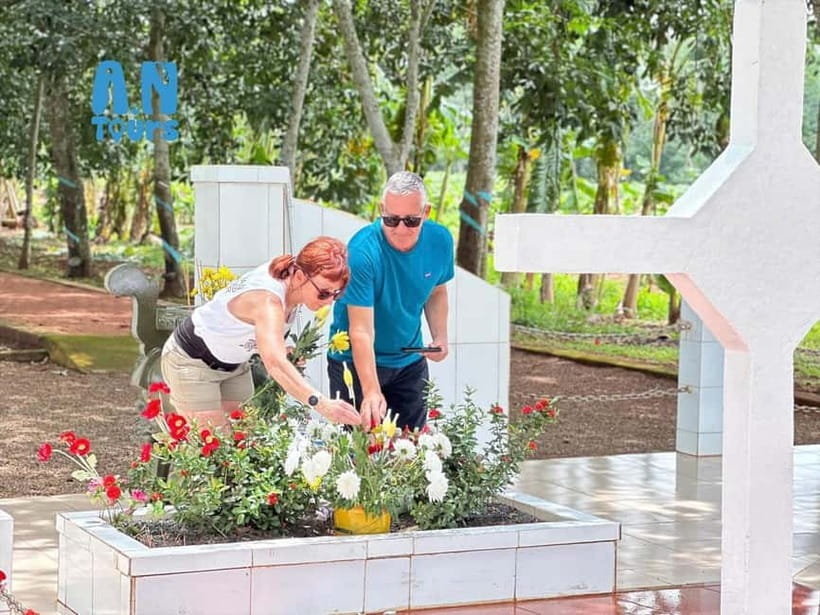
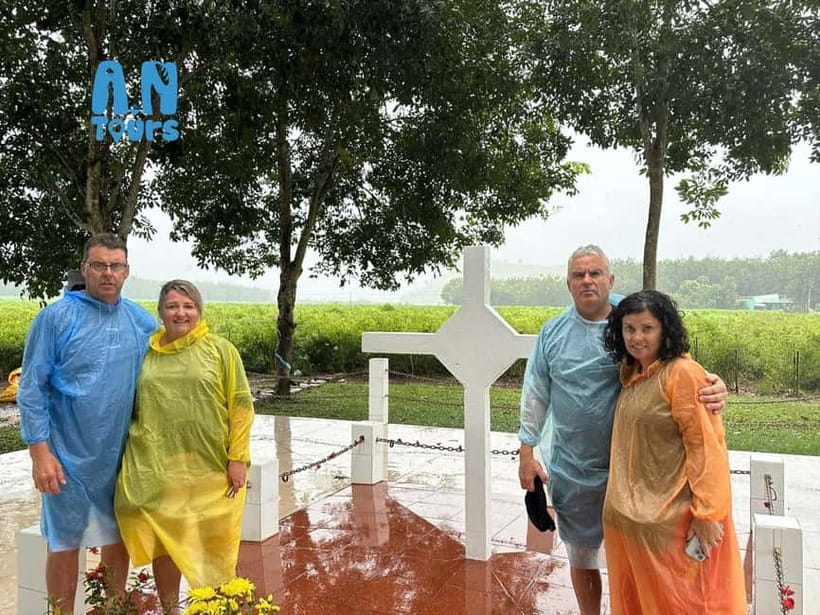
Next comes Long Tan Cross, one of the most recognized memorial sites tied to the Battle of Long Tan in 1966. The cross is connected to 18 Australian soldiers who died in the battle, and it was rebuilt by Australian veterans. That rebuild detail matters because it shows ongoing attention, not a one-time marker.
In tours like this, the memorial stop can easily become a quick photo stop. Here, the intent is clearer: you’ll be guided through what the site represents, and you’ll likely participate in a small remembrance ritual. You also have a flower included for the memorial area, so you’re not scrambling for something to do when you arrive.
This is where the tour’s tone really gets serious. I’d treat this as the emotional “center” of the day. Walk slowly. Read what you can. Let your guide’s pacing set the tempo.
And if you’re the kind of traveler who wonders how war memorials are different from tourist attractions, this stop is your answer. It’s not about spectacle. It’s about marking a specific human cost.
- Cu Chi Tunnels Tour from HCM City – Morning or Afternoon★ 5.0 · 15,833 reviews
- From HCM City: Mekong Delta Tour with Sampan Journey★ 4.5 · 13,132 reviews
- Ho Chi Minh City Street Food Tour & Sightseeing By Motorbike★ 5.0 · 9,413 reviews
- HCM: Cu Chi Tunnels-Tapioca Small Group Tour Morning or Afternoon★ 5.0 · 7,485 reviews
- Cu Chi Tunnels and Mekong Delta Signature Tour★ 5.0 · 7,328 reviews
Horse Shoe Fire Support Base / Horseshoe Hill: the logistics behind the story
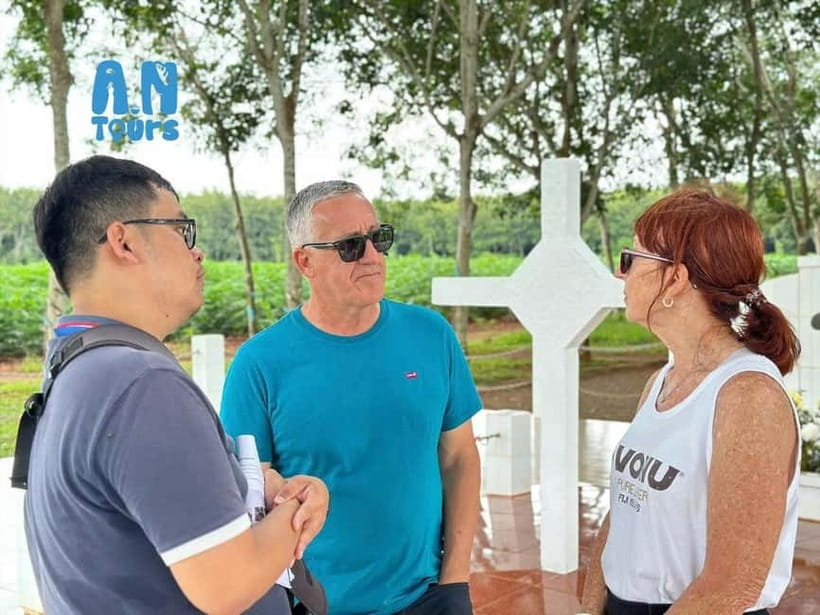
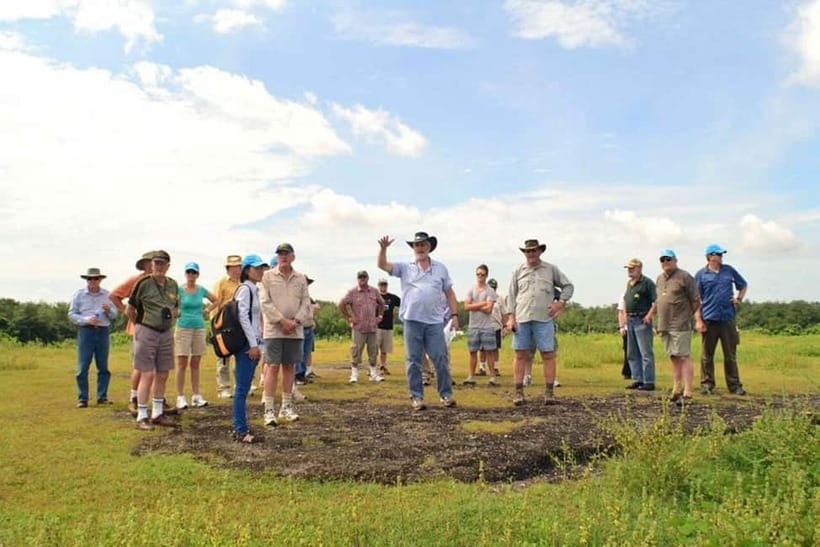
After the Long Tan memorial, you head toward the Horse Shoe Fire Support Base, also described as Horseshoe Hill. This area helps you understand a truth people often miss: battles aren’t only about the moment of contact. They’re also about positions, communications, protection, and the ability to send support where it’s needed.
Even if you don’t come in with military terms memorized, this stop gives you the “why” behind the earlier base sites. The fire support base is the kind of location that shows how an area was defended and how artillery or supporting actions were coordinated.
What I like is that you’re not just learning big names and dates—you’re connecting the dots between the Nui Dat base area and what support looked like on the ground. That turns the day from a list of stops into a storyline you can actually follow.
Long Phuoc Tunnel network: underground spaces tell a different kind of story
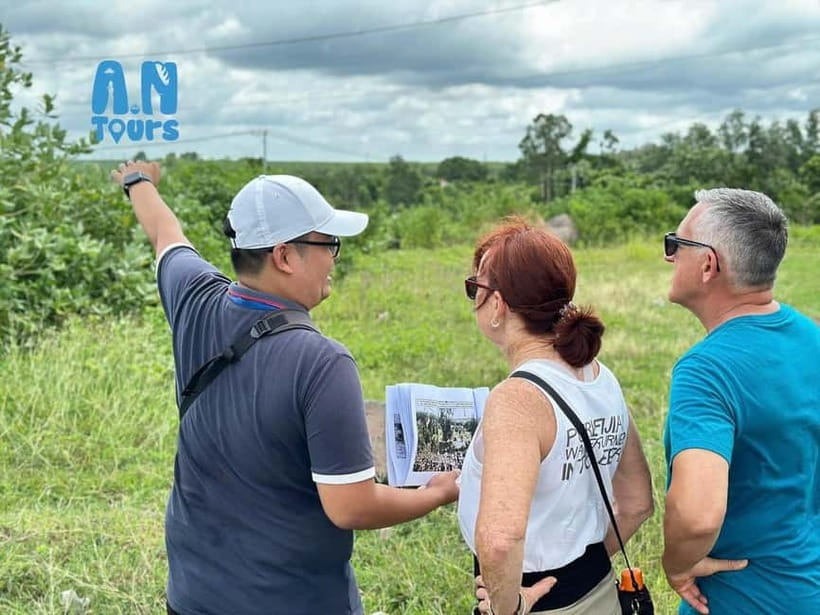
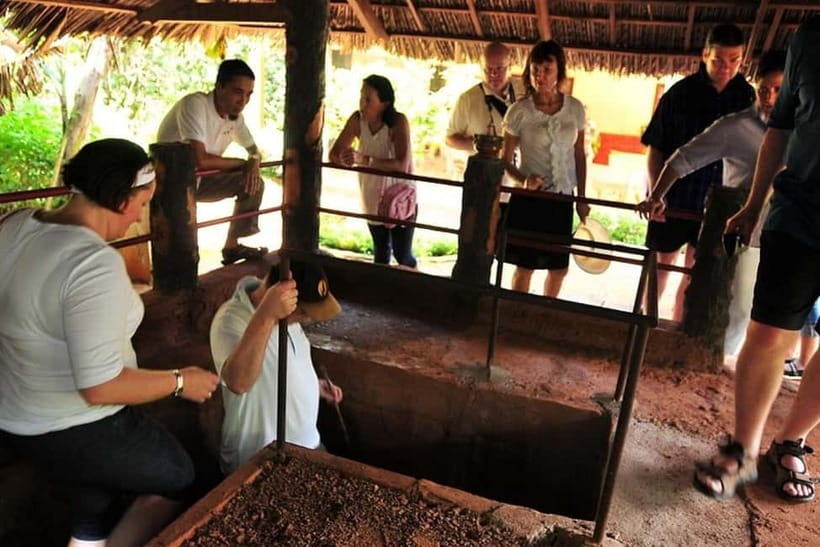
Then comes Long Phuoc Tunnel, described as a complex underground network. A tunnel stop always changes how you picture a war. Above ground, you think movement is about roads and open fields. Underground, movement becomes about protection, hiding, and getting from one point to another without being seen.
I’d go in with two expectations. First, you’ll be focusing on function—how tunnels helped people survive and operate in hostile conditions. Second, you’ll likely get a guided explanation that links the tunnels to what was happening elsewhere that day in the broader campaign.
Because the data doesn’t give specifics about tunnel size or walking difficulty, you should treat this as a place where enclosed spaces and uneven ground are possible. If you feel uncomfortable in tight areas, it’s smart to pace yourself and ask your guide what to expect on-site.
Still, this is one of the most memorable stops for many visitors because it makes the war feel immediate. It’s one thing to learn about strategy. It’s another to stand where underground passage shaped daily life.
Guides and drivers: why the right voice matters on sensitive history
This tour’s quality seems to rest heavily on the human factor. In past experiences, guides such as Tony have been praised for excellent English, humor that doesn’t cheapen the topic, and an easy, caring approach that makes hard questions feel safe. Other guides mentioned include Joe and Binh, with drivers like Thong and Thiem also receiving compliments for professionalism and comfort.
That doesn’t mean every group will be led by the same person. But it does point to a consistent theme: you’re not just buying transport and entrances. You’re paying for a guide who can hold the balance between facts and respect.
A good sign: guides here are described as gentle, communicative, and focused on making the day memorable without rushing. When the subject is Vietnam War history, that tone is everything. You’ll get a clearer explanation, and you’ll also avoid the awkward feeling of being treated like you’re on a sightseeing sweep.
Price and value: is $75 per person fair?
The listed price is $75 per person, for a half-day tour that includes an English-speaking local guide, travel permits and entrance fees, drinking water, and transfers. You also get the flower for the memorial site.
Here’s how I’d think about value. The cost isn’t only for transportation—it’s also for access and interpretation. In war history sites, the “interpretation” part is what turns stops into understanding. When guides are strong at explaining the battle context and the meaning of each location (Nui Dat, Long Tan, the fire support base, and the tunnel network), the price makes sense for most visitors who want more than a driver-and-a-map experience.
Also, the inclusion of entrance fees and water saves you small hassle costs. Nothing dramatic, but it adds up when you’re trying to keep a short day smooth.
If you’re traveling solo or as a small group, private-feeling attention is often what you’re paying for. Just do yourself a favor: confirm pickup and timing clearly so you don’t waste time hunting for the right car.
Who should book this tour, and who should think twice?
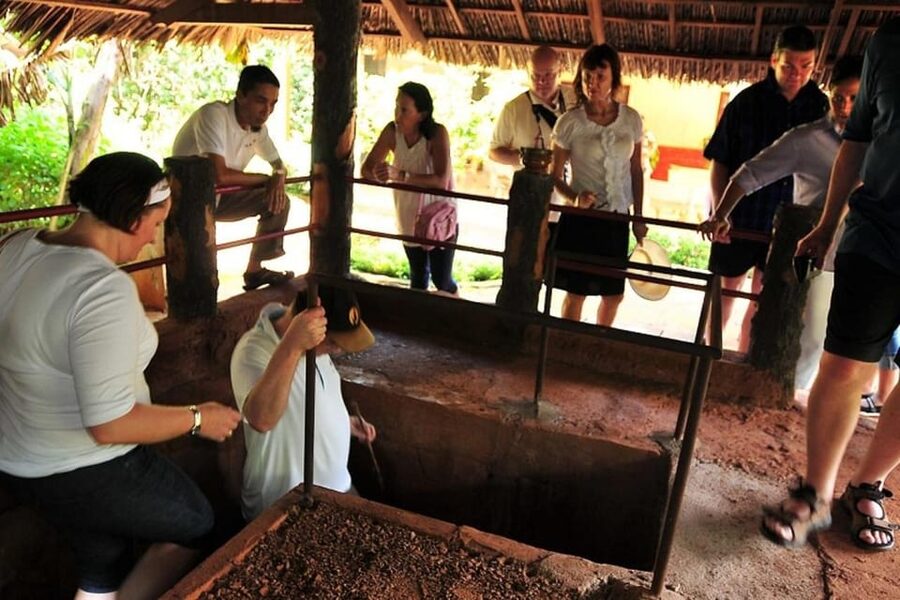
You should strongly consider booking if you want:
- A focused half-day itinerary with several key Vietnam War-related sites clustered in one route
- Memorial context at Long Tan Cross, not just passing recognition
- A mix of base locations, a peace-time stop (the kindergarten), and a tunnels stop
- An English-speaking guide who handles questions and keeps the day respectful
You might think twice if:
- You want a light, carefree sightseeing day. This one is emotional by design.
- You’re sensitive to memorials and war-related material.
- You dislike underground spaces and enclosed areas, since Long Phuoc Tunnel is part of the route.
This is a “meaning over postcard” experience. If that’s your style, you’ll likely feel it was worth your time.
Should you book the Nui Dat, Long Tan, and Long Phuoc Tunnel tour?
I’d book it if you’re in the Vung Tau area and you want one morning that actually teaches you something. The combo of Nui Dat base-linked areas, the Long Tan Cross memorial, and Long Phuoc Tunnel gives you a complete, connected picture—plus the Nui Dat Kindergarten adds a human counterpoint that makes the day more than just tragedy.
Just pack the basics: comfortable shoes, a calm mindset, and time to slow down at Long Tan. If you do, you’ll leave with clearer context and a day you won’t forget for the right reasons.
FAQ
FAQ
What areas does this tour cover?
It covers Nui Dat and Long Tan sites, plus the Horse Shoe Fire Support Base and the Long Phuoc Tunnel, starting from the Vung Tau/Ba Ria area.
How long is the tour?
It’s a half-day tour.
What sites are included?
Included stops are Nui Dat Kindergarten, Long Tan Cross, the Horse Shoe Fire Support Base (Horseshoe Hill), and the Long Phuoc Tunnel, along with Nui Dat/base area sites such as Hoa Long village and listed locations there.
What is the meeting and travel like?
The tour includes transfer, and pickup can be arranged from areas in and around the Vung Tau/Ba Ria side (some groups have been picked up near Ho Tram).
Is the guide available in English?
Yes, the guide is local English speaking.
What is included in the price?
The price includes local English guide, travel permits + entrance fees, a flower for the Long Tan Cross memorial site, drinking water, and transfer.
What should I bring?
Wear comfortable shoes, since the tour includes walking and outdoor stops.
What is not included?
Other expenses are not included, and there may be a surcharge for holiday travel in Vietnam.
Is there a memorial element at Long Tan Cross?
Yes. A flower is included for the memorial at the Long Tan Cross site.
Is there an option to pay later?
Yes. Reserve & Pay Later is offered, where you can book your spot and pay nothing today.
Can I get a refund if my plans change?
You can cancel up to 24 hours in advance for a full refund.
More Tour Reviews in Ho Chi Minh City



To the Coast at Vung Tau
Just Reviewed Around Saigon
- Secret walking Food Tour Ho Chi Minh City
★ 5.0 · 3 reviews - Ho Chi Minh City: Secret Cocktail Experience
★ 5.0 · 3 reviews - From Ho Chi Minh city: Vung Tau Beach Private Day Tour
★ 5.0 · 3 reviews - Saigoncholon
★ 3.5 · 3 reviews - Saigon On 2 Wheels
★ 3.5 · 3 reviews - From Ho Chi Minh City: Relax In Mui Ne Beach In 1 Day
★ 4.3 · 3 reviews
Vung Tau Day Trips, compared.
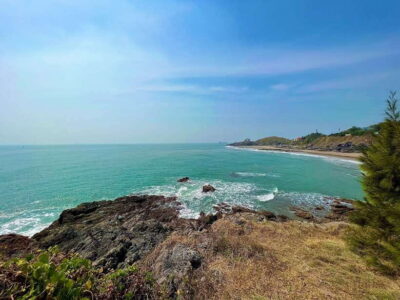 ★ 4.3Vung Tau Beach Full-Day Trip with LunchFrom $35319 reviews
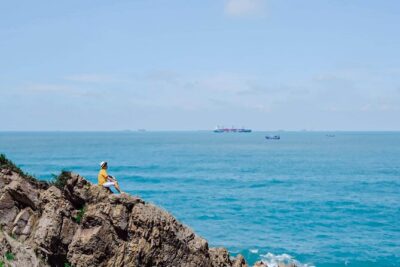 ★ 5.0Vung Tau Essential: Beach, Christ Statue & Colonial HeritageFrom $41284 reviews
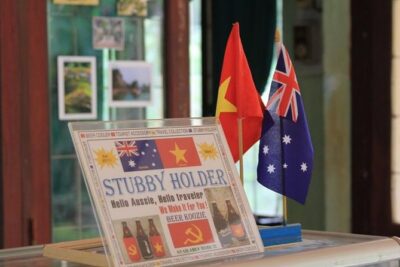 ★ 5.0Long Tan, Nui Dat & Vung Tau Highlights – 1 day Private TourFrom $15882 reviews
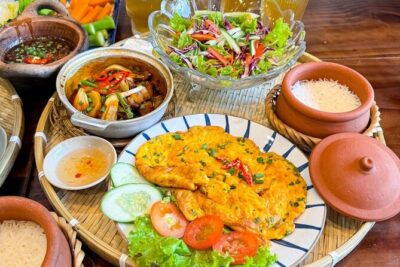 ★ 5.0Vung Tau Full-Day Tour with Beach, Christ Statue & White PalaceFrom $3351 reviews
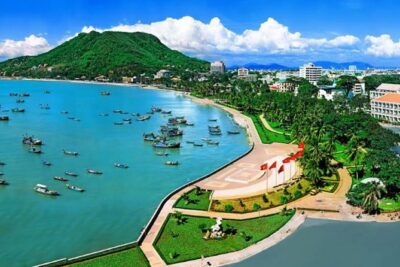 ★ 4.5Vung Tau City Private Tour Full DayFrom $8021 reviews
 ★ 5.0Australian Base, Long Tan & Nui Dat Tour with Vung Tau BeachFrom $15520 reviews
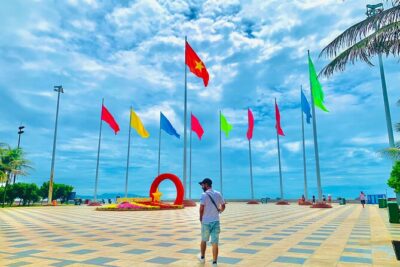 ★ 4.51-Day Tour in Vung Tau BeachFrom $5014 reviews
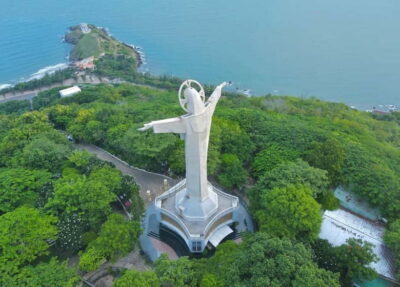 ★ 4.6Vung Tau 1-Day Tour with Christ Statue & LunchFrom $3513 reviews
Browse the lists this tour appears in