
REVIEW · WAR HISTORY TOURS
City Tour By Motorbike w/ War Museum & Reunification Palace
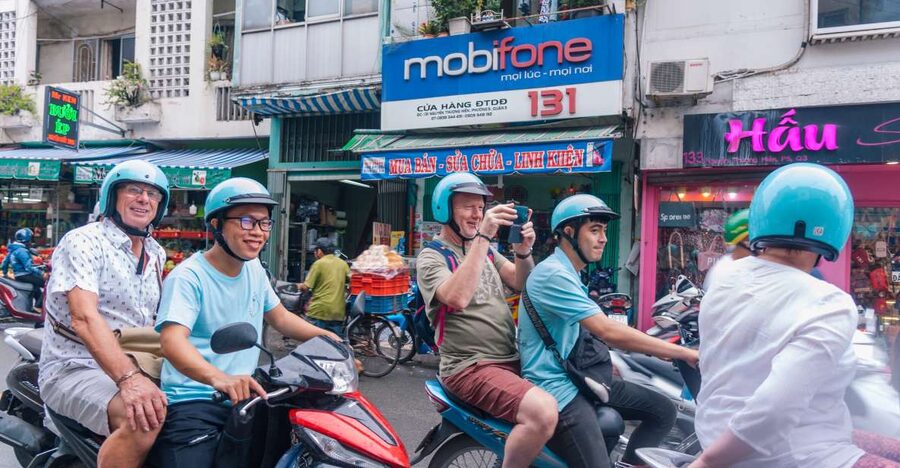
Saigon’s history hits different on a scooter. I especially like the mix of French architecture and the straight-to-the-point way the tour frames the Vietnam War through what your guide explains on the ground. It’s a fast way to get oriented in Ho Chi Minh City without treating the past like a textbook.
One thing to keep in mind: you’ll spend real time on the back of a scooter through busy streets, and the War Remnants Museum can be emotionally heavy. If you prefer a slower pace or are sensitive to graphic war material, plan your mood for this half-day.
In This Review
- Key highlights in plain terms
- A smart way to see Saigon’s “before and after”
- Motorbike ride setup: comfort, safety, and what to wear
- Reunification Palace: why this building still feels political
- War Remnants Museum: facts you can see, not just hear
- Notre-Dame Basilica: French church details you can actually notice
- Central Post Office: a landmark that’s still useful
- City Hall / People’s Committee and Opera House: power buildings and street angles
- Jade Emperor Pagoda: when the mood changes
- Ben Thanh Market: the practical finale
- Price and value: is $28 for 4 hours a fair deal?
- Who should book this scooter war-and-architecture route
- Should you book it? My practical call
- FAQ
- What does the tour cost and how long is it?
- What’s included in the price?
- Where is pickup available?
- What should I wear or bring?
- Are there any clothing restrictions?
- Is there a cancellation policy?
Key highlights in plain terms
- Motorbike transport that gets you between distant sights fast, without losing hours to traffic bottlenecks on foot
- War Remnants Museum + Reunification Palace as the tour’s backbone, with clear explanations along the way
- French Saigon landmarks like Notre-Dame Cathedral and the Central Post Office, tied to what you’re seeing today
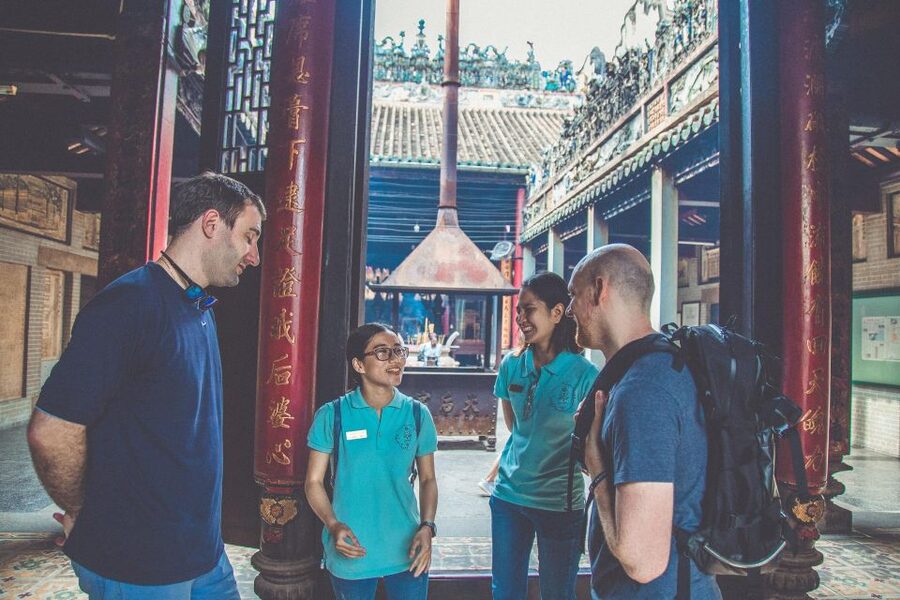
- Local guide style shows up again and again in feedback, from Brandon and Johnny to Tris and Nhi
- Ben Thanh Market as a practical finale: a place to grab snacks or souvenirs after the museums
The war years, told through Saigon streets and museums




A smart way to see Saigon’s “before and after”
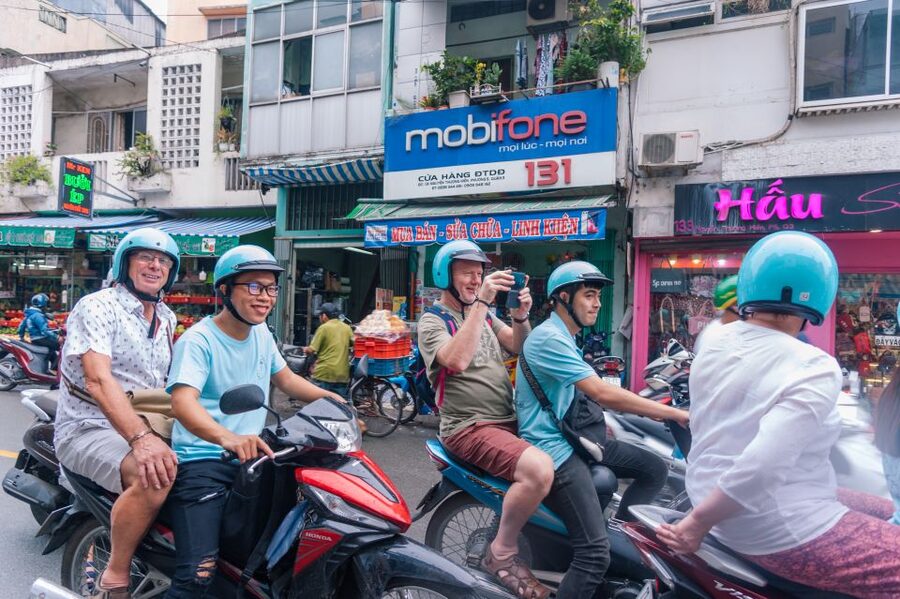
This is a half-day Saigon tour designed for your limited time. You get both sides of the city: the French-era street scenes and the Vietnam War landmarks that explain why Saigon feels the way it does today. Instead of bouncing between places randomly, you follow one route that makes the story easier to hold in your head.
I like that the tour doesn’t just point at buildings. Your guide’s explanations are tied to what you’re standing in front of—so the monuments feel less like set dressing and more like evidence. And because it’s by scooter, you can cover major sights in about 4 hours without turning the day into a marathon.
Motorbike ride setup: comfort, safety, and what to wear
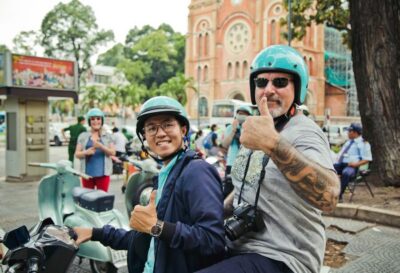
This tour is built around a scooter with a driver, plus an English-speaking tour guide (English and Vietnamese). The big practical advantage is speed: you’ll move from one landmark cluster to the next quickly, and you’ll spend less time stuck watching buses crawl.
Safety is a major theme in the feedback. People mention drivers like Brandon, Kent, Katherine, Michael, Tris, Thu, and Zayne as careful and easy to trust. Most importantly, this tour is geared for normal sightseeing—not stunt riding—so your job is mainly to stay balanced and follow the guide’s cues.
What to wear matters here. You’ll want comfortable shoes and clothes, and you’ll need to follow the dress rules for temples/pagodas:
- Shorts, short skirts, and sleeveless shirts aren’t allowed
- You must cover knees and shoulders when entering temples/pagodas
That dress code is easy to solve if you bring a light layer or wear longer pants. It’s also one reason this tour works best if you’re already dressed for city exploring, not beach-mode.
Reunification Palace: why this building still feels political

Reunification Palace is the kind of place that changes your perspective the moment you step onto the grounds. It was the residence of the President of the Republic of Vietnam until April 30, 1975, and that simple fact gives the whole site context.
On a scooter tour like this, you arrive with a running narrative instead of arriving cold. Your guide helps connect the palace to the end of the war and the turning point it represents. It’s one of the stops where the tour’s “local explanation” style really helps, because a building like this can be hard to read on your own.
The drawback: palace visits can feel dense—lots of rooms and details—so if you’re the type who wants to breeze through, you might need to focus on the areas your guide highlights. If you’re patient, it becomes one of the most memorable parts of the day.
War Remnants Museum: facts you can see, not just hear

If Reunification Palace is the turning point, the War Remnants Museum is the aftermath you can walk through. The museum is known for artifacts, photographs, and pictures documenting the second Indochina war. The content is intense, and that’s not a marketing trick—it’s the nature of the place.
What makes this stop work better with a guide is interpretation. Your guide’s perspective helps you understand what you’re seeing and why it mattered, which can be especially useful if you want more than a caption. The tour is built around learning Vietnam War context through local viewpoints, not just viewing objects silently.
Practical note: this is not the stop to rush. Give it time to land. If you’re sensitive to distressing imagery, consider going slowly and taking short breaks if needed.
Hop on the back of a bike, other Saigon rides
- Top Notch Street Food Motorbike Tour In Ho Chi Minh City★ 5.0 · 2,667 reviews
- Private Street Food Motorbike Tour in Ho Chi Minh City★ 5.0 · 2,180 reviews
- Ho Chi Minh City Motorbike Tour with Student | Saigon Adventure★ 5.0 · 1,697 reviews
- Ho Chi Minh City: Food Tour by Scooter with Eleven Tastings★ 5.0 · 1,502 reviews
- Saigon: City Highlights and Saigon Unseen Scooter Combo Tour★ 4.9 · 1,366 reviews
Notre-Dame Basilica: French church details you can actually notice
The Notre-Dame Basilica stop isn’t just a photo opportunity. It’s one of Saigon’s clearest windows into French colonial influence, and it’s listed as a must-see on this route.
French colonists initially named it the Church of Saigon, and construction ran from 1863 to 1880. Even if you don’t know the architecture terms, you can spot the style shift—compared with the pagodas later on the route. Your guide’s explanations help you connect the building’s identity to the era that shaped this neighborhood.
Why I’d prioritize it: in a city tour that’s heavy on war history, it’s refreshing to also see something that speaks to everyday life and cultural power from a different time period. The contrast helps the bigger story make sense.
Central Post Office: a landmark that’s still useful

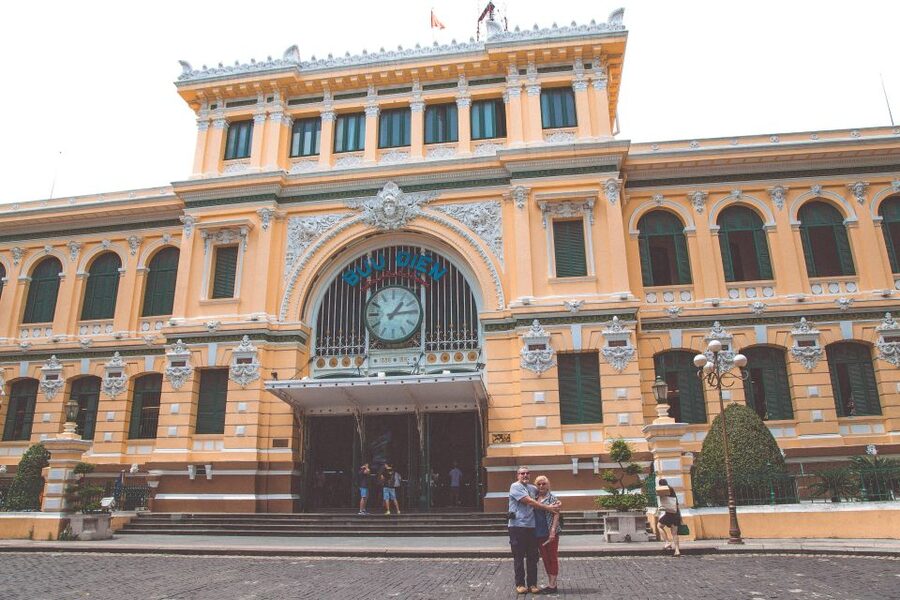
The Saigon Central Post Office is another French-era building with a story you’ll feel in your body as you move through it. It was constructed from 1886 to 1891 and mixes classic elements of Gothic, Renaissance, and French colonial design.
This is the kind of place where architecture becomes practical. It’s not only a “look at me” facade; you’re in a civic building, and you can sense how infrastructure and empire-era planning show up in real spaces.
If you like details, this stop rewards you. You can spend time simply observing the structure and the design choices. If you’re more time-crunched, your guide can help you focus on what’s most worth seeing.
City Hall / People’s Committee and Opera House: power buildings and street angles

The tour includes the Ho Chi Minh City People’s Committee (also referred to as City Hall on the route) and the Opera House area. These stops help you understand the city’s modern center—where authority and culture have always been staged through buildings and sightlines.
On a scooter tour, the value here isn’t only entering one place. It’s how you connect the dots: war-era landmarks give you the crisis context, and then you see how the city’s core still organizes public life around big institutions.
Quick consideration: depending on the traffic and timing, you may spend more time at street-level viewpoints than inside. If you’re hoping for a long sit-down visit, this half-day format is more about seeing, orienting, and learning the essentials than doing everything deeply.
Jade Emperor Pagoda: when the mood changes
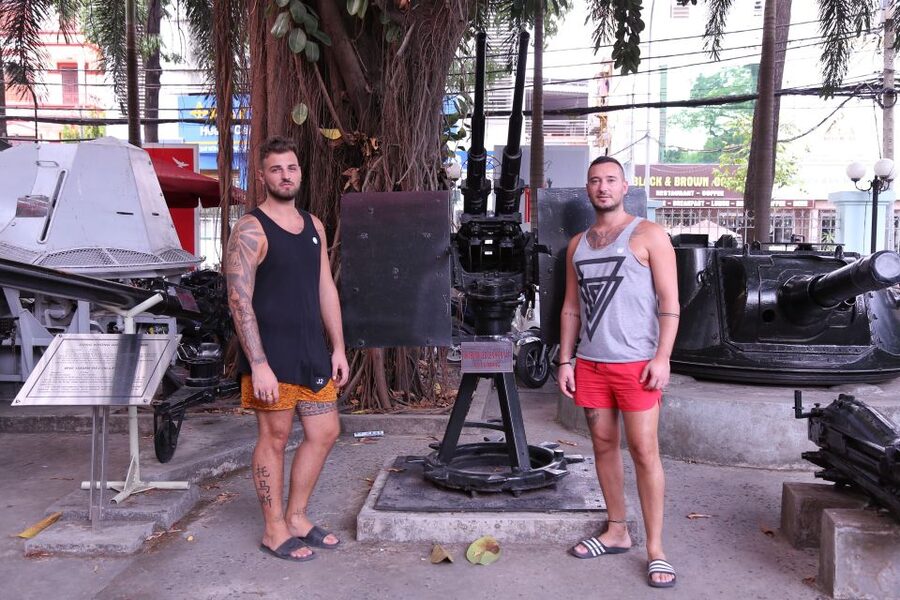
Later on the loop, you visit Jade Emperor Pagoda. Since this tour includes multiple religious and historic sites, it’s a nice shift in atmosphere. The lesson here is balance: Saigon isn’t only shaped by colonial rule and war. It also has long spiritual traditions that remain part of the city’s daily rhythm.
Because it’s a temple/pagoda stop, dress rules matter again—cover knees and shoulders. If you’re dressed appropriately, the visit is smooth. If you’re not, you may end up spending time fixing your outfit instead of enjoying the site.
The other practical advantage of including a pagoda on a war-focused route is emotional pacing. After the museum, this stop can feel like a reset—quiet, reflective, and less about headlines.
Ben Thanh Market: the practical finale

Ben Thanh Market is the last big “local life” moment on this route. It’s one of the oldest markets in Ho Chi Minh City, with origins going back before the French invaded Saigon. The market appeared at the beginning of the 17th century, built for small traders to exchange goods on Ben Nghe River’s bank near a harbor by Gia Dinh Citadel.
This history gives you a reason to pay attention, not just shop. You’re looking at a place that’s served as a trading hub for centuries, even as Saigon’s political story changed around it.
Value tip: treat Ben Thanh as your chance to buy small items and snacks while your day’s momentum is still going. It’s also a good stop for stretching your legs after time on the scooter.
Price and value: is $28 for 4 hours a fair deal?
At $28 per person for about 4 hours, this tour can feel like good value because a scooter tour is usually expensive when you include entry fees. Here, the entrance fees are included, including War Remnants Museum and Reunification Palace. You also get an English-speaking guide, a scooter with driver, and kumquat juice.
That combination matters. It means you’re paying for guided time plus transportation between distant stops. And when your priorities are major landmarks, paying once and not doing ticket math on your own is a real convenience.
Two things to watch:
- Personal expenses (like shopping and extra food) aren’t included
- If you’re far from the pickup area, you’ll need to meet at the listed meeting point or pay an extra charge for pickup outside District 1 and 3
If you’re traveling short on time and want the “big facts + big sights” set, this price can make sense fast.
Who should book this scooter war-and-architecture route
This tour is a great fit if you:
- Want a half-day plan that covers major Saigon highlights
- Like guided explanations that connect war history with what you see
- Prefer scooter transport over long waits for buses or time on foot
- Appreciate French colonial architecture and want it explained in context
It’s also ideal if you want a social, interactive experience. In the feedback, guides are repeatedly praised for being friendly and answering questions—people name drivers and guides like Tris, Johnny, Nhi, Tony, and Zayne, with emphasis on clear explanations and safe driving.
If you’re the type who hates structured routes or you’re extremely sensitive to war imagery, you may want to consider how you’ll handle the museum before committing. The route is short, but the theme is heavy.
Should you book it? My practical call
Book this tour if you want to see the core of Saigon in one organized sweep: French landmarks, the War Remnants Museum, and Reunification Palace, plus Jade Emperor Pagoda and Ben Thanh to balance it out. The scooter format is the real convenience, and the guide-led explanations seem to be the reason people rate it so highly.
Skip—or at least think twice—if you dislike intense war content or you need a very quiet, slow-paced day. The pace is quick by design, and the War Remnants Museum is not a light stop.
If your main goal is to get oriented and understand the city’s big turning points without wasting hours planning, this is a strong choice.
FAQ
What does the tour cost and how long is it?
It costs $28 per person and lasts about 4 hours.
What’s included in the price?
The price includes an English-speaking tour guide, scooter with driver, entrance fees (including War Remnants Museum and Reunification Palace), and kumquat juice.
Where is pickup available?
Pickup is optional and the tour notes pickup is in District 1 and District 3. Outside those areas there may be an extra charge, or you can meet at Cyclo Resto (133 Nguyễn Du, Phường Bến Thành, Quận 1, Thành phố Hồ Chí Minh).
What should I wear or bring?
Bring comfortable shoes and comfortable clothes. If you plan to visit temples/pagodas, you must cover knees and shoulders.
Are there any clothing restrictions?
Yes. Shorts, short skirts, and sleeveless shirts are not allowed.
Is there a cancellation policy?
Yes. You can cancel up to 24 hours in advance for a full refund. Free cancellation is offered up to that window.
All of Saigon in a Day





On the Back of a Bike, Continued






The War Years, Up Close
Just Reviewed Around Saigon
- Secret walking Food Tour Ho Chi Minh City
★ 5.0 · 3 reviews - Ho Chi Minh City: Secret Cocktail Experience
★ 5.0 · 3 reviews - From Ho Chi Minh city: Vung Tau Beach Private Day Tour
★ 5.0 · 3 reviews - Saigoncholon
★ 3.5 · 3 reviews - Saigon On 2 Wheels
★ 3.5 · 3 reviews - From Ho Chi Minh City: Relax In Mui Ne Beach In 1 Day
★ 4.3 · 3 reviews
War History Tours, compared.
 ★ 5.0Adventure Cu Chi Tunnels: Vietnam War Underground Network AM/PMFrom $132,726 reviews
 ★ 5.0Cu Chi Tunnels Half-Day Tour: Vietnam War Underground NetworkFrom $232,587 reviews
 ★ 5.0Cu Chi Tunnels Half-Day Tour: Big Group Vietnam War ExperienceFrom $192,386 reviews
 ★ 4.7War Remnants Museum & Independence Palace Walking TourFrom $9237 reviews
 ★ 4.6Cu Chi Tunnels Guided Tour: Vietnam War History Half-DayFrom $16189 reviews
 ★ 4.5War Remnants Museum – Ho Chi Minh City Half Day ToursFrom $3988 reviews
 ★ 5.0Cu Chi Ben Duoc Tunnel & War Museum – Original, Less TouristyFrom $2780 reviews
 ★ 5.0Cần Giờ Eco-Tour with Monkeys, Crocs & War HistoryFrom $3259 reviews
Browse the lists this tour appears in