
REVIEW · SAIGON COFFEE TOURS
Coffee Workshop in Ho Chi Minh City: Discover the art of coffee
Some coffees have stories you can taste. This Ho Chi Minh City class turns Vietnamese coffee into a step-by-step experience, from coffee cherries to a fresh cup, and the 15-person limit keeps it personal. I really like how the session mixes hands-on practice with practical guidance, especially the chance to brew with a traditional Phin filter.
The second thing I like: you’re not just watching. You get structured training on picking better beans, trying different processing approaches, and experimenting with three roast levels before brewing and tasting. One possible drawback to consider is that the instruction is in English, and if you’re picky about audio clarity, you may find it challenging if your English listening tolerance is low.
In This Review
- Key takeaways before you go
- Why Vietnamese Robusta and the Phin filter matter
- From cherry to green beans: the farming portion that teaches quality
- Hands-on roasting with three levels: where flavor becomes measurable
- Cupping practice: comparing roast levels side by side
- Brewing Vietnamese Phin coffee the traditional way
- Who leads the class and what to expect from instruction
- Time, meeting point, and making it easy to show up
- The real value of the $71 price
- Who should take this coffee workshop, and who might skip it
- Should you book the coffee workshop in Ho Chi Minh City?
- FAQ
- How long is the coffee workshop in Ho Chi Minh City?
- How much does the workshop cost?
- What’s the group size limit?
- What will I do during the workshop?
- Will I be able to brew Vietnamese coffee at the end?
- Where does it start and end?
- Can I get a refund if my plans change?
Key takeaways before you go
- Small group format (max 15) means more attention and easier questions
- Farm-to-cup structure ties harvesting, processing, roasting, tasting, and brewing together
- Hands-on roasting and cupping helps you connect flavors to choices you make
- Traditional Phin brewing gives you a repeatable method you can use at home
- Quality control practice teaches you how to spot lower-quality green beans and defects
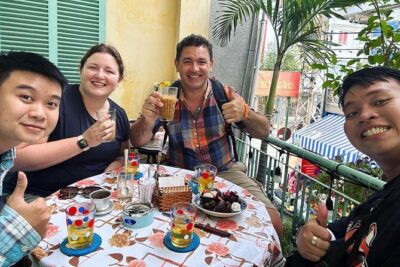
Another glass of ca phe sua da, poured strong


Why Vietnamese Robusta and the Phin filter matter
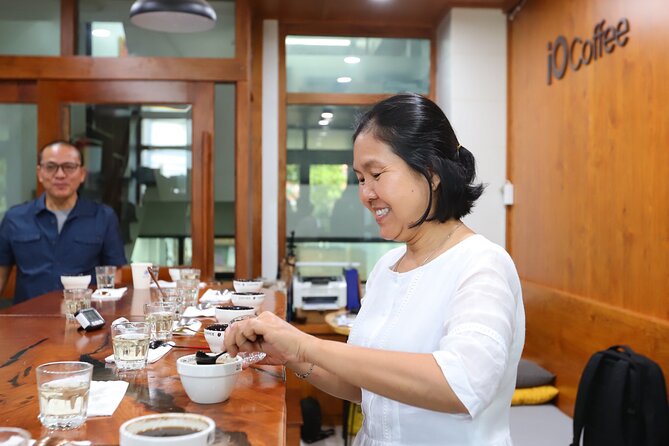
Vietnam is one of the world’s top coffee producers, and it leans heavily on Robusta. That matters because Robusta often gets treated like the “strong but rough” cousin of Arabica. In a class like this, you learn why that stereotype misses the point. You’ll see how processing and roasting choices shape the cup, so the bean type becomes part of a system instead of a mystery.
The other big reason this workshop is worth your time is the Phin. This traditional metal filter is how many Vietnamese people make everyday coffee, and it has its own rhythm. The filter slows extraction, and that slower approach can highlight natural flavors from well-prepared Fine Robusta. When you brew at the end of the session, you’re not just collecting a souvenir cup. You’re building a method.
If you’re the type who usually orders coffee and hopes for the best, this class gives you knobs to turn. You learn what changes flavor, what doesn’t, and how to translate what you taste into a reason.
From cherry to green beans: the farming portion that teaches quality
The session starts with the coffee fruit itself, because the story really does begin before roasting. You learn about harvesting and how ripe coffee cherries get selected. That sounds simple, but it’s where quality starts to diverge. If cherries aren’t picked right, you can roast the best beans you find and still end up fighting flavor issues.
You also get a look at the cherry structure, which makes the rest of the steps easier to understand. Then comes the processing portion. You’ll see a small-scale demonstration of three coffee processing methods. Processing is where green coffee develops its baseline character, and in practical terms it’s one reason two coffees from the same origin can taste completely different.
Quality control is another highlight. You learn to distinguish lower-quality coffee from higher-quality coffee using demonstrations. Then you get a hands-on selection moment: you personally choose green beans to help eliminate defective ones. This is the part that often feels surprisingly empowering. Once you’ve practiced removing bad bits, you start to understand why roasters care so much about screening and grading.
Hands-on roasting with three levels: where flavor becomes measurable

Next, you move from the raw materials side of coffee into roasting, where choices become immediate. You get to experience hands-on roasting and explore how flavor shifts across three roasting levels.
This is where the workshop earns its price. A lot of coffee tastings explain outcomes. This one focuses on process. You’ll learn to connect roast level to the taste you later experience during cupping. Instead of treating roasting like an artistic gamble, you see it as a set of adjustable levers.
You’ll also start noticing your own preferences. Some people like darker roasts for their heavier body and deeper tones, while others prefer lighter roasts for brightness and clarity. Even if you don’t have perfect vocabulary yet, your palate will make the decision during tasting. That feedback loop is the goal: taste, compare, and adjust.
Cupping practice: comparing roast levels side by side
After roasting, you shift to tasting through cupping. Cupping is basically organized, side-by-side evaluation. It’s less about picking a winner on first sip and more about recognizing differences reliably.
In this workshop, you explore flavors in coffee and taste samples from different roast levels. This is where your earlier roasting experience becomes useful. If you paid attention during roasting, the cupping stage helps you confirm what you think you’re tasting: sweetness, bitterness, body, and how the cup changes as roast level changes.
Even if you consider yourself a casual coffee drinker, cupping can still be practical. You learn how to notice what a cup actually has, so when you order coffee in Vietnam later, you can connect what’s in your cup to what the roaster likely did.
There’s also a social side, even in a small group: tasting together makes it easier to ask questions. If you’ve ever wondered why one coffee feels smoother while another feels sharper, cupping is how you start building answers that go beyond guesswork.
Wider loops through the districts
- Cu Chi Tunnels Tour from HCM City – Morning or Afternoon★ 5.0 · 15,833 reviews
- From HCM City: Mekong Delta Tour with Sampan Journey★ 4.5 · 13,132 reviews
- Ho Chi Minh City Street Food Tour & Sightseeing By Motorbike★ 5.0 · 9,413 reviews
- Mekong Delta Guided Tour from Ho Chi Minh City★ 4.5 · 7,192 reviews
- Ho Chi Minh City: Cu Chi Tunnels Morning or Afternoon Tour★ 4.8 · 6,326 reviews
Brewing Vietnamese Phin coffee the traditional way
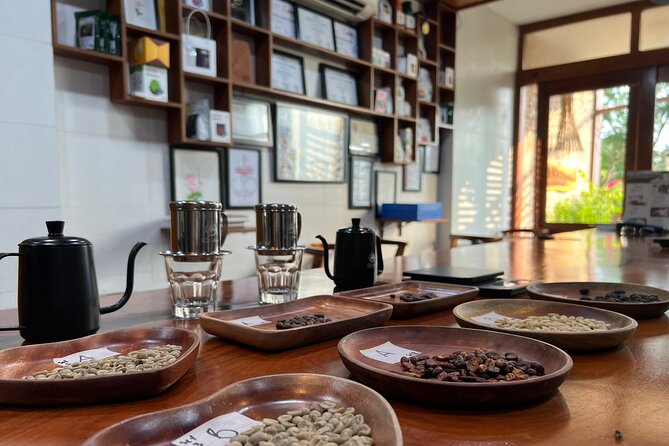
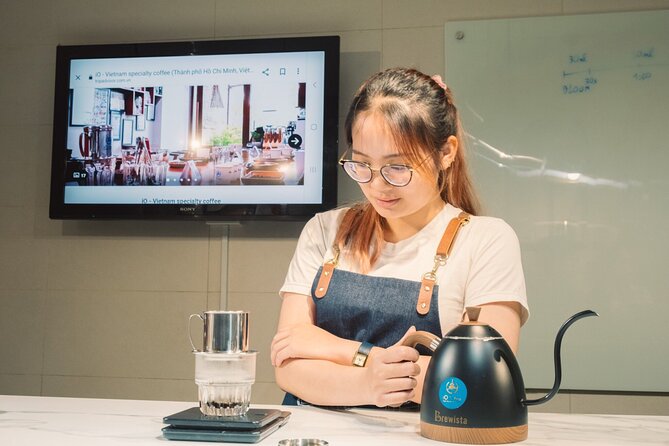
Then comes the moment most people remember: brewing. You get the history of traditional Vietnamese Phin coffee and you practice making an authentic cup using the Phin filter.
This isn’t just a quick demo. You get guided steps to master the brewing method so you can explore the natural flavors of the Fine Robusta beans you tasted earlier. The point here is repeatability. You should leave with a process you can use at home, not just a memory of what the drink tasted like on the day.
A Phin brew is also a useful skill for travel itself. When you understand how extraction and timing affect flavor, you become a more informed coffee customer. Instead of feeling like every cafe cup is an experiment you can’t control, you’ll know which factors matter most.
One practical tip from the workshop vibe: pay attention to what changes from cup to cup. If you change roast level, bean quality, or brewing approach, the flavor response will be noticeable. This class sets you up to recognize those patterns.
Who leads the class and what to expect from instruction
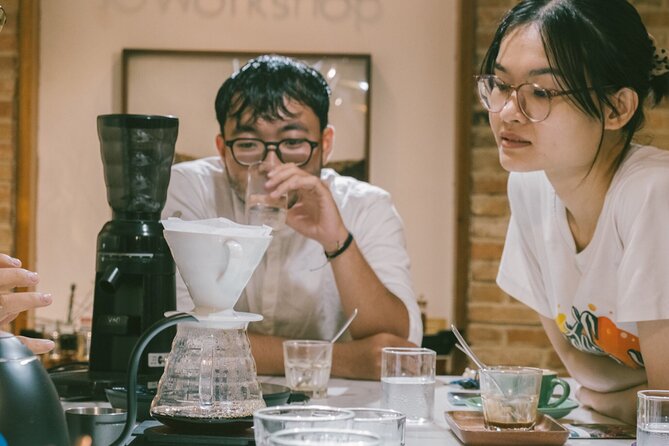
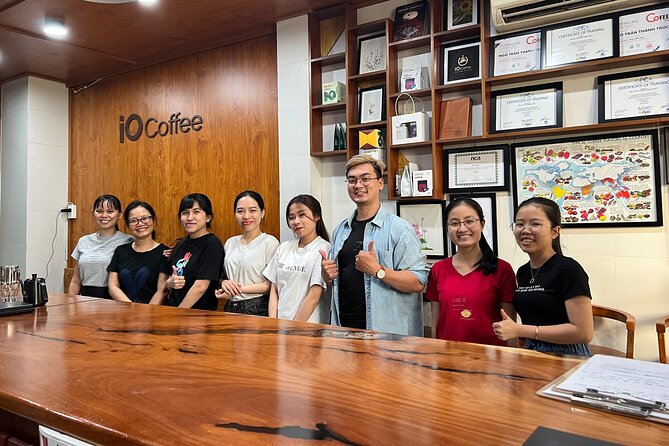
The workshop is run by iO Specialty Coffee, and the teaching style seems to vary by group size and instructor. In the way the class is described, instructors adapt to what the group needs, and in at least some situations the experience can become more personalized. One account mentions ending up as the only participant and getting a more “VIP” feel.
You might also hear different instructors in different sessions. One person mentioned Chris as kind, funny, and knowledgeable, and another mentioned Danny as knowledgeable and patient. That’s a good sign for clarity, because coffee workshops can get technical fast when the instructor is enthusiastic.
Still, there is one caution. If you’re hoping for very crisp English, you should know that at least one participant found the instructor’s English difficult to understand. It may not be a problem for you, but if you’re sensitive to accents or fast phrasing, it’s worth keeping in mind.
Time, meeting point, and making it easy to show up
This is a short class, about 2 hours. That length is perfect for a coffee lover who wants real learning without sacrificing a big chunk of a day. It also helps you connect ideas: roasting and cupping happen while the day’s flavors are still fresh in your head, and then you finish with a Phin brew while everything is still top-of-mind.
The meeting point is specific: Signature M7, Lobby Block A & B, BPPFH+R5V, Khu đô thị Phú Mỹ Hưng, District 7. It ends back at the same place. District 7 is a bit spread out, so plan to arrive a few minutes early so you’re not rushed before you start.
It’s also described as near public transportation, which is good news if you’re using Grab or riding buses instead of driving. If you’re pairing this with a food crawl or a sightseeing block, treat it like an appointment: show up on time so you can stay in sync with the roasting and tasting schedule.
The real value of the $71 price
At $71 for about two hours, this workshop isn’t the cheapest coffee experience in Ho Chi Minh City. But it also isn’t just a lecture. You’re paying for several things that are hard to replicate on your own:
You get:
- hands-on green bean work and selection
- demonstrations of processing methods
- hands-on roasting with three roast levels
- cupping tastings tied directly to roast levels
- Phin brewing practice and a brewing method you can repeat
That bundle is the core value. Coffee education can be expensive when it stays theoretical. Here, you’re actively doing tasks connected to the outcome you care about: flavor in a cup.
The small group limit (max 15) matters financially too. When the group is small, it’s easier for the instructor to correct your technique and answer questions without rushing. In practice, that can make the difference between learning “facts” and learning “skills.”
If you enjoy structured learning and you like doing tasks, the price tends to make sense. If you only want a casual taste test, you’ll likely find a cheaper cafe experience more efficient.
Who should take this coffee workshop, and who might skip it
This class is a strong fit if you like hands-on learning, want a clearer idea of how coffee quality and processing work, and you want to leave with a real brewing method. You’ll probably enjoy it most if you already drink Vietnamese coffee sometimes, or you plan to after learning how Phin brewing affects flavor.
It also suits the curious traveler who wants to understand Vietnam beyond food descriptions and stereotypes. Coffee in Vietnam isn’t one style. It’s a chain of choices that start with harvesting and continue through processing, roasting, and extraction.
If you’re looking for something super technical in a very strict “barista training” way, you might find the workshop too focused on overview skills rather than advanced espresso troubleshooting. One account called it very scientific and designed for people deeply interested in technical aspects, but also noted trouble understanding the instructor’s English. In other words: you might love it, or you might want more language clarity than you get.
If you’d rather just wander and taste what cafes serve that day, then this isn’t the most efficient use of time. But if you want a skill you can take home, it’s a solid choice.
Should you book the coffee workshop in Ho Chi Minh City?
Book it if you want a small-group, hands-on coffee lesson that connects each step to what you taste. The farming-to-roasting-to-cupping-to-Phin brew flow is exactly how you learn what affects flavor. And the fact you’ll practice a traditional brewing method makes the workshop feel useful, not just entertaining.
Skip it if you’re only after a quick caffeine hit, or if you’re counting on very clear English instruction. The core concept is strong, but communication quality can vary by session and instructor.
If you’re on the fence, think like this: do you want to keep drinking coffee while guessing why it tastes the way it does? Or do you want to start making informed choices? This class is built for the second option.
FAQ
How long is the coffee workshop in Ho Chi Minh City?
It runs for about 2 hours.
How much does the workshop cost?
The price is $71.
What’s the group size limit?
The class has a maximum of 15 travelers.
What will I do during the workshop?
You’ll learn about coffee harvesting and selection, experience processing demonstrations, try roasting at different levels, participate in cupping tastings, and brew Vietnamese Phin coffee.
Will I be able to brew Vietnamese coffee at the end?
Yes. By the end of the session, you’ll brew an authentic cup using a traditional Phin filter.
Where does it start and end?
It starts at Signature M7, Lobby Block A & B, Khu đô thị Phú Mỹ Hưng, District 7 and ends back at the same meeting point.
Can I get a refund if my plans change?
Yes. You can cancel up to 24 hours in advance for a full refund. If you cancel less than 24 hours before the start time, the amount you paid won’t be refunded.
The Districts, One by One





More Tour Reviews in Ho Chi Minh City

Saigon by the Glass of Coffee
Just Reviewed Around Saigon
- Secret walking Food Tour Ho Chi Minh City
★ 5.0 · 3 reviews - Ho Chi Minh City: Secret Cocktail Experience
★ 5.0 · 3 reviews - From Ho Chi Minh city: Vung Tau Beach Private Day Tour
★ 5.0 · 3 reviews - Saigoncholon
★ 3.5 · 3 reviews - Saigon On 2 Wheels
★ 3.5 · 3 reviews - From Ho Chi Minh City: Relax In Mui Ne Beach In 1 Day
★ 4.3 · 3 reviews
Saigon Coffee Tours, compared.
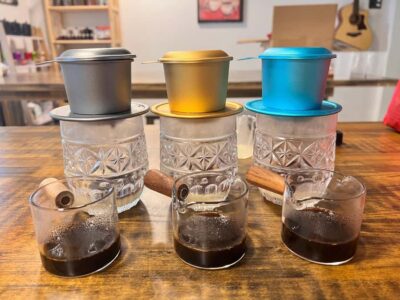 ★ 4.9Egg coffee & Course on 4 traditional types of Viet coffeeFrom $18487 reviews
 ★ 5.0Fun & Easy Vietnamese Coffee Workshop in Hồ Chí Minh CityFrom $23293 reviews
 ★ 5.0Vietnamese Coffee & Culture Exploration in Hồ Chí Minh CityFrom $29202 reviews
 ★ 5.0Decadent Vietnamese “Egg Coffee” Workshop in Hồ Chí Minh CityFrom $20150 reviews
 ★ 4.9Fun and Easy Coffee Workshop for BeginnersFrom $23121 reviews
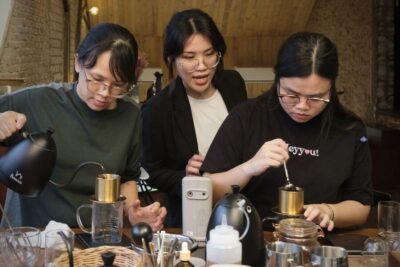 ★ 5.0Techniques & Secrets Behind the Famed Vietnamese Egg CoffeeFrom $2099 reviews
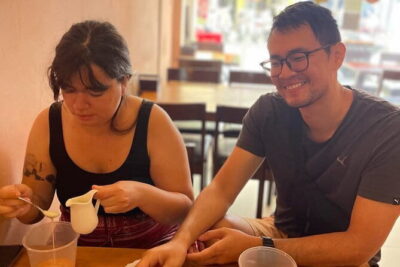 ★ 5.01 hour Egg Coffee Cooking Class with Snack and Local InstructorFrom $1572 reviews
 ★ 5.0Saigon Unseen: Culture, Coffee, Hidden Spots Motorbike AdventureFrom $3360 reviews
Browse the lists this tour appears in