
REVIEW · SAIGON COOKING CLASSES
Experience half-day cooking class with market visit
Banana, star fruit, and real cooking tips. This half-day Vietnamese cooking class at Mai Home in Ho Chi Minh City turns the market into a lesson, then gets you cooking dishes from Vietnam’s North, South, and Central regions, with fruit carving at the end. I like that it’s beginner-friendly without feeling basic, and I love that you leave with a recipe book and a certificate so you can repeat what you learned. One thing to plan around: the Ben Thanh Market stop is tied to the morning schedule, since food stalls close around noon.
You meet near Ben Thanh, tour the ingredients, cook with a chef through each step, and then sit down to eat what you made for lunch or dinner (iced tea included). Groups are capped at 30, so you’re not just watching from the sidelines.
In This Review
- Key things you should know before you go
- From Ben Thanh to the cutting board: how the half-day actually flows
- The market start (morning-focused)
- Back in the kitchen: hands-on cooking steps
- The finish: eat, celebrate, and take home proof
- What you’ll cook: North, Central, and South flavors in one session
- Dishes you might make
- Why the three-region angle is worth it
- The Ben Thanh ingredient tour: what you’ll learn and how to use it later
- What you’re doing in the market
- Morning is the key
- How to make this portion work for you
- Cooking class that supports your real-life home cooking
- Step-by-step instruction, aimed at beginners
- The sauce and seasoning lesson
- Fruit carving as a fun skill you can actually repeat
- Price and what you actually get for $42
- Why the included meal boosts value
- The real value: take-home cooking confidence
- Logistics in District 1: meeting point, group size, and timing
- Who should book this cooking class (and who might skip)
- Should you book it?
- FAQ
- Where do I meet for the class?
- Is a mobile ticket used?
- Is Ben Thanh Market included?
- What do I eat during the experience?
- What kinds of dishes might I cook?
- Will I get the recipes to take home?
- How large are the groups?
- Is drop-off included?
Key things you should know before you go
- Market-first ingredient lesson: You shop like a home cook, then learn how those same ingredients show up on your plate.
- Three-region Vietnam cooking: North, Central, and South flavors are taught in one half-day format.
- Step-by-step technique for beginners: You practice the basics (not just follow a script).
- Fruit carving at the table: It’s a fun skill move, and it makes your meal feel special.
- Eat what you make: Lunch or dinner is part of the experience, not an afterthought.
- Small-group class setup: Maximum 30 people means you get attention when you need it.
Roll up your sleeves in another Saigon kitchen


From Ben Thanh to the cutting board: how the half-day actually flows
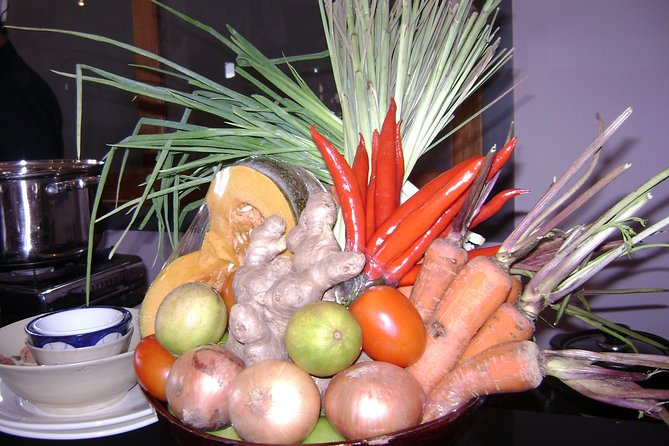
This experience is designed to move fast in the best way. You start at Ben Thanh Market near Phan Chu Trinh in District 1, then you head out with the chef/host to see ingredients up close before you cook with them.
The market start (morning-focused)
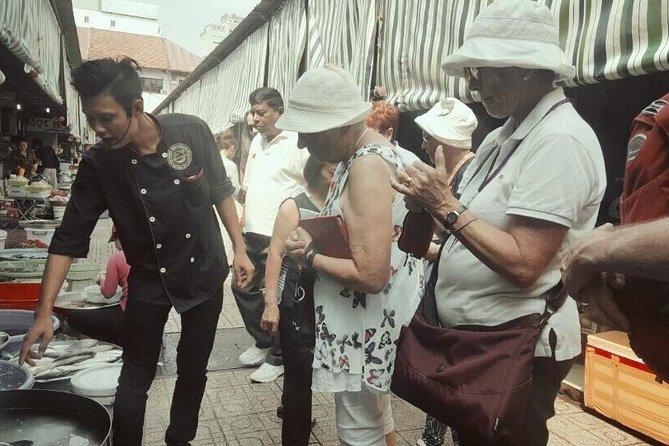
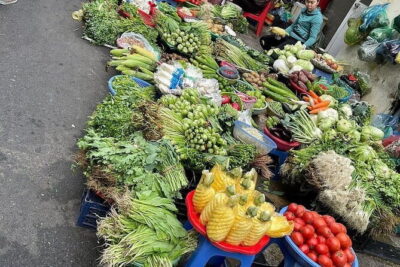
In the morning, you walk through Ben Thanh together and learn what to look for: common vegetables, herbs, spices, sauces, and how sellers think about fresh produce. The point isn’t to memorize names. It’s to understand what you’re buying and why it matters in Vietnamese cooking.
After the market time, you return to the kitchen area. You’ll get a welcome drink and a short intro to the kitchen and the chef story.
Back in the kitchen: hands-on cooking steps
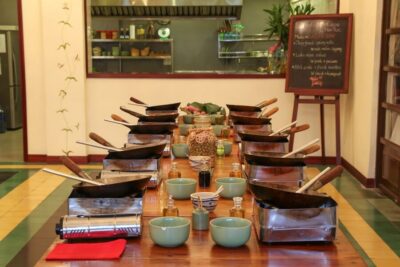
Then comes the core of the class: you cook. You’re not stuck standing by a stove. The format is step-by-step, with the chef explaining what you’re doing and why—so you can recreate the technique later.
The class covers basic cooking methods. That matters because most cooking classes fail at one thing: they teach a dish, but not the underlying skill. Here, you’re meant to practice the building blocks behind the menu.
The finish: eat, celebrate, and take home proof
At the end, you sit down in a convivial setting and feast on the food you made. You also get a souvenir gift and a certificate, plus a recipe booklet (manual recipes) so your notes aren’t stuck in your head.
It’s a full arc for a half-day: market → teach → cook → eat → take-home.
More stalls and shophouse streets to browse
- 1-Day Mekong Delta Cai Rang Floating Market-Ancient House-Pancake★ 5.0 · 653 reviews
- Chef Vu Cooking Class Plus Market Trip in Saigon Center (Pick up by Cyclo)★ 5.0 · 477 reviews
- Immersive Cooking Class & Market Tour By Local Chef+Cookbook★ 4.8 · 426 reviews
- Immersive Cooking Class & Wet Market Tour by Local Chef +Cookbook★ 5.0 · 367 reviews
- Cai Rang Floating Market & Mekong Delta Private 1-Day Tour★ 5.0 · 197 reviews
What you’ll cook: North, Central, and South flavors in one session
The menus change day to day, but you can expect a mix that represents Vietnam’s different regions rather than repeating the same “tourist favorites.”
Here’s a typical sample menu style:
Dishes you might make
- Beef salad featuring young banana and star fruit, or a similar set of typical rolls served with a special dipping sauce
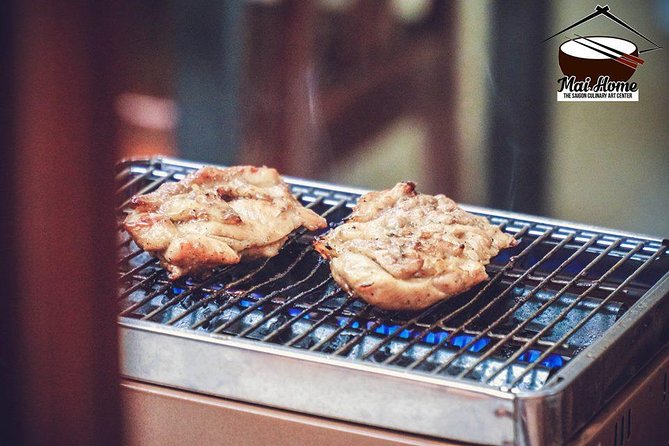
- Braised chicken with ginger, served with happy steamed rice, or you might make something adjacent like a sizzling pancake or chicken noodle soup with rice and/or vegetables
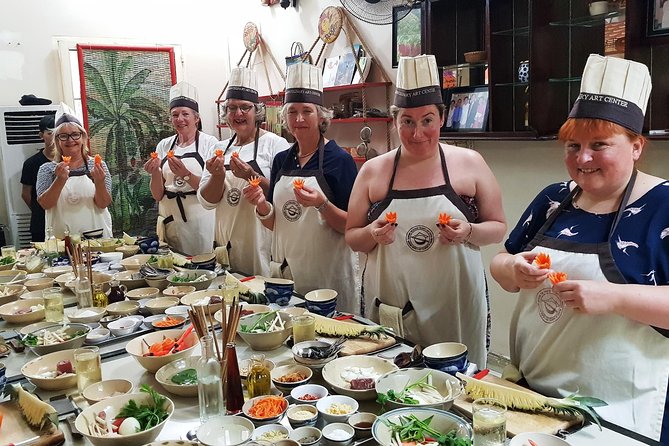
- Fruit carving, usually as a final skill that turns your meal into a presentation moment
Why the three-region angle is worth it
Vietnam’s cuisines don’t taste the same from region to region. Even when two dishes both look like “chicken,” the balance of sweet, sour, salty, herbs, and texture can shift. This class aims to show you that range quickly.
For you, that means you’re not leaving with one narrow flavor profile. You’re leaving with a map of how Vietnamese meals build: fresh ingredients up front, sauces and aromatics in the middle, and rice and cooked comfort to anchor it.
The Ben Thanh ingredient tour: what you’ll learn and how to use it later
If you’ve never shopped in Ben Thanh before, this part is practical. You’re not just taking photos—you’re learning what the ingredients are and how to spot them.
What you’re doing in the market
You walk with the chef and get explanations connected to what you’ll cook. That link is the whole game. When you later read the recipe booklet, you’ll remember the exact ingredient choices you saw that morning.
Morning is the key
The operator notes that after Covid, food stalls close around 12:00, so the market visit is only in the morning session. That’s important if you’re planning around an afternoon schedule. It also affects your expectations: if you book later in the day, you may miss the market walking portion and go straight to the kitchen.
How to make this portion work for you
Wear shoes you’re happy to walk in. You’ll be moving through a real market environment, and you’ll want to stay comfortable so you can focus on ingredient details.
Also, have a light appetite mindset. You’re eating lunch or dinner after cooking, so you don’t want to show up stuffed—but you also don’t want to arrive hungry enough that cooking feels like a chore.
Cooking class that supports your real-life home cooking
The best part of a cooking class is rarely the recipe. It’s the method. This one tries to teach methods, because you’re covering basic cooking approaches during the session.
Step-by-step instruction, aimed at beginners
The class is tailored to beginners, and the rhythm is built around hands-on participation at each stage. You’ll learn how to handle common cooking tasks—mixing, prepping, cooking basics, and plating your finished dishes.
That kind of pacing is helpful because you’re less likely to get lost when something doesn’t look exactly like the photo.
The sauce and seasoning lesson
Vietnamese food often lives or dies by balance. Even when the exact dish changes, you’ll get practice with typical dipping sauce style and how flavors come together. You’ll taste what you made, then you’ll see what worked.
Fruit carving as a fun skill you can actually repeat
Fruit carving is included, and it’s not just decorative. It teaches you that presentation in Vietnamese meals matters, and it gives you something satisfying to practice at home without needing special equipment beyond what the recipe suggests.
If you like cooking that feels both useful and playful, this part is a win.
Price and what you actually get for $42
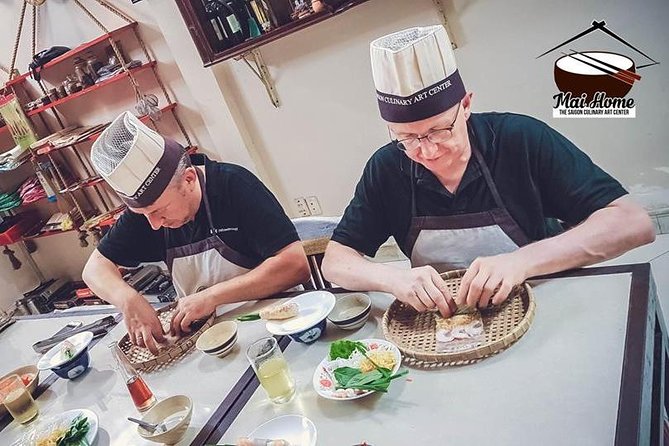
At $42 per person, this class is priced in the “tour value” zone—meaning you’re paying for a guided market ingredient lesson plus hands-on cooking plus a meal.
What you get included:
- Iced tea
- Market visit (in the morning; schedule-dependent)
- Cooking ingredients
- Lunch or dinner
- Recipe book/manual recipes
- Souvenir gift
- Certificate
What’s not included:
- Other drinks or any extra charges (if any)
- Drop-off (you’ll end back at the meeting point)
Why the included meal boosts value
So many cooking classes charge similarly but don’t fully deliver on the food portion. Here, you eat the meal you cooked. That makes the class feel complete, and it’s one less decision you have to make while you’re in the city.
The real value: take-home cooking confidence
The recipe booklet and certificate aren’t just souvenirs. They’re a tool. You can use them to rebuild the dishes without guessing—especially because you also got to see the ingredients at Ben Thanh earlier.
Logistics in District 1: meeting point, group size, and timing
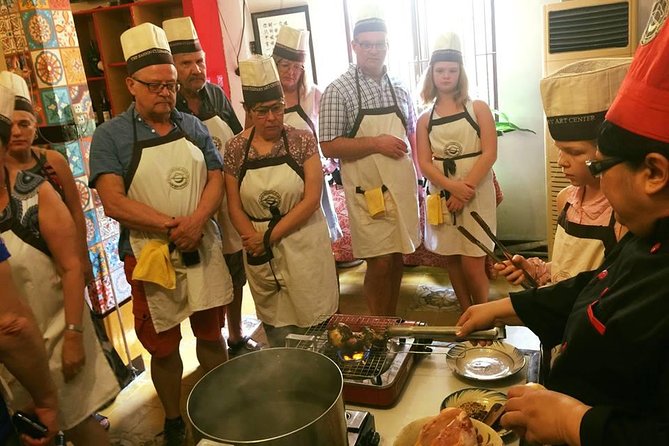
This takes place in Ho Chi Minh City (Quận 1 / District 1). You start at Phan Chu Trinh, near Ben Thanh, and you end back at the same meeting point.
A few details that matter for planning:
- The experience runs with a maximum of 30 travelers, so it stays manageable.
- It’s close to public transportation, which helps if you’re coming from another part of the city.
- You receive a mobile ticket.
- Confirmation is provided at booking time.
One more timing note: because the market visit hinges on stalls closing around noon, schedule matters. If you care about seeing Ben Thanh as part of the lesson, pick a morning departure.
Who should book this cooking class (and who might skip)
This works especially well if:
- You’re new to Vietnamese cooking and want techniques you can actually repeat.
- You like learning ingredients before you start chopping.
- You want a meal that feels like part of the day, not a side stop.
- You enjoy hands-on classes where you eat what you make.
You might consider skipping (or choosing a different style of class) if:
- You only have afternoon or evening time and you’re set on the Ben Thanh market walk, since the market portion is tied to the morning.
- You prefer fully private lessons or cooking with a deeper specialty focus in one cuisine style (this is structured as a beginner-friendly half-day across regions).
Should you book it?
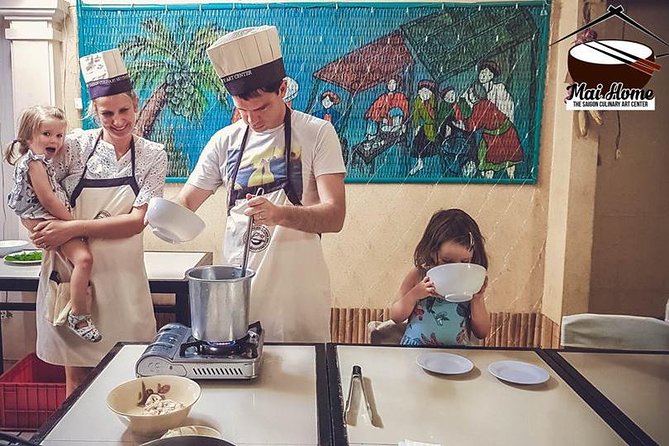
Yes, if you want a smart, beginner-friendly way to learn Vietnamese cooking in a half-day, with a market ingredient start and a meal you helped create. The $42 price feels fair because you’re getting instruction, ingredients, lunch or dinner, and take-home materials (recipe book, certificate, and a souvenir gift). The only real decision point is timing: if Ben Thanh Market is a must for you, choose the morning session so the market stop is included.
If you’re traveling with kids or a non-cook in your group, this class is designed for that level too—hands-on and structured, with a chef guiding each step.
FAQ
Where do I meet for the class?
You meet at Phan Chu Trinh, Bến Thành, Quận 1, Ho Chi Minh City, Vietnam. The experience ends back at the meeting point.
Is a mobile ticket used?
Yes. The experience includes a mobile ticket.
Is Ben Thanh Market included?
Ben Thanh Market is included in the morning-focused session. The operator also notes that the market visit is only in the morning because food stalls close around 12:00, and evening courses omit the market tour.
What do I eat during the experience?
You’ll have lunch or dinner included, and iced tea is also included. The menu varies by day.
What kinds of dishes might I cook?
A typical sample menu includes items like beef salad with young banana and star fruit (or typical rolls with dipping sauce), braised chicken with ginger (or options like sizzling pancake or chicken noodle soup served with rice and vegetables), plus fruit carving.
Will I get the recipes to take home?
Yes. You receive a recipe book/manual recipes, along with a certificate and a souvenir gift.
How large are the groups?
The experience has a maximum of 30 travelers.
Is drop-off included?
No. Drop-off isn’t included, and the class ends back at the meeting point.
Leave Room in the Suitcase


More Tour Reviews in Ho Chi Minh City


Cook It Yourself: Saigon Kitchens
Just Reviewed Around Saigon
- Secret walking Food Tour Ho Chi Minh City
★ 5.0 · 3 reviews - Ho Chi Minh City: Secret Cocktail Experience
★ 5.0 · 3 reviews - From Ho Chi Minh city: Vung Tau Beach Private Day Tour
★ 5.0 · 3 reviews - Saigoncholon
★ 3.5 · 3 reviews - Saigon On 2 Wheels
★ 3.5 · 3 reviews - From Ho Chi Minh City: Relax In Mui Ne Beach In 1 Day
★ 4.3 · 3 reviews
Saigon Cooking Classes, compared.
 ★ 5.0Cai Be Mekong Delta Tour: Cooking Class, Cycling & Craft VillagesFrom $391,881 reviews
 ★ 5.0Mekong Day Trip Explore Village Bicycle CookingClass Group 12 PaxFrom $29705 reviews
 ★ 5.0Chef Vu Cooking Class Plus Market Trip in Saigon Center (Pick up by Cyclo)From $46477 reviews
 ★ 4.8Immersive Cooking Class & Market Tour By Local Chef+CookbookFrom $33426 reviews
 ★ 5.0Immersive Cooking Class & Wet Market Tour by Local Chef +CookbookFrom $49367 reviews
 ★ 5.0Small-group 2-Day Mekong Delta: Floating market, Cooking Class…From $170194 reviews
 ★ 5.0Authentic Vietnamese Cooking Class with Market Visit in HCMcFrom $45182 reviews
 ★ 4.9Cooking Class with Ben Thanh Market visitFrom $4594 reviews
Browse the lists this tour appears in