
REVIEW · SAIGON COOKING CLASSES
Full-Day Farming & Cooking class at Agricultural Village
Farm life meets Vietnamese cooking. This full-day stop in Cu Chi is about hands-on farming and a farm-to-plate cooking class, where you pick the ingredients and turn them into a healthy Vietnamese meal. I like the way the day connects daily farm work (feeding livestock, harvesting vegetables, learning about mushrooms and herbs) to real cooking technique. One consideration: since it runs as a structured day tour, double-check what you’ll actually cook and how much of the day is included for your specific booking time.
You’ll leave Ho Chi Minh City in the early morning (it’s about 35 kilometers), then spend the rest of the day moving from fields to kitchen. The day ends with lunch made from what you gathered, plus a surprise dessert, along with a certificate, recipes, and souvenirs to remind you of what you learned.
In This Review
- Key highlights worth planning for
- Cu Chi farm-to-table: how this Ho Chi Minh City day trip flows
- The day’s pace: active morning, practical kitchen time
- Cu Chi morning: livestock, gardens, and the mushroom-and-herb education
- Herbs for health: what you’re really learning
- Harvest time with a bamboo basket: what you’ll actually pick
- Small caution: insects and outdoor comfort
- The cooking class: Vietnamese techniques built around fresh produce
- What I look for in a class like this (and why this one works)
- Lunch from your own handiwork: dessert, certificate, and take-home value
- What you take home
- Transportation, guide, and included extras: what’s in the $70
- The one value trap to avoid
- Who this tour suits best (and who may want to rethink)
- Practical tips for a smooth Cu Chi farming day
- Should you book the Full-Day Farming & Cooking class in Cu Chi?
- FAQ
- How long is the Full-Day Farming & Cooking class in Cu Chi?
- How much does the tour cost?
- What’s included in the price?
- Where does pickup happen?
- What language is the tour guide?
- Do I need to bring anything, and are there any restrictions?
Key highlights worth planning for
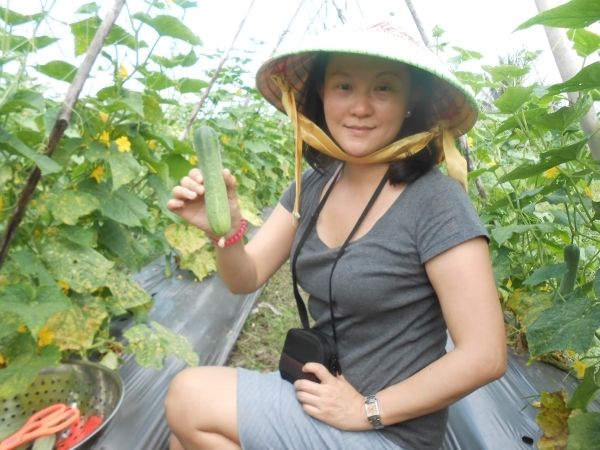
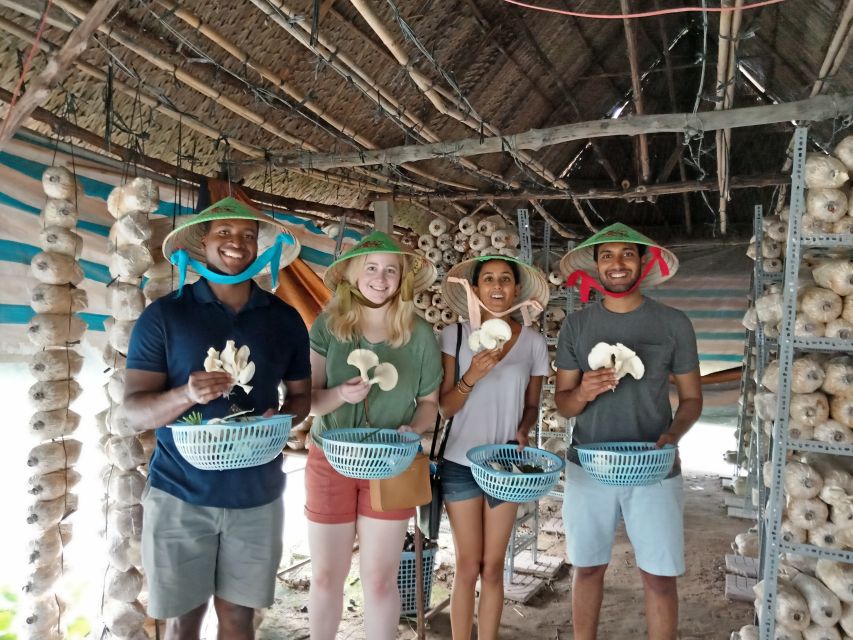
- Pick ingredients yourself with a bamboo basket and the tools provided for harvesting
- See livestock and real gardens instead of just watching from a distance
- Learn mushroom cultivation basics and meet fruit you might not recognize
- Use herbs for health-focused cooking and learn how they fit into Vietnamese meals
- Cook with a professional chef in a guided class built around what you harvested
- Small group experience with limited spots (up to 15 people), which makes questions easier
Roll up your sleeves in another Saigon kitchen
Cu Chi farm-to-table: how this Ho Chi Minh City day trip flows
This is the kind of tour that works because the schedule makes sense. You start early from your Ho Chi Minh City hotel, head out to the Cu Chi agricultural area (about 35 kilometers away), and then you spend the day doing the tasks that normally happen there. It’s not a rushed drive-by. The structure matters because you’re learning two things at once: how Vietnamese farming supports daily food, and how cooking changes when your ingredients are fresh.
The “small group” part is also a big deal for a class like this. With a limit of 15 participants, you’re less likely to get lost in the crowd when you’re trying to understand technique, timing, or what to do with certain herbs and produce.
The day’s pace: active morning, practical kitchen time
Expect the morning to be outside and hands-on. You’ll gather vegetables, mushrooms, fruits, and herbs for your cooking class. Then you’ll move to the restaurant for the cooking instruction and lunch. The flow is designed so you don’t just learn about ingredients in theory. You experience them first, then cook them while the ideas are still fresh.
A quick note on timing: it’s a full-day (listed as 1 day, with starting times that depend on availability). If you’re particular about finishing at a certain hour, check your pickup and return expectations before you lock it in.
Cu Chi morning: livestock, gardens, and the mushroom-and-herb education
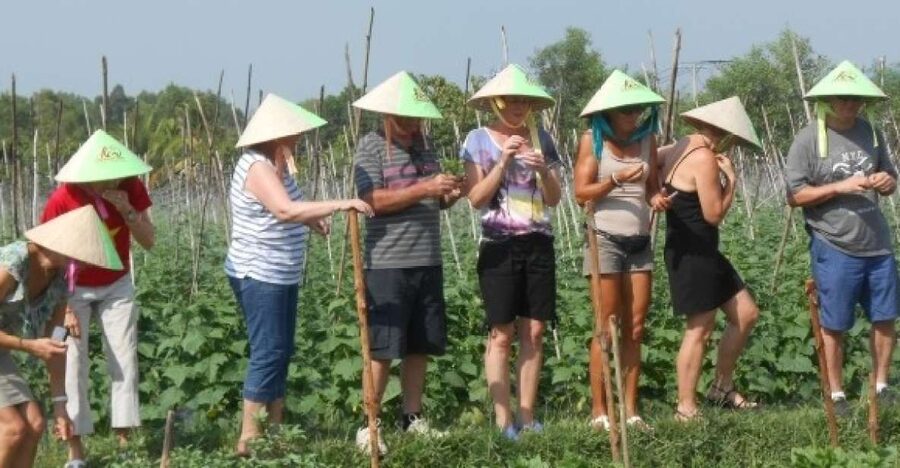
Cu Chi is closely associated with cattle and agricultural traditions, and this tour uses that farming identity as the backbone. You’ll see herds of cows wandering in fields and learn how local people keep older farming practices alive. Even if you grew up far from farms, you’ll get a sense of how agriculture is woven into everyday life here, not treated as a separate tourist activity.
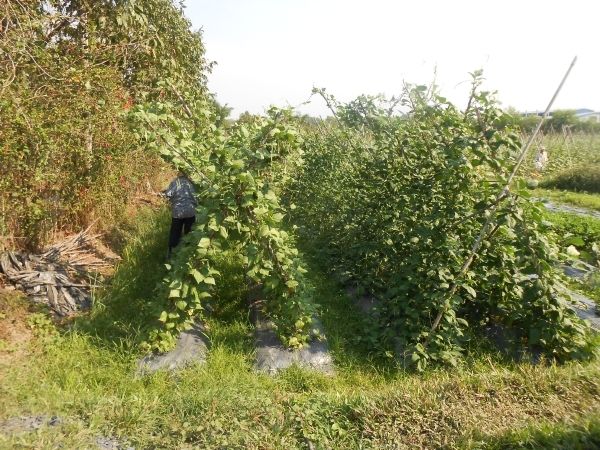
Then you shift into the garden areas. This is where you get the “why” behind the ingredients. You’ll visit vegetable gardens and areas where mushrooms, fruits, and herbs are grown. The tour doesn’t just point at plants. It explains cultivation methods, especially around mushrooms, and you may also encounter unusual fruits. That’s useful because many cooking classes skip the “ingredient context,” and without it, you don’t fully understand how certain flavors end up in Vietnamese dishes.
Herbs for health: what you’re really learning
The herbs portion isn’t just about aroma. The tour focuses on how herbs are used for health and how to incorporate healthy produce into meals. That means your cooking class is more likely to emphasize balance, fresh ingredients, and flavor-building rather than heavy sauces or shortcuts. Even if you’re not trying to eat a specific diet, the approach gives you practical ideas you can use at home.
Back to the wok, another lesson
- HCM:Mekong Delta Boat,Khotcake cooking Coconut Village,SmallGroup★ 5.0 · 2,374 reviews
- Mekong Delta 4 Islands, TukTuk, Boat, Try Khot Cake Local Cooking★ 5.0 · 1,148 reviews
- Immersive Cooking Class & Wet Market Tour by Local Chef +Cookbook★ 5.0 · 367 reviews
- Small-group 2-Day Mekong Delta: Floating market, Cooking Class…★ 5.0 · 194 reviews
- Authentic Vietnamese Cooking Class with Market Visit in HCMc★ 5.0 · 182 reviews
Harvest time with a bamboo basket: what you’ll actually pick
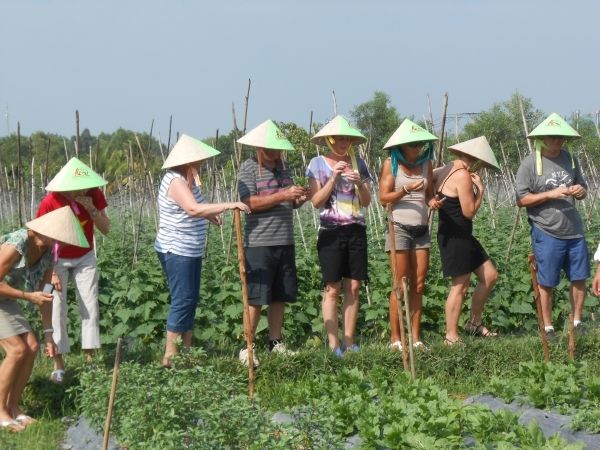
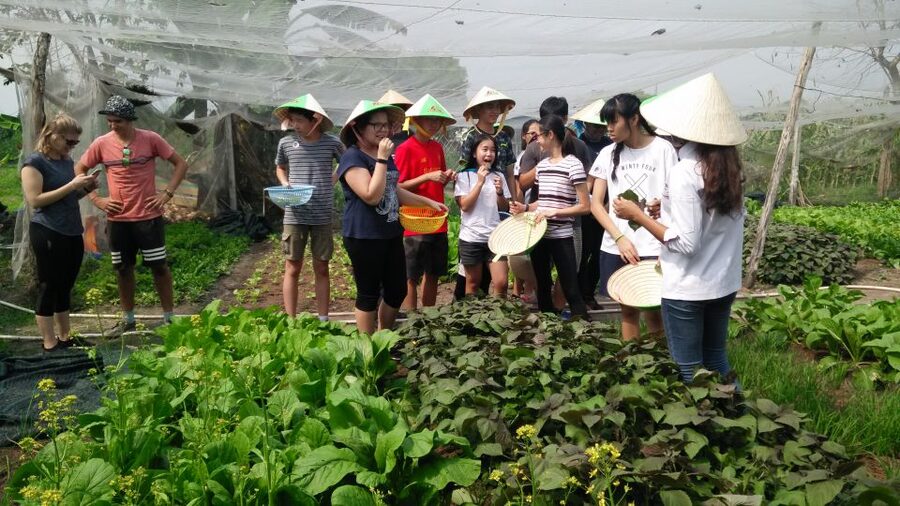
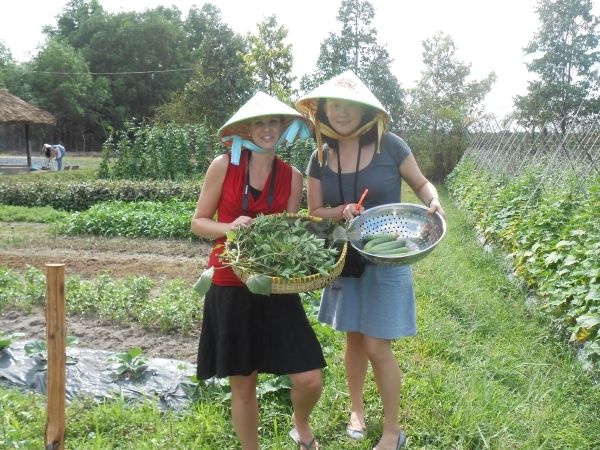
There’s a specific feeling that comes from harvesting your own ingredients. You’re not guessing what a “good mushroom” looks like or how herbs differ in texture and strength. You’ll put on a traditional Vietnamese hat, grab a bamboo basket and scissors, and head to the garden to pick vegetables, mushrooms, fruits, and herbs.
This part matters for three reasons:
- You learn by doing. You’ll notice differences in size, freshness, and how produce is handled.
- You connect taste to cultivation. Mushrooms and herbs especially make more sense once you see how they’re grown.
- You cook with purpose. In the kitchen later, you’re not just following steps. You’re using ingredients you gathered, so technique clicks faster.
Small caution: insects and outdoor comfort
Because this is an agricultural setting, bring insect repellent if you need protection. Comfortable shoes are non-negotiable too. You’ll be on the move in outdoor terrain, and you’ll enjoy the day more if your feet aren’t fighting you.
The cooking class: Vietnamese techniques built around fresh produce
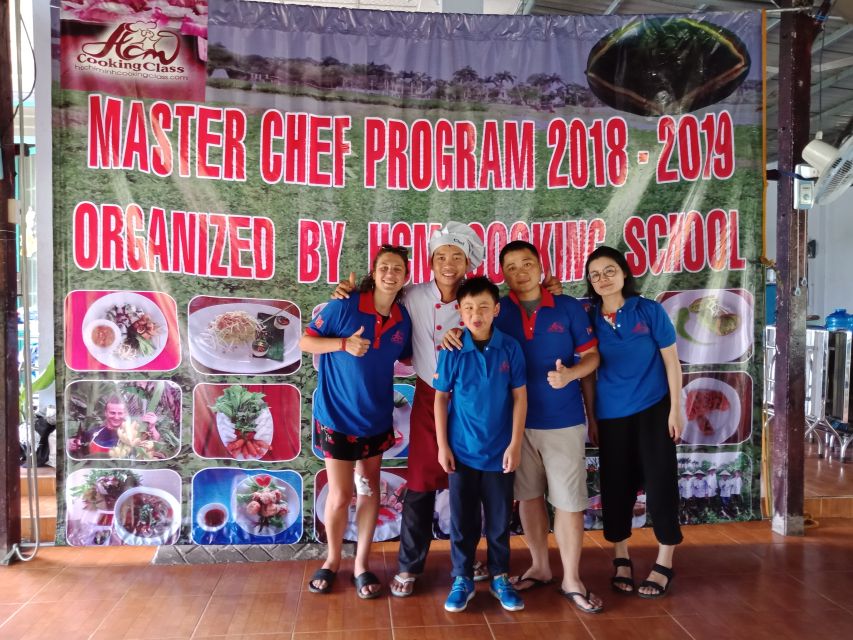
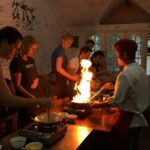
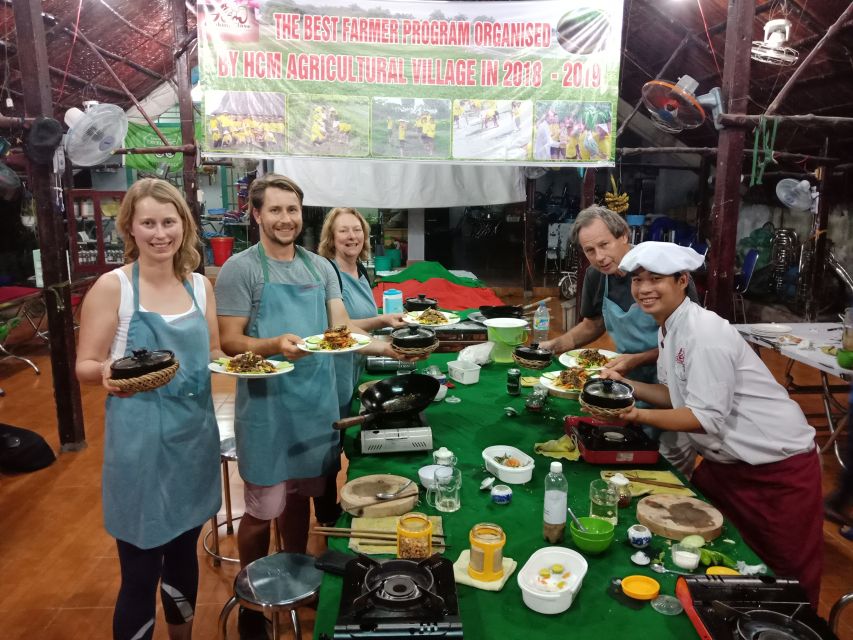
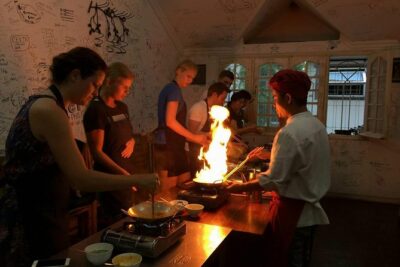
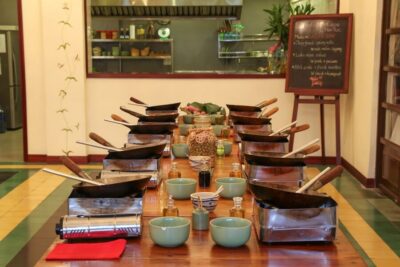
After harvesting, you head to the restaurant where the class takes place. A professional chef guides you through regional cooking techniques, and you’ll prepare Vietnamese dishes using the produce you collected.
The “healthy cooking” angle is part of why this class is worth your time. Instead of treating vegetables and herbs as side items, you’re learning how to build a meal with them as key players. The chef also shares tips for making dishes that are both tasty and aligned with the idea of healthy ingredients.
What I look for in a class like this (and why this one works)
Good cooking classes give you two things: the steps and the reasoning. Here, you get steps in a guided setting, plus ingredient context from the farm. That’s the difference between copying a recipe and actually improving your home cooking.
Also, the class is designed to be doable for a mixed group. If you’re not a confident cook, don’t stress. You’re learning in stages with a chef leading the process, and the small group size helps if you need clarification.
Lunch from your own handiwork: dessert, certificate, and take-home value
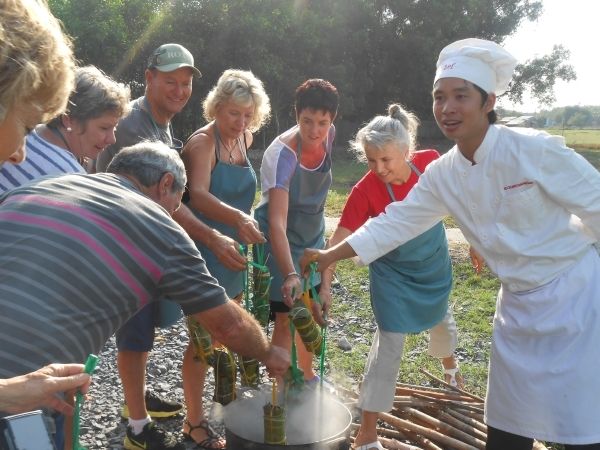
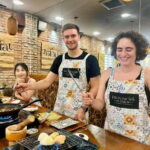
When you finish cooking, you eat what you made. Lunch is included, and there’s also a surprise dessert afterward. This is more than a perk. It’s how you “close the loop” from farm to kitchen. You’ll taste the ingredients you picked and understand how the herbs and mushrooms contribute to the final result.
What you take home
You’ll also receive:
- a certificate
- recipes
- souvenirs
Those don’t replace actual experience, but they do help you replay what you learned when you’re back home.
Transportation, guide, and included extras: what’s in the $70
At $70 per person for a full day, the value comes from how much is bundled together. You’re paying not just for a cooking class, but for a complete farm-to-meal experience that includes:
- hotel pickup and transportation
- a live guide (Vietnamese and English)
- cooking class plus the guided farm activities
- iced tea, napkin, and lunch
When you compare that to the cost of separately booking transport, a guided farm activity, and a chef-led cooking class, the pricing starts to look more reasonable. In other words, you’re not just learning recipes. You’re buying into a whole day of guided experiences, with food and some take-home materials included.
The one value trap to avoid
One review point worth thinking about: make sure your booking matches what you expect for a full-day experience, including the dishes you’ll get to prepare. If you’re paying for a full-day class, it’s fair to confirm what portion of the day is included for your chosen starting time.
Who this tour suits best (and who may want to rethink)
This is a great match if you want:
- a cooking class that starts with real ingredients from the garden
- a day trip with a mix of culture and practical food learning
- a small-group experience (up to 15 people) where you can ask questions
- a healthier, produce-forward approach to Vietnamese flavors
You might consider another option if you prefer low-activity sightseeing. This tour includes outdoor harvesting and farm visits, and it’s designed for participation.
If you’re traveling with mobility concerns, the tour is listed as wheelchair accessible, which is a plus. You’ll still want to wear shoes that work well for walking and uneven outdoor ground, just in case.
Practical tips for a smooth Cu Chi farming day
Here’s how you’ll enjoy the day most:
- Wear comfortable shoes. You’ll be walking outside, and you’ll want stable footing.
- Bring sunglasses. Sun can be strong during outdoor harvest time.
- Use insect repellent if you need it. The tour specifically asks you to bring it if protection is needed.
- Bring a camera. You’ll likely want photos during the farm-to-kitchen transition.
- Tell the guide about special food requirements. The tour notes to let them know in advance.
- Skip pets. Pets aren’t allowed on this experience.
Also, keep your expectations realistic about what you’ll take away. You’ll get recipes and a certificate, but the biggest learning is how fresh ingredients change cooking decisions. If you cook at home, that understanding is the real souvenir.
Should you book the Full-Day Farming & Cooking class in Cu Chi?
Book it if you want a Vietnamese cooking experience that doesn’t treat food as just a final product. This one starts where ingredients come from: livestock fields, garden picking, and cultivation lessons around mushrooms and herbs. Add a professional chef, small-group class time, and a lunch that uses what you harvested, and you get a full-day experience that’s practical, food-focused, and easy to remember.
Skip it or consider alternatives if you’re looking for a purely sightseeing day with minimal hands-on work. You’ll be active, and the day is structured around picking, cooking, and eating your results.
If you’re deciding today, my advice is simple: confirm your starting time and what’s included for your specific booking so you’re sure you’ll get the full experience you’re paying for.
FAQ
How long is the Full-Day Farming & Cooking class in Cu Chi?
It’s listed as 1 day. Starting times depend on availability.
How much does the tour cost?
The price is $70 per person.
What’s included in the price?
Transportation, a guide, the cooking class, farm activities, iced tea, napkin, and lunch are included.
Where does pickup happen?
Pickup is included from any hotel in Ho Chi Minh City.
What language is the tour guide?
The live tour guide speaks Vietnamese and English.
Do I need to bring anything, and are there any restrictions?
Bring comfortable shoes, sunglasses, and a camera. The tour also asks you to bring insect repellent if you need protection, and pets are not allowed.
Learn One More Vietnamese Dish
More Tour Reviews in Ho Chi Minh City

Cook It Yourself: Saigon Kitchens
Just Reviewed Around Saigon
- Secret walking Food Tour Ho Chi Minh City
★ 5.0 · 3 reviews - Ho Chi Minh City: Secret Cocktail Experience
★ 5.0 · 3 reviews - From Ho Chi Minh city: Vung Tau Beach Private Day Tour
★ 5.0 · 3 reviews - Saigoncholon
★ 3.5 · 3 reviews - Saigon On 2 Wheels
★ 3.5 · 3 reviews - From Ho Chi Minh City: Relax In Mui Ne Beach In 1 Day
★ 4.3 · 3 reviews
Saigon Cooking Classes, compared.
 ★ 5.0Cai Be Mekong Delta Tour: Cooking Class, Cycling & Craft VillagesFrom $391,881 reviews
 ★ 5.0Mekong Day Trip Explore Village Bicycle CookingClass Group 12 PaxFrom $29705 reviews
 ★ 5.0Chef Vu Cooking Class Plus Market Trip in Saigon Center (Pick up by Cyclo)From $46477 reviews
 ★ 4.8Immersive Cooking Class & Market Tour By Local Chef+CookbookFrom $33426 reviews
 ★ 5.0Immersive Cooking Class & Wet Market Tour by Local Chef +CookbookFrom $49367 reviews
 ★ 5.0Small-group 2-Day Mekong Delta: Floating market, Cooking Class…From $170194 reviews
 ★ 5.0Authentic Vietnamese Cooking Class with Market Visit in HCMcFrom $45182 reviews
 ★ 4.9Cooking Class with Ben Thanh Market visitFrom $4594 reviews
Browse the lists this tour appears in