

REVIEW · SAIGON COFFEE TOURS
Hands-on Discovery of Vietnamese Coffee & Culture
Coffee here is hands-on science, and that’s what makes it fun: you brew two Lacàph blends and learn where coffee fits in Vietnamese life. I love the practical brewing you can repeat at home, and I love the human stories shared by guides like Vi and host Giao. One thing to consider: it is not suitable for wheelchair users, so plan accordingly.
In 150 minutes, the session mixes tasting with action: you’ll make filter coffee, try phin coffee, watch a small-batch roast, and snack along the way. You also get short, in-house videos that connect the cups to places like Hà Nội, Đà Lạt, and Chợ Lớn in Sài Gòn.
It starts above street level at Lacàph, an old building with a quirky purple iron door. If you’re the kind of traveler who likes your culture practical (not just scenic), this is a strong pick for District 1.
In This Review
- Key highlights worth your time
- Vietnamese coffee in 150 minutes: what you actually do
- Finding Lacàph in District 1 (and not losing time)
- Two brews, one goal: filter coffee and phin the Vietnamese way
- Filter coffee with Lacàph Filter Blend
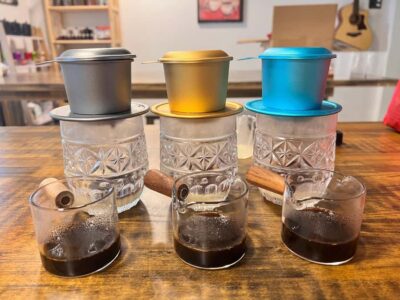
- Phin coffee with Lacàph Microfilter Phin Brewer
- The roasting demo: listening for cracks and smelling the shift
- Sweets that teach you flavor, not just sugar
- Culture on screen: coffee stories from Hà Nội, Đà Lạt, and Chợ Lớn
- Price and value: why $30 can make sense here
- Practical tips so you get the most out of the session
- Who this workshop suits best (and who should think twice)
- Final call: should you book the Lacàph Vietnamese coffee workshop?
- FAQ
- How long is the Vietnamese coffee experience?
- How much does it cost?
- What coffee will I brew during the workshop?
- Will there be a roasting part?
- What sweets are included with the coffee?
- What brewer equipment is used for phin coffee?
- What languages are offered?
- Where is the meeting point?
- Is it suitable for wheelchair users?
- Are pets allowed?
Key highlights worth your time
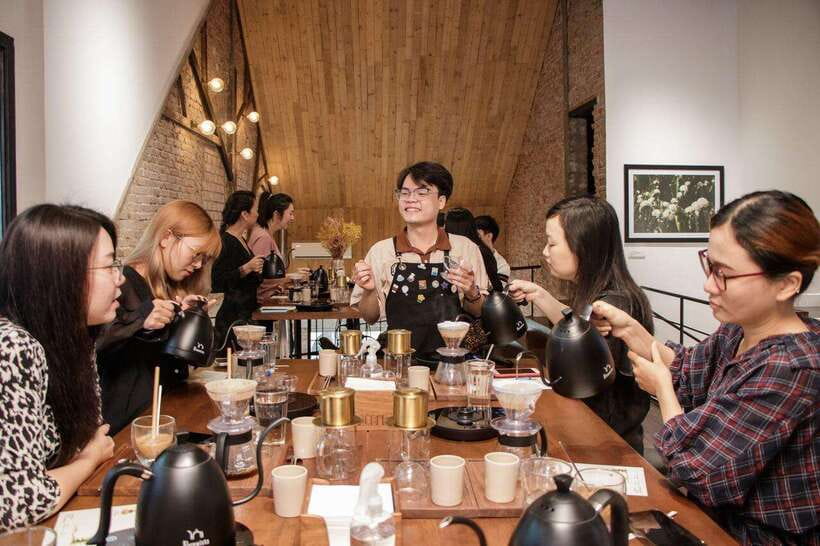
- Two Vietnamese coffee blends, one guided workflow so you leave with more than just a memory
- Phin coffee training using the Lacàph Microfilter Phin Brewer and the Lacàph Phin Blend
- Small batch roasting demo with the crackling sounds and aromas that come with it
- Sweet pairings like Bánh Đậu Xanh (mung bean cake) and cocoa coated cashews
- Culture videos that connect coffee to people and places across Việt Nam
Another glass of ca phe sua da, poured strong



Vietnamese coffee in 150 minutes: what you actually do

This is a structured workshop that runs about two and a half hours, paced so you’re never stuck watching too long. The core idea is simple: Vietnamese coffee has its own techniques, and you learn them by doing.
You start with a multi-sensory coffee experiment. That matters because Vietnamese coffee can taste different from what many people expect if they only know drip coffee from home. Instead of lecturing, the session pushes you to notice smell, texture, and how the brewing method changes the cup.
Then you get hands-on time making two different Lacàph blends. You’re not just tasting; you’re brewing with methods that are described as simple enough to replicate later. That gives this workshop value beyond a one-time stop for coffee.
Finally, you get a story layer through videos. The cultural part isn’t generic. You see coffee’s connection across Vietnamese settings, from Hà Nội to Đà Lạt and Chợ Lớn in Sài Gòn, with the people and farmer stories tied to what ends up in your cup.
Finding Lacàph in District 1 (and not losing time)
The meeting point is practical, but it can trip you up if you arrive without looking up. Lacàph is on the upper floor of an old building at 220 Nguyễn Công Trứ, Nguyễn Thái Bình Ward, District 1.
Look for the little sign in front of a purple iron door. Climb the stairs, and when you reach the top, take a sharp left. It’s the kind of place where being early helps, because you’ll spend less time searching and more time enjoying the start.
This also affects the feel of the experience. Because you’re walking up into the workshop space, it doesn’t feel like a crowded tasting room. It feels more like a mini studio for coffee and culture, where the guide can keep things moving.
Two brews, one goal: filter coffee and phin the Vietnamese way
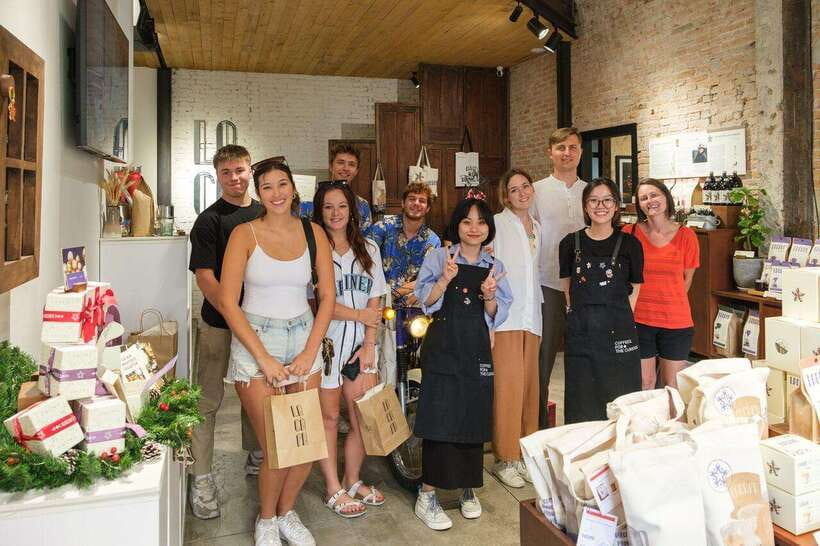
The workshop gives you two approaches, both using Vietnamese coffee beans (specifically Lacàph blends). That’s key: you’re learning technique, not just ordering different drinks.
Filter coffee with Lacàph Filter Blend
You begin with filter coffee using Lacàph Filter Blend. The pairing is Bánh Đậu Xanh, a mung bean cake. I like this pairing because it helps you separate sweetness and texture from bitterness.
If you’ve ever had coffee and wondered why it tastes different from café to café, pay attention here. Filter coffee tends to read cleaner and more structured. Adding a mild, sweet element like mung bean cake makes it easier to notice how the coffee’s flavor develops.
A few Saigon tours to weigh against this one:
- Ho Chi Minh City: Fun and Easy Coffee Workshop for Beginners★ 4.9 · 121 reviews
- Techniques & Secrets Behind the Famed Vietnamese Egg Coffee★ 5.0 · 99 reviews
- 1 hour Egg Coffee Cooking Class with Snack and Local Instructor★ 5.0 · 72 reviews
- Saigon Unseen: Culture, Coffee, Hidden Spots Motorbike Adventure★ 5.0 · 60 reviews
- Vietnam Flavour: Market-to-Table & The Art of Egg Coffee★ 5.0 · 53 reviews
Phin coffee with Lacàph Microfilter Phin Brewer
Next comes phin coffee, built around the Lacàph Microfilter Phin Brewer and the Lacàph Phin Blend. Alongside the drink, you get cocoa coated cashews, which add a crunchy, chocolate-leaning contrast.
Phin coffee is where a lot of the Vietnamese signature character shows up. The brewer slows the extraction, and the result can be thicker and more intense than people expect if they’re used to quick drip. The workshop’s value is that it teaches you the method you need to reproduce that effect at home.
A nice bonus is that you’re brewing in a way the guides aim to keep replicable. The goal isn’t perfection on day one. It’s giving you a process you can run again when you want the flavor at your own pace.
The roasting demo: listening for cracks and smelling the shift
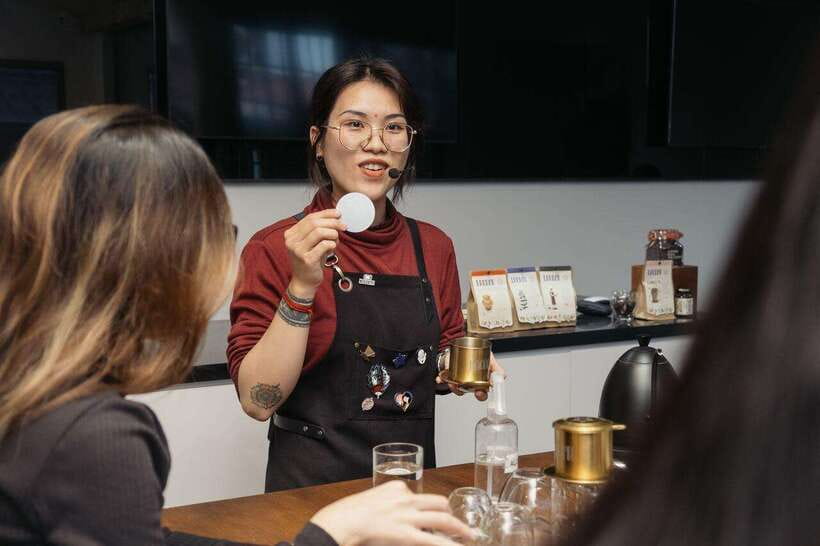
One of the most memorable parts here is watching a small batch roasting demo for the Lacàph Phin Blend. You don’t just hear that roasting matters, you get to see the process and experience the change in aroma.
The session calls out the crackling sounds you can hear during roasting, and that detail is more than trivia. Roasting is where the coffee’s flavor direction starts. Even if you don’t become a coffee hobbyist, you’ll walk away understanding why a “light” aroma can turn into a deeper one after roast.
Practical note: roasting can be aromatic, so if you’re sensitive to strong smells, take it as a cue to slow down and breathe between moments. That’s also part of the multi-sensory approach: you’re training your senses to read what’s happening, not just taking notes.
Sweets that teach you flavor, not just sugar
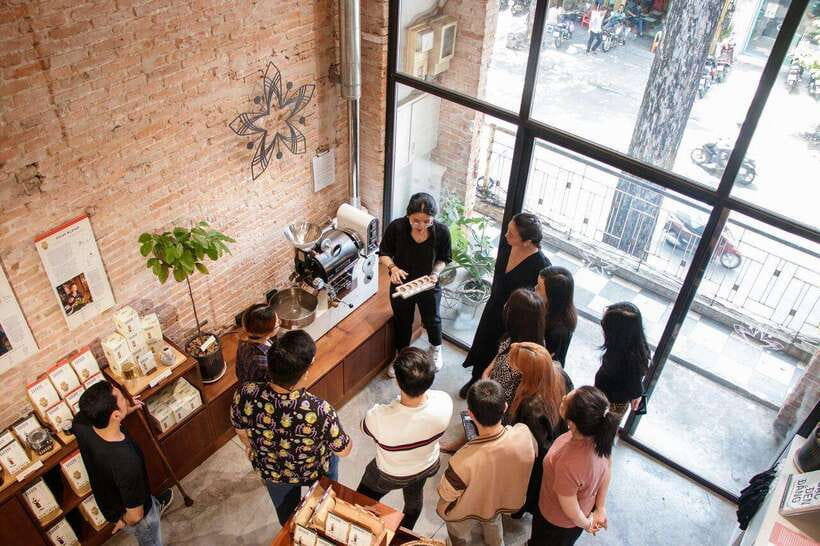
Coffee workshops sometimes treat snacks as an afterthought. Here, the included bites are chosen to work with the coffee styles you’re making.
First up, Bánh Đậu Xanh with the filter coffee. Mung bean cake is sweet and softly flavored, which can smooth out sharp edges and make it easier to taste the coffee’s character without feeling overwhelmed.
Then there’s the cocoa coated cashews with the phin coffee. Cashews add a creamy, crunchy texture, while the cocoa gives a chocolate note. That combination can make it easier to notice how phin coffee can bring out deeper, more chocolate-adjacent tones.
I also like that the sweets are straightforward, Vietnamese, and meant to be part of the session. You’re not juggling a dessert search while trying to learn coffee.
Culture on screen: coffee stories from Hà Nội, Đà Lạt, and Chợ Lớn
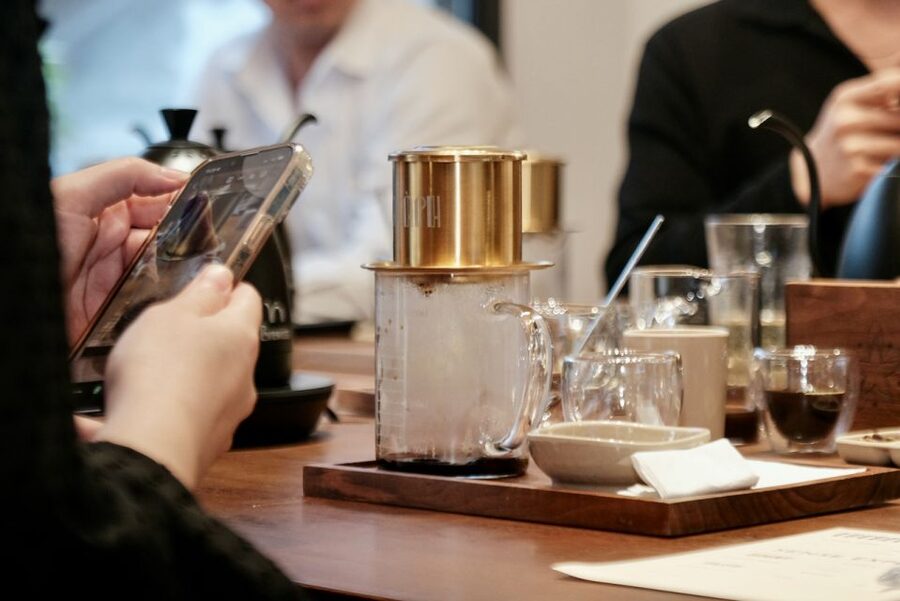
The cultural portion isn’t tacked on at the end. It runs as part of what coffee represents across Việt Nam.
You’ll watch an in-house mini-documentary series that travels from Hà Nội to Đà Lạt and over to Chợ Lớn in Sài Gòn. The point isn’t tourism trivia. It’s to show how coffee is tied to farmers and everyday people, and how those stories influence what ends up in your cup.
This matters because Vietnamese coffee is not only about the drink. It’s about how growing, processing, and serving shaped local life. When you connect coffee to place, the taste feels less random. You start tasting with context.
The workshop also frames coffee’s cultural significance in Việt Nam, so you leave understanding why techniques like phin brewing became part of the routine. It’s a simple idea, but it’s what turns a drink into something you remember.
Price and value: why $30 can make sense here
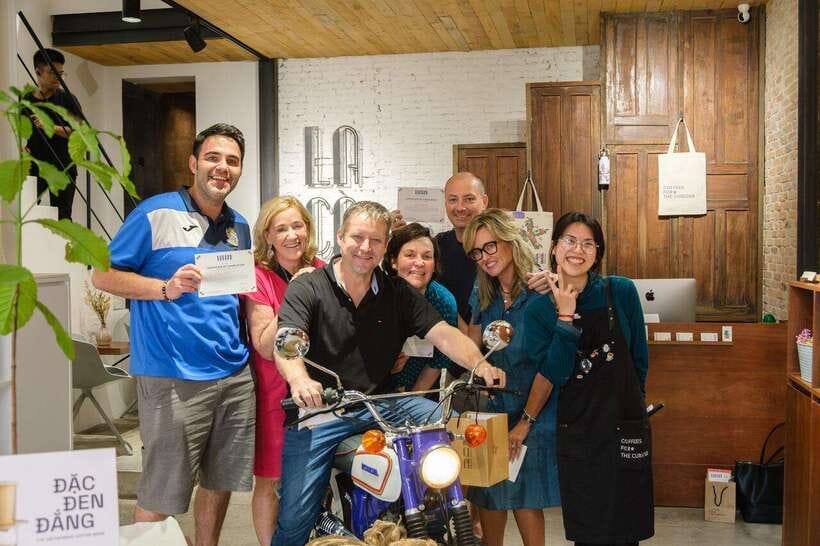
At $30 per person for about 150 minutes, you’re paying for more than coffee. You’re paying for guided instruction, hands-on brewing, a roasting demo, and included food pairings.
Think of the value like this: you get multiple experiences packed into one sitting. Filter coffee and phin coffee are both included, and you’re not just tasting one beverage. You also get at least one structured sensory activity and the cultural video component.
If you’re the type who spends money on a café drink and then moves on, this workshop is different. You’re using the price to build skills and understanding, which tends to pay off later when you brew at home.
Also consider the format. The workshop runs in an English and Vietnamese learning setting, guided by instructors who can explain both technique and context. That kind of “how and why” teaching usually takes longer than a typical drink stop, so you’re buying time as much as you’re buying coffee.
Practical tips so you get the most out of the session
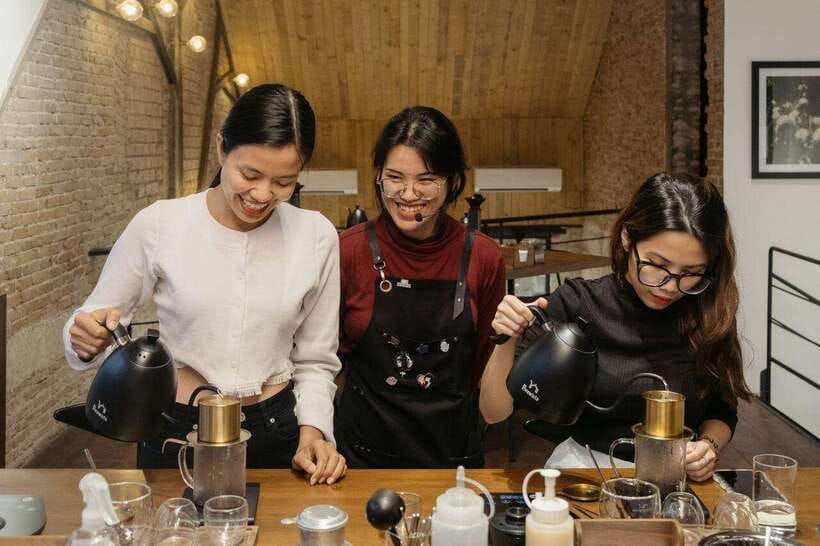
A good workshop rewards attention. Here’s how to make it work for you.
Arrive a few minutes early so you can settle in before brewing starts. Since the meeting point involves a specific door color and upstairs turn, being rushed makes it easier to miss the start.
When you’re tasting, don’t chase the idea of scoring the coffee. Focus on what you notice: thickness, aroma strength, and how each sweet pairing changes the cup. That’s the same mindset the workshop uses with the multi-sensory experiment.
If you’re a beginner, you should feel comfortable here. The experience is designed for people stepping into Vietnamese coffee basics, and the guides explain what you need to know to leave understanding more than you came in with.
Finally, if you want to replicate the brewing at home, treat it like a mini recipe lesson. Try to remember what changes the cup: brewer type, brew timing, and how the blend tastes when brewed in its intended style.
Who this workshop suits best (and who should think twice)

This is a strong fit for you if you want a hands-on coffee session tied to Vietnamese culture. It’s also a good choice if you’re curious about phin coffee and want to understand why Vietnamese brewing methods taste the way they do.
I’d also recommend it if you like experiences led by energetic guides. Names mentioned in feedback include Vi and host Giao, and the common theme is that they keep the workshop engaging while still being focused on teaching.
It’s less ideal if you need wheelchair access, because it’s not suitable for wheelchair users. Also, pets are not allowed, so plan for that if you’re traveling with an animal.
Final call: should you book the Lacàph Vietnamese coffee workshop?
If your trip includes Hồ Chí Minh City and you enjoy learning by doing, this workshop is worth booking. For $30 you’re getting two styles of Vietnamese coffee brewed with Lacàph beans, a roasting demo, sweet pairings, and culture videos that connect coffee to real places in Việt Nam.
The biggest reason to choose it is that you don’t leave with only a drink. You leave with a clearer sense of how Vietnamese coffee is made and why it matters, plus a process you can try again at home.
If you’re short on time or have mobility needs that don’t match the venue, look for alternatives. Otherwise, this is a smart use of an afternoon in District 1.
FAQ
How long is the Vietnamese coffee experience?
The experience lasts 150 minutes.
How much does it cost?
It costs $30 per person.
What coffee will I brew during the workshop?
You’ll brew two Lacàph coffee blends using Vietnamese-style methods, including filter coffee and phin coffee.
Will there be a roasting part?
Yes. You’ll witness a small batch roasting demo for the Lacàph Phin Blend.
What sweets are included with the coffee?
Included pairings are Bánh Đậu Xanh (mung bean cake) with the filter coffee and cocoa coated cashews with the phin coffee.
What brewer equipment is used for phin coffee?
The phin coffee uses the Lacàph Microfilter Phin Brewer with Lacàph Phin Blend.
What languages are offered?
The instructor speaks English and Vietnamese.
Where is the meeting point?
The meeting point is Lacàph, 220 Nguyễn Công Trứ, Nguyễn Thái Bình Ward, District 1. It’s on the upper floor of an old building with a purple iron door.
Is it suitable for wheelchair users?
No. It is not suitable for wheelchair users.
Are pets allowed?
No. Pets are not allowed.
More Coffee Experiences in Ho Chi Minh City
More Tour Reviews in Ho Chi Minh City



Saigon by the Glass of Coffee
Just Reviewed Around Saigon
- Secret walking Food Tour Ho Chi Minh City
★ 5.0 · 3 reviews - Ho Chi Minh City: Secret Cocktail Experience
★ 5.0 · 3 reviews - From Ho Chi Minh city: Vung Tau Beach Private Day Tour
★ 5.0 · 3 reviews - Saigoncholon
★ 3.5 · 3 reviews - Saigon On 2 Wheels
★ 3.5 · 3 reviews - From Ho Chi Minh City: Relax In Mui Ne Beach In 1 Day
★ 4.3 · 3 reviews
Saigon Coffee Tours, compared.
 ★ 4.9Egg coffee & Course on 4 traditional types of Viet coffeeFrom $18487 reviews
 ★ 5.0Fun & Easy Vietnamese Coffee Workshop in Hồ Chí Minh CityFrom $23293 reviews
 ★ 5.0Vietnamese Coffee & Culture Exploration in Hồ Chí Minh CityFrom $29202 reviews
 ★ 5.0Decadent Vietnamese “Egg Coffee” Workshop in Hồ Chí Minh CityFrom $20150 reviews
 ★ 4.9Fun and Easy Coffee Workshop for BeginnersFrom $23121 reviews
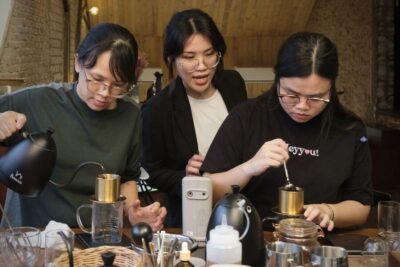 ★ 5.0Techniques & Secrets Behind the Famed Vietnamese Egg CoffeeFrom $2099 reviews
 ★ 5.01 hour Egg Coffee Cooking Class with Snack and Local InstructorFrom $1572 reviews
 ★ 5.0Saigon Unseen: Culture, Coffee, Hidden Spots Motorbike AdventureFrom $3360 reviews
Browse the lists this tour appears in