
REVIEW · SAIGON COOKING CLASSES
Ho Chi Minh City Cooking Class in Local’s Home
Cooking pho in a home kitchen is the real deal. This Ho Chi Minh City cooking class takes you beyond recipes and into how Vietnamese families actually cook and eat, with hands-on guidance and a sit-down meal at the end. You’ll learn popular dishes such as pho and banh xeo, using fresh local ingredients in a setup designed for beginners and regular home cooks alike.
Two things I genuinely like: the instruction is step-by-step and led in English by the main chef, and the group stays small (up to 10), so the teacher can notice if you’re doing something off. One thing to consider: there is no hotel pickup, so you’ll need to get yourself to the meeting point at 131/3 Đ. Nguyễn Thị Minh Khai in District 1.
In This Review
- Key things to know before you go
- Entering a Chef’s Home Kitchen in District 1
- Price and Value: What $55 Gets You
- The Menu: How Four Traditional Dishes Become Your Meal
- How the Class Actually Works (And Why It Feels Worth It)
- Cooking Pho and Friends: What You’ll Learn in Real Terms
- Pho: Broth mindset and flavor balance
- Banh xeo: Texture and timing skills
- Shaking Beef and fresh rolls: Heat control and assembly
- Lunch or Dinner at the Table: Turning Work Into a Meal
- Getting the Most Out of Your Cooking Class
- Who Should Book This Class in Ho Chi Minh City?
- Should You Book This Ho Chi Minh City Cooking Class?
- FAQ
- How long is the Ho Chi Minh City cooking class?
- What does the price include?
- What dishes will I cook?
- Is hotel pickup and drop-off included?
- How big is the group?
- Can I cancel and get a refund?
Key things to know before you go
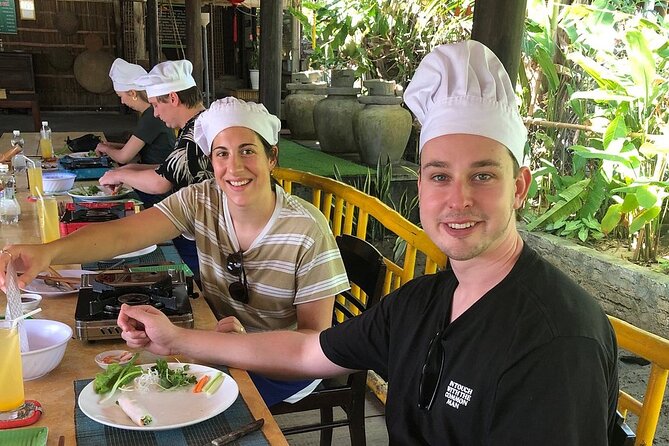
- Small group size (max 10): You get more attention than big group cooking tours.
- Chef-led, English instruction: The main chef guides you through each dish, not just a general talk.
- A short menu that changes daily: You’ll cook from four traditional dishes, and the exact mix varies.
- Hands-on equipment and ingredients included: You don’t need to bring anything for the cooking work.
- Sit-down lunch/dinner included: Plan to actually enjoy your meal, not just nibble samples.
- Start at a District 1 meeting point: Near public transportation, but you’ll still need to make your own way there.
Roll up your sleeves in another Saigon kitchen


Entering a Chef’s Home Kitchen in District 1
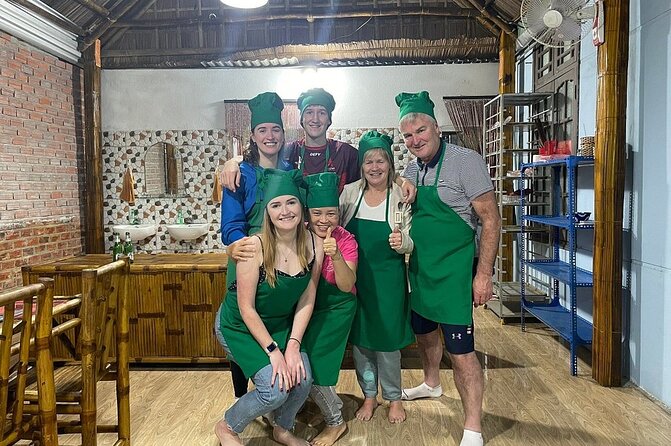
This class starts where it matters: in a local home kitchen in Ho Chi Minh City, not a demo stage. The vibe feels personal from the first minute, with your chef welcoming you at the meeting point and getting you into the cooking mindset right away. The meeting point is at 131/3 Đ. Nguyễn Thị Minh Khai, Phường Phạm Ngũ Lão, Quận 1 (District 1), and the activity ends back there.
No hotel pickup means you’ll want to plan your route. The good news is it’s described as near public transportation, so you’re not stuck guessing in the dark. If you’re staying in the center of District 1, this is usually a straightforward trip.
The class runs about 3 hours, and it’s set up so you’re active the whole time—there’s time to cook, then time to eat what you made. You get a mobile ticket, and confirmation comes at booking, so you can keep things simple on the day.
Price and Value: What $55 Gets You
At $55 per person, you’re paying for more than cooking lessons. You’re getting the chef’s time, equipment, ingredients, and a real lunch or dinner with three dishes. That’s the part many food tours skip. If you’ve ever left a street-food walk still hungry, this one is structured to fix that.
The best value angle here is scale. With a maximum of 10 travelers, the class doesn’t turn into a shuffle. You’re not just watching while a guide performs. You’re learning a working method—how Vietnamese cooks think about texture, balance, and timing—then applying it with support.
If you’re a beginner, the included ingredients and gear reduce pressure. If you cook at home already, you can focus on technique and seasoning rather than scavenger hunting.
One more practical note: the average booking window is about 24 days in advance, which suggests it’s popular. If your dates are firm, I’d treat this like a plan-ahead stop, not a last-minute gamble.
The Menu: How Four Traditional Dishes Become Your Meal
The format is a little flexible, which is good news. The menu includes four traditional dishes, and the selection changes daily. That means your experience won’t be a copy-paste of someone else’s day, and you’re more likely to get the freshest ingredients for that specific class.
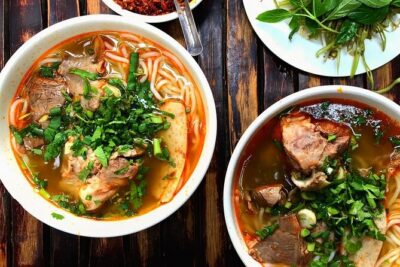
What dishes show up depends on the day, but you can expect Vietnamese classics such as pho and banh xeo. In one example set, the class included Chicken Pho, Shaking Beef, and fresh rolls—and those are the kinds of dishes that teach different skills: broth and seasoning for pho, heat control for beef, and assembly and crunch for fresh rolls.
Important detail: even though there’s a menu of four, the meal part includes three dishes. So you’ll cook multiple items, then sit down and eat a full set at the end. This structure keeps it satisfying, because you’re not just tasting three bites and calling it a day.
How the Class Actually Works (And Why It Feels Worth It)
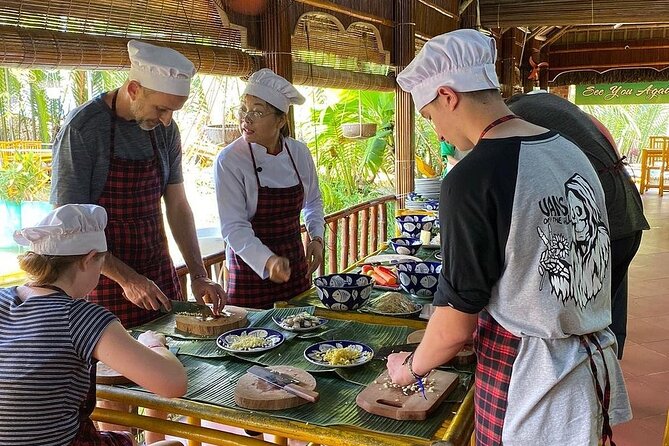
You’re welcomed at the meeting point, then your chef brings you into the cooking process. From there, you’ll follow English-speaking guidance from the main chef, who teaches you how to make each dish using the ingredients provided. The class includes the cooking equipment and all the ingredients, so you’re working with what you need, not adapting on the fly.
The best part is that the teaching style is practical. In past sessions, instructors like Alice have been described as sweet and attentive, checking in and helping in real time. That matters because Vietnamese dishes reward small adjustments. With a group this size, you can ask questions without feeling like you’re interrupting a performance.
Also, your chef isn’t only explaining recipes. The class aims to show you more of the culture behind the food—how families across Vietnam live and cook at home. You’ll likely hear things that connect flavors to everyday life: why certain herbs matter, how families think about meals, and how cooking is more than technique.
If you’re nervous about cooking, don’t be. The class is designed to work for both beginners and experienced cooks. You’re not expected to have skills already. You’re expected to learn.
Wider loops through the districts
- Cu Chi Tunnels Tour from HCM City – Morning or Afternoon★ 5.0 · 15,833 reviews
- From HCM City: Mekong Delta Tour with Sampan Journey★ 4.5 · 13,132 reviews
- Ho Chi Minh City Street Food Tour & Sightseeing By Motorbike★ 5.0 · 9,413 reviews
- Mekong Delta Guided Tour from Ho Chi Minh City★ 4.5 · 7,192 reviews
- Ho Chi Minh City: Cu Chi Tunnels Morning or Afternoon Tour★ 4.8 · 6,326 reviews
Cooking Pho and Friends: What You’ll Learn in Real Terms
Even without a written step-by-step itinerary on paper, you’ll understand the method as the class moves through each dish. Here’s what each of the common dish styles usually helps you learn:
Pho: Broth mindset and flavor balance
When you learn pho, you’re not just learning how to make noodles and pour broth. You’re learning how cooks think about building flavor—how the broth tastes, how you adjust, and how you don’t rush the process. Since pho is one of Vietnam’s best-known dishes, it’s a strong anchor for your Vietnamese cooking foundation.
Banh xeo: Texture and timing skills
Banh xeo tends to be about timing and texture. You’re dealing with a batter and a pan process that rewards attention. Even if your version isn’t perfect on the first try, the class setting helps you see what matters: heat level, distribution, and how to finish the dish correctly.
Shaking Beef and fresh rolls: Heat control and assembly
Dishes like Shaking Beef teach fast cooking and heat discipline. Fresh rolls teach assembly and balance, including how much to fill and how to roll neatly without breaking everything. In the class example set I saw, fresh rolls were part of the meal, and that’s the kind of dish that makes you feel instantly more confident because the method is learnable in one session.
The daily menu of four traditional dishes keeps this interesting. Even if you’re returning for a second cooking class later in your trip, you can choose different days and get different outcomes.
Lunch or Dinner at the Table: Turning Work Into a Meal
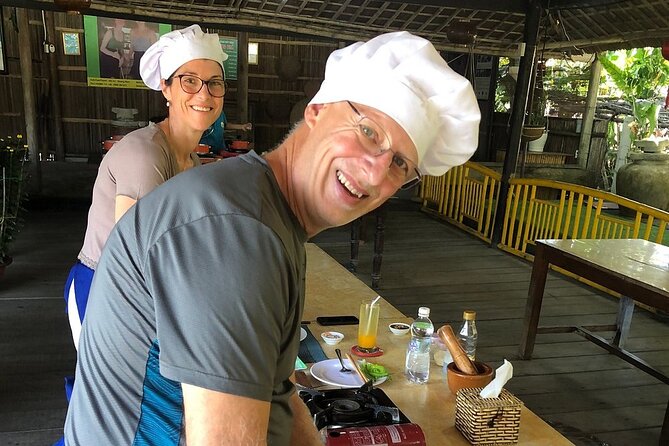
The class wraps with a meal where you sit down and enjoy what you made. This is a big deal. Cooking classes that end with a tiny sample can feel like homework without the reward. Here, the structure is designed for a real break after three hours of cooking.
You’ll eat lunch or dinner with three dishes. That means you get to taste your own pho, your own rolls, and whatever third dish is on the day’s menu. It’s also the moment where you can compare your plate to the chef’s explanations. If something tastes off, you can often connect why: too much of one ingredient, not enough attention to timing, or a seasoning step you might want to repeat at home.
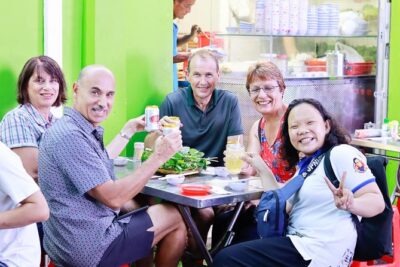
This is also where the social side shows up naturally. With a small group and a shared kitchen workload, conversation happens without forcing it. You’re cooking alongside people you likely didn’t know earlier, which makes the experience feel warm and human.
Getting the Most Out of Your Cooking Class
Here’s how to make this one go smoothly:
- Go hungry but not rushed. You’ll eat at the end, but you still want energy to cook.
- Ask one clear question per dish. You’ll remember it later when you try the dish again at home.
- Take it slow with ingredients. The class includes everything, but you’re still responsible for what you add and when.
- Watch how the chef adjusts. Many lessons are about tiny corrections, not big overhauls.
And if you’re the kind of person who likes to learn the “why,” you’ll likely enjoy the culture-focused approach. The goal isn’t only to teach you mechanics. It’s to give you a glimpse into daily life and how families across Vietnam eat and cook.
Who Should Book This Class in Ho Chi Minh City?
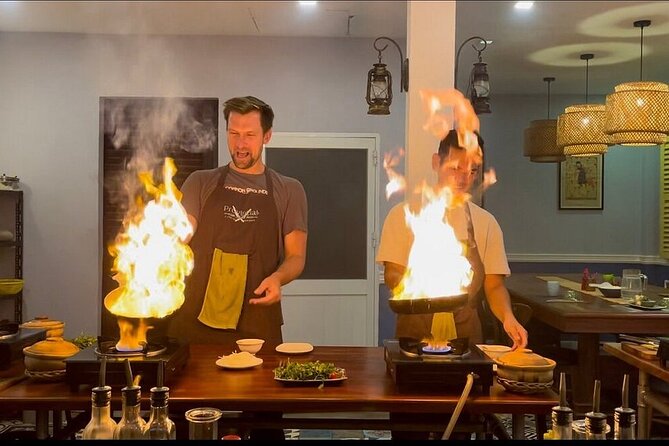
This cooking class is a good fit if you want hands-on Vietnam, not just sightseeing. It’s ideal for:
- Food lovers who want techniques, not just a tasting tour
- Beginners who want step-by-step guidance in English
- Small-group travelers who want interaction rather than a crowd
- Solo travelers and couples who don’t mind meeting new people in a shared kitchen
It may not be the best choice if you want hotel pickup or a very structured written itinerary with lots of stops. Since it starts at a District 1 meeting point and stays focused on the cooking and meal, plan to spend your time here rather than mixing it into a big sightseeing day.
Should You Book This Ho Chi Minh City Cooking Class?
I think you should book it if you want to leave Ho Chi Minh City with more than photos. For $55, you get a small-group, chef-led cooking session in a local home kitchen, ingredients and equipment included, and a full three-dish lunch or dinner at the end. That combo is hard to beat.
The main reason to hesitate is simple: no hotel pickup. If you’re comfortable getting yourself to 131/3 Đ. Nguyễn Thị Minh Khai, you’re set. If you prefer door-to-door convenience, you might find another option easier.
If you’re looking for an authentic, teach-you-something experience with a relaxed meal finish, this one is a strong pick.
FAQ
How long is the Ho Chi Minh City cooking class?
It lasts about 3 hours.
What does the price include?
The package includes an English-speaking tour guide (main chef), cooking equipment, ingredients, and lunch/dinner with 3 dishes.
What dishes will I cook?
You’ll cook from a menu of 4 traditional dishes that changes daily. The class can include Vietnamese favorites like pho and banh xeo, and in some sessions you may make dishes such as Chicken Pho, Shaking Beef, and fresh rolls.
Is hotel pickup and drop-off included?
No. Hotel pickup and drop-off are not included, and the activity starts and ends back at the meeting point.
How big is the group?
The class has a maximum of 10 travelers.
Can I cancel and get a refund?
Yes. You can cancel for a full refund if you cancel up to 24 hours in advance of the experience start time. If you cancel less than 24 hours before, the amount paid won’t be refunded.
The Districts, One by One


More Tour Reviews in Ho Chi Minh City
Cook It Yourself: Saigon Kitchens
Just Reviewed Around Saigon
- Secret walking Food Tour Ho Chi Minh City
★ 5.0 · 3 reviews - Ho Chi Minh City: Secret Cocktail Experience
★ 5.0 · 3 reviews - From Ho Chi Minh city: Vung Tau Beach Private Day Tour
★ 5.0 · 3 reviews - Saigoncholon
★ 3.5 · 3 reviews - Saigon On 2 Wheels
★ 3.5 · 3 reviews - From Ho Chi Minh City: Relax In Mui Ne Beach In 1 Day
★ 4.3 · 3 reviews
Saigon Cooking Classes, compared.
 ★ 5.0Cai Be Mekong Delta Tour: Cooking Class, Cycling & Craft VillagesFrom $391,881 reviews
 ★ 5.0Mekong Day Trip Explore Village Bicycle CookingClass Group 12 PaxFrom $29705 reviews
 ★ 5.0Chef Vu Cooking Class Plus Market Trip in Saigon Center (Pick up by Cyclo)From $46477 reviews
 ★ 4.8Immersive Cooking Class & Market Tour By Local Chef+CookbookFrom $33426 reviews
 ★ 5.0Immersive Cooking Class & Wet Market Tour by Local Chef +CookbookFrom $49367 reviews
 ★ 5.0Small-group 2-Day Mekong Delta: Floating market, Cooking Class…From $170194 reviews
 ★ 5.0Authentic Vietnamese Cooking Class with Market Visit in HCMcFrom $45182 reviews
 ★ 4.9Cooking Class with Ben Thanh Market visitFrom $4594 reviews
Browse the lists this tour appears in