
REVIEW · SAIGON CITY TOURS
Ho Chi Minh City: Half-Day Guided City Tour
Saigon’s big stories fit in four hours. I like the way this tour pairs major landmarks with straight talk about what happened there, and I especially love the chance to see Reunification Palace secret rooms with a guide who knows what to point out. One consideration: the schedule includes multiple stops that involve some walking and religious dress rules, so it may feel like a tight pace.
What makes it work for most visitors is the practical flow. You get pickup and drop-off in central Saigon, a live English-speaking guide, and admissions bundled for key sites, so you’re not wasting time ticketing and negotiating. The price is reasonable for a half-day with several major stops, but it’s not for people with mobility impairments or wheelchair users.
In This Review
- Key things I’d circle before you go
- Four Stops That Tell One Connected Saigon Story
- Ben Thanh Market: See Saigon’s Everyday Rhythm First
- Notre Dame Basilica (Saigon): French Neo-Romanesque Details Up Close
- Saigon Central Post Office: The Surprise Building at Alfred Foulhoux’s Hands
- Reunification Palace: Secret Rooms, Antique Furniture, and a Command Bunker
- War Remnants Museum: Context on the American War in Vietnam
- Jade Emperor Pagoda: A Living Place of Worship (Not Just a Photo Stop)
- Price and Value: Is $32 for Four Hours Worth It?
- Group Size, Timing, and the Pace You’ll Feel
- Who This Tour Fits Best (And Who Should Skip It)
- Should You Book This Saigon Half-Day Guided City Tour?
- FAQ
- How long is the Ho Chi Minh City half-day tour?
- What is the tour price?
- Is the tour guided in English?
- What attractions are included?
- What’s included in the ticket price?
- What should I bring?
- What clothing is not allowed?
Key things I’d circle before you go
- Small group size (up to 11) keeps the pace manageable and questions easy
- War Remnants Museum gives context on the American War in Vietnam before you move on
- Reunification Palace includes secret rooms and a command bunker, not just photo stops
- French-era architecture sightings at Notre Dame Basilica and the Central Post Office
- Jade Emperor Pagoda adds a living religious side, built by the Chinese community in 1909
The big Saigon sights in one loop



Four Stops That Tell One Connected Saigon Story
This is a half-day tour by car that strings together Saigon’s layers: French colonial style, everyday market life, and the wartime and postwar story that shaped modern Vietnam. I like that the route isn’t random. Each stop clarifies the next one, so you end the day with more than a list of sights.
And because it’s a small group, you’ll feel the guide’s attention. The experience is built around explanations: where you should look, what a building’s style is trying to say, and what those war-related places mean. You also get time at the market that’s more than a quick photo and go.
Ben Thanh Market: See Saigon’s Everyday Rhythm First
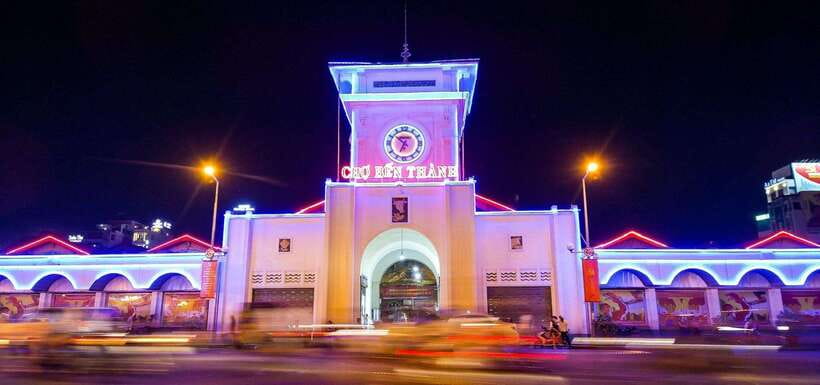
You start at Ben Thanh Market, built in 1914. Even if you’ve seen markets in other countries, this one has a distinct energy. Expect a lively mix: food, fruit, souvenirs, garments, and practical items like kitchen equipment. It’s the kind of place where your camera is never far from your hand because there’s always something in motion—sorting, calling out, and moving goods around.
What I like about starting here is the contrast. Before you hit big monuments, you get a sense of daily life. You’ll also learn what to look for as you walk through. It helps you understand that Saigon isn’t only history. It’s also commerce, family routines, and people making a living.
Practical tip: bring sunscreen and a hat even in shorter outings. Market streets can be hot and bright, and you’ll want to keep moving without feeling cooked.
Notre Dame Basilica (Saigon): French Neo-Romanesque Details Up Close
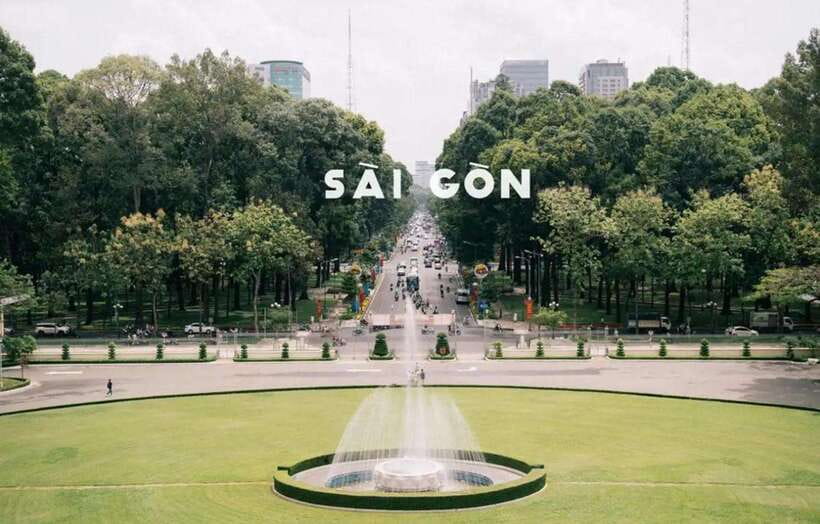
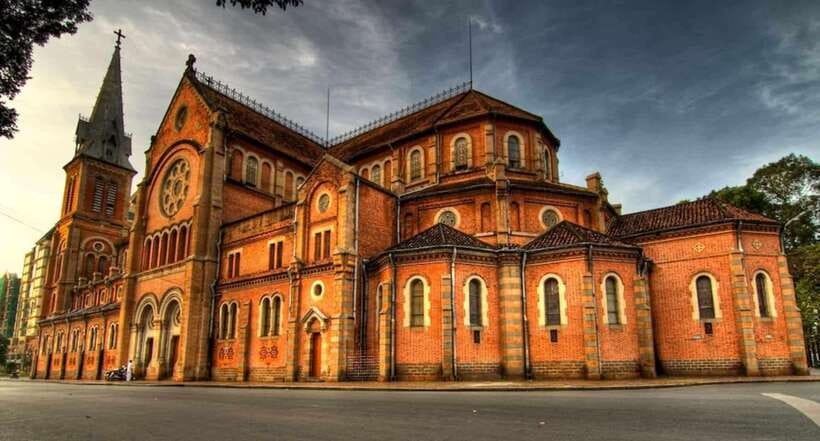
Next comes the Saigon Notre Dame Basilica, a neo-Romanesque church with materials imported from France. The basilica was designed in the 1870s by J. Bourad, a French architect, and you’ll see why that matters. The design choices don’t feel like vague colonial decoration. They feel intentional—built for an era when France was shaping architecture and authority across the region.
You’ll also have a check-in time at the basilica, which usually means you get the chance to pause properly and take photos without rushing. I’d treat this stop as a slow look moment. Pay attention to the architectural style and the materials, not just the big facade. Even if you’re not an architecture nerd, you’ll likely spot details that look too specific to be accidental.
Dress reminder: religious sites often have rules. This tour’s guidance keeps it simple: comfortable clothes, and skip shorts and short skirts.
Saigon Central Post Office: The Surprise Building at Alfred Foulhoux’s Hands
The Saigon Central Post Office is the kind of place you might walk by and then suddenly realize you’re staring at something special. It was built in 1891 by Alfred Foulhoux. Importantly, it wasn’t designed and constructed by Gustave Eiffel, even though many people make that comparison because of the silhouette and structural feel.
So what should you look for? Think structure and style. The building’s architecture is meant to be functional but still impressive. As you stand there, you’ll likely understand why it became a landmark. It’s not only a place to send mail—it’s a statement about communication and administration in the French colonial period.
I like that the guide helps connect the dots between this and the church you just saw. You start to recognize how French-era design shows up in different ways: religious authority on one street, civic identity on another.
Hand the map to a local, other guided days
- Mekong Delta Guided Tour from Ho Chi Minh City★ 4.5 · 7,192 reviews
- Mekong Delta Guided Tour from Ho Chi Minh City★ 5.0 · 1,086 reviews
- From Ho Chi Minh: Cu Chi Tunnels Half-Day History Tour with Guide★ 5.0 · 480 reviews
- Ho Chi Minh City: Guided Half-Day Tour with Hotel Pickup★ 4.4 · 455 reviews
- Half-Day Cu Chi Tunnels Guided Exclusive Experience with Pick Up★ 5.0 · 439 reviews
Reunification Palace: Secret Rooms, Antique Furniture, and a Command Bunker
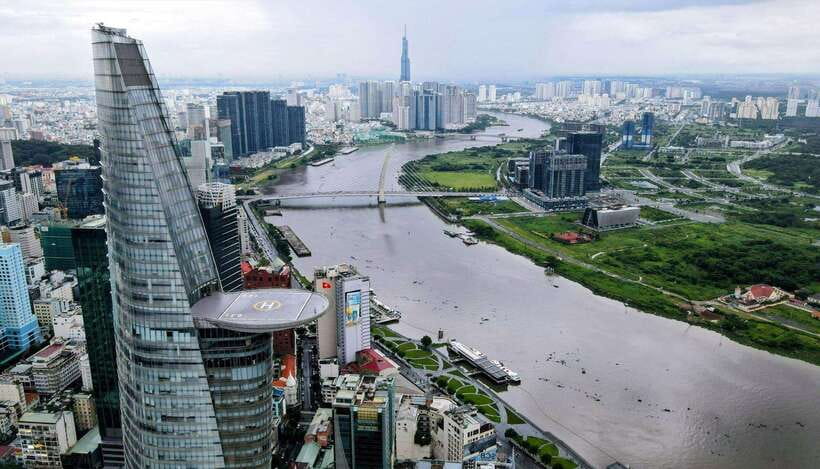
Then comes the emotional and historical centerpiece: Reunification Palace. It’s surrounded by large gardens, which matters because it slows you down before you step into the complex. The palace is remembered as a symbol of the end of the Vietnam War, but what you’ll experience on this tour is more tactile than slogan-based.
You’ll explore many secret rooms, see antique furniture, and visit the command bunker. Those aren’t generic “look and move on” stops. The guide’s job here is to help you understand what you’re seeing: how spaces were set up, what the rooms were for, and why certain details are notable.
One detail I really like in this itinerary is the mention of a feng-shui atmosphere. Even if you don’t follow feng-shui yourself, it’s a useful lens for reading how people think about space, power, and planning. It gives you another way to interpret the architecture beyond politics.
Photo note: there’s plenty to photograph, but don’t rush. A lot of what makes this palace interesting is inside.
Also, one small drawback to consider: the experience focuses on the areas included, and there’s no mention of going to the palace roof. If roof views are a must for you, you might want to plan a separate time for that elsewhere.
War Remnants Museum: Context on the American War in Vietnam
After the palace, the War Remnants Museum shifts the tone in a clear way. You’ll be learning more about the American War in Vietnam, and the guide’s “historical insights” are the key. This museum isn’t just about looking at photos or reading captions. It’s about putting those images into context so you understand why the exhibits exist and what they’re trying to communicate.
I like that this stop comes after Reunification Palace. You’ve just seen how political power and military planning played out in a place built for that purpose. Now you move to a museum that explains the human and historical consequences in a more direct way.
Because this topic can be heavy, bring patience for yourself. You may want short pauses for photos or to regroup if you feel overwhelmed. It’s totally normal in a museum like this, and it doesn’t mean you’re not absorbing it.
Jade Emperor Pagoda: A Living Place of Worship (Not Just a Photo Stop)
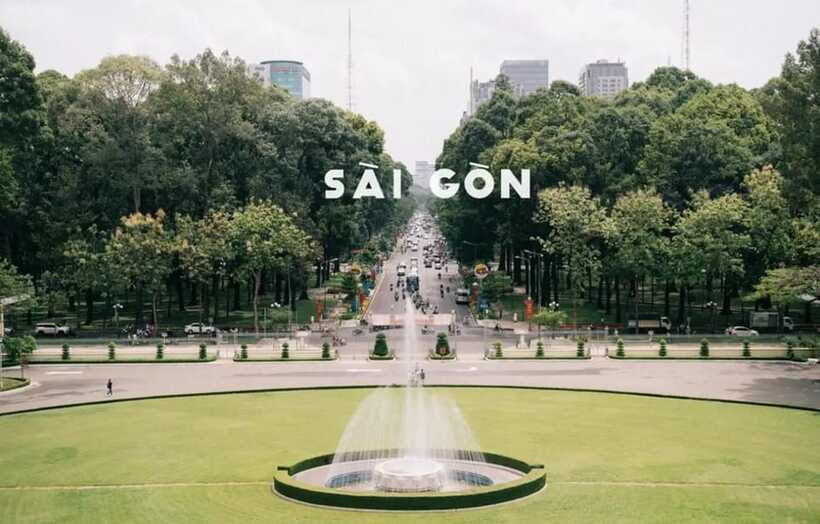
Finally, you’ll visit Jade Emperor Pagoda, built in 1909 by the Chinese community. This is one of those places where you can feel how religion is still part of everyday life. The guide frames it as a spiritual location local worshippers come to for things like career and love, especially prayers related to having babies.
It’s a different kind of stop from the war sites. Instead of history as a timeline, you get history as practice—beliefs carried through generations, still visited today.
If you’re respectful and observant, you’ll get more out of it than the biggest landmark photos. Try to watch how people behave. Notice offerings, prayer movements, and the pace of worship. These details help you understand the place as a functioning temple, not just a destination.
Dress code still matters here. Keep your clothing conservative enough to follow the tour’s guidance.
Price and Value: Is $32 for Four Hours Worth It?

At $32 per person for about four hours, this tour can be a solid value, mainly because of what’s included. You’re getting:
- Pickup and drop-off at the center of Saigon
- A live English tour guide
- Admission to all attractions
- Guided access to the secret rooms exploration at Reunification Palace
- Guided history and cultural stops (Ben Thanh Market, War Remnants Museum, Jade Emperor Pagoda)
You’re also getting transportation “between chapters.” In a city like Ho Chi Minh City, that matters because travel time can eat into sightseeing time if you’re doing it on your own.
Could you do these stops independently? Yes, but the cost of admissions plus the time you spend figuring out routes can easily stack up. The guide’s role is also the real value here: they’re helping you connect what you’re seeing to what it means, especially at the War Remnants Museum and in the palace rooms.
If you like your sightseeing organized, and you want the day to feel efficient without being frantic, this price tends to make sense.
Group Size, Timing, and the Pace You’ll Feel
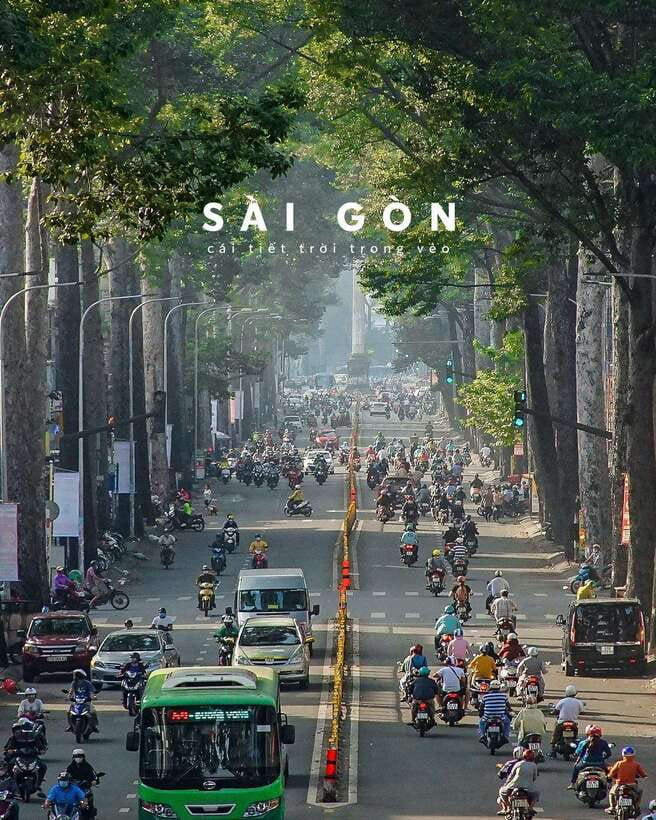
This is designed as a small group limited to 11 participants, which helps a lot. Big groups usually turn tours into a shepherding exercise. Small groups usually turn them into conversations—at least for parts of the route.
Expect a pace that works for a half-day: you’ll move through several major locations, but you won’t be stuck in one place all afternoon. The included market stop is your “break” in tone, while the palace and museum are the heavier mental lifts.
You should also plan for weather. Ho Chi Minh City can shift fast, and the guidance encourages you to be ready for various conditions. I’d treat it as a “dress for heat, but be ready for sudden changes” kind of day.
Who This Tour Fits Best (And Who Should Skip It)
This tour is a great fit if you want a clear overview of Saigon’s key sights without spending your day making transport decisions. It’s also ideal if you enjoy a guide who can explain architecture and historical meaning, not just point at buildings.
You might especially like it if you:
- want French-era landmarks plus war history in one route
- care about what rooms in Reunification Palace were used for
- prefer a guided visit to War Remnants Museum so you understand the context
Skip or rethink if you have mobility concerns. This experience is not suitable for people with mobility impairments and not suitable for wheelchair users, and it also isn’t listed for people over 95 years.
Also watch the dress rules. If you plan to wear shorts or short skirts, you may get turned back at religious sites, so plan ahead.
Should You Book This Saigon Half-Day Guided City Tour?
If you want a smart, efficient way to understand Saigon in one afternoon, I think this tour is worth your time. It hits the big names: Ben Thanh Market, Saigon Notre Dame Basilica, Saigon Central Post Office, Reunification Palace, War Remnants Museum, and Jade Emperor Pagoda. And the guide-led storytelling is the difference between seeing buildings and actually getting why they matter.
Book it if your priority is context and practical pacing. Don’t book it if you’re sensitive to heavy historical content or if you need wheelchair-friendly access. And if palace roof views are a must for you, know that what’s included is focused on secret rooms and the command bunker, not a rooftop detour.
If your schedule is tight and you still want the essential Saigon chapters, this is a very workable choice.
FAQ
How long is the Ho Chi Minh City half-day tour?
It runs for about 4 hours.
What is the tour price?
The price is $32 per person.
Is the tour guided in English?
Yes. The live tour guide speaks English.
What attractions are included?
The tour includes Ben Thanh Market, Saigon Notre Dame Basilica, Saigon Central Post Office, Reunification Palace, War Remnants Museum, and Jade Emperor Pagoda.
What’s included in the ticket price?
Pickup and drop-off at the center of Saigon, a friendly professional guide, admission to all attractions, plus guided visits tied to each stop, including the market visit and secret rooms exploration at the palace.
What should I bring?
Bring comfortable shoes, sunglasses, a sun hat, a camera, and sunscreen (the guidance also mentions biodegradable sunscreen). Wear comfortable clothes.
What clothing is not allowed?
Shorts and short skirts are not allowed, and the tour also restricts smoking and alcohol/drugs.
More Tours in Ho Chi Minh City





More Tour Reviews in Ho Chi Minh City
All of Saigon in a Day
Just Reviewed Around Saigon
- Secret walking Food Tour Ho Chi Minh City
★ 5.0 · 3 reviews - Ho Chi Minh City: Secret Cocktail Experience
★ 5.0 · 3 reviews - From Ho Chi Minh city: Vung Tau Beach Private Day Tour
★ 5.0 · 3 reviews - Saigoncholon
★ 3.5 · 3 reviews - Saigon On 2 Wheels
★ 3.5 · 3 reviews - From Ho Chi Minh City: Relax In Mui Ne Beach In 1 Day
★ 4.3 · 3 reviews
Saigon City Tours, compared.
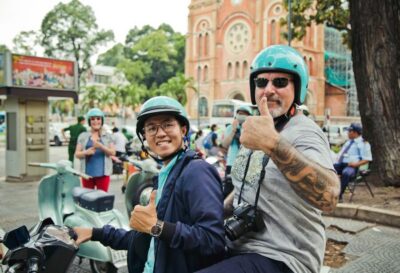 ★ 4.9City Highlights and Saigon Unseen Scooter Combo TourFrom $251,366 reviews
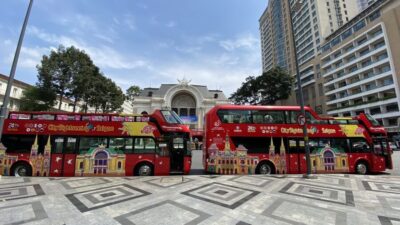 ★ 4.2City Sightseeing Hop-On Hop-Off Bus TourFrom $211,080 reviews
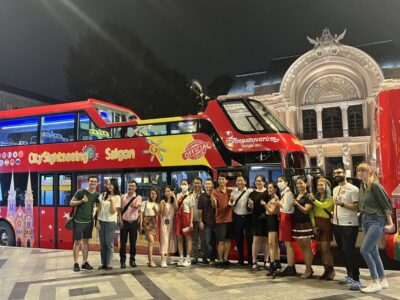 ★ 4.3City Sightseeing 45-Minute Panoramic Night TourFrom $7964 reviews
 ★ 5.0Small-group Saigon City Tour: 4-Hour Must-see Iconic LandmarksFrom $30788 reviews
 ★ 5.0Essential Mekong Delta: Highlights Tour from Ho Chi Minh CityFrom $23636 reviews
 ★ 5.0Daily Small Group Tour to Saigon City and Cu Chi TunnelsFrom $50412 reviews
 ★ 5.0Ho Chi Minh City Tour by Motorbike with Female Riders | KissTourFrom $46330 reviews
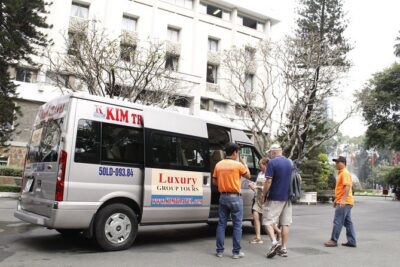 ★ 5.0Cu Chi Tunnels – Tapioca & City Tour (6 Major Attractions) 1 dayFrom $72285 reviews
Browse the lists this tour appears in