
REVIEW · CITY TOURS
Ho Chi Minh City – Meditation retreat – 3 days 2 nights
Quiet gets scheduled here, not promised.
I love the real rhythm of monastery life—sleeping on the pagoda grounds and following the same daily cues as the monks and nuns. I also like how the retreat mixes meditation practice with hands-on volunteer work, so the calm doesn’t feel like a performance.
One thing to consider: mornings start early, and the days are intentionally quiet and structured, so you’ll need to be okay with simple routines and solemn rituals.
In This Review
- Key things to know before you go
- Thien Ton Phat Quang Pagoda: Monastery Life, Not a Vacation Set-Up
- Day 1: Transfer from Ho Chi Minh City, Vegetarian Meals, and First Service
- Day 2: Great Bell Meditation, Qigong Breaks, and More Volunteer Time
- Day 3: Closing Bell Energy and a Last Morning of Service
- The Meditation Technique and Buddhist Doctrines You’ll Be Learning
- Meals, Quiet Rules, and the Practical Side of Being in a Monastery Space
- Price and Value: What $99 Covers (and What It Doesn’t)
- Who This Retreat Fits Best (and Who Might Want a Different Style)
- Should You Book This 3-Day Meditation Retreat?
- FAQ
- FAQ
- How long is the retreat?
- Where does the retreat take place?
- What’s included in the price?
- What is not included?
- How far is the pagoda from Ho Chi Minh City?
- What language is used for the instruction?
- What do I do during the volunteer work?
- What meditation and ritual activities are part of the retreat?
- Are there any rules I need to follow?
- Is there free cancellation?
- How do I handle pickup or drop-off requests?
Key things to know before you go
- Thien Ton Phat Quang Pagoda living: accommodation right at the sanctuary, with a monastic pace
- Meditation + Buddhist rituals: chanting, reading, and prostrations built into the schedule
- Volunteer work is part of the training: tasks like making cakes, tofu, tea, and fabric painting
- Great Bell mornings: early sessions for meditation and chanting that set the tone fast
- Qigong/martial art practice: a physical reset between structured meditation blocks
Wider loops through the districts



Thien Ton Phat Quang Pagoda: Monastery Life, Not a Vacation Set-Up
This retreat is centered on Thien Ton Phat Quang Pagoda, about a 2.5-hour ride from Ho Chi Minh City center (roughly 90km). You’re not just visiting for photos. You’re staying on-site, eating vegetarian meals there, and following a schedule that feels designed for practice—not comfort theater.
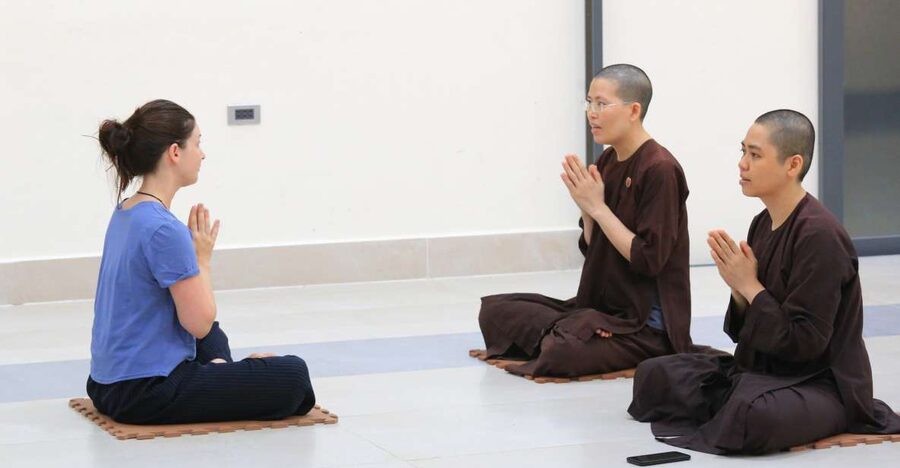
What you’ll likely notice first is the atmosphere: calm, rule-based, and focused. You’ll live alongside monks and nuns, so you’re not guessing how monastic life works. It’s right there in daily routines: when people rise, when they chant, when they work, and when quiet becomes the default.
The other practical upside: the retreat includes your full board vegetarian food and pagoda accommodation, plus entrance fees. That matters in Vietnam, where it’s easy to underestimate how quickly add-ons stack up. Here, the basics are covered, and you can focus on what you came for: training attention and learning Buddhist teachings through repeated practice.
Day 1: Transfer from Ho Chi Minh City, Vegetarian Meals, and First Service
Day one starts with your transfer out of the city toward Vung Tau and Phat Quang Pagoda. Once you arrive, lunch is vegetarian and simple—enough to settle your stomach without slowing the day down. If you’re used to eating out late in the city, think “practical fuel” instead.
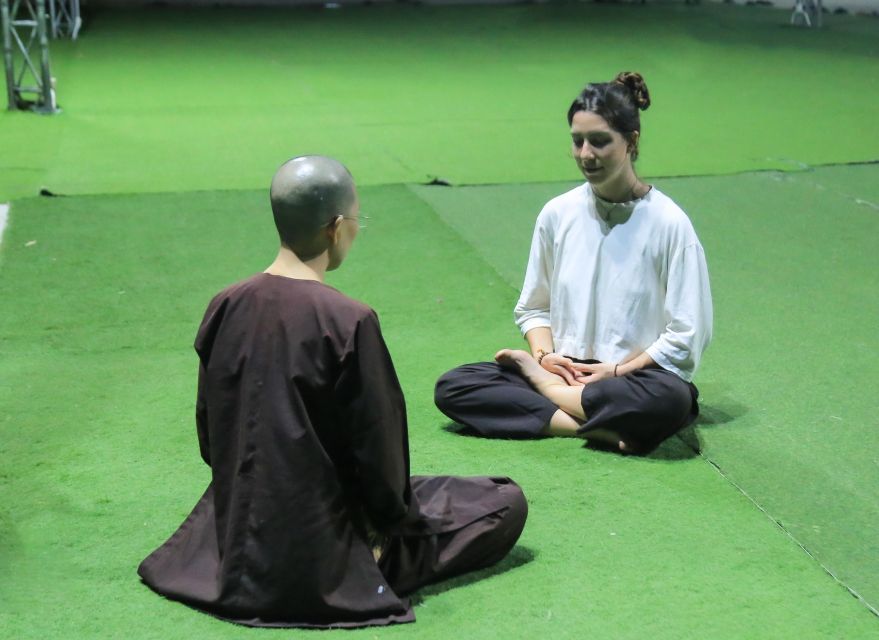
In the afternoon, you’ll get your first meditation session. The retreat is built around learning the correct method of meditation, not just sitting quietly and hoping for the best. You’ll also spend time around Buddhist practice elements—chanting and reading later in the day—so your meditation isn’t floating off on its own. It’s connected to doctrine and ritual, which is exactly what makes this retreat different from a generic stress-relief workshop.
Then comes the part that I think most people underestimate: volunteer work. On day one you’ll help with tasks like making cakes/tea/tofu or painting on fabric. It’s not random busywork. The retreat frames this service as a way to gain blessing for life and for meditation. Even if you approach it from a purely practical angle, there’s value here: your mind stays active, but your heart stays in that same “practice mode,” especially when you’re working in a group with clear instructions.
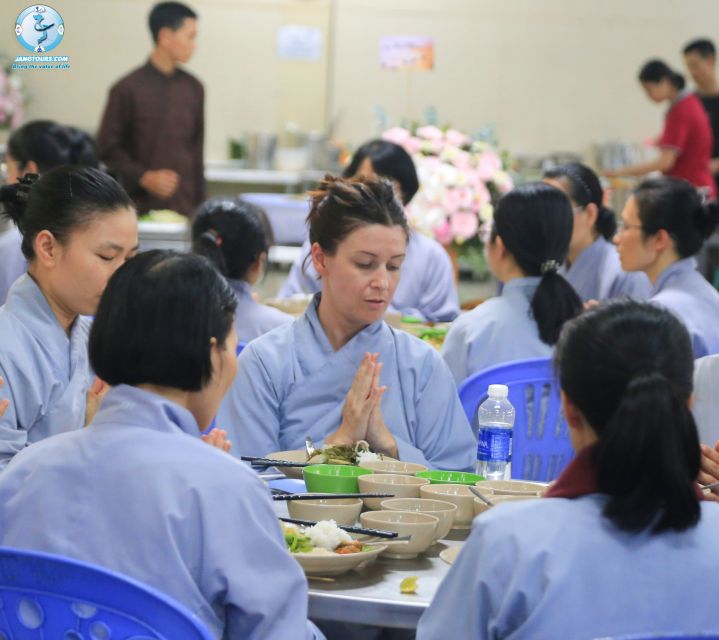
Later you’ll have vegetarian dinner, then you’ll join chanting, reading books, and closing with meditation, including a prostration to Buddha. It’s a long day, but the structure keeps you from wandering aimlessly. You end where you started: on the path toward quiet focus.
Day 2: Great Bell Meditation, Qigong Breaks, and More Volunteer Time
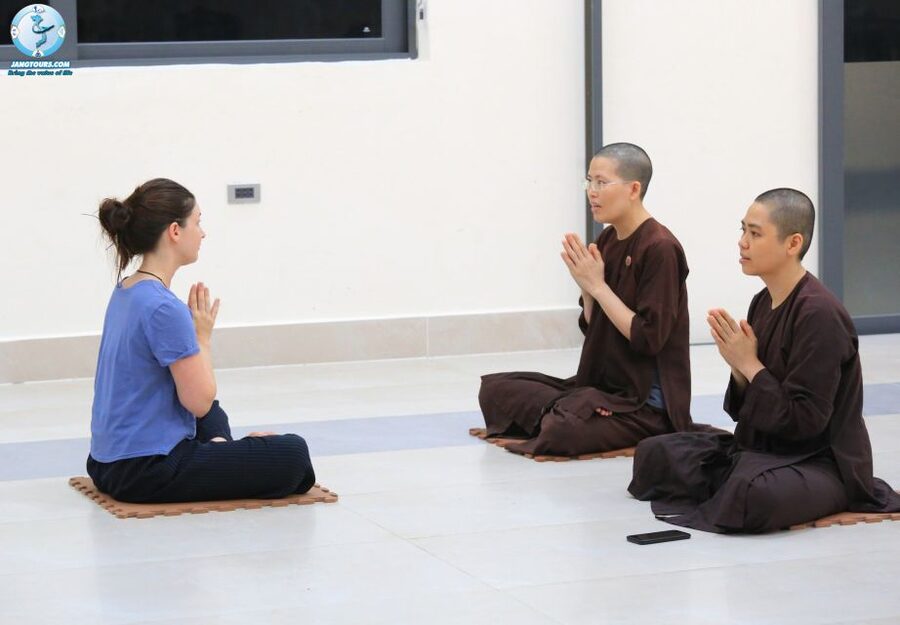
Day two is where the retreat really “turns on.” You’ll experience the Great Bell early—an intense, grounding start for meditation and chanting. Waking up for this is not optional in spirit, because the bell sets the timing for everyone. It’s the kind of morning that makes it clear you’re living inside someone else’s timetable.
After that, you’ll do Qigong and/or martial art practice. This is a smart addition for beginners and non-beginners alike. Meditation can feel heavy if your body is stiff or tense. Qigong gives you a physical reset without breaking the day’s discipline. It’s also a reminder that Buddhism here isn’t only about sitting; it’s about training mind and body together.
Breakfast follows, then you’ll do more volunteer work, again including making cakes/tea/tofu or painting fabric, plus tasks like picking vegetables. This repetition matters. You’re practicing how to stay attentive while your hands are busy. That’s very different from focusing only during formal meditation periods.
In the afternoon you’ll return for another meditation session, then continue with additional volunteer time that may include cooking and similar tasks. The schedule ends with vegetarian dinner, chanting, reading, and another prostration to Buddha. Then you head to sleep.
One consideration: because day two is dense, you should go in prepared for a slower, less flexible pace. If you need your day to be free-form or you hate repeating the same routines, this may feel strict. If you want training through repetition, it’s ideal.
Day 3: Closing Bell Energy and a Last Morning of Service
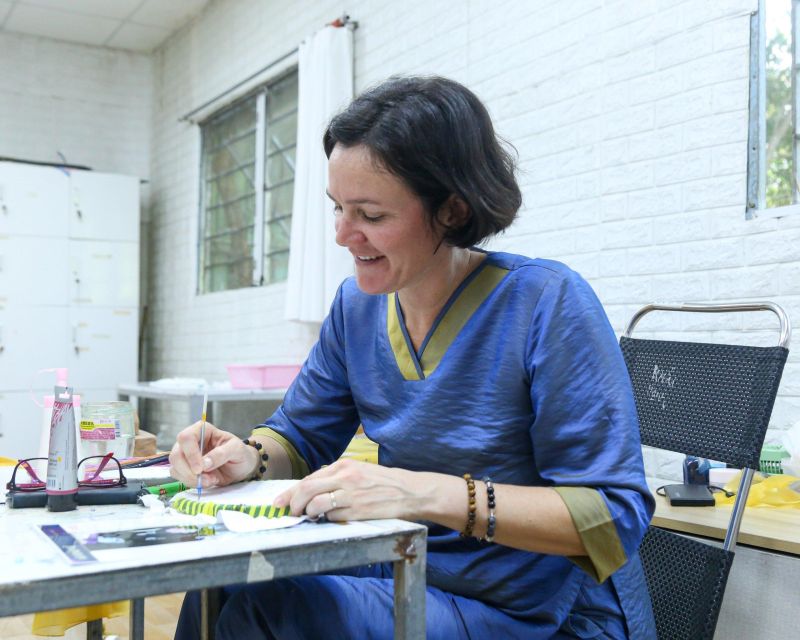
Day three keeps the retreat’s tone steady. You’ll do another early Great Bell meditation and chanting session, followed by Qigong/martial art practice, breakfast, and then a final volunteer block.
The volunteer tasks typically include making cakes/tea/tofu or painting fabric, plus vegetable picking. Again, it’s not about doing one big heroic act. It’s about steady participation. You’ll likely appreciate that by the end: your mind learns the pattern, and your role stops feeling like an interruption and starts feeling like part of the calm.
After a vegetarian lunch, you’ll head back to Ho Chi Minh City, returning to the meeting point. It’s not a long goodbye. There’s a practical reason for that: the retreat is designed as a complete container, and then it releases you back into the city’s noise.
A few Saigon tours to weigh against this one:
- Ho Chi Minh: 3-Day Mekong Delta & Optional Exit to PhnomPenh★ 4.8 · 273 reviews
- Mekong Delta 3-Day: Saigon to Phnom Penh Gateway★ 4.5 · 234 reviews
- 3-Day Mekong Delta Tour including: Cai Rang floating market★ 5.0 · 65 reviews
- 3D2N Mekong – Floating Market – Chau Doc – Boat To Phnom Penh★ 5.0 · 61 reviews
- Incredible Mekong Delta Tour 3-day from Ho Chi Minh City★ 5.0 · 55 reviews
The Meditation Technique and Buddhist Doctrines You’ll Be Learning
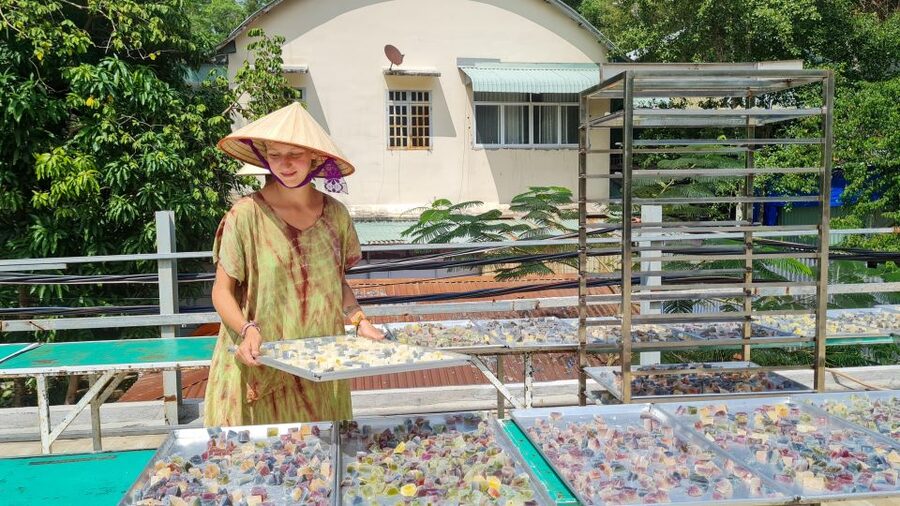
What makes this retreat more than just “sit quietly” is the way it’s paired with teaching. The focus is on learning the correct meditation method and studying Buddhist doctrines alongside that practice. In a lot of meditation settings, you either get theory with no structure or structure with no explanation. Here, you get both, tied together through the day’s rituals.
You’ll also experience practice tools beyond the cushion: chanting, reading books, and prostration to Buddha. These aren’t just cultural extras. They reinforce mindfulness and attention through rhythm and bodily movement. Prostration, in particular, can feel unfamiliar at first, but it also makes the mind focus on a physical sequence—almost like guided mindfulness without needing to force concentration.
There’s also something you’ll do called wholesome seed, which fits that theme of cultivation: planting intentions through ritual action. I like this approach because it stops meditation from being only a mental activity. It becomes behavior—how you move, how you speak, how you serve, and how you return to stillness.
Meals, Quiet Rules, and the Practical Side of Being in a Monastery Space
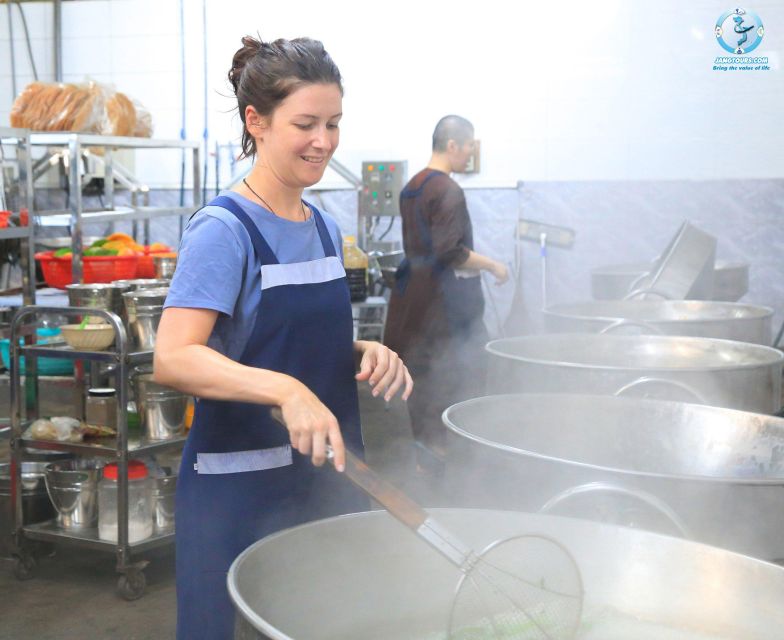
Food is vegetarian and included: lunch and dinner each day, plus breakfast. You’ll also likely be asked to help with routine tasks such as washing the dishes. That’s one of the most honest parts of any spiritual retreat: it’s not only about belief. It’s about participation.
The retreat also has clear behavior guidelines. You won’t be allowed alcohol and drugs, you should avoid making noise, and you’ll want to be mindful with clothing—short skirts are not allowed. If you’re coming from the city in casual outfits, do yourself a favor and pack simple, modest clothing you already feel comfortable moving in.
The other “rule” you’ll feel, even if nobody says it, is that the environment rewards quiet effort. You’re surrounded by people treating the place respectfully. That makes it easier to stay in the retreat mindset without constantly fighting your phone habits or your urge to narrate everything.
Price and Value: What $99 Covers (and What It Doesn’t)
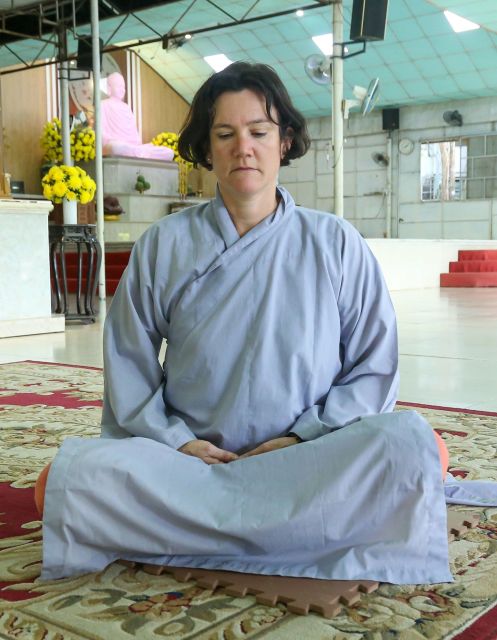
At $99 per person for 3 days and 2 nights, the headline value is that you’re getting a full package for your retreat time: pagoda accommodation, full vegetarian meals, entrance fees, and an on-site local guide. You also get access to structured practice—meditation sessions, chanting, reading time, and ritual elements—plus the volunteer/service component.
What’s not included is also important for planning your total cost: transportation to and from the pagoda. The retreat is about 2.5 hours from Ho Chi Minh City center, and pickup/drop-off guidance isn’t included. If you’re traveling light and thinking you’ll rely on public transport or a quick taxi run, confirm how you’ll actually get there from your specific starting point.
Bottom line: $99 looks like a bargain because the basics are handled. If you have to pay separately for transport, your final number will change—but you’re still likely paying less than you would for a typical “meditation weekend” in a city setting where meals and instruction often aren’t bundled.
Who This Retreat Fits Best (and Who Might Want a Different Style)
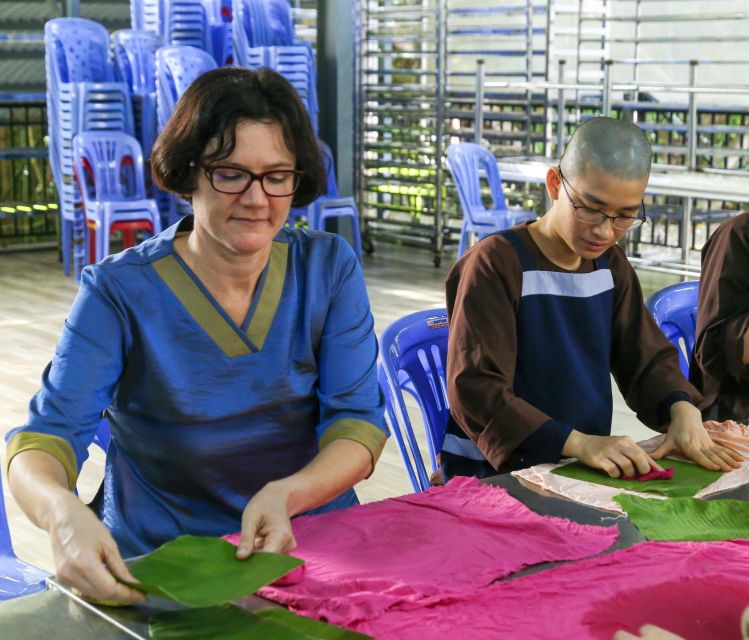
This retreat is a great match if you want structured spiritual practice and you’re okay with early starts, repetition, and solemn rituals. Living alongside monks and nuns is central here, so the experience is less about comfort and more about training.
It’s also a strong fit if you learn well through doing. The volunteer work—making cakes, tea, tofu, painting on fabric, cooking, and vegetable picking—turns the retreat into something you participate in, not just watch.
You might consider a different option if you:
- want lots of free time to explore gardens or wander around at your own pace (the days are tightly scheduled)
- dislike quiet rules like avoiding noise and following simple dress expectations
- need a flexible itinerary day after day
That said, the feedback people tend to love most is exactly what you’ll likely feel too: welcoming community, meaningful learning, and a calm that comes from steady routine rather than a one-off class.
Should You Book This 3-Day Meditation Retreat?
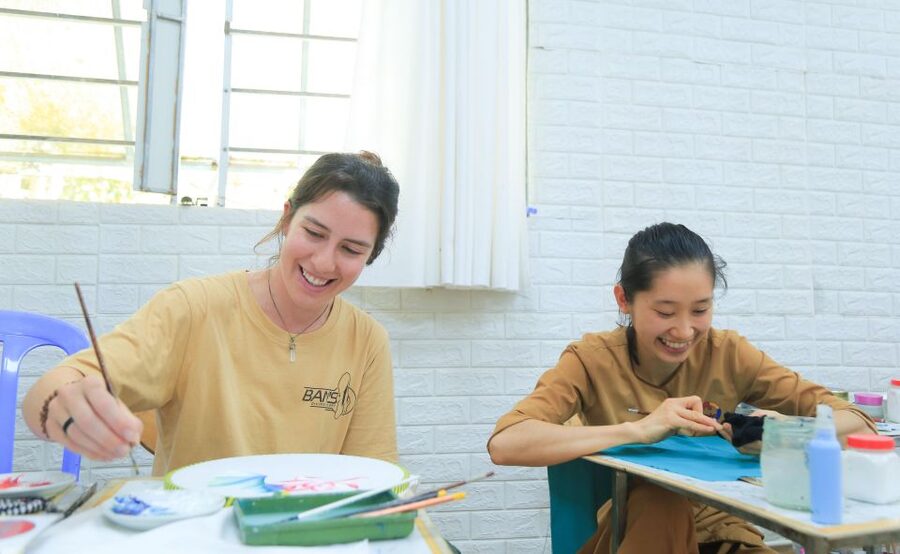
If your goal is to learn meditation technique, understand Buddhist teachings through real ritual, and get that “practice day” feeling without constantly managing logistics, then yes—this retreat is worth your attention. It’s also good value because meals, accommodation, and access to structured practice are included.
I’d book it if you’re excited by repetition, early mornings, and working as part of a community. I’d think twice if you want a laid-back getaway with lots of sightseeing time.
FAQ
FAQ
How long is the retreat?
It runs for 3 days and 2 nights.
Where does the retreat take place?
It takes place at Thien Ton Phat Quang Pagoda (also referred to as Phat Quang Pagoda during the program).
What’s included in the price?
The retreat includes a local guide on the spot, full board vegetarian meals, accommodation in the pagoda, and entrance fees.
What is not included?
Transportation to and from the pagoda is not included, and pickup/drop-off guidance is also not included.
How far is the pagoda from Ho Chi Minh City?
It’s about 2.5 hours from Ho Chi Minh City center, roughly 90km away.
What language is used for the instruction?
The retreat is guided in English.
What do I do during the volunteer work?
You may help with activities such as making cakes, tea, tofu, painting on fabric, cooking, and picking vegetables.
What meditation and ritual activities are part of the retreat?
You can expect meditation sessions, chanting, reading books, prostration to Buddha, and Great Bell meditation/chanting on the early mornings.
Are there any rules I need to follow?
Short skirts are not allowed. Alcohol and drugs are not allowed. You also need to avoid making noise.
Is there free cancellation?
Yes. You can cancel up to 24 hours in advance for a full refund.
How do I handle pickup or drop-off requests?
If you want pickup or drop-off services, contact the provider by email or WhatsApp since those services are not automatically included.
More 3-Day Experiences in Ho Chi Minh City

The Districts, One by One
More Tour Reviews in Ho Chi Minh City
Just Reviewed Around Saigon
- Secret walking Food Tour Ho Chi Minh City
★ 5.0 · 3 reviews - Ho Chi Minh City: Secret Cocktail Experience
★ 5.0 · 3 reviews - From Ho Chi Minh city: Vung Tau Beach Private Day Tour
★ 5.0 · 3 reviews - Saigoncholon
★ 3.5 · 3 reviews - Saigon On 2 Wheels
★ 3.5 · 3 reviews - From Ho Chi Minh City: Relax In Mui Ne Beach In 1 Day
★ 4.3 · 3 reviews
City Tours, compared.
 ★ 4.7Cu Chi Tunnels Morning or Afternoon TourFrom $1319,646 reviews
 ★ 5.0Cu Chi Tunnels Tour from HCM City – Morning or AfternoonFrom $1515,833 reviews
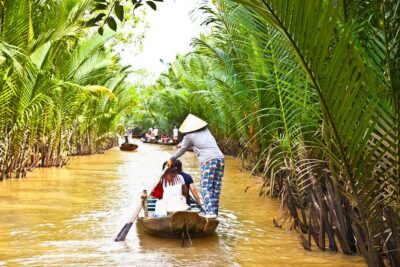 ★ 4.5Mekong Delta Tour with Sampan JourneyFrom $1613,132 reviews
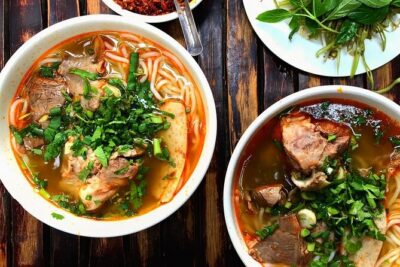 ★ 5.0Ho Chi Minh City Street Food Tour & Sightseeing By MotorbikeFrom $289,413 reviews
 ★ 4.5Mekong Delta Guided Tour from Ho Chi Minh CityFrom $187,192 reviews
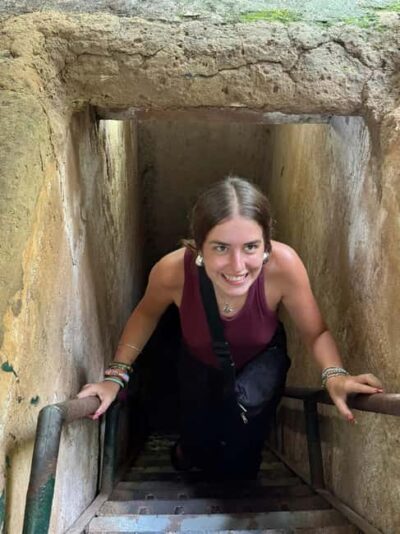 ★ 4.8Cu Chi Tunnels Morning or Afternoon TourFrom $136,326 reviews
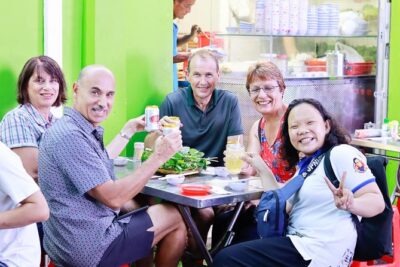 ★ 5.0Private Street Food Evening Walking Tour in Ho Chi Minh CityFrom $493,175 reviews
 ★ 5.0Top Notch Street Food Motorbike Tour In Ho Chi Minh CityFrom $292,667 reviews
Browse the lists this tour appears in