
REVIEW · SAIGON COOKING CLASSES
Ho Chi Minh City: Vietnamese Homestyle Cooking Class
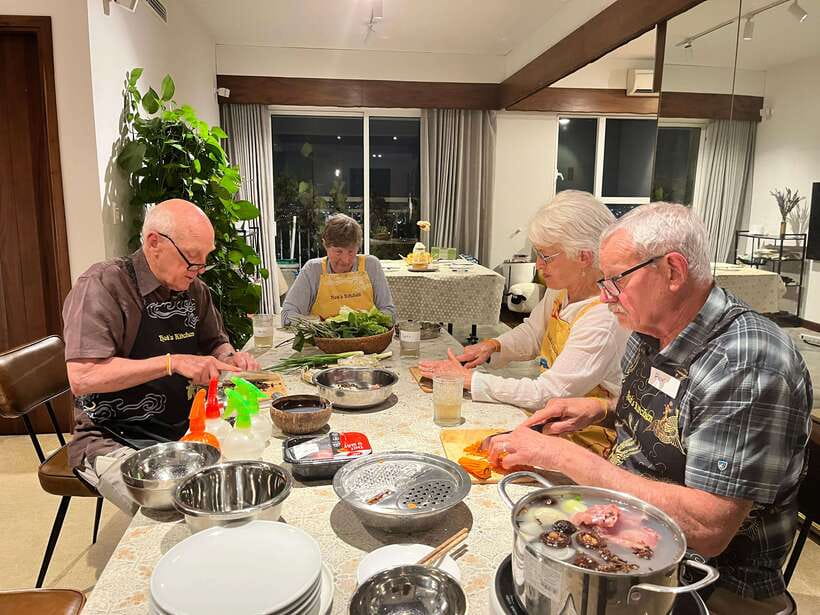
A home-cooked lesson in a real apartment. This Vietnamese homestyle cooking class in Ho Chi Minh City is about traditional recipes taught in the kind of warm, local setting you picture when you think Saigon “home cooking.” You’ll start from scratch, cook together, and use high quality ingredients with no MSG.
Two things I really like: first, the pace is friendly and step-by-step, so you actually learn techniques (not just watch). Second, the class stays small—up to 6 people—so questions don’t get swallowed by the crowd. One possible drawback: there’s no pickup, so you’ll want to plan your own ride to the meeting point in District 4.
In This Review
- Key reasons this class works (and feels personal)
- Why this homestyle class feels like dinner at a friend’s place
- What you’ll cook: 2–3 dishes chosen from the Saigon comfort-food menu
- The 3-hour flow: from first cuts to sitting down together
- How dietary needs are handled (vegan, vegetarian, and gluten-free)
- Ingredients, flavor, and technique: what you’re really learning
- Price and value: why $39 feels fair here
- Getting there (no pickup) and planning your timing
- Who should book this class in Ho Chi Minh City?
- Should you book Hoa’s Kitchen homestyle class?
- FAQ
- How long is the Vietnamese homestyle cooking class?
- How many dishes will I cook?
- Do you include a market visit?
- Is pickup service included?
- Can the menu be adjusted for vegetarian, vegan, or gluten-free diets?
- What group size and language should I expect?
Key reasons this class works (and feels personal)
- Small group (up to 6) in a true home setting, not a factory-style kitchen
- No MSG and fresh, high quality ingredients
- English instruction with hands-on guidance, not a lecture
- Choose 2–3 dishes from a long list, and request specific dishes when booking
- Diet-friendly options including plant-based versions of selected dishes
Roll up your sleeves in another Saigon kitchen


Why this homestyle class feels like dinner at a friend’s place
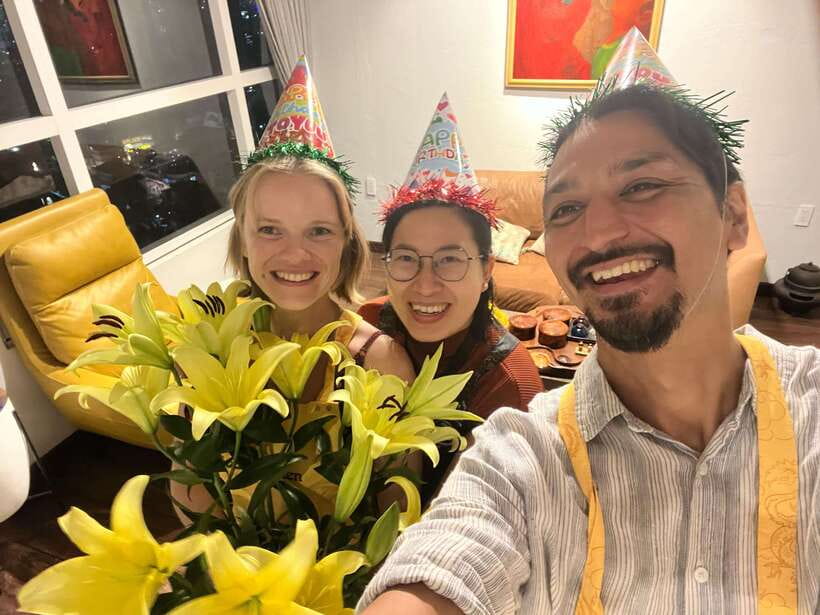
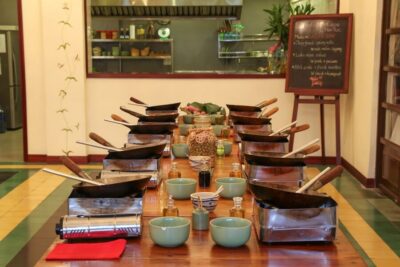
If you’ve ever done one of those big cooking tours where everyone stands in lines and you feel like a tourist holding a spoon, this feels different. The whole point is homestyle—like you’re invited into a Vietnamese friend’s kitchen and taught how the food is really made at home.
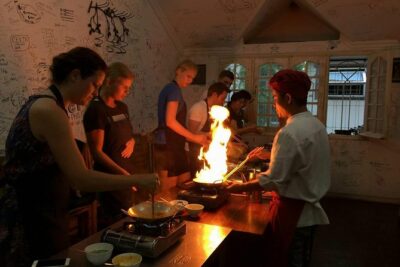
Hoa (Hoa’s Kitchen) runs the class with that warm, welcoming energy people talk about in reviews. You’ll get a sense that you’re not just learning recipes—you’re learning how Vietnamese cooks think about ingredients, flavor balance, and timing. The setting is an apartment kitchen and dining space, so the class naturally turns into conversation. One review even describes a cozy welcome moment like a homemade lemongrass drink, and that’s exactly the vibe: you settle in, then you cook.
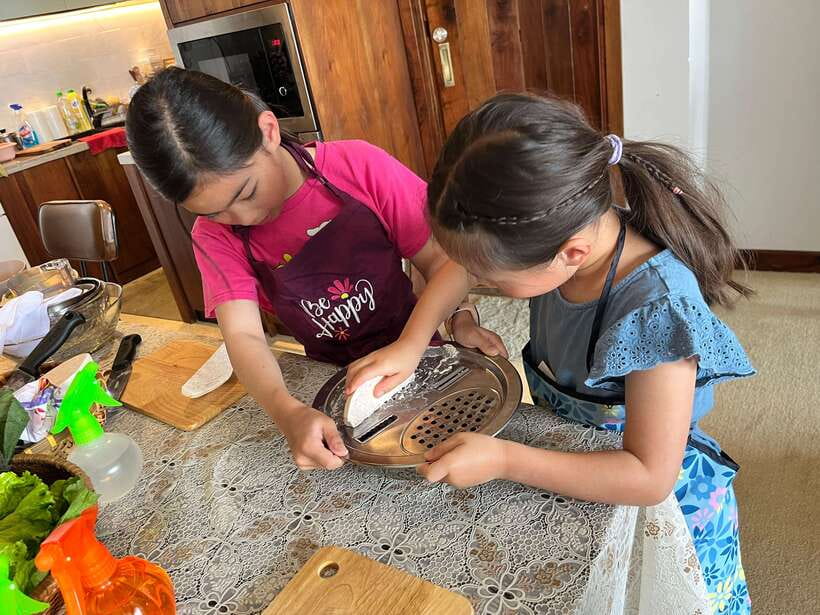
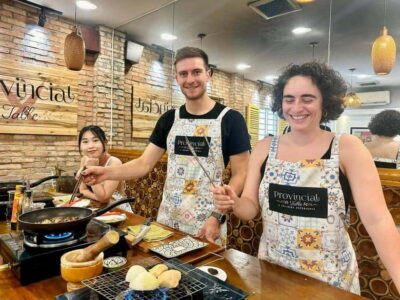
The hands-on part matters. You aren’t stuck behind a counter watching someone else do the work. Instead, you cook alongside the instructor and her assistant. Reviews repeatedly mention the class doesn’t feel rushed—meaning you’ll have enough time to do the steps, not just rush through them for photos.
What you’ll cook: 2–3 dishes chosen from the Saigon comfort-food menu
The class runs about 3 hours, and the core promise is that you’ll cook 2–3 dishes from scratch. Your exact menu depends on your group and what you request at booking, but you’ll choose from a pretty classic Vietnamese lineup.
Here are the dishes offered (you can ask for specific ones in advance):
- Bún thịt nướng / Bún bò Nam Bộ: stir-fried beef or grilled chicken/pork noodles
- Bánh xèo: Vietnamese savory pancake (with chicken/pork/prawn)
- Phở gà: chicken noodle soup
- Chả giò: fried spring rolls (chicken/pork)
- Bún cá: fish noodle soup
- Mì xào bò: stir-fried noodles with beef
- Bánh cuốn: rice crepe rolls
- Gỏi: mango/papaya/pomelo/cabbage salads
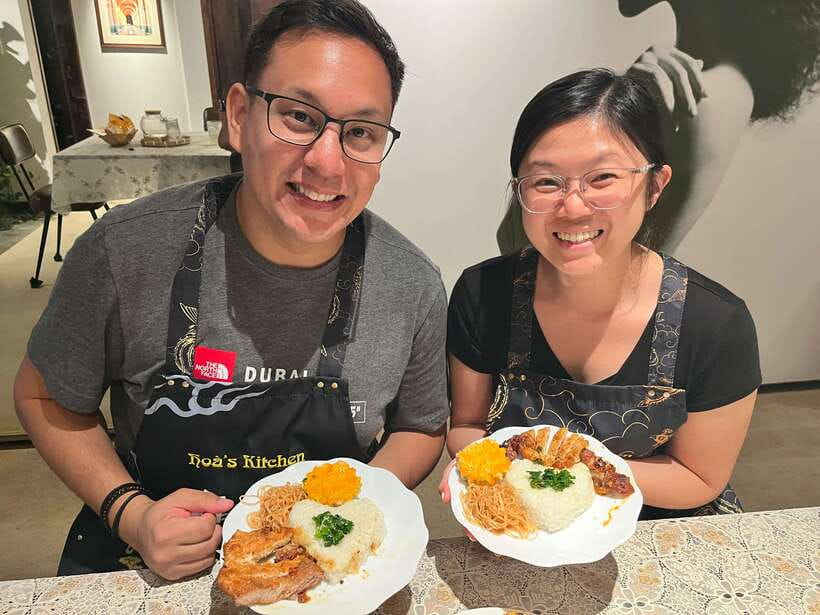
- Cơm tấm: grilled pork and broken rice
- Cá kho: braised fish
- Thịt kho: braised pork
- Gà sả ớt: chicken with lemon grass
A lot of the value here is practical: these are dishes you can recognize later when you eat them in Vietnam. You’re learning how they’re built—so tasting them afterward makes more sense.
If you want a simple plan, pick dishes that represent different cooking skills. For example:
- One soup (like phở gà or bún cá) for broth and noodles
- One “crispy” item (like bánh xèo or chả giò) for frying technique
- One salad or noodle plate (like gỏi or bún bò Nam Bộ) for fresh, punchy flavors
And yes, spring rolls come up often as a favorite—so if you like the idea of learning something that feels impressive but still doable, chả giò is a great target.
The 3-hour flow: from first cuts to sitting down together
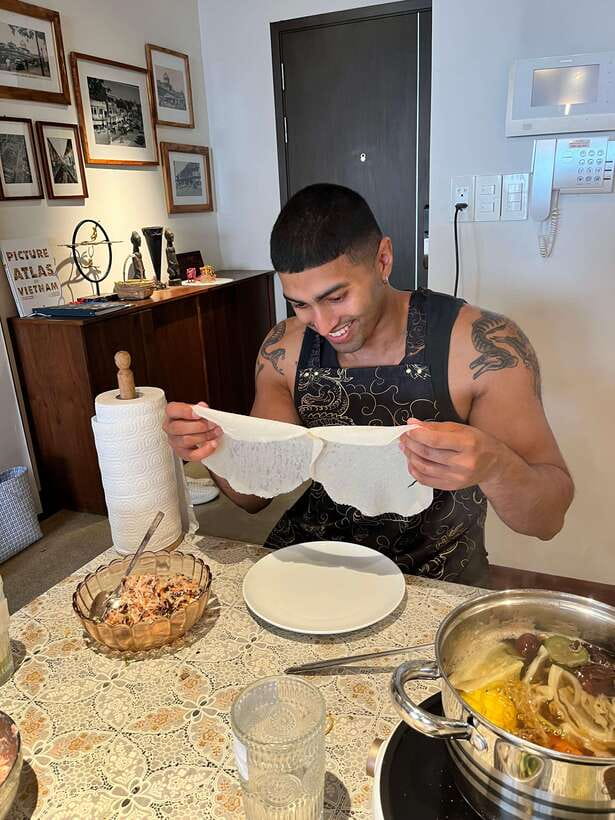
The class starts at the meeting point in District 4, then you’ll arrive to cook in the home setting. From there, the rhythm is usually:
1) You start from scratch
You’ll prep ingredients and learn what matters most for that particular dish—like how you cut, season, and plan timing.
2) Hoa guides step-by-step, then turns it over to you
Instruction is explained in English, and you’ll get demonstrations before you take the lead. Reviews repeatedly highlight that nothing felt rushed and that everyone had something to do.
3) You cook together for a shared meal
One detail to know: it’s not set up as separate stations for each guest. The whole menu is cooked together in the same home kitchen. That can be a plus (you feel like part of the group), but it also means you may share space and tools.
4) You eat what you make
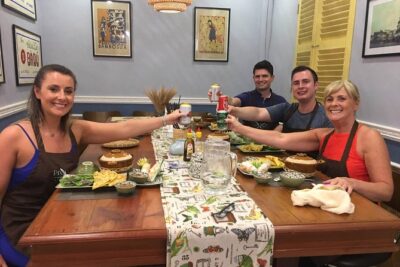
The goal is not just cooking—it’s tasting. You sit down and enjoy the dishes you made, which is usually where “homestyle” lands emotionally. It feels like you cooked dinner, not completed a task.
5) You leave with support materials
Some reviews mention photos taken during the class and that you get carefully composed recipes after. That’s huge for repeat value—because you can actually make the dishes later instead of remembering vague steps.
And if you’re lucky, you might get a small cultural bonus. One review notes that after the cooking, they were offered a dragon painting activity with an artist. That doesn’t appear as a guaranteed add-on in the core details, so think of it as a possible extra if it’s scheduled that night.
How dietary needs are handled (vegan, vegetarian, and gluten-free)
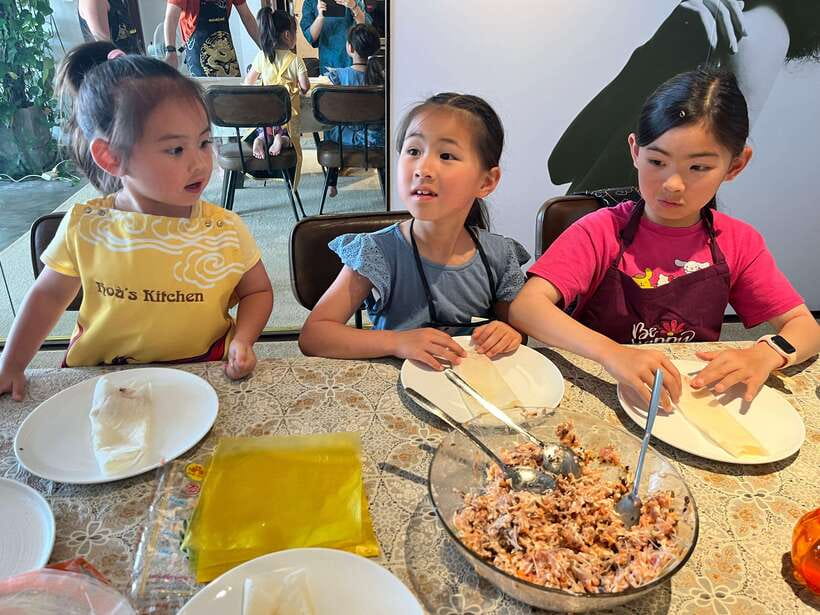
This is one of the most practical parts of the class description: the menu can be tailored. The info says the instructor can adapt for gluten-free palates and special diets or allergies if you communicate them when booking.
Vegetarian and vegan options get real attention, too. The class specifically states plant-based versions are possible for:
- (1) Bún thịt nướng / Bún bò Nam Bộ
- (2) Bánh xèo
- (3) Phở gà
- (4) Chả giò
- (6) Mì xào bò
- (8) Gỏi
So if you’re vegetarian or vegan, don’t assume the class will just swap one ingredient and call it a day. You can plan a menu where the core dishes remain recognizable while still fitting your needs.
A tip: when you book, list your dietary needs clearly and early. The more specific you are—especially for allergies—the better chance you’ll get dishes that match what you can safely eat.
Wider loops through the districts
- Cu Chi Tunnels Tour from HCM City – Morning or Afternoon★ 5.0 · 15,833 reviews
- From HCM City: Mekong Delta Tour with Sampan Journey★ 4.5 · 13,132 reviews
- Ho Chi Minh City Street Food Tour & Sightseeing By Motorbike★ 5.0 · 9,413 reviews
- Mekong Delta Guided Tour from Ho Chi Minh City★ 4.5 · 7,192 reviews
- Ho Chi Minh City: Cu Chi Tunnels Morning or Afternoon Tour★ 4.8 · 6,326 reviews
Ingredients, flavor, and technique: what you’re really learning
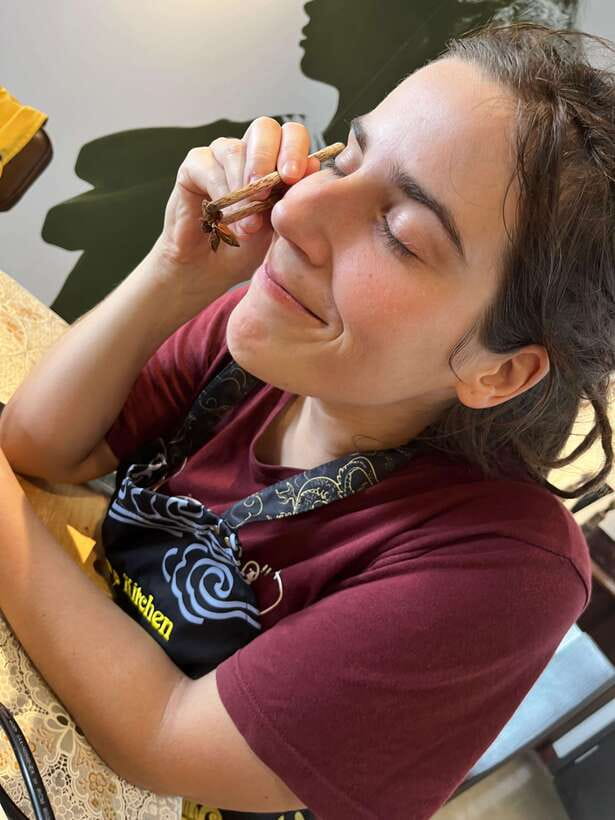
The class highlights no MSG and high-quality ingredients. That matters because a lot of Vietnamese flavor can be built without shortcuts. You’ll learn how dishes taste layered—herbs, aromatics, sauces, and the balance between sweet, sour, salty, and spicy.
Technique-wise, the menu covers different skill areas:
- Soup-based dishes teach timing and how to build savory depth
- Noodle dishes teach how sauces and seasoning cling to the right textures
- Pancakes and spring rolls teach heat control and the difference between golden and burnt
- Salads teach how to dress without wilting everything into sadness
And one thing I like about homestyle classes: they teach you what’s “normal” in a local home kitchen, not what’s designed for cooking-school marketing. Reviews mention substitutions for ingredients that might be hard to find elsewhere, which helps you cook at home later without needing a specialty ingredient store in your own city.
Price and value: why $39 feels fair here
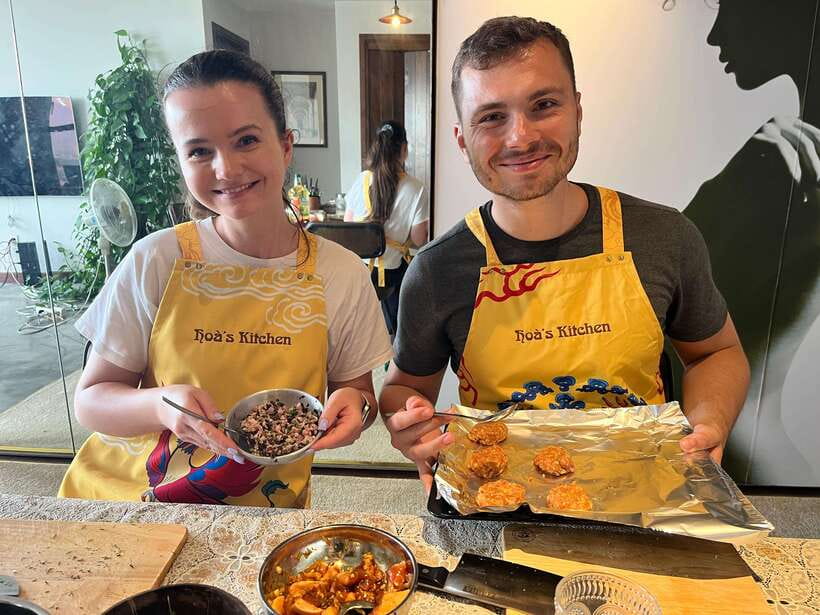
At $39 per person for a roughly 3-hour class, this competes well against larger, more generic cooking tours.
Here’s the value math that actually matters:
- You’re not just watching. You’re cooking 2–3 dishes from scratch
- The class is small group (up to 6), so you get more individual attention
- Ingredients are included, and the class emphasizes no MSG
- You get English instruction and guidance throughout, plus you may receive recipes after
Also, you’re paying for a real home-kitchen experience. That alone is hard to replicate cheaply on your own because Vietnamese cooking takes real prep and planning.
The one cost you should plan for is transportation to and from the meeting point since pickup isn’t offered. For most people, that’s a small add-on, but it’s still a factor in your total budget.
Getting there (no pickup) and planning your timing
The meeting point is:
670/81 Doan Van Bo Street, Ward 8, District 4, Ho Chi Minh City
The activity ends back at the same meeting point. That’s helpful. You’re not trying to navigate a new neighborhood after you’re full of soup and spring rolls.
Because pickup isn’t offered, plan your route ahead of time. If you’re staying somewhere central, it’s usually straightforward, but District 4 is specific—so don’t assume it’s on your doorstep.
If you want a low-stress evening:
- Arrive a bit early so you can settle in before chopping starts
- Wear comfortable clothes and closed-toe shoes (cooking is cooking)
- If you have dietary needs, message them during booking so the menu can match
Who should book this class in Ho Chi Minh City?
This one fits best if you want:
- A small-group, hands-on cooking lesson
- Traditional Vietnamese dishes you can actually recreate later
- A more personal evening with conversation and culture, not a rush-through experience
It’s also a good pick for people who don’t cook much. The instructor teaches step-by-step, and the format makes it easier to follow along even if you’re new to kitchen work.
It may be less ideal if:
- You strongly prefer having your own separate cooking station
- You don’t want to handle transportation to District 4 on your own
- You’re traveling with someone who needs lots of assisted movement (the activity notes it’s not suitable for people over 95 years, and while it says wheelchair accessible, home kitchens can still be tight)
Should you book Hoa’s Kitchen homestyle class?
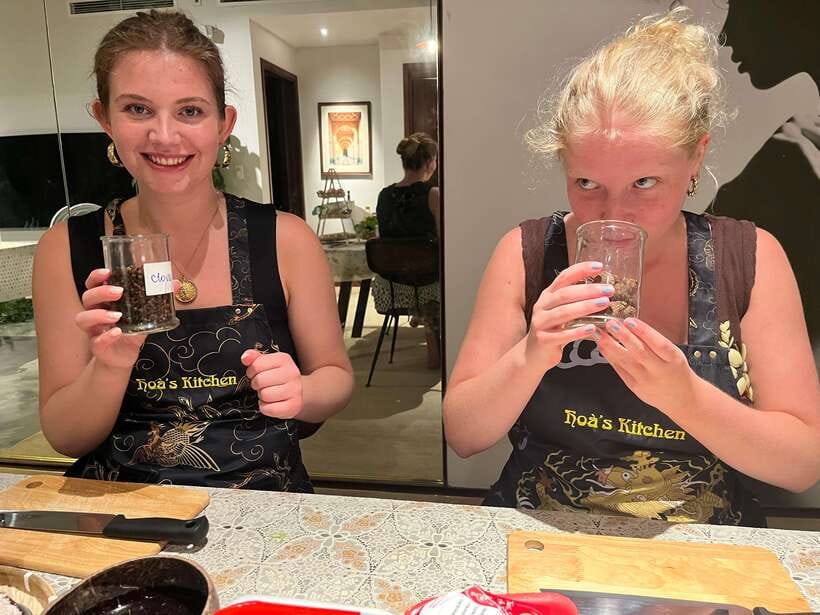
If you like the idea of learning Vietnamese food the way a local home cook would teach it, this class is a smart use of your time in Ho Chi Minh City. The reasons are simple: you cook from scratch, you get real instruction in English, the group stays small, and the food options cover both everyday comfort dishes and skills you’ll want to repeat at home.
Book it if you’re craving more than a tasting. This is about learning the steps—so you leave able to make at least a couple of those dishes with confidence.
Don’t book it if you only want a quick hit of food with zero prep, or if getting to District 4 without pickup sounds annoying. For everyone else, it’s one of the more practical, memorable evenings you can plan in Saigon.
FAQ
How long is the Vietnamese homestyle cooking class?
It lasts about 3 hours.
How many dishes will I cook?
You’ll cook 2–3 dishes from scratch.
Do you include a market visit?
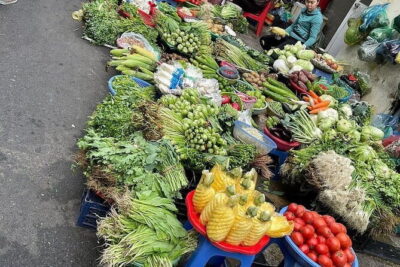
A market visit is not included, but you can request one for an extra fee.
Is pickup service included?
No. Pickup service isn’t offered. You meet at 670/81 Doan Van Bo Street, Ward 8, District 4, Ho Chi Minh City.
Can the menu be adjusted for vegetarian, vegan, or gluten-free diets?
Yes. The instructor can tailor the menu for different diets and allergies, and plant-based versions are available for selected dishes. Communicate your needs at booking.
What group size and language should I expect?
The class is limited to 6 participants and taught in English.
The Districts, One by One



More Tour Reviews in Ho Chi Minh City

Cook It Yourself: Saigon Kitchens
Just Reviewed Around Saigon
- Secret walking Food Tour Ho Chi Minh City
★ 5.0 · 3 reviews - Ho Chi Minh City: Secret Cocktail Experience
★ 5.0 · 3 reviews - From Ho Chi Minh city: Vung Tau Beach Private Day Tour
★ 5.0 · 3 reviews - Saigoncholon
★ 3.5 · 3 reviews - Saigon On 2 Wheels
★ 3.5 · 3 reviews - From Ho Chi Minh City: Relax In Mui Ne Beach In 1 Day
★ 4.3 · 3 reviews
Saigon Cooking Classes, compared.
 ★ 5.0Cai Be Mekong Delta Tour: Cooking Class, Cycling & Craft VillagesFrom $391,881 reviews
 ★ 5.0Mekong Day Trip Explore Village Bicycle CookingClass Group 12 PaxFrom $29705 reviews
 ★ 5.0Chef Vu Cooking Class Plus Market Trip in Saigon Center (Pick up by Cyclo)From $46477 reviews
 ★ 4.8Immersive Cooking Class & Market Tour By Local Chef+CookbookFrom $33426 reviews
 ★ 5.0Immersive Cooking Class & Wet Market Tour by Local Chef +CookbookFrom $49367 reviews
 ★ 5.0Small-group 2-Day Mekong Delta: Floating market, Cooking Class…From $170194 reviews
 ★ 5.0Authentic Vietnamese Cooking Class with Market Visit in HCMcFrom $45182 reviews
 ★ 4.9Cooking Class with Ben Thanh Market visitFrom $4594 reviews
Browse the lists this tour appears in