
REVIEW · SAIGON COFFEE TOURS
Ho Chi Minh City: Vietnamese Specialty Coffee Journey
Vietnam’s coffee story isn’t just in the cup. It’s in the handling: cherries, green beans, roasting, cupping, and finally your own Vietnamese Phin pour. This 2-hour specialty-coffee session uses the SCA Introduction to Coffee program so you learn the steps that shape flavor.
I especially like two things. First, you get your hands on green bean processing—sorting and dealing with quality in a very real way. Second, you don’t just watch the finale; you brew a cup of Vietnamese Phin coffee yourself, so you connect the earlier steps to what you taste.
One consideration: the time is tight. You’ll cover a lot of ground (processing, roasting, tasting, brewing), but it’s still only 2 hours, so it’s more like a focused introduction than a full day on the farm.
In This Review
- Key highlights worth showing up for
- Why Ho Chi Minh City fits specialty coffee lessons
- Where iO Coffee Phu My Hung is, and what a 2-hour schedule means
- From ripe cherries to sorted green beans: the processing workshop
- Roasting hands-on with three levels: learning flavor cause-and-effect
- Cupping-style tasting: training your senses across roasts
- Brewing Vietnamese Phin coffee yourself: Fine Robusta in practice
- Value check: is $20 per person a fair deal?
- Who this coffee journey is best for
- Should you book the Vietnamese Specialty Coffee Journey?
- FAQ
- How long is the Ho Chi Minh City Vietnamese specialty coffee workshop?
- Where is the meeting point?
- What beverages are included?
- Is it hands-on or mostly watching?
- What kind of coffee do they use for the Phin brewing?
- What languages is the instructor available in?
- How much does it cost?
- Is free cancellation available?
Key highlights worth showing up for
- Hands-on from green beans to roasting so you understand what changes flavor
- Three processing methods demonstration and practical bean sorting for quality control
- Roasting with three roast levels to notice how sweetness, body, and bitterness shift
- Cupping-style tasting that trains your senses across different roasts
- Brew your own Vietnamese Phin with guidance and technique for Robusta flavor
- Two beverages included starting with a welcome drink and ending with your Phin cup
Another glass of ca phe sua da, poured strong


Why Ho Chi Minh City fits specialty coffee lessons
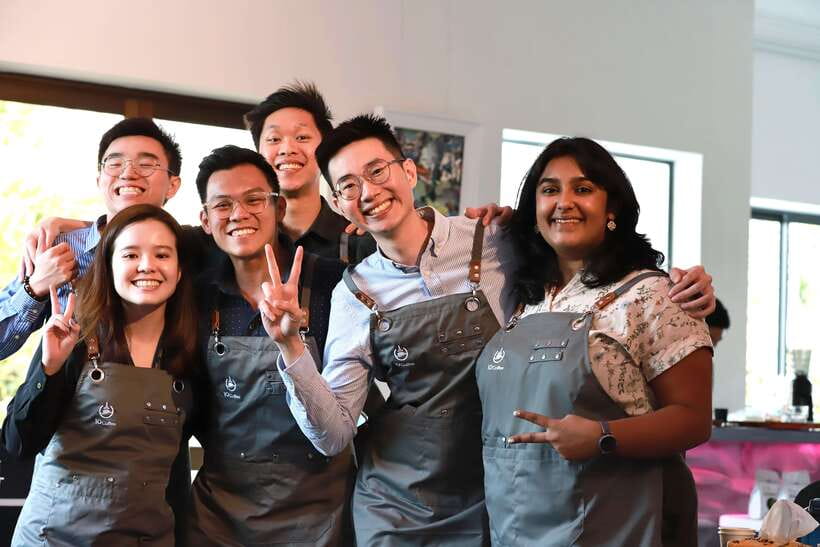
Ho Chi Minh City is a good place to learn Vietnamese coffee because the culture is built on practical caffeine habits—fast brewing, strong flavor, and a very specific tool: the Phin. This matters, because Vietnamese coffee isn’t only about the bean. It’s about the method. The SCA-style structure here helps you connect the method to the ingredients.
You also start hearing the same themes the moment coffee is discussed: coffee quality is decided before roasting. That’s why the workshop spends real time on harvesting and cherry handling, not only on equipment. And Vietnamese coffee often leans on Robusta, which shows up directly in the final brewing section using Fine Robusta beans.
If you like food learning that actually changes how you order later, this class gives you a framework. You’ll walk away able to explain why two cups that look similar can taste totally different.
Where iO Coffee Phu My Hung is, and what a 2-hour schedule means
You meet at iO Coffee Phu My Hung, A 205, M7 Midtown. Plan to arrive a little early so you’re settled before the first processing activity starts.
The duration is 2 hours, which sounds short until you realize the workshop is designed as a flow. You’re not spending half the time listening. You’re moving through stages: processing, roasting, tasting, then brewing. That pacing is helpful when you’re on a trip and your schedule is tight.
Language support is English and Vietnamese, with an instructor listed as English/Vietnamese. That’s a big deal in a hands-on class: if you only partially understand a step, you can’t correctly connect cause and effect to your cup.
Bring a curious mindset and be ready to do stuff with your hands. You don’t need to be a coffee expert. You do need to pay attention, because the class expects you to notice differences across roast levels and processing choices.
From ripe cherries to sorted green beans: the processing workshop
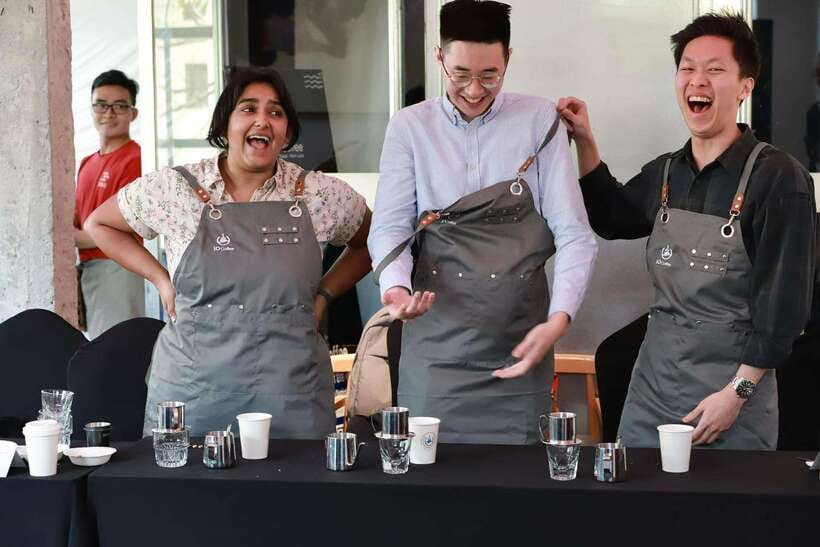
The session starts with the part many coffee lovers skip: processing. This is where flavor direction is set.
You’ll learn about the harvesting process and how to select coffee beans. Then you’ll look at the structure of ripe coffee cherries. Seeing the cherries up close matters because it clarifies what people mean by ripe versus unripe. It’s not abstract—there’s a physical difference you can spot.
You also get a small-scale demonstration of three coffee processing methods. You can think of this as a quick map of how different approaches impact taste later. The point isn’t to memorize jargon. It’s to train your brain to ask: which method was used, and what does that typically lead to in the cup?
Then comes the quality-control training. You practice distinguishing low-quality coffee and personally selecting green beans to eliminate defective ones. This is one of the most practical parts of the workshop, because it shows how much quality is a people decision, not just a supplier promise. If you’ve ever wondered why one bag tastes clean and another tastes off, this section explains the likely starting point.
Roasting hands-on with three levels: learning flavor cause-and-effect
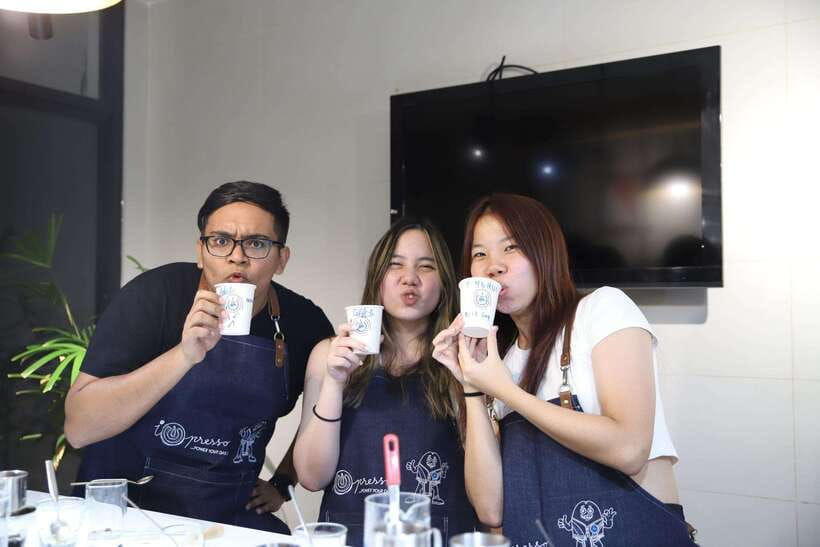
Next is roasting, and the workshop doesn’t treat it like a show. You get hands-on experience roasting specialty coffee. That alone is worth it if you usually just watch a barista pull a lever.
You’ll work with three roasting levels. The goal is to notice how flavor changes as roast level changes, not to chase one perfect setting. Roasting is basically controlled transformation. The class helps you feel that transformation rather than only reading about it.
This stage also helps you discover your own taste preferences. Not everyone wants the same profile. Some people like lighter roast clarity; others prefer deeper roast body. By doing the roasting step yourself, you can link your preference to what you changed during roasting. That’s how learning sticks.
One small drawback of roasting in a short class is that you can’t run unlimited experiments. But you do get enough comparison points to walk away with a practical sense of how roast level shapes what ends up in your cup.
Wider loops through the districts
- Cu Chi Tunnels Tour from HCM City – Morning or Afternoon★ 5.0 · 15,833 reviews
- From HCM City: Mekong Delta Tour with Sampan Journey★ 4.5 · 13,132 reviews
- Ho Chi Minh City Street Food Tour & Sightseeing By Motorbike★ 5.0 · 9,413 reviews
- Mekong Delta Guided Tour from Ho Chi Minh City★ 4.5 · 7,192 reviews
- Ho Chi Minh City: Cu Chi Tunnels Morning or Afternoon Tour★ 4.8 · 6,326 reviews
Cupping-style tasting: training your senses across roasts
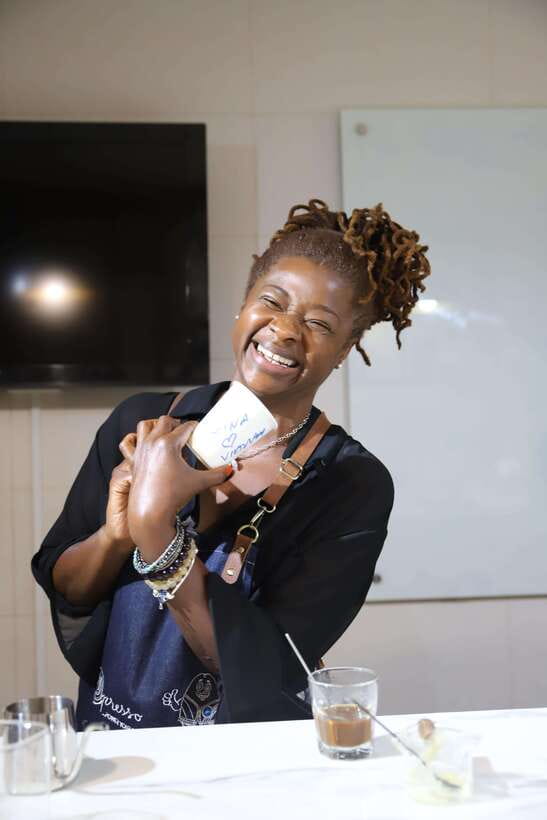
After roasting, you move into a tasting segment designed around cupping. This is where the workshop earns its keep for people who love learning through taste.
You’ll engage your senses in a multi-sensory tasting experience and explore flavors. Then you taste coffee with different roast levels again, so you can connect what you remember from the roasting step to what you’re tasting now.
Cupping works because it slows you down. Instead of one quick sip, you get multiple tasting moments with attention on aroma and flavor. You’ll start to notice patterns: how roast level can shift perceived bitterness, sweetness, and overall structure in the cup.
If you tend to drink coffee on autopilot, this is a reset. You learn to taste with intention, which makes your next café stop in Ho Chi Minh City more fun—and usually more accurate—because you’ll know what to look for.
Brewing Vietnamese Phin coffee yourself: Fine Robusta in practice
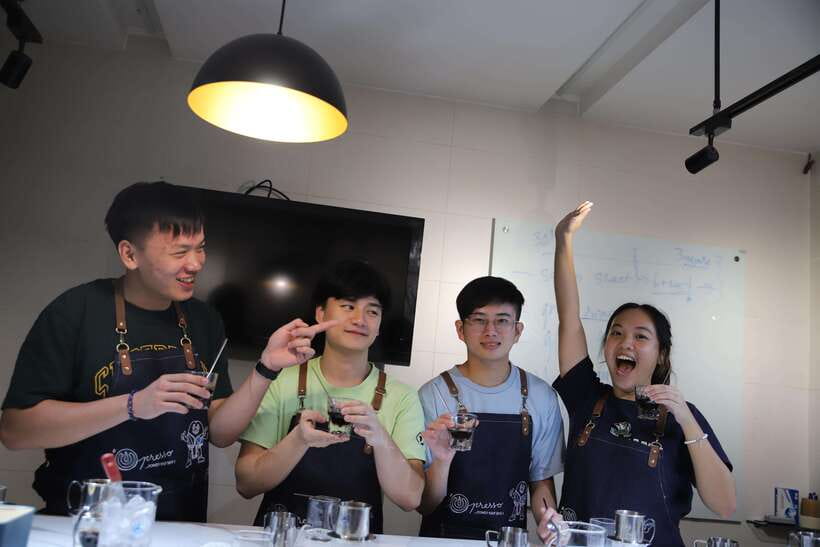
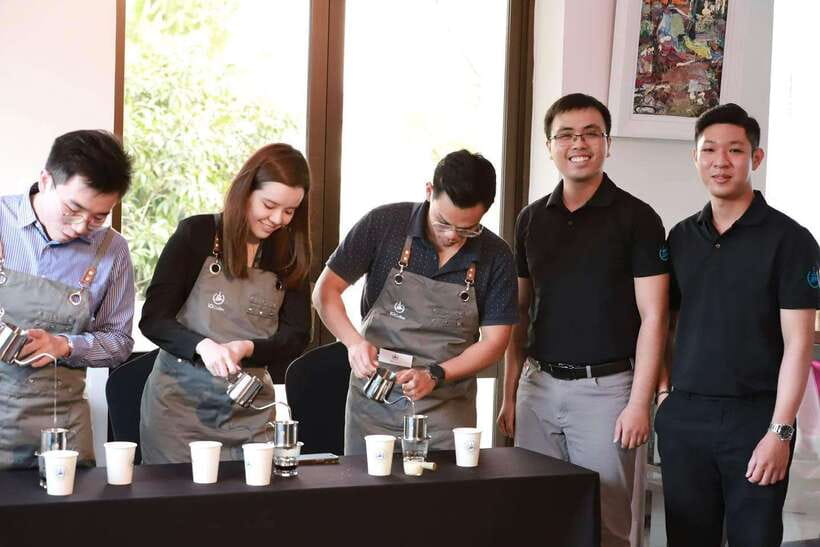
The finale is brewing, and it’s the part that turns all the earlier steps into something you can actually enjoy. The workshop teaches the history of traditional Vietnamese Phin coffee and then puts you to work making an authentic cup.
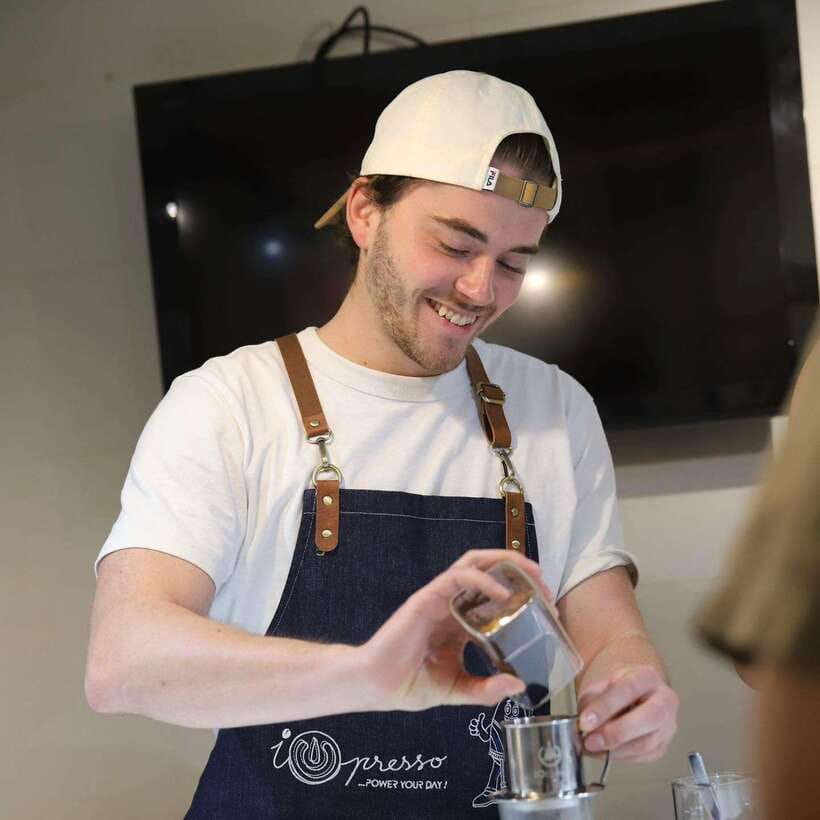
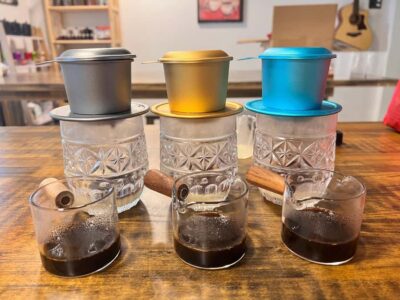
You’ll brew Vietnamese Phin coffee yourself. That’s a key difference between a typical tasting and a real workshop. When you brew it, you feel the timing and the extraction behavior firsthand. The class frames it as exploring the natural, exquisite flavors of Vietnam’s Fine Robusta coffee beans, which gives you a clear destination for all your earlier processing and roasting work.
Here’s what I think you’ll appreciate: the Phin method rewards attention. It’s not only about the bean. It’s about how the brew is assembled and how you execute the steps. If you’ve only had Vietnamese iced coffee that tastes strong and sometimes a bit harsh, making it yourself gives you a better baseline for judging what’s happening in the cup.
The workshop also includes a welcome drink plus your Phin coffee, so you’ll get at least two beverage experiences during the session. That keeps the class moving and gives you something to enjoy while learning.
Value check: is $20 per person a fair deal?
At $20 per person for a 2-hour workshop, this one looks like strong value if your goal is learning by doing. You’re not paying only for tasting. You’re paying for a structured farm-to-cup sequence that includes:
- green bean processing and quality selection practice
- hands-on roasting with multiple roast levels
- cupping-style tasting across those roasts
- brewing your own Vietnamese Phin cup, using Fine Robusta
In other words, you’re paying for trained instruction plus active participation in several distinct steps. For a short time window, that’s a lot of included experience per dollar.
The main reason it might not feel like a deal is if you’re only interested in a quick coffee stop and don’t care about methods. This class is about technique and cause-and-effect. If that’s your priority, you’ll likely feel $20 is reasonable. If it’s not, you might prefer a simple café tasting instead.
Who this coffee journey is best for
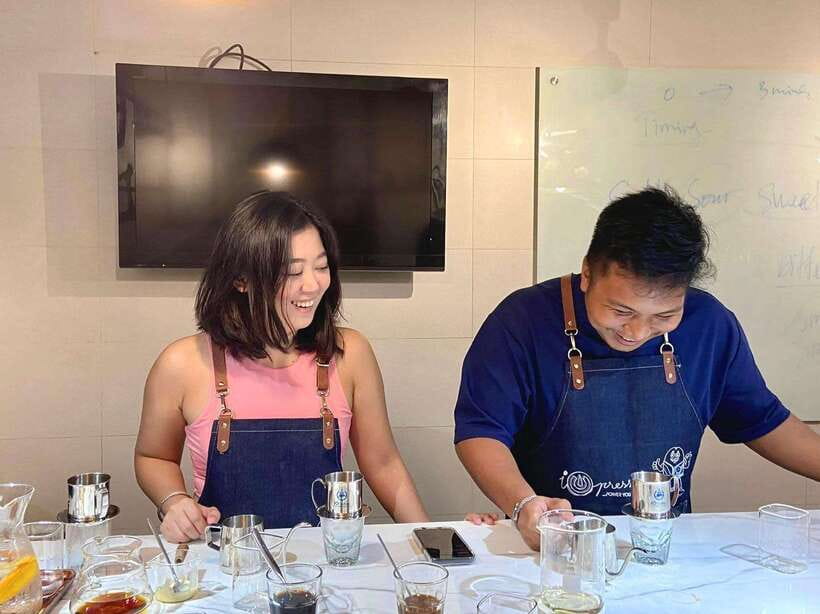
This workshop fits you best if you fall into one of these buckets:
- You love specialty coffee and want a Vietnamese angle that actually connects brewing to processing and roast.
- You’re a beginner who wants a clear step-by-step path, not vague opinions.
- You enjoy hands-on food learning, especially when the work leads straight to a cup you make.
It’s also a good option if you’re in Ho Chi Minh City for a short stay. Two hours is manageable, and the class packs a lot of insight without needing a whole day.
If you already know Phin brewing inside out and have roasted a lot yourself, you might find some stages more introductory than deep. But even then, tasting across roast levels and practicing quality selection can still sharpen your instincts.
Should you book the Vietnamese Specialty Coffee Journey?
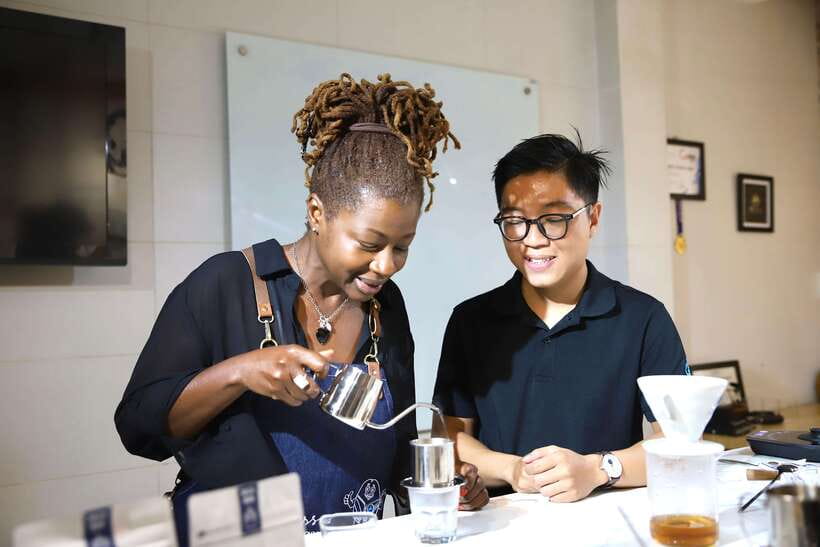
I’d book it if you want real understanding, not just caffeine. The biggest reasons are simple: you practice processing and roasting, you taste across roast levels, and you finish by brewing a Phin cup yourself. That combo is what makes the learning stick.
Skip it if your idea of a great coffee experience is purely passive. This class expects you to participate and pay attention. Also, because it’s only 2 hours, you can’t expect an extended, farm-level experience—think structured introduction and hands-on sampling, not a multi-day deep study.
If you do book, go in with one goal: when you taste your final cup, try to identify what roasting level and processing approach might be doing to the flavor. The workshop gives you all the tools to make that connection.
FAQ
How long is the Ho Chi Minh City Vietnamese specialty coffee workshop?
The experience lasts 2 hours.
Where is the meeting point?
Please meet at iO Coffee Phu My Hung, A 205, M7 Midtown.
What beverages are included?
You get a welcome drink and you also brew and enjoy Vietnamese Phin coffee.
Is it hands-on or mostly watching?
It’s hands-on. You’ll do activities related to green bean processing, roasting, and brewing Phin coffee.
What kind of coffee do they use for the Phin brewing?
The Phin coffee experience focuses on Vietnam’s Fine Robusta coffee beans.
What languages is the instructor available in?
The instructor is listed in English and Vietnamese.
How much does it cost?
The price is $20 per person.
Is free cancellation available?
Yes. You can cancel up to 24 hours in advance for a full refund, and there’s also a reserve now and pay later option.
The Districts, One by One



More Tour Reviews in Ho Chi Minh City
Saigon by the Glass of Coffee
Just Reviewed Around Saigon
- Secret walking Food Tour Ho Chi Minh City
★ 5.0 · 3 reviews - Ho Chi Minh City: Secret Cocktail Experience
★ 5.0 · 3 reviews - From Ho Chi Minh city: Vung Tau Beach Private Day Tour
★ 5.0 · 3 reviews - Saigoncholon
★ 3.5 · 3 reviews - Saigon On 2 Wheels
★ 3.5 · 3 reviews - From Ho Chi Minh City: Relax In Mui Ne Beach In 1 Day
★ 4.3 · 3 reviews
Saigon Coffee Tours, compared.
 ★ 4.9Egg coffee & Course on 4 traditional types of Viet coffeeFrom $18487 reviews
 ★ 5.0Fun & Easy Vietnamese Coffee Workshop in Hồ Chí Minh CityFrom $23293 reviews
 ★ 5.0Vietnamese Coffee & Culture Exploration in Hồ Chí Minh CityFrom $29202 reviews
 ★ 5.0Decadent Vietnamese “Egg Coffee” Workshop in Hồ Chí Minh CityFrom $20150 reviews
 ★ 4.9Fun and Easy Coffee Workshop for BeginnersFrom $23121 reviews
 ★ 5.0Techniques & Secrets Behind the Famed Vietnamese Egg CoffeeFrom $2099 reviews
 ★ 5.01 hour Egg Coffee Cooking Class with Snack and Local InstructorFrom $1572 reviews
 ★ 5.0Saigon Unseen: Culture, Coffee, Hidden Spots Motorbike AdventureFrom $3360 reviews
Browse the lists this tour appears in