
REVIEW · TICKETS
Ho Chi Minh: Fito Museum Admission Ticket
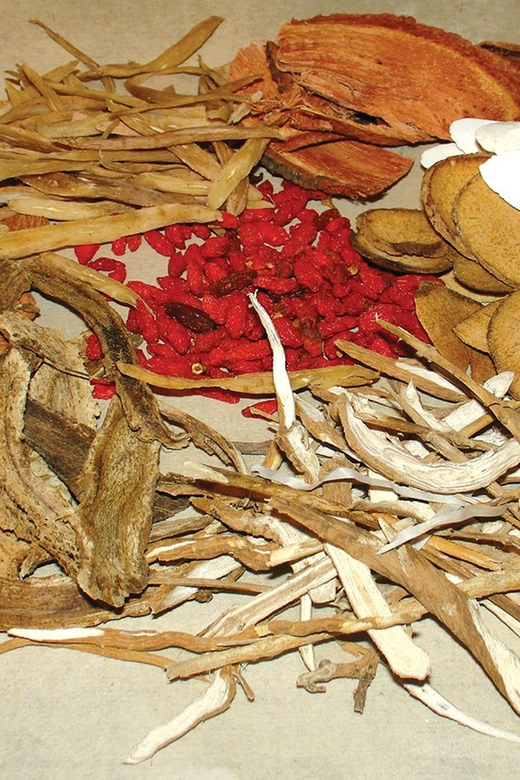
Few museums make healing look this practical. The Fito Museum packs nearly 3,000 artifacts into a story that runs from Stone Age tools to more modern practice, and it shows the how behind Vietnamese traditional medicine. I especially like the printing molds and ceramics (wine gourds, teapots, medicine bowls, lime jars) and the clear, physical evidence of the medicine trade, like scales and medicine cabinets. One thing to consider: this is an object-and-document museum, not a show or hands-on workshop, so you’ll get the most out of it if you’re the kind of person who enjoys careful looking.
Expect a relaxed, self-paced visit you can fit into your day. The ticket is simple, and you redeem at the counter, with last admission allowed one hour before closing (8:30 AM–5:00 PM daily). If you’re traveling with kids, note that children age 12+ pay the adult rate, while kids 0–5 are free when accompanied by a paying adult.
In This Review
- Key Highlights You’ll Actually Notice
- Vietnamese Traditional Medicine Through Real Objects (Not Just Legends)
- Price and Timing: Making the Ticket Fit Your Ho Chi Minh Schedule
- From Stone Age Tools to Modern Practice: The Museum’s Learning Path
- Printing Molds and Ceramics: Where Craft Meets Medicine
- Medicine Trade Tools: Scales and Cabinets Tell the Real Story
- Medicinal Containers and Soaking Wine: The Art of Holding Ingredients
- The Books and Documents Library: When Objects Need Context
- Practicalities: Redeem at the Ticket Counter and Plan for Quiet Reading Time
- Should You Book the Ho Chi Minh Fito Museum Ticket?
- FAQ
- What does the Fito Museum ticket cost?
- How long can I use the ticket?
- What are the opening hours?
- When is the last admission time?
- Where do I redeem my ticket?
- Do children pay the same rate as adults?
- Is the ticket refundable?
Key Highlights You’ll Actually Notice
- Nearly 3,000 artifacts tracing Vietnamese healing from the Stone Age to modern times
- Printing molds and ceramics used in medicinal production, from wine gourds to lime jars
- Medicine-trade objects like scales and medicine cabinets that show how practice worked day to day
- Container details including glass pieces and bottles used for soaking medicinal wine
- A library of books and traditional medicine documents for context beyond objects
A few Saigon tours to weigh against this one:




Vietnamese Traditional Medicine Through Real Objects (Not Just Legends)
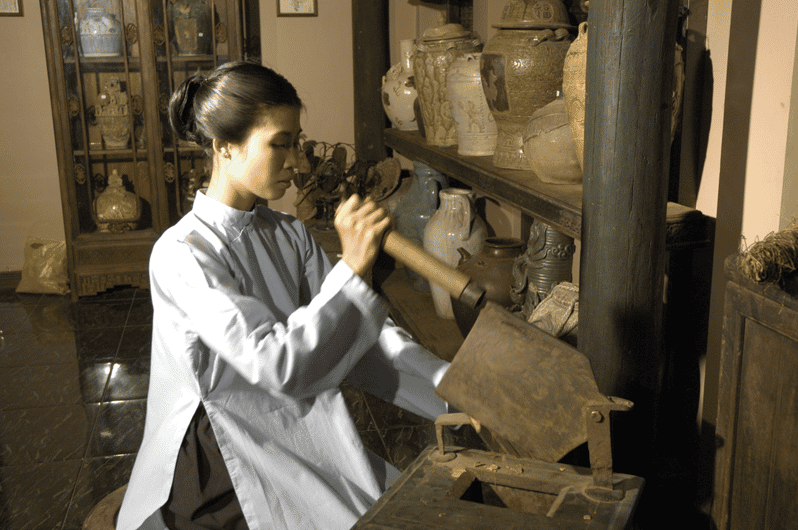
At the Fito Museum, “traditional medicine” isn’t treated like folklore on a plaque. It’s presented through real things people made and used—tools, storage vessels, and documents that explain beliefs and routines. The museum’s core idea is simple: if you want to understand healing practices, you should look at the materials and methods that supported them.
That’s why this visit feels satisfying even if you’re not a medical history specialist. You get to see how medicinal work was produced and organized—how ingredients were prepared, measured, stored, and served. The collection spans eras, from early Stone Age approaches to more modern developments, which helps you see continuity and change instead of just random antiques.
And yes, the exhibition is very photogenic—because the objects are detailed. You’re not just taking pictures of rooms; you’re photographing specific forms and textures, especially around ceramics and containers. If you like learning through visuals, you’ll appreciate how much the museum rewards close attention.
Price and Timing: Making the Ticket Fit Your Ho Chi Minh Schedule
The ticket price is $9 per person, and it covers access for a 1-day visit. For that cost, you’re essentially buying time in a focused, themed museum—one that includes both material culture (tools and containers) and written culture (books and documents). In plain terms: you’re paying for depth, not just a quick walk-through of a few display cases.
Timing is the key practical detail here. The museum is open daily, Monday through Sunday, from 8:30 AM to 5:00 PM, and last admission is one hour before closing. That means if you arrive late, you’ll lose time fast. I’d plan to start your visit with a buffer—especially if you want to read labels carefully or stop for photos.
This is also a self-paced admission ticket, so you control the tempo. If you tend to skim, you can finish earlier. If you linger—good for you—you’ll naturally spend more time because there’s so much to look at, including preparation tools and a library section.
From Stone Age Tools to Modern Practice: The Museum’s Learning Path
The museum is organized as a timeline of sorts, built around the evolution of healing methods. You’ll see how early approaches relied on tools and practical preparation, then how traditions developed into more specialized equipment and systems. This matters because it turns “history” into something you can track with your eyes.
As you move through the collection, look for three themes that repeat in different forms:
- Preparation tools (knives, mortars, pestles)
- Containers for storage and use (ceramics and glass)
- Trade infrastructure (equipment like scales and medicine cabinets)
That pattern gives you a mental framework. Even without heavy narration, you can connect what you’re seeing: medicine-making wasn’t one single action. It was a chain of steps, with specialized gear at each stage.
If you’re the type who enjoys seeing how everyday work supports beliefs and rituals, this layout will feel logical rather than random.
Printing Molds and Ceramics: Where Craft Meets Medicine
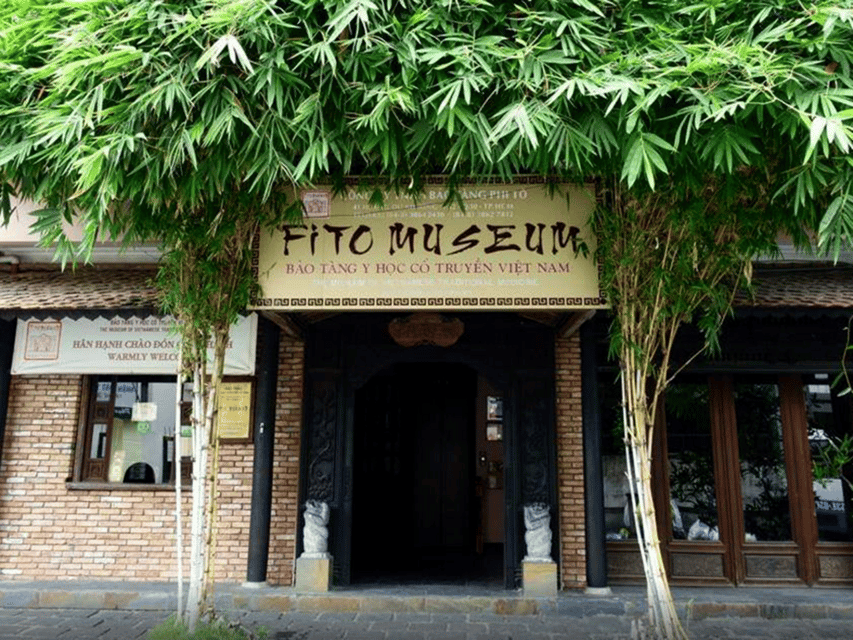
One of the most memorable parts of the museum is the section on printing molds and ceramics. The objects include items like wine gourds, teapots, medicine bowls, and lime jars. These aren’t just pretty shapes; they show how medicinal substances were packaged and handled.
Printing molds are a big deal because they point to repetition and production. You can almost imagine the workflow: creating consistent forms, then using those forms for practical purposes. In a museum context, it also explains why certain designs show up across objects—manufacturing methods shape what survives and how it looks.
The ceramic items also help you understand the culture of care. Medicine storage and preparation weren’t hidden in a lab; they were crafted objects. That gives you a tangible connection between health practices and everyday materials.
Practical tip: take a slow pass first, then go back for closer looks. The details on vessels and functional shapes are where the “wait, that’s clever” moments happen.
A few cool halls out of the Saigon heat
- War Remnant Museum – Charity Tours to Orphanage Handicapped Children★ 4.5 · 116 reviews
- War Remnants Museum – Ho Chi Minh City Half Day Tours★ 4.5 · 88 reviews
- Cu Chi Ben Duoc Tunnel & War Museum – Original, Less Touristy★ 5.0 · 80 reviews
- City Tour By Motorbike w/ War Museum & Reunification Palace★ 4.9 · 47 reviews
- HCMC: English or German War History Tour: Tunnels & Museums★ 4.9 · 17 reviews
Medicine Trade Tools: Scales and Cabinets Tell the Real Story
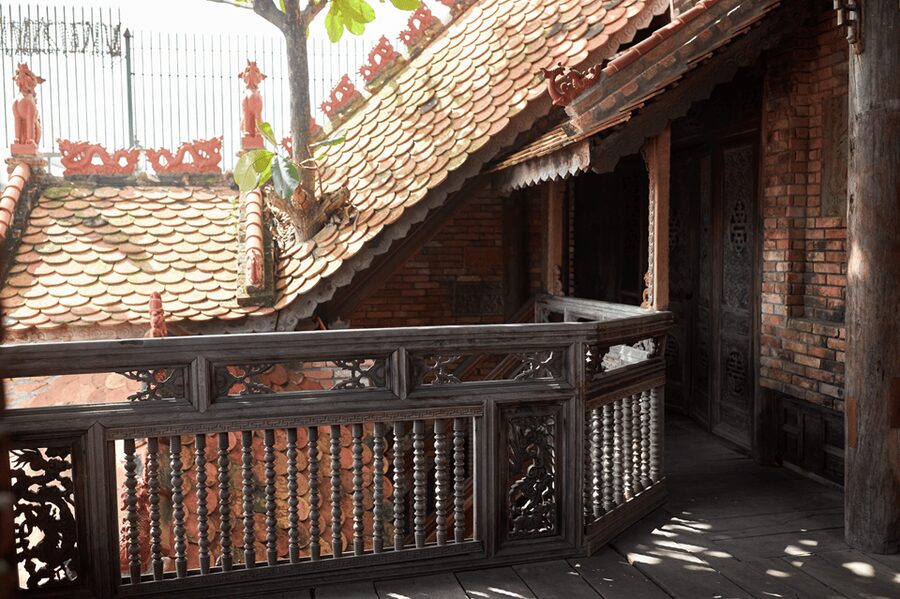
A lot of history museums focus on artifacts as symbols. This museum leans into how medicine functioned as a trade. You’ll encounter objects used in the medicine field such as scales and medicine cabinets. That’s the kind of evidence that makes the story feel grounded.
Why scales? Because they signal measurement. Even when a tradition is deeply cultural, measurement shows effort toward consistency and repeatable results. Medicine cabinets matter because they suggest organization, storage, and separation—important when you’re handling ingredients with different uses.
Look for how these items relate to the preparation tools elsewhere in the museum. Once you connect preparation (knives, mortars, pestles) with trade support (scales, cabinets), the collection starts to feel like a working system, not a set of disconnected antiques.
Medicinal Containers and Soaking Wine: The Art of Holding Ingredients
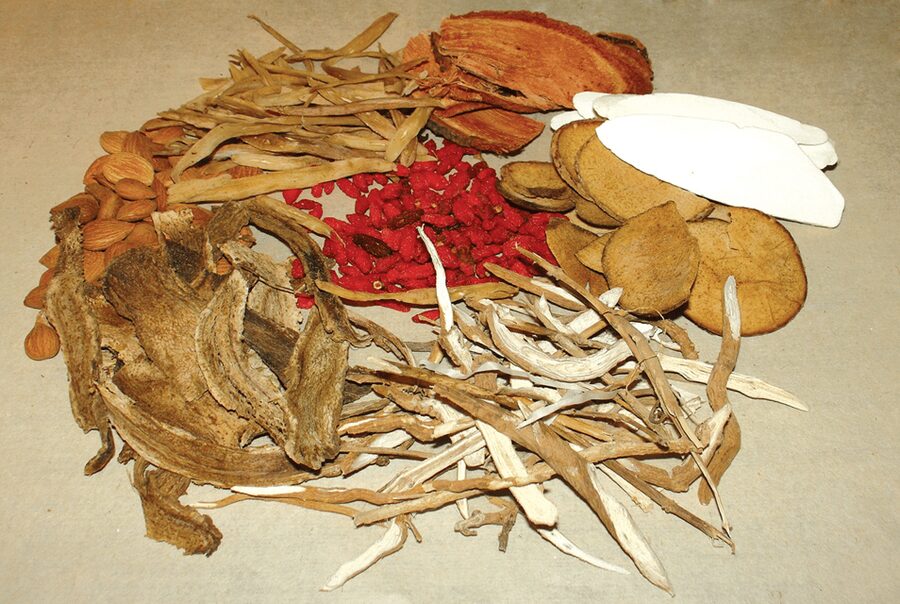
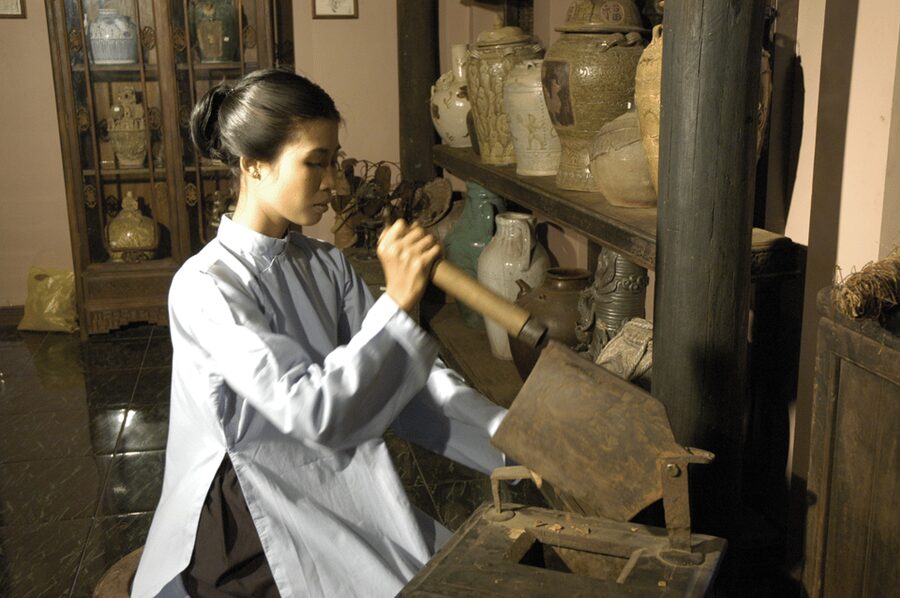
Traditional medicine often depends on how ingredients are prepared and stored. Here, you get visual evidence through medicinal containers—including glass pieces and bottles used for soaking medicinal wine.
This is a detail that helps visitors understand that “medicine” can include processing time. Soaking isn’t just a vague idea. It’s built into the equipment: bottles, glass forms, and containers designed for holding mixtures safely.
If you’re interested in the practical side of traditions—how people managed ingredients over time—this portion will click for you fast. It also makes the museum feel more modern in spirit. People today still care about containers, materials, and preparation steps; this collection shows those concerns were present long ago.
The Books and Documents Library: When Objects Need Context
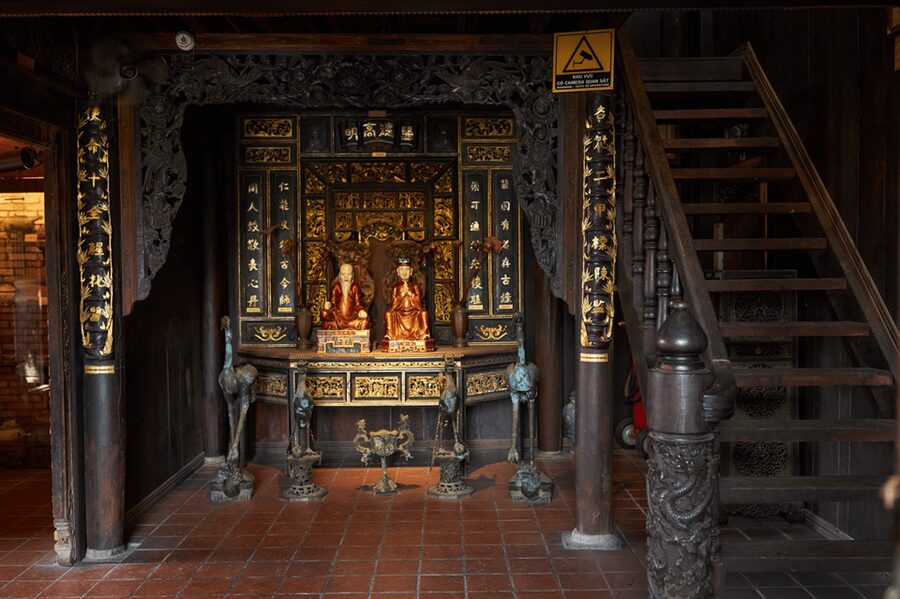
The museum also includes books and traditional medicine documents, which is where many visitors start to connect the visuals to the beliefs and rituals behind them. Objects show you what was done. Documents help explain why it was done and how knowledge was passed along.
The museum describes a comprehensive library of materials that supports understanding of traditions in health and wellness across time. Even if you can’t read everything in detail (depending on the language of the documents displayed), the presence of written records changes the feel of the visit. It becomes less “museum of stuff” and more “museum of a knowledge system.”
I’d spend extra time here if you’re the kind of traveler who likes to leave with a few clear takeaways. The written content is the part that can turn a collection into a story you can summarize later.
Practicalities: Redeem at the Ticket Counter and Plan for Quiet Reading Time
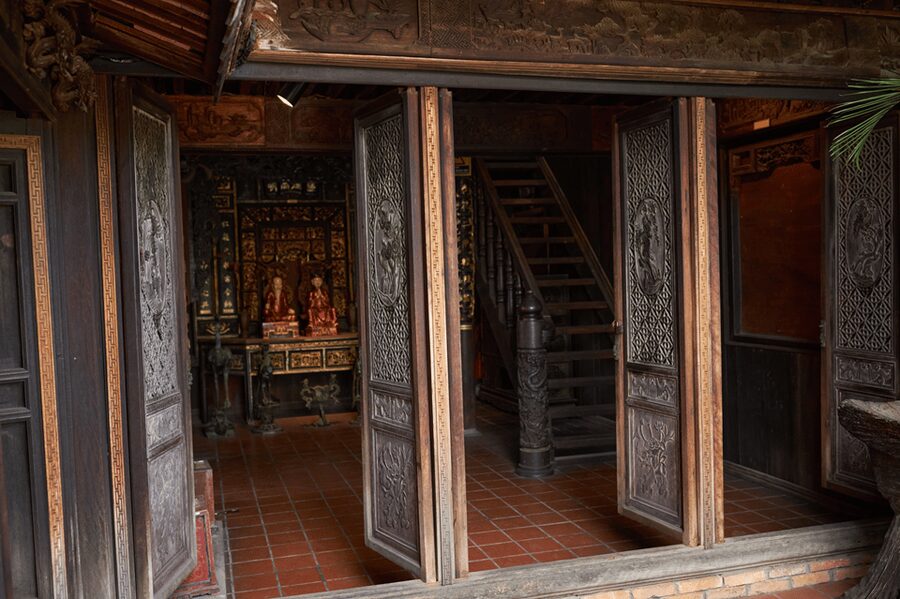
Your meeting point is simple: go directly to the ticket counter to redeem. That keeps things low-stress. Once you’re inside, the museum is open from 8:30 AM to 5:00 PM, with last admission one hour before close, so you’re not guessing on timing.
Because the museum focuses on objects and documents, reading time matters. If you rush, you’ll miss the “why” behind the “what.” If you slow down, the details reward you: ceramic forms, storage equipment, and medicinal container styles all do a better job of explaining the tradition when you give them a minute.
Also, this is listed as non-refundable, so only book when your day is fairly secure.
Should You Book the Ho Chi Minh Fito Museum Ticket?
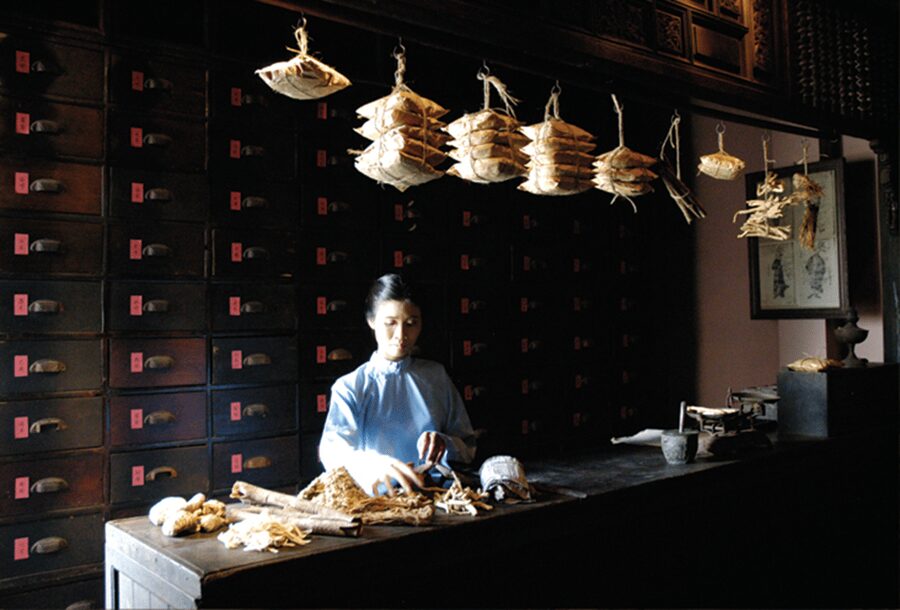
Book it if you want a focused, thoughtful look at Vietnamese traditional medicine through real artifacts—especially if you like ceramics, tools, containers, and how knowledge was stored in both physical and written forms. At $9, it’s good value for a day entry that includes both object collections and documents.
Skip it (or at least adjust your expectations) if you’re looking for a show, a hands-on class, or anything like a medicinal tasting or performance. This museum is about careful looking and reading, not activities.
If you’re in Ho Chi Minh with time to spare and you enjoy culture that’s grounded in everyday practice, this ticket is an easy yes.
FAQ
What does the Fito Museum ticket cost?
The admission ticket is listed at $9 per person.
How long can I use the ticket?
The ticket is valid for 1 day (availability for starting times can apply).
What are the opening hours?
The museum is open daily from 8:30 AM to 5:00 PM.
When is the last admission time?
You can enter up to one hour before closing.
Where do I redeem my ticket?
Please go directly to the ticket counter for redemption.
Do children pay the same rate as adults?
Yes—children aged 12+ are charged the same rate as adults. Children aged 0–5 are free, but must be accompanied by a paying adult.
Is the ticket refundable?
This activity is listed as non-refundable.
Cool Halls and Quiet Corners: Ho Chi Minh City Museums


More Tickets in Ho Chi Minh City
More Tour Reviews in Ho Chi Minh City





Just Reviewed Around Saigon
- Secret walking Food Tour Ho Chi Minh City
★ 5.0 · 3 reviews - Ho Chi Minh City: Secret Cocktail Experience
★ 5.0 · 3 reviews - From Ho Chi Minh city: Vung Tau Beach Private Day Tour
★ 5.0 · 3 reviews - Saigoncholon
★ 3.5 · 3 reviews - Saigon On 2 Wheels
★ 3.5 · 3 reviews - From Ho Chi Minh City: Relax In Mui Ne Beach In 1 Day
★ 4.3 · 3 reviews
Tickets, compared.
 ★ 4.5Bitexco Financial Tower: Saigon Sky Deck – Fast Track TicketFrom $101,965 reviews
 ★ 4.7Water Puppet Show TicketFrom $171,606 reviews
 ★ 4.5Bitexco Financial Tower: Saigon Skydeck General Admission TicketFrom $10366 reviews
 ★ 4.5Golden Dragon Water Puppet TicketFrom $1681 reviews
 ★ 4.0Skip the Line: Golden Dragon Water Puppet TicketsFrom $2275 reviews
 ★ 4.0Skip the Line: Golden Dragon Water Puppet Show TicketsFrom $2235 reviews
 ★ 4.3Vietnamese Water Puppet Show TicketFrom $2330 reviews
 ★ 3.5Ho Chi Minh City Tour and Independence Palace Ticket 2 in 1From $812 reviews
Browse the lists this tour appears in