
REVIEW · SAIGON COFFEE TOURS
Ho Chi Minh: Tasting Iconic Coffee of 3 Regions in Vietnam
One sip can tell you where you are in Vietnam. This short, focused coffee workshop lets you taste three regional icons and brew them the traditional way using a phin dripper. I like how the guide connects the drinks to each city’s personality, not just the ingredients, and I love the hands-on rhythm of making coffee yourself instead of only watching. One watch-out: the setup can feel more like a small indoor space than a full cafe, so if you’re expecting a big storefront vibe, you may need to adjust your expectations.
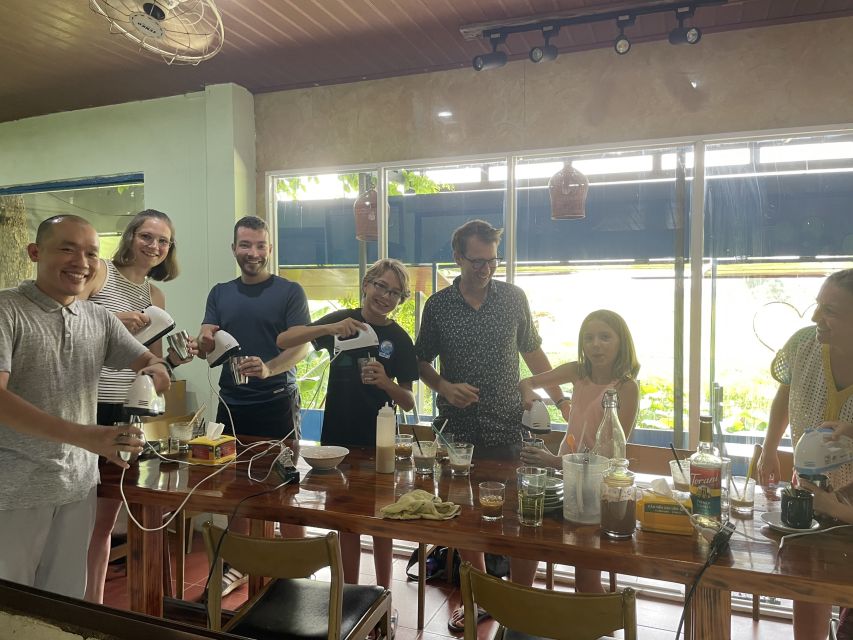
In about one hour with a small group (up to 10), you start with an English-speaking coffee expert who explains what makes each style different and why people in South, Central, and North drink it the way they do. Then you move straight into brewing and tasting: condensed milk coffee for the South, salt coffee for the Central region, and egg coffee for the North.
A possible downside is timing and caffeine level. This experience often stacks multiple tastings close together, so if you’re sensitive to caffeine, plan to slow down and drink water between cups (and it’s smart to eat first since a snack may come along).
In This Review
- Key Takeaways
- Where the Tour Happens: District 1 Coffee Culture on Ngo Duc Ke Street
- The 1-Hour Flow: How the Session Moves From Facts to Flavor
- The Star Tool: Brewing With the Vietnamese Phin Dripper
- South Vietnam Icon: Condensed Milk Coffee and the Softness of Sweet
- Central Vietnam Icon: Salt Coffee and the Flavor Pivot
- North Vietnam Icon: Egg Coffee and the Creamy, Custard-Like Twist
- The Real Learning Moment: Comparisons, Brewing Steps, and Why It Matters
- Price and Value: What $21 Buys You in a One-Hour Coffee Lesson
- Practical Notes Before You Go: Who It Suits and Who Should Rethink
- Where You’ll Stand Out: The Guide’s Personality and Q&A-Friendly Setup
- Should You Book This 3-Region Coffee Tasting in Ho Chi Minh City?
- FAQ
- How long is the coffee tasting experience?
- Where is the meeting point for the tour?
- What is included in the price?
- How much does it cost?
- Is hotel pickup and drop-off included?
- Can children join the tasting?
- Is the tour wheelchair accessible?
Key Takeaways
- Hands-on phin brewing: You’ll use the traditional Vietnamese dripper, not just sample coffee.
- Three regional tastings in one hour: South condensed milk coffee, Central salt coffee, North egg coffee.
- City-and-people connection: You’ll hear how the drinks reflect local character and preferences.
- Expert-led comparisons: Expect guidance on what correct brewing steps change in flavor.
- Small group feel: Limited to 10 participants, so questions are easy to ask.
Another glass of ca phe sua da, poured strong


Where the Tour Happens: District 1 Coffee Culture on Ngo Duc Ke Street
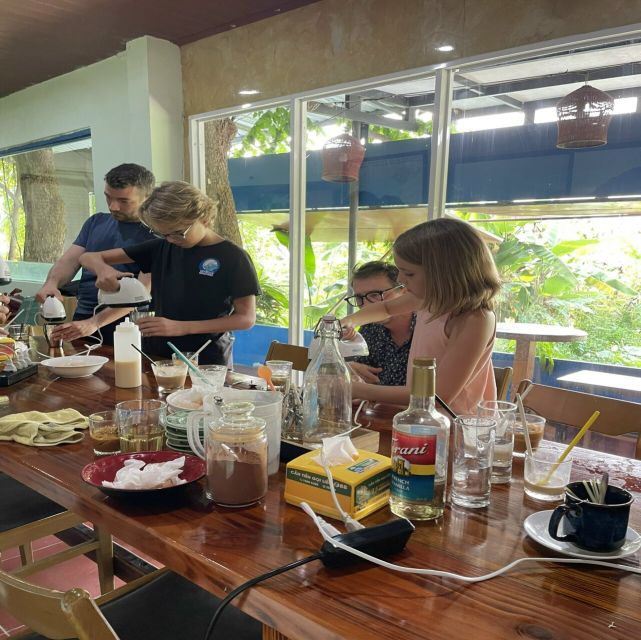
Your session starts at 27 Ngo Duc Ke Street, District 1, Ho Chi Minh City. This is a convenient area for getting your bearings fast: you’re in the heart of the city, and it’s easy to plan around before or after other District 1 sights.
The meeting spot is also part of what makes this experience feel different from a restaurant tasting. Based on how this tour is described and how it’s been experienced, you may walk into a space that feels more like a private setup than a standard cafe. That’s not automatically bad. In fact, a quieter, smaller room often makes the tasting feel more instructional. Just don’t expect a big bustling coffee shop with waitstaff and a menu board.
If you’re the type who likes learning while you’re standing right over the brewing station, this format works well. You’ll be able to watch the coffee process, follow along, and ask questions without competing with restaurant noise.
The 1-Hour Flow: How the Session Moves From Facts to Flavor
This is a 1-hour experience, so everything is intentionally paced. The tour begins with a welcome at the meeting point, then the coffee expert leads you through the core idea: Vietnam’s coffee culture isn’t one style—it’s multiple styles shaped by geography, ingredients, and daily life.
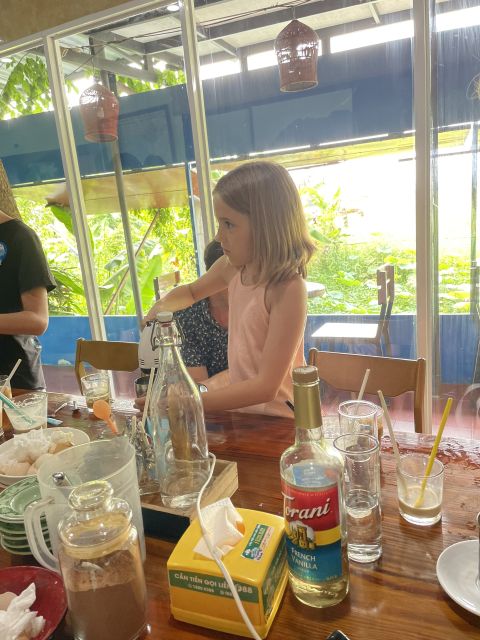
From there, the session shifts into a practical mode. You’ll be guided through hand-on brewing with the phin, and you’ll taste half-size portions of the three regional drinks. Half-size makes the schedule doable in an hour, and it also lets you compare clearly rather than getting overwhelmed by one super-rich cup.
Here’s what I think matters most for you as a visitor: the ordering of activities is built to reduce decision fatigue. You’re not stuck guessing what to taste next. You learn the meaning of each drink, then you taste it immediately—so the comparisons land fast in your head.
The Star Tool: Brewing With the Vietnamese Phin Dripper
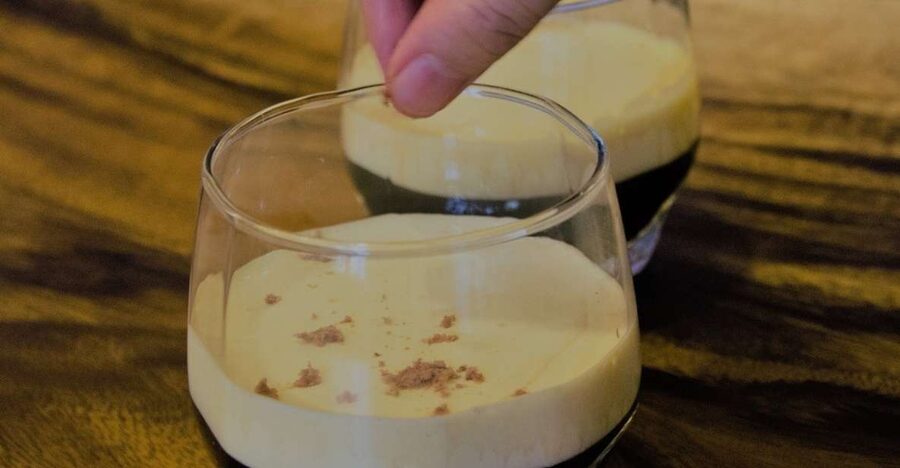
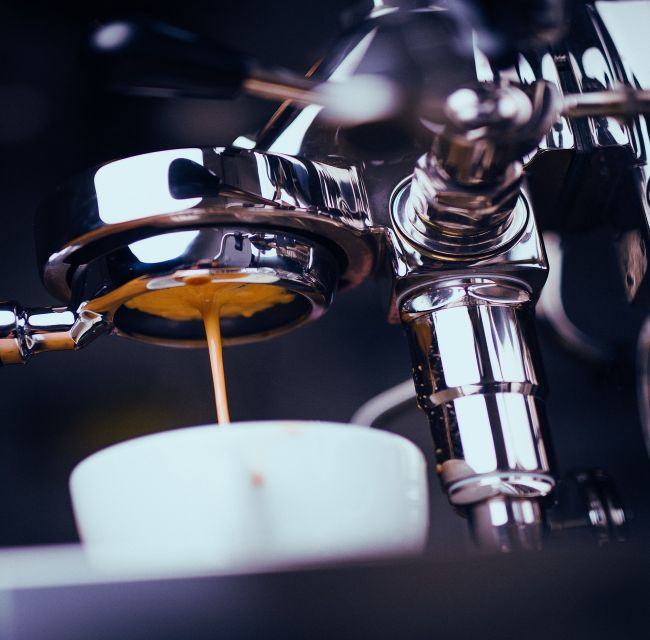
If you’ve had Vietnamese coffee before, you know it’s often served strong and slow. The phin is the reason: it’s a traditional metal dripper that changes how the coffee extracts and how the drink ends up tasting.
In this workshop, you don’t just admire the device. You’ll brew with the phin yourself, with ingredients and equipment included. That hands-on moment is one of the biggest value points. Even without being a coffee nerd, you quickly understand that small differences in brewing steps affect flavor.
One detail worth noting: the expert may demonstrate what happens when brewing isn’t done correctly, using an example batch to show how taste can turn out. That kind of comparison helps you see the logic behind the final cup, instead of treating it like a mysterious ritual.
South Vietnam Icon: Condensed Milk Coffee and the Softness of Sweet
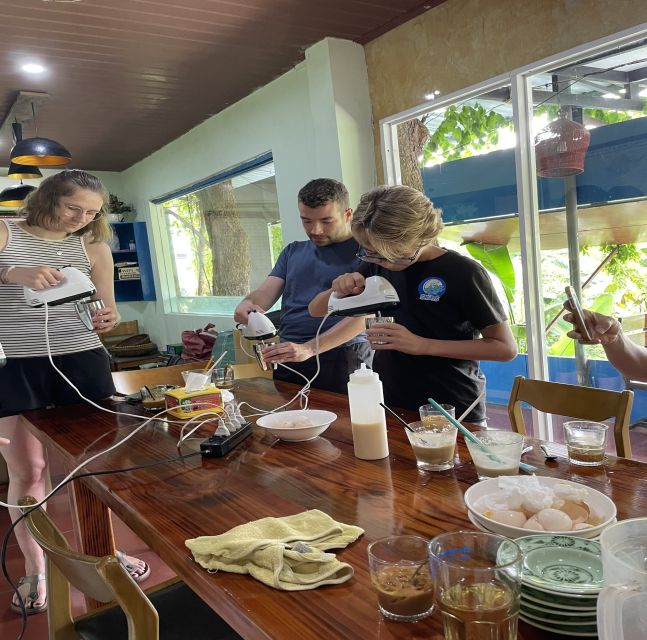
The first tasting focuses on condensed milk coffee, commonly associated with South Vietnam. This is the style most people picture when they think of Vietnamese coffee: a creamy sweetness that smooths out the strong coffee base.
In the workshop, you’ll taste it in half size, so you can notice the texture and sweetness without being knocked out by a full cup. You’ll also learn why the drink is such a signature in the South—how the style fits local preferences and daily habits.
If you’re traveling from places where milk coffee is usually light and foamy, this can feel more bold than you expect. The sweet is not subtle. It’s also not just added for dessert vibes; it balances the strength of the coffee and makes the drink feel comforting even when it’s served strong and cold.
For you, the payoff is simple: you get a clear baseline. Once you understand the sweetness and body of the condensed milk version, the salt coffee and egg coffee will make more sense as variations on the theme.
More plates and glasses down Saigon way
- Private Street Food Evening Walking Tour in Ho Chi Minh City★ 5.0 · 3,175 reviews
- Top Notch Street Food Motorbike Tour In Ho Chi Minh City★ 5.0 · 2,667 reviews
- Private Street Food Motorbike Tour in Ho Chi Minh City★ 5.0 · 2,180 reviews
- Saigon: Day-Night Sights & Local Food Tour l Female Option★ 5.0 · 1,638 reviews
- Super Niche Walking Street Food Tour in Ho Chi Minh City★ 5.0 · 1,636 reviews
Central Vietnam Icon: Salt Coffee and the Flavor Pivot
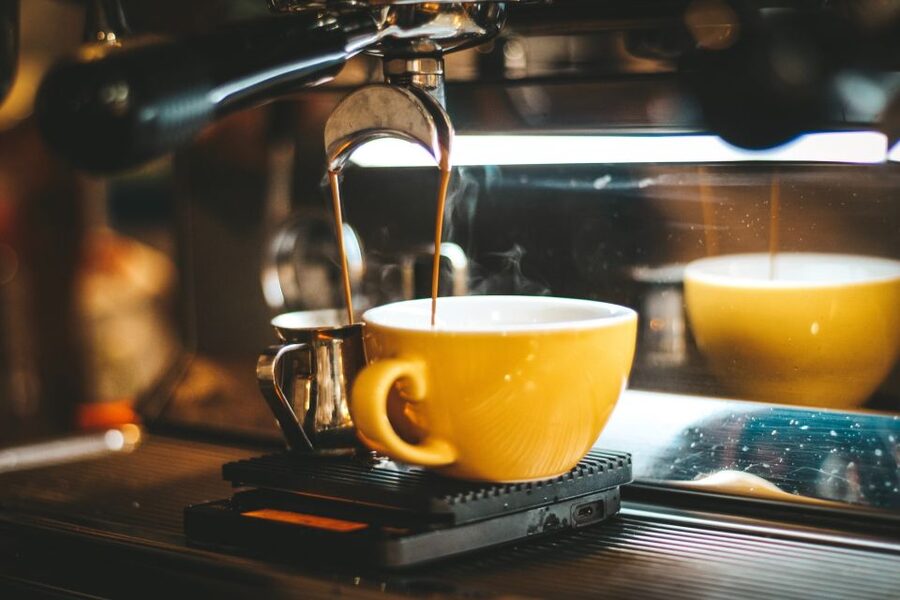
Next comes salt coffee, tied to Middle Vietnam. This is the one that surprises people the most, mainly because it breaks the usual coffee rulebook. Salt turns down sweetness in a different way than adding more sugar would.
The tasting is still half size, which helps you stay curious instead of cautious. The guide will explain the reasoning and the regional context—how the drink reflects Central Vietnam’s character and preferences.
What I like about this part for travelers is that salt coffee is a real conversation starter. After this workshop, you’ll be able to explain it clearly to friends: it’s not salty like savory coffee food. It’s about contrast—making the coffee feel more complex and bringing out flavors you might miss in purely sweetened versions.
Also, it’s a good check for your palate. If you like bold coffee but want something less sugary, this one may click quickly.
North Vietnam Icon: Egg Coffee and the Creamy, Custard-Like Twist
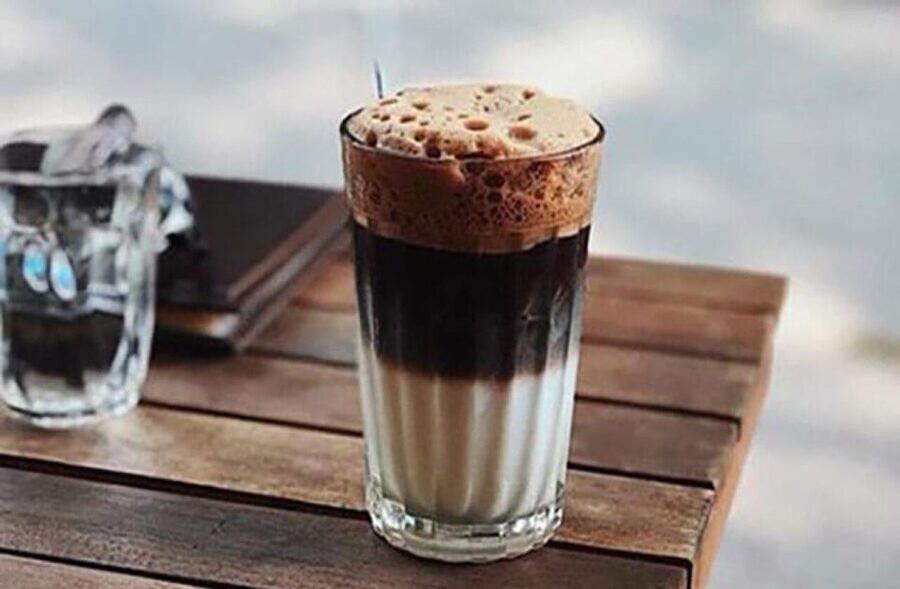
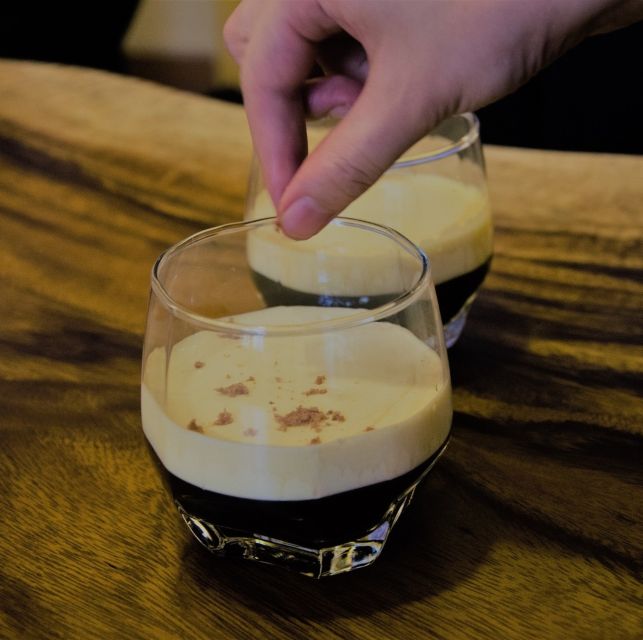
Finally, you’ll taste egg coffee, associated with North Vietnam. This drink is known for its creamy, custard-like character, usually made with egg yolk and sugar paired with coffee.
In the tasting, you get the egg coffee in half-size form, which is the right call. Egg coffee is rich. You don’t want to measure it against your willpower; you want to measure it against your senses. The session helps you do that by keeping each tasting portion manageable.
The expert’s comparisons here matter a lot. The point isn’t only that egg coffee tastes different; it’s that it belongs to a region with its own food traditions and preferences. You’ll hear how the drink ties back to local people and city identity, so the taste feels like culture, not just a recipe.
If you’ve ever had desserts that lean custard, you’ll likely understand egg coffee quickly. If you’re more of a plain-coffee person, don’t write it off. The best approach is to treat it like a coffee-based dessert and focus on how the texture changes the coffee experience.
The Real Learning Moment: Comparisons, Brewing Steps, and Why It Matters

This workshop doesn’t try to turn you into a barista. It tries to make you a better taster. That means you learn to notice differences in sweetness, texture, and balance across the three drinks—and you learn that correct brewing steps can change the cup.
That might sound abstract until you’re standing there with the phin in front of you and the expert guiding the process. When the host demonstrates how an incorrect brew can come out wrong, you start understanding the logic behind Vietnamese coffee traditions. It’s less about magic and more about method.
I also appreciate the way the guide uses visuals and storytelling style. One account notes the guide showed history of coffee with pictures. Even if the specific materials vary by session, the teaching style is clearly meant to help you connect what you taste with why it exists.
Price and Value: What $21 Buys You in a One-Hour Coffee Lesson
At $21 per person for 1 hour, this isn’t a casual add-on—you’re paying for structure, expert time, and materials. You get:
- Three regional coffee tastings (half-size drinks)
- Hands-on brewing using the phin
- All ingredients and equipment
- An English-speaking coffee expert/specialist
If you tried to recreate this on your own, you’d still need the right gear, plus you’d spend time hunting down the three distinct styles. Here, someone handles the sequence and helps you make meaningful comparisons while you taste.
Is it a steal? It depends on your coffee goals. If you love coffee and want more than a one-cup tasting, this is strong value. If you only want caffeine and don’t care about technique or regional context, you might find it a bit pricey for a short session.
For most people who enjoy learning while tasting, $21 for a guided, hands-on experience in the center of Ho Chi Minh City feels fair—especially because you’re not stuck paying separately for equipment, drinks, and an instructor.
Practical Notes Before You Go: Who It Suits and Who Should Rethink
This is built for small groups, limited to 10 participants, and led in English. That makes it a great option if you want interaction without getting lost in a crowd.
It’s also not a fit for everyone. Wheelchair users aren’t suitable for this activity, and children under 14 are free but can’t join the coffee tasting. Pets are also not allowed.
Who will enjoy it most:
- Coffee lovers who want to understand the regional differences
- Travelers who like hands-on food experiences
- People who enjoy short, guided activities that don’t eat up a whole afternoon
If you’re extremely caffeine-sensitive, go in with caution. This session includes multiple tastings close together, and at least one account mentions it can be a lot of caffeine. Eat beforehand if you can, pace yourself between cups, and bring water.
Where You’ll Stand Out: The Guide’s Personality and Q&A-Friendly Setup
One of the best parts of this kind of tour is the guide dynamic. You’re not just a silent taster; you’re asking questions, and the expert has time to answer them in a small-group environment.
In one described experience, the host ran over by about 30 minutes due to chatting, which says something about how comfortable the setup can feel. You’re likely to leave with more than just taste memory—you’ll walk away with explanations you can reuse on your next meal.
Also, if you have dietary or personal comfort concerns, it can help to communicate early. One account describes the guide adjusting food planning after someone wasn’t feeling well. That’s a reassuring sign that the host is paying attention, not just reading a script.
Should You Book This 3-Region Coffee Tasting in Ho Chi Minh City?
I’d book it if you want a quick, high-impact coffee experience with real learning baked in. The combination of phin brewing, three distinct regional drinks, and an expert-led comparison makes it more than a one-note caffeine stop.
Skip it if you prefer a full cafe hangout, hate tasting flights, or you’re very sensitive to caffeine. Also, if you need wheelchair access, this one doesn’t fit based on the activity’s suitability.
If your ideal trip includes stopping for one smart, local lesson that tastes great—and leaves you with an easy story to tell—this is a solid choice for your Ho Chi Minh City schedule.
FAQ
How long is the coffee tasting experience?
It lasts 1 hour.
Where is the meeting point for the tour?
The meeting point is 27 Ngo Duc Ke street, District 1, Ho Chi Minh City.
What is included in the price?
You get hands-on brewing with the phin, tasting three regional coffees (half-size drinks), all ingredients and equipment, and an English coffee expert/specialist.
How much does it cost?
The price is $21 per person.
Is hotel pickup and drop-off included?
No. Hotel pickup and drop-off are not included.
Can children join the tasting?
Children under 14 are free of charge, but they cannot join in the coffee tasting.
Is the tour wheelchair accessible?
No. The activity is not suitable for wheelchair users.
Eat and Drink Your Way Through Ho Chi Minh City


More Tour Reviews in Ho Chi Minh City


Saigon by the Glass of Coffee
Just Reviewed Around Saigon
- Secret walking Food Tour Ho Chi Minh City
★ 5.0 · 3 reviews - Ho Chi Minh City: Secret Cocktail Experience
★ 5.0 · 3 reviews - From Ho Chi Minh city: Vung Tau Beach Private Day Tour
★ 5.0 · 3 reviews - Saigoncholon
★ 3.5 · 3 reviews - Saigon On 2 Wheels
★ 3.5 · 3 reviews - From Ho Chi Minh City: Relax In Mui Ne Beach In 1 Day
★ 4.3 · 3 reviews
Saigon Coffee Tours, compared.
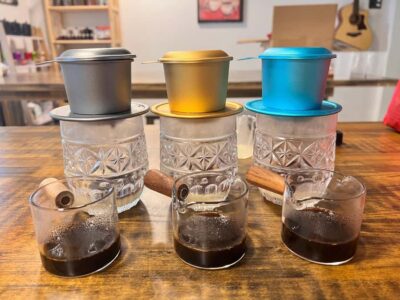 ★ 4.9Egg coffee & Course on 4 traditional types of Viet coffeeFrom $18487 reviews
 ★ 5.0Fun & Easy Vietnamese Coffee Workshop in Hồ Chí Minh CityFrom $23293 reviews
 ★ 5.0Vietnamese Coffee & Culture Exploration in Hồ Chí Minh CityFrom $29202 reviews
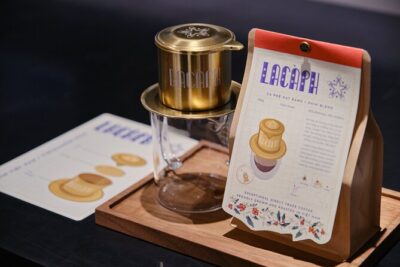 ★ 5.0Decadent Vietnamese “Egg Coffee” Workshop in Hồ Chí Minh CityFrom $20150 reviews
 ★ 4.9Fun and Easy Coffee Workshop for BeginnersFrom $23121 reviews
 ★ 5.0Techniques & Secrets Behind the Famed Vietnamese Egg CoffeeFrom $2099 reviews
 ★ 5.01 hour Egg Coffee Cooking Class with Snack and Local InstructorFrom $1572 reviews
 ★ 5.0Saigon Unseen: Culture, Coffee, Hidden Spots Motorbike AdventureFrom $3360 reviews
Browse the lists this tour appears in