
REVIEW · SAIGON COOKING CLASSES
Market to Farm to Table Cooking Class in saigon
A morning wet market, then a working farm, then your knife skills. That mix is what makes this Saigon class feel real, not staged. Market-to-farm-to-table cooking in Ho Chi Minh City turns ingredients you saw alive and growing into a meal you actually make.
I love that it stays small (max 15), so questions don’t get lost and you get guidance while you cook. I also like the focus on hands-on work—four dishes, from prepping to plating, not just watching.
One thing to consider: it runs about 8 hours starting at 7:30 am, so it’s a full-day commitment. If you prefer slow travel, bring snacks for the in-between moments and plan for a long morning.
In This Review
- Key highlights you should care about
- From hotel pickup to 7:30 am start in Saigon
- Wet market: seafood, fruit, and learning what goes where
- Welcome on the farm: traditional hat and farm mindset
- Organic farm tour: mints, mushrooms, and plant nutrition
- Picking your own ingredients: where the day turns practical
- The cooking class: 4 dishes, 100% hands-on
- Food preferences: vegetarian options and flexibility
- Lunch, coffee, and tea: eat what you made
- What you get to take home: recipes and a completion certificate
- Price and value in Saigon (is $70 fair?)
- Who this tour fits best (and who should think twice)
- Tips so you get the most from the farm-to-table day
- Should you book this Market to Farm to Table cooking class?
- FAQ
- What time does the class start?
- How long is the cooking class?
- Is pickup from my hotel included?
- What dishes will I cook?
- Is there a vegetarian option?
- What’s included in the price, and what costs extra?
Key highlights you should care about
- Wet market time with ingredient focus: you explore seafood variety and fruit, and learn what each ingredient does in Vietnamese cooking
- Organic farm tour plus picking your own produce: you see how crops grow and take part in harvesting
- 100% hands-on cooking for four dishes: you work through the steps and enjoy what you make
- Small-group size up to 15: more attention from the instructor and easier pacing
- Coffee and tea with the meal, plus recipes and a completion certificate: you leave with more than just photos
- Vegetarian option available: you can request plant-forward dishes when booking
Roll up your sleeves in another Saigon kitchen


From hotel pickup to 7:30 am start in Saigon
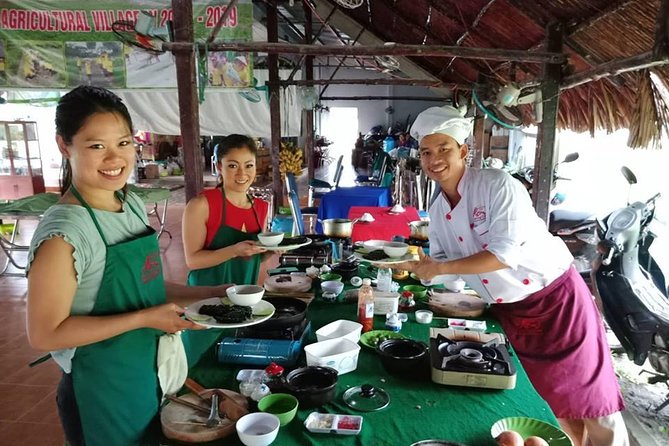
This tour starts early—7:30 am—and that’s a plus if you want the day to feel productive. Hotel pickup and drop-off are included, and the experience uses a mobile ticket, which makes the morning smoother. You’re not trying to solve transit while also figuring out where to stand at the market.
Early starts also mean you can see ingredients before the heat and crowds get too intense. In a wet market setting, timing matters. You’ll get a better look at how vendors present produce and seafood, and you’ll have time to ask questions without feeling rushed.
Wet market: seafood, fruit, and learning what goes where
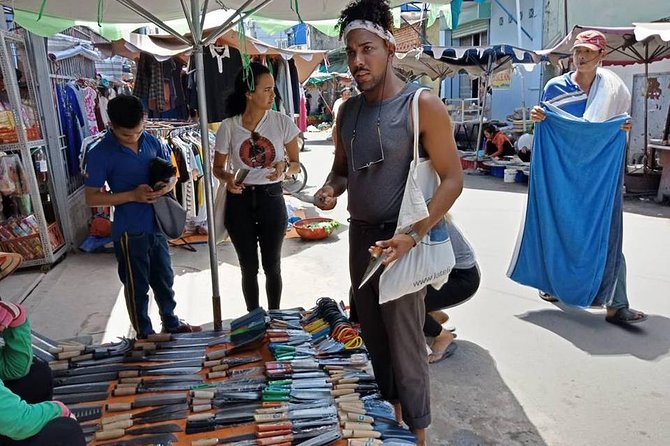
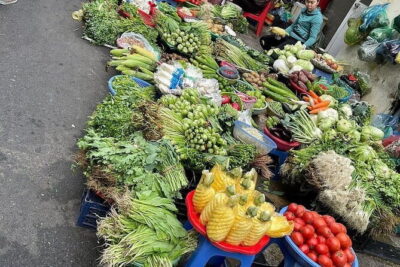
The day begins at a local wet market. Expect a guided walk through ingredients used in Vietnamese cooking—different items, how they’re selected, and how they fit into familiar flavors.
From the descriptions, you’ll spend time looking at a huge range of produce, including seafood that’s still very much alive. That’s part of the learning here: Vietnamese dishes don’t rely on a few “mystery sauces.” The flavors come from fresh components—herbs, vegetables, fruit, and seafood—treated with care.
You’ll also get hands-on tasting, including fresh fruit from the market. It sounds simple, but it helps you understand Vietnamese flavor balance. Sweet fruit shows up in sauces and finishing flavors more often than people expect. When you taste it early, it makes later seasoning choices feel less like guesswork.
Practical tip: markets can be slick and busy. Wear shoes you can trust for uneven ground and damp surfaces.
Welcome on the farm: traditional hat and farm mindset
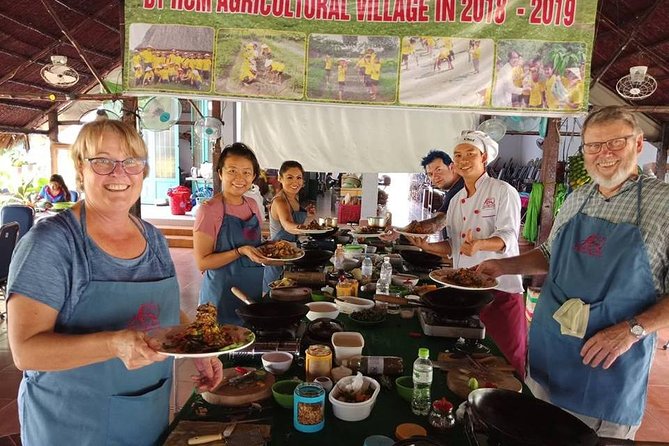
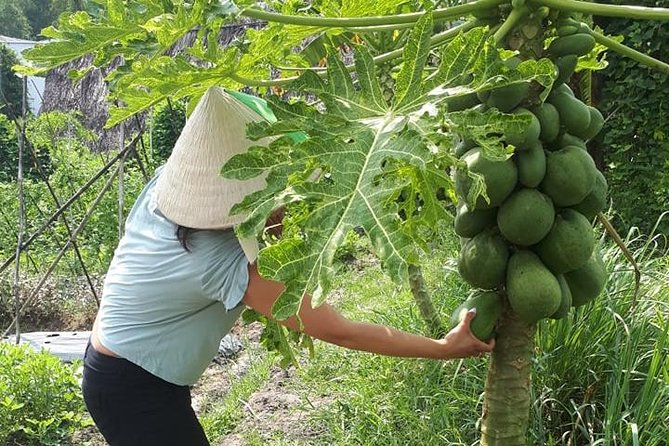
After the market, you head to the farm. One of the more memorable touches is the welcome—guests are welcomed with a traditional hat and basket, and you’re encouraged to think of yourself more like a farmer than a tourist.
This part matters because it sets the tone for how the rest of the day runs. The farm isn’t just scenery. You’re there to learn how the food actually gets grown, and then you’ll handle those ingredients later when you cook.
Organic farm tour: mints, mushrooms, and plant nutrition
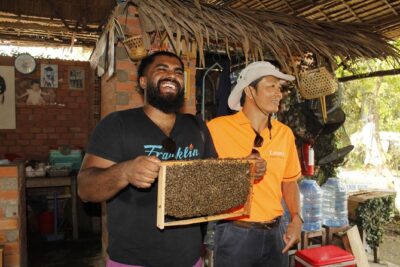
On the farm, you’ll tour the growing areas and learn about organic methods and the different crops you’ll use. Based on the descriptions, you’ll see lots of vegetables and herbs—things like mints—as well as mushrooms.
There’s also a nutrition angle to the visit. You’re not only told what something is; you learn how different plants contribute to meals. That’s useful when you’re cooking later, because it helps you understand why certain ingredients are treated as essential rather than optional.
If you get a guide like Chef Daisy or Alice (both names show up in past experiences), you’ll likely get clear explanations tied directly to Vietnamese cooking. And if your group is with Chef Tan, the vibe tends to be hands-on and warm—more “do this with me” than “listen to a lecture.”
More stalls and shophouse streets to browse
- 1-Day Mekong Delta Cai Rang Floating Market-Ancient House-Pancake★ 5.0 · 653 reviews
- Chef Vu Cooking Class Plus Market Trip in Saigon Center (Pick up by Cyclo)★ 5.0 · 477 reviews
- Immersive Cooking Class & Market Tour By Local Chef+Cookbook★ 4.8 · 426 reviews
- Immersive Cooking Class & Wet Market Tour by Local Chef +Cookbook★ 5.0 · 367 reviews
- Cai Rang Floating Market & Mekong Delta Private 1-Day Tour★ 5.0 · 197 reviews
Picking your own ingredients: where the day turns practical
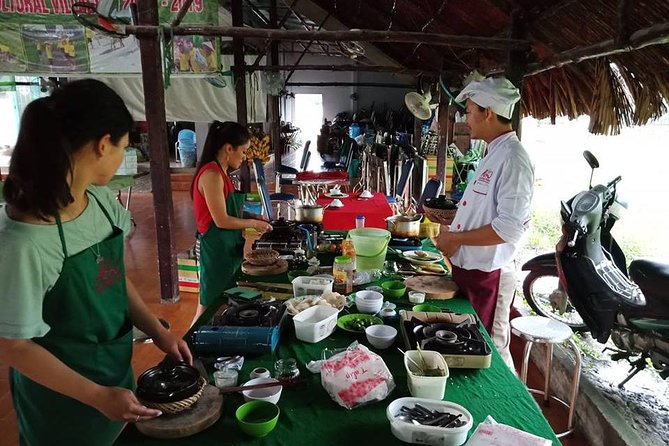
Then comes one of the best parts for hands-on cooks: you pick your own produce. This is where the day shifts from observation to participation.
You’re not just grabbing ingredients from a table. You’re collecting what you’ll cook with, which makes the flavors feel connected to real plants, real soil, and real harvest. It also helps you recognize ingredients when they show up later in Vietnamese dishes back in the city—or at home.
Also, this step is a nice reality check. Sometimes you think you know a vegetable until you pick it yourself and see how it looks at harvest. That small change in perspective can improve how you cook it.
The cooking class: 4 dishes, 100% hands-on
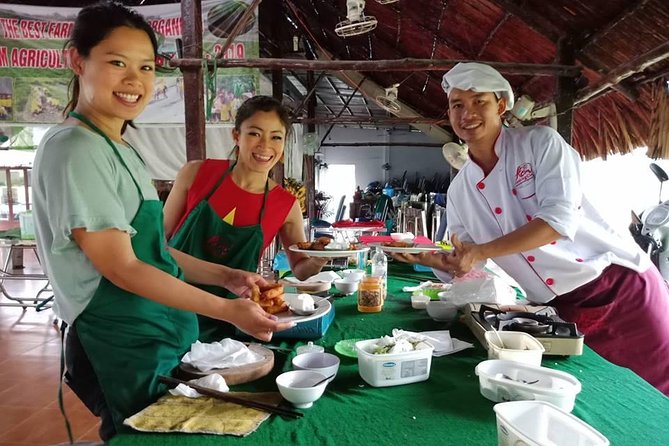
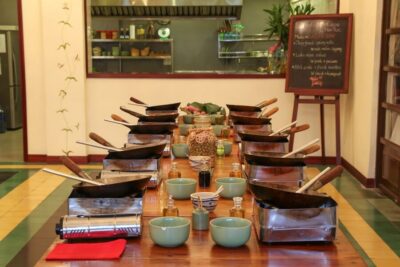
Now you get to cook. The class is 100% hands-on, and the goal is clear: you’ll prepare and enjoy four authentic Vietnamese dishes.
Because the group is limited to 15, you’re more likely to get real feedback while you work. That can be the difference between following steps correctly and actually understanding why the instructor adjusts seasoning or technique for what’s happening in your pan.
You’ll also have a chance to connect cooking to what you learned earlier. Market fruit tasting and farm herb spotting aren’t trivia—they’re meant to guide how you balance flavors once the stove is on.
Food preferences: vegetarian options and flexibility
Vegetarian options are available, and you can advise dietary requirements when booking. One past experience described a vegan course running alongside a meat course with a similar structure, which can be helpful if you’re booking as a couple with different eating styles.
Another useful detail: if there’s a specific dish you want to focus on—something you enjoyed earlier in Vietnam—you can ask. The chef has been willing to accommodate special dish requests, so it’s worth sharing your priorities in advance.
Lunch, coffee, and tea: eat what you made
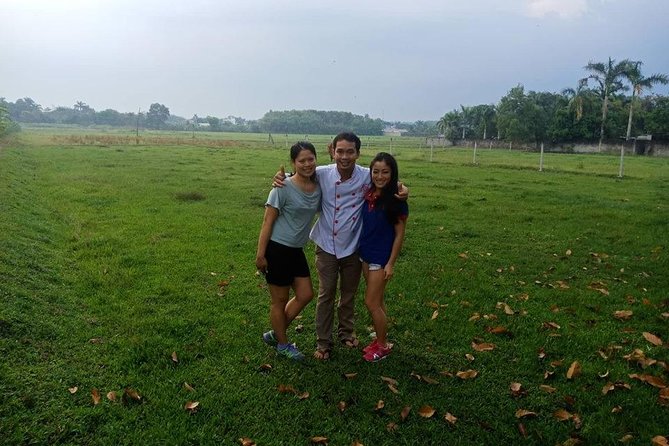
Lunch is included, described as a 4-course lunch, plus snacks. You’ll also get coffee and/or tea.
This matters because it keeps the day from turning into a “work and then disappear” cooking session. You’re expected to eat what you made. And with tea and coffee included, you can slow down after cooking and actually taste the dishes in a calm setting.
Also, this lunch component is part of the value. At $70 per person, you’re paying for more than a recipe lesson. You’re paying for the market and farm experiences, the ingredients, the instruction, and a full meal.
What you get to take home: recipes and a completion certificate
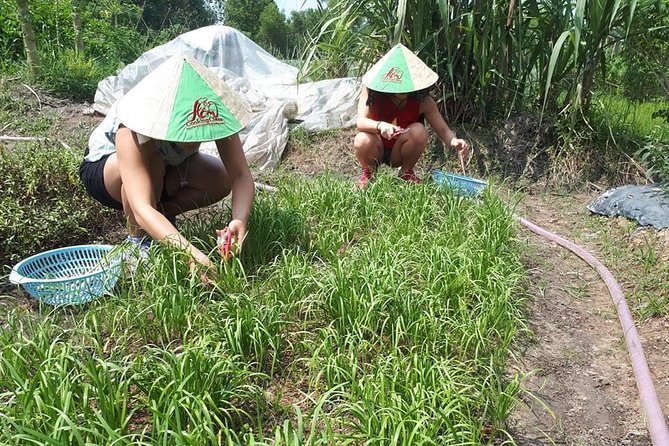
Besides eating on-site, you receive recipes and a certificate of completion.
Recipes are the practical part. You’ll be able to recreate at least some of what you cooked without needing to remember every step. The certificate is more sentimental, but it’s also a sign that the class follows a structured flow and wraps up properly instead of being a vague demonstration.
Price and value in Saigon (is $70 fair?)
At $70 per person for an approximately 8-hour experience, this isn’t a cheap throw-in activity. But it’s not overpriced either, mainly because you’re not paying for just one thing.
Here’s the value equation as it works on the ground:
- Small-group instruction (max 15), so you’re not fighting for attention
- Wet market + farm visit (not just a kitchen stop)
- Hands-on cooking for four dishes
- Meals included (lunch with snacks and coffee/tea)
- Hotel pickup and drop-off included
Also, the experience is commonly booked well in advance (on average 161 days), which usually signals consistent demand. That’s not a guarantee, but it does suggest this is a popular way to experience Vietnamese cooking beyond a basic class.
What’s not included: drinks beyond the coffee and/or tea. If you’re the type who wants extra water or soda with lunch, budget a little extra.
Who this tour fits best (and who should think twice)
This is a strong fit if:
- you want a real market-to-kitchen connection, not just cooking techniques
- you like learning through doing—picking ingredients and then cooking them
- you prefer small-group settings where you can ask questions
- you’re interested in herbs, vegetables, mushrooms, and how nutrition shows up in real meals
It might feel less ideal if:
- you hate early mornings or dislike long days
- you want a quick, casual experience rather than an organized full itinerary
- you’re expecting a class focused on one single dish (this is four dishes, not one deep specialty)
Tips so you get the most from the farm-to-table day
A few practical moves make a big difference:
- Wear comfortable shoes for market and farm ground.
- Bring a light layer for morning air changes.
- If you have dietary needs, mention them when booking (vegetarian options exist).
- If you have specific Vietnamese dishes you loved earlier in Vietnam, ask ahead so the chef can plan around your request.
- Expect a full workday feel: you’ll cook, then you’ll eat, then you’ll keep going with the rest of the courses.
Should you book this Market to Farm to Table cooking class?
Book it if you want a hands-on Vietnamese food day that starts with ingredients (wet market), moves into where they come from (farm), and ends with you cooking and eating a four-course meal. The small group size, included lunch, and recipe take-home make the $70 feel more like an experience package than a basic cooking ticket.
Skip it—or compare alternatives—if you’re not a fan of early mornings and long schedules. At the 7:30 am start, this is built for people who like to get moving.
If you do book, pick your dietary option carefully at booking time and come ready to cook. The best payoff is when you treat the day like you’re learning to cook the way Vietnamese kitchens do: with fresh ingredients you can recognize, balance, and season with confidence.
FAQ
What time does the class start?
The experience starts at 7:30 am.
How long is the cooking class?
It runs for about 8 hours.
Is pickup from my hotel included?
Yes. Hotel pickup and drop-off are included, and the tour uses a mobile ticket.
What dishes will I cook?
You’ll prepare four different authentic Vietnamese dishes.
Is there a vegetarian option?
Yes. A vegetarian option is available. You should advise the team at booking time if you need it, along with any dietary requirements.
What’s included in the price, and what costs extra?
Included items are lunch (4-course lunch), snacks, bottled water, coffee and/or tea, recipes, and all activities, plus guides and pickup/drop-off. Drinks are not included.
Leave Room in the Suitcase


More Tour Reviews in Ho Chi Minh City



Cook It Yourself: Saigon Kitchens
Just Reviewed Around Saigon
- Secret walking Food Tour Ho Chi Minh City
★ 5.0 · 3 reviews - Ho Chi Minh City: Secret Cocktail Experience
★ 5.0 · 3 reviews - From Ho Chi Minh city: Vung Tau Beach Private Day Tour
★ 5.0 · 3 reviews - Saigoncholon
★ 3.5 · 3 reviews - Saigon On 2 Wheels
★ 3.5 · 3 reviews - From Ho Chi Minh City: Relax In Mui Ne Beach In 1 Day
★ 4.3 · 3 reviews
Saigon Cooking Classes, compared.
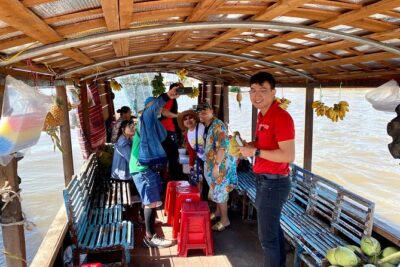 ★ 5.0Cai Be Mekong Delta Tour: Cooking Class, Cycling & Craft VillagesFrom $391,881 reviews
 ★ 5.0Mekong Day Trip Explore Village Bicycle CookingClass Group 12 PaxFrom $29705 reviews
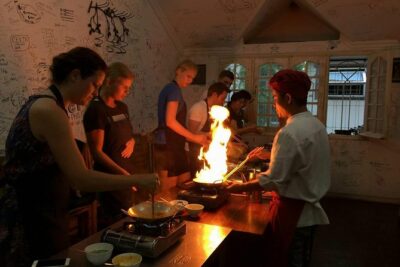 ★ 5.0Chef Vu Cooking Class Plus Market Trip in Saigon Center (Pick up by Cyclo)From $46477 reviews
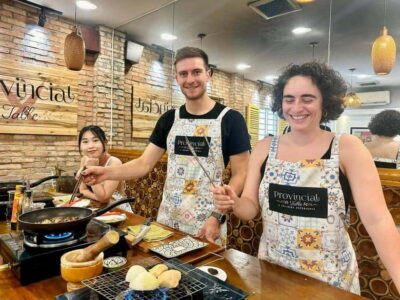 ★ 4.8Immersive Cooking Class & Market Tour By Local Chef+CookbookFrom $33426 reviews
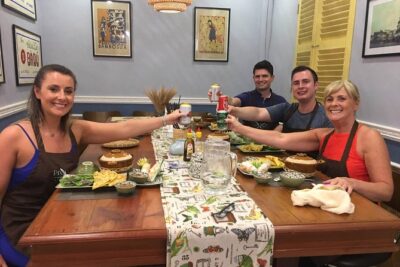 ★ 5.0Immersive Cooking Class & Wet Market Tour by Local Chef +CookbookFrom $49367 reviews
 ★ 5.0Small-group 2-Day Mekong Delta: Floating market, Cooking Class…From $170194 reviews
 ★ 5.0Authentic Vietnamese Cooking Class with Market Visit in HCMcFrom $45182 reviews
 ★ 4.9Cooking Class with Ben Thanh Market visitFrom $4594 reviews
Browse the lists this tour appears in