
REVIEW · CHOLON CHINATOWN TOURS
Tales of Cho Lon Cultural Walking Private Tour
Cho Lon is one of those parts of Ho Chi Minh City that feels like it has its own rules. This private walk through Chinatown gives you Chinese community temples, real street snacks, and the big market that locals use every day. I love the way it links religion and daily life in the same route, and I also like that key stops have free admission so your money goes to the experience, not entry fees. One watch-out: it’s a walking tour in a heat-and-crowd city, so you’ll want solid shoes and a plan for the weather.
What makes Tales of Cho Lon different is the mix. You start at Nghĩa An Assembly Hall, head through Thien Hau and Ôn Lăng temple sites tied to different Chinese communities, then you move into food streets and end at Bình Tây Market. If you prefer a slow, story-driven neighborhood stroll over a checklist of sights, this fits.
Still, this is not a sit-down sightseeing day. The route is paced with walking time between stops, and they even note that the street time can add up (around an extra hour). Go in expecting motion, not just monument photos.
In This Review
- Key things to know before you go
- Cho Lon at 8:00 am: why this Chinatown route feels natural
- Hội Quán Nghĩa An: the Teochew courtyard that starts the story
- Thien Hau Pagoda: Tuệ Thành Assembly Hall and the Holy Mother
- On Lăng Pagoda (Ôn Lăng): Hokkien roots and overlapping temple names
- Chợ Thủ Đô food area: coffee, street snacks, and local pacing
- St Francis Xavier Church: Franco-Chinese style where Vietnam shows through
- Bình Tây Market: Sino-French walls, an inner courtyard, and the wholesale feel
- Price and pacing: does $32 make sense for this kind of day?
- What you’ll learn beyond sights: identity, trade, and everyday faith
- Who this private Cho Lon walk is best for
- Should you book Tales of Cho Lon Cultural Walking Private Tour?
- FAQ
- Where does the tour start and end?
- What time does the tour begin?
- How long is the walking tour?
- How much does it cost?
- Is this a private tour?
- Do I get a ticket on my phone?
- What stops are included?
- Is there an admission fee for the stops?
- Is public transportation nearby?
- What weather conditions are required?
- What is the cancellation policy?
Key things to know before you go
- Private group: only your group joins, so questions come easier and the pace can feel more personal.
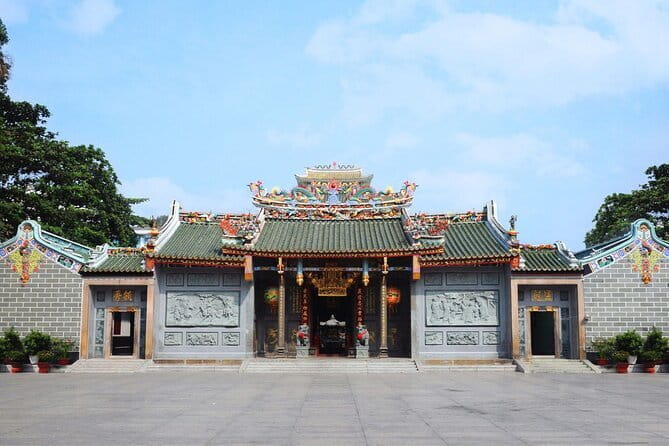
- Morning start: the tour begins at 8:00 am at Hội Quán Nghĩa An in District 5.
- Temple stops with context: you’ll learn which community each assembly hall serves (Teochew, Hokkien, and more).
- Food and coffee time: you’ll get street-food browsing plus coffee at an older standing stall.
- Bình Tây Market at the finish: Sino-French style, a big inner courtyard, and the feel of a real trading hub.
- Weather matters: the tour requires good weather, with an option to change dates or get a refund if it’s canceled for poor conditions.
Temples and trade in Cholon, the old Chinatown


Cho Lon at 8:00 am: why this Chinatown route feels natural
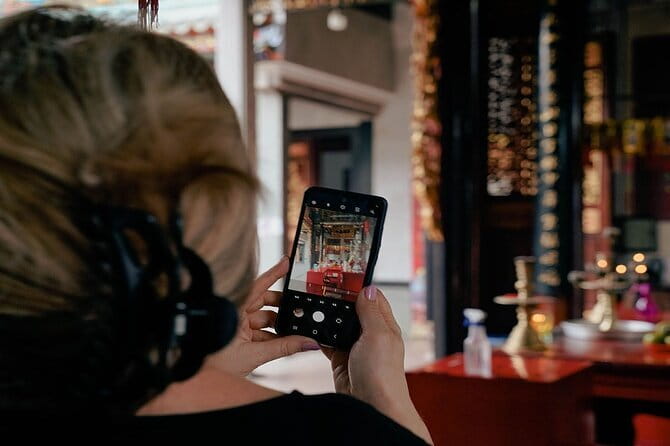
The tour starts at Hội Quán Nghĩa An (678 Đ. Nguyễn Trãi, Phường 11, Quận 5) and ends at Bình Tây Market (57A Tháp Mười, Phường 2, Quận 6). That end point is handy: once you reach the market area, you’re already in one of the easiest places to keep exploring on your own.
I like tours that don’t just drop you at landmarks. This one builds a pattern. First you see community “homes” (assembly halls and temples). Then you see how faith and identity show up in everyday life—food streets, social buildings, and the market where people trade. It’s a walking route through the main trading streets as well as one of the large wholesale markets, so the experience doesn’t feel like a museum set.
One thing to expect: even though the stated duration is about 3 to 4 hours, you should treat it like a half-day neighborhood plan. They also point out that walking time among the locations and along other points of interest adds about an extra hour to the overall time. In practical terms, that’s time for shade breaks, snacks, and actually looking instead of rushing.
Hội Quán Nghĩa An: the Teochew courtyard that starts the story
Your first stop is at the front courtyard of Nghĩa An Assembly Hall. It also goes by several names—Quan De Temple and Ong Pagoda—and it’s significant for the Teochew community. Starting here matters because assembly halls aren’t just pretty architecture. In these neighborhoods, they function like social-spiritual headquarters: places to gather, worship, and reinforce community ties.
At this early point in the walk, you get oriented fast. You’re in the right mood for the rest of the route, because the guide frames what you’re looking at: why Chinese community groups built these halls, what the names mean, and how those buildings relate to migration and identity in Cho Lon.
Admission here is listed as free, and that pattern continues through the other major religious and market stops. That helps you keep your budget steady and makes it easier to justify spending on the guide and the time—not ticket fees.
Thien Hau Pagoda: Tuệ Thành Assembly Hall and the Holy Mother
Next comes Thien Hau Pagoda, tied to Tuệ Thành Assembly Hall—also referred to as Thien Hau Temple or Ba Chua Cholon Pagoda. This stop focuses on worship of Thien Hau, the Holy Mother. The tour gives you the cultural angle, not just the photo angle: why a goddess-focused practice became central for certain communities, and how that devotion shows up in the architecture and the way people move through the space.
They allocate about 45 minutes at this stop, which is long enough to slow down. You can observe visitors, note the details, and ask questions without feeling like you’re being herded.
One practical consideration: religious sites can be lively and active, depending on the day and time. Go in with a respectful mindset. Keep your voice down, avoid blocking pathways, and remember that you’re watching a living place of worship, not a stage set.
On Lăng Pagoda (Ôn Lăng): Hokkien roots and overlapping temple names
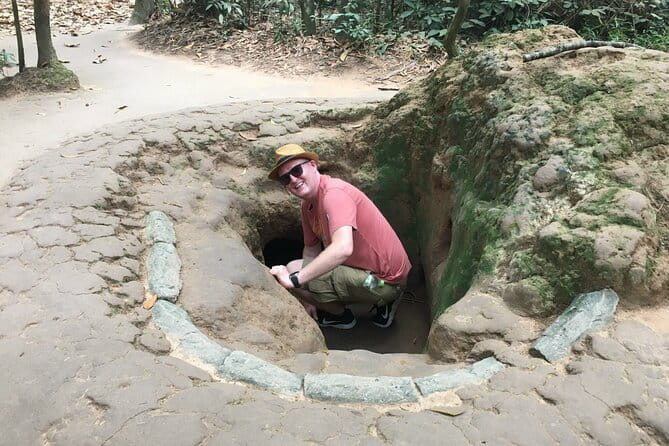
After Thien Hau, you’ll visit On Lăng Pagoda—also called Ôn Lăng Assembly Hall, Quan Âm Temple, or Ông Lào Temple. This one is connected to the Hokkien Chinese community and dedicated to worship of Thiên Hậu Thánh Mẫu (Thien Hau).
The value of this stop is the comparison. Two temples, two community connections, and the same central devotion showing up in different community contexts. That’s how Cho Lon starts to make sense: it isn’t one single Chinatown story. It’s multiple identity threads that overlap in shared urban space.
You’re given about 30 minutes here. That’s enough time to notice differences in naming, focus, and how each hall signals the community it serves. If you enjoy cultural nuance—who built what, and for whom—you’ll probably love the way this stop tightens the story arc.
Your own driver, your own pace
- Ho Chi Minh City Private Half-Day Tour by U.S Army Jeep★ 5.0 · 1,164 reviews
- Cu Chi Tunnels – VIP Private Tour★ 5.0 · 883 reviews
- Cu Chi Tunnels and Mekong Delta – VIP Private Tour★ 5.0 · 530 reviews
- Ho Chi Minh City private full-day tour with Lunch included★ 5.0 · 411 reviews
- Mekong Delta Full Day Trip – My Tho & Ben Tre – VIP Private Tour★ 5.0 · 371 reviews
Chợ Thủ Đô food area: coffee, street snacks, and local pacing
Then you shift from temples to the Khu ăn uống chợ Thủ Đô food area. This is where you stop treating Cho Lon like a sightseeing theme park and start experiencing it like a working neighborhood.
You’ll have time for street food and drinks, plus coffee from one of the oldest coffee stands still operating in the city. The tour also mentions a traditional Cantonese snack. In other words, this isn’t just random tasting. It’s tied to the community flavor you’ve been learning about in the temple stops.
A real-world tip: build your expectations around “shopping and nibbling” rather than a formal meal. Market-area food is often best in small bites. If you’re sensitive to spice or unfamiliar flavors, tell your guide early. A good guide will steer you toward options that match what you’re comfortable with.
This stop lasts about 45 minutes. That gives you enough time to try a couple items, but it still keeps you moving so you don’t lose the flow of the walk.
St Francis Xavier Church: Franco-Chinese style where Vietnam shows through
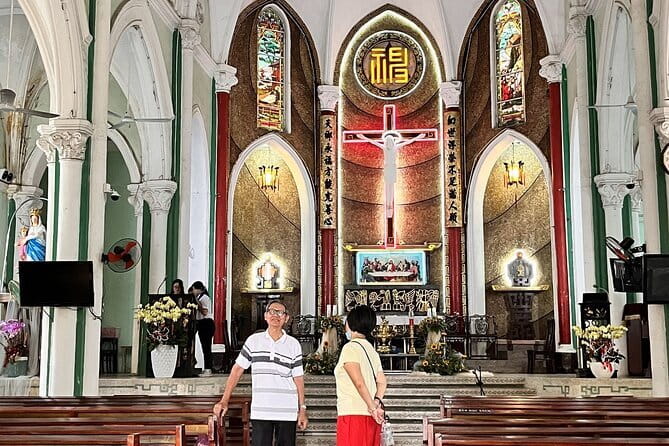
Next up is St Francis Xavier Church, one of the oldest churches in the Chinatown area. What makes it stand out is the Franco-Chinese architecture with Vietnamese influence.
This is a helpful breather in the middle of the route because it shows another layer of how Cho Lon developed. You’re not only looking at Chinese community structures and market life anymore—you’re seeing how outside architectural language and local adaptation blended in this district.
The stop is around 30 minutes. That’s enough time to admire the building style without turning it into a long lecture. If you like comparing how different faiths and cultural influences shaped the same urban neighborhoods, this church fits your interests.
Bình Tây Market: Sino-French walls, an inner courtyard, and the wholesale feel
Your final major stop is Bình Tây Market, also known as Cho Lon (the Grand Market). It’s famous for an unusual structure: a big inner courtyard and Sino-French architecture. The market was built in 1928, and it’s described as one of Vietnam’s notable wholesale-market hubs.
Ending here is smart. You finish at a place where the city’s commercial energy continues even after the tour ends. It’s also a great spot to buy snacks, practical supplies, or small gifts if you’re still in “look and shop” mode.
Plan about 30 minutes at the market. Use that time to walk the courtyard, notice the architecture, and check how vendors set up. Since this is a wholesale-type environment, you’ll likely see how the district supports both everyday shoppers and bigger trading networks.
If you want more time, don’t force the tour to do it all. Sit for a minute, absorb what you see, and then keep exploring nearby streets on your own.
Price and pacing: does $32 make sense for this kind of day?
At $32 for a private tour lasting about 3 to 4 hours (plus walking time), the value comes from two things: private time with a guide and free admission at the key stops. You’re not paying separately for each site, and you get a structured walk that keeps you from wandering aimlessly.
Private tours also tend to work better in places like Cho Lon. You’ll ask questions about temple meanings, community differences, and food choices. With only your group, your guide—who matters here—can slow down when something’s unclear.
The reviews you’ll see for this tour line up with that idea. People liked the way guides are engaged and fun, and one guide named Percy is specifically mentioned as being super informative, caring, and enjoyable. That’s exactly what you want on a neighborhood walk: less “tour bus voice,” more real explanation.
As for pacing, I recommend treating the day like you’re walking through heat. Even if you start early, you’ll still cover a lot of streets. Bring water. Wear breathable clothes. If you know you get tired fast in sun, plan to eat something light before the 8:00 am start.
What you’ll learn beyond sights: identity, trade, and everyday faith
This tour works because it ties together three things: community gathering places, what people eat and drink, and where goods move. The assembly halls and pagodas aren’t just architecture stops. They point to how Chinese migrant groups organized themselves. You see that in the community labeling: Teochew at Nghĩa An, Hokkien at On Lăng, and Thien Hau devotion showing up across spaces.
Then the food stop brings the story into your mouth. Street food isn’t random here—it reflects the “here’s what we eat and drink” side of community life. Even the mention of Cantonese snacks makes the route feel less generic.
And then the market ending adds a strong close. Markets are where all the identity and faith energy meets the real city rhythm—people trading, moving goods, and keeping businesses going. It’s one of the reasons I like this kind of cultural walking route: it’s social and practical, not just scenic.
Who this private Cho Lon walk is best for
This experience is a strong fit if you:
- Want a private guide rather than a crowded group walk
- Like temples and churches, but also want the “why” behind them
- Enjoy street food and want it tied to the neighborhood context
- Prefer walking routes that feel local, not staged
It may be less ideal if you:
- Want mostly indoor attractions
- Have trouble with sustained walking (the tour notes that street time can add up)
- Are looking for a museum-style itinerary with long seated stops
If you’re traveling with a group of friends or family and you want a structured route through Cho Lon without worrying about directions, this is a comfortable way to do it.
Should you book Tales of Cho Lon Cultural Walking Private Tour?
If you’re spending time in Ho Chi Minh City and you want Cho Lon to feel understandable—temples, community connections, and street life all in one coherent walk—this is a very solid booking. The price is reasonable for a private half-day, the big stops have free admission, and the structure keeps you from missing the details that make Cho Lon interesting.
I’d book it if you’re the type who asks questions, likes walking through neighborhoods, and wants at least one day that feels like you’re living in the city for a few hours. Just go in prepared for walking and heat, and choose good weather days. If the weather is poor, they note the tour requires good conditions, with alternatives offered if it gets canceled.
FAQ
Where does the tour start and end?
It starts at Hội Quán Nghĩa An at 678 Đ. Nguyễn Trãi, Phường 11, Quận 5, Hồ Chí Minh 70000, Vietnam. It ends at Binh Tay Market at 57A Tháp Mười, Phường 2, Quận 6, Hồ Chí Minh 700900, Vietnam.
What time does the tour begin?
The start time listed is 8:00 am.
How long is the walking tour?
The tour is described as lasting about 3 to 4 hours. The walking time between locations and other points of interest can add up around 1 hour to the total duration.
How much does it cost?
The price is $32.
Is this a private tour?
Yes. It’s a private tour/activity, so only your group participates.
Do I get a ticket on my phone?
Yes, it includes a mobile ticket.
What stops are included?
Key stops include Hội Quán Nghĩa An, Thien Hau Pagoda (Tuệ Thành Assembly Hall), On Láng Pagoda (Ôn Lăng Assembly Hall), Khu ăn uống chợ Thủ Đô, St Francis Xavier Church, and Binh Tay Market.
Is there an admission fee for the stops?
For the listed stop details, admission is noted as free at each of the main stops.
Is public transportation nearby?
Yes, it’s described as being near public transportation.
What weather conditions are required?
The experience requires good weather. If it’s canceled due to poor weather, you’ll be offered a different date or a full refund.
What is the cancellation policy?
Cancellation is free up to 24 hours in advance for a full refund. Changes within 24 hours of the start time aren’t accepted, and refunds depend on canceling at least 24 hours before the experience starts.
More Tour Reviews in Ho Chi Minh City



Your Group Only: More Private Days


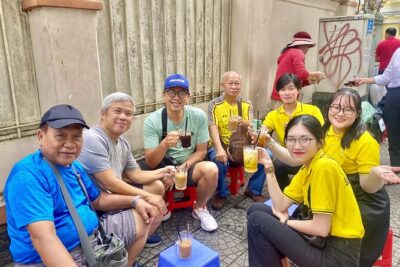
Into Cholon, the Old Chinatown
Just Reviewed Around Saigon
- Secret walking Food Tour Ho Chi Minh City
★ 5.0 · 3 reviews - Ho Chi Minh City: Secret Cocktail Experience
★ 5.0 · 3 reviews - From Ho Chi Minh city: Vung Tau Beach Private Day Tour
★ 5.0 · 3 reviews - Saigoncholon
★ 3.5 · 3 reviews - Saigon On 2 Wheels
★ 3.5 · 3 reviews - From Ho Chi Minh City: Relax In Mui Ne Beach In 1 Day
★ 4.3 · 3 reviews
Cholon Chinatown Tours, compared.
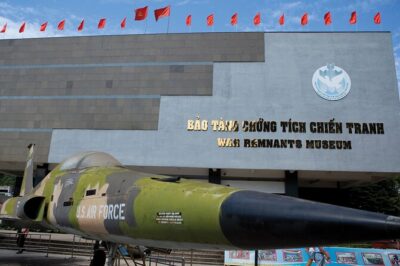 ★ 5.0Full-Day Ho Chi Minh City Tour with Colonial Heritage & ChinatownFrom $47246 reviews
 ★ 5.0Private Sunrise Photography Tour – Down in ChinatownFrom $8959 reviews
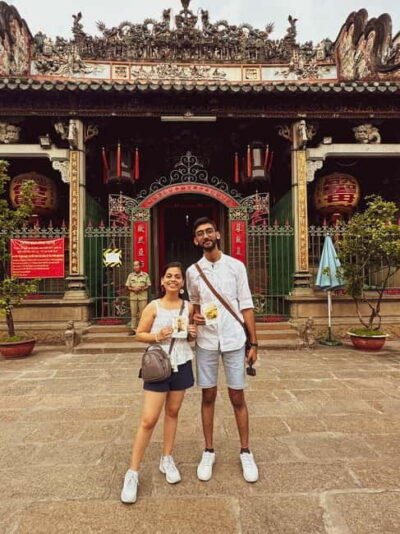 ★ 4.6Ho Chi Minh City Tour with Colonial Heritage and ChinatownFrom $4448 reviews
 ★ 5.0HCM city Chinatown Landscape, Beliefs & ghost tour by scooterFrom $1622 reviews
 ★ 5.0Saigon City and Chinatown Exploration with Water Bus AdventureFrom $4520 reviews
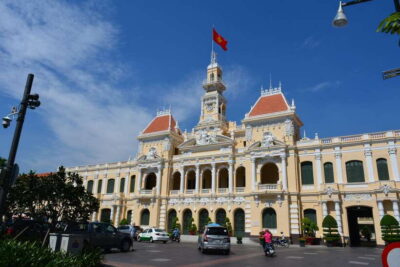 ★ 5.0City Highlights & Chinatown Trips – Water Bus TourFrom $377 reviews
 ★ 5.0Chinatown Hidden Treasures – Free Walking TourFrom $07 reviews
 ★ 5.0Chinatown Cyclo Journey Half-day TourFrom $487 reviews
Browse the lists this tour appears in