
REVIEW · SAIGON COFFEE TOURS
Vietnam Coffee Journey – Make extraordinary tasty coffee yourself
Saigon teaches coffee fast. This hands-on Vietnam Coffee Journey in Ho Chi Minh City turns tasting into a mini lesson on how Vietnamese coffee culture works, with six coffee tastings and phin brewing led by Quynh. You don’t just sample and move on. You connect flavors to the people and conditions that shaped them, and you leave able to make the classics yourself.
The one watch-out: if you are caffeine-sensitive, plan to pace your tasting (or ask for help stopping after a few cups), since you’ll try multiple drinks in one sitting.
In This Review
- Key Highlights You’ll Actually Feel
- A Practical Way to Understand Vietnamese Coffee in Saigon
- Meeting Point in District 1 and the Small-Group Setup
- Quynh’s Coffee Class Approach: Stories, Then Your Hands
- Your 6-Drink Flight: From Black Coffee to Icons
- What might slow you down
- Learning the Phin Dripper: The Hands-On Skill You’ll Use Again
- Ca Phe Sua: Condensed Milk Coffee, Vietnamese Style
- Ca Phe Trung: Egg Coffee and the Comfort-Food Angle
- Traditional vs Modern: How to Taste the Difference Like a Local
- Caffeine Reality Check: Plan Your Pacing
- Price and Value: Why $30 Can Make Sense Here
- Who This Suits Best (and Who Might Not)
- Should You Book Vietnam Coffee Journey?
- FAQ
- How long is the Vietnam Coffee Journey experience?
- How many coffee drinks will I try?
- Where does the experience start and end?
- Is there a maximum group size?
- Can you accommodate Halal, vegetarian, or vegan needs?
- What should caffeine-sensitive travelers do?
Key Highlights You’ll Actually Feel
- Six tastings with real stories that explain why each drink exists, not just what it tastes like
- Phin dripper practice so you learn the hands-on method behind Vietnamese coffee
- Iconic drinks you can recreate including ca phe sua (condensed milk coffee) and ca phe trung (egg coffee)
- Traditional vs modern comparisons so you can adjust future brews to your own taste
- Small group format with a maximum of 6 travelers for easier Q&A with Quynh
- Recipe-style tips for at home so the class doesn’t end when the tasting ends
Another glass of ca phe sua da, poured strong



A Practical Way to Understand Vietnamese Coffee in Saigon
If you’ve only had Vietnamese coffee at a café, you’ve tasted the result. This experience helps you understand the process that creates it. In Ho Chi Minh City, coffee isn’t just a drink you grab. It’s a daily ritual tied to local life, weather, ingredient habits, and how people like their flavors.
I like that this tour keeps the focus where it should be: on what you’re tasting and how you’re making it. You’ll try multiple styles, from plain black coffee to the more iconic drinks with ingredients, and you’ll hear the background behind each cup. That means your brain starts connecting flavors to context, instead of remembering coffee like a random list of drinks.
You also get a small-group feel. With a maximum of 6 people, it’s easier to ask questions and get answers that actually help you brew better. Quynh runs the session and clearly loves the subject, including how Vietnamese coffee reflects different regional traits.
Meeting Point in District 1 and the Small-Group Setup
You’ll meet at 27 Ngô Đức Kế, Bến Nghé, Quận 1, Ho Chi Minh City, and the experience ends back at the same spot. That matters for you if you’re trying to plan a tight schedule in District 1. No long transfers. You can arrive, park yourself, and focus on coffee.
The space is described as spacious, with seating for kids while parents join the activity. If you’re traveling with family, that’s a real comfort detail, because it’s not all standing-room and frantic shifting. The tour also states it’s near public transportation, so you’re not forced into a taxi-only day.
A couple of practical notes:
- The ticket is mobile.
- Service animals are allowed.
- Vegetarian/vegan/Halal options exist, but you need to arrange them in advance.
This is the kind of format that works well when you want something structured without being stuck in a big, noisy crowd.
Quynh’s Coffee Class Approach: Stories, Then Your Hands
The biggest difference here is the teaching style. It’s not framed as a school lecture, and it’s not a commercial coffee pitch. Quynh focuses on how brewing tools and methods bring out different characteristics in each style. You’ll hear the stories and origins behind the drinks, but it won’t feel like trivia time. It stays connected to the cup in front of you.
I also like that the session invites questions. If you’re the type who wonders why a coffee tastes stronger at one stop and softer at another, you’ll probably get answers here. In fact, the class format is built so you can ask questions during tasting and brewing, which makes the whole thing easier to remember later.
Expect an active rhythm: quick context, tasting, hands-on brewing practice with the phin, then tasting again with comparisons. When you do it this way, you stop asking only, Is it good? and start asking, What changed, and why?
Your 6-Drink Flight: From Black Coffee to Icons
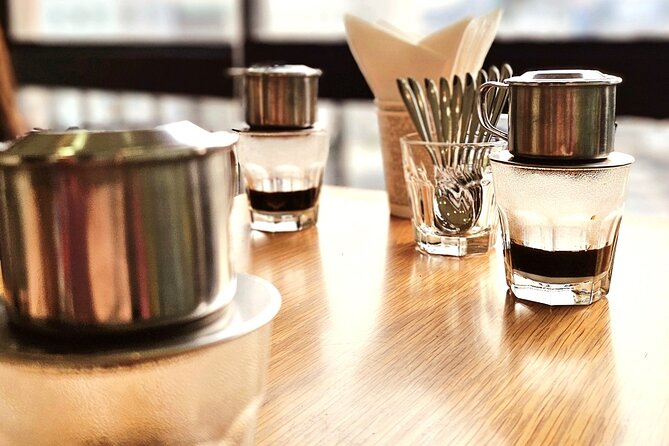
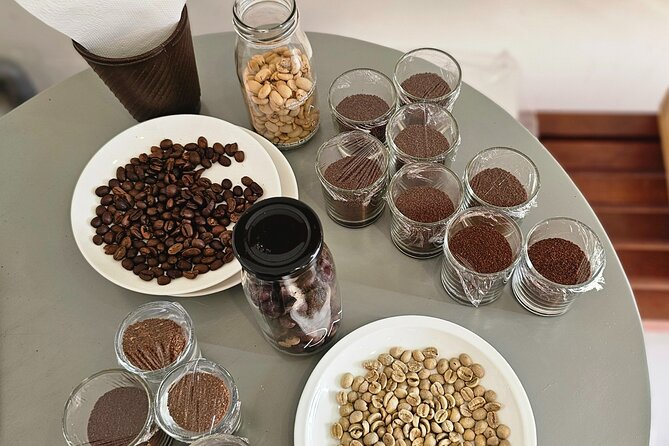
You’ll taste 6 different coffee drinks over about 2 hours 30 minutes. The lineup starts with pure black coffee, then moves toward the more iconic Vietnamese styles that include ingredients. You’ll compare traditional and more modern versions too, so you can feel the differences rather than just hear about them.
Here’s why this matters for you. Vietnamese coffee often confuses people who expect one flavor profile. Some cups are bitter and direct. Others lean sweet, creamy, and dessert-like. Instead of treating that as a mystery, the experience gives you the reasons behind the balance: different methods, different ingredient roles, and different local preferences.
The background stories are a big part of the value. Each drink is paired with a reason and a situation connected to Vietnam’s coffee culture. That’s what makes the tasting feel like a guide through daily life rather than a list of orders. If you care about how food reflects history and regional habits, you’ll likely enjoy the way each cup becomes a small chapter.
A few Saigon tours to weigh against this one:
- Ho Chi Minh City: Fun and Easy Coffee Workshop for Beginners★ 4.9 · 121 reviews
- Techniques & Secrets Behind the Famed Vietnamese Egg Coffee★ 5.0 · 99 reviews
- 1 hour Egg Coffee Cooking Class with Snack and Local Instructor★ 5.0 · 72 reviews
- Saigon Unseen: Culture, Coffee, Hidden Spots Motorbike Adventure★ 5.0 · 60 reviews
- Vietnam Flavour: Market-to-Table & The Art of Egg Coffee★ 5.0 · 53 reviews
What might slow you down
Because it’s built around explanation and Q&A, the session can feel longer in a good way. If you ask a lot of questions, you may spend a bit more time on tasting comparisons before you’re ready to head out.
Learning the Phin Dripper: The Hands-On Skill You’ll Use Again
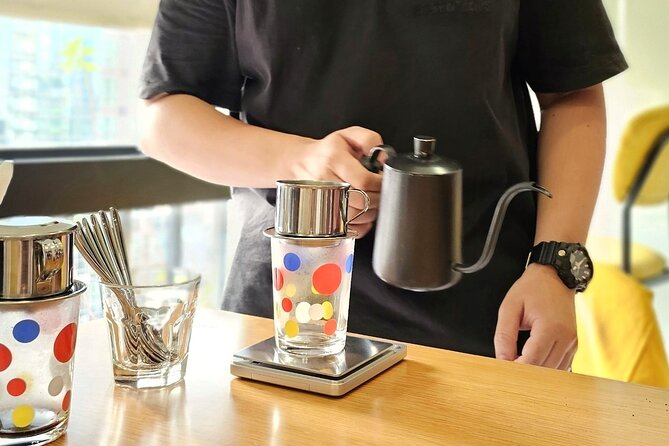
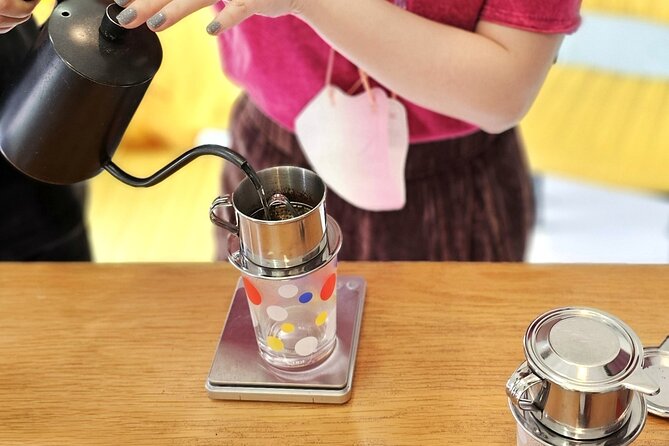
The core tool is the phin, the traditional Vietnamese coffee dripper. You won’t just watch it happen. You’ll learn how to use it, then you’ll brew so you understand the steps yourself.
This is the part that turns a coffee tour into a skill. Once you know the phin method, you can recreate the style at home without needing a Vietnamese café to do it for you. And once you understand how changes in brewing affect the final cup, you can adjust to your own taste.
What you’ll practice includes:
- Setting up and using the phin for drip-brew style coffee
- Learning the method in a way that helps you match the drink style you’re aiming for
- Seeing how the brewing approach links to flavor differences across the tasting lineup
Even if you’ve brewed coffee before, this will likely feel different. The phin is a simple tool, but it creates a distinct coffee rhythm. The drip-brew style changes how you experience strength, smoothness, and intensity. And once you taste it side-by-side, it clicks faster.
Ca Phe Sua: Condensed Milk Coffee, Vietnamese Style
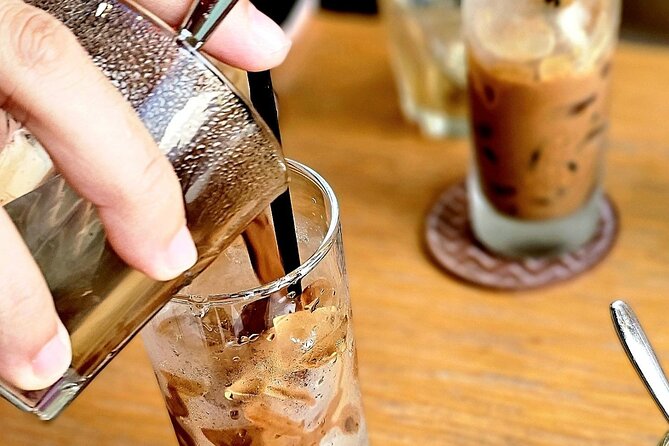
One of the highlights is ca phe sua, the condensed milk coffee that many people associate with Vietnam. In this class, you don’t just hear that it exists. You learn how it’s made in the style Vietnamese coffee drinkers use, and you get tips for making it at home.
Why I think this is worth your time: condensed milk coffee can taste either like a balanced dessert drink or like pure sweetness, depending on how it’s assembled. The experience gives you guidance for adjusting it to your preferences. That’s huge if you like the idea but don’t want it too sweet.
You’ll also learn the logic of why the milk changes the experience. It softens bitterness, adds body, and turns the drink into something closer to a coffee-caramel comfort cup. When you understand that role, you can make it more or less rich next time.
Ca Phe Trung: Egg Coffee and the Comfort-Food Angle
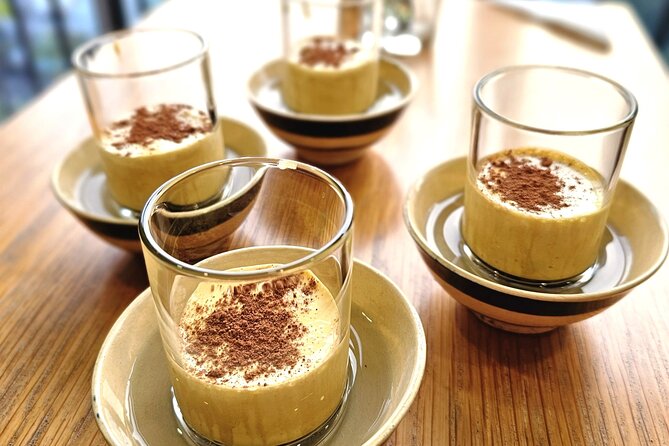
Egg coffee, ca phe trung, is another iconic pick in the lineup. This is one of those drinks people either love immediately or need one careful taste to understand. In this class, you’ll make sense of it through hands-on brewing and guided explanation, plus the story and background tied to the drink.
The practical value is that you learn what makes egg coffee egg-like in feel and texture, not just the name. You’ll be able to follow the steps later using the recipes and tips provided. That’s the difference between watching a video and actually getting guided instruction in a setting where you can ask questions.
Egg coffee also helps you understand something deeper about Vietnamese coffee culture: creativity in ingredient combinations. It shows how local habits and ingredient access can create a drink that feels like a signature comfort item, not a global copy.
Traditional vs Modern: How to Taste the Difference Like a Local
Vietnamese coffee isn’t stuck in one version. There are traditional styles and newer takes, and this experience helps you compare them directly. You’ll taste in a way that makes the differences clearer, especially when you connect them to brewing method and ingredient approach.
This is where you get that scientific, method-focused explanation promised by the host. It’s not about memorizing who does what. It’s about understanding why the tool and technique can shift the character of the cup. Once you hear it that way, you start tasting with more intent.
At home, that skill turns into confidence. You won’t rely on a single recipe forever. You’ll know how to adjust your brew style and drink assembly so you can get closer to what you want—stronger, smoother, sweeter, or lighter.
Caffeine Reality Check: Plan Your Pacing
You’ll try 6 coffee drinks, and caffeine-sensitive travelers should consider how much they can consume. The class notes that you can focus on tasting rather than finishing everything.
So if you’re sensitive, you’re not stuck. You can pace yourself. You can ask for a lighter approach. You can also choose to take small sips and compare without pushing through every cup.
I recommend thinking of this as a tasting flight. Your job is to notice differences, not to drink like it’s a competition.
Price and Value: Why $30 Can Make Sense Here
At $30 per person for about 2.5 hours, the price is not just for coffee. You’re paying for:
- Six different drinks
- Hands-on instruction with the phin
- Guided explanations that connect the coffee to Vietnam’s culture and regional traits
- Tips and recipes you can use at home
If you compare that to paying shop prices for multiple drinks plus trying to find a reliable brewing method on your own, the value is easier to justify. And the small group size helps keep the experience from feeling rushed.
You’ll also see that the experience is commonly booked around 13 days in advance on average. That’s a hint that popular dates can fill. If you’re scheduling a tight Saigon itinerary, it’s smart to reserve early.
Who This Suits Best (and Who Might Not)
This tour fits you best if:
- You love coffee and want to learn how Vietnamese coffee is brewed, not just what it tastes like
- You want a culture-and-food connection that’s practical, not vague
- You like hands-on learning and want recipes and tips for making drinks at home
- You enjoy asking questions and comparing small differences in taste
It might be less ideal if:
- You want a sightseeing-heavy day with lots of walking stops. This experience is focused around the brewing and tasting space.
- You strongly dislike coffee or are very sensitive and don’t want to taste multiple cups, even in small amounts.
If you need Halal or vegetarian/vegan options, you can arrange them in advance. That’s a helpful feature for planning ahead.
Should You Book Vietnam Coffee Journey?
I’d book it if you want a Vietnamese coffee experience that teaches you something usable. The phin practice alone is a reason. Add in the six-drink tasting, plus the stories and the regional comparisons, and you end up with something you can actually repeat at home.
I’d skip it if you only want one coffee and you’re not interested in learning methods. This class is for the curious. It rewards attention, questions, and a willingness to taste differences.
FAQ
FAQ
How long is the Vietnam Coffee Journey experience?
It’s about 2 hours 30 minutes.
How many coffee drinks will I try?
You’ll try 6 different coffee drinks during the session.
Where does the experience start and end?
It starts at 27 Ngô Đức Kế, Bến Nghé, Quận 1, Ho Chi Minh City, Vietnam, and it ends back at the meeting point.
Is there a maximum group size?
Yes. The experience has a maximum of 6 travelers.
Can you accommodate Halal, vegetarian, or vegan needs?
Yes. Vegetarian, Vegan, and Halal options are available, but you need to contact in advance for arrangement.
What should caffeine-sensitive travelers do?
The experience notes that caffeine-sensitive travelers should consider how much they can consume, and it allows for tasting rather than finishing all provided drinks.
More Coffee Experiences in Ho Chi Minh City
More Tour Reviews in Ho Chi Minh City



Saigon by the Glass of Coffee
Just Reviewed Around Saigon
- Secret walking Food Tour Ho Chi Minh City
★ 5.0 · 3 reviews - Ho Chi Minh City: Secret Cocktail Experience
★ 5.0 · 3 reviews - From Ho Chi Minh city: Vung Tau Beach Private Day Tour
★ 5.0 · 3 reviews - Saigoncholon
★ 3.5 · 3 reviews - Saigon On 2 Wheels
★ 3.5 · 3 reviews - From Ho Chi Minh City: Relax In Mui Ne Beach In 1 Day
★ 4.3 · 3 reviews
Saigon Coffee Tours, compared.
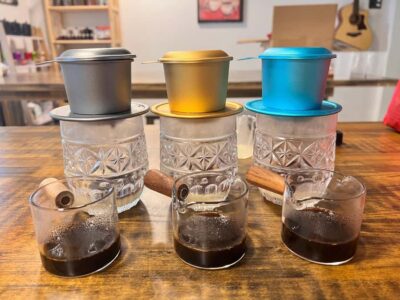 ★ 4.9Egg coffee & Course on 4 traditional types of Viet coffeeFrom $18487 reviews
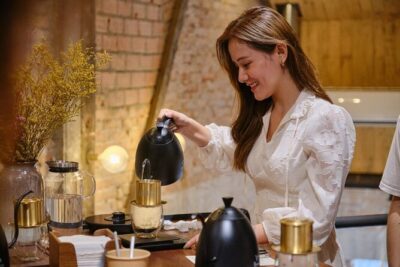 ★ 5.0Fun & Easy Vietnamese Coffee Workshop in Hồ Chí Minh CityFrom $23293 reviews
 ★ 5.0Vietnamese Coffee & Culture Exploration in Hồ Chí Minh CityFrom $29202 reviews
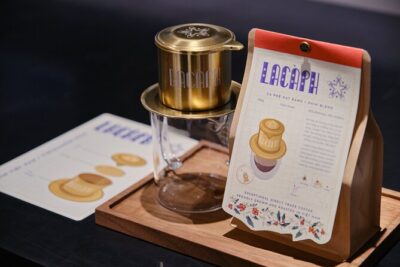 ★ 5.0Decadent Vietnamese “Egg Coffee” Workshop in Hồ Chí Minh CityFrom $20150 reviews
 ★ 4.9Fun and Easy Coffee Workshop for BeginnersFrom $23121 reviews
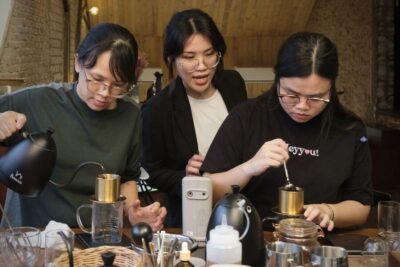 ★ 5.0Techniques & Secrets Behind the Famed Vietnamese Egg CoffeeFrom $2099 reviews
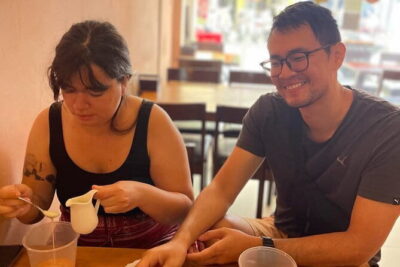 ★ 5.01 hour Egg Coffee Cooking Class with Snack and Local InstructorFrom $1572 reviews
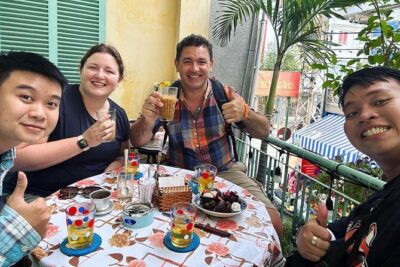 ★ 5.0Saigon Unseen: Culture, Coffee, Hidden Spots Motorbike AdventureFrom $3360 reviews
Browse the lists this tour appears in